Quick Facts
- Target Species: Cod, Ling (Red Hake), Pollack, and Tautog (Blackfish)
- Prime Ports: Montauk (NY), Belmar (NJ), Point Pleasant (NJ), and Narragansett (RI)
- Must-Have Rig: Dropper loops featuring 6-inch curly-tail grubs or bucktail teasers
- 2024 Cod Limit: 1 fish per day at 23 inches minimum (Gulf of Maine)
- Expert Tip: Use rubber bands for sinker attachments to prevent losing your entire rig in heavy structure
- Best Conditions: Moderate tidal currents and stable marine weather forecasts for offshore travel
Winter saltwater fishing in the Northeast and Mid-Atlantic centers on targeting deep-water offshore wrecks and rocky reefs where species like cod and ling congregate during the coldest months. Success in this fishery requires a mastery of vertical presentations, ranging from heavy metal jigs to specialized winter bottom fishing rigs, while prioritizing safety through thermal layering and constant monitoring of coastal conditions.
Species Spotlight: Targeting Cod and Ling
As the water temperature drops, many species migrate to deeper, more stable environments. For the winter saltwater fishing enthusiast, this signals the arrival of the "bottom fishing" season. Primarily, we are looking for Atlantic cod and ling (also known as red hake). These fish occupy a benthic habitat, meaning they stay close to the seafloor, often hugging the edges of shipwrecks, glacial rock piles, and artificial reefs.
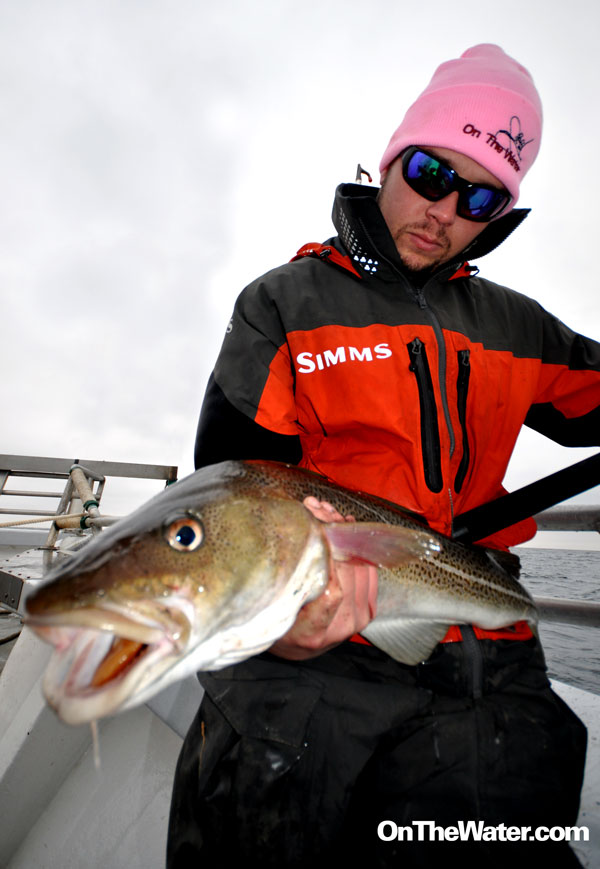
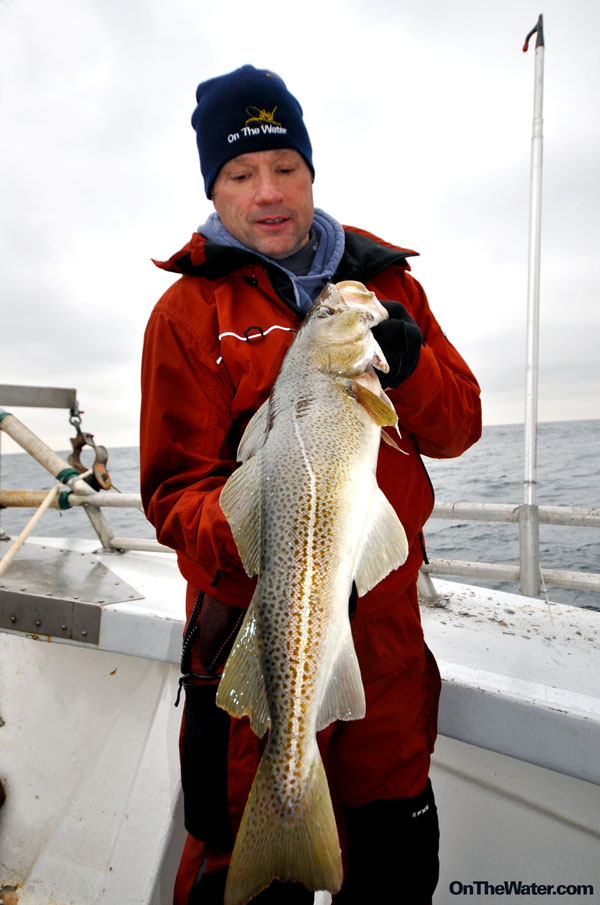
In the Gulf of Maine, regulations have tightened to ensure the sustainability of the stock. As of July 2024, the recreational bag limit for Atlantic cod is one fish per day with a minimum size limit of 23 inches. Understanding these size and possession limits is crucial before you leave the dock. While inshore Atlantic cod typically range from 27 to 34 inches in length and weigh between 6 and 12 pounds, larger offshore specimens can exceed 40 inches and 25 pounds.
Ling, on the other hand, are often caught in higher volumes. While they lack the brute strength of a large cod, they offer excellent action on light tackle and are highly regarded for their culinary value. Often found on the same offshore wrecks as cod and pollack, ling tend to prefer the "muddy" edges of a wreck. If you find yourself catching dozens of ling but no cod, you may need to adjust your position slightly toward the higher relief of the structure.
Mastering Winter Bottom Fishing Rigs
Precision is the name of the game when fishing in 100 to 250 feet of water. You cannot simply throw a hook overboard and hope for the best. To be effective, your terminal tackle must remain in the strike zone despite heavy tidal currents.
The most common setup for winter bottom fishing rigs for cod and ling is the high-low rig or a dropper loop system. A simple dropper loop allow you to stack multiple hooks or teasers above a heavy sinker. This is particularly effective when using dropper loop teasers for winter cod, as it mimics a small school of baitfish or shrimp moving along the bottom.
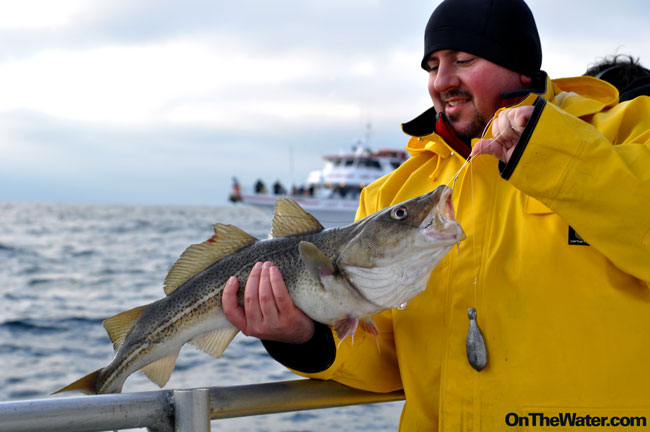
One "pro tip" shared among veteran Northeast winter fishing techniques involves the rubber band sinker trick. Instead of tying your sinker directly to your leader, use a heavy-duty rubber band to loop the sinker onto the bottom of your rig. Since offshore wrecks are notorious for snagging gear, this creates a breakaway point. If your sinker gets wedged in a piece of steel or rock, the rubber band will snap, allowing you to retrieve your expensive fluorocarbon leaders and hooks rather than losing the entire setup.
For those who prefer a more active approach, learning how to jig for cod and pollack in winter is essential. This involves using metal lures like diamond jigs. You drop the jig to the floor, then use a rhythmic "lift and drop" motion. Most bites occur on the "fall," so it is vital to keep a semi-tense line to feel the slight "thump" of a fish inhalng the metal.
Technical Gear: Best Rods for Winter Saltwater Fishing
The transition from summer fluke fishing to winter bottom fishing requires a significant upgrade in gear. The combination of deep water, heavy lead (often 10 to 20 ounces), and the potential for a 20-pound fish demands high-sensitivity tackle.
I recommend using rods constructed with high-modulus graphite or nano-resin. These materials provide the necessary backbone to lift heavy fish from the depths while remaining sensitive enough to detect the subtle "peck" of a ling in 200 feet of water. A 7'2'' Medium-Heavy to Heavy rod with an Extra-Fast action is generally the "sweet spot" for this type of fishing.
| Gear Component | Specification | Why It Matters |
|---|---|---|
| Rod Length | 7'0" - 7'6" | Provides leverage for deep-water hook sets. |
| Power | Medium-Heavy to Heavy | Manages heavy sinkers and large cod. |
| Action | Extra-Fast | Sensitive tip for bite detection. |
| Reel Type | Conventional or Heavy Spinning | Needs high line capacity and strong drag. |
| Line Type | Braided Mainline (50lb+) | Low stretch allows for better feel at depth. |
When it comes to your line, follow the "Rule of 10." If you are using 50-pound braided mainline, pair it with a 50-pound fluorocarbon leader. Using braided line is non-negotiable for winter saltwater fishing; monofilament has too much stretch, making it nearly impossible to feel bites or set the hook effectively when you have 200 feet of line out.
Safety and Preparation: Beating the Cold
There is no sugarcoating it: winter saltwater fishing is cold. On a head boat in January, the wind chill can easily dip into the negatives once the boat is at cruising speed. Preparation starts with thermal layering. Forget cotton; it traps moisture and will leave you shivering. Use synthetic or wool base layers, followed by a fleece mid-layer, and finish with high-performance rain gear to block the wind and spray.
Safety also means knowing when not to go. Always check marine weather forecasts the night before. If the swell is predicted to be over six feet with high frequency, the "deck" will be a dangerous place. Many anglers have a "Plan B" involving inshore marsh fishing or bridge fishing for white perch or striped bass if the offshore trip is canceled due to weather.
If you are new to the Northeast winter fishing scene, head boat etiquette is important. These boats are large, communal vessels.
- Arrive at least 45 minutes before departure to secure a spot at the rail.
- Keep your gear organized and out of the walking paths.
- When the mate gaffs your fish or clears a tangle, a tip of 15-20% of the fare is the standard protocol for their hard work in freezing conditions.
From Hook to Table: Handling Your Catch
One of the primary draws of catching cod and ling is their flavor. Ling, or red hake, have a very delicate, sweet white meat. However, they are notorious for having "soft" flesh that can degrade quickly if not handled properly.
To ensure the best quality, bleed your fish immediately. Make a quick cut across the gills and place the fish in a bucket of seawater for a few minutes before moving it to a slush ice bath. When cleaning and cooking winter ling and red hake, remember that the meat does not freeze as well as cod. It is best enjoyed fresh, lightly breaded and pan-fried, or used in a classic "chowder" style preparation.
Cod meat is firmer and holds up well to baking, broiling, or even deep-frying for fish and chips. Because of the strictly enforced size and possession limits, every keeper cod is a prize that should be treated with respect in the kitchen.
FAQ
Is saltwater fishing good in the winter?
Yes, winter can be one of the most productive times for bottom fishing. While many surface-feeding species have migrated south, the deep-water wrecks become hubs for cod, ling, and pollack. However, success depends heavily on weather windows and having the right heavy-duty gear.
What fish can you catch in saltwater during the winter?
In the Northeast and Mid-Atlantic regions, the primary targets are Atlantic cod, ling (red hake), pollack, and tautog. Occasionally, you may also encounter haddock or winter flounder depending on your specific location and the depth you are fishing.
What is the best bait for winter saltwater fishing?
Fresh clams are the gold standard for cod and ling. Most captains will provide salted or fresh clams on the boat. Other effective baits include strips of squid or small pieces of crab when specifically targeting tautog. If you are jigging, metal diamond jigs are the most effective artificial option.
How do you catch saltwater fish in cold weather?
Success involves finding structure. Saltwater species for cold weather congregate around offshore wrecks and reefs. Use a vertical presentation to keep your bait directly on the bottom where the fish are holding. Slow down your movements, as fish metabolism is lower in cold water, requiring a more deliberate presentation.
What gear do I need for winter saltwater fishing?
You need a stout rod (Medium-Heavy to Heavy power) with a sensitive tip. Use a high-capacity reel spooled with 50-80 pound braided line and a 50-80 pound fluorocarbon leader. Additionally, waterproof bibs, a high-quality hooded jacket, and insulated boots are mandatory to stay safe and comfortable in the winter elements.