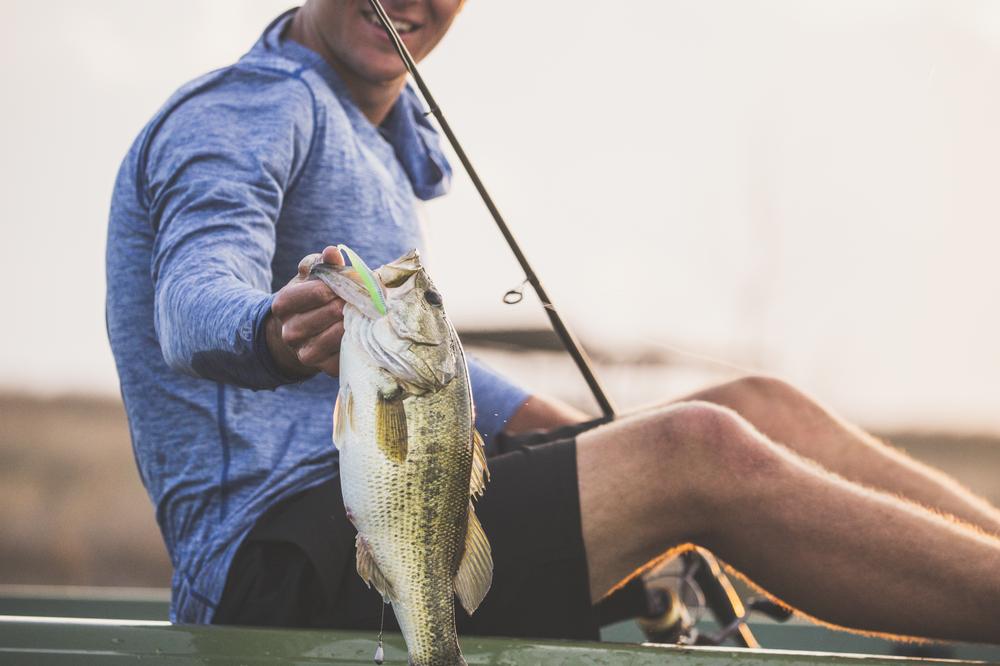
Quick Facts
- Peak Temperature: Bass typically spawn when water hits 60°F to 75°F, with peak activity around 68°F.
- Prime Habitat: Protected shallow pockets, bays, and creek arms with depths between 1 and 5 feet.
- Key Indicator: Circular, light-colored depressions on hard bottom surfaces like gravel, sand, or clay.
- Top Lures: Bluegill-colored creature baits, tube jigs, and weightless soft plastics for bedding fish; lipless crankbaits for staging fish.
- Effective Strategy: Use aggressive search baits to locate active beds, then switch to slow finesse presentations to trigger defensive strikes.
- Conservation: Practice immediate catch and release for bedding bass to ensure the survival of the nest and protect the next generation of fry.
As spring transitions into early summer, the spawning cycle dictates everything about bass behavior. Successful bass spawn fishing requires understanding water temperatures and migration patterns from staging areas to shallow gravel beds. Bass typically spawn in shallow areas with hard bottom compositions like gravel or sand, often located in protected pockets or creek arms. To locate beds, look for clean, circular depressions fanned out by males in one to five feet of water. In murky conditions, focus on isolated cover such as logs or stumps, which bass use as anchor points for nesting when visibility is limited.
The Pre-Spawn Migration: Locating Staging Areas
Before the actual spawning begins, bass undergo a massive migration from their deep wintering holes toward the shallows. This phase, known as the pre-spawn, is often the best time of year to catch the heaviest fish of the season as females are gorging themselves to prepare for the reproductive cycle. The pre-spawn phase begins as water temperatures rise from the mid-40s into the 50s, prompting bass to move to staging areas like secondary points, creek channel bends, and steep banks near spawning flats.
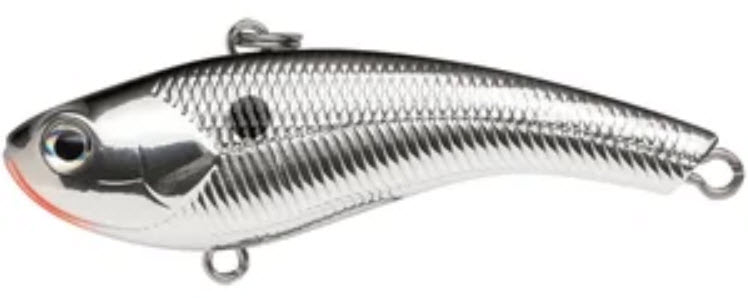
During this migration, bass are highly aggressive. Anglers should use moving baits like lipless crankbaits, jerkbaits, and spinnerbaits to target these active fish as they migrate toward their spawning grounds. Because the fish are grouped up in transition zones, effective search baits for locating active bass beds later in the cycle often start here as tools to identify which creek arms hold the highest density of fish.
When fishing these staging areas, focus your efforts on depths of 5 to 12 feet. Look for "stopping points" where a bass might pause before making the final push into the shallows. A secondary point with a bit of submerged vegetation or a wood pile is a prime location. Using 12-pound-test fluorocarbon provides the necessary sensitivity to feel a lethargic pre-spawn bite while offering enough abrasion resistance to handle cover.
As the temperature continues to climb, the fish move closer to the back of the pockets. This is where pre spawn bass fishing tips emphasize the importance of following the baitfish. If the shad or crawfish are moving shallow, the bass are right behind them.
Alex’s Pro Field Hack: On bright, windy days, the surface of the water can become covered in pollen or debris, making sight fishing impossible. Keep a small garden sprayer filled with a mixture of water and a few drops of dish soap on the deck of your boat. A quick spray on the surface will "break" the tension and clear the debris, giving you a crystal-clear window into the water below.
Locating Bass Spawning Beds: Sight Fishing Success
Once the water maintains a steady temperature in the low 60s, the males move into the extreme shallows—often 1 to 3 feet deep—to fan out nests. Locating bass spawning beds is a visual game that requires patience and a high-quality pair of polarized sunglasses. Look for "bright" spots on the bottom; these are areas where the male bass has cleared away silt and debris to reveal the raw gravel or sand underneath.
However, not all water is crystal clear. Knowing how to identify bass spawning beds in murky water is a skill that separates the pros from the amateurs. In stained or muddy conditions, you won't see the white circle of the bed. Instead, look for isolated cover. Bass in murky water often nest right against a stump, a single dock piling, or a floating log. These objects provide the fish with a sense of security and a "backboard" to protect the nest from one side.
For those engaging in sight fishing for spawning bass step by step, the process begins with stealth. Bass on a nest are incredibly wary. If they see the silhouette of a boat or a shadow cast across their bed, they may abandon the nest or refuse to bite. Use your trolling motor on the lowest possible setting and stay as far back as your casting ability allows. Stealth techniques for fishing bedding bass include wearing neutral-colored clothing that blends with the sky and staying quiet on the boat deck.
Environmental factors play a massive role in the success of the spawn. Female largemouth bass produce an average of 4,000 eggs per pound of body weight, which can result in a single nest containing anywhere from 5,000 to 45,000 eggs depending on the size of the female. Because of this high volume, the male's job in guarding the nest is grueling and vital for the population.
| Spawning Factor | Largemouth Bass | Smallmouth Bass |
|---|---|---|
| Start Temp | 60°F | 55°F |
| Peak Temp | 68°F | 62°F |
| Ideal Bottom | Sand, Gravel, Mud | Hard Rock, Gravel, Boulder |
| Depth Range | 1-5 Feet | 2-10 Feet |
| Cover Preference | Vegetation, Stumps | Rock humps, Ledges |
Best Lures for Spawning Bass: From Reaction to Finesse
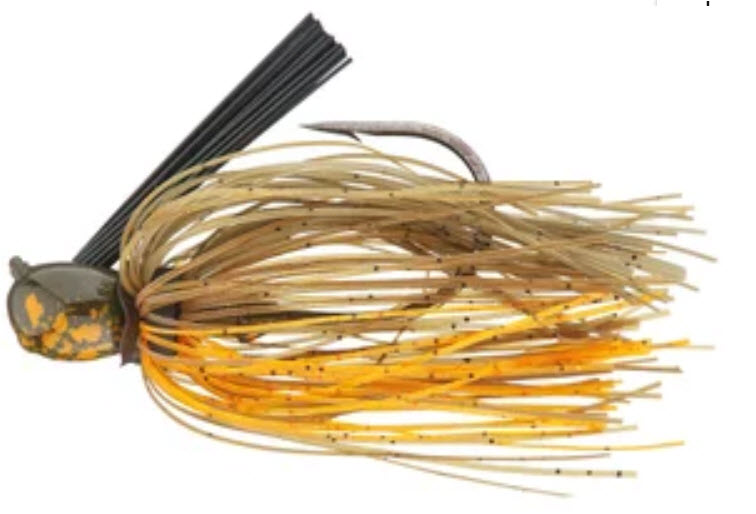
Selecting the right lure is determined by which "mode" the fish is in. When you are scouting, you want to use aggressive search baits. Buzzbaits, swim jigs, or vibrating jigs are excellent for covering water and triggering reaction strikes from fish that are just beginning to move onto their beds. These lures mimic a threat passing through the territory, forcing the bass to strike out of pure territorial aggression.
Once a specific bed is identified and you can see the fish, the strategy shifts. You are no longer trying to feed the fish; you are trying to annoy it. The best lures for spawning bass are those that can stay in the "strike zone"—the small 12-inch circle of the nest—for as long as possible.
- Creature Baits: Use a Texas-rigged plastic with lots of appendages. Bluegill imitators are particularly effective as they mimic natural egg predators that bass are instinctually driven to attack.
- Wacky Rigs: A Senko or similar stick bait hooked through the middle falls very slowly and undulates, often proving irresistible to a guarding male.
- Tube Jigs: These are excellent for mimicking crawfish trying to sneak into the nest to eat eggs.
- Drop Shots: This is a secret weapon for bedding fish. By using a long leader, you can keep the weight on the bottom outside the bed while the lure suspended above it dances directly in the face of the bass.
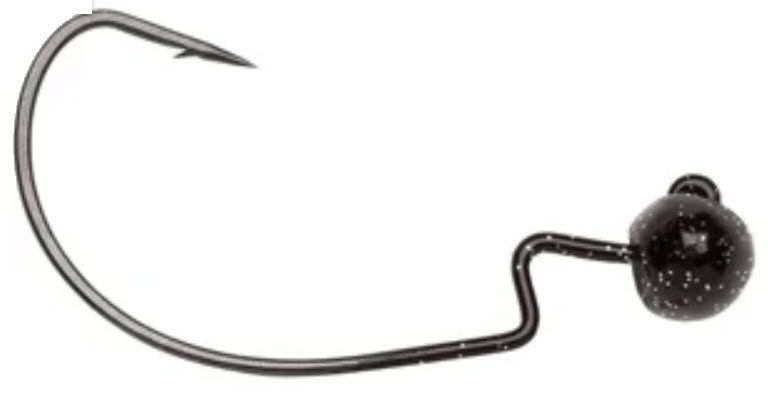
When rigging these lures, the "color" matters less than the "visibility." If the water is clear, use natural greens and browns. However, many pros use a "sight dot" or a white/pink lure so they can see exactly when the lure has been inhaled by the bass. Since bass often pick up a lure just to move it out of the nest rather than to eat it, you must see the lure disappear to know when to set the hook.
Post-Spawn Transitions: Targeting Fry Guarders and Migrating Females
As the eggs hatch and the "fry" (baby bass) emerge, the bass enter the post-spawn phase. This is often the most difficult time for anglers because the large females, exhausted from the spawn, move to deeper water to recover and become very lethargic. Meanwhile, the smaller males stay shallow to guard the fry balls—massive clouds of tiny bass that hover near cover.
During this time, bass spawn fishing involves a mix of topwater action and finesse. When you see a "fry ball" near the surface, cast a weightless soft plastic or a small popper nearby. The male bass guarding those fry will strike anything that comes close. However, be mindful of the high stakes; environmental studies indicate that the mortality rate for eggs and fry is extremely high, with more than 99.98 percent typically failing to reach adult size.
The influence of lunar cycles also plays a role in these waves of activity. Many anglers believe that the full moon in April or May acts as a catalyst, pushing the largest "wave" of fish onto the beds simultaneously. Tracking these cycles can help you predict when the transition from pre-spawn to peak spawn will occur with surgical precision.
Lure Cheat Sheet by Water Clarity
- Clear Water: Use 6-pound to 10-pound-test fluorocarbon. Target beds visually with natural-colored plastics, tubes, or a drop shot. Use a 1/8-ounce weight for a subtle entry.
- Stained Water: Switch to 12-pound-test. Use "shaking" baits like a Texas-rigged creature bait in black-and-blue or junebug. Increase weight to 1/4-ounce to maintain contact with the bed.
- Muddy Water: Use heavy 15-pound to 20-pound-test or braid. Use vibrating jigs or loud rattles to help the fish locate your lure via their lateral line. Target the thickest cover available.
FAQ
What water temperature do bass spawn in?
Largemouth bass typically initiate spawning when water temperatures range between 60°F and 75°F, with peak activity frequently occurring at a temperature of approximately 68°F. Smallmouth bass tend to start slightly earlier, often when temperatures reach the mid to high 50s.
What is the best lure for spawning bass?
While search baits like buzzbaits work to locate fish, the best lure for a bass actually on a nest is a creature bait or a wacky-rigged soft plastic. Bluegill imitators are exceptionally effective because bluegill are the primary predators of bass eggs, triggering a fierce defensive strike from the bedding bass.
Is bed fishing for bass harmful to the population?
Bed fishing is a debated topic, but most biologists agree that if practiced with immediate catch and release, it has minimal impact on the overall population. The danger occurs when a fish is kept in a livewell or removed for a long period, allowing nest predators like bluegill to consume the unprotected eggs or fry within seconds.
How can you tell if a bass is on a nest?
A bass on a nest will typically stay in a very specific, small area and will move in a circular pattern or "hover" over a light-colored spot on the lake floor. If you cast near the fish and it swims away but quickly returns to the exact same spot, it is almost certainly guarding a nest.
Where do bass go after the spawn is over?
After spawning, female bass generally move to the first "break" or drop-off near the spawning flat to recover, often in 8 to 15 feet of water. Males stay in the shallows for several weeks to guard the newly hatched fry before eventually migrating to summer haunts like deep weed edges, offshore humps, or timber.