Quick Facts
- Top Pick: Katabatic Gear Alsek for its industry-leading draft control and conservative temperature ratings.
- Best Ultralight: Zpacks Solo Quilt (13.3 oz), ideal for minimalist thru-hikers aiming for the lowest possible pack weight.
- Best Value: Enlightened Equipment Apex, a synthetic option that performs exceptionally well in damp environments.
- Crucial Requirement: To use a quilt safely, you must pair it with a sleeping pad that has a minimum 4.5 R-value.
- Core Advantage: According to performance data, performance backpacking quilts can weigh up to 11 ounces less than comparable mummy bags.
A backpacking quilt is an ultralight alternative to a traditional sleeping bag that removes the hood and the back insulation. Because insulation is compressed and ineffective underneath a body, the best backpacking quilts save weight by relying on a high R-value sleeping pad for ground insulation. This design offers more freedom of movement for side sleepers and active movers while significantly reducing pack volume and base weight.
Backpacking Quilt vs Sleeping Bag: Why Make the Switch?
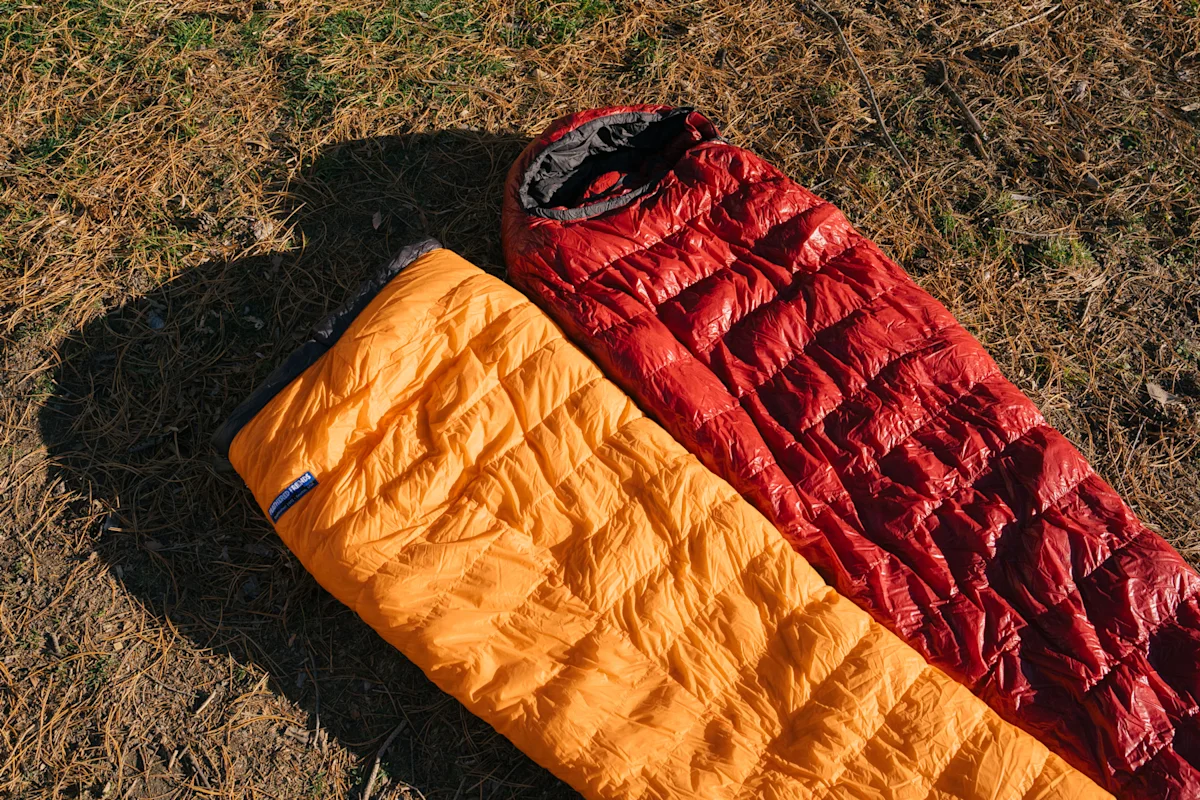
The transition from traditional mummy bags to ultralight backpacking quilts is driven by a simple realization: the down beneath you is doing almost nothing. When you lie on a sleeping bag, the loft is crushed by your body weight. Since trapped air is what actually provides warmth, that flattened material becomes dead weight. By removing the back of the bag, you achieve a massive base weight reduction without sacrificing thermal efficiency.
The backpacking quilt vs sleeping bag debate often comes down to comfort versus traditional enclosure. For many, the benefits of backpacking quilts for side sleepers are the deciding factor. Traditional bags can feel like a straitjacket, turning with you and tangling as you move. A quilt acts more like your bed at home, allowing you to sprawl out or tuck your knees. This mobility makes it a favorite among active sleepers who find mummy bags restrictive.
Social proof for this shift is overwhelming. In the 2025 Appalachian Trail Thru-Hiker Survey, two-thirds of hikers reported using a backpacking quilt instead of a traditional sleeping bag during their journey. This shift reflects a broader trend in the hiking community toward a more modular sleep system that prioritizes a high weight-to-warmth ratio.
| Feature | Traditional Mummy Bag | Ultralight Backpacking Quilt |
|---|---|---|
| Weight | Heavier (includes hood/back) | Lighter (refined to essentials) |
| Mobility | Restrictive, moves with you | High freedom, stays in place |
| Insulation | 360-degree coverage | Top and side coverage only |
| Best For | Extreme cold / Beginners | Thru-hiking / Side sleepers |
How to Choose a Backpacking Quilt: Technical Specs That Matter
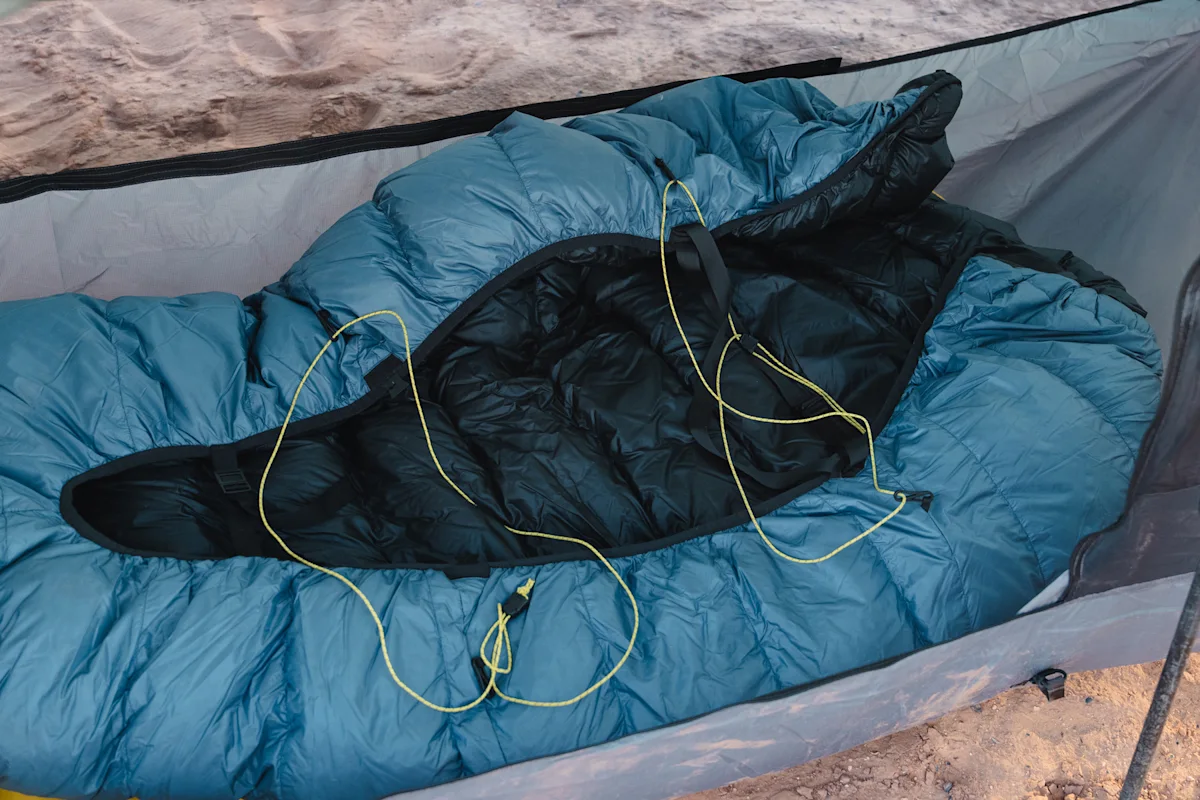
When you begin researching how to choose a backpacking quilt, the terminology can feel daunting. However, focusing on a few key construction methods will help you find the right fit for your needs.
First, consider the baffle design. Most high-end quilts use box baffle construction. Unlike "sewn-through" seams, which create cold spots where the fabric meets, box baffles use internal mesh walls. This allows the down to loft fully and prevents it from shifting to the sides, ensuring consistent warmth across your torso.
Another technical detail to look for is a differential cut. This means the outer fabric is cut wider than the inner fabric. This design allows the down to reach its maximum height even if you push your elbows or knees against the sides of the quilt. Without a differential cut, you might accidentally compress the insulation from the inside, leading to a chill.
When looking at an ultralight backpacking quilt temperature rating guide, keep in mind that standardized ISO and ASTM temperature ratings cannot be officially applied to quilts. These tests require a fully enclosed environment. Because a quilt relies on the user to manage drafts, brands often provide "limit" ratings. If you are a cold sleeper, I recommend adding a 10-degree buffer to your choices; if you expect 30-degree nights, shop for a 20-degree quilt.
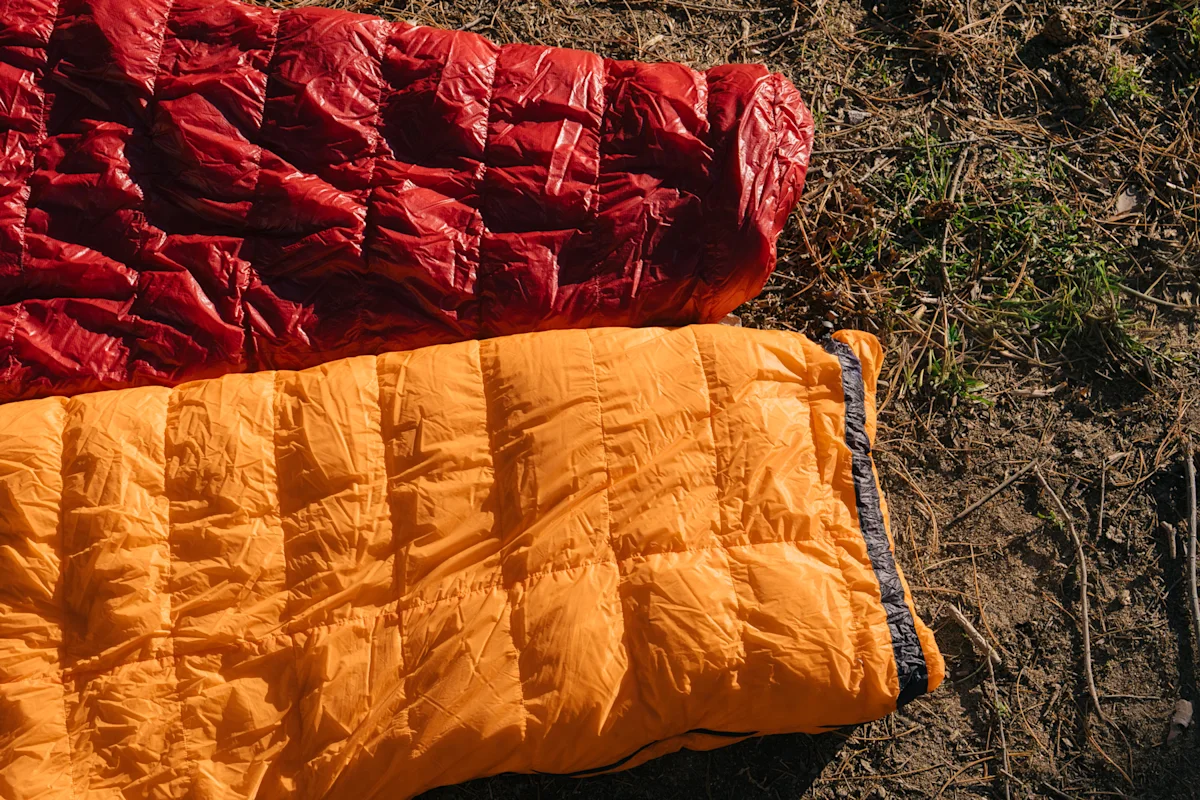
Finally, you must decide between a sewn footbox vs zippered quilt.
- Sewn Footbox: Offers the best warmth-to-warmth ratio by eliminating zippers and potential draft holes at the bottom.
- Zippered/Drawstring Footbox: Provides maximum versatility, allowing you to open the quilt flat like a blanket on warmer nights.
Mastering the System: The Quilt and Pad Connection
It is a common mistake to view a quilt as a standalone item. In reality, it is only half of your sleep system. Since there is no material between you and the ground, your ground insulation requirements are much higher than they would be with a bag.
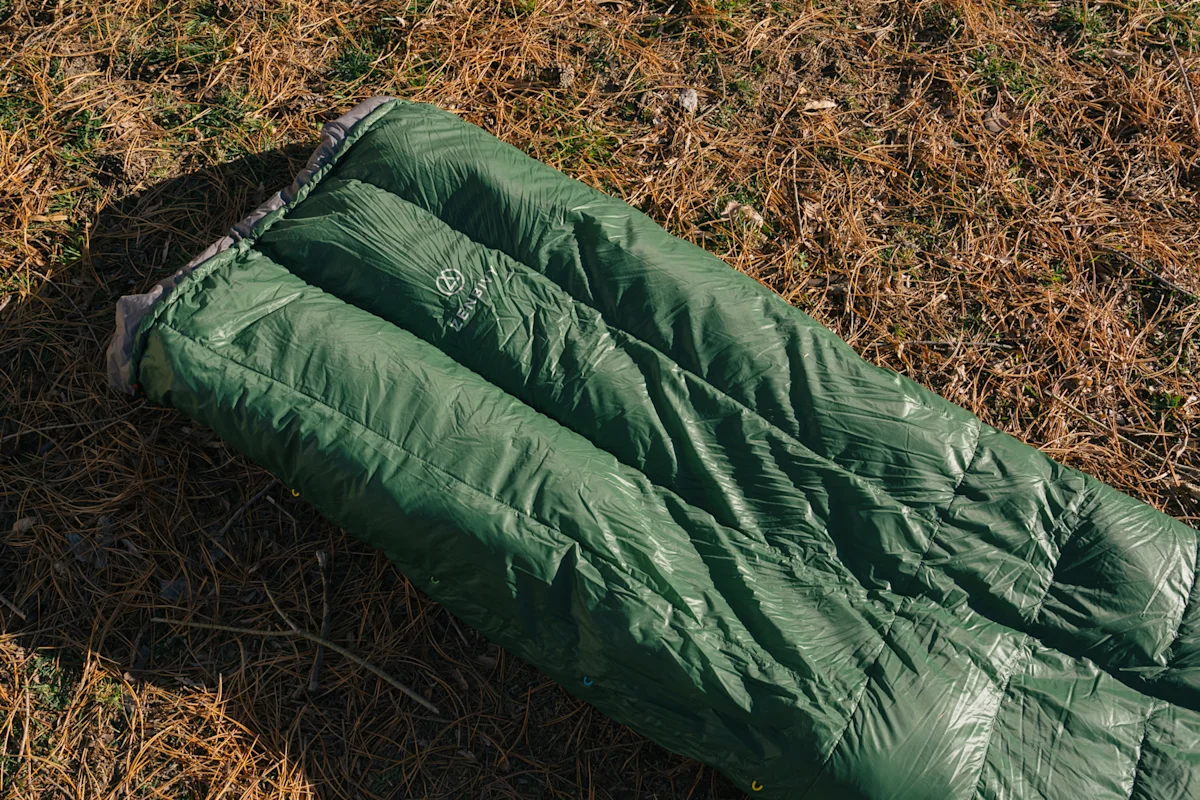
To keep the warm air trapped inside, you must learn how to use pad attachment systems for quilts. These usually consist of thin elastic straps that wrap around your sleeping pad and clip into the sides of the quilt. When properly adjusted, these straps pull the edges of the quilt underneath you, creating a seal that prevents heat from escaping when you roll over.
The best r value sleeping pad for backpacking quilts is typically 4.5 or higher for 3-season camping. If your pad has a low R-value, even the most expensive 950 fill power down quilt won't keep you warm because the cold ground will pull heat directly from your body. Additionally, since quilts are hoodless, you must supplement your system with headwear. A dedicated down beanie or a fleece balaclava is essential for maintaining thermal efficiency on chilly nights.
Pro Tips for Staying Warm: Managing Drafts and Cold Spots
The primary concern for those new to ultralight backpacking quilts is the potential for drafts. This is a valid fear, but one that is easily managed with the right technique and gear features.
One of the best features for a draft-free night is a draft collar design. This is a plush tube of insulation at the top of the quilt that cinches around your neck. It acts as a gasket, sealing in the heat your body generates and preventing the "bellows effect" where movement forces warm air out the top.
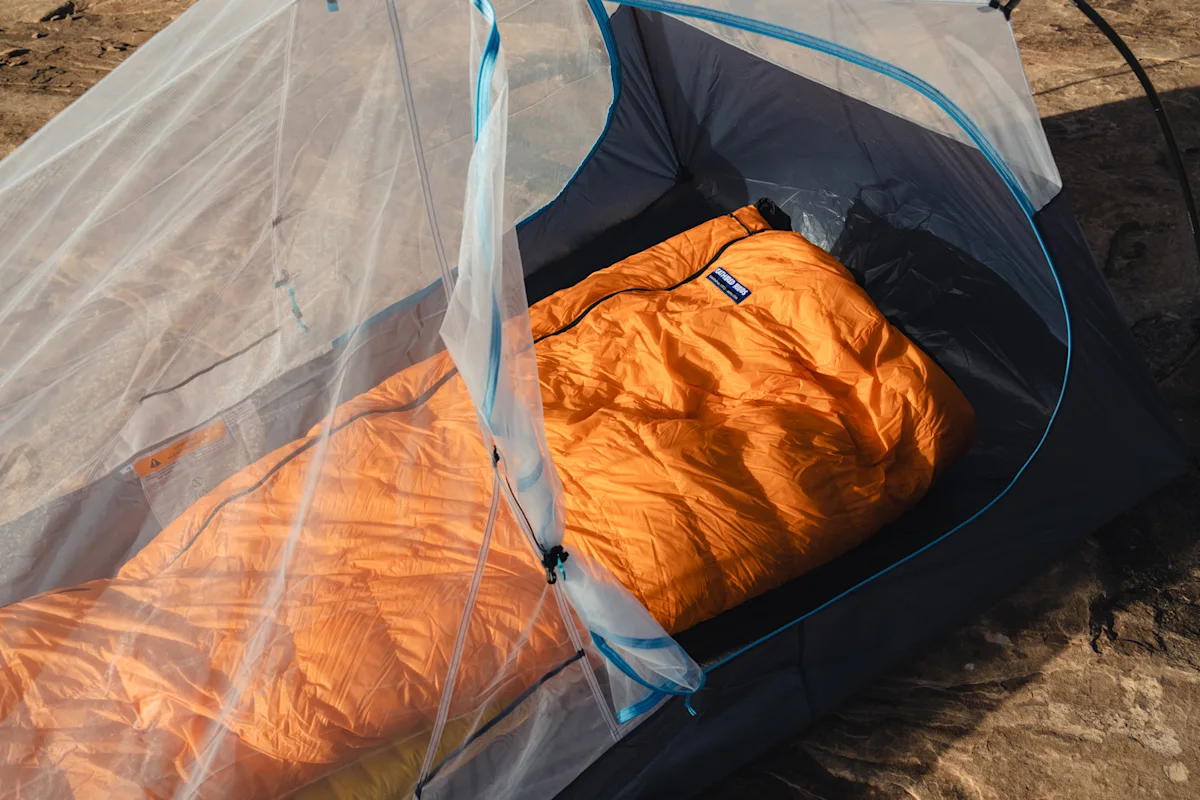
When considering the best backpacking quilts for cold sleepers, pay attention to the width. Many ultralight hikers try to save an extra ounce by buying a "regular" width quilt, only to find it doesn't provide enough coverage when they sleep on their side. Moving to a "wide" model adds very little weight but provides enough fabric to tuck deeply under your sides, which is effective for how to prevent drafts in a backpacking quilt.
Another expert tip is to check if the quilt features a hydrophobic down treatment. This DWD (Durable Water Repellent) coating on the feathers helps the down maintain its loft even if condensation from your tent drips onto the quilt surface. In high-moisture environments, this can be the difference between a cozy night and a damp, shivering morning.
FAQ
Are backpacking quilts better than sleeping bags?
Whether a quilt is better depends on your priorities. For hikers focused on base weight reduction and freedom of movement, quilts are often superior. They offer a better weight-to-warmth ratio by removing unnecessary materials. However, traditional sleeping bags are more "plug-and-play" and are generally safer for extreme sub-zero temperatures where sealing every possible draft is a matter of survival.
How do you stay warm in a backpacking quilt?
Staying warm requires a system-oriented approach. You must use a high R-value sleeping pad to block ground cold and utilize a pad attachment system to secure the edges of the quilt. Additionally, since quilts lack a hood, you should wear an insulated hat or down hood to prevent heat loss from your head.
What temperature rating should I get for a backpacking quilt?
Because there is no universal standardized testing for quilts, many manufacturers use "limit" ratings rather than "comfort" ratings. For 3-season use (Spring, Summer, Fall), a 20-degree quilt is the most versatile choice. If you tend to sleep cold, it is wise to choose a quilt rated 10 degrees lower than the coldest temperature you expect to encounter.
How do you attach a backpacking quilt to a sleeping pad?
Most quilts come with elastic straps. You first wrap these straps around your sleeping pad. Once you are laid down, you clip the edges of the quilt into the buckles on the straps. You can then tighten or loosen the straps to either pull the quilt tight against your body to trap heat or loosen them for more ventilation on warmer nights.
Are backpacking quilts suitable for side sleepers?
Yes, they are essentially the gold standard for side sleepers. Unlike mummy bags that can twist and constrict your legs, a quilt allows you to move your knees freely. The wider dimensions and open-back design mean you can roll from side to side without the entire insulation system moving with you.