Quick Facts
- Critical Threshold: Frostbite and hypothermia can set in within 30 minutes of exposure in temperatures below -15 degrees.
- Insulation Goal: Aim for a combined R-8 rating by stacking closed-cell foam and inflatable sleeping pads.
- Heat Loss: Approximately 70% of heat radiation loss can occur through the head and neck if left uncovered.
- Survival Priority: Thermal regulation and shelter must be addressed before signaling, hydration, or food.
- Medical Rule: Follow the No Refreeze protocol—never thaw frostbitten tissue if there is any risk it will freeze again.
- Water Efficiency: Ice is significantly more fuel-efficient than snow, yielding a higher moisture content per volume.
- Rescue Statistics: About half of all search and rescue incidents within hut systems involve overdue skiers, while the other half stem from injuries or altitude sickness.
Surviving -22°F in the Colorado Rockies environment requires more than just gear; it requires a mastery of winter backcountry safety. At these temperatures, the margin for error is zero. You must be prepared for an emergency bivouac preparedness guide if plans fail. This involves immediate thermal regulation through specialized shelter and heat retention, as frostbite can occur in as little as 30 minutes. Prioritize wind-resistant layers and carry reliable satellite communication devices to ensure you can trigger an SOS if conditions become life-threatening.
The 30-Minute Danger Zone: Understanding -22°F
When the mercury drops to -22°F, the environment is no longer just "cold"—it is biologically aggressive. In these conditions, the wind chill factor can accelerate heat loss to a point where the human body cannot maintain its core temperature through metabolic activity alone. For those traveling to high-altitude destinations like the Goodwin-Greene hut at 11,700 feet, facing temperatures as low as -22 degrees means your gear and your physiology are being pushed to their absolute limits.
The biggest threat at this threshold is the speed of injury. Because frostbite and hypothermia can set in within 30 minutes at temperatures below -15°F, your reaction to a gear failure or a navigational error must be instantaneous. Identifying hypothermia stages in extreme backcountry conditions is a vital skill. It often begins with the "umbles"—stumbling, mumbling, and fumbling—as cold-induced nerve damage begins to affect motor skills and cognitive function. If a group member stops shivering, they have transitioned from mild to severe hypothermia, and their body's heating mechanism has failed. This is the moment when winter backcountry safety transitions from a trek to a survival scenario.
Emergency Bivouac Preparedness: Engineering Your Shelter
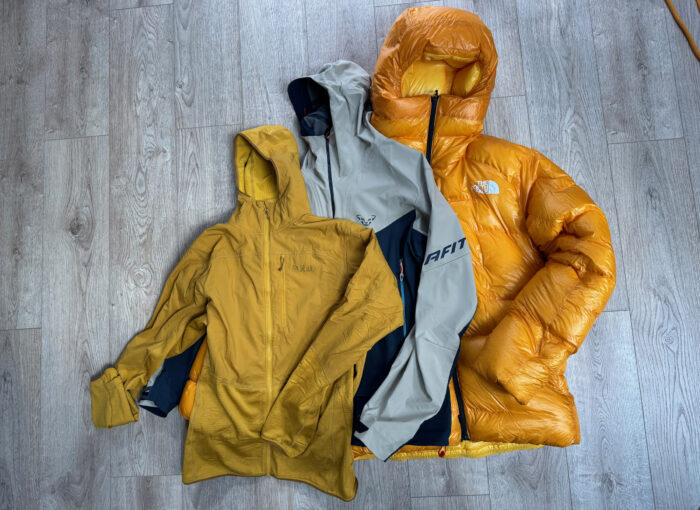
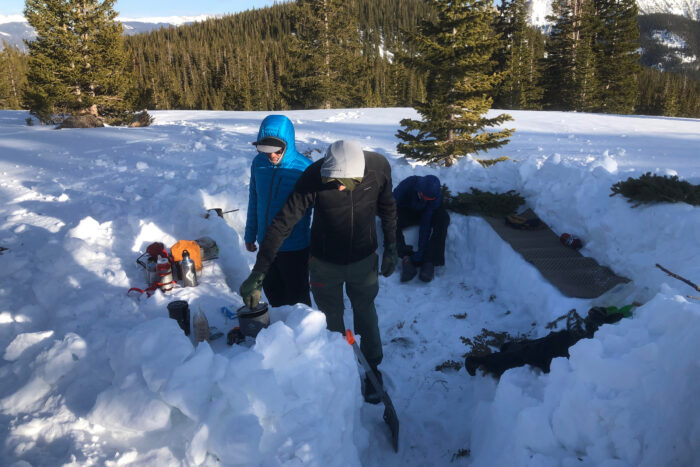
If you are forced to stop moving because of darkness, exhaustion, or weather, you must transition to an emergency bivouac preparedness guide for winter survival. Your goal is to create a micro-climate that traps every watt of heat your body produces. A common mistake is to keep all layers on while building a shelter. This leads to the Wet = Death principle: as you work, you sweat; once you stop, that moisture freezes, stripping your body heat through conduction. You must strip down to your base layers to work, then immediately put on your high-loft "puffy" layers once the shelter is finished.
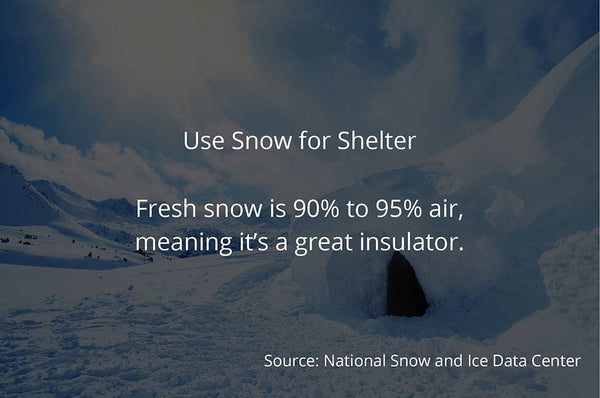
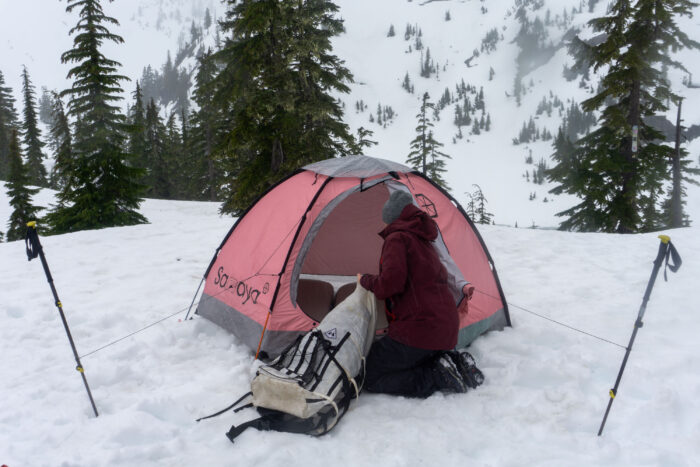
Standard survival shelters in the deep snow of the Rockies should utilize the USMC horseshoe snow wall standard. Dig a trench into the snow and build a three-foot-high wall of snow blocks in a horseshoe shape to deflect the wind chill factor. For stability, use your skis or poles as deadman snow anchors, burying them horizontally in the snow to secure your bivouac sack or tarp. Choosing between bivouac sacks and space blankets for emergencies is a matter of durability; a dedicated bivouac sack provides better wind protection and heat retention than a thin space blanket, which can easily tear in high alpine winds.
Medical Triage: Frostbite and Hypothermia Management
In a sub-zero emergency, medical management is about stabilization rather than cure. Frostbite prevention and symptoms must be monitored constantly. If you notice white, waxy skin on a partner's face or fingers, you are looking at cold-induced nerve damage. The field protocol for this is counterintuitive: the No Refreeze rule. If you thaw a frozen foot and then have to walk on it, or if it refreezes during the night, the mechanical damage to the tissue will be permanent and often leads to amputation. Only attempt rewarming if you can maintain warmth for the remainder of the evacuation.
Pro-Tip: The Sacred Socks Rule Always keep one pair of thick, dry wool socks sealed in a waterproof bag at the bottom of your pack. These are your Sacred Socks. They are never to be worn for hiking—only for sleeping or during an emergency bivouac. Keeping your extremities dry is the simplest way to prevent frostbite prevention and symptoms from escalating.
For those trained as a Wilderness First Responder, managing deep tissue damage requires precision. If you do reach a controlled environment, rewarming should involve immersion in water strictly between 37-39°C. To manage the inflammatory response and provide tissue protection, medical literature suggests a dosage of 12 mg/kg of Ibuprofen. Watch for extreme symptoms like "lost eyesight," where the cornea begins to freeze or the patient suffers from severe snow blindness, further complicating any winter wilderness self-rescue techniques.
Hydration and Metabolic Heat at -22°F
Hydration is often the first thing hikers neglect in extreme cold, yet it is essential for maintaining blood volume and thermal regulation. When you are dehydrated, your blood thickens, and your heart works harder to move warmth to your extremities. In a survival situation, finding safe methods for melting snow for drinking water in winter is your primary job. However, not all frozen water is equal.
| Aspect | Melting Snow | Melting Ice |
|---|---|---|
| Fuel Efficiency | Low (Snow is mostly air) | High (Dense moisture content) |
| Water Yield | 10:1 Volume Ratio | 1:1 Volume Ratio |
| Speed | Slow, prone to "scorching" pot | Fast and consistent |
| Risk | Dehydration due to slow process | High fuel consumption if ice is too thick |
Always keep a "seed" of liquid water in your pot when melting ice to prevent burning the metal. Once melted, boiling is the only guaranteed way to disinfect meltwater. Beyond hydration, use your stove to create metabolic thermogenesis. Prioritize high-calorie fats like cheese, salami, or nut butters. Your body burns these slowly, creating a "low-frequency" internal heat that lasts through the night. If your stove fails because the fuel is too cold, keep your ISO/propane canisters inside your jacket against your skin to keep them at an operating temperature.
Self-Rescue and Search & Rescue (SAR) Protocols
When you are stranded in -22°F, you are in a race against time. While satellite communication devices like a Garmin inReach or Zoleo are lithium-powered lifelines, they are not magic wands. High winds, heavy snow, and sub-zero temperatures can ground helicopters and delay ground teams from Mountain Rescue Aspen or other regional agencies. You must be prepared for winter wilderness self-rescue techniques until a rescue window opens.
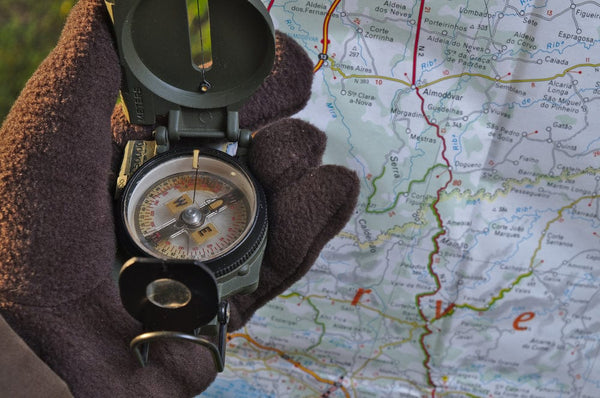
Battery management is critical. In extreme cold, electronics lose up to 50% of their power almost instantly. Keep your phone and GPS in an internal chest pocket. If your digital navigation fails, you must rely on paper maps and a compass. Remember that navigation and timing errors account for half of all winter rescues. If you've triggered an SOS, stay with your shelter. Moving in a whiteout or during a deep freeze increases the risk of injury and makes you a moving target for searchers. Communicate clearly with the Pitkin County Sheriff or local dispatch, giving your exact coordinates and a status report on your group's injuries and remaining fuel.
FAQ
What are the most important safety tips for winter backcountry travel?
The most important tips include checking a detailed avalanche and weather forecast before departure, traveling in a group, and carrying the "big three" survival essentials: shelter, a heat source, and specialized communication tools. Always leave a detailed trip plan with someone at home and ensure you have redundant layers to handle temperatures 20 degrees colder than predicted. Mastery of winter backcountry safety means knowing when to turn back before conditions deteriorate.
How do you recognize the signs of hypothermia?
Recognition begins with the "umbles"—lack of coordination (stumbling), slurred speech (mumbling), and loss of fine motor skills (fumbling). As it progresses from mild to moderate, the patient will shiver uncontrollably. In severe stages, shivering stops, and the patient may experience paradoxical undressing or profound confusion. Identifying hypothermia stages in extreme backcountry conditions early is the only way to prevent a fatality.
What should be included in a winter survival kit?
A robust kit for -22°F must include an emergency bivouac sack, waterproof fire starters, a metal cup for melting snow, high-calorie food, a headlamp with spare lithium batteries, and a first aid kit equipped for frostbite prevention and symptoms. Additionally, include a satellite communication device and a high-R-value insulating pad to prevent heat loss to the ground.
What should you do if you get lost in the backcountry during winter?
If you become lost, the first step is to stop (S.T.O.P. – Sit, Think, Observe, Plan). Do not keep walking and wasting energy. If it is late in the day, prioritize building a shelter to stay warm overnight. Use your satellite communication devices to signal for help. If you have no communication, stay in a visible area but remain protected from the wind chill factor.
What essential gear do I need for winter backcountry safety?
Reliable winter backcountry safety gear includes a multi-layer clothing system (base, mid, and wind-shell), an avalanche beacon, probe, and shovel, and a four-season tent or bivouac sack. For navigation, both a GPS and analog map/compass are essential. Most importantly, carry a stove capable of operating in extreme cold (like a liquid fuel stove) and enough fuel to melt snow for hydration.