Quick Facts
- Top Prevention Pick: Silicone-based anti-chafe stick for maximum durability and resistance to sweat.
- Top Treatment Pick: Barrier ointments containing zinc oxide to soothe raw skin and promote healing.
- Friction Reduction: Clinical trials show that a single application of anti-chafe balm can reduce skin friction by up to 45 percent.
- Durability Metrics: High-quality sticks can provide protection for up to 14 days of heavy thru-hiking with proper reapplication.
- Fabric Technology: Wearing 80/20 Nylon-Elastane/Lycra blends provides better physical protection than loose cotton.
- The Hydration Link: Proper hydration prevents salt crystal buildup on the skin, significantly lowering the risk of abrasions.
To prevent chafing on long hikes, apply a friction-reducing lubricant like an anti-chafe stick or cream to hotspots before exercise begins. Wear moisture-wicking synthetic or wool fabrics instead of cotton to minimize moisture buildup, and use wet wipes to remove salt crystals from sweat that can act like sandpaper against the skin. The most effective anti chafing cream for long distance hiking provides a long-lasting, water-resistant barrier that protects against shearing forces throughout the day.
The Hiking Chafe Science: Why Your Skin Breaks Down
When you are twenty miles into a backcountry trek, every step involves a complex interaction between your skin, your clothing, and the environment. Chafing is more than just a minor annoyance; it is a physiological breakdown of the epidermis caused by repeated friction. A study conducted in 2026 found that 92% of endurance athletes experience chafing during competition, with 67% reporting that the friction is severe enough to cause bleeding.
The primary culprits are shearing forces and moisture. As you move, your skin rubs against fabric or other skin, creating micro-abrasions. When moisture from sweat enters the mix, the skin undergoes a process called skin maceration, where the tissue softens and becomes more susceptible to tearing. However, the true hidden enemy on a long hike is salt.
As your sweat evaporates, it leaves behind microscopic salt crystals. According to experts at REI, dehydration increases the concentration of salt in perspiration, which acts as a mechanical abrasive on the skin and exacerbates the risk of chafing and irritant contact dermatitis. Imagine walking with fine-grit sandpaper between your thighs; that is essentially what dried sweat does to a hiker. This is why skin friction prevention is not just about lubrication, but also about hygiene and gear choice. Proper thru-hiking gear must account for these variables to keep a hiker moving toward the terminus.
Stick vs. Cream: Choosing Your Defense
Deciding between an anti chafe stick vs cream is often a matter of trail logistics and personal preference. Both serve the goal of skin friction prevention, but they perform differently under the stress of a multi-day trek.
Anti-Chafe Sticks
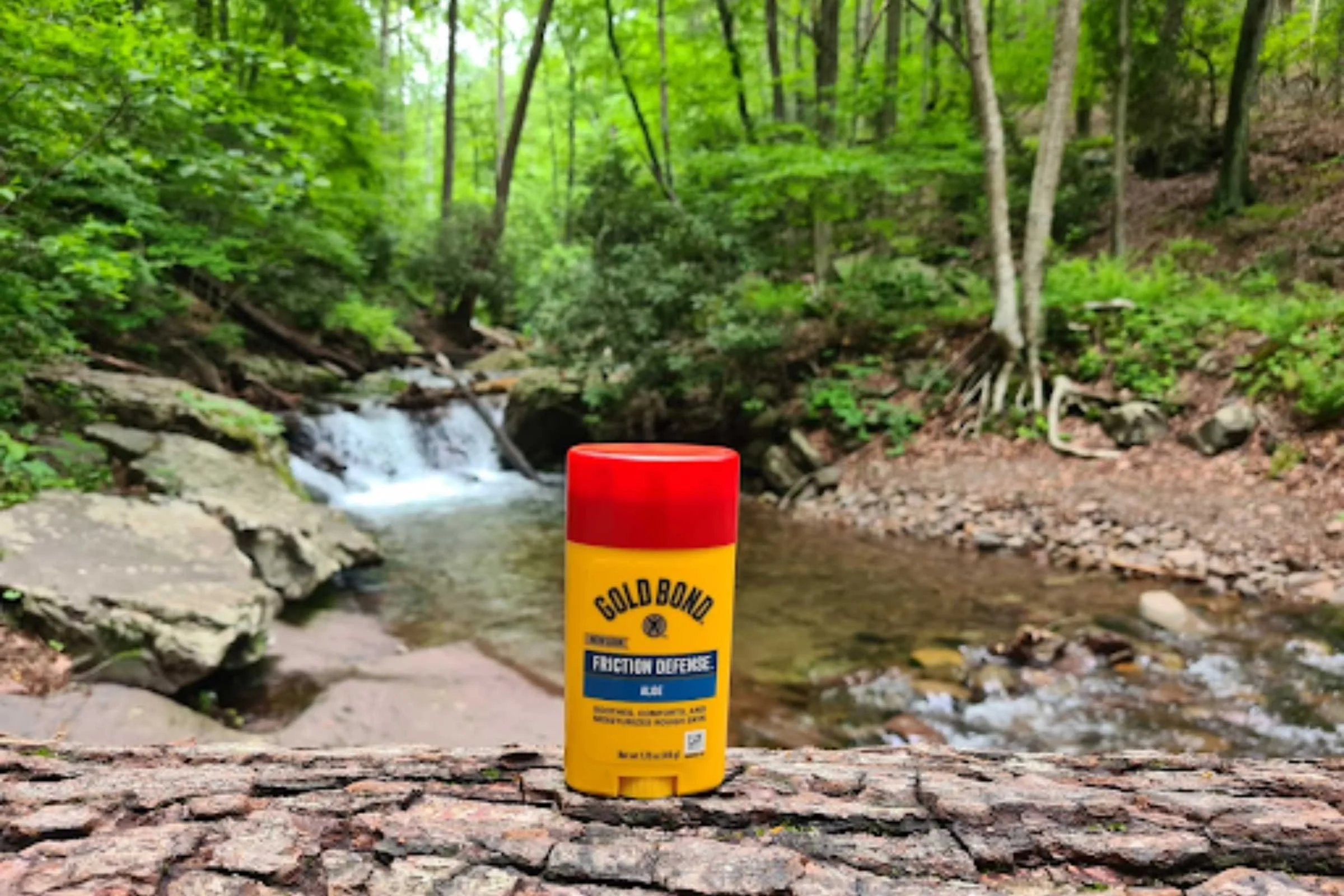
Sticks are the gold standard for hikers who want a hassle-free experience. The formula is typically wax or silicone-based and comes in a deodorant-style applicator. This allows for a hands-free, no-mess application, which is crucial when your hands are covered in trail dirt and you do not want to introduce bacteria to sensitive areas. A single swipe provides a thin, consistent layer that is highly effective at reducing friction. Laboratory trials indicate that applying a single swipe of anti-chafe balm can reduce friction on the skin by up to 45 percent.
Anti-Chafe Creams and Salves
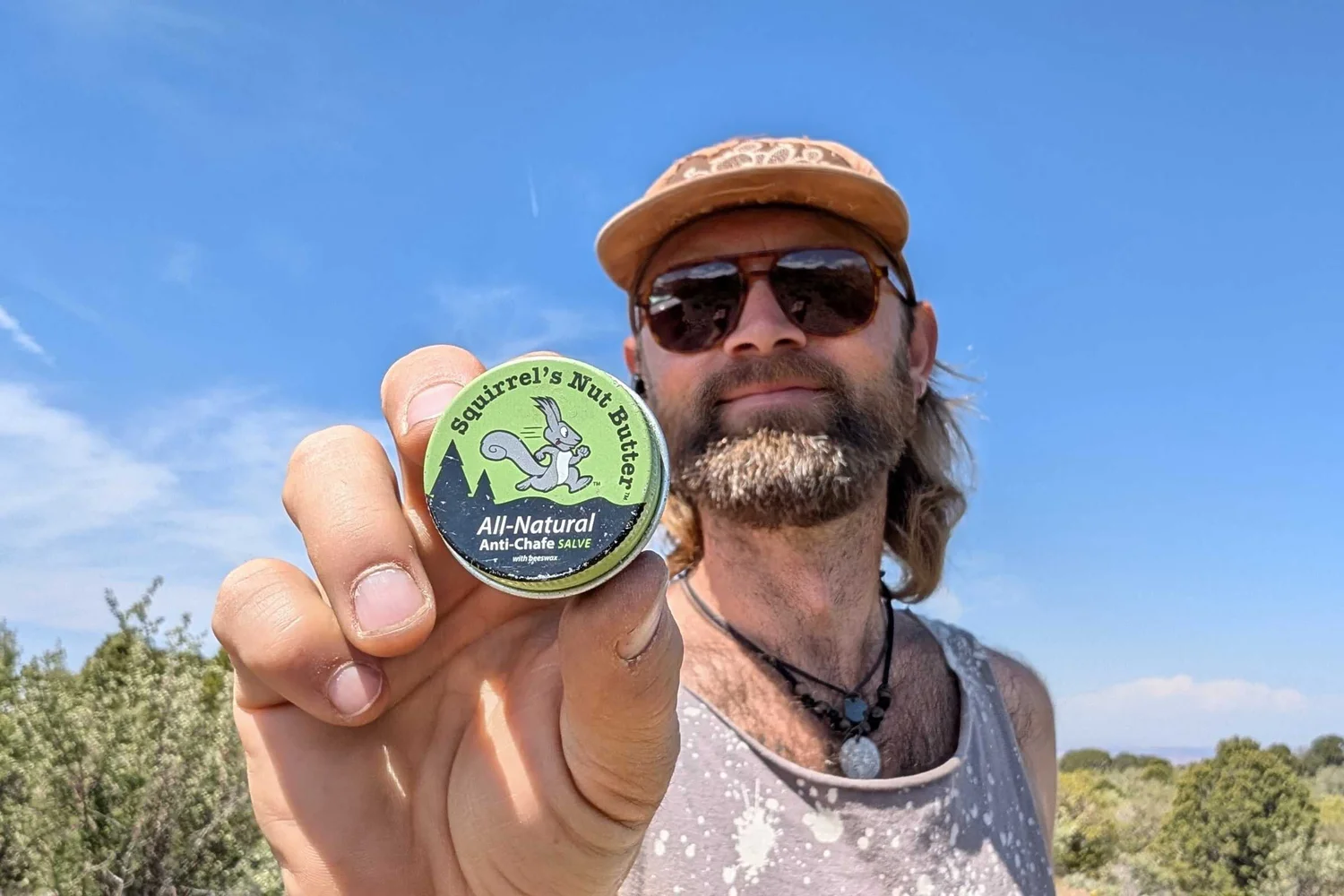
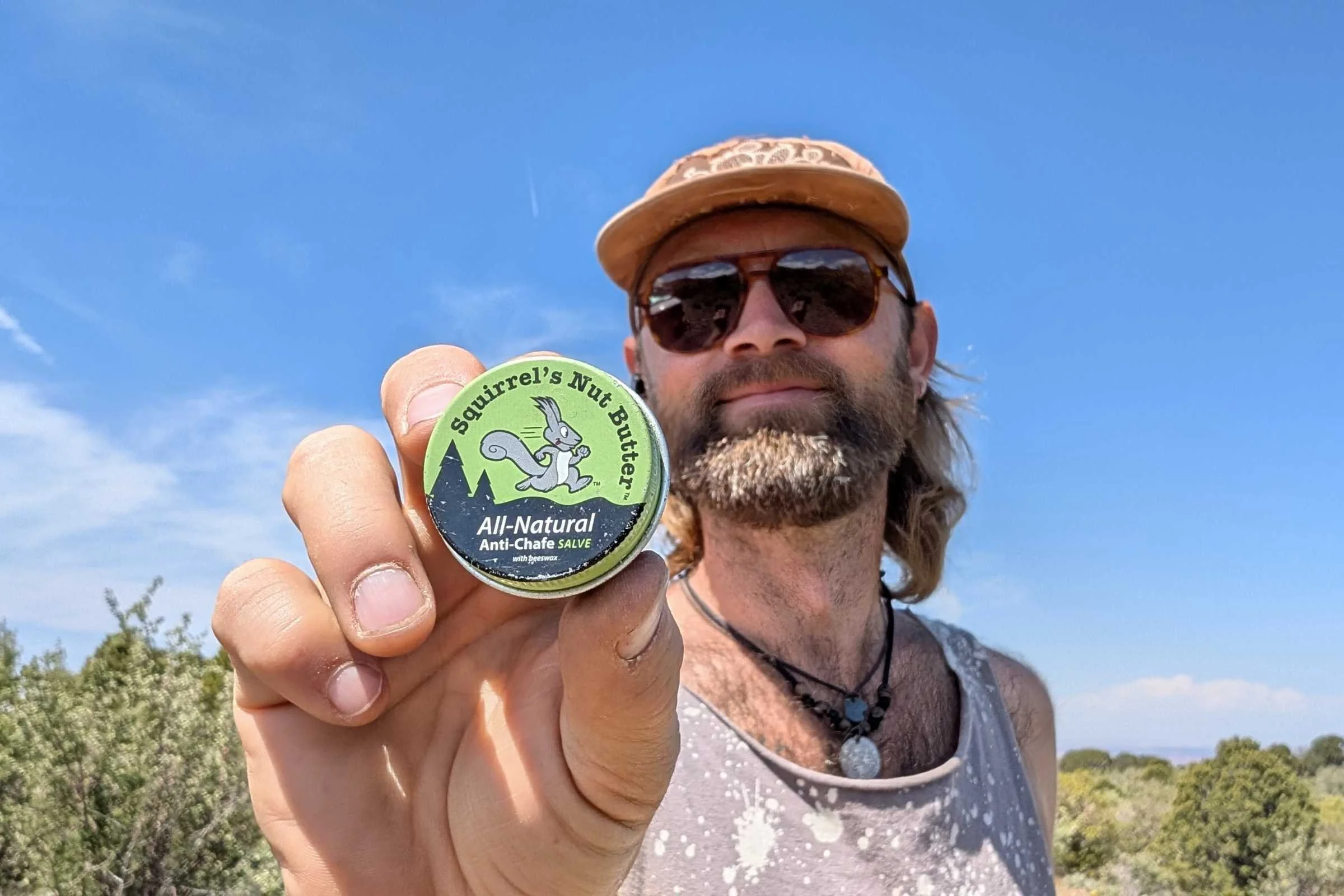
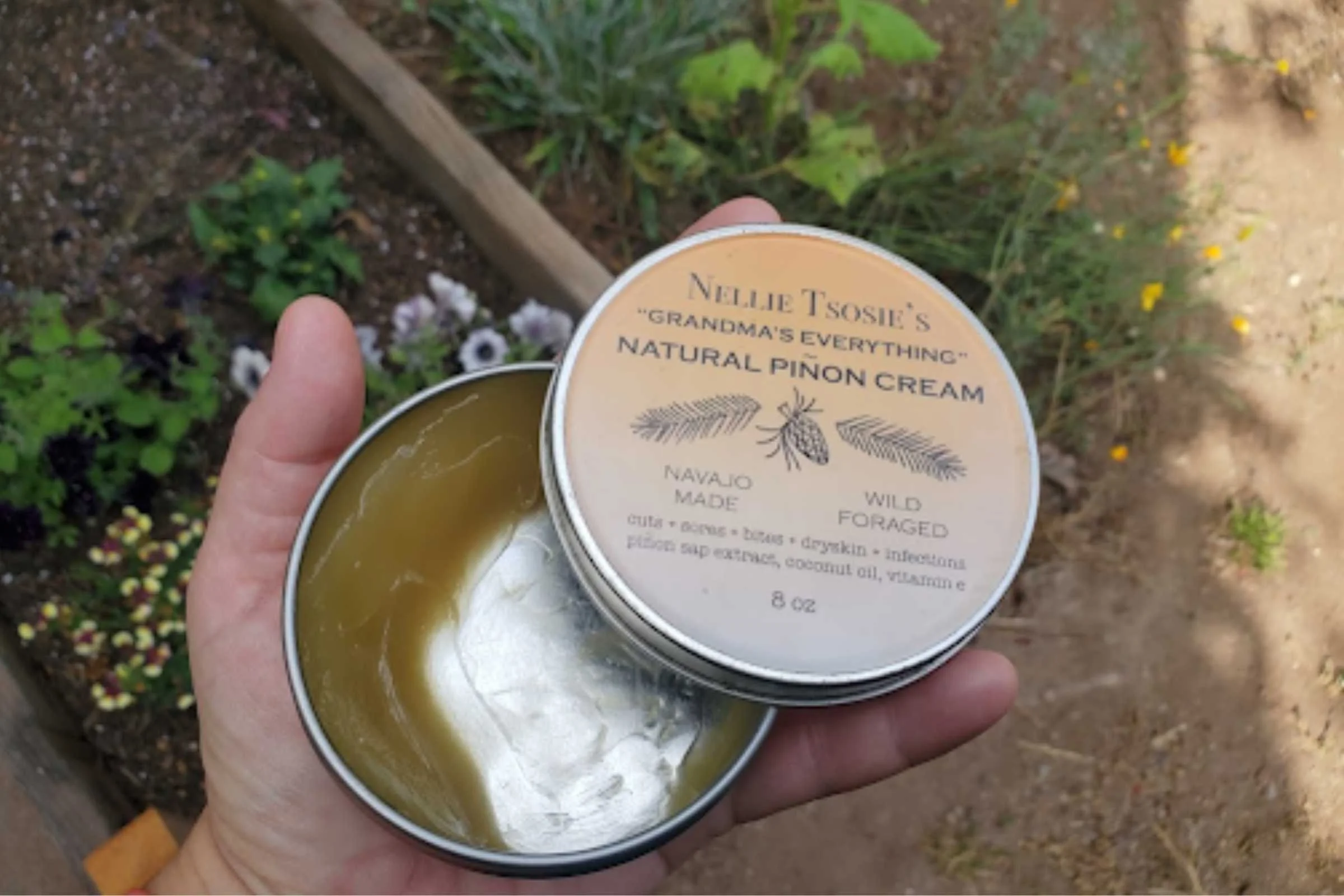
Creams, often referred to as chamois cream in the cycling world, provide a thicker, more viscous barrier. While they usually require finger application, they are often more durable in high-intensity friction zones. For those who prefer a natural anti chafe salve for backpackers, these products often utilize ingredients like beeswax, shea butter, or piñon salve. These natural options are excellent for individuals with sensitive skin who want to avoid a silicon-based formula.
| Feature | Anti-Chafe Stick | Anti-Chafe Cream/Salve |
|---|---|---|
| Application | Hands-free, clean | Manual, can be messy |
| Durability | High, water-resistant | Extremely high, thick barrier |
| Best For | On-trail reapplication | Initial morning application |
| Texture | Dry, non-greasy finish | Moist, lubricating |
| Portability | Excellent, no leaks | Good, but watch for tub leaks |
Sticks are incredibly convenient for mid-hike reapplication on the trail, whereas creams are often better suited for the initial morning prep when you can wash your hands afterward. Knowing how to apply anti chafe balm for hiking involves identifying your specific friction zones and choosing the tool that stays put longest in those conditions. Users comparing anti chafe stick vs cream for runners and hikers should note that sticks generally feel lighter on the skin, while creams feel more protective.
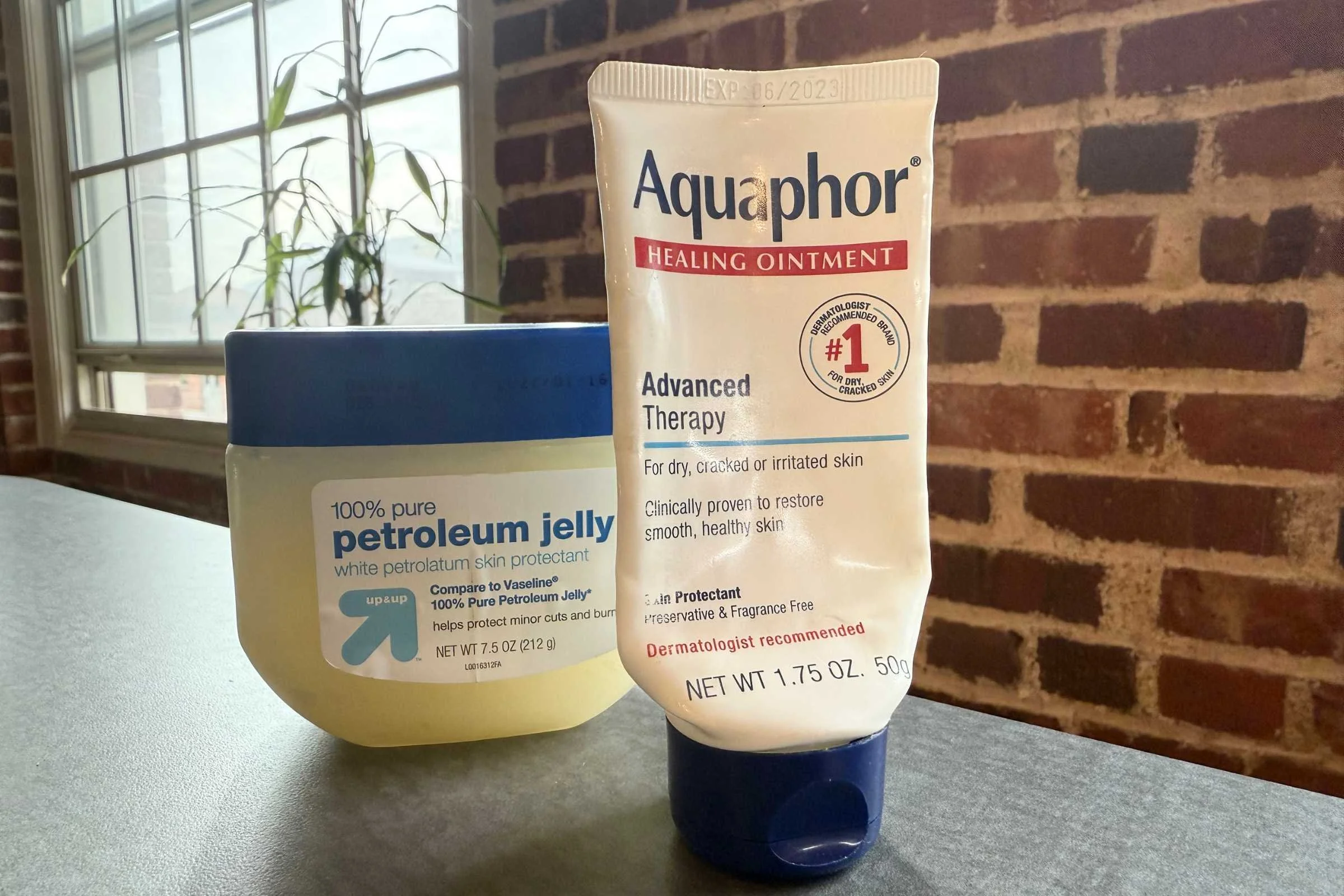
Gear Warning: Be cautious when using products containing petroleum jelly on technical gear. While petroleum jelly is a great skin barrier, it can degrade synthetic materials like neoprene and can compromise the durability of silicone-treated thru-hiking gear.
Identifying and Protecting Hiking Hotspots
Successful hikers don't just apply anti chafing cream everywhere; they target the specific hotspots where friction is most likely to cause a breakdown. If you catch a hotspot early, you can prevent a full-blown sore that could end your trip.
- Inner Thighs: This is the most common area for hiker thigh rub, often caused by the combination of walking strides and moisture buildup.
- The Gluteal Cleft: Also known as "clown mouth," this area is prone to severe irritation due to trapped sweat and the mechanical friction of moving legs.
- Shoulder and Back: Where your pack straps and back panel sit. Even the best-fitted pack can cause friction against your clothing and skin.
- Waistline: The area under your pack's hip belt is a high-pressure zone where salt crystals frequently accumulate.
- Feet: While often treated with tape, anti chafing cream can be used on toes to prevent friction-based blisters.
To implement effective anti chafing solutions for hiker thigh rub, combine your topical barrier with physiological protection. Transitioning to moisture-wicking fabrics is essential. Look for compression-style liners or base layers made of nylon or polyester with a high percentage of Lycra. This fabric acts as a sacrificial second skin, taking the friction so your epidermis doesn't have to.
When considering how often to reapply anti chafe on thru hikes, the general rule is every 4 to 6 hours, or more frequently in high-humidity environments. If you feel a "hot" sensation, stop immediately and reapply.
Post-Hike Recovery: Thigh Chafing Treatment
Even with the best preparation, chafing can happen. When it does, your focus must shift from prevention to thigh chafing treatment. The goal is to calm the inflammation and rebuild the skin barrier as quickly as possible.
Step 1: Cleanse Gently As soon as you reach camp, clean the affected area. Use lukewarm water and a mild, fragrance-free soap. Avoid hot water, as it can further irritate the raw skin. The priority here is to remove the salt crystals and bacteria that have built up during the day.
Step 2: Dry Thoroughly Pat the area dry with a clean towel. Do not rub, as the skin is already compromised. If possible, allow the skin to air dry for a few minutes before applying any products.
Step 3: Apply a Repairing Barrier For thigh chafing treatment after a long hike, look for products containing zinc oxide. Zinc oxide is an impressive ingredient that provides a physical block against further irritation while acting as an antimicrobial agent to prevent infection. High-quality, hypoallergenic ingredients like those found in diaper rash cream or specialized hiker salves are ideal.
Dermatologist Recovery Tips
- Use Occlusives: For overnight recovery, a layer of petroleum jelly can help seal in moisture and protect the skin while you sleep, provided it doesn't touch your technical gear.
- Avoid Irritants: Stay away from lotions with heavy perfumes or alcohols, which will sting and potentially cause further dermatitis.
- Sleep in Loose Clothing: Give the skin room to breathe overnight by wearing loose cotton or silk, or nothing at all on the affected area, to prevent further shearing forces.
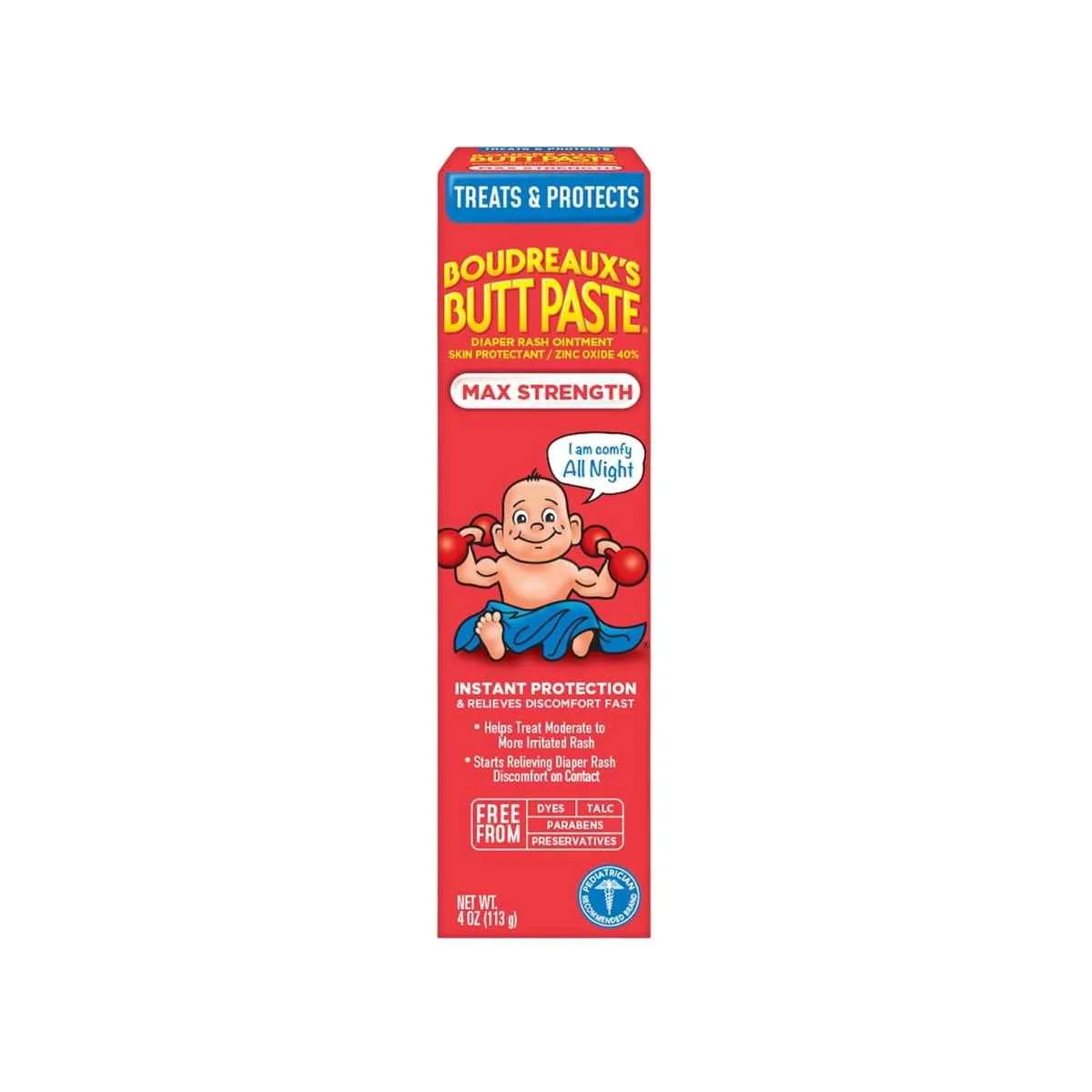
For long-term recovery, the best drugstore anti chafing products for trekking are often found in the baby care aisle. Products designed for diaper rash are formulated to handle the exact same issues hikers face: moisture, friction, and bacteria.
FAQ
What is the most effective way to prevent thigh chafing?
The most effective approach is a dual-layered defense combining a silicon-based anti chafing cream or stick with high-quality moisture-wicking fabrics. The cream reduces the coefficient of friction on the skin, while the fabric acts as a physical barrier. Regularly removing sweat and salt with wet wipes also plays a crucial role in prevention during long-distance treks.
How often should you reapply anti-chafing cream?
For most hikers, reapplication is necessary every 4 to 8 hours. However, this frequency increases significantly in heavy rain, high humidity, or if you are sweating profusely. A good rule of thumb is to reapply your anti chafe stick during major breaks, such as lunch or when you stop to filter water, to ensure consistent protection.
Can you use anti-chafing cream on skin that is already irritated?
Yes, but you must choose the right product. While a preventative anti chafe stick is great for healthy skin, already irritated skin benefits more from a thigh chafing treatment that contains soothing agents like zinc oxide or aloe vera. Avoid products with high alcohol content or heavy fragrances, as these will cause significant pain on raw skin.
What is the difference between anti-chafing cream and petroleum jelly?
Anti-chafing creams are specifically designed to sit on top of the skin and resist sweat, often using silicone or waxes to provide a long-lasting glide. Petroleum jelly is an occlusive that can be absorbed more easily and is excellent for healing, but it can be messy and is known to degrade the synthetic fibers found in modern hiking apparel and neoprene gear.
What ingredients should I look for in a quality anti-chafing cream?
Look for silicone (dimethicone), beeswax, or shea butter for a long-lasting glide. If you are looking for recovery, ensure the product contains zinc oxide, vitamin E, or ceramides to help repair the skin barrier. For those seeking best drugstore anti chafing products for trekking, check for hypoallergenic and fragrance-free labels to minimize the risk of contact dermatitis.
Can anti-chafing cream also be used to prevent blisters on feet?
Absolutely. The same friction that causes thigh chafe causes blisters. Many hikers apply anti-chafing balm to their toes and heels before putting on socks to reduce the rubbing between the foot and the sock. This is particularly effective when combined with liner socks, as it adds a layer of lubrication to the highest-friction areas of the foot.