Quick Facts
- Fatality Gap: Solo climbers face a 16.1% fatality rate compared to 6.5% for groups, making group travel significantly safer.
- Legal Risk: Abandoning a partner in a high-risk mountain environment can lead to manslaughter charges and up to a 3-year prison sentence.
- Duty of Care: The more experienced climber holds a legal and moral responsibility for the safety of the less experienced member.
- Critical Gear: Bivouac sacks and assisted braking devices are non-negotiable for mountain safety.
- Survival Ratio: The industry-standard safety ratio for technical winter peaks is 1:2 to ensure adequate support during an emergency.
- Effective Response: Coordinated rescue using satellite messengers is always superior to separating the group to find help.
Effective winter mountaineering safety relies on pre-dawn starts, strict turn-back time guidelines, and group cohesion. Standard protocols dictate that a team must stay together, especially if one member is fatigued or improperly equipped for the terrain. Leaving an incapacitated or exhausted partner alone in high-altitude winter conditions exposes them to severe hypothermia, disorientation, and fatal exposure.
The Legal Gravity of Abandonment: Lessons from the Grossglockner Case
The mountains often feel like a lawless wilderness where personal freedom reigns supreme. However, the legal reality is much sharper. A landmark manslaughter case involving a tragedy on the Grossglockner in Austria serves as a stark warning to Every climber. In this instance, an experienced climber abandoned his struggling partner in sub-zero temperatures and 50mph winds to pursue the summit. The partner later perished from exposure. The court ruled that the leader had a duty of care, essentially a legal mandate to protect the person he was leading.
In many jurisdictions, this duty of care is established when there is a significant discrepancy in experience. If you are the designated leader or the more skilled climber, your decision to leave a partner can be categorized as criminal negligence if it results in a preventable death. The law views the partnership as a pact of mutual survival, not a convenience. When a partner becomes incapacitated, your responsibility shifts from peak-bagging to mountain rescue and thermal regulation.
Exposure is the silent killer in these scenarios. Without group support, an individual’s ability to regulate body temperature or make sound decisions diminishes rapidly in sub-freezing temperatures and high winds. Wind chill factor can turn a manageable cold into a lethal environment in minutes. Choosing to stay and establish a bivouac is not just an ethical choice; it is a legal safeguard against a lifetime of litigation and regret.
Partner Compatibility: Assessing Competency Before the Ascent
Safety begins in the parking lot, or better yet, weeks before the climb. Winter mountaineering safety is only as strong as the weakest link in the pair. Assessing partner competency for winter alpine climbs involves more than just asking if they have used crampons before. You need to ensure a uniformity of fitness and gear synchronization. For example, if one climber is in high-end technical boots and the other is wearing soft hiking boots on a technical ice face, the team is already set up for failure.
Transparent health disclosure is critical. A partner who hides a recurring knee injury or a history of altitude sickness puts the entire group at risk. Professional safety protocols for climbing pairs suggest a pre-climb interview where both parties discuss their limits and gear lists.
Partner Selection Checklist
- Fitness Uniformity: Can both partners maintain the same pace for 10+ hours?
- Technical Synchronization: Does the gear match the terrain requirements for both individuals?
- Communication Styles: How does your partner react under extreme stress or exhaustion?
- Health Transparency: Are there any underlying medical conditions or injuries?
- Bail-Out Agreement: Are you both committed to turning back if the slowest person hits their limit?
High-altitude winter climbing gear must be redundant. If only one person carries the stove or the first aid kit, and that person is the one who falls or becomes ill, the other is left helpless. Every member of the team should be self-sufficient enough to manage a basic bivouac.

The Incapacitation Framework: Technical Redundancy for Pairs
What happens when your partner can no longer move? This is the moment where theory becomes reality. Mountaineering partner safety protocols require technical systems designed specifically for partner failure. One of the most important tools in modern climbing is the Assisted Braking Device (ABD). If a lead climber is incapacitated by a fall or a medical event, an ABD ensures the belayer can manage the weight and secure the line even if they are momentarily shocked or injured themselves.
In winter, the threat is magnified by the environment. If a climber stops moving, their body temperature drops almost instantly. Setting up a bivouac sack is the first priority. This portable shelter traps body heat and provides a critical barrier against the wind. Emergency protocols for an incapacitated climbing partner dictate that you must stabilize their position before even considering a descent.
Redundancy is king. Both partners should carry avalanche transceivers, shovels, and probes if they are in avalanche-prone terrain. Often, accidents happen because a team becomes "effectively solo." A study on U.S. avalanche fatalities revealed that 44% of victims were either solo or effectively solo because they had separated too far from their partners to receive immediate help. Keeping within earshot and eyesight is not just a suggestion; it is a survival mandate.
Alpine Emergency Decision Making: Stay or Go?
The most dangerous psychological trap in the mountains is summit fever. This is the irrational drive to reach the top, regardless of changing weather, encroaching darkness, or a partner's declining health. Alpine emergency decision making requires the discipline to recognize when the objective is no longer viable.
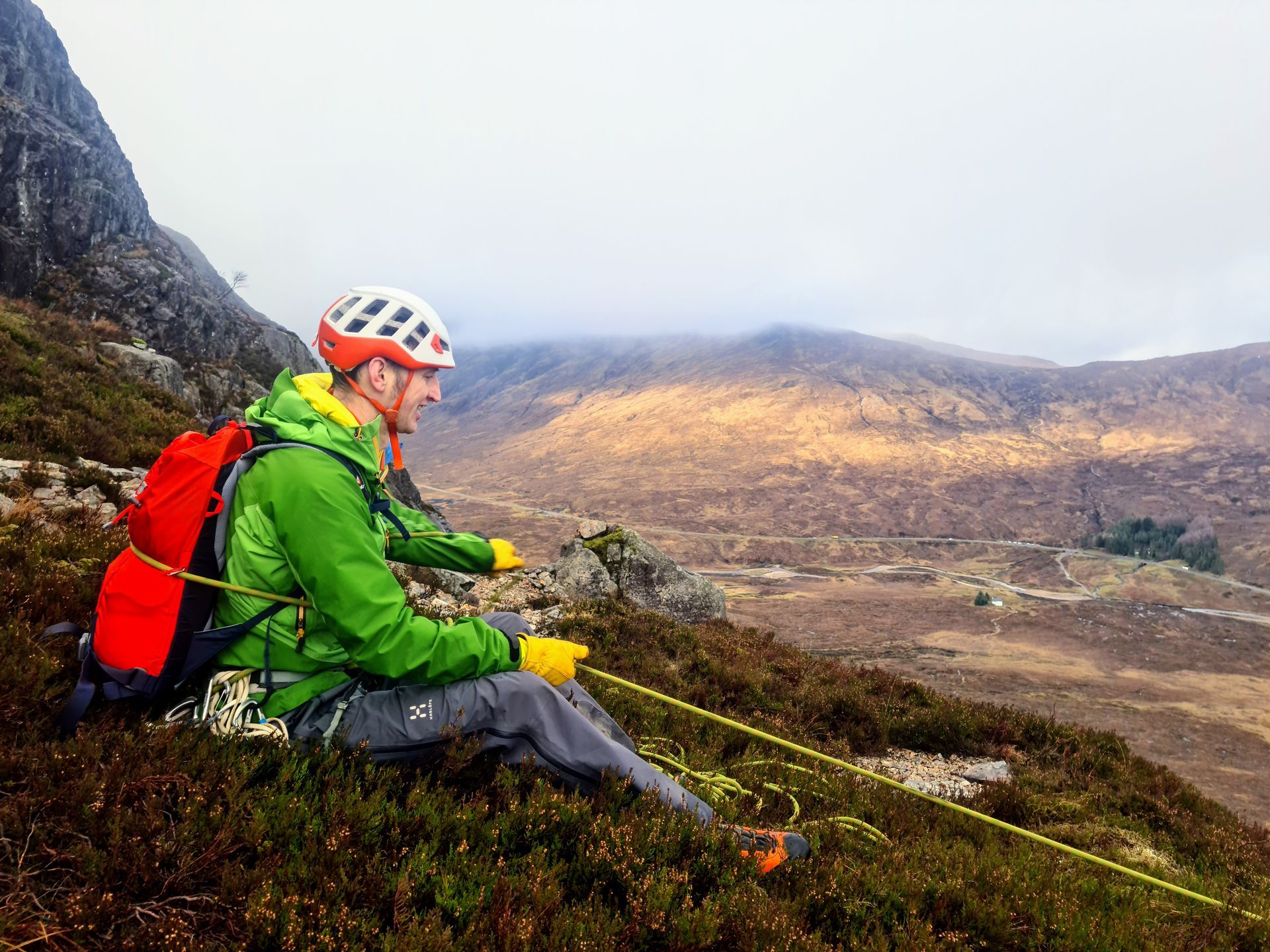
When a crisis occurs, the "stay or go" dilemma is the hardest to solve. In high-altitude terrain, if you leave a partner to seek help, you are often leaving them to die. Modern technology has changed this math. Every climbing pair should carry a Personal Locator Beacon (PLB) or a satellite messenger like a Garmin inReach. These emergency communication options for remote mountain rescue allow you to call for help without ever leaving your partner's side.
If you are forced into a situation where one person must move to get a signal, the incapacitated partner must be left with adequate insulation, all available extra clothing, and a signaling device. However, statistics show that staying together is almost always the safer bet. According to the Japan National Police Agency, the death and missing rate for 16.1% of solo climbers in distress is double that of those in groups.
| Statistic Category | Solo Climber Risk | Group Climber Risk |
|---|---|---|
| Fatality/Missing Rate (Japan) | 16.1% | 6.5% |
| SAR Request Share (Sierra Nevada) | 65% of all search and rescue requests | 35% |
| Cause of Death (Avalanche) | Significant (due to isolation) | Lower (due to immediate rescue) |
Surviving an emergency bivouac in winter terrain depends entirely on thermal regulation. You must insulate the victim from the ground and the wind. Frostbite can set in within minutes if digits are exposed, and cognitive decline follows quickly as hypothermia takes hold. Constant monitoring is necessary to check for signs of mental confusion, which signals the transition from mild to severe hypothermia.
Professional Hacks for Team Survival
Experienced mountain guides use a variety of "soft skills" and "hacks" to keep their teams safe. One simplest yet most effective protocol is leaving a note on your car dashboard. Include your planned route, expected return time, and a contact number for your emergency point of contact. If Search and Rescue (SAR) is called, this note provides an immediate starting point.
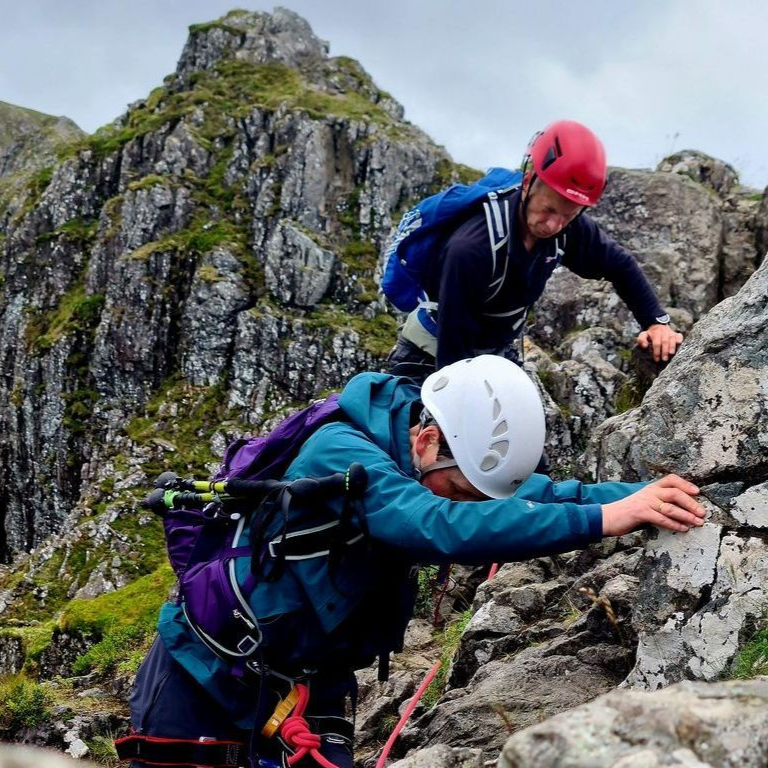
Professionals also use the Hierarchy of Movement to manage risk. On easy terrain, a team might use short-roping to move quickly. However, as the technical difficulty increases, they transition to pitched climbing. While slower, pitching provides a much higher safety margin if one partner slips. Understanding the scale of the environment is essential. For example, calculating transit times on massive peaks requires accounting for deep snow and high-altitude fatigue.
Another pro tip: the "Time-Check" protocol. Every two hours, check in with your partner. Ask a cognitive question—not just "Are you okay?" (to which everyone says yes), but "What is our current altitude?" or "How much water do you have left?" This forces the brain to engage and allows you to spot cognitive decline or exhaustion before it becomes a crisis.
FAQ
What are the most common dangers of winter mountaineering?
The most common dangers include avalanche risk, extreme hypothermia from exposure, and falls on ice or hard-packed snow. Additionally, the limited daylight hours in winter create a narrow window for error, meaning that any delay can quickly turn into a forced night out on the mountain.
What essential gear is needed for winter mountaineering safety?
Beyond basic climbing gear, you must have a high-quality bivouac sack, a Personal Locator Beacon, and extra high-calorie food. Technical gear should include an assisted braking device for belaying and redundant navigation tools like a GPS and a physical map. Thermal layers must be synthetic or wool, as cotton is fatal when wet.
How do you prevent frostbite and hypothermia on a mountain?
Prevention starts with constant movement and proper fueling. You must manage your layers to prevent excessive sweating, which can lead to rapid cooling when you stop. Protecting extremities with windproof gloves and face masks is essential to prevent frostbite. Partners should regularly check each other’s faces for white patches, which are early signs of tissue freezing.
What should you do if an avalanche occurs?
If you are caught, try to "swim" to stay on top of the snow or find an anchor like a tree. Once the snow stops, create an air pocket around your face. For the survivor, the priority is an immediate search using a transceiver and probe. You have about 15 minutes to recover a buried partner before the chances of survival drop drastically.
Is it safe to go winter mountaineering alone?
Statistically, no. Solo climbers face double the fatality rate of those in groups. Without a partner to provide immediate first aid, manage a belay, or share body heat during a bivouac, a minor injury can quickly become fatal. If you must go alone, you must be extremely conservative with your route choice and carry a satellite communication device at all times.