Quick Facts
- Duration: 18 to 21 days
- Distance: Approximately 166km (103 miles)
- Highest Point: Kongma La (5,535m)
- Pass Altitudes: Kongma La (5,535m), Cho La (5,420m), Renjo La (5,360m)
- Permits: Khumbu Pasang Lhamo & Sagarmatha National Park
- 2026 Estimated Cost: $1,500 – $2,500 including guides, permits, and Lukla flights
- Difficulty: High (Physically demanding, non-technical but requires microspikes)
The Three Passes Trek is widely considered the ultimate Everest circuit, offering a remote alternative to the crowded Base Camp trail. Crossing Kongma La, Cho La, and Renjo La requires meticulous planning, especially with the 2023 guide mandate and 2026 logistical shifts. This guide breaks down the essential itinerary, permits, and gear.
The 'Soulful Circuit' vs. the Everest Super-Highway
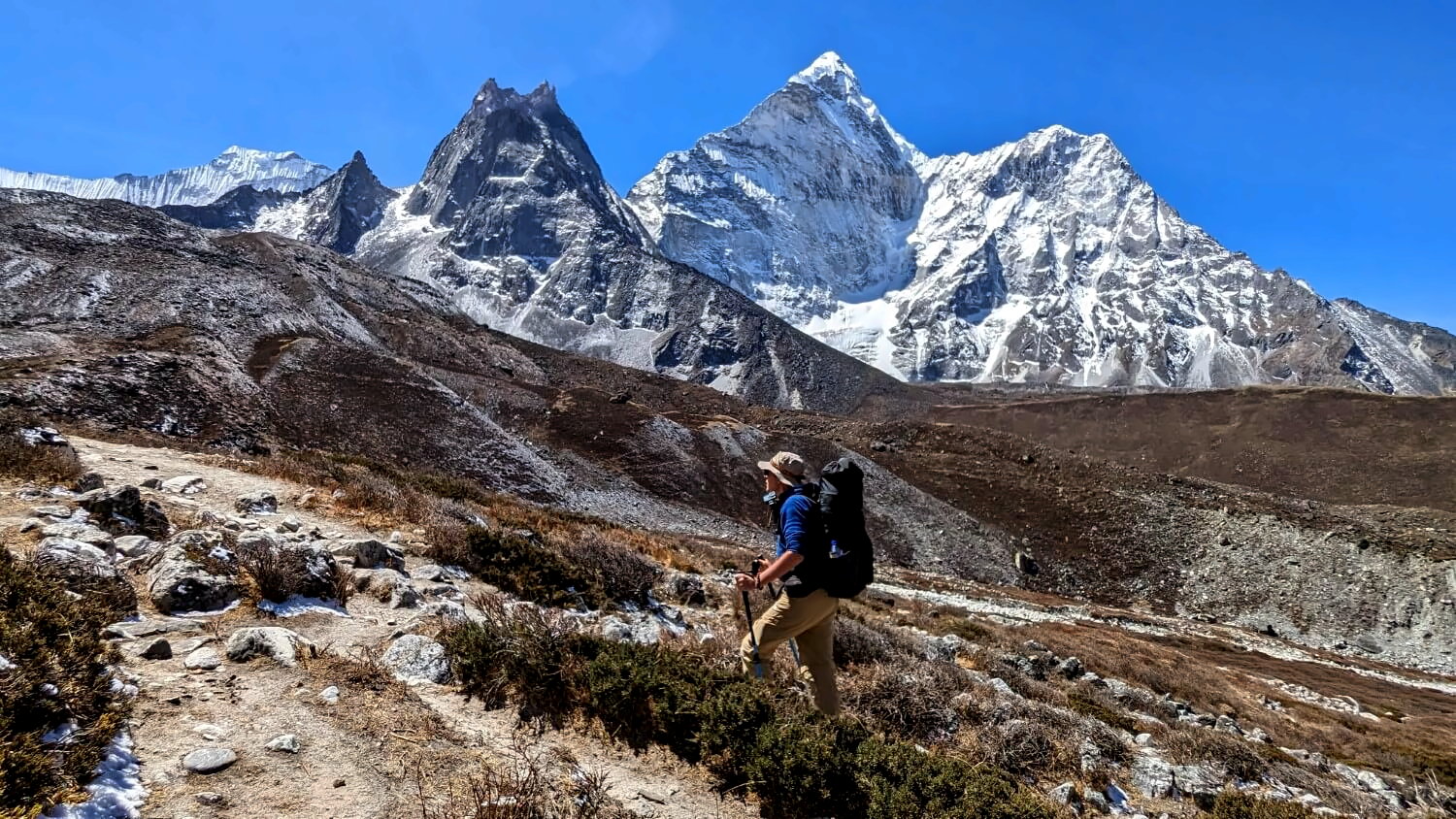
If you are looking for the most complete Himalayan experience, the Three Passes Trek stands in a league of its own. While the standard Everest Base Camp route often feels like a crowded mountain highway, this circuit takes you off the beaten path into the quiet, raw corners of Sagarmatha National Park. You get the same iconic destination, but with the added reward of crossing three high-altitude ridges that provide 360-degree panoramas of Everest, Lhotse, and Makalu.
The transition from the busy trails around Namche Bazaar to the silent, rock-strewn valleys leads you toward the Khumbu Glacier. It is a journey of contrasts. One day you are sharing the trail with dozens of trekkers; the next, you are navigating the high-altitude solitude of a pass where the only sound is the crunch of gravel under your boots. Understanding the technical difficulty of Cho La Pass vs Renjo La is part of the Everest circuit trekking preparation. While Renjo La offers arguably the best view of the Everest massif, Cho La requires a bit more focus due to its icy crossing.
Preparation & Permits [2026 Legal Requirements]
Trekking in 2026 requires a firm grasp of the evolving Everest trekking logistics guide details. Since 2023, the Nepal government has mandated that all trekkers in conservation areas must hire a licensed guide. This isn't just a legal hoop; it is a safety measure that has significantly reduced incidents of Acute Mountain Sickness (AMS) and lost hikers. When calculating your budget, the hiring a guide for Three Passes Trek cost typically ranges from $30 to $50 per day, plus a tip expectation of around 15% to 20% of their total fee, often totaling about $400 for the full circuit.
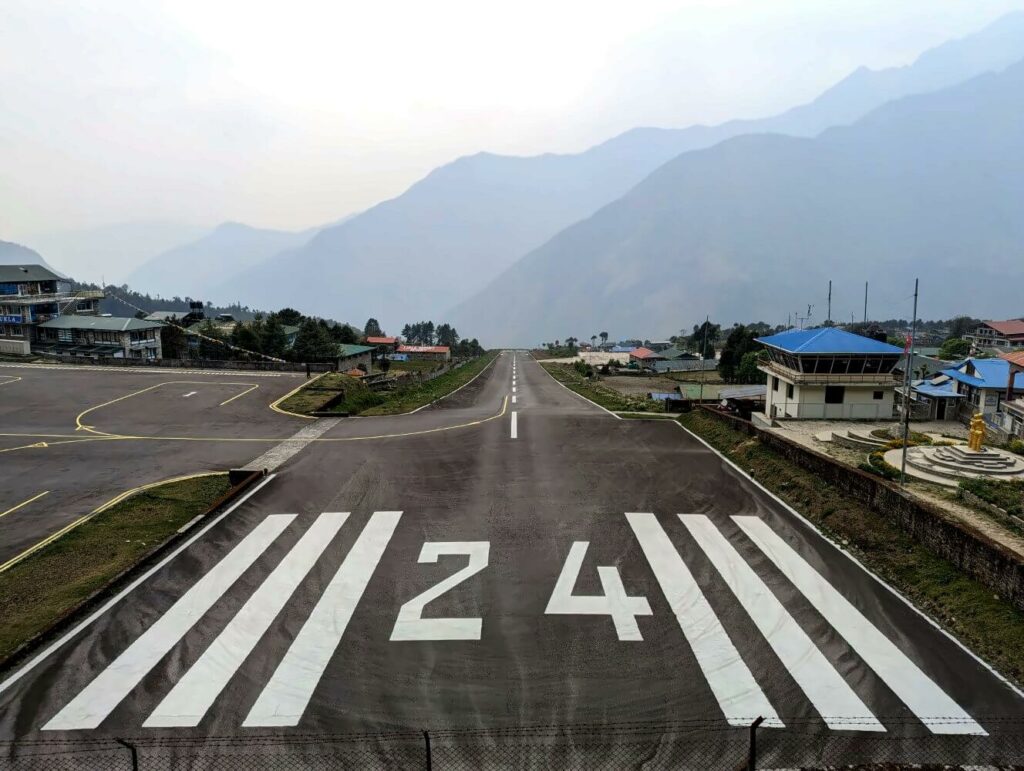
Essential permits for Three Passes Trek 2026 include two specific documents. First is the Khumbu Pasang Lhamo Rural Municipality permit, which you obtain in Lukla or Monjo. The second is the Sagarmatha National Park entry permit. Gone are the days of the TIMS card for this specific region; these two local permits are your golden tickets. Your journey begins with a flight into Tenzing-Hillary Airport, a logistical hurdle that requires early booking as flights often divert to Ramechhap during peak seasons to manage air traffic. Along the way, you will pass ancient Buddhist Monasteries that remind you that this land is as much about spirit as it is about sport.
| Expense Type | Estimated Cost (USD) | Notes |
|---|---|---|
| Lukla Return Flight | $400 - $450 | Book 6 months in advance |
| Licensed Guide | $600 - $1,000 | 20-day average |
| Permits | $50 | Paid in NPR on the trail |
| Food & Lodging | $800 - $1,100 | Includes water and charging |
| Contingency Fund | $300 | Emergency cash |
The 21-Day Itinerary & Acclimatization Schedule
Safety on the Three Passes Trek is synonymous with a slow ascent. The Three Passes Trek itinerary 21 days is the gold standard because it allows for an essential acclimatization schedule for Everest Three Passes. You cannot rush the thin air. A typical plan includes two nights in Namche Bazaar (3,440m) and another two in Dingboche (4,410m). These are not just rest days; they are active recovery days where you might hike to Everest View Hotel or Nagarjun Hill to help your body adapt.
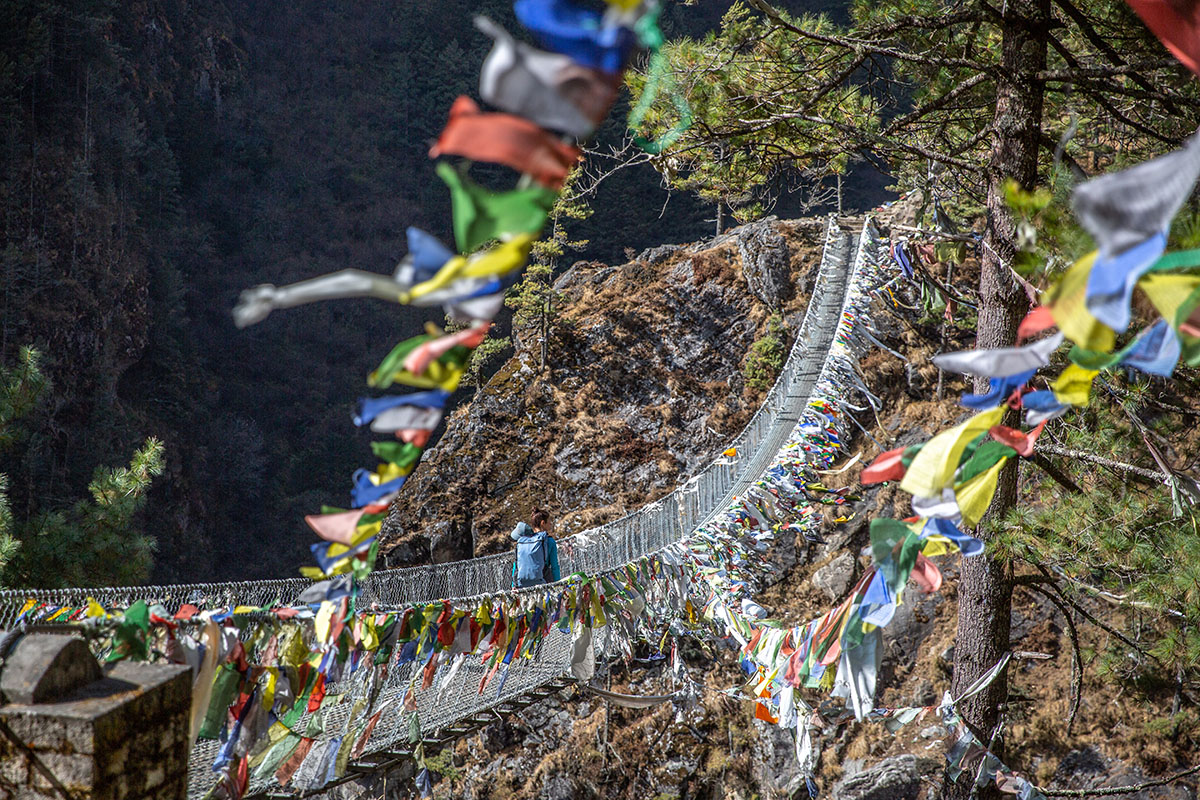
The full circuit covers a total distance of approximately 166 kilometers (103 miles). Throughout the journey, trekkers navigate a cumulative vertical gain and loss of approximately 11,000 to 12,000 meters. Crossing the high suspension bridges en route to Namche Bazaar is an iconic early milestone, but the real work begins when you head toward Chhukung for your final preparations before the first pass.
- Days 1-3: Kathmandu to Lukla, Trek to Namche Bazaar.
- Day 4: Acclimatization in Namche (hike to Everest View Hotel).
- Day 5-7: To Tengboche and Dingboche.
- Day 8: Acclimatization in Dingboche (hike to Nangkartshang Peak).
- Day 9-10: Chhukung and Chhukung Ri (5,550m).
- Day 11: Cross Kongma La (5,535m) to Lobuche.
- Day 12: Everest Base Camp and Gorak Shep.
- Day 13: Kala Patthar and trek to Dzongla.
- Day 14: Cross Cho La (5,420m) to Thagnak.
- Day 15-16: Gokyo Lakes and Gokyo Ri (5,357m).
- Day 17: Cross Renjo La (5,360m) to Lungden.
- Day 18-21: Descent via Thame back to Lukla and Kathmandu.
Conquering the High Passes: Kongma La, Cho La, and Renjo La
Each pass has its own personality. Kongma La is the highest and often considered the toughest because of its steep, relentless ascent and the complex crossing of the Khumbu Glacier to reach Lobuche. Standing at Kongma La at 5,535 meters, you are higher than Everest Base Camp itself.
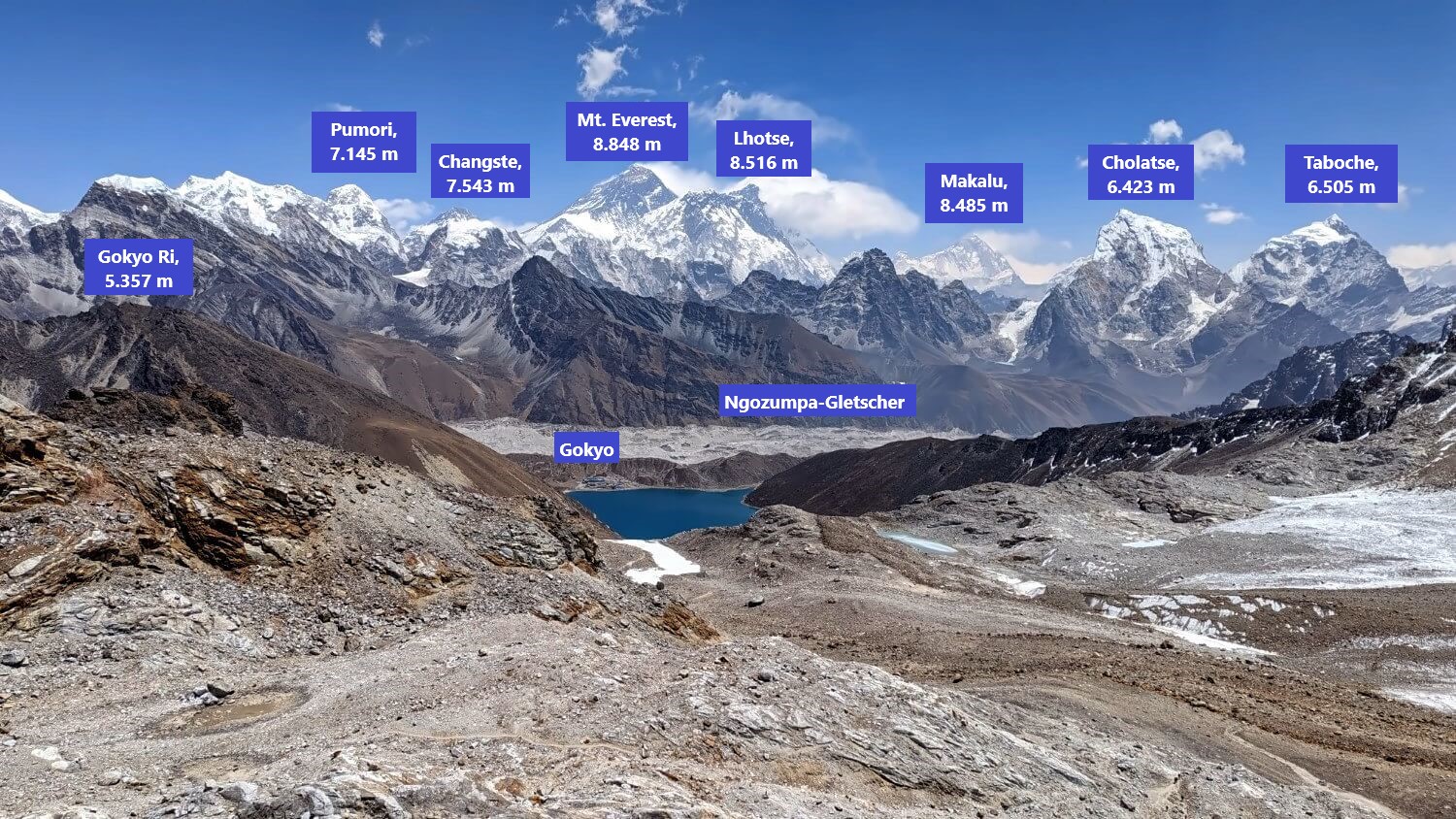
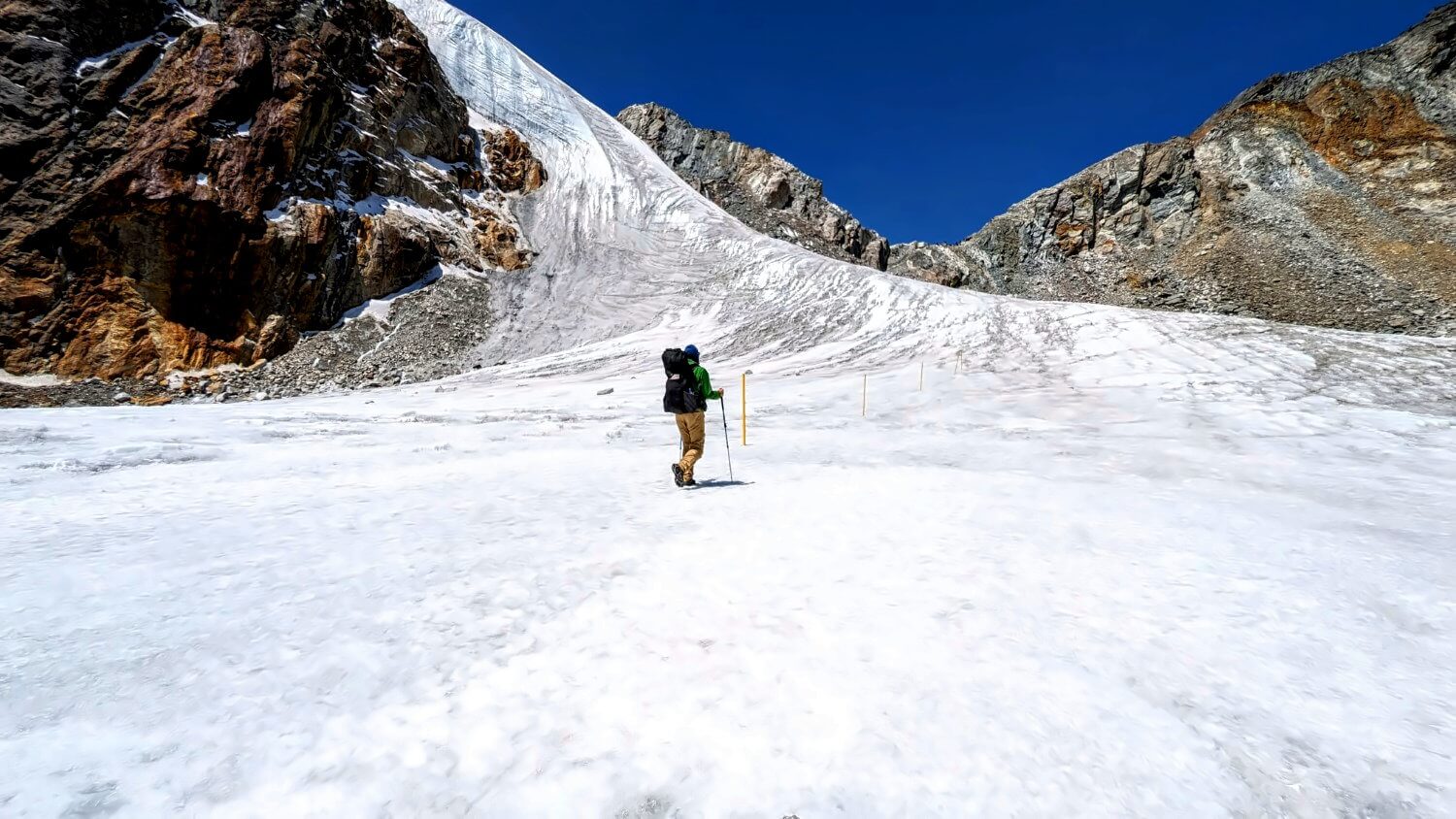
Cho La (5,420m) is the most famous because it connects the EBC trail to the stunning Gokyo Lakes. It features a crossing over a small, flat glacier. While it is not a technical climb, the ice can be slick. Navigating the Cho La glacier requires extra care and often microspikes, which are essential for maintaining traction on the frozen sections. Finally, Renjo La (5,360m) offers a "grand finale" view. As you crest the top, the entirety of the Everest range, including Lhotse and Makalu, reflects in the turquoise waters of the Gokyo Lakes below.
Packing for -20°C: The 2026 Gear Blueprint
Your Everest Three Passes Trek packing list for 2026 should prioritize weight and warmth. Many trekkers aim for a total pack weight of around 12.6kg. If you are using a porter, you need to be mindful of their 15kg limit (often shared between two trekkers). The key is the layering system. In the Khumbu, you can experience four seasons in a single hour.
The Action Layer (Trekking)
- Moisture-wicking base layers (merino wool is best).
- Breathable trekking trousers and a mid-layer fleece.
- A waterproof and windproof shell jacket (Gore-Tex).
- Sturdy, broken-in trekking boots and several pairs of wool socks.
- Microspikes for the Cho La glacier.
The Recovery Layer (Teahouse)
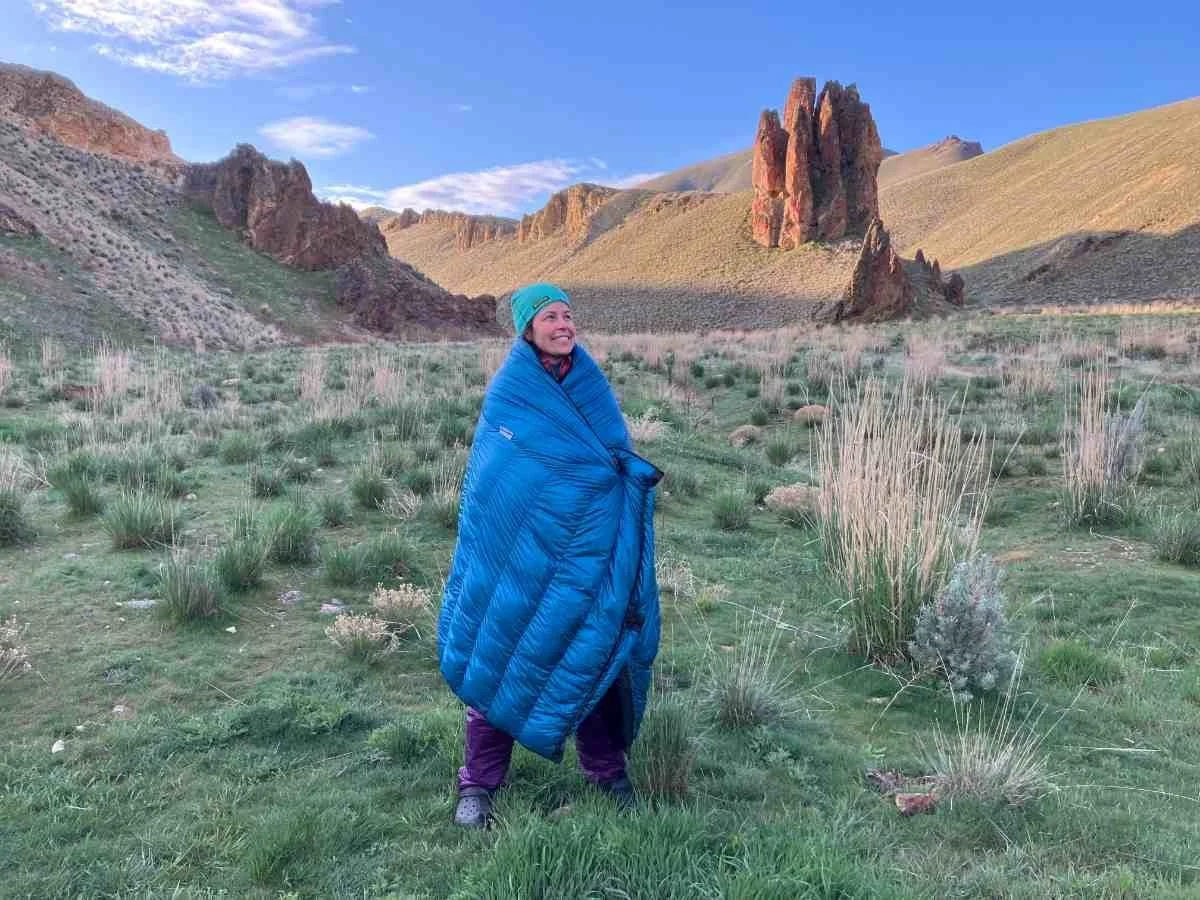
- A -18°C or -20°C rated sleeping bag (teahouse blankets are never enough).
- A heavy down parka for evenings when the sun goes down and temperatures plummet.
- Warm "camp shoes" or down booties to give your feet a rest.
- Personal power bank (charging in teahouses is expensive).
A specialized Nepal teahouse trek packing list always includes high-calorie snacks and a first-aid kit stocked with Diamox (for altitude) and hydration salts. Remember, at 5,000 meters, even putting on your socks feels like a workout. Keeping your core temperature stable with your gear is your first line of defense against the elements.
Teahouse Survival: Cash, Power, and Nutrition
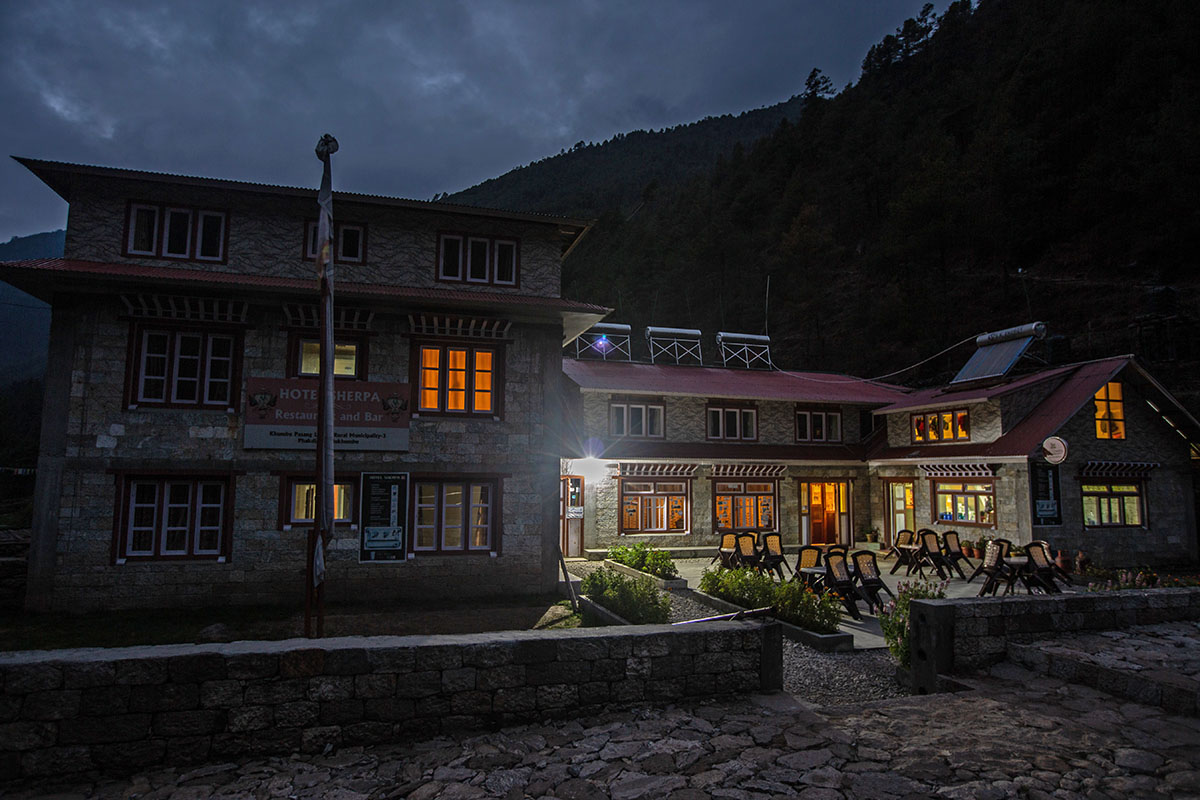
Life on the Three Passes Trek revolves around the teahouse culture. These lodges provide a communal atmosphere and essential shelter, but they become more basic the higher you go. Efficiency is key. In 2026, expect to pay for extras. A hot shower might cost $5, and charging your phone could be another $3 to $5 per hour. Wi-fi is available through "Airlo" or "Everest Link" cards, but the connection is temperamental at best.
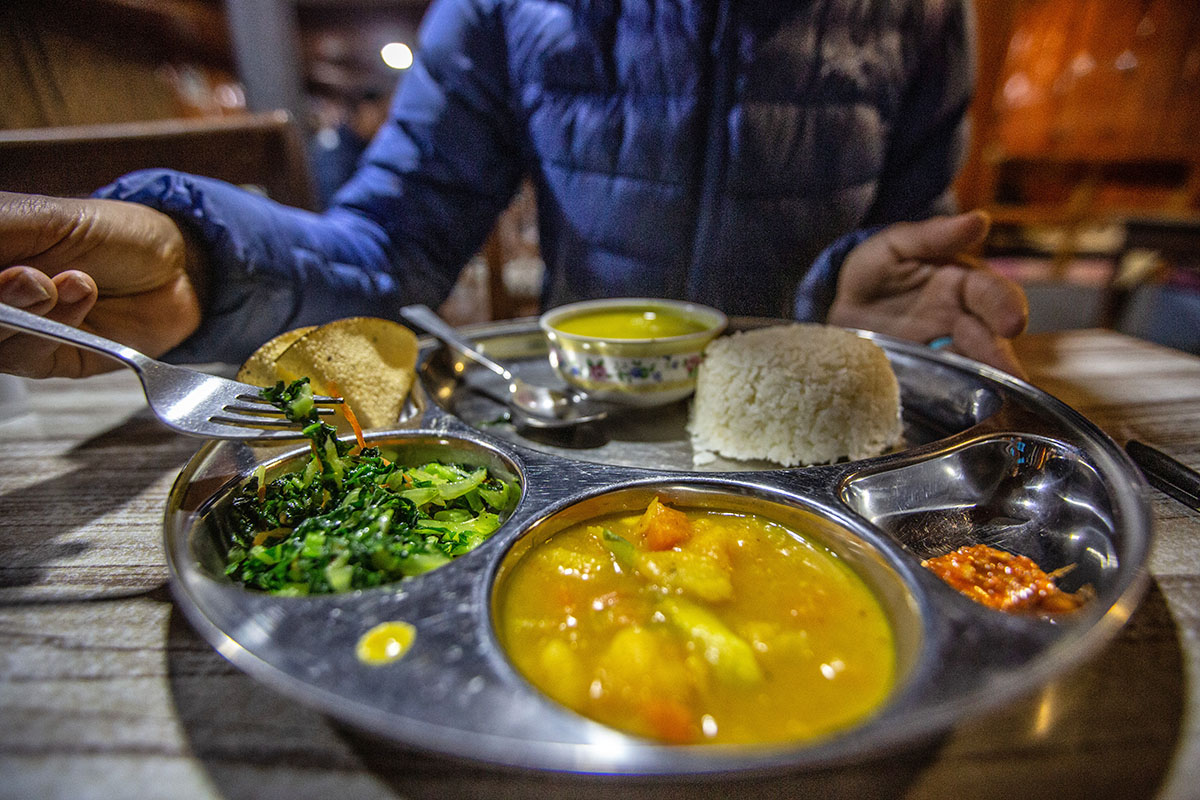
Nutrition is where you shouldn't compromise. Dal Bhat: The ultimate high-altitude fuel providing the necessary protein and carbohydrates for long trekking days. There is a saying in Nepal: "Dal Bhat Power, 24 Hour." This lentil soup, rice, and vegetable curry set is usually "bottomless," meaning you get refills until you are full. It is the safest and most nutritious meal available. Avoid meat above Namche Bazaar, as it is often carried up by porters without refrigeration.
Cash logistics are also critical. Most ATMs in Kathmandu have a withdrawal limit of around 35,000 NPR. You will likely need about 120,000 NPR (roughly $900) in cash for the trek to cover meals, tips, and incidentals, as credit cards are rarely accepted past Namche.
FAQ
How difficult is the Three Passes Trek compared to Everest Base Camp?
The Three Passes Trek is significantly more difficult than the standard EBC trek. While EBC follows a well-trodden and relatively gradual path, the Three Passes requires crossing three high-altitude passes above 5,300 meters, involving steeper ascents, longer days, and more varied terrain, including glacial moraines and icy sections.
What is the best time of year to hike the Three Passes Trek?
The optimal windows are the pre-monsoon season from April to May and the post-monsoon season from late September to November. During these months, the weather is most stable, and the mountain views are clearest. Winter is too cold and the passes are often blocked by snow, while summer brings the monsoon rains and clouds.
Do you need a guide for the Three Passes Trek?
Yes, as of 2023, the Nepal government and local authorities have mandated that all trekkers must be accompanied by a licensed guide in the Khumbu region. This is strictly enforced for safety reasons, specifically to help with navigation and monitoring for signs of Acute Mountain Sickness (AMS).
How many days does it take to complete the Three Passes Trek?
The full circuit typically takes between 18 and 21 days. This timeframe includes the necessary flights to and from Lukla, as well as several mandatory acclimatization days in places like Namche Bazaar and Dingboche to ensure your body can safely handle the high altitudes.
What permits are required for the Three Passes Trek?
You need two primary permits: the Khumbu Pasang Lhamo Rural Municipality permit and the Sagarmatha National Park entry permit. These can be obtained on the trail in Lukla and Monjo. You should carry several passport-sized photos and have enough Nepalese Rupees to pay for them on the spot.