Quick Facts
- The Mindset: Shift focus from high-frequency catches to solitary, high-quality bites.
- The Gear: Utilize a 7.1:1 ratio reel for rapid line pickup and a 7'8" heavy flipping stick setup for largemouth bass.
- Environmental Trigger: Target surface disturbance when wind speeds hit the 10 mph threshold.
- Modifications: Trim hollow-body frog legs by 0.75 inches to increase the hook-up ratio.
- Color Rule: Stick to Green Pumpkin or Black/Blue to mimic natural forage in high-pressure sanctuaries.
- Statistical Fact: 59% of largemouth bass reacted to boat motor noise, with older fish showing higher sensitivity.
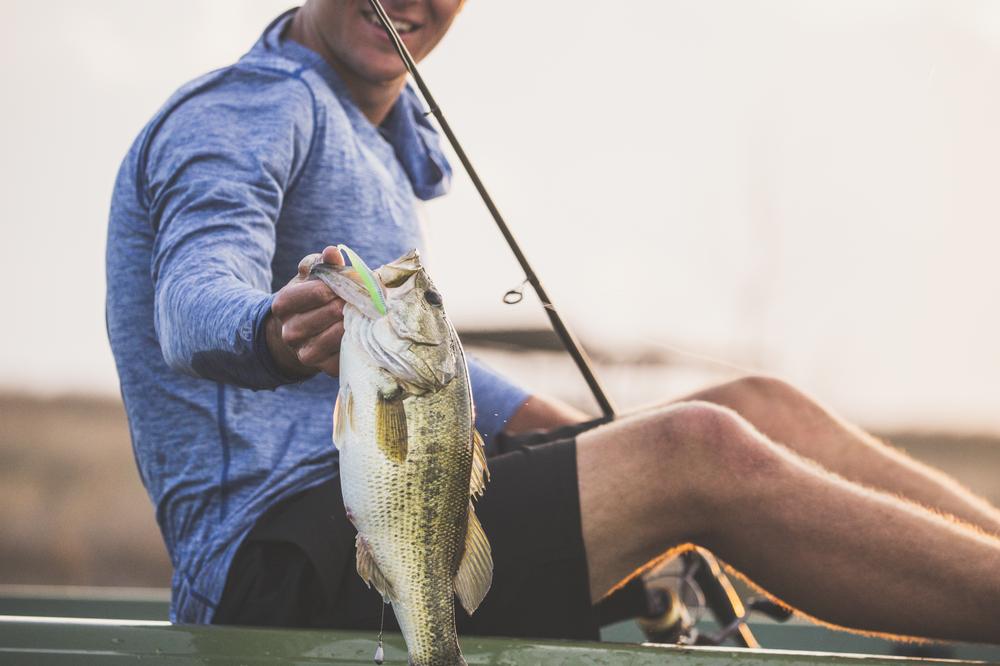
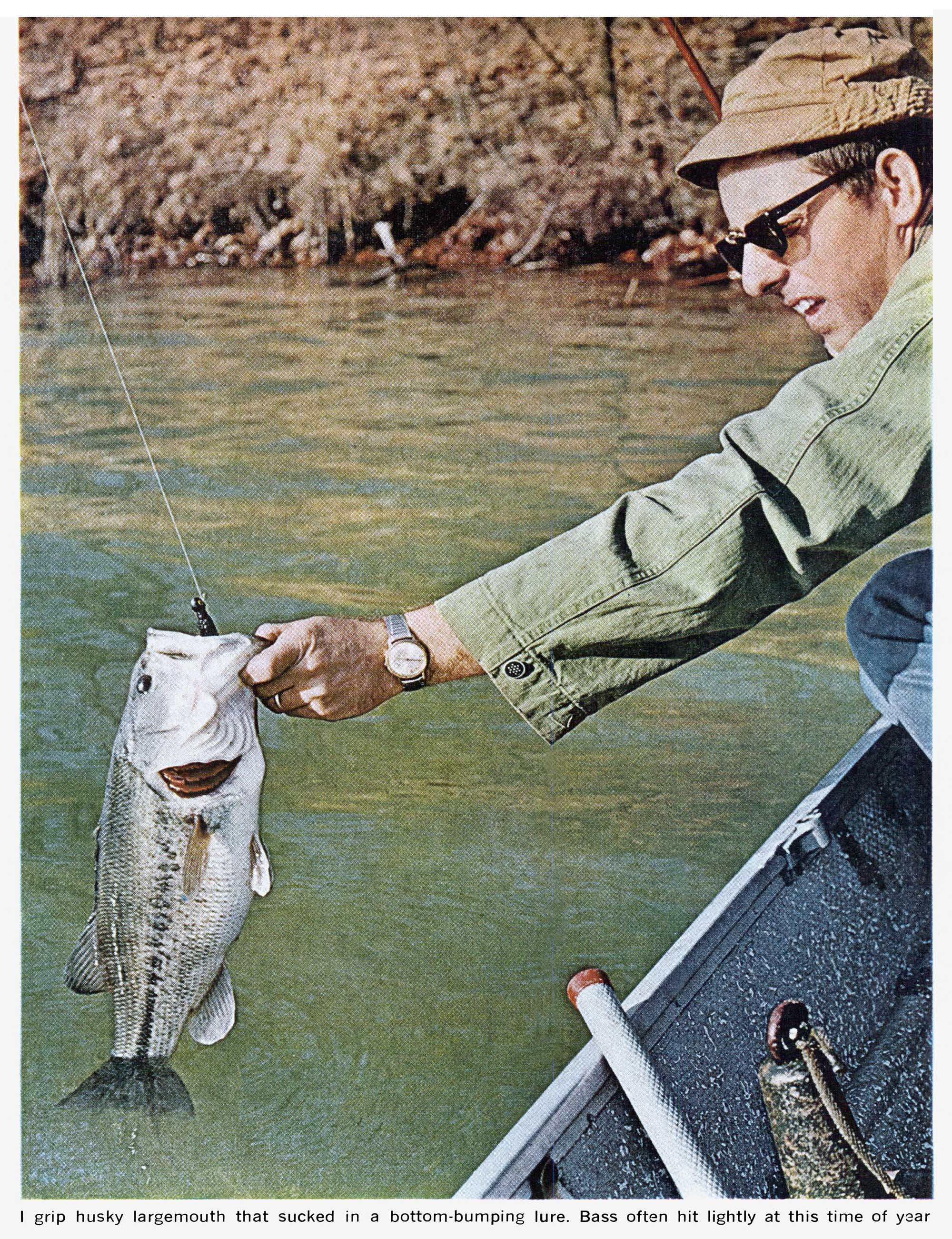
Targeting big bass requires a dedicated mental shift and the use of larger, specialized lures to filter out smaller fish while focusing on high-pressure sanctuaries where lunkers hide. Success in this arena is less about luck and more about committing to a trophy bass fishing mindset that accepts short-term inactivity in exchange for a potential new personal best.
Mistake 1: Chasing the "Limit" Instead of the Trophy
One of the most profound barriers to catching a double-digit fish is the psychology of the "limit." Most anglers go to the lake with the goal of getting their rod bent as often as possible. While catching twenty 2-pounders in an afternoon is undoubtedly fun, it is often the very thing preventing you from targeting big bass. The reality is that trophy bass occupy different zip codes and have different feeding habits than their smaller counterparts.
Committing to a trophy bass fishing mindset means being okay with the strikeout. Think of it as the home run vs. strikeout metaphor: a power hitter is willing to miss the ball entirely if it means there is a chance to knock it out of the park. When you focus on quantity, you use lures like small 4-inch worms or tiny crankbaits that appeal to every fish in the pond. This creates a "noise" problem; smaller, more aggressive bass will often reach your lure faster than the older, more cautious lunker.
To break this cycle, you must enter the water with a plan to target only the top 1% of the population. This might mean throwing a large 8-inch swimbait or a heavy jig all day without a single nudge for six hours. It takes iron-clad discipline to keep casting a big bait when you see other boats hauling in schoolies, but that is the price of admission for a true trophy.
Mistake 2: Avoiding the Heaviest Cover
If a spot looks impossible to cast into without losing a twenty-dollar lure, that is exactly where a trophy is likely sitting. Big fish do not survive to reach old age by hanging out in open, easily accessible water. They seek out unpressured sanctuaries where they are protected from both overhead predators and the constant barrage of angler lures.
Many fishermen make the mistake of casting to the edges of milfoil mats or the outer pilings of a dock. While you may catch active fish there, the true giants are often buried in the thickest sections of heavy cover. To reach them, you must master precision bass casting techniques for heavy cover. This involves more than just a lucky lob; it requires a specialized heavy flipping stick setup for largemouth bass that can handle the sheer torque needed to pull a fish out of a grass mat.
Specifically, look for the "heart of the darkness"—the densest point of a brush pile or the most entangled section of a blowdown. Using precision bass casting techniques like pitching and skipping allows you to slide a bait into these small windows of opportunity. If you aren't occasionally getting stuck or fearing for your line, you probably aren't fishing where the lunkers live.
Mistake 3: Misreading Environmental Triggers
Large bass are highly sensitive to their environment and often only feed during specific windows. A common mistake is fishing with the same intensity regardless of the weather. Successful trophy hunters know that certain environmental thresholds act as "on" switches for apex predators.
Consider the 10 mph wind rule. When the water surface is glass-calm, big bass become incredibly wary. They can see the silhouette of your boat and the thin diameter of your line with ease. However, when the wind kicks up a light chop, it breaks up the surface light and provides a tactical advantage for the bass to hunt. This surface disturbance makes them more likely to commit to aggressive reaction baits like buzzbaits or oversized spinnerbaits.
Timing also involves biological cycles. Targeting trophy bass during summer bluegill spawn is a high-percentage strategy because large bass know exactly where an easy, protein-rich meal is located. They will lurk just outside the shallow bluegill beds, waiting for a high-value target to stray. If you can align your trip with these weather conditions for targeting big bass, such as an incoming front or a specific moon phase, your odds of an encounter skyrocket.
Mistake 4: Using the Wrong Gear Physics
The mechanics of your setup dictate whether you actually land the lunker after the hookset. Many anglers use general-purpose gear that fails under the stress of a massive fish in heavy cover. The physics of line choice, rod length, and gear ratio are non-negotiable when targeting big bass.
For example, using braid in every situation is a frequent error. While braid has zero stretch, it can be highly visible in clear water and lacks the "sink rate" that fluorocarbon provides. Heavy-duty fluorocarbon is often the better choice for jigs because its density helps the lure fall more naturally and stay pinned to the bottom. Furthermore, your reel's gear ratio is critical. A 7.1:1 ratio is often the sweet spot, providing enough speed to pick up slack after a precision pitch, but enough power to winch a fish out of the muck.
| Specification | Standard Lure (Numbers) | Trophy Jig (Big Bass) |
|---|---|---|
| Lure Weight | 1/4 oz - 3/8 oz | 1/2 oz - 1 oz |
| Line Choice | 12lb Monofilament | 25lb Fluorocarbon / 65lb Braid |
| Rod Action | Medium-Heavy | Extra-Heavy |
| Target Depth | Outer Edges | Deep Cover Interior |
Research published in the North American Journal of Fisheries Management indicates that lure size has a statistically significant effect on the total length of captured largemouth bass, confirming that larger lures effectively reduce the catch of non-target smaller fish. If you want a bigger fish, you need to use gear that filters out the noise.
Mistake 5: Failing to Use Reactionary Strike Triggers
There is a difference between a "feeding strike" and a "reactionary strike." Small bass feed often because they are growing rapidly. Large bass, however, have slower metabolisms and often eat only once every few days. If they aren't in a feeding window, you have to trick them into a reactionary strike through lure action.
This is where "hopping" vs "dragging" comes into play. If you slowly drag a plastic worm past a big bass, she has all the time in the world to inspect it and realize it is plastic. If you use a heavy jig and "snap" it off the bottom, creating a sudden, erratic movement, the bass's predatory instinct takes over. She strikes not because she is hungry, but because her brain is hardwired to kill a fleeing or injured prey item before it escapes.
Lure composition also matters. High-salt plastics—specifically those containing about 35% salt by weight—have been shown to increase the time a bass will hold a lure in its mouth. This extra few seconds is the difference between a missed "clack" on the line and a successful hookset on a personal best.
Mistake 6: Excessive Boat Noise and Lack of Stealth
We often underestimate how tuned-in a lunker is to her surroundings. A multiyear study by the Texas Parks and Wildlife Department found that 59% of largemouth bass reacted to boat motor noise, with fish over 20 inches in length being significantly more likely to alter their behavior or move deeper in response to the sound.
If you are crashing your trolling motor against underwater stumps or dropping pliers on the deck of the boat, you have likely alerted every large fish within a fifty-yard radius before you even make a cast. True stealth involves a slow, quiet approach, often using the wind to drift into position rather than the motor.
Furthermore, biological studies on bass behavior suggest that largemouth bass can retain a negative association with a specific lure for up to six months after being hooked. This means that in high-pressure sanctuaries, the "standard" lures everyone uses are less effective. A stealthy approach combined with lure variety is essential to fooling a fish that has been caught and released several times over its decade-long life.
Mistake 7: Neglecting Custom Bait Modifications
The final mistake is throwing a lure straight out of the package without any modification. Big bass are experts at spotting "fake" presentations. Small tweaks can make your bait look more like a natural prey item and less like a piece of plastic.
A classic example is the hollow-body frog. Most anglers fish them with long, trailing legs. By performing a 0.75-inch frog leg trim—specifically cutting one leg slightly shorter than the other—you create a "walking" action that is much tighter and more erratic. This mimics a wounded frog and gives the bass a specific target to hit, greatly increasing your hook-up ratio.
Color choice also benefits from a bit of nuance. While bright colors might attract aggressive small fish, lunker behavior tends toward the subtle. Sticking to "Green Pumpkin" for clear water or "Black and Blue" for stained water is a time-tested strategy for trophy hunters. These colors provide a strong silhouette without looking unnatural, providing the perfect balance of visibility and realism to trigger those reactionary strike triggers.
FAQ
What is the best lure to catch a large bass?
While "best" is subjective to the environment, a 1/2 oz to 1 oz jig with a large trailer is widely considered the gold standard for targeting big bass. This lure filters out smaller fish, can be fished in heavy cover, and triggers reactionary strikes from larger lunkers that are not actively feeding.
Where is the best place to find trophy-sized bass?
Trophy-sized bass are typically found in unpressured sanctuaries, which are areas difficult for the average angler to reach. This includes the deepest sections of heavy cover like milfoil or lily pads, submerged timber in backcountry pockets, and shady spots under the furthest corners of boat docks.
What time of day are big bass most active?
Big bass are often most active during "low-light transitions," such as dawn and dusk, or during specific weather conditions for targeting big bass like an approaching storm front. However, they can also be active mid-day if there is a 10 mph wind creating surface disturbance or during a bluegill spawn.
Do bigger lures catch bigger bass?
Yes, statistical research confirms that lure size significantly impacts the length of the fish caught. Larger lures help focus on lunker behavior by being too large for small bass to easily attack, while providing the high-calorie reward that justifies the energy expenditure for a trophy-sized fish.
How do you target big bass in heavy cover?
Targeting big bass in heavy cover requires a specialized setup, such as a heavy flipping stick setup for largemouth bass with 65lb braided line or heavy fluorocarbon. You must use precision bass casting techniques like pitching and flipping to land the lure in the small openings of vegetation where large fish hide.
By avoiding these seven common mistakes and committing to a trophy bass fishing mindset, you move beyond the world of casual angling. Catching the fish of a lifetime isn't about how many casts you make; it’s about making the right casts in the right places with the right equipment. Be patient, stay stealthy, and trust that the big bite is coming.