Quick Facts
- Agricultural Impact: Feral hogs cause more than $1.6 billion in annual agricultural losses across 13 southern states, including an estimated $192.9 million in damage specifically to pastureland.
- The Heat Factor: Because feral hogs lack the ability to sweat, they shift from crepuscular to almost exclusively nocturnal behavior during the hot summer months.
- Top Bait: A mixture of shelled corn and sugary soda, fermented for 3-5 days to create a scent trail that draws a feral sounder from a distance.
- Best Light Color: Green LED beams are preferred over white light because they provide high contrast without immediately alerting the hogs.
- Access Strategy: Offering to hunt with a bow is often the best way to gain permission on private cattle ranches where landowners fear the noise of firearms.
- Self-Defense: A 10mm sidearm is the industry gold standard for backup when navigating thick brush or dealing with close-quarters pasture encounters.
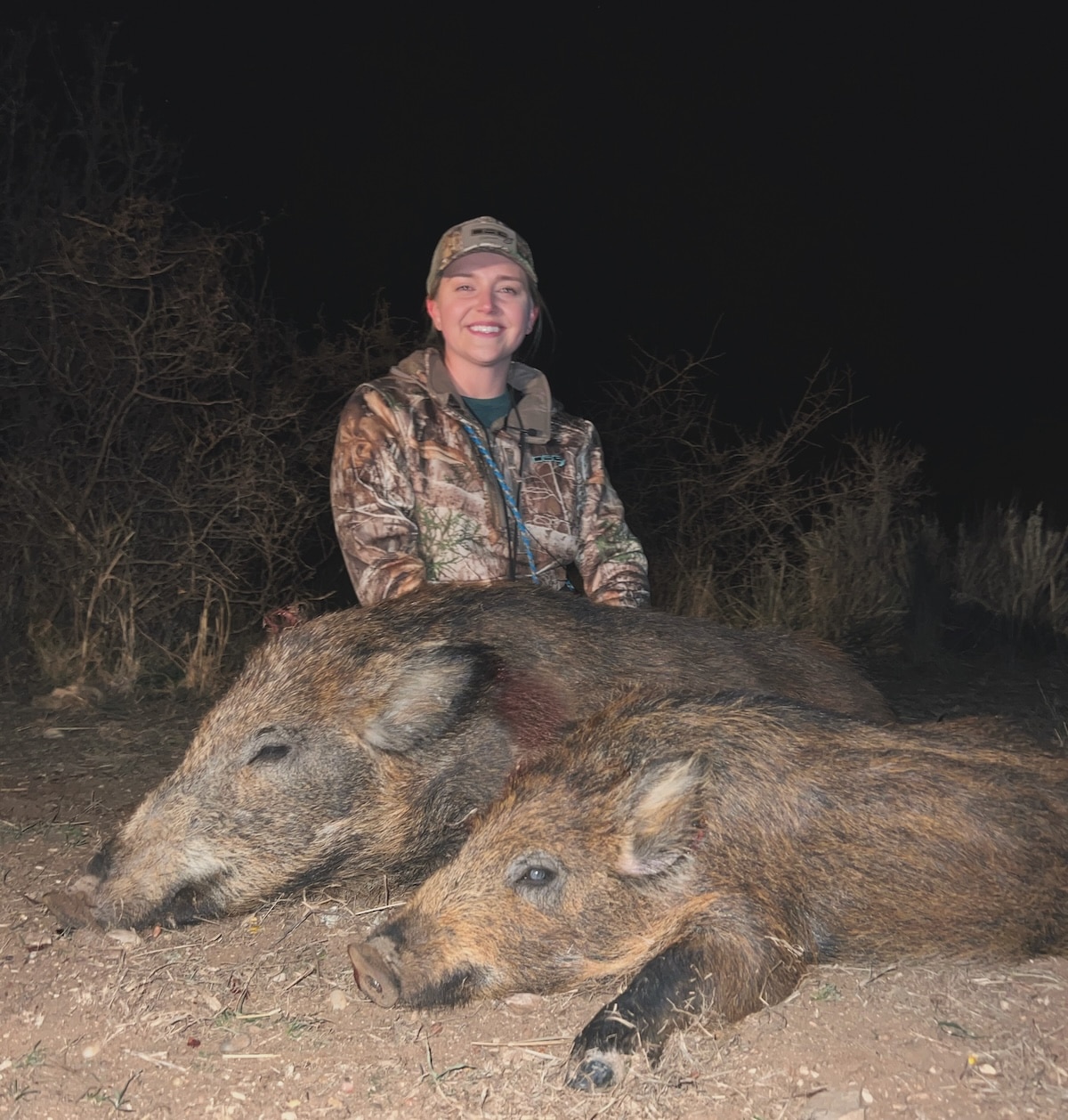
To hunt summer hogs at night in pastures, focus on active feedlots and water sources where hogs scavenge grain spills to survive the heat. Success depends on using summer night hog hunting tactics for extreme heat, such as staying downwind and employing fermented bait to keep the sounder stationary for precise vital zone shots.
The Biological Shift: Why Pastures and Feedlots?
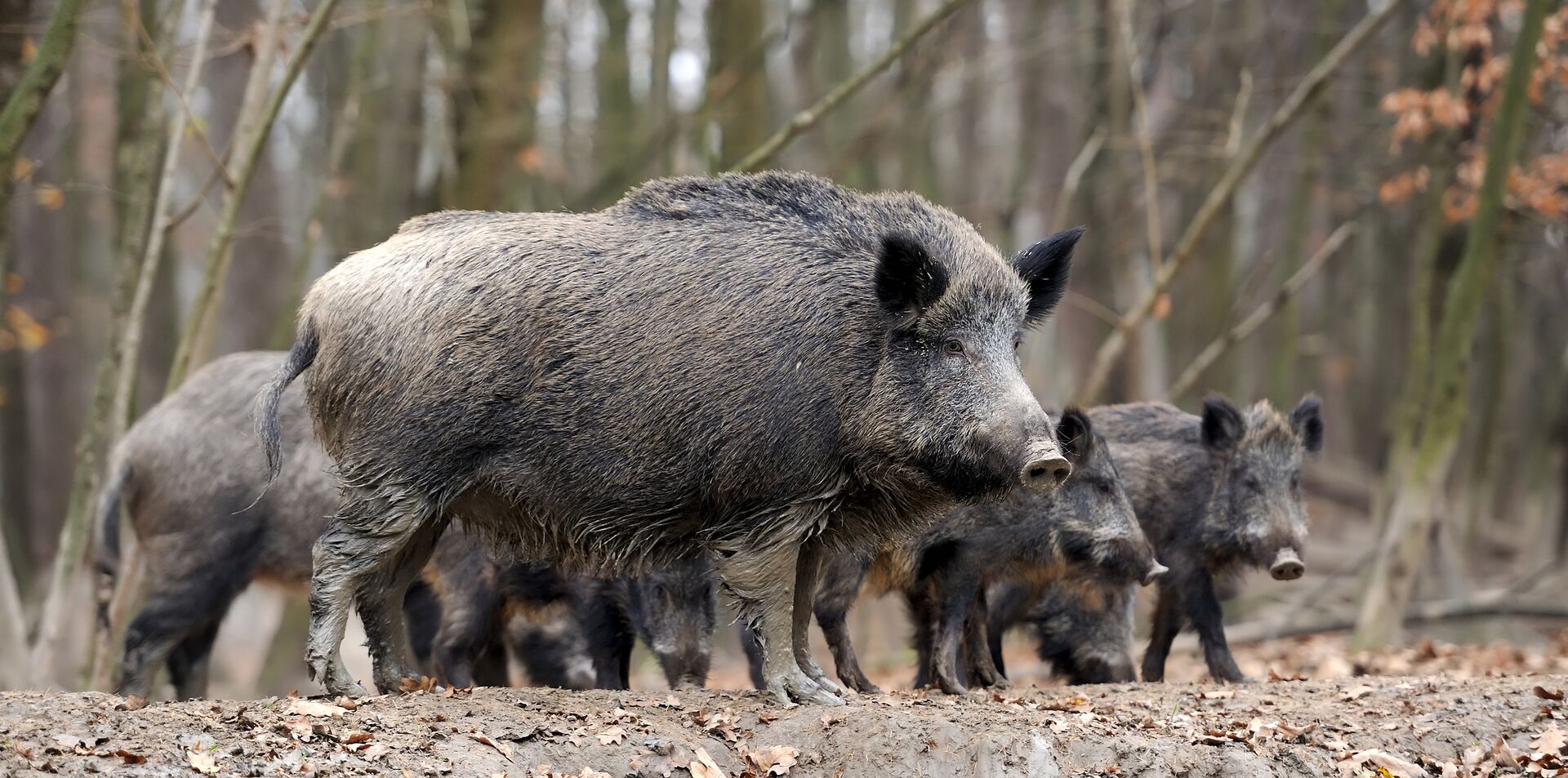
As the mercury rises across the South and Midwest, the local feral hog population undergoes a dramatic behavioral shift. During the cooler months, you might catch a feral sounder moving in the early morning or late afternoon. However, the lack of sweat glands makes extreme heat a life-threatening issue for these animals. To survive, they become almost entirely nocturnal, spending their days bedded down in the thickest, dampest cover they can find and emerging only under the cover of darkness.
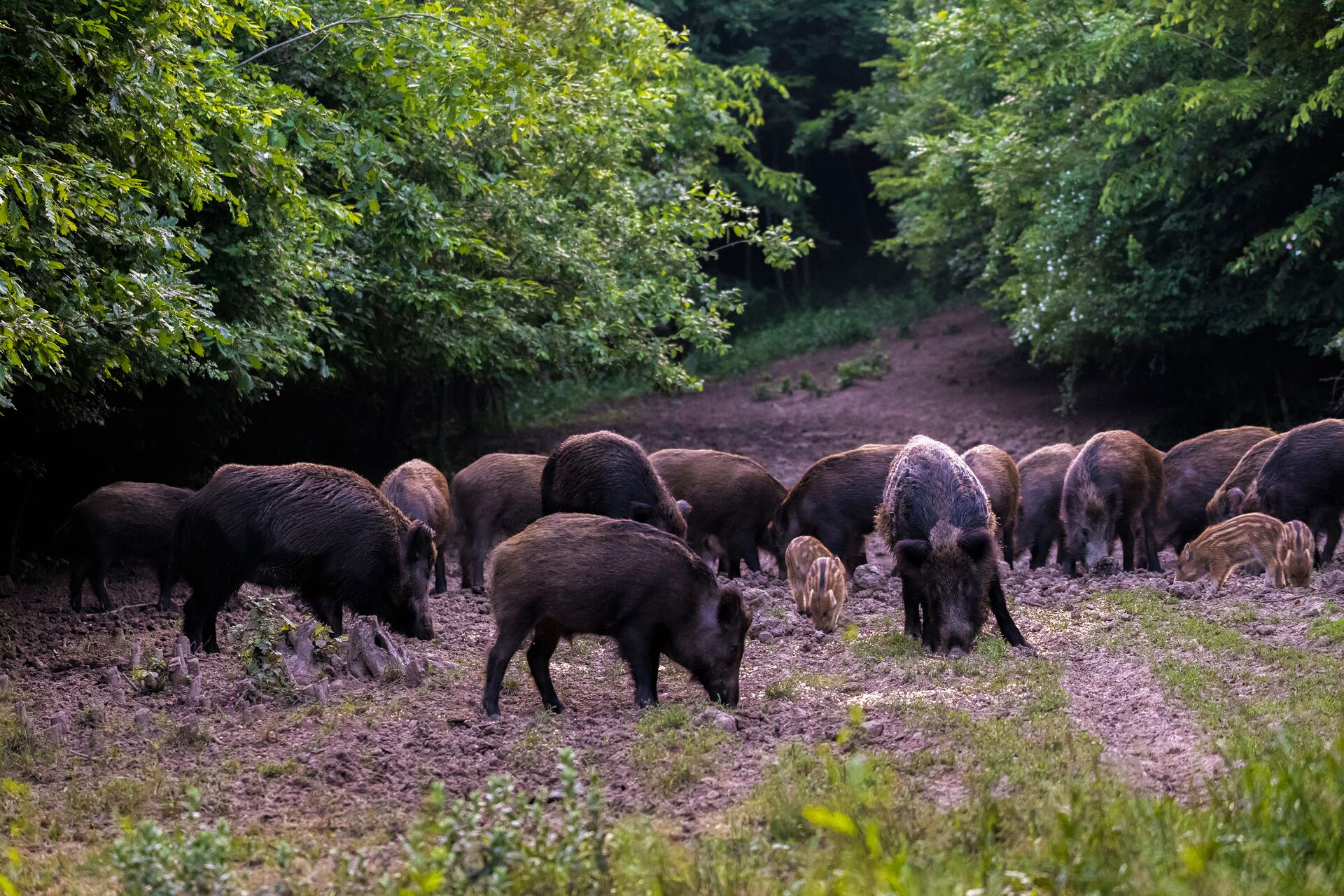
This nocturnal movement makes pastures and feedlots the primary theaters of operation for summer night hog hunting. These areas offer high-calorie rewards like leftover cattle feed and grain spills. For a rancher, this is a nightmare. Large groups of hogs can ruin a pasture by rooting up the soil, which leads to erosion and equipment damage. Furthermore, to prevent feral hog populations from expanding, wildlife managers estimate that between 66% and 75% of the total population must be removed every year. This massive removal requirement means that night hog hunting is not just a sport; it is an essential component of livestock protection.
The Permission Playbook: Bowhunting for Access
Gaining access to prime hunting ground is often the hardest part of the equation. Many cattle ranchers are hesitant to allow night hog hunting with high-powered rifles because they worry about their livestock being spooked or accidentally hit in the dark. This is where bowhunting becomes your universal key.
When you approach a landowner, emphasize that you are hunting feral hogs in cattle pastures safely by using quiet gear. A compound bow or a crossbow allows you to slip in and out of a feedlot without disturbing the herd. Even if you ultimately use a rifle, pitching your "quiet" capabilities first builds trust.
Once you have permission, stalking hogs at night on open pastures requires a religious commitment to scent management. In an open field, there are no ridges to break up the wind. If the breeze shifts and your scent drifts toward the feedlot, the game is over before it begins. Always keep the wind in your face and utilize natural cover, such as hay bales, fence lines, or parked farm equipment, to mask your silhouette while you close the distance.
Effective Baiting: The Fermentation Secret
In the vast expanse of a cattle ranch, you need a way to concentrate the sounder into a small area. While standard grain spills are an organic attractant, using specialized feral hog baiting techniques will significantly increase your odds. The goal is to create "dwell time"—the amount of time a hog stays in one spot.
One of the most effective feral hog baiting techniques for summer involves "sour corn."
DIY Sour Corn Recipe:
- Fill a 5-gallon bucket 3/4 full with shelled corn.
- Add two liters of cheap, sugary cola or fruit-flavored soda.
- Fill the rest of the bucket with water and seal it.
- Let it sit in the sun for 3 to 5 days until it smells strongly of fermentation.
Instead of just scattering this on the ground rooting areas, use a post-hole digger to bury the bait about two feet deep. This forces the hogs to work for the food, keeping them focused on the ground and preventing them from scanning their surroundings for danger. By placing these bait holes in specific shooting lanes, you ensure the animals are positioned perfectly for a vital zone shot.
Illumination Strategy: Lights vs. Thermal
The gear you choose for night hog hunting usually comes down to your budget. Modern technology has made the dark much more manageable, but there are distinct advantages to each system.
| Feature | Weapon-Mounted Hog Hunting Lights | Thermal Optics |
|---|---|---|
| Cost | Budget-friendly ($100 - $300) | High-end ($2,000+) |
| Detection | Limited to the beam distance | Detects thermal heat signatures for miles |
| Identification | Excellent color and detail | Best for finding, harder for detail |
| Stealth | Must use the halo method to avoid spooking | Completely invisible to the animal |
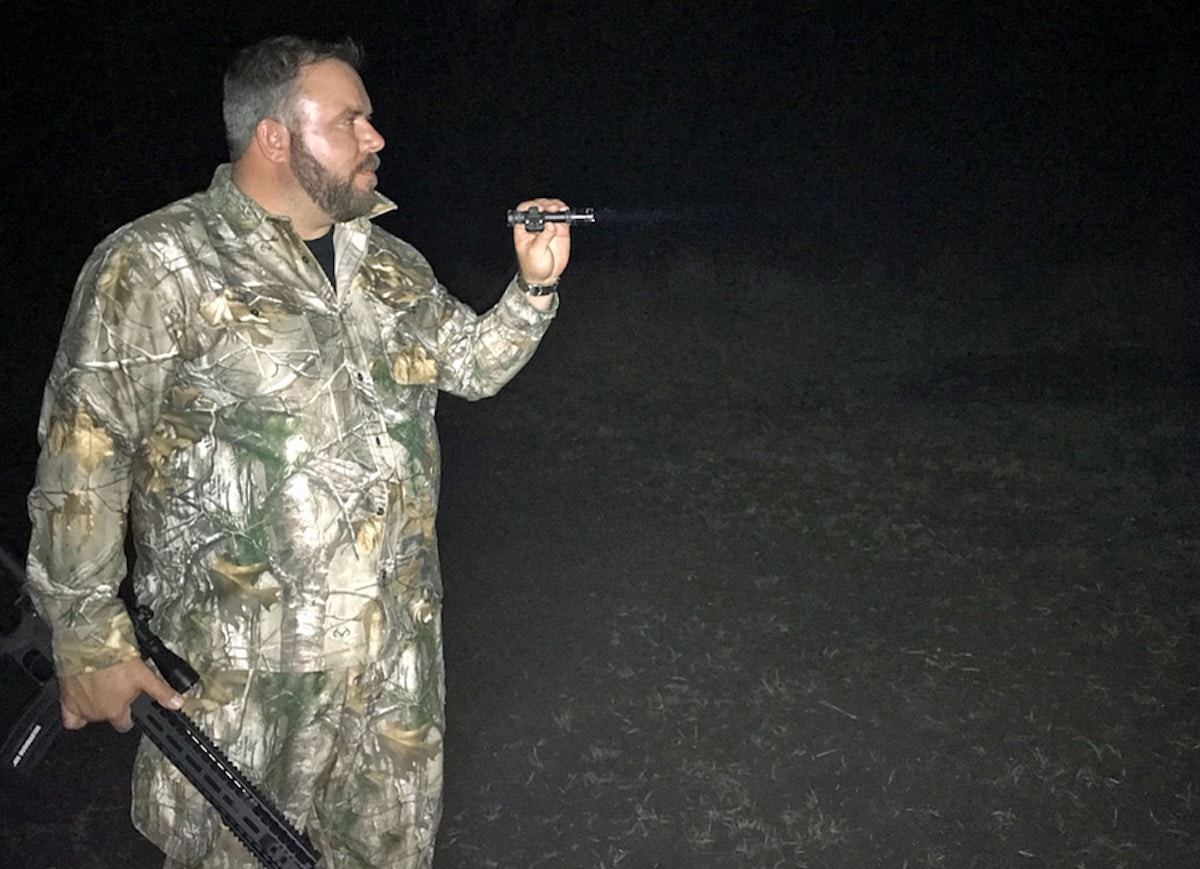
If you are using hog hunting lights, the spectrum matters. A green LED beam is generally less startling to hogs than white or blue light. To avoid spooking the sounder, use the halo method: turn the light on pointed at the sky or the ground well in front of the hogs, then slowly lower the edge of the light until only the soft outer ring of the beam illuminates the target.
For those who have the budget, thermal optics vs feeder lights for night hunting isn't even a fair fight. Thermal allows you to see the heat signature of a hog through light brush or fog where a standard light would fail. However, for a beginner, a high-quality light attached to a bow stabilizer or a rifle scope remains a highly effective and accessible entry point. Knowing how to use predator lights without spooking hogs is a skill that will serve you well regardless of how much you spend on optics.
Execution and Safety: The Night Defense Plan
The final moments of a hunt are the most critical. When you are ready to take the shot, wait for the hog to turn broadside or slightly quartering away. You are aiming for the vital zone—the area just behind the shoulder or tucked into the neck. Unlike deer, a hog’s vitals are positioned lower and further forward in the chest cavity.
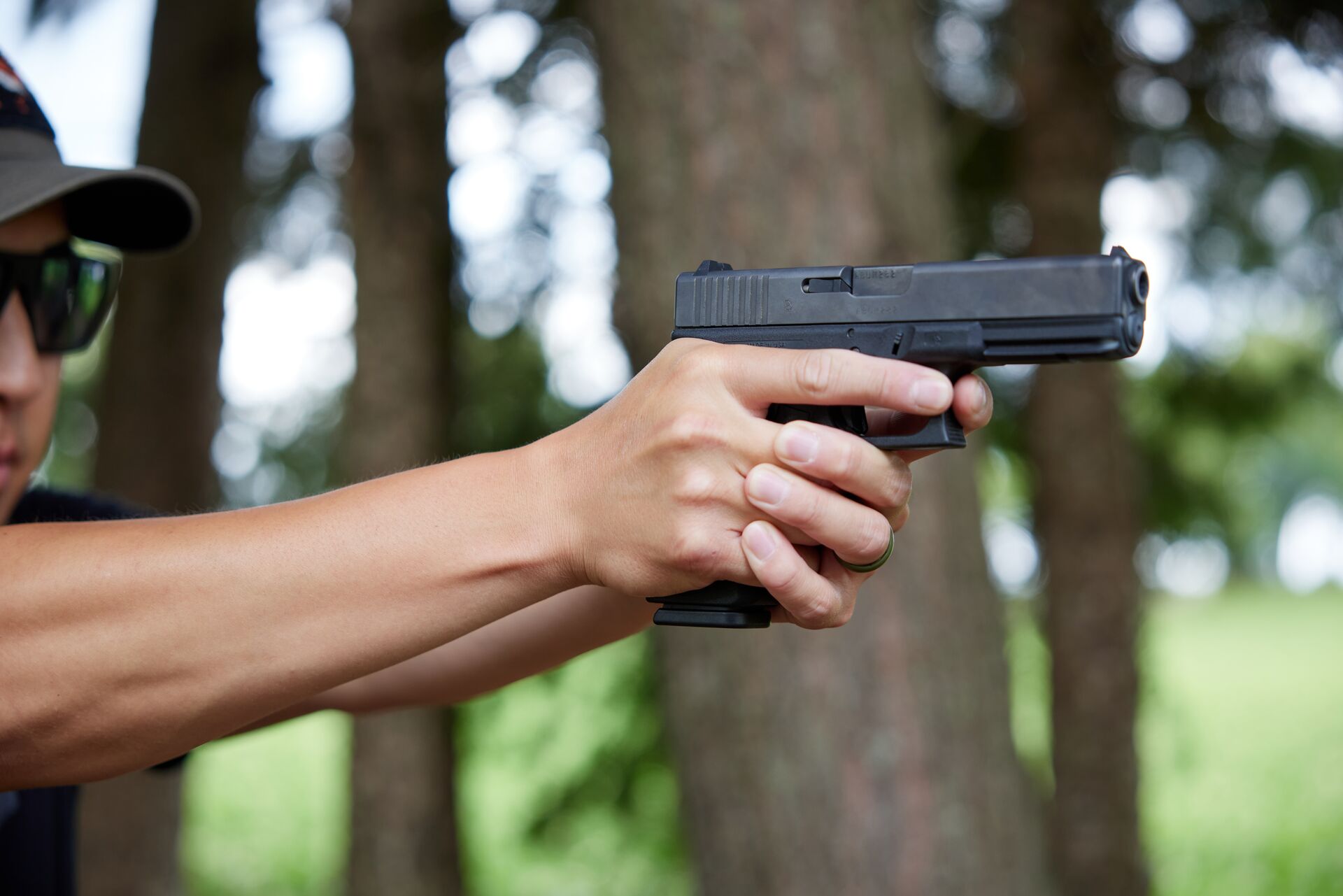
Safety at night cannot be overstated. When you are navigating through pastures filled with livestock and potentially aggressive hogs, you need a night defense plan. Always carry a dedicated backup sidearm. A Glock 20 in 10mm is a favorite among hog hunters for its reliable stopping power and high magazine capacity. If a wounded hog decides to charge or if you stumble upon a sounder in the dark, you need a weapon that can be deployed instantly.
Additionally, always wear clear safety glasses when stalking. It is incredibly easy to take a stray branch or a piece of tall pasture grass to the eye while you are focused on your optics. Coordinating with the landowner is also vital; make sure they know exactly where you will be so there is no confusion with farm hands or other staff working the night shift.
FAQ
Is it legal to hunt hogs at night?
In most states where feral hogs are considered an invasive species, such as Texas, Georgia, and Florida, night hunting is legal and often encouraged. However, regulations regarding the use of lights, thermal, and silencers vary by state. Always check with your local wildlife agency before heading out.
What gear do I need for night hog hunting?
The essentials include a reliable firearm or bow, a dedicated light source (green or red LED), scent-control spray, and a high-quality headlamp for navigating back to your vehicle. For pastures, a set of bipods or a tripod is highly recommended to stabilize your shot in open terrain.
What is the best color light for night hog hunting?
Most experienced hunters prefer a green LED beam. Green light provides a sharp contrast, making the dark fur of the hog stand out against the pasture grass. While red is also effective and slightly better for preserving human night vision, green typically offers a longer throw and better visibility for the shooter.
When are hogs most active at night?
During the summer heat, hogs usually become active about an hour or two after sunset once the ground has started to cool. Activity often peaks between midnight and 4:00 AM as they move between different water sources and feedlots.
Is thermal or night vision better for hog hunting?
Thermal is generally superior for detection because it highlights the heat signature of the animal against a cooler background, making it nearly impossible for a hog to hide. Night vision relies on ambient light or IR illuminators and can be obstructed by grass or fog, though it often provides a more detailed "realistic" image for target identification.