Quick Facts
- Best Setup: Modified Carolina rig with an 18-inch fluorocarbon leader.
- Top Bait: Floating dough bait for targeting stocked fish in non-moving water.
- Target Depth: Focus on 20-25 feet during summer to find the thermocline.
- Peak Season: Spring, specifically aligned with state-managed put-and-take programs.
- Economic Impact: Stillwater fisheries in England alone generate more than £1.7 billion in annual economic benefits.
- Growth Trend: In the United States, fly fishing participation reached over 8 million active participants in 2024.
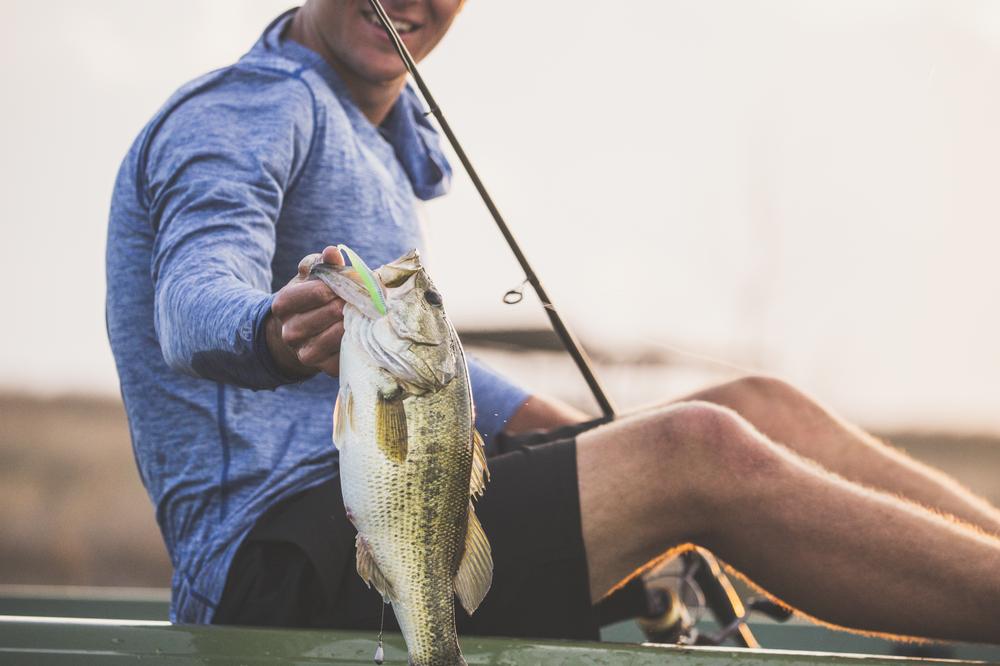
To catch trout in stillwater, a modified Carolina rig is highly effective for bottom fishing. Slide a slip sinker onto your main line, attach a swivel, and add an 18-inch fluorocarbon leader. Using a floating dough bait allows the hook to hover just above the lake bed, making it easily visible to cruising trout that are actively searching for food in non-moving water. This tactical approach is one of the cornerstones of successful stillwater trout fishing, offering a consistent presentation that works across various lake environments.
Understanding the Stillwater Environment
When you step away from the rushing currents of a mountain stream, you enter a world governed by different physical rules. Stillwater trout fishing requires a shift in mindset. Unlike river fish that stay in a fixed position and wait for food to drift past, lake trout are nomads. They cruise along depth contours and weed edges, looking for a meal. To be successful, you have to understand where they are going and why.
Water stratification is the most important concept for a lake angler to master. During the hot summer months, lakes separate into layers. The upper layer is too warm for trout, and the bottom layer often lacks enough oxygen. Trout retreat to a middle layer known as the thermocline. If you can learn how to find the thermocline to catch summer trout in lakes, usually at depths of 20 to 25 feet, your catch rates will soar while others struggle at the surface.
The scale of this sport is immense. Beyond the personal thrill of the catch, the economic footprint of these fisheries is significant. For example, recreational fisheries in England’s lakes and ponds are vital contributors to the local economy. Closer to home, the popularity of the sport is evident as approximately 1.4 million people picked up a fly rod for the first time in 2020. This influx of new anglers has led to a major demand for high-quality information on lake trout fishing techniques.

Essential Gear for Beginners
Starting out doesn't require a massive investment, but it does require the right tools. The modern trend in stillwater trout fishing has shifted heavily toward ultralight spinning gear. A 6-foot to 7-foot light-action rod paired with a 1000 or 2000-series reel gives you the sensitivity needed to feel a delicate trout take while providing enough backbone to land a larger catchable-sized trout.
Your line choice is arguably more important than the rod itself. While many beginners start with standard 8lb monofilament, professional anglers have transitioned to using fluorocarbon tippet or main lines. Fluorocarbon is nearly invisible underwater and sinks faster than mono, which is a major advantage when targeting fish in clear water. For most stillwater scenarios, a 4lb or 6lb test fluorocarbon leader is the gold standard.
When it comes to terminal tackle, keep your hook sizes modest. A size #12 or #10 bait holder hook is perfect for dough baits, while a size #6 or #8 is better for nightcrawlers. If you are using lures, having a selection of best trout spinners for pond fishing beginners is essential. These lures are easy to cast and provide immediate vibration and flash that triggers a trout's predatory instinct.
Top Trout Fishing Rigs for Lakes
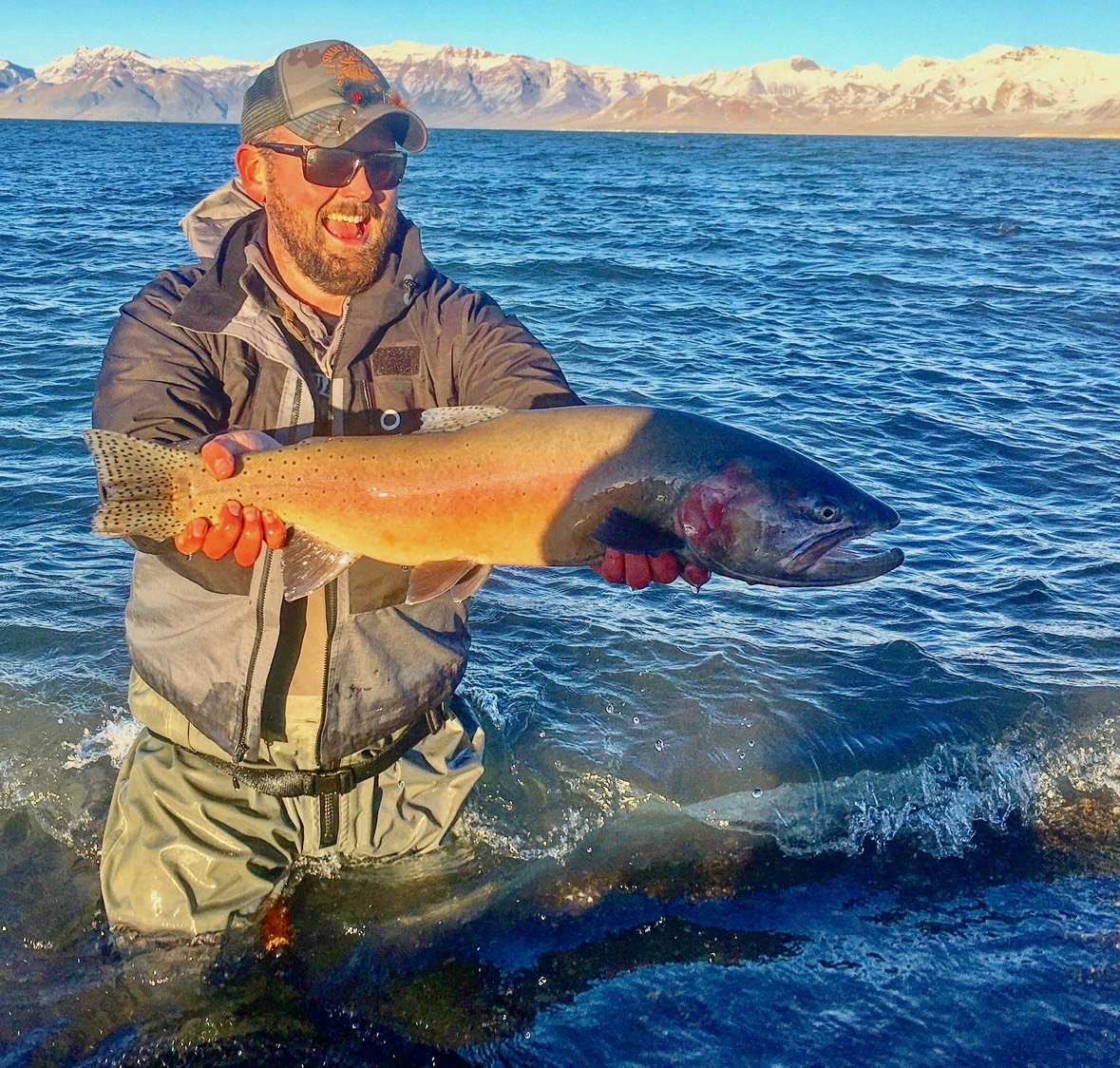
Mastering a few specific trout fishing rigs for lakes will cover almost every situation you encounter. The goal is to present your bait or lure in the strike zone—the specific depth where fish are holding—and keep it there.
The Modified Carolina Rig
This is the "go-to" for anyone fishing from the bank. It allows you to cast far out into deeper water while keeping your bait hovering just above the debris on the lake floor.
Rigging Recipe: Bottom Bait Setup
- Main Line: 6lb monofilament or braid
- Sinker: 1/4 oz to 1/2 oz egg sinker (slip style)
- Hardware: Small barrel swivel and a plastic bead to protect the knot
- Leader: 18 to 24 inches of 4lb fluorocarbon
- Bait: Floating dough bait or a "marshmallow and worm" combo
By using this setup, you create effective trout fishing rigs for bottom fishing from shore. The trout can pick up the bait and run without feeling the weight of the sinker, leading to more hooked fish and fewer missed bites.
The "Bung" or Slip Float Method
If the trout are feeding higher in the water column or near weed beds, you need to suspend your bait. A slip float allows you to set your depth exactly. If you find fish on your electronics at 10 feet in a 20-foot deep lake, you simply slide your bobber stop to the 10-foot mark. This is particularly effective when using micro-jigs or a nightcrawler under a float. It offers incredible depth control that basic fixed bobbers cannot match.
Learn how to rig a carolina rig for trout in lakes first, then move to float methods as you become more comfortable with different water conditions.
Best Lures and Finesse Techniques
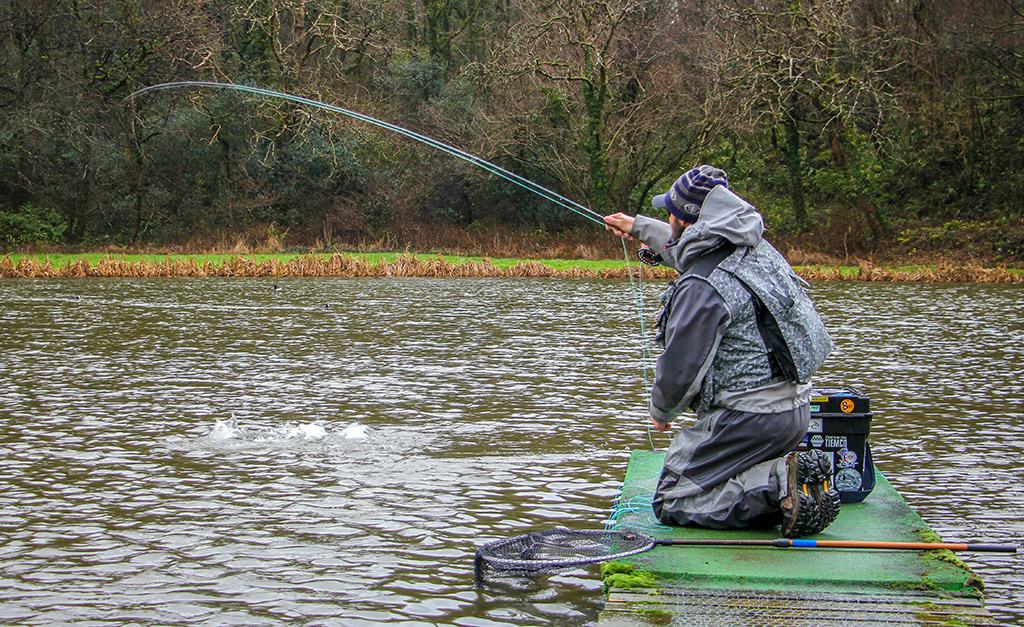
While bait fishing is relaxing, many anglers prefer the active nature of lure fishing. Using best trout lures for ponds allows you to cover more water and find where the schools are congregating.
Traditional inline spinners like the Rooster Tail or Blue Fox Vibrax remain incredibly effective. The key is the "slow roll"—retrieving just fast enough to keep the blade spinning. In clear water, silver blades reflect sunlight, while gold blades are better for overcast days or stained water.
For a modern edge, many successful stillwater trout fishing experts are turning to finesse plastics. Small 2-inch trout worms or minnow imitations on a 1/32 oz jig head can be deadly. Instead of a steady retrieve, use a "hop and drop" motion. Let the lure sink, then twitch the rod tip twice to make it dance. This mimicry of a dying baitfish or an emerging insect is often too much for a trout to resist.
Stillwater Lure Color Matrix
| Lighting Condition | Recommended Blade/Body Color | Reason |
|---|---|---|
| Bright Sun / Clear Water | Silver or Nickel | Maximum flash mimics baitfish scales |
| Overcast / Stained Water | Gold or Copper | Better visibility in lower light |
| Low Light (Dusk/Dawn) | Fluorescent Orange or Black | High contrast against the water |
| High Pressure / Clear Water | Translucent or Matched-to-Hatch | Natural appearance for "spooky" fish |
For those exploring the fly fishing side of the sport, the best dry flies for stillwater trout fishing include the Adams, Griffith's Gnat, or various midge patterns. Unlike river fishing where you watch for a drift, stillwater fly fishing is about watching for a "rise ring" and casting precisely into the path of a cruising fish.
Mastering Specific Scenarios: Ponds vs. Reservoirs
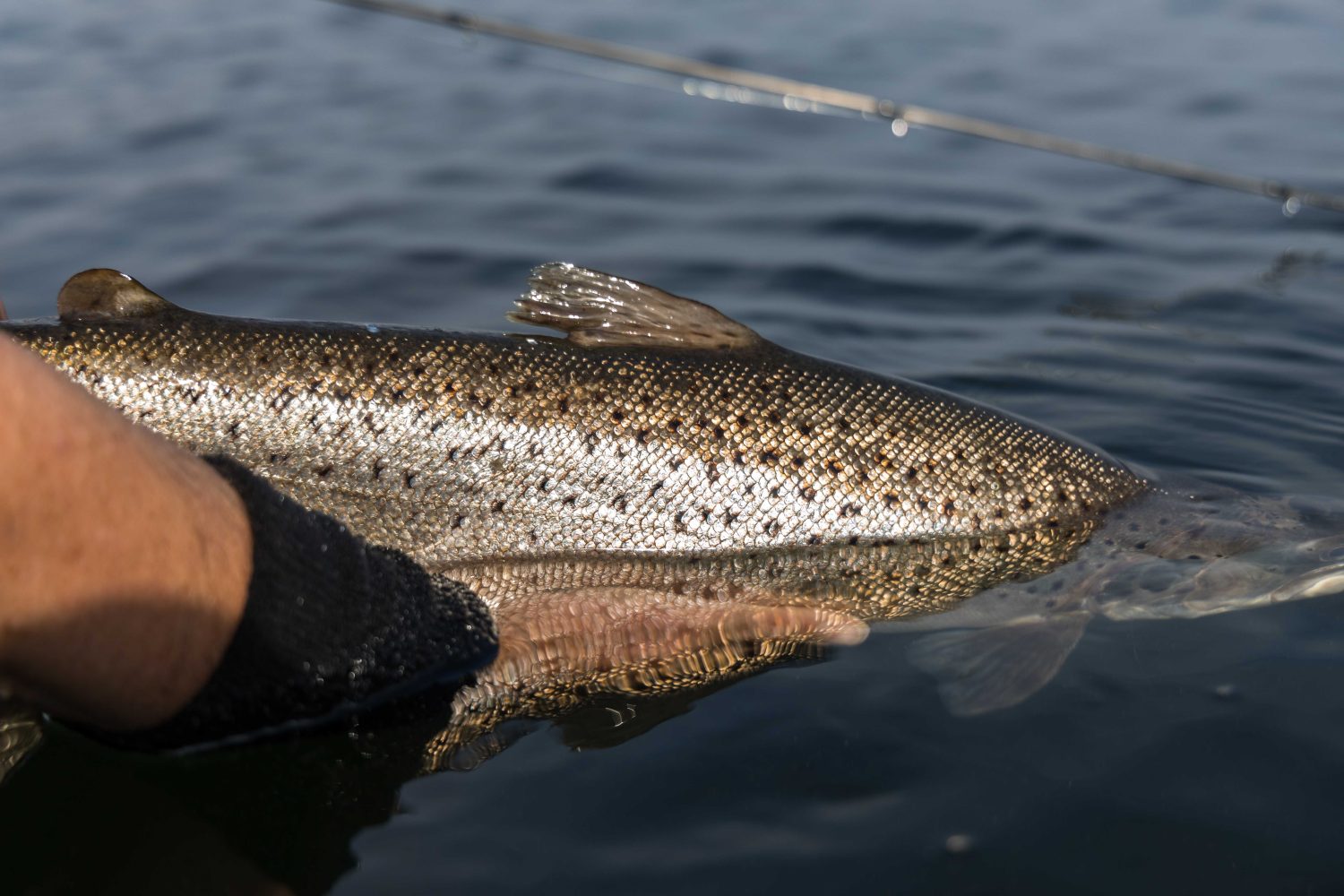
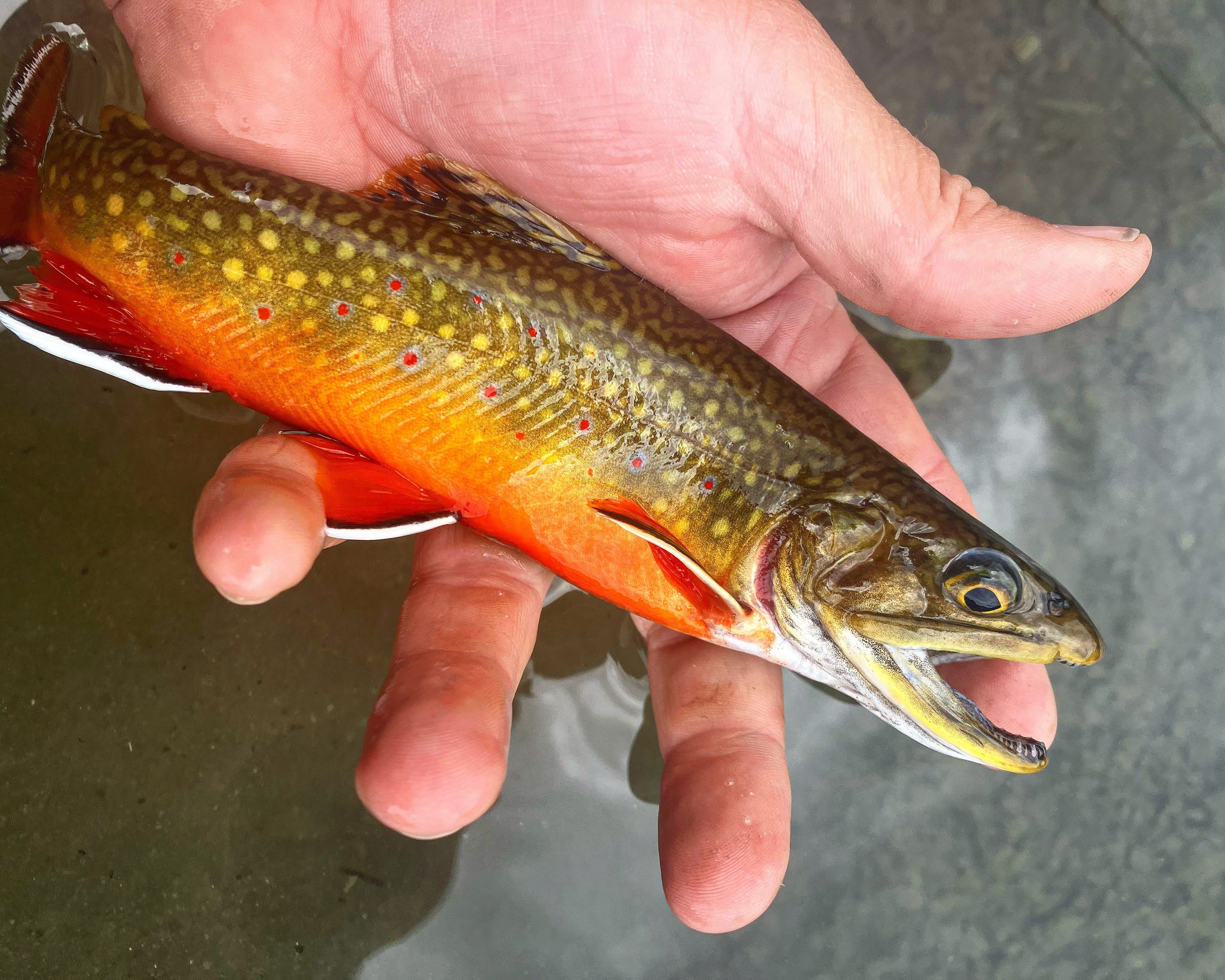
Your strategy must change based on where you are fishing. Most beginners start with put-and-take programs. These are typically small ponds stocked with catchable-sized trout by state agencies. To be successful here, you need to check the stocking schedules. Stocked fish tend to school together and stay near the release point for a few days before spreading out. Knowing how to target stocked trout in state park ponds often means looking for the deepest hole near the boat ramp or pier where the stocking truck parked.
In larger reservoirs or alpine lakes, the fish are often more spread out and wild. Shoreline access can be limited, which is where small watercraft like float tubes, kayaks, or canoes become invaluable. Using a small craft allows you to reach offshore populations and troll lures. Trolling at a slow walking pace with a small spoon or a soft plastic minnow is a highly productive way to locate fish in large bodies of water.
If you are limited to the shore, look for "points" that stick out into the lake or areas where a small stream flows in. These spots act as natural funnels for cruising trout.
FAQ
What is the best setup for stillwater trout fishing?
The most versatile setup is a 7-foot ultralight spinning rod with 4lb fluorocarbon line. For terminal tackle, the modified Carolina rig is widely considered the best for beginners because it effectively presents floating dough bait in the zone where most lake trout feed.
How do you catch trout in a stillwater lake?
Success comes from mobility and depth control. Use a "search" bait like an inline spinner to find active schools. Once you find them, you can switch to more stationary methods like a bait rig or a slip float to target specific depths. Always pay attention to water temperature and the time of year.
What depth should I fish for trout in stillwater?
In the spring and fall, trout are often in the top 5 to 10 feet of water. However, as summer heat sets in, you must fish deeper—typically between 20 and 25 feet—to reach the cooler, oxygen-rich waters of the thermocline where trout retreat to survive.
Can you catch trout in a lake without a boat?
Absolutely. Most stocked trout ponds are designed for shoreline access. By using a Carolina rig, you can cast your bait a significant distance into deeper water. Focus your efforts on fishing near dams, piers, or steep drop-offs that are within casting range of the bank.
What are the best lures for stillwater trout?
The most consistent lures include 1/8 oz inline spinners, small metal spoons, and 2-inch soft plastic worms. If the fish are being particularly picky, a micro-jig suspended under a small float can provide the subtle action needed to trigger a strike.
Final Thoughts for the Stillwater Angler
Stillwater trout fishing is a game of patience and observation. Whether you are standing on the bank of a suburban park pond or floating on a pristine alpine lake, the fundamentals remain the same. Check your state's stocking schedules, keep your tackle light, and don't be afraid to change your depth until you find the fish.
As you gain experience, you'll start to notice the subtle patterns—the way the water ripples before a hatch or how the fish move deeper as the sun rises. The journey from a beginner to a seasoned lake angler is one of the most rewarding paths in the outdoors. Tight lines!