Quick Facts
- Safety Status: Safe for nitro-proofed guns with specific loads
- Choke Limit: Modified (1/2) or less recommended to prevent damage
- Ammunition: Standard steel only; never use high performance steel
- Critical Thickness: Minimum 0.023-inch barrel wall thickness
- Steel-Safe Era: Most US shotguns made since the late 1980s are rated for steel
- Top Alternative: Bismuth shot for Damascus or high-value collectibles
Most nitro-proofed vintage shotguns can safely fire standard steel shot loads if they are in good mechanical condition. Standard steel cartridges are specifically designed with lower pressures and smaller shot sizes—typically no larger than US #5—to avoid damaging older barrels. However, you must never fire high-performance steel through vintage guns unless they bear the fleur-de-lis proof mark, as the higher velocities and pressures can cause catastrophic failure or barrel damage.
Understanding the Proof Marks: Is Your Gun Rated?
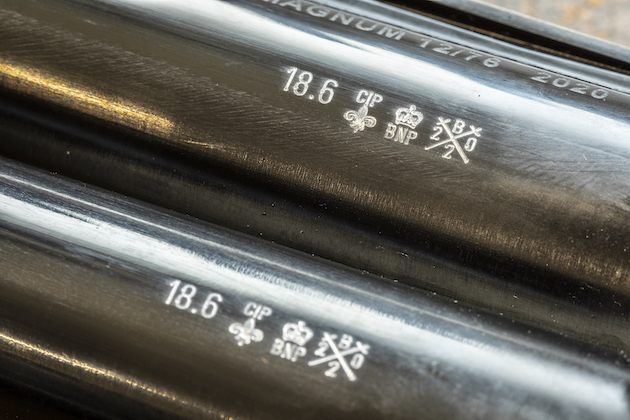
Before you even think about sliding a shell into the chamber, you need to speak the language of your firearm. This language is written in proof marks, usually stamped on the underside of the barrels near the flats or on the water table of the action. To determine if safety is on your side, you first need to check if a shotgun is nitro proofed.
In the world of classic English and European guns, the Birmingham Proof House or various Continental proof houses provide the gold standard for safety. If your gun is marked for nitro proof, it means it was tested with smokeless gas pressure rather than the lower-pressure black powder used in earlier eras. However, a standard nitro proof is not a blank check to use any modern ammunition.
For those looking to use more modern, high-velocity loads, the modern gold standard is the fleur-de-lis proof mark for high performance steel. Developed under CIP regulations, this stylized lily symbol indicates the barrels have been tested to a much higher pressure threshold specifically for the rigors of hard, fast-moving steel. Without this mark, you are strictly limited to standard steel cartridges.
| Mark | Meaning | Compatibility |
|---|---|---|
| NP / Nitro Proof | Rated for smokeless powder | Standard Steel / Bismuth |
| Fleur-de-lis | High Performance Steel Rated | All Steel Loads |
| BP / Black Powder | Not rated for modern pressures | Do Not Use Steel |
| Choke Dimensions | Indicates muzzle constriction | Check for 'Modified' or less |
The Hardware Checklist: Barrels and Chokes
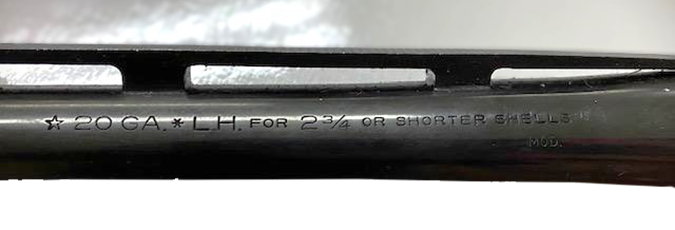
Even if the proof marks look promising, the physical dimensions of your barrels play a massive role in whether shooting steel through old shotgun barrels is a smart move or a recipe for heartbreak. Unlike lead, which is soft and compresses easily as it hits a constriction, steel shot—essentially soft iron pellets—is stubborn. It does not squeeze.
When steel shot hits a tight choke, it exerts outward pressure. If the choke is too tight, typically a Full choke, it can cause a permanent ring bulge deformity just behind the muzzle. This happens because the shot column hits the constriction like a solid plug. To stay safe, the industry consensus is to use safe choke sizes for shooting steel through vintage barrels, which generally means a Modified (half) choke or thinner.
Another factor is the barrel wall thickness. Think of it this way: a standard credit card is about 0.030 inches thick. Experts at the Birmingham Proof House and elsewhere recommend a minimum barrel wall thickness for standard steel shot of at least 0.023 inches. In contrast, lead shot can often be fired safely through barrels as thin as 0.018 inches. If your vintage side-by-side has barrels as thin as a soda can, the internal wall friction and pressure of steel might cause ripples or even a burst.
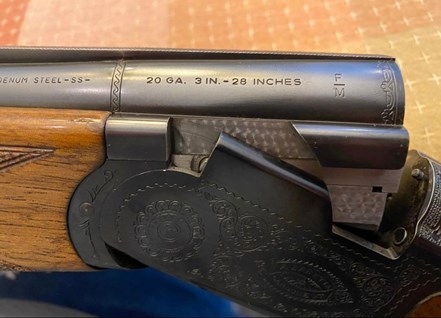
If you have a cherished gun with tight chokes that you absolutely must use for modern hunting, a gunsmith can sometimes help. Modern thin-walled choke systems can be retrofitted into some older barrels, allowing you to use more open constrictions for steel without sacrificing the gun's utility.
Ammo Selection: Standard Steel vs. High Performance
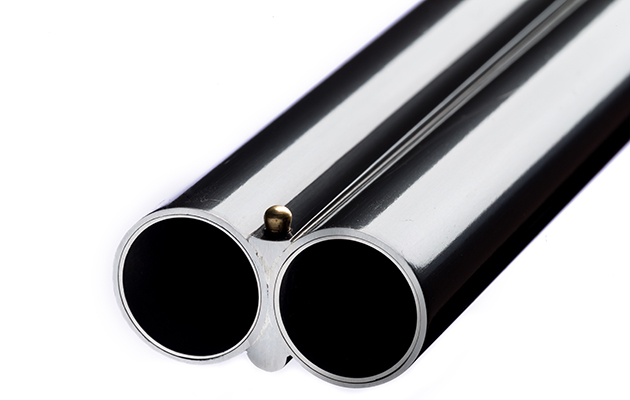
The most common mistake is assuming all steel shot vintage shotguns can handle any box of steel shells off the shelf. There is a massive difference between standard steel and high performance steel cartridges. Standard steel is engineered for older or non-steel-proofed guns.
These standard steel loads are typically restricted to a peak pressure of 10,733 psi and a muzzle velocity of 1,400 feet per second for one-ounce payloads. By keeping the pressure and velocity lower, manufacturers reduce the stress on the forcing cones and the risk of abrasive barrel scoring. When choosing shells, look for pellets no larger than US #4 or #5; larger pellets are less forgiving when passing through the forcing cone profiling of a vintage gun.
Beware of chamber length as well. Many British guns from the early 20th century have 2.5-inch chambers. Shooting standard steel in 2.5 inch chamber vintage shotguns requires finding specifically loaded short shells. Forcing a 2.75-inch shell into a 2.5-inch chamber—even if it fits—will spike the pressure limits for standard steel shot in older shotguns to dangerous levels.
Best Alternatives for Heirlooms: Bismuth and Beyond
If you own a Damascus twist barrels shotgun or a high-end collector's piece, the risk-to-reward ratio for steel shot is rarely worth it. Even with standard loads, the abrasive nature of steel can slowly wear down the interior of the barrels. For traditional game shooting or migratory bird hunting where non-toxic shot is required by law, there is a better way.
Using bismuth vs steel shot for vintage side by sides is the preferred expert recommendation. Bismuth has a density similar to lead and, more importantly, it is soft. It fractures and compresses much like lead, meaning it is safe for full chokes and won't cause muzzle constriction issues. While bismuth is more expensive than steel, it preserves the health and value of your firearm. For many, spending a few extra dollars per shell is a small price to pay to avoid symptoms of ring bulge in old shotguns from steel shot.
"A vintage gun is more than just a tool; it's a piece of history. If the barrel wall is thin or the chokes are fixed and tight, don't force steel through it. Choose a non-toxic shot substitute that respects the metallurgy of the era as much as you do."
FAQ
Is it safe to use steel shot in vintage shotguns?
It is safe only if the gun is nitro proofed and you use standard steel loads through chokes that are Modified or more open. You must ensure the barrel walls are at least 0.023 inches thick and that you avoid high-performance cartridges unless the gun has been modernly proofed with a fleur-de-lis mark.
What happens if you shoot steel shot through a full choke?
Because steel pellets do not compress like lead, they can hit the constriction of a tight full choke and exert massive outward force. This often results in a permanent ring bulge just behind the muzzle, which ruins the barrel's aesthetics and can diminish the gun's resale value or even lead to structural failure.
Can older shotgun barrels handle the pressure of steel shot?
Standard steel loads are designed to stay within the pressure limits of older nitro-proofed guns, typically around 10,733 psi. However, high-performance steel shot exerts much higher pressures that can easily exceed the original design specifications of vintage firearms, potentially causing catastrophic barrel or action failure.
How do I know if my old shotgun is steel shot rated?
Look for a fleur-de-lis stamp on the barrel flats; this is the universal indicator for high-performance steel compatibility. For many American-made guns, models manufactured since the late 1980s are generally considered steel-safe, while brands like Remington suggest some models as far back as 1950 may be compatible.
Will steel shot damage the bore of a vintage shotgun?
Steel is harder than lead and can be abrasive. If the protective plastic wad fails or if the shot size is too large for the forcing cones, it can cause internal barrel scoring. Standard steel with modern wadding minimizes this risk, but older guns with thin walls remain more susceptible to wear over time.
Is bismuth shot better than steel for older firearms?
Yes, bismuth is the superior choice for vintage guns. Its physical properties are much closer to lead, meaning it is soft enough to pass through tight chokes and forcing cones without causing deformation or abrasive damage. It allows you to maintain the original configuration of a'Full' choked gun while complying with non-toxic shot regulations.