Quick Facts
- Standard Interval: Most major firearm manufacturers suggest a full deep cleaning every 250 to 500 rounds to prevent hardened carbon deposits.
- Precision Drift: Accuracy tests indicate that measurable drift in group consistency often begins after firing approximately 150 rounds without cleaning.
- The Two-Stage Process: Effective maintenance requires treating carbon and copper as separate chemical problems.
- The Directional Rule: Always push your cleaning tools from the breech to the muzzle to protect the crown and rifling.
- Solvent Warning: Never leave aggressive copper solvents in a bore for more than 30 minutes unless specifically labeled as safe for long-term soaking.
- Essential Tool: A one-piece nylon-coated rod is mandatory to avoid abrasive damage to the delicate rifling of a precision barrel.
To clean a rifle bore for maximum precision, you should follow this rifle cleaning guide which utilizes a two-stage process targeting powder fouling first, followed by copper buildup. Start by applying a bore solvent and using a phosphor-bronze brush for about 15 strokes to loosen carbon, then use patches until they come out clean. Finally, apply a specialized copper solvent to remove metal jacket residue, followed by a light coat of preservative oil to prevent rust and ensure deep cleaning rifle barrel to restore accuracy for your next range session.
The Precision Arsenal: Rifle Cleaning Supplies Recommendations
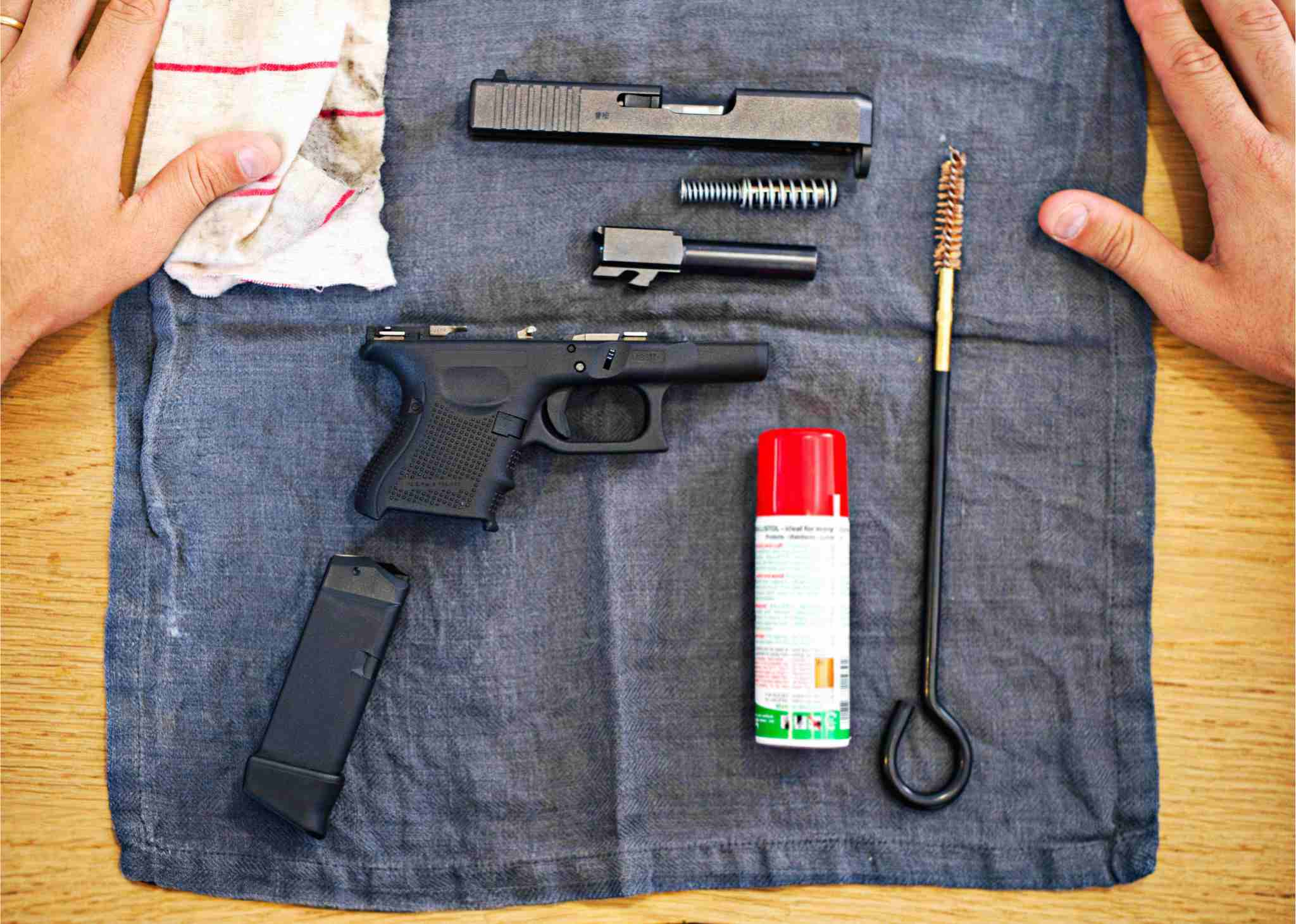
Every marksman eventually learns that the cheap, multi-piece cleaning kits found at big-box retailers are often more dangerous to a rifle than the fouling itself. For anyone serious about group consistency, your inventory needs to shift from "convenience tools" to "precision instruments." The global market for these products is expanding rapidly, with the gun cleaners and lubricants market reaching a valuation of USD 123.84 million in 2025, as maintenance activities have increased by about 29% among users.
When building your kit, prioritize a one-piece nylon-coated rod. Unlike segmented rods, these will not flex or catch on the rifling, which can cause permanent damage to the bore. You will also need a high-quality gun vise to keep the rifle immobile and level during the process. This stability is crucial when you are applying the force necessary for a phosphor-bronze brush to do its work.
Equally important are the consumables. Avoid all-in-one "CLP" (Clean, Lubricate, Protect) products for deep cleaning. Instead, invest in a dedicated carbon-cutting solvent and a separate copper-removal agent. Choosing the right solvent for rifle barrel maintenance depends on your specific rifle; some aggressive ammonia-based cleaners are excellent for copper but require careful timing to avoid etching the steel. For the best rifle cleaning supplies for precision shooters, always include a bore jag that fits your specific caliber snugly and a bore guide to steer the rod safely through the action.
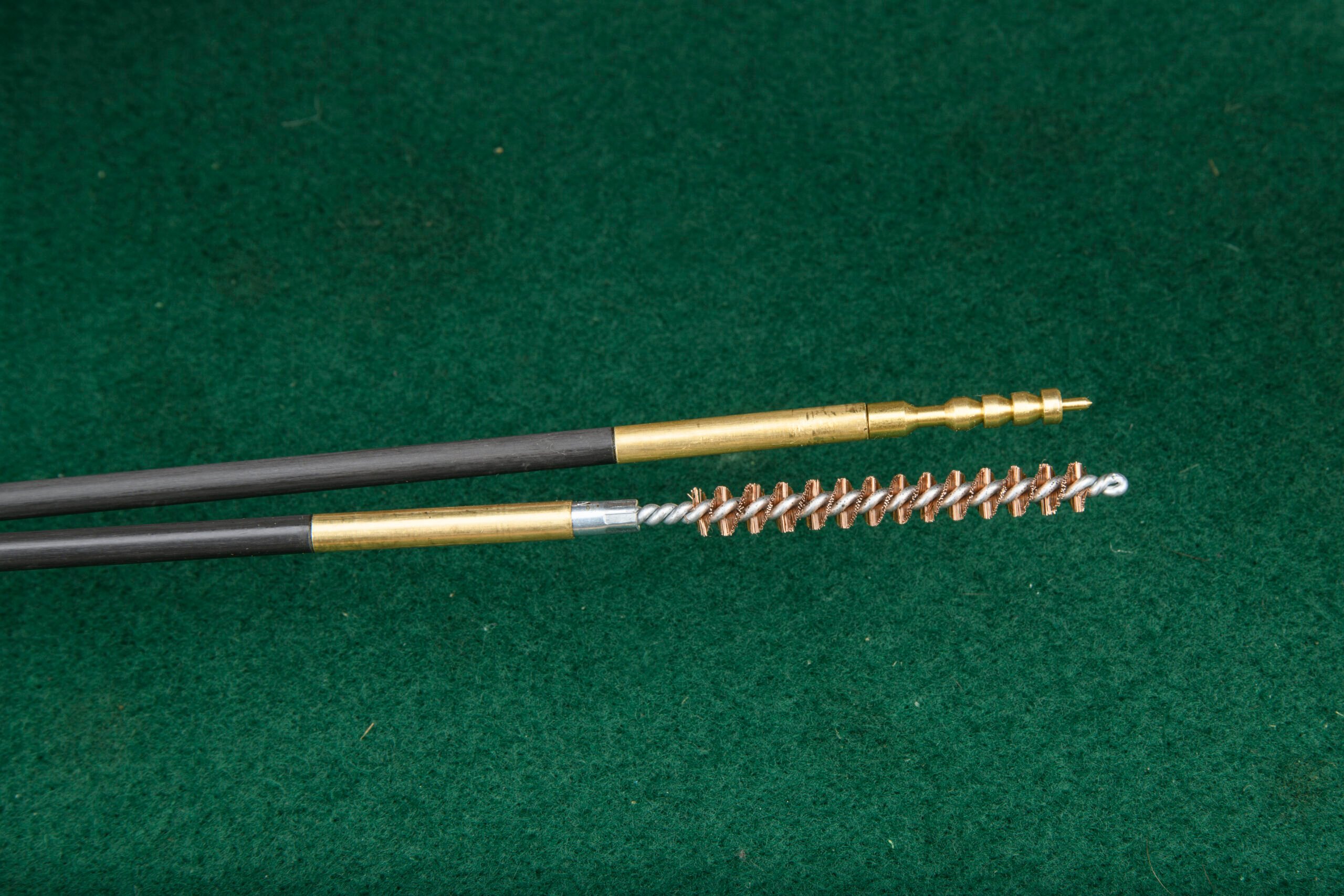
Pro-Tip: Use a caliber-specific bore guide. It keeps the cleaning rod centered, preventing it from rubbing against the side of the chamber or the throat of the barrel, and keeps solvent from dripping into your trigger group.
Phase 1: Powder and Copper Fouling Removal - Carbon Stripping
Before you can tackle the copper that has bonded to the rifling, you must remove the layers of "black" fouling—the carbon and powder residue. This is the first step in the powder and copper fouling removal protocol. Carbon acts like a hard, crusty shield that prevents copper solvents from reaching the metal underneath.
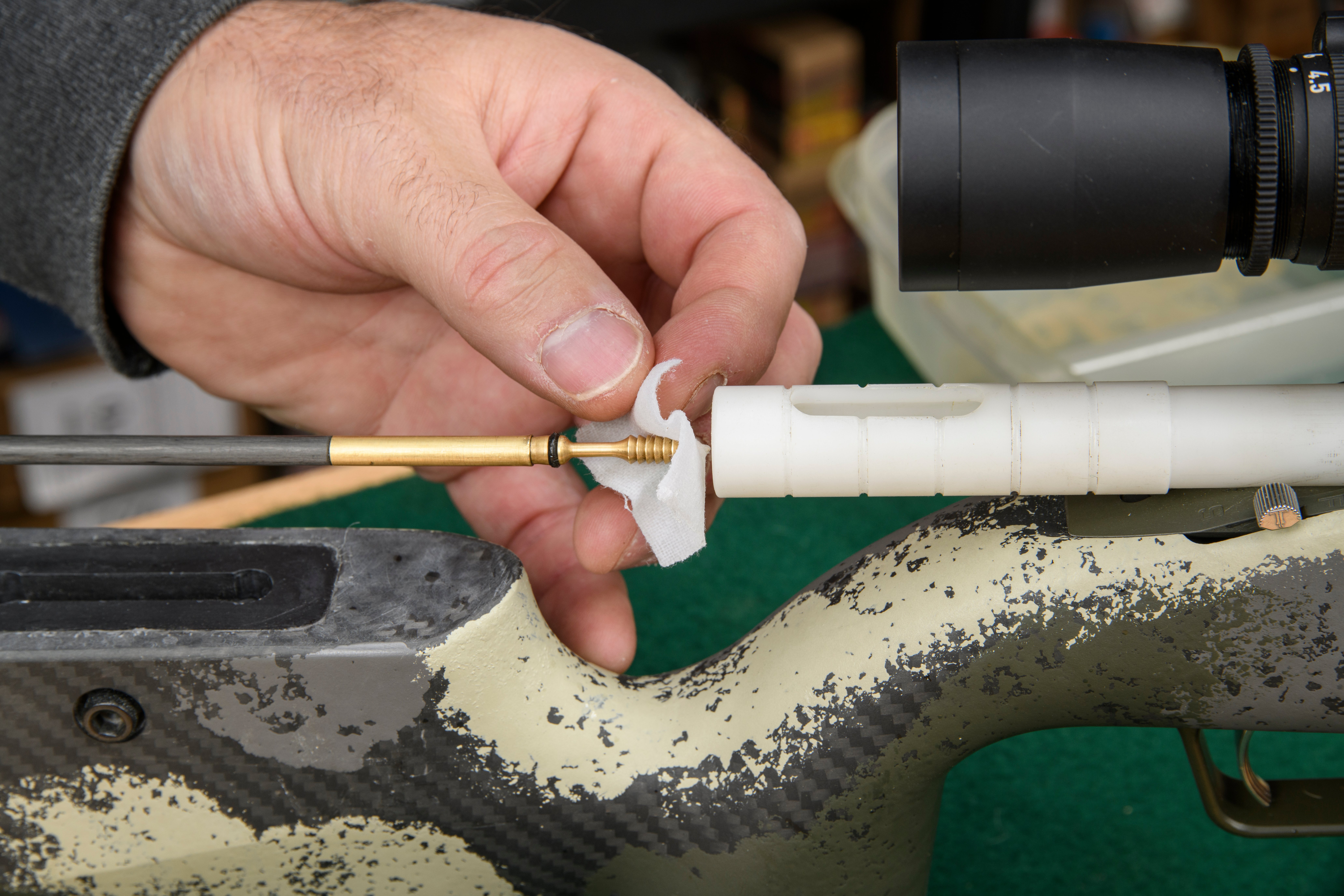
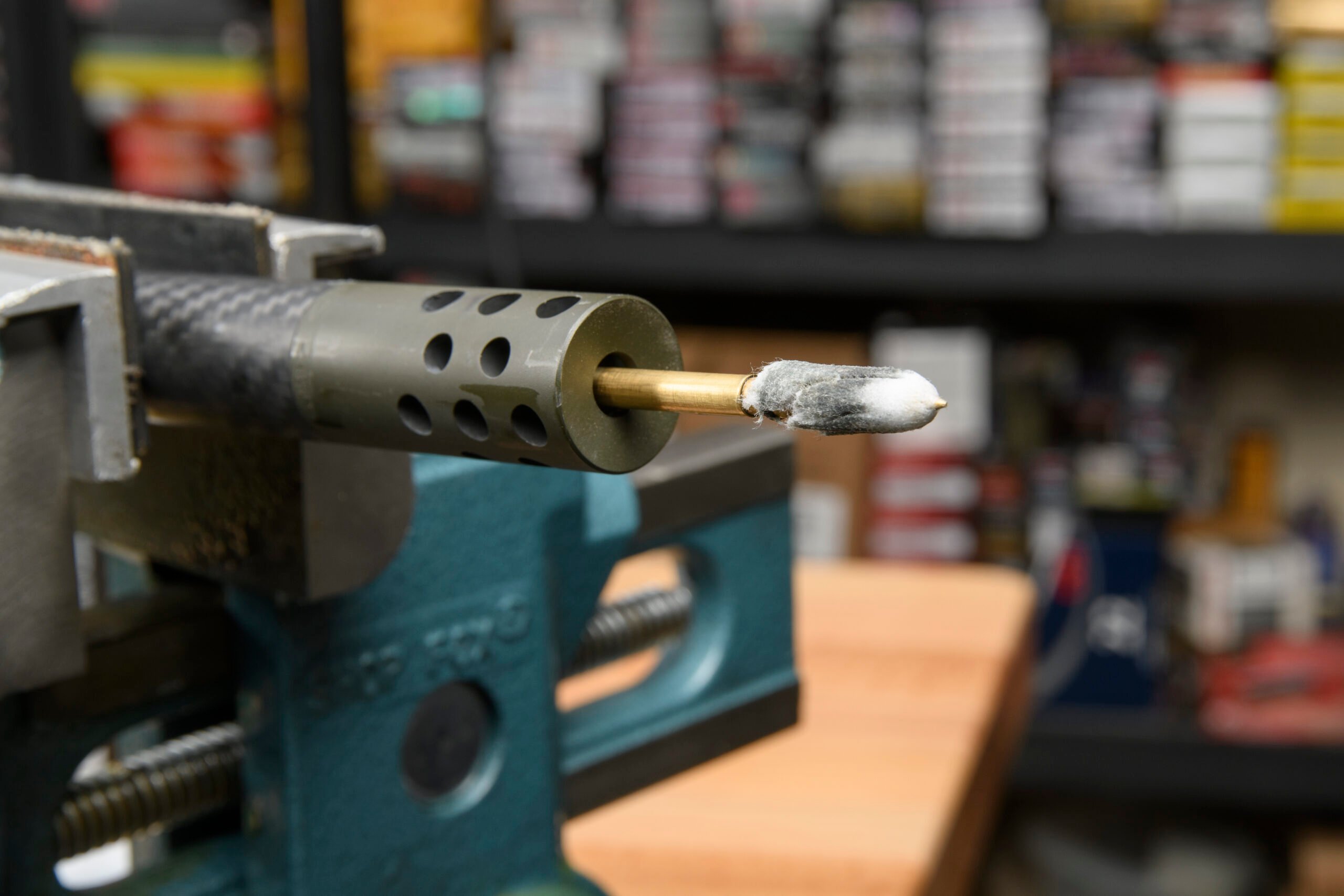
Start by performing a basic field stripping to access the bore from the rear of the receiver. Once the bore guide is in place, wet a patch with carbon solvent and push it through. This first patch will likely be pitch black. Follow this with a phosphor-bronze brush. You should give the barrel roughly 10 to 15 full strokes, pushing the brush all the way out of the muzzle before pulling it back to avoid bending the bristles inside the bore.
This mechanical agitation breaks up the baked-on carbon. After brushing, run a series of dry patches through using a bore jag. A helpful hint for how to remove copper and powder fouling from rifle bore is to never reuse a patch. Each patch should be used once and discarded to avoid dragging grit back through the delicate rifling. Continue patching until they come out white or very light gray. This signifies that the carbon is gone and the metal is ready for the chemistry phase.
Phase 2: Deep Bore Maintenance for Copper Buildup
Copper fouling occurs when the copper jacket of a bullet essentially "plates" the inside of your barrel. As this layer builds up, it changes the internal dimensions of the bore and creates friction, which is why approximate 150 rounds is often the tipping point where accuracy starts to degrade.
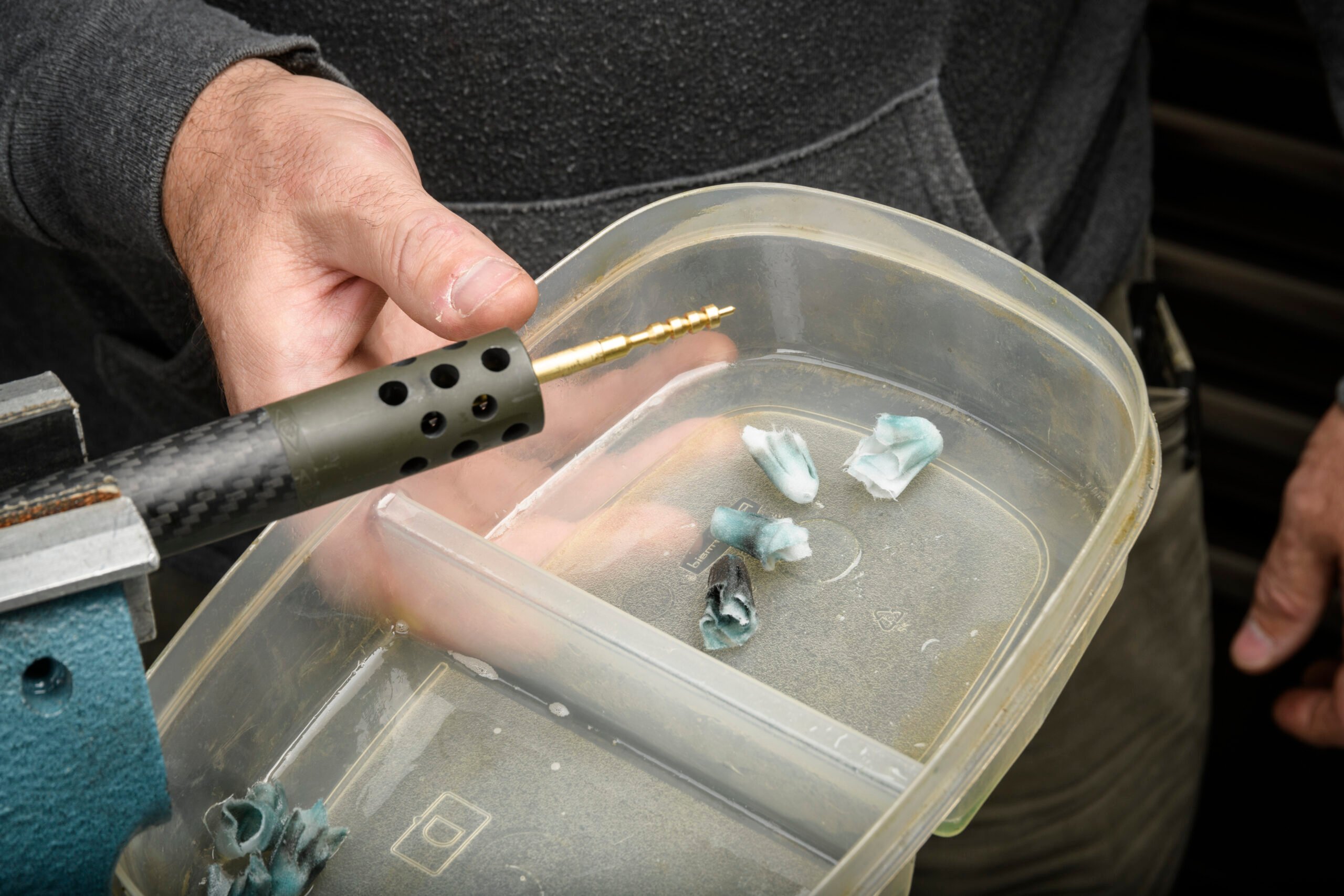
To execute this part of the rifle bore maintenance steps, apply a copper-specific solvent to a patch and run it through the barrel. Unlike carbon solvents, copper solvents need time to react. Allow the solvent to sit for 15 to 20 minutes (following the manufacturer’s specific instructions). When you push a clean patch through after the soak, look for a blue or bright green tint. This color is the result of a chemical reaction between the solvent and the copper.
Repeat this soaking and patching process until the patches come out completely white. For those truly dedicated to precision, using a borescope to check rifle bore cleanliness is the only way to be 100% certain. A borescope allows you to see the "valleys" of the rifling where copper tends to hide. Throughout this process, prioritize muzzle crown protection. If you nick the very end of the barrel where the bullet exits, your accuracy will vanish, regardless of how clean the bore is.
| Maintenance Level | Interval | Primary Tools | Objective |
|---|---|---|---|
| Standard Session | Every range trip | CLP, Patch, Rod | Rust prevention and light carbon removal |
| Deep Cleaning | every 250 to 500 rounds | Brushes, Copper Solvent, Jag | Restoring accuracy and removing metal buildup |
| Competition Grade | Every 100-150 rounds | Borescope, Specialized Pastes | Maintaining absolute group consistency |
Action, Bolt Face, and BCG Maintenance
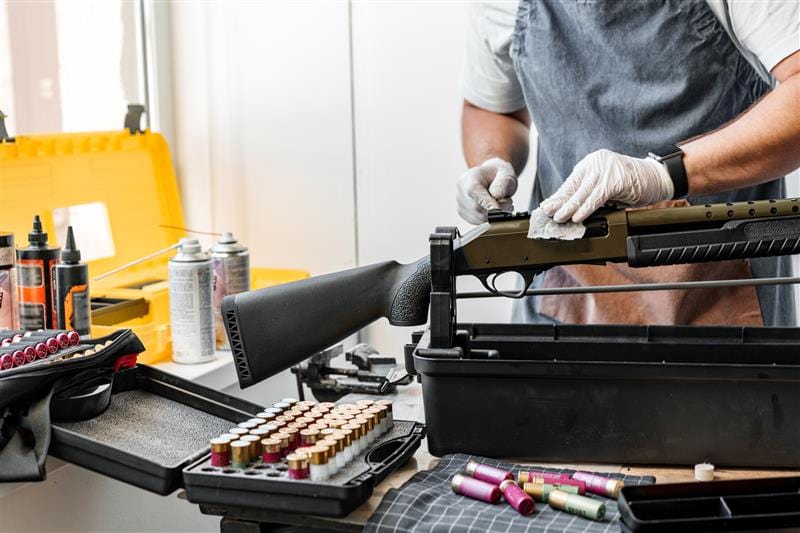
While the bore is the heart of accuracy, the action is the heart of reliability. For those cleaning a bolt action rifle for consistent groups, the bolt face maintenance is a critical sub-step. A dirty bolt face can lead to uneven pressure on the cartridge base, causing minor variations in velocity. Use a stiff nylon brush and a small amount of solvent to scrub the bolt face, paying attention to the extractor and ejector.
If you are running an AR-15 or other gas-operated platform, you must focus on the bolt carrier group (BCG). These rifles are "dirty" by design, venting gas and carbon directly back into the action. Over time, you might experience carbon lock, where the carbon builds up so heavily on the bolt tail that it impedes the movement of the bolt within the carrier. Use a dedicated scraper tool to remove these deposits.
Finally, ensure the chamber cleaning is completed. Use a specialized chamber brush (which is larger than a bore brush) to ensure there is no sticky residue that could cause feeding or extraction issues. Finish the entire process by wiping down the exterior metal surfaces with a light coat of oil to prevent corrosion from fingerprints or moisture.
Patch Color Legend
- Jet Black: Fresh powder and carbon fouling. Keep brushing.
- Dark Gray: Residual carbon. Move to soaking.
- Bright Blue/Green: Copper fouling is being dissolved. Repeat the soak.
- Light Blue/Pale Green: Trace amounts of copper remain. One more soak should do it.
- Pure White: The bore is chemically clean.
FAQ
How often should you clean your rifle?
For general shooting, a light cleaning after every range session is good practice. However, a full deep cleaning is typically recommended every 250 to 500 rounds. If you notice your groups starting to widen or your point of impact shifting, it is likely time for a thorough copper removal session.
What items are needed for a basic rifle cleaning kit?
A basic kit should include a caliber-specific cleaning rod (preferably one-piece), a bore guide, phosphor-bronze brushes, a jag, cotton patches, a carbon solvent, a copper solvent, and a high-quality gun oil or lubricant. A gun vise and a borescope are excellent additions for more advanced maintenance.
How do you properly clean a rifle bore?
Proper cleaning involves a two-stage approach. First, you must remove the carbon using a brush and carbon solvent. Second, you use a copper solvent to dissolve the metal plating left behind by the bullets. Always work from the breech to the muzzle to safeguard the crown and rifling.
Can over-cleaning a rifle cause damage?
Yes, over-cleaning or improper technique can cause more damage than Fouling. Using segmented metal rods, cleaning from the muzzle without a protector, or using abrasive cleaners too frequently can wear down the rifling and the muzzle crown, permanently hurting accuracy.
Should you clean a brand-new rifle before firing it?
Absolutely. New rifles often come from the factory with heavy grease or "cosmoline" used to prevent rust during shipping and storage. This grease is not a lubricant and can trap fouling or even cause dangerous pressure spikes if left in the bore during the first firing.
Consistency is the hallmark of a great shooter, and that consistency begins long before you pull the trigger. By treating your rifle maintenance with the same precision you apply to your marksmanship, you ensure that every shot behaves exactly as expected. Keep your tools clean, your technique disciplined, and your barrel free of the hidden copper that steals your accuracy.