Quick Facts
- Survival Benchmark: Air exposure over 60 seconds drops survival rates to 28%.
- Thermal Limit: Stop fishing when water temperatures exceed 70°F.
- Gear Must-Have: Use rubberized mesh fishing nets to prevent scale damage.
- Tippet Rule: Heavier tippets (4X vs 6X) reduce fight times by up to 80%.
- Handling Rule: Never squeeze a trout; they lack a protective rib cage.
To maximize trout survival, minimize the fight duration by using heavier tippet, always wet your hands to preserve the mucus coating, and keep air exposure under ten seconds. Utilizing trout handling techniques like these ensures that catch and release remains a viable conservation tool rather than an unintended source of mortality.
The Gear Strategy: Preparation is Conservation
Long before we reach the riverbank, the decisions we make in the tackle shop determine the fate of the fish we catch. Conservation starts in your gear bag. One of the most effective ways to ensure catch and release trout survival is choosing heavy tippet to land trout quickly. Many anglers default to 6X or 7X tippet for the thrill of a delicate presentation, but this often leads to unnecessarily long battles that exhaust the fish. Stepping up to a 4X tippet can significantly change the outcome.
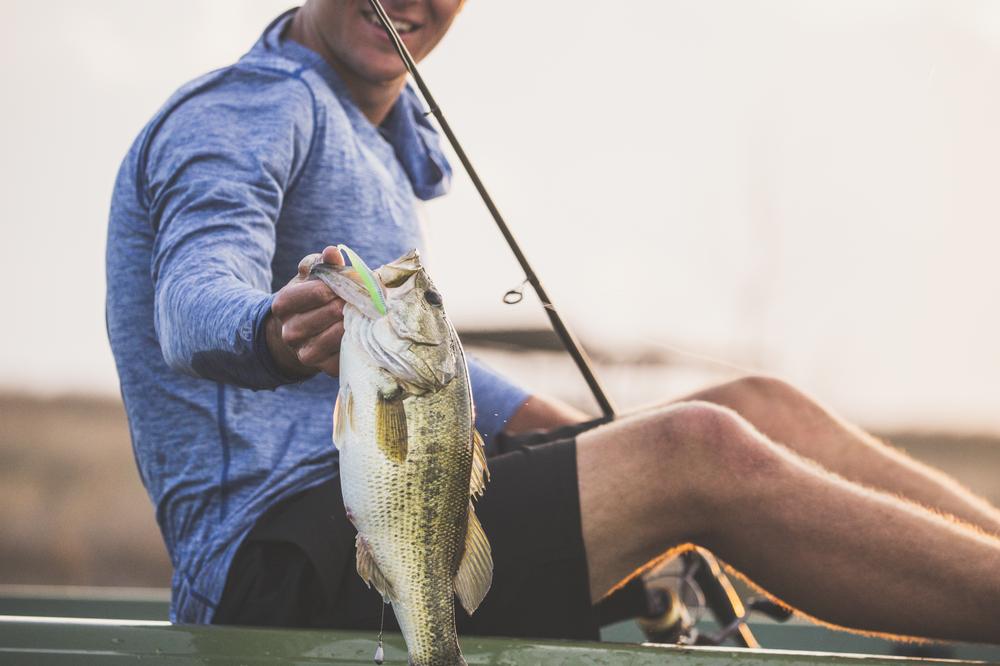
Another critical piece of hardware is the hook itself. We strongly advocate for using barbless hooks for easy trout release because they slide out with minimal tissue damage. If you do not have barbless hooks, simply use your hemostats to pinch the barbs down before your first cast. This small step reduces dehooking time and often allows for a touchless release where the fish never even leaves the water.
When it comes to terminal tackle, many of us ignore the material of the hook. If a fish happens to take the fly deep and you cannot safely see the hook, it is better to cut the line. Using non-stainless steel hooks is a better choice in these scenarios, as they tend to degrade faster than their stainless counterparts, giving the fish a better chance of shedding the hook naturally over time.
The Fight: Minimizing Lactic Acid Buildup
The physiological stress of the catch begins the moment the hook sets. As a trout fights against the rod, it relies on anaerobic exercise, which leads to a rapid lactic acid buildup in its muscles. If the fight lasts too long, the fish may reach a point of exhaustion from which it cannot recover, even if it appears to swim away strongly. This is why the "fight 'em fast" mantra is more than just a preference; it is a pillar of ethical angling.
The amount of dissolved oxygen in the water also plays a massive role in how a fish handles post-release stress. In fast-moving, cold water, oxygen levels are high, aiding in a faster recovery. However, in slower or warmer sections of the stream, oxygen is scarce, making a quick landing even more vital. Research shows that the fish mortality rate for trout caught on artificial flies is approximately 3.3% to 4%, but these numbers only stay low if we minimize the duration of the struggle.
| Tippet Size | Average Fish Size | Recommended Fight Duration | Recovery Risk |
|---|---|---|---|
| 3X - 4X | 14" - 20" | Under 2 minutes | Very Low |
| 5X | 10" - 16" | 3 - 5 minutes | Moderate |
| 6X | Any | Over 5 minutes | High |
By using the right gear for the water you are fishing, you directly contribute to trout handling techniques that prioritize the health of the ecosystem.
Landing and Handling: The "Keep 'Em Wet" Principles
Once the fish is within reach, the actual handling becomes the priority. The most important rule is to maintain the protective slime or mucus coating that covers the trout’s body. This coating acts as an immune system, protecting the fish from fungus, bacteria, and parasites. This is why wet hand handling is mandatory; dry skin or a towel will strip that layer away, leaving the fish vulnerable to infection days after the release.
The type of net you use is equally important. Traditional knotted nylon nets are abrasive and can split fins or remove scales. Instead, we recommend rubberized mesh fishing nets. These are far gentler on the fish and help maintain the integrity of their exterior. Additionally, you should learn how to cradle a trout without squeezing it. Because trout do not have a hard rib cage, squeezing the midsection can easily crush internal organs.
One of the great benefits of rubberized mesh fishing nets for trout is that they often allow the angler to keep the fish submerged while using hemostats to pop the hook out. This knotless mesh design supports the fish’s weight evenly, preventing the concentrated pressure points that lead to injury.
The 10-Second Hero Shot: Safe Fish Photography
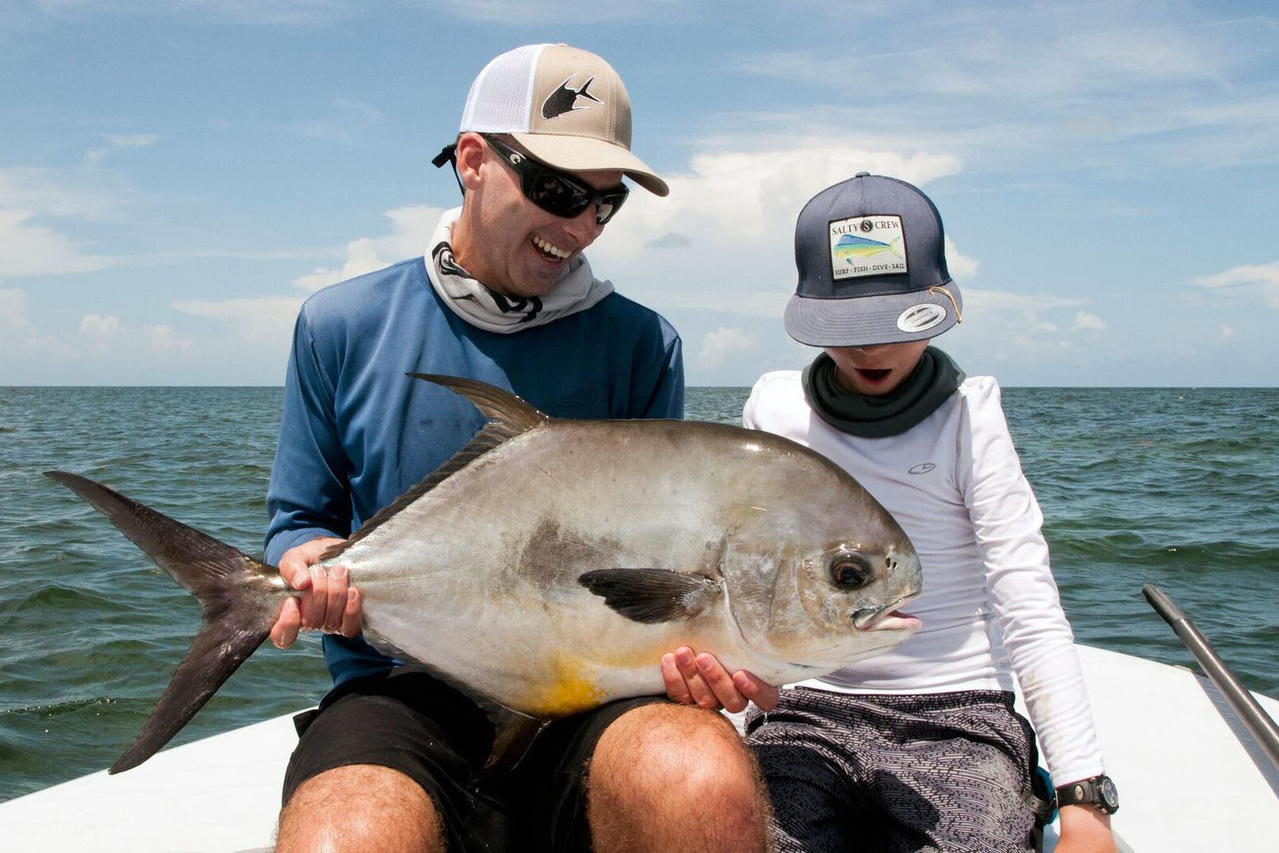
We all love a good photo to remember the day, but trout photography often comes at a high cost to the fish. The "Keep 'Em Wet" movement has changed the way many of us approach the "hero shot." The golden rule is safe fish handling air time: never keep a fish out of the water for more than ten seconds. Think of it like a human sprinting a 100-meter dash and then immediately having their head held underwater; the fish is already gasping for oxygen, and air exposure only compounds the trauma.
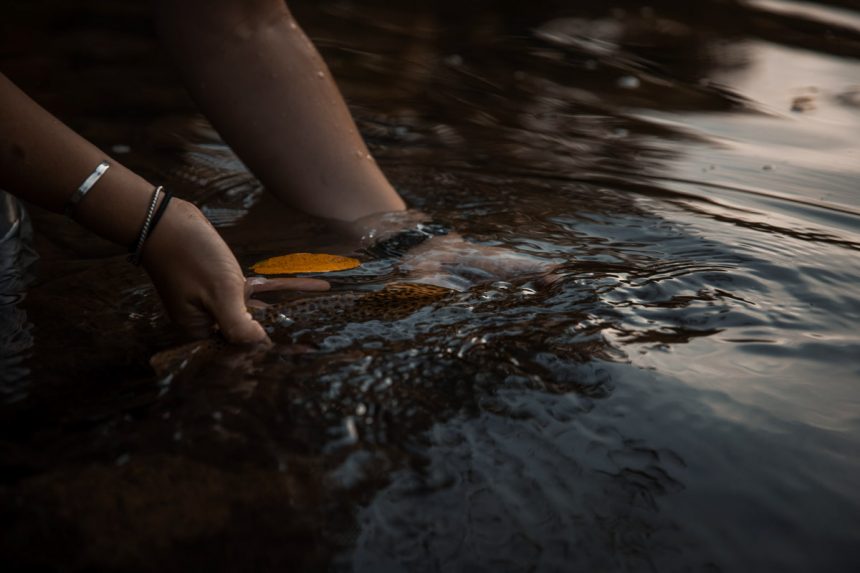
To make safe fish handling air time for trout photos more effective, have your camera ready before you ever lift the fish. Your photographer should be in position, the lens cap should be off, and the settings should be adjusted. Lift the fish only an inch or two above the surface, take the photo, and return it immediately.
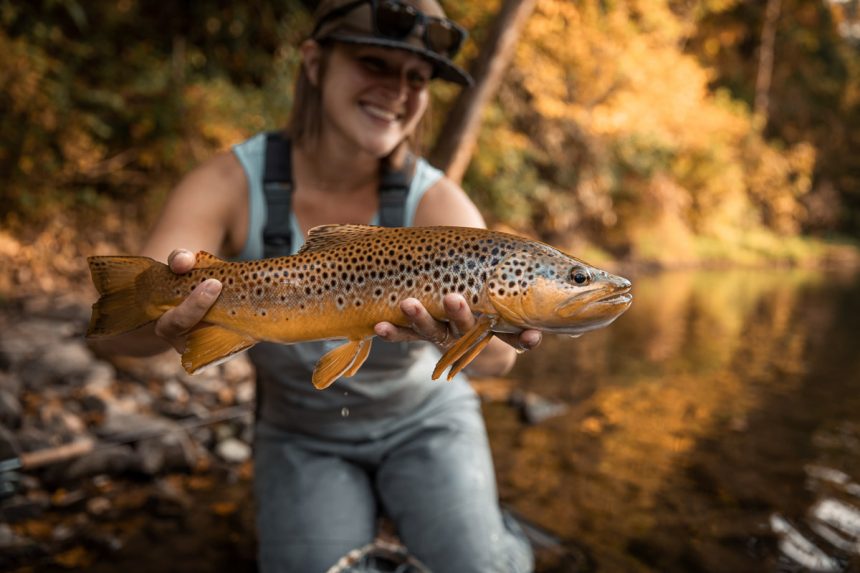
Practicing these catch-and-release ethics ensures that you get your memory without sacrificing the resource. If the fish is struggling or the water is warm, skip the photo entirely. A live fish in the water is always better than a dead fish on your Instagram feed.
Recovery: Resuscitation and the 70-Degree Rule
The final stage of the process is the release itself. Never simply toss a fish back into the water. Instead, point the fish upstream into the current. This allows oxygen-rich water to flow naturally over the gills. Hold the trout gently until you feel its tail begin to kick and it tries to swim out of your hand. This process of fish recovery may take a few seconds or a few minutes, depending on the intensity of the fight.
Red Flag: The 70°F Rule As water temperatures rise, the amount of dissolved oxygen decreases. When a stream hits 70°F (21°C), trout enter a state of extreme survival stress. Even with perfect trout handling techniques, the mortality rate as high as 73% seen in some extreme angling conditions suggests that fishing in these temperatures is often fatal for the fish. Carry a thermometer and consider moving to higher elevations or into cold-water refugia where the fish are safer.
When we respect these thermal boundaries and focus on best catch and release trout survival practices, we ensure that our local fisheries remain vibrant for years to come.
FAQ
How do you safely handle trout for catch and release?
The safest way to handle trout is to keep them in the water as much as possible. Use a rubberized net, ensure your hands are thoroughly wet before touching the fish, and avoid any contact with the gills or eyes. Use a tool like hemostats to remove the hook quickly, and if the hook is deep, cut the line rather than pulling on it.
Should you always wet your hands before touching a trout?
Yes, this is a non-negotiable part of trout handling. Trout have a protective slime layer that prevents infections and parasites. Dry hands act like sandpaper, stripping this layer away. Always dip your hands in the stream before you reach for a fish to ensure the mucus coating remains intact.
How long can a trout survive out of the water?
While a trout might not die immediately, their survival chances drop significantly the longer they are exposed to air. Research suggests that air exposure should be limited to 10 seconds or less. Anything over 30 to 60 seconds causes physiological damage that often results in the fish dying shortly after release.
Why is it important to use a rubber landing net for trout?
Rubber nets are superior because they have a smooth surface that does not catch on the scales or fins of the fish. Traditional nylon nets have knots that can scrape away the protective slime and cause physical abrasions. Rubberized mesh also tangles less with hooks, which speeds up the release process.
How do you revive a trout that is struggling after being caught?
To revive a trout, hold it gently by the tail and belly, facing it into the current in clear, moving water. Do not move the fish back and forth, as this can actually prevent the gills from working correctly. Let the water flow naturally through its mouth and over its gills until the fish swims out of your hands under its own power.
Where should you hold a trout to avoid internal organ damage?
You should cradle a trout by placing one hand under the belly just behind the pectoral fins and the other hand near the base of the tail. Never squeeze the fish. Trout lack a rigid rib cage to protect their heart and liver, so even moderate pressure on the midsection can cause fatal internal injuries.