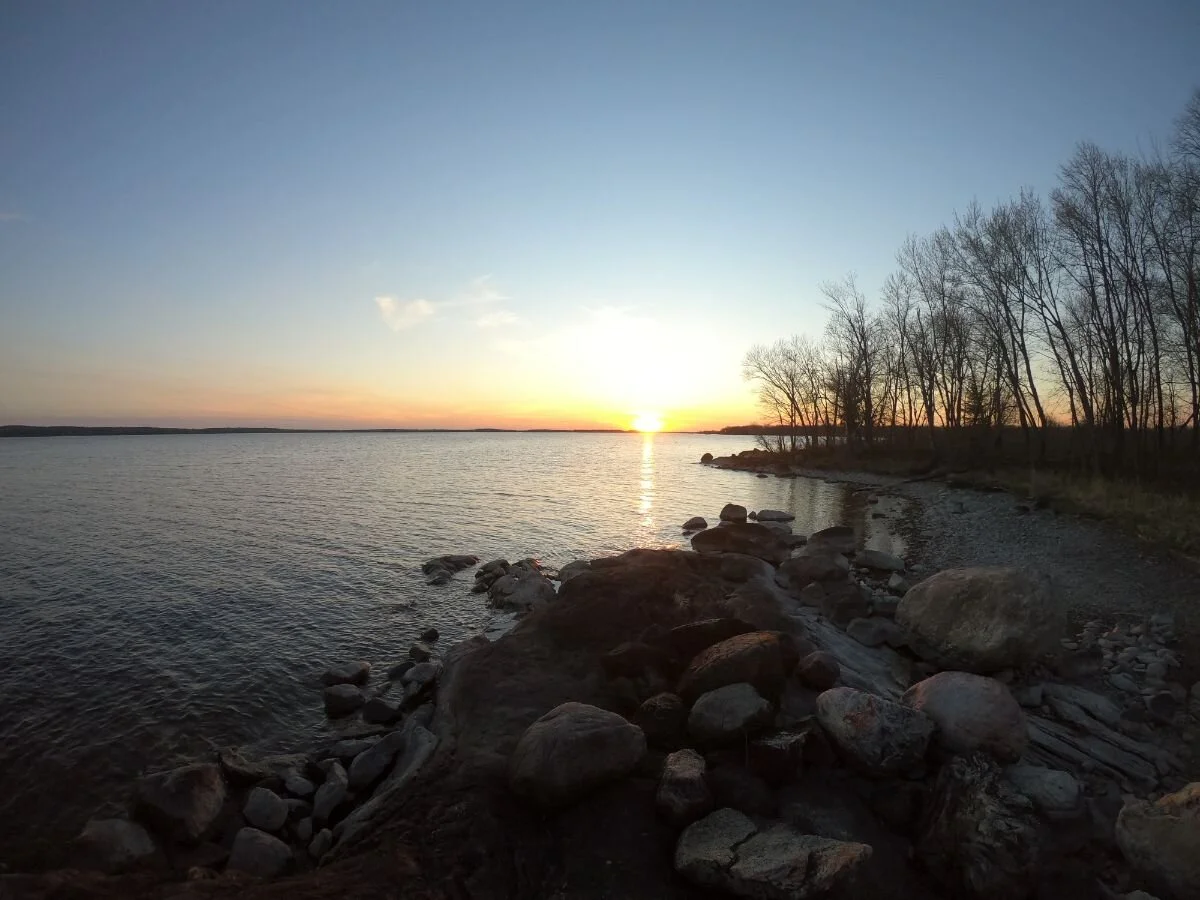
Quick Facts
- Entrance Fee: $0 (One of the few national parks without an entry fee)
- Booking Lead Time: 2-3 months (Specifically for summer weekends via Recreation.gov)
- Safety Threshold: 12 mph wind (The critical limit for canoes on big water)
- Ice-Out Date: May 3 (Average timeline for the start of the paddling season)
- Peak Window: Late July to Mid-August (Best for weather and lower insect activity)
- Campsite Density: 143 frontcountry campsites available by water access
Planning a Voyageurs canoe trip requires a water-first mindset, as over 38 percent of the park is water. To succeed, you must book Voyageurs National Park camping permits early and select routes like Lake Kabetogama based on your skill level. The most successful first-timers select a primary route and reserve their specific island campsites well in advance via Recreation.gov. Early summer, specifically late May to early June, is a prime time to visit if you want to avoid peak crowds, though you should be prepared for the boreal forest ecosystem to be in full bloom with its legendary insect population.
Choosing Your Gateway: Where to Launch
Unlike many other parks where you can drive to a trailhead, Voyageurs requires you to think in terms of gateways. The park is defined by four massive lakes—Rainy, Kabetogama, Namakan, and Sand Point—each offering a different character. For a first Voyageurs canoe trip, your choice of gateway will dictate the texture of your journey.
Rainy Lake is the park’s largest body of water and is often the first choice for those seeking a sense of immense scale. It is beginner friendly in terms of navigation near the visitor center, but it becomes challenging quickly as you head east into more open waters. On the other hand, many experts recommend Lake Kabetogama for those who prefer island-hopping. The lake is shallower and contains a higher density of the over 500 islands found within the park boundaries. This provides more natural windbreaks and more frequent stops for tired paddlers.
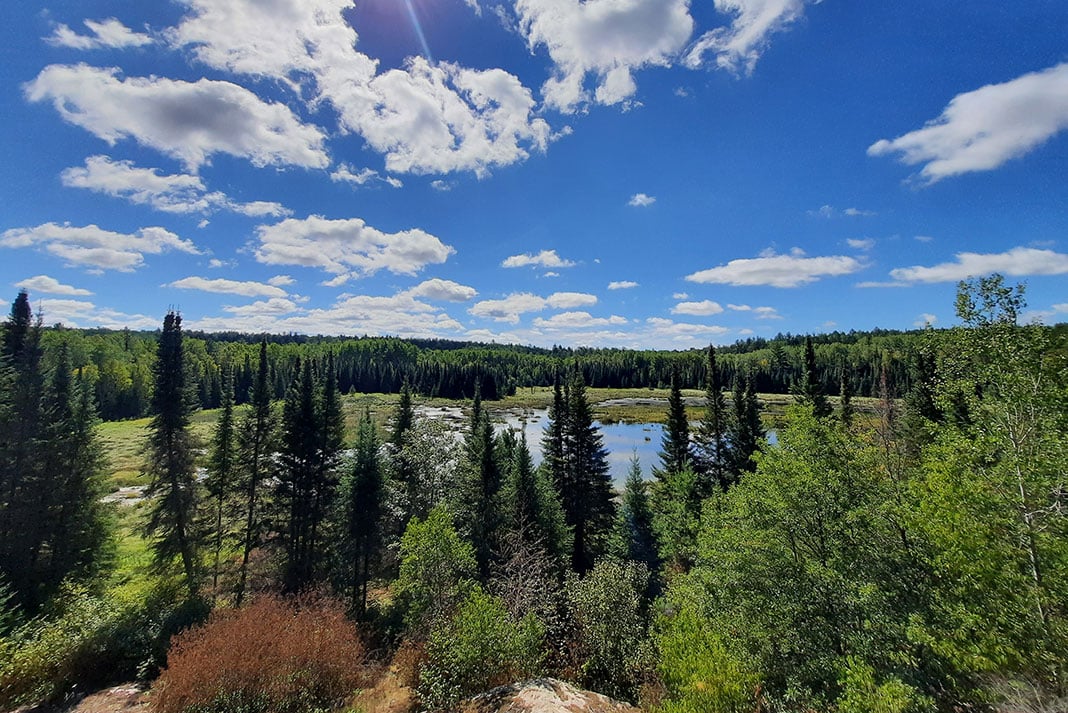
When you arrive at a launch site like the Ash River Visitor Center, you are entering a world where the road ends and the water begins. The transition is stark—you leave the pavement behind and immediately engage with a landscape dominated by the Laurentian Shield, featuring ancient rock formations and a thick boreal forest ecosystem. This area is characterized by balsam fir, spruce, and pine, offering a scent that defines the Northwoods experience. Because there are no car-accessible roads into the park's interior, your canoe becomes your lifeline and your primary mode of transportation.
Navigating Permits and Reservations
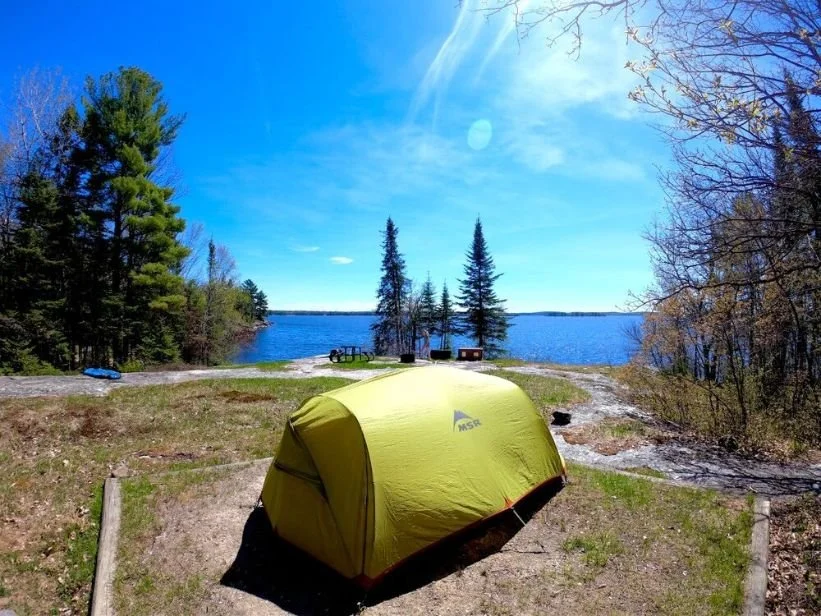
The permitting system in Voyageurs is rigorous and entirely digital. You cannot simply show up and pitch a tent. All overnight stays require Voyageurs National Park camping permits, which must be secured melalui Recreation.gov. The park operates on a site-specific reservation system, meaning you are booking a specific island or shoreline spot, not just a general zone.
Understanding the difference between frontcountry and backcountry island camping is vital for your planning. In Voyageurs, frontcountry refers to sites on the large lakes that are accessible by any watercraft, including motorboats and canoes. Backcountry sites are located on smaller, interior lakes on the Kabetogama Peninsula.
| Feature | Frontcountry Sites | Backcountry Sites |
|---|---|---|
| Access | Major lakes (Rainy, Kabetogama, etc.) | Hike-in via Kabetogama Peninsula |
| Canoe Provision | Bring your own or rent from outfitters | Park-provided canoe included at interior lake trailhead |
| Amenities | Bear lockers, fire rings, tent pads, pit toilets | Basic fire ring, bear locker |
| Reservation Fee | $10 service fee + $16-$32 site fee | $10 service fee + $16-$32 site fee |
For those looking to dive deep into the wilderness without hauling a heavy canoe across long portages, the park’s interior lake program is a hidden gem. When you book one of the 14 backcountry campsites, your reservation includes the use of a canoe stored at the trailhead of that interior lake. You simply hike across the Kabetogama Peninsula, use the provided code to unlock your canoe, and paddle to your secluded island. This eliminates the stress of navigating the big lakes if the winds are high. Always remember to practice Leave No Trace principles, as these interior ecosystems are incredibly fragile.
Essential Safety Metrics: Wind and Calories
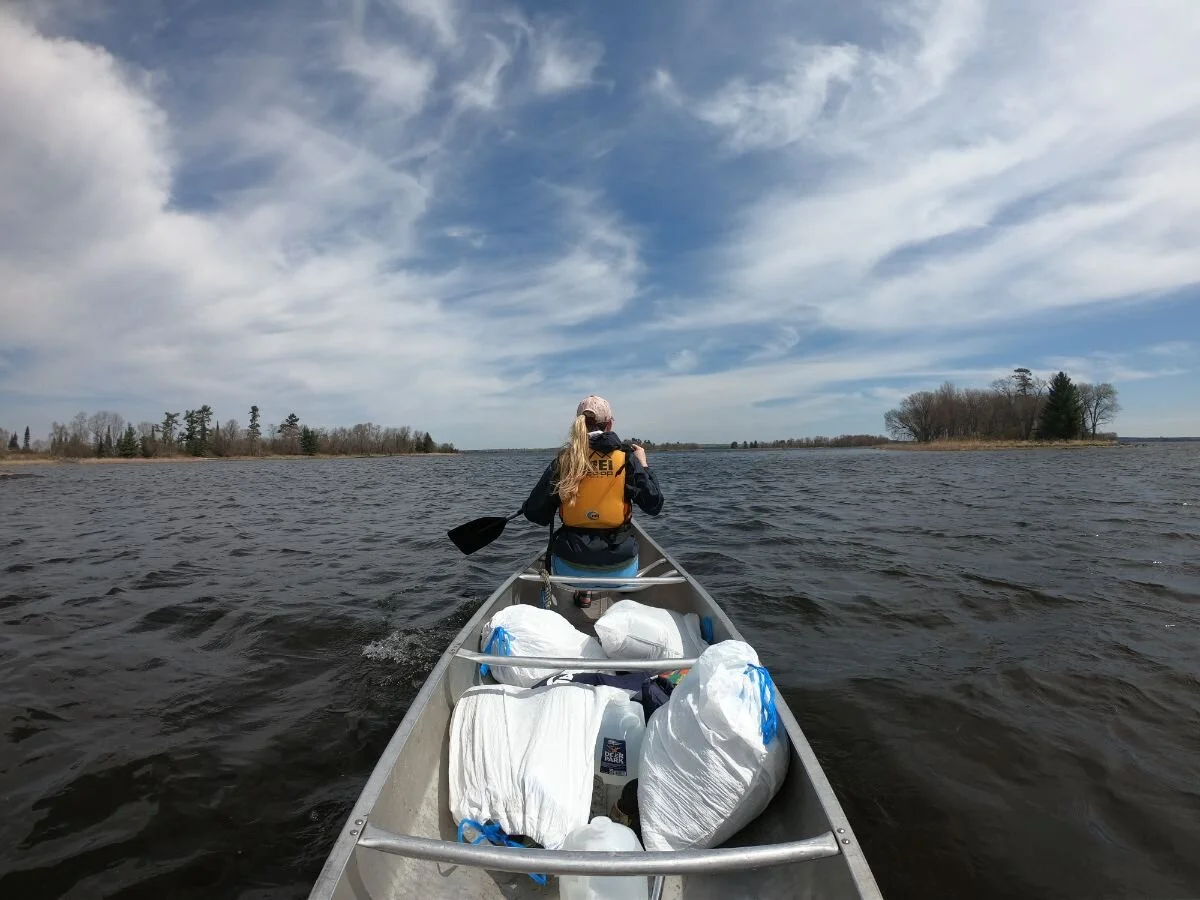
The majesty of 218,054 acres of wilderness comes with real risks. The most significant threat to a canoeist in Voyageurs is not a bear, but the wind. Because the lakes are large and relatively shallow in many areas, the "fetch"—the distance wind travels over open water—can create massive waves very quickly.
Safety Alert: The 12 MPH Rule Never attempt to cross open water in a loaded canoe when sustained winds exceed 12 mph. At this speed, headwinds and whitecaps become dangerous for small craft. If the wind picks up, stay close to island shorelines for protection or "island-hop" to stay out of the main current.
Paddling is a high-energy activity. A typical paddler can burn roughly 500 calories per hour when fighting a moderate breeze. Maintaining your stamina is critical for making sound decisions. Nutrition should be a priority, focusing on slow-burn carbohydrates and high-protein snacks.
Navigation is another challenge. With 655 miles of undeveloped shoreline, every point and every island can start to look the same. Relying solely on a smartphone is a mistake; battery life and GPS accuracy can fail under the dense forest canopy or in northern latitudes. I recommend a "tool-stacking" approach: use a waterproof physical map and a compass for general orientation and set GPS waypoints on a dedicated handheld device for your specific campsite and emergency exit points.
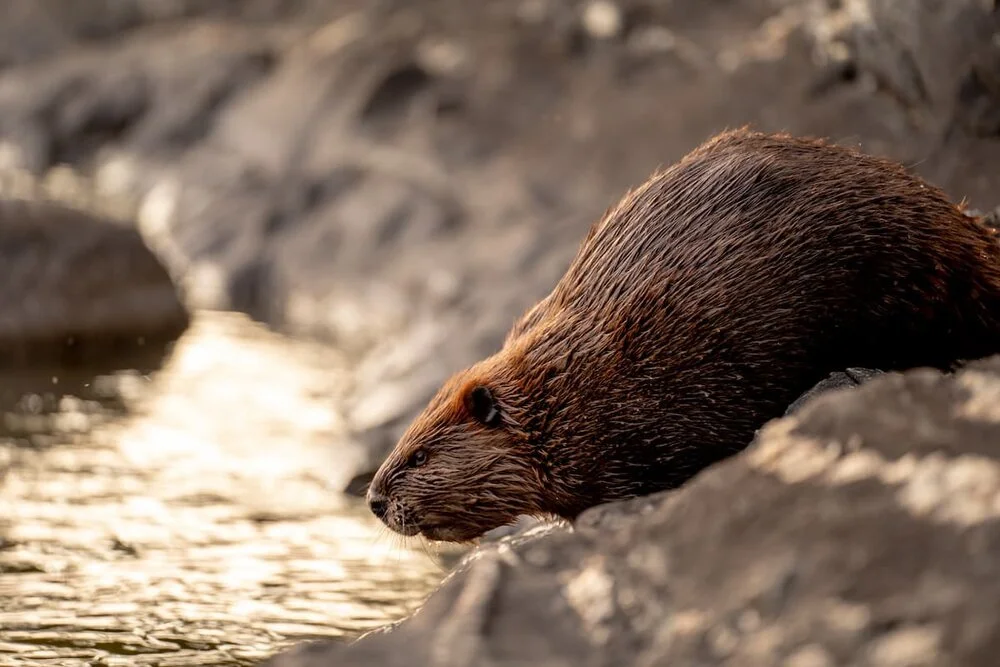
Safety also includes the park's wildlife. All food and scented items must be stored in the provided black bear food storage lockers at each site. The park’s black bear population is active and habituated to human presence; your diligence in food storage keeps both you and the bears safe.
Route Planning: 1, 3, and 7-Day Itineraries
Designing your Voyageurs National Park canoe routes depends heavily on your timeframe and endurance. Here are three field-tested options for your first trip:
The 1-Day Intro: Ellsworth Rock Gardens
Launch from the Kabetogama Visitor Center and paddle approximately 4 miles to the Ellsworth Rock Gardens. This is a perfect introduction to canoeing Lake Kabetogama. You can explore the unique terraced stone sculptures and winding paths before heading back. This route offers plenty of island protection and a clear destination.
The 3-Day Loop: Kabetogama Peninsula Explorer
A 3 day voyageurs national park canoe itinerary usually focuses on the cluster of islands north of the Ash River launch.
- Day 1: Paddle out to a campsite in the Kabetogama islands. Spend the afternoon setting up and fishing for walleye.
- Day 2: Leave your gear at camp and take a day trip to the Blind Ash Bay Trail or search for bald eagle nests along the shoreline.
- Day 3: A leisurely paddle back to the mainland, perhaps stopping at a different island for a lunch break.
The 7-Day Expedition: The Quest for Kettle Falls Hotel
For the ambitious paddler, traveling from Lake Kabetogama to the historic Kettle Falls Hotel is the ultimate Voyageurs experience. This requires navigating through the Namakan Narrows. The hotel, built during the prohibition era, offers a rare touch of civilization (and a famous tilted floor) in the middle of the wilderness. This route requires multiple portages and careful monitoring of weather patterns.
Packing and Gear: The Water-First List
Your packing list for Voyageurs must prioritize items that handle moisture and ensure self-sufficiency. Because you are often miles from the nearest road, your gear must be reliable.
- Communication: A satellite messenger (like a Garmin inReach) is highly recommended as cell service is spotty at best.
- Safety: A well-fitting Personal Flotation Device is mandatory and should be worn at all times while on the water.
- Health: A high-capacity water filtration system is essential. The lake water is generally clean but must be treated for giardia and other pathogens.
- Comfort: Pack a head net. In June and early July, the boreal forest ecosystem produces clouds of black flies and mosquitoes that can turn a beautiful trip into a test of patience.
If you don't own your own boat, there are several Voyageurs National Park canoe rental outfitters located in the gateway communities of International Falls, Ray, and Kabetogama. These outfitters can provide more than just the canoe; they often offer shuttle services, "tow-ins" (where a motorboat tows your canoe into the heart of the park to save you miles of paddling), and expert advice on current water levels. Utilizing local outfitters is one of the best ways to ensure your gear is appropriate for the local conditions.
FAQ
What is the best time of year for a Voyageurs canoe trip?
The peak season is from late June to early September. July and August offer the most stable weather and the warmest water temperatures for swimming. However, if you want to avoid insects, late August and September are ideal, as the cooler nights significantly reduce the mosquito population.
Do you need a permit for canoe camping in Voyageurs National Park?
Yes, you must have a reservation for a specific campsite before you stay overnight in the park. These Voyageurs National Park camping permits are managed through Recreation.gov and are released on a rolling schedule. Camping in non-designated areas is prohibited to protect the shoreline.
Is it safe to canoe on the large lakes in Voyageurs?
It is safe as long as you respect the weather. High winds can create dangerous whitecaps on Rainy and Kabetogama. Canoeing is best done in the early morning or late evening when the water is often "glassy." Always have an emergency plan and stay close to the shore when conditions are questionable.
Can beginners go on a canoe trip in Voyageurs?
Absolutely, but beginners should stick to more sheltered areas like the Ash River entrance or the western side of Lake Kabetogama. Planning a shorter trip with less open-water crossing is the best way to build confidence before attempting an expedition to Kettle Falls.
Where can you rent canoes near Voyageurs National Park?
There are several reputable Voyageurs National Park canoe rental outfitters in the gateway towns of Ray, Ash River, and International Falls. Many of these businesses are located right on the water, allowing you to rent your gear and launch directly from their docks.
Are there bears in Voyageurs National Park?
Yes, the park is home to a healthy population of black bears. Because of this, Voyageurs has strict food storage regulations. You must store all food, trash, and toiletries in the provided bear-proof lockers at your campsite. Seeing a bear from the safety of your canoe is a highlight for many visitors, provided you maintain a safe distance.