Quick Facts
- Primary Activity: Lost treasure hikes combine outdoor trekking with historical research and artifact recovery.
- Legal Framework: The Archaeological Resources Protection Act of 1979 dictates that historical finds on federal land belong to the government.
- Key Tools: Essential equipment includes topographic navigation apps, entry-level metal detectors, and historical archives.
- Top Locations: Major sites include Marble Mountain in Colorado, Bannack in Montana, and the Gila National Forest in New Mexico.
- Hobby Growth: The hobby metal detecting market has expanded at a 6.3% annual rate since 2020.
- Modern Success: In early 2025, a treasure hunter successfully located a gold cache valued at approximately $340,000.
- Accessibility: Modern treasure hunting also includes geocaching, with over 3.4 million active hidden containers worldwide.
Have you ever wondered what secrets lie beneath your boots while trekking through the wilderness? Transforming a standard trail walk into an adventurous search is the core of lost treasure hikes, a hobby blending history with the Great Outdoors. These excursions allow enthusiasts to search for buried gold bullion, rare artifacts, or modern geocaches by following historical folklore and precise geographic leads. However, successful exploration requires adhering to the legal rules for finding treasure, primarily defined by the Archaeological Resources Protection Act, which preserves historical heritage on public land.
The Digital Detective: How to Research Lost Treasure Sites for Hiking
Every great discovery begins long before you lace up your boots. In the world of lost treasure hikes, the "library phase" is just as exciting as the trek itself. Professional seekers often say that the treasure isn't found in the dirt; it is found in the archives. Modern technology has revolutionized how to research lost treasure sites for hiking, turning simple internet searches into deep-dive forensic investigations.
Before setting out, a beginner should focus on historical property deeds and old maps from the late 19th century. This was an era when modern banking was scarce, and people often buried their wealth in "banker's jars" or strongboxes for safekeeping. Digital archives like Newspaperarchive.com or the Library of Congress’s "Chronicling America" collection are goldmines for local legends about outlaw caches or lost mining shafts.
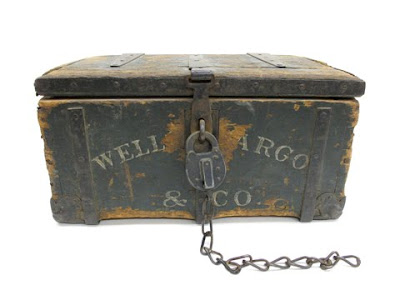
When conducting your research, look for specific landscape markers. Old trails often followed the path of least resistance—along ridgelines or riverbanks. Use topographic navigation tools and land-ownership apps like OnX to cross-reference historical locations with modern-day public access. This ensures you are not accidentally trespassing on private property while following a century-old lead.
Leading Trails: Famous Buried Treasure Locations for Beginners
The United States is crisscrossed with trails that hold more than just scenic views. For those looking for famous lost treasure locations for beginner hikers, several regions stand out due to their rich historical folklore and documented accounts of lost wealth.
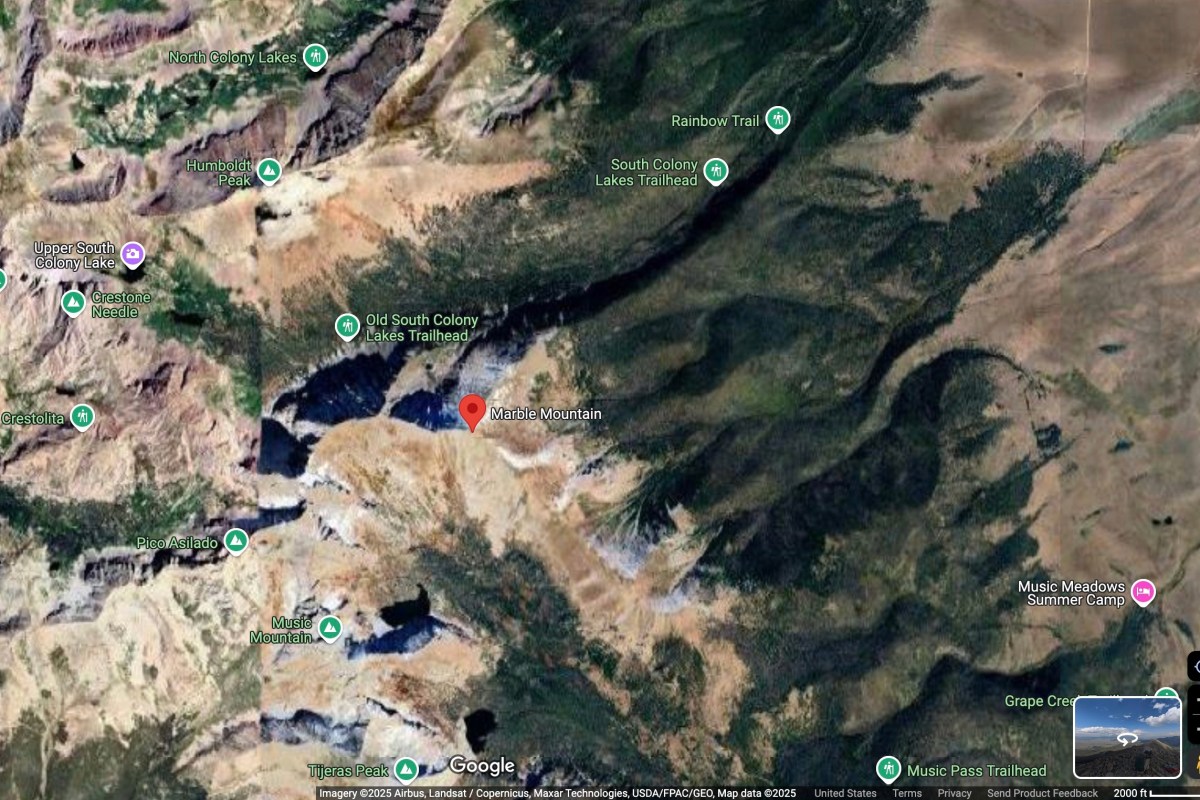
Marble Mountain, Colorado
- Legend: Stories persist regarding Spanish gold buried by monks fleeing an indigenous uprising. It is said that La Caverna del Oro (The Cave of Gold) holds a vast fortune guarded by the mountain itself.
- Directions: Located in the Sangre de Cristo Range, hikers can access the area via the Grape Creek Trailhead. The climb is steep and requires significant physical preparation.
- Legal Status: This area is within the San Isabel National Forest. While hiking is encouraged, excavation is strictly regulated by federal laws.
Bannack State Park, Montana
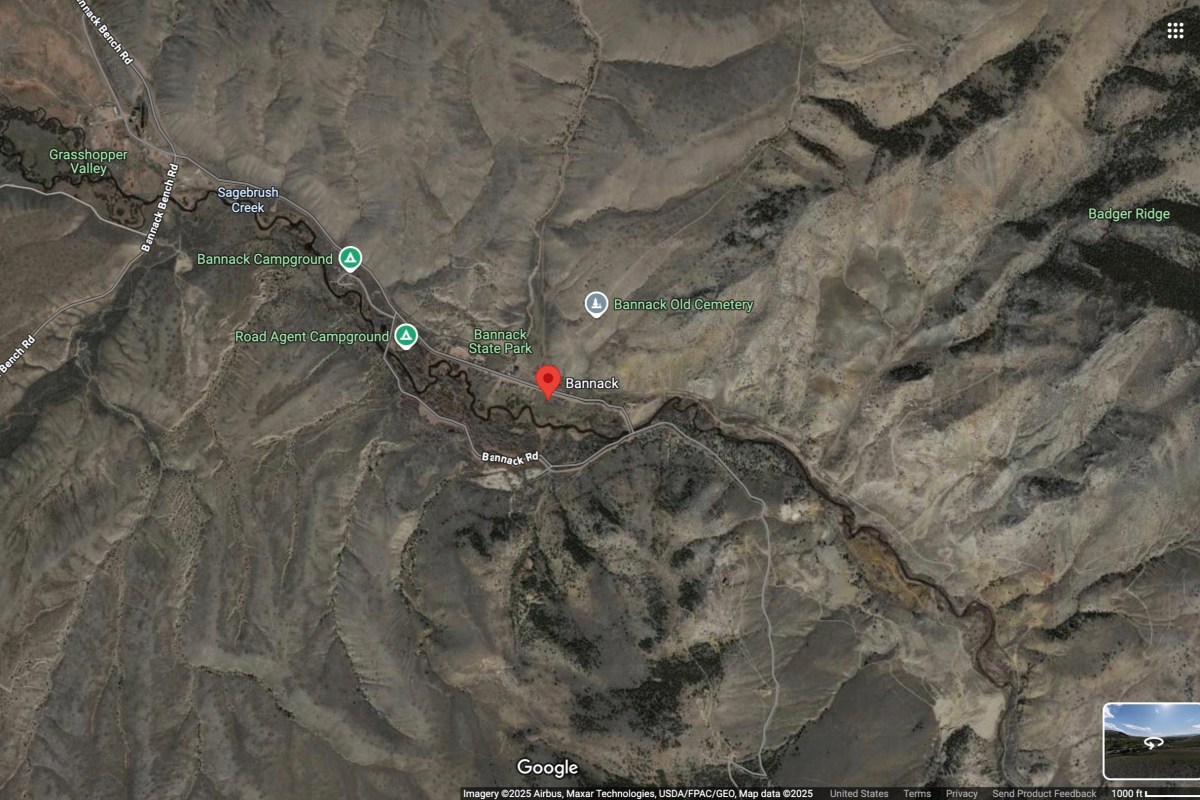
- Legend: Bannack was a booming gold town in the 1860s. Sheriff Henry Plummer, who was secretly the leader of a notorious outlaw gang, is rumored to have hidden caches of stolen gold around the town before he was apprehended.
- Directions: The park is located south of Dillon, Montana. Hikers can explore the ghost town and surrounding hills.
- Legal Status: As a state park, the removal of any artifacts or the use of metal detectors is typically prohibited. Focus on ghost town exploration and photography here.
Two Guns, Arizona
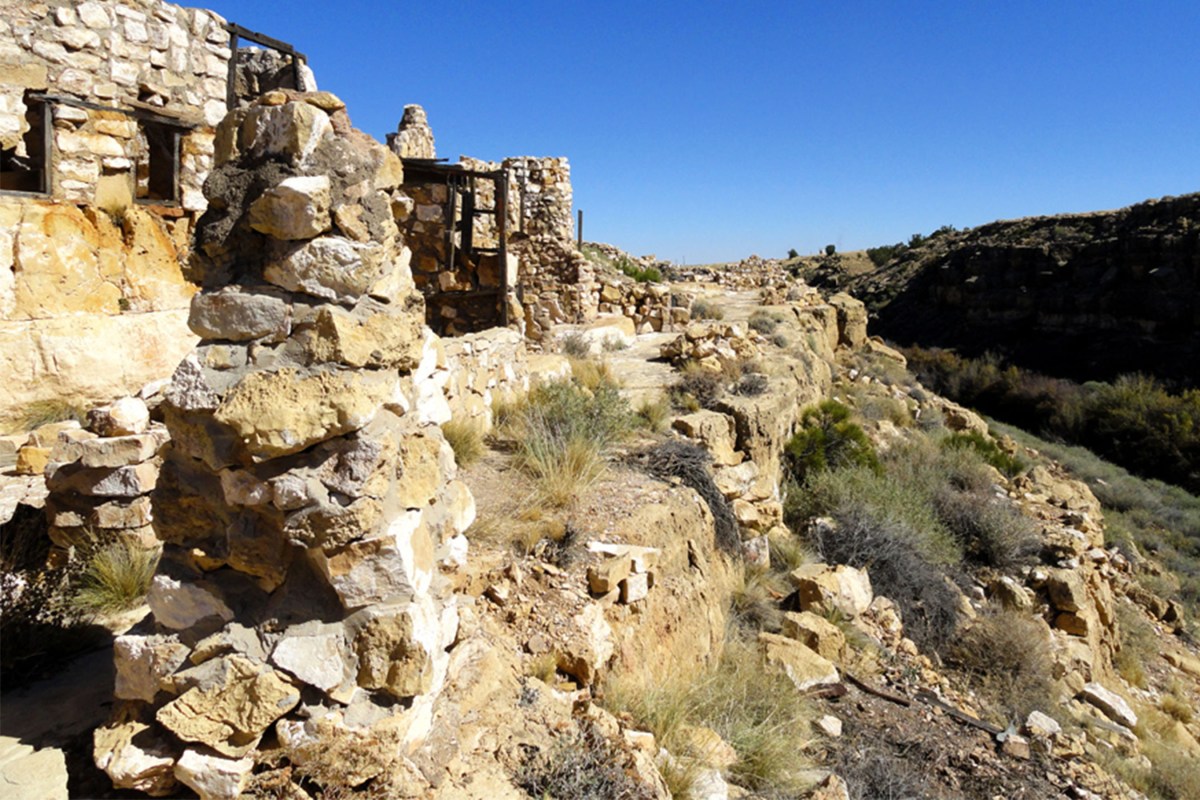
- Legend: This site is famous for the "Apache Death Cave," where a violent skirmish led to hidden loot and skeletal remains. It’s a quintessential example of Wild West history meeting modern exploration.
- Directions: Located off Interstate 40 between flagship and Winslow. The ruins are easily accessible, but the terrain is rocky and uneven.
- Legal Status: Much of the land is privately owned or heavily monitored. Research current ownership before venturing off the established paths.
Gila National Forest, New Mexico
- Legend: The "Lost Adams Diggings" is perhaps the most famous lost mine story in the Southwest. Legend says a group of miners found a canyon filled with gold nuggets before being driven out, leaving a fortune behind.
- Directions: The Gila is vast and rugged. Most seekers start near the Mogollon Mountains, using topographic maps to find "hidden canyons" described in old journals.
- Legal Status: Governed by the U.S. Forest Service. Recreational gold panning is often allowed in certain areas with a permit, but historical relics are protected.
Legalities and Ethics: Rules of the Trail
Before you pick up a shovel, you must understand the legal rules for finding treasure. The primary law in the United States is the Archaeological Resources Protection Act of 1979 (ARPA). This act states that any archaeological resources found on federal land—which includes coins, tools, pottery, and human remains over 100 years old—are the property of the United States government.
If you find what you believe to be a significant historical site or rare artifacts while on a hike, you are legally required to notify the local land management agency. Moving or removing these items can result in heavy fines or imprisonment. For seekers on private land, the treasure usually belongs to the landowner, but any significant wealth discovered must be reported to the IRS as taxable income.
In addition to the law, maintaining proper treasure hunting etiquette for national forest hikers is vital. This includes:
- The "Leave No Trace" Principal: If you dig a small hole (where permitted), you must fill it back in completely.
- Permit Awareness: Always check if you need legal permits for treasure hunting on public land. Some Bureau of Land Management (BLM) areas allow "casual use" metal detecting, while others strictly forbid it.
- Artifact Preservation: Treat every find as a piece of history. Instead of taking it, take a GPS coordinate and a photo to share with local historians.
Beginner Gear: Must-Haves vs. Recommended
You don't need a massive budget to start lost treasure hikes, but having the right tools makes the experience safer and more productive. The shift toward outdoor recreation has made gear more accessible than ever. In fact, in 2024, approximately 1,846,540 individual geocachers worldwide recorded at least one find, many using nothing more than a smartphone.
| Gear Category | Must-Have Items | Recommended Upgrades |
|---|---|---|
| Navigation | Topographic maps, Compass | Handheld GPS, OnX Hunt App |
| Recovery | Hand trowel, Heavy-duty gloves | Entry-level metal detector, Pinpointer |
| Safety | Water filtration, First aid kit | Satellite messenger (Garmin inReach) |
| Research | Local history books | Lidar map overlays |
| Hiking | Sturdy waterproof boots | Multi-day trekking pack, trekking poles |
While mental detecting is a popular way to find metallic objects, many hikers prefer geocaching culture for its community aspect. Geocaching provides a "guaranteed" find, which is great for keeping younger hikers engaged. If you are serious about finding raw gold, gold panning equipment is a lightweight addition to your pack when hiking near mountain streams.
Safety First: Exploring Caves and Mines
The allure of a hidden cave or a darkened mine entrance is strong, but these are some of the most dangerous environments on earth. One of the most important treasure hunting tips for hikers is to stay out of abandoned mine shafts. These structures are often unstable, prone to collapse, and may contain "black damp" (lethal pockets of low-oxygen air) or poisonous gases.
When following safety tips for searching caves for lost treasure, never enter a cave alone. Ensure you have three independent light sources and have notified someone of your exact expected return time. Caves can be complex labyrinths where topographic navigation fails, making wilderness wayfinding skills essential. Most treasures are more likely to be found near the entrance or in the surrounding "tailing piles" rather than deep inside a dangerous shaft.
FAQ
Where are the best lost treasure hikes located?
The most productive areas are typically in the American West and Southwest, such as the Rocky Mountains and the Arizona deserts. States like Colorado, Montana, and New Mexico have high concentrations of historical gold mining activity and outlaw history, providing excellent geographic targets for beginner explorers.
Is it legal to keep treasure found on public land?
Generally, no. Under the Archaeological Resources Protection Act, any historical artifacts found on federal land belong to the government. While you may be able to keep modern items like a lost watch or generic "pocket spills" of modern coins in certain areas, anything of historical significance must be reported to the authorities.
What equipment do I need for treasure hunting hikes?
At a minimum, you need reliable navigation tools like a topographic map and a compass. For active searching, a lightweight metal detector and a hand trowel are essential. If you are targeting modern geocaches, a smartphone with a dedicated app is often sufficient. Always include standard hiking safety gear like a first-aid kit and water filtration.
How do I research locations for treasure hunting?
Start by analyzing historical property deeds and newspaper archives from the 1800s. Look for accounts of stagecoach robberies, lost mines, or abandoned settlements. Cross-reference these historical accounts with modern maps and land-ownership apps to ensure the area is accessible to the public and hasn't been developed.
What are the safest ways to explore abandoned mines?
The safest way to explore an abandoned mine is to stay outside of it. You can safely examine the exterior tailing piles or the surrounding ruins of the mine buildings where artifacts were often discarded. Never enter a shaft or tunnel, as they are prone to sudden collapses and may contain undetectable toxic gases.