Quick Facts
- The 5/10 Rule: Stop immediately if your discomfort exceeds a level 5 on a 10-point scale for more than an hour or persists longer than 24 hours.
- Injury Realities: Approximately 54% of thru-hikers face injuries, yet only 5% of those hikers find it necessary to end their journey early.
- The Umbles Check: If you start stumbling, mumbling, or fumbling, you are facing systemic failure that requires an immediate stop.
- Recovery Protocol: Apply a 10% reduction in your planned mileage for every single day of rest you take following a minor injury.
- Essential Gear: Trekking poles and properly adjusted load lifter straps are your primary mechanical tools to alleviate joint and lower back strain.
- Decision Framework: Distinguish between informative niggles that resolve with rest and tissue overload that causes a limp or gait change.
To tell if hiking pain is a serious injury, you must assess its duration and overall intensity. Normal muscle soreness or minor niggles typically resolve overnight or after a brief rest period. However, this hiking pain guide suggests that pain lingering for more than 24 hours in a localized spot, rating above a 5/10 on the pain scale, or resulting from acute trauma indicates tissue damage that likely requires a medical consultation.
The Pain Scale: When to Push and When to Stop
Every hiker has experienced that dull ache in the quads or the slight heat in a heel. The challenge lies in distinguishing between a harmless sensation and a signal of impending failure. In the world of endurance sports, we often talk about niggles. These are informative pieces of feedback from your body. A niggle might be a slight tightness in your calf that disappears after the first two miles. It is a sign of your body adapting to the load.
When that sensation transcends into tissue overload, the rules change. We use the FITT principle—Frequency, Intensity, Time, and Type—to guide safe progression on the trail. If you increase your mileage too quickly, you risk exceeding your body’s current capacity for inflammation management. While some inflammation is a necessary part of muscle repair, excessive inflammation can lead to chronic issues. Pushing through high levels of pain causes the body to release high levels of cortisol, a stress hormone that can actually inhibit the very repair processes you need to get back on the trail.
Using a standardized metric helps remove the emotional "tough it out" bias. Clinical guidelines suggest that if your pain reaches a level of 7 or higher on a 10-point scale, or if the discomfort persists for more than 24 hours without any sign of improvement, you have moved from a training stimulus into an injury zone. For those preventing hiking pain, maintaining high levels of proprioception—your body's ability to sense movement and position—is key. As fatigue sets in, proprioception drops, which is often when when to push through pain while hiking becomes a dangerous gamble.
Common Hiking Injuries: From Knees to Feet
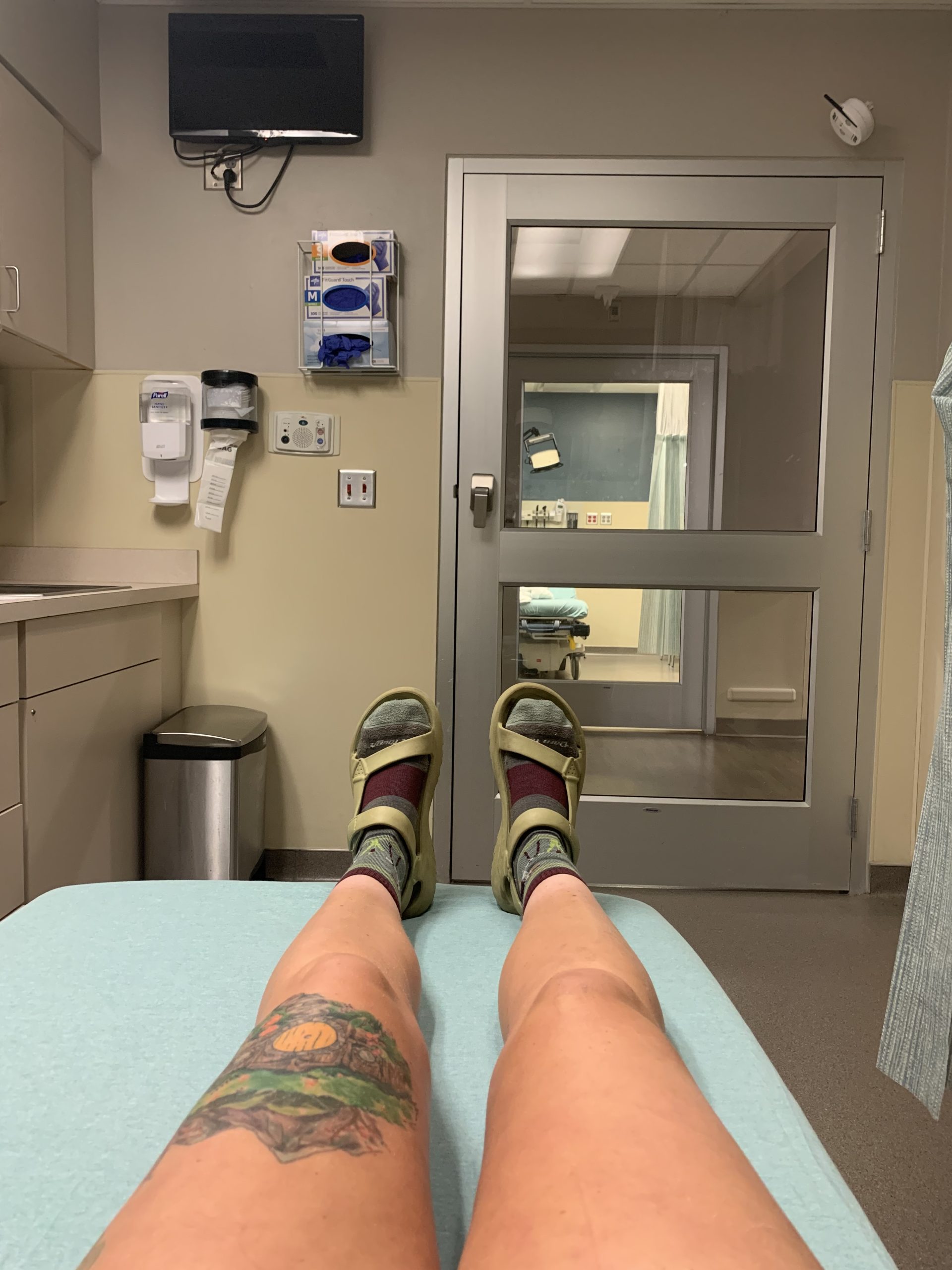
The trail is a demanding environment that places unique stresses on the lower extremities. Data from the hiking community provides a sobering look at these challenges. A survey of Appalachian Trail thru-hikers revealed that while 54% of participants experienced an injury during their journey, only 5% were forced to end their hike prematurely. This suggests that most common hiking injuries are manageable if caught early.
Knee issues are the most frequent complaint on the trail. Research on long-distance backpackers indicates that acute joint pain affects approximately 36% of hikers, and roughly 40% of injured hikers choose to continue their trek while experiencing pain. Understanding the specifics of these ailments can help you apply the right fix.
| Symptom | Potential Injury | Prevention | Treatment |
|---|---|---|---|
| Sharp pain on the outside of the knee | IT band syndrome | Glute strengthening and hip mobility | Foam rolling and reduced stride length |
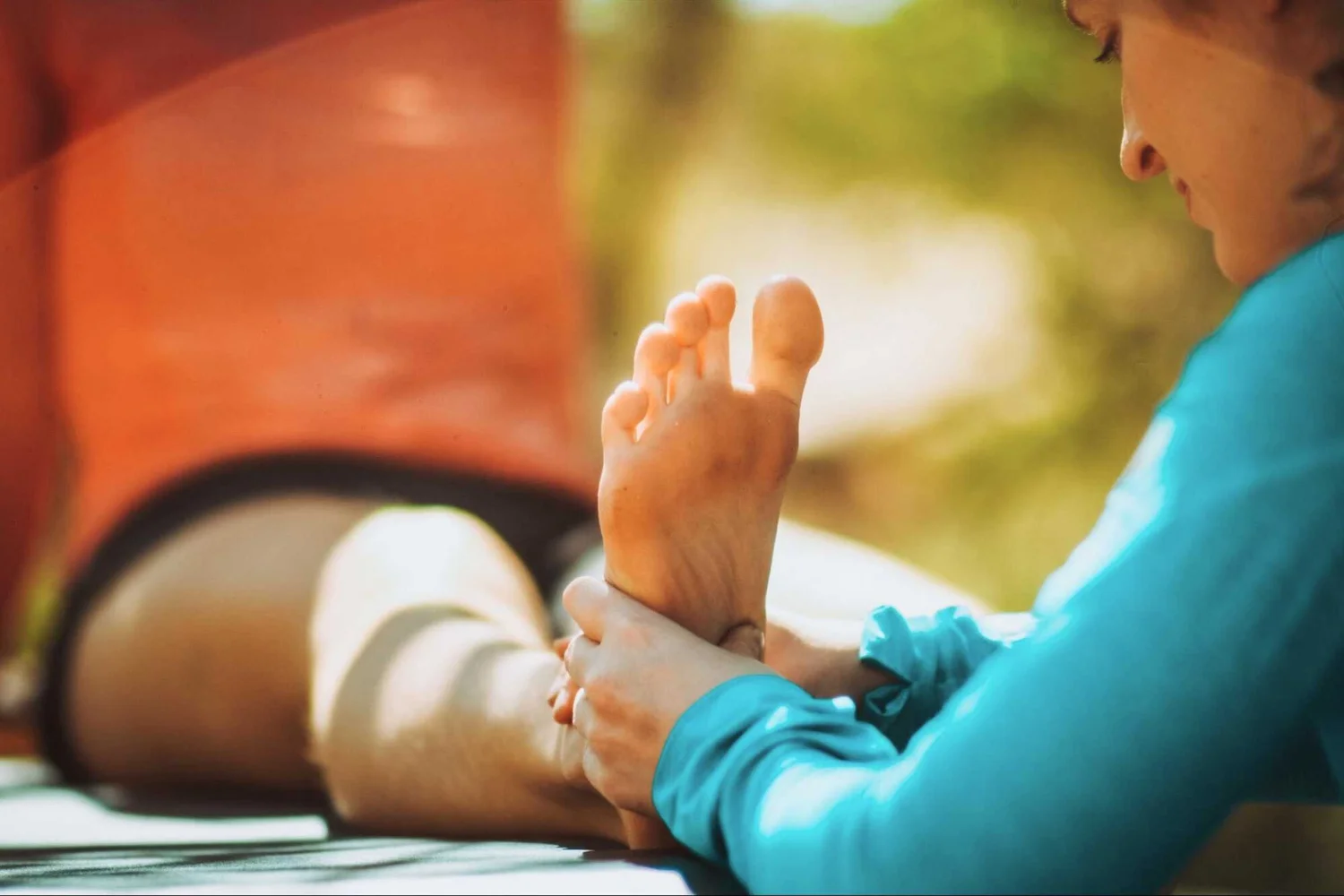
| Stabbing heel pain first thing in the morning | Plantar fasciitis | Proper arch support and calf stretching | Myofascial release with a massage ball |
| Aching or throbbing along the shin bone | Shin splints | Gradual mileage increase and good footwear | At-home rehab exercises and cold therapy |
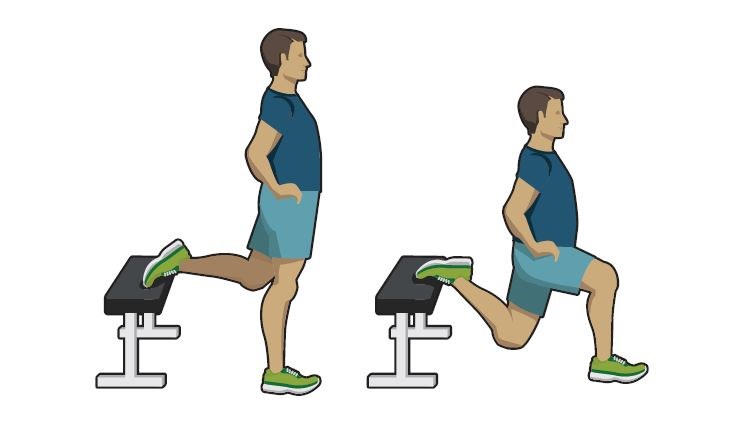
| Grinding sensation under the kneecap | Patellofemoral pain | Quadriceps strengthening | Using trekking poles for knee pain relief |
If you are dealing with shin or calf issues, at-home rehab exercises for hiking shin splints usually involve eccentric calf raises and toe curls to build resilience in the lower leg. For those on a long journey, finding the best recovery strategies for thru-hiker leg pain often involves active recovery—gentle movement that promotes blood flow without adding significant weight-bearing stress.
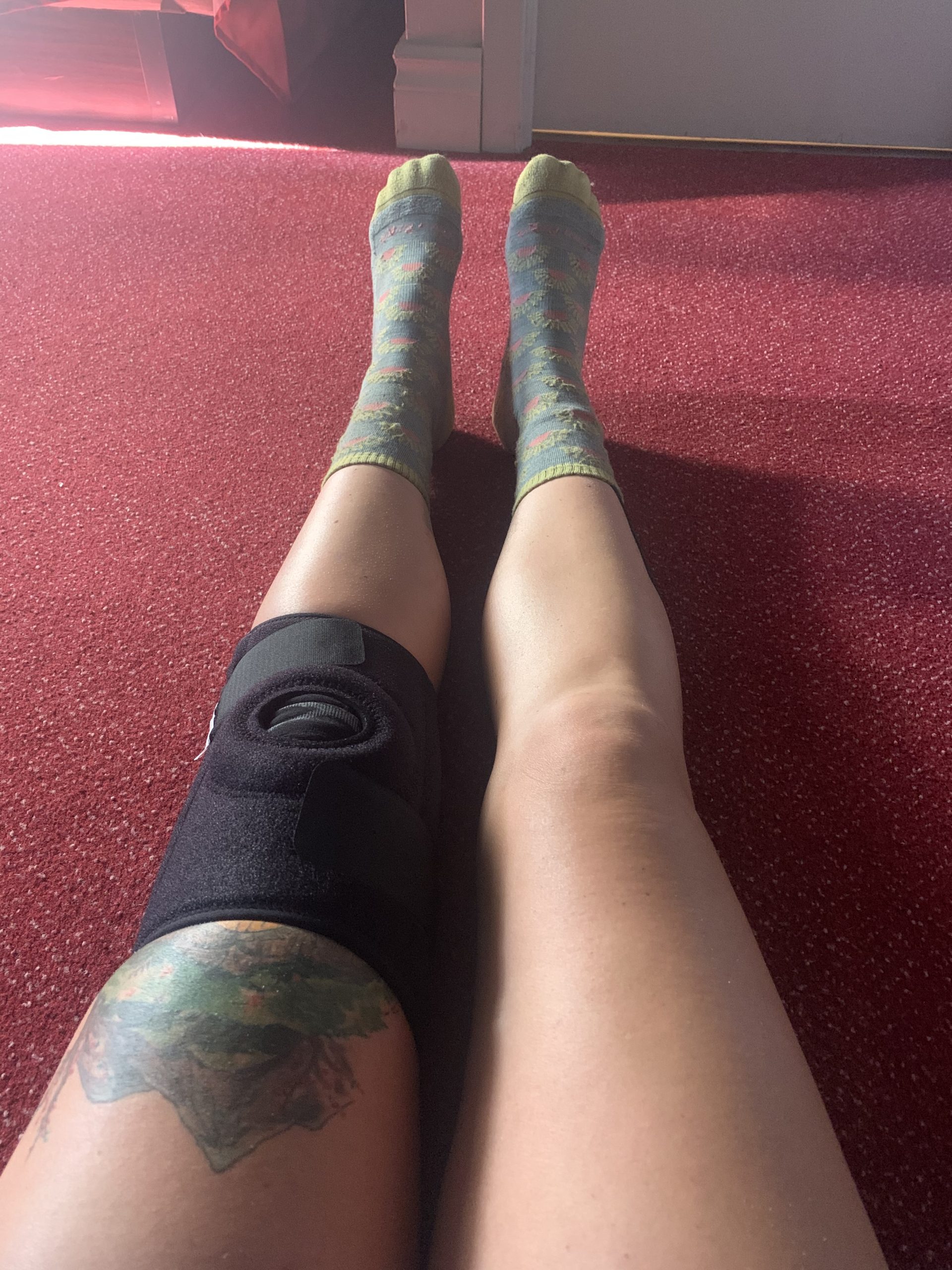
Managing the difference between chronic vs acute pain is vital. Acute pain, often resulting from a roll or a fall, requires immediate assessment. Chronic pain, like that associated with tendonitis, requires a careful balance of rest and movement. In some cases, a brace can provide the necessary stability to keep moving.
Gear as Medicine: Solving Pain on the Trail
Sometimes the solution to pain isn't a pill or a rest day; it is a mechanical adjustment to your equipment. Your gear is a tool that can redistribute stress away from your vulnerable joints and onto stronger muscle groups. One of the most effective hiking recovery tips is to optimize your footwear for your specific foot shape.
If you experience top-of-foot pain or toe crowding, specific shoe lacing techniques for hiking foot pain can provide instant relief. For example, ladder lacing or window lacing can create space over high-pressure areas without sacrificing overall stability. Similarly, if your lower back feels like it is taking a beating, look at your backpack configuration. Adjusting backpack fit for lower back pain relief usually involves tightening the hip belt to ensure 80% of the weight sits on your pelvis, then fine-tuning your load lifter straps to pull the top of the pack closer to your center of gravity.
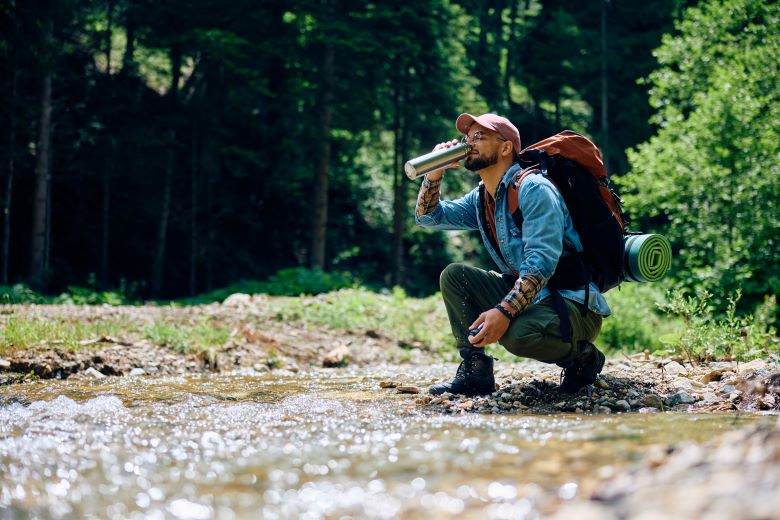
Don't overlook the physiological impact of hydration. Following the 16oz/hour hydration rule is not just about thirst; it is about maintaining the electrolyte balance required for muscle contraction and preventing cramps. Dehydration makes your connective tissues more brittle and less able to absorb the shock of each step.
Red Flags: When Medical Intervention is Non-Negotiable
While many hikers pride themselves on their grit, there are certain "Red Flag" signals that mean the hike is over for now. Ignoring these can lead to permanent damage or life-threatening situations in the backcountry.
The Red Flag Checklist
- Inability to Bear Weight: If you cannot walk four steps without excruciating pain, you likely have a fracture or high-grade tear.
- The Umbles: Stumbling, mumbling, and fumbling are signs of neurological impairment, often due to hypothermia, heatstroke, or severe exhaustion.
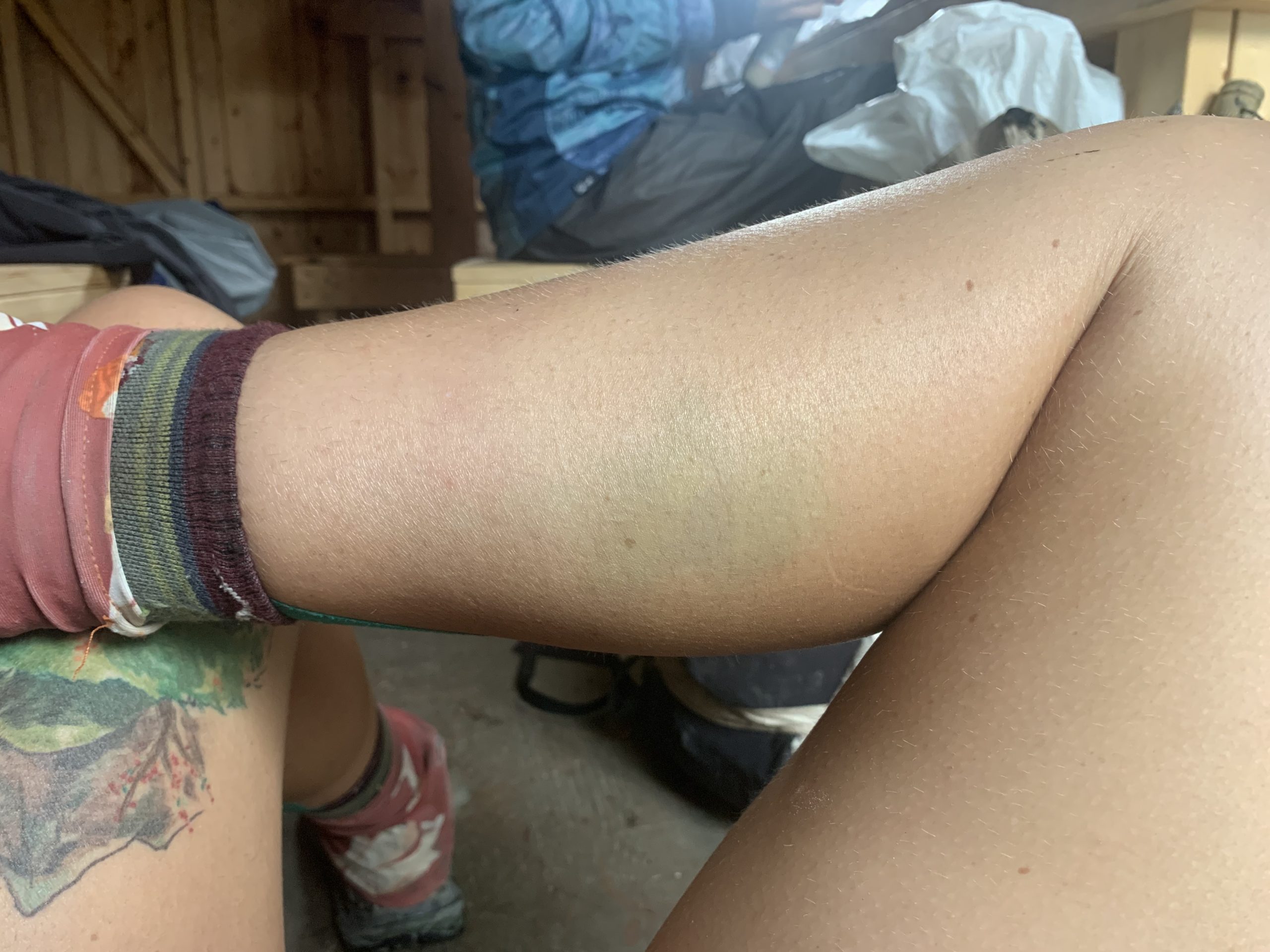
- Localized Swelling and Redness: Significant heat and swelling that does not subside with elevation may indicate an infection or a severe inflammatory response.
- Scale Overload: Any pain that registers as a 7 or higher on the intensity scale.
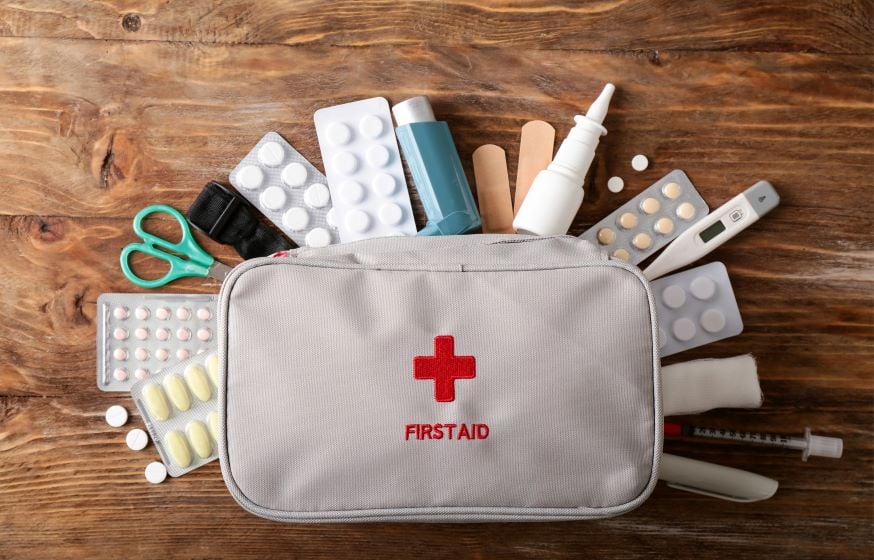
Safety in the outdoors requires a solid understanding of trail first aid. If you suspect an overuse injury is developing, integrating stretches to prevent hiking overuse injuries into your daily routine is helpful, but it is not a cure for a traumatic injury. If you find yourself limping or significantly altering your gait to avoid pain, you are likely creating secondary injuries elsewhere as your body overcompensates. This is a clear signal to stop.
FAQ
How do I tell the difference between normal soreness and a serious injury?
Normal soreness, known as delayed onset muscle soreness (DOMS), is typically felt in the muscle belly, occurs on both sides of the body, and fades within 24 to 48 hours. A serious injury is usually localized to a specific joint or tendon, often feels sharp rather than dull, may involve swelling or bruising, and does not improve with a night of rest.
Why do my knees hurt after hiking downhill?
Downhill hiking requires your quadriceps and patellar tendons to work eccentrically, acting as brakes for your entire body weight plus your pack. This eccentric loading creates significantly more force and "micro-damage" than uphill hiking. Using trekking poles can offload up to 25% of this weight, significantly reducing the strain on your knee joints.
Do trekking poles actually help reduce joint pain?
Yes, trekking poles are one of the most effective tools for reducing joint impact. They distribute the workload to your upper body, providing extra points of stability that reduce the jarring forces on your knees, ankles, and hips, especially on uneven terrain or steep descents.
Is it normal to have muscle soreness for days after hiking?
It is very common to feel sore for two to three days after a particularly strenuous hike, especially if it involved significant elevation changes. However, if the soreness makes it impossible to perform daily activities or remains unchanged after 72 hours, it may indicate that you pushed too hard and need a longer recovery period.
How do I stop my lower back from hurting while carrying a backpack?
The most common cause of lower back pain is an improperly fitted pack. Ensure your hip belt is tightened around your iliac crest (the top of your hip bones) so the weight is carried by your legs. Adjust your load lifters to keep the pack from pulling backward, which forces your lower back muscles to overwork to keep you upright.
What are the best ways to treat sore muscles after a hike?
Effective recovery involves a combination of active rest, hydration, and nutrition. Use myofascial release techniques, such as rolling your feet on a cork ball or using a massage tool on your calves. Follow the 90% recovery rule: when you return to the trail, start at 90% of your previous intensity and slowly scale back up as your body confirms it has healed.
Listening to your body is a skill that takes time to develop. By using the metrics in this hiking pain guide, you can make informed decisions that keep you on the trail for years to come. Remember, there is no shame in stopping to protect your long-term health; the mountains will still be there tomorrow.