Quick Facts
- Safety Threshold: Navigating the Colorado River through the canyon requires world-class technical skills and certified equipment.
- Fatality Data: The park reports an average of 12 to 15 visitor fatalities annually, primarily due to drowning and falls.
- Pet Policy: Domestic animals are 100% prohibited below the rim and within the river corridor for their protection and yours.
- PFD Requirement: All participants must wear USCG Type I, III, or V personal flotation devices at all times above Mile 240.
- The Danger Zone: Significant hazards like Lava Falls at Mile 179.2 are rated Class 9 or 10 on the unique canyon scale.
- Permit System: Trip access is strictly managed via a noncommercial weighted lottery system to ensure group competency.
- Emergency Signal: Groups must carry two 3ft x 8ft orange panels to create an X orientation for aerial rescue teams.
Navigating the Colorado River corridor requires expert skill and certified equipment. The May 2024 tragedy involving a homemade raft and a dog highlights the lethal risks of ignoring NPS Grand Canyon river permits and safety protocols. This guide covers essential Grand Canyon rafting safety to keep you and your pets safe during your expedition. To ensure safety on the Colorado River, the National Park Service requires all private rafters to obtain a permit through a weighted lottery system. Participants must use approved watercraft, carry essential emergency communication equipment like satellite phones, and possess the technical skills necessary to navigate high-risk whitewater rapids.
The Lethal Risks of Homemade Rafts in the Canyon
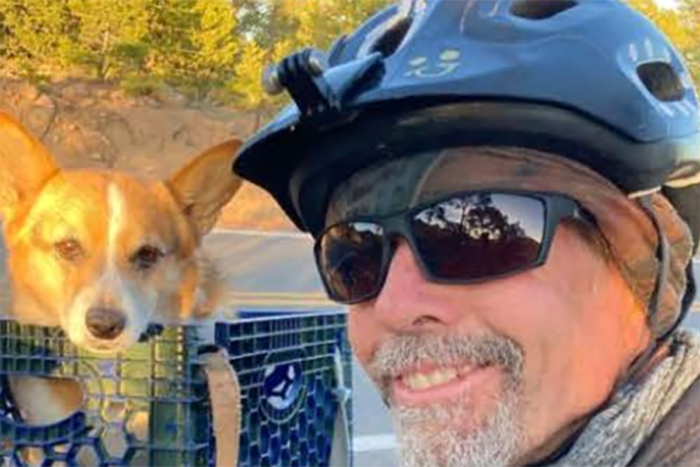
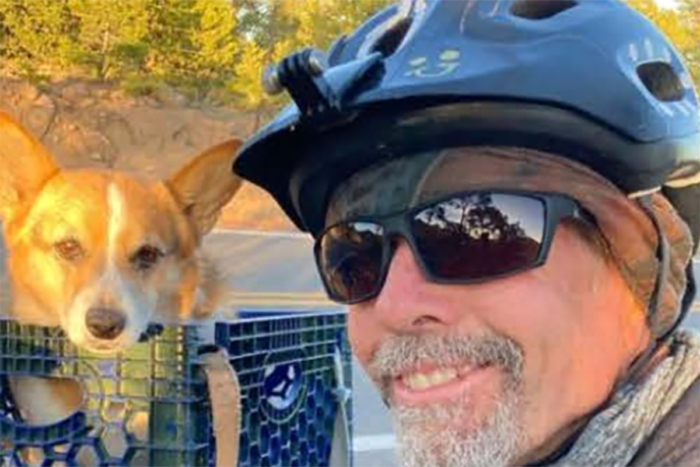
The allure of the Colorado River has inspired many adventurers, but the canyon is an unforgiving environment for those who bypass established safety standards. In May 2024, the National Park Service recovered the body of a 58-year-old man from the Colorado River who attempted to navigate the waters on a vessel that was never meant for whitewater. He was attempting the journey on a homemade wooden raft along with his 11-year-old Welsh Corgi, a decision that ended in heartbreak and a multi-agency search operation.
Utilizing unauthorized or experimental watercraft, such as homemade wooden rafts, significantly increases the risk of vessel failure in the Grand Canyon's powerful whitewater. Proper Grand Canyon rafting safety requires high-flotation PFDs and durable, NPS-compliant vessels designed to withstand thermal shock and unpredictable river conditions. When an experimental watercraft encounters a major rapid, the structural integrity of the wood or makeshift fasteners often fails under the immense hydraulic pressure. Unlike professional-grade rubber rafts that flex and bounce off rocks, rigid or poorly constructed homemade vessels can splinter or move in ways that trap the occupants.
Furthermore, the Colorado River water temperature and hypothermia risks are constant, even in the heat of summer. Water released from the Glen Canyon Dam remains roughly 50 degrees Fahrenheit. If a vessel fails, a person tossed into the water experiences immediate thermal shock response, which can cause involuntary gasping and subsequent drowning. The Coconino County Medical Examiner often notes how quickly the cold water saps the strength of even the strongest swimmers, making the performance of a life jacket critical for survival.
Why Pets Don’t Mix with Whitewater: NPS Pet Regulations
While many people view their dogs as essential companions for every outdoor adventure, the inner canyon is no place for a pet. Grand Canyon National Park regulations strictly prohibit all pets, including cats and dogs, on river rafting trips. This isn't just a matter of park bureaucracy; it is a fundamental safety mandate designed to prevent tragedies like the one seen in 2024.
Domestic animals face extreme Grand Canyon pet safety regulations because of the environment's hostility. The inner canyon terrain features jagged rocks, cacti, and cliffs that can easily injure a dog's paws or limbs. In an emergency where a raft flips, a dog cannot advocate for its own safety or effectively swim to shore in turbulent whitewater. Their presence often distracts owners during critical maneuvers, increasing the risk of an accident for everyone on board.
For those traveling with animals, the B.A.R.K. protocol is a helpful reminder of how to visit parks responsibly:
- B: Bag your pet's waste.
- A: Always leash your pet (where allowed).
- R: Respect wildlife.
- K: Know where you can go.
In the Grand Canyon, pets are only allowed on specific trails above the rim. For river trips, the grand canyon south rim kennel and pet boarding services are the only approved and safe option. Leaving a pet in a vehicle or attempting to bring them into the river corridor violates grand canyon national park pet restrictions below the rim and places the animal in a life-threatening situation.
The Technical Reality: Facing Class 9/10 Rapids
Rafting the Grand Canyon is not like rafting anywhere else in the world. Most rivers use the International Scale of River Difficulty (Class I to VI). However, the Colorado River uses a unique whitewater rapid classification system ranging from 1 to 10. This specialized scale accounts for the massive volume of water and the unique geology of the canyon.
A Class 10 rapid represents the absolute limit of what is runnable. Lava Falls, located at Mile 179.2, is often cited as the benchmark for this intensity. The sheer power of the water at Lava Falls can flip a 3,000-pound motorized raft with ease. Navigating these sections requires years of experience and personal flotation device performance that meets the highest USCG standards. Non-certified gear or experimental watercraft simply cannot withstand the immense torque and pressure exerted by these rapids.
The National Park Service reports that the park experiences an average of 12 to 15 visitor fatalities per year, with drowning and falls being the leading causes. Many of these incidents occur because individuals underestimate the technical requirements of the river or fail to use equipment that can survive the hydraulic forces of a Class 9 or 10 rapid.
Beyond Red Tape: Why NPS River Permits Save Lives
The NPS Grand Canyon river permits system is often viewed as a hurdle, but it is actually the first line of defense in Grand Canyon rafting safety. The weighted lottery system ensures that the number of people on the river is manageable and that the trip leaders possess the necessary competency to oversee a group for 12 to 25 days in the wilderness.
When a private group applies through the nps grand canyon river permit application process, they are agreeing to follow a strict Grand Canyon rafting safety checklist for private trips. This include:
- Carrying a comprehensive first aid kit.
- Possessing a functional satellite phone or Garmin InReach.
- Carrying two 3ft x 8ft orange panels to signal Search and Rescue teams.
- Having a major-leak repair kit for the raft.
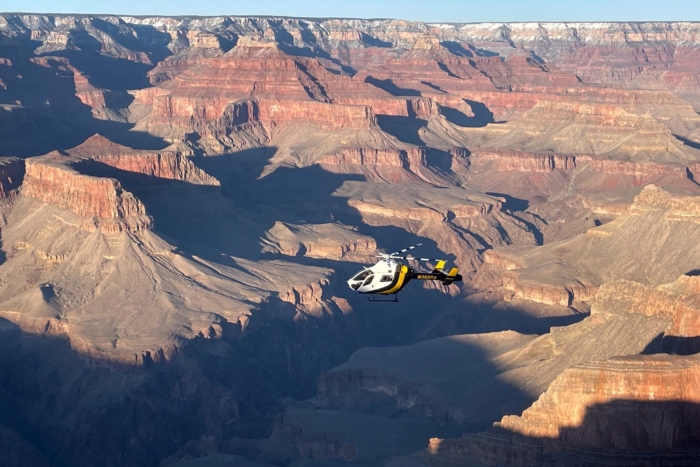
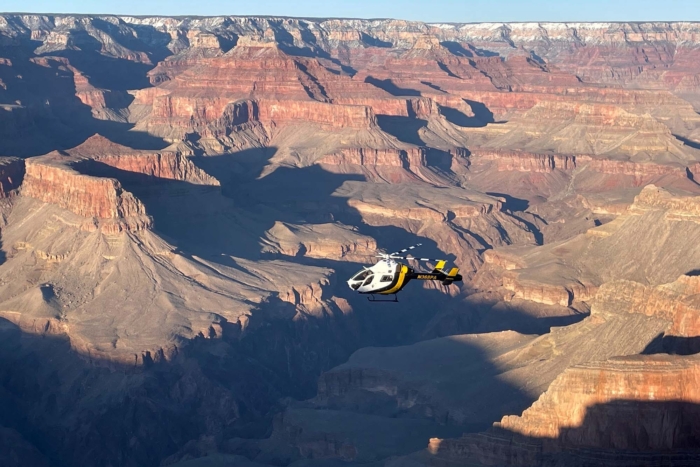
If an emergency occurs, Search and Rescue teams use the information provided in the permit to locate the party quickly. The "Orange X" signal is a universal code in the canyon; placing these panels in a clear area tells a helicopter pilot that there is a life-threatening emergency requiring immediate evacuation. Without a permit, a group is essentially "invisible" to the park infrastructure, making rescue attempts during an unauthorized watercraft hazards event significantly more difficult and dangerous for everyone involved.
Emergency Signal Protocol
If your group experiences a medical emergency or vessel failure, you must use the standard signaling method. Lay your two orange panels (each 3ft by 8ft) in an X. This indicates a "need for assistance." A single panel or a "V" signal has different meanings in aviation signaling, so sticking to the NPS-required X is vital for SAR efficiency.
FAQ
How safe is rafting through the Grand Canyon?
Rafting through the canyon is generally safe when conducted by professional outfitters or highly experienced private parties using certified equipment. However, the environment is inherently high-risk due to extreme temperatures, powerful whitewater, and remote locations. Success depends entirely on preparation, gear quality, and technical skill.
How many fatalities occur during Grand Canyon rafting?
According to the National Park Service, the park sees an average of 12 to 15 fatalities annually across all visitor activities. Within the river corridor, drowning is a primary cause of death, often linked to the failure to wear a life jacket or the use of inadequate watercraft that cannot handle the river's unique hydraulic forces.
What safety gear is required for a Grand Canyon rafting trip?
Essential gear includes a USCG-approved Type I, III, or V life jacket, which must be worn at all times while on the water. Additionally, groups must carry emergency signaling panels, a satellite communication device, a major repair kit for their vessels, and a comprehensive medical kit. All watercraft must meet NPS buoyancy and durability standards.
What happens in a medical emergency on a Grand Canyon river trip?
In a medical emergency, a group must signal for help using a satellite phone or by laying out the orange X signaling panels. NPS Search and Rescue teams will evaluate the situation and, if necessary, dispatch a helicopter for evacuation. Because of the canyon's depth and weather, rescue is not always immediate and can be delayed by several hours or even days.