Quick Facts
- The Choice: Gas systems prioritize shooting comfort and recoil reduction, while inertia systems prioritize mechanical simplicity and ease of carrying.
- Felt Recoil: Gas-operated models offer a soft shove by spreading the recoil impulse over a longer time; inertia models provide a sharper punch due to their mechanical design.
- Maintenance: Gas-operated semi-automatic shotguns typically require a thorough cleaning every 500 to 1,000 rounds to prevent carbon buildup. Inertia systems stay cleaner for much longer.
- Cold Weather: Gas systems can struggle in sub-10°F weather if the lubricant is too thick; inertia systems are reliable in the cold but may fail to cycle if heavy winter clothing buffers the recoil energy.
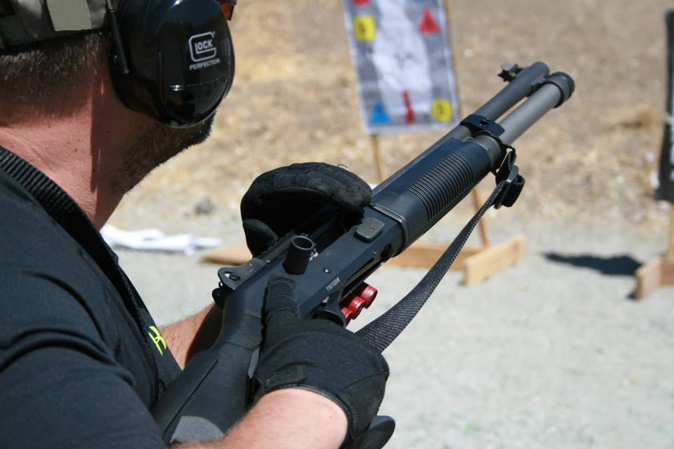
- Versatility: Modern gas systems like the Remington V3 use up to eight gas ports to regulate pressure for different shells automatically.
- Weight: Inertia-driven shotguns are generally lighter; some 20-gauge inertia models weigh as little as five pounds.
Gas-operated shotguns cycle by bleeding off gases from the barrel to push a piston and bolt, whereas inertia-driven shotguns rely on the gun's rearward recoil to compress an internal spring that cycles the action. Gas systems typically offer significantly lower felt recoil, acting more like a shove than a punch, while inertia systems utilize a simpler design with fewer moving parts under the forearm.
The Mechanics: How Gas and Inertia Actions Differ
Understanding gas vs inertia shotguns starts with the physics of how the shell is ejected and the next one is chambered. In a gas-operated system, as the shot travels down the barrel, a portion of the high-pressure propellant gas is diverted through small holes, or ports, in the barrel. This gas strikes a piston that drives an operating rod backward, which in turn moves the bolt. This complexity allows the gun to tune itself to the load being fired, but it also means the system is "re-breathing" dirty propellant gases.
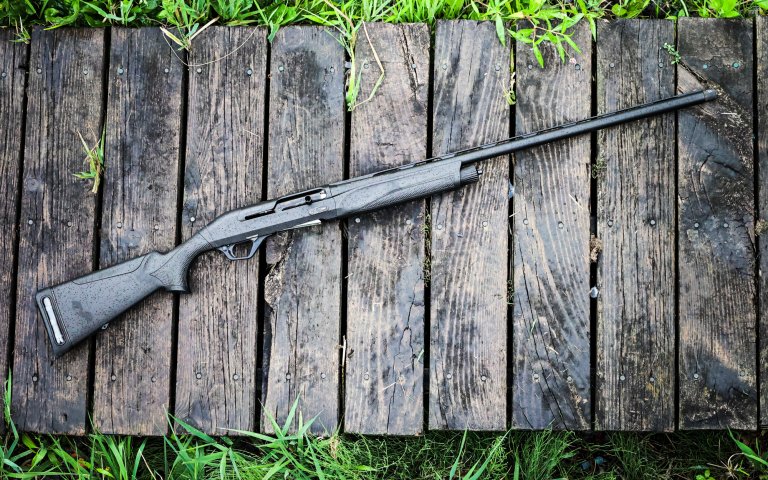
By contrast, inertia driven vs gas operated shotguns handle energy very differently. An inertia gun uses a heavy internal spring located inside the bolt body. When the gun fires and recoils backward, the shotgun moves, but the bolt wants to stay still due to its own mass. This compresses the action spring. Once the recoil energy peaks, the spring slams forward, unlocking the rotating bolt head and flinging the spent casing out. It is an incredibly elegant, mechanical solution that requires no ports and no pistons.
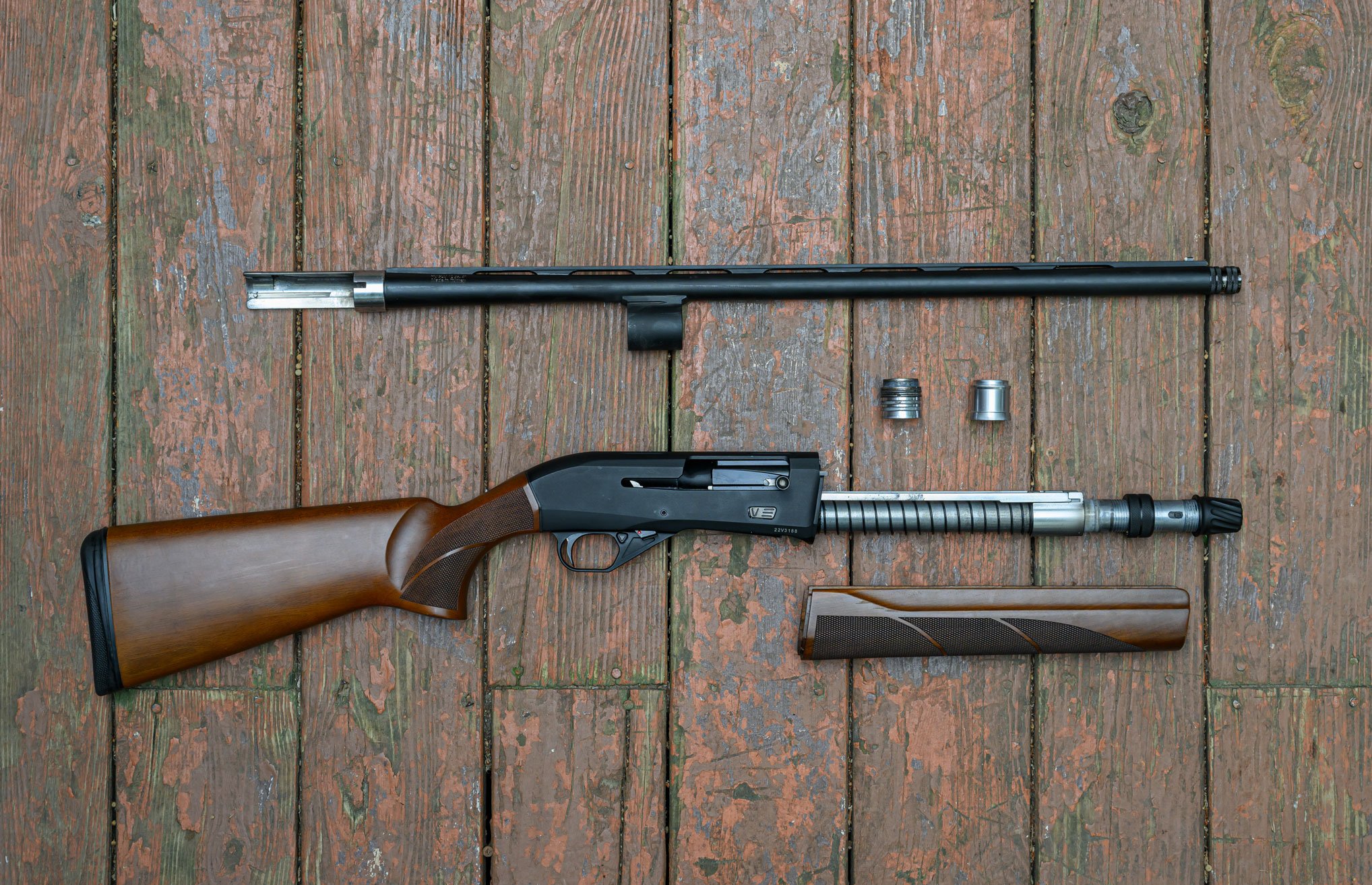
Because inertia systems lack the heavy pistons and linkages found in the forearm, they often feel more balanced and slender. However, the durability of gas vs inertia semi-auto shotguns is often comparable; the primary difference is how they handle the byproduct of the explosion happening just inches from your face.
Felt Recoil: The "Shove" vs. The "Punch"
The most immediate difference a shooter notices when comparing gas vs inertia shotguns is the sensation against their shoulder. In the industry, we often describe felt recoil gas vs inertia shotgun by using the shove versus punch analogy. Because a gas system uses some of the energy to move the piston and spreads the rearward force over several milliseconds, the recoil feels like a firm, controlled shove. This makes a gas-operated shotgun the premier choice for high-volume shooting or recoil sensitive hunters who want to avoid a sore shoulder after a day at the clay range.
Inertia-driven systems, because they rely on the raw kinetic energy of the recoil to function, deliver that energy much faster. This results in a sharper punch. While manufacturers have developed advanced recoil pads and shim systems to mitigate this, the physics remain the same. This sharp impulse can affect follow up shot speed gas vs inertia shotgun, as the muzzle jump on an inertia gun is typically more pronounced, requiring more effort to stay on target for a second bird.
For those specifically looking for an inertia vs gas shotgun for recoil sensitive hunters, the gas system is the clear winner. However, if you are a hunter who only fires a few rounds a year during a turkey hunt, the "punch" might be a fair trade-off for a lighter gun.
Maintenance and Reliability: Cleaning Requirements
The debate over gas vs inertia shotgun maintenance is usually where inertia fans win the argument. Because an inertia system vents propellant gases out the muzzle rather than back into the action, the receiver cleanliness is remarkably high. You can often run an inertia gun for thousands of rounds with nothing more than a quick wipe of the bolt face.
Gas guns, however, are essentially "self-fouling." The carbon fouling that enters the gas ports eventually creates a gummy residue on the piston and magazine tube. This leads to stricter maintenance requirements for gas vs inertia shotguns. If you ignore a gas gun for too long, the buildup will eventually cause the action to cycle sluggishly or fail to eject entirely.
| Feature | Gas-Operated System | Inertia-Driven System |
|---|---|---|
| Cleaning Interval | 500 - 1,000 Rounds | 2,000+ Rounds |
| Common Failure | Carbon buildup in ports | "Inertia Click" (out of battery) |
| Cleanliness | Dirty; gases enter action | Clean; gases exit muzzle |
| Complexity | Multiple pistons & seals | Simple spring & bolt |
However, the inertia system has its own unique reliability quirk known as the "Inertia Click." If the bolt isn't slammed home with enough force—or if it is bumped in the brush—the rotating bolt head may not fully lock into battery. When you pull the trigger, you get a "click" instead of a "bang." Modern designs have largely addressed this, but it remains a point of consideration for those who prioritize absolute reliability in thick cover.
Environmental Context: Cold Weather and Gear
When we discuss the best shotgun system for extreme cold weather hunting, the environment plays a massive role. In a freezing waterfowl blind, the oil inside a gas system can thicken like molasses. If the gas ports already have some carbon buildup, the reduced pressure might not be enough to overcome the viscous oil, causing cycling failures.
On the other hand, inertia guns face a different environmental challenge. Since they require the gun to move backward to cycle, anything that buffers that movement can cause a malfunction. If a hunter is wearing a thick, heavy winter parka and holds the gun loosely, the clothing can act as a shock absorber. This "soft" backing prevents the internal spring from compressing fully, resulting in a failure to cycle light clay loads or even standard hunting shells.

For those hunting in the muck and mire of a salt marsh, many pros lean toward the inertia system simply because there are fewer places for mud and grit to hide. But for high-volume dove hunts or southern waterfowl blinds where the temperature stays moderate, the comfort of a gas gun often outweighs the maintenance burden.
Weight, Balance, and Customization
The weight and balance comparison gas vs inertia shotguns is often a deciding factor for upland bird hunting. When you are walking five to ten miles a day through tall grass looking for pheasants, every ounce matters. Because inertia guns don't need a heavy gas piston assembly under the forearm, they are naturally slimmer and lighter.
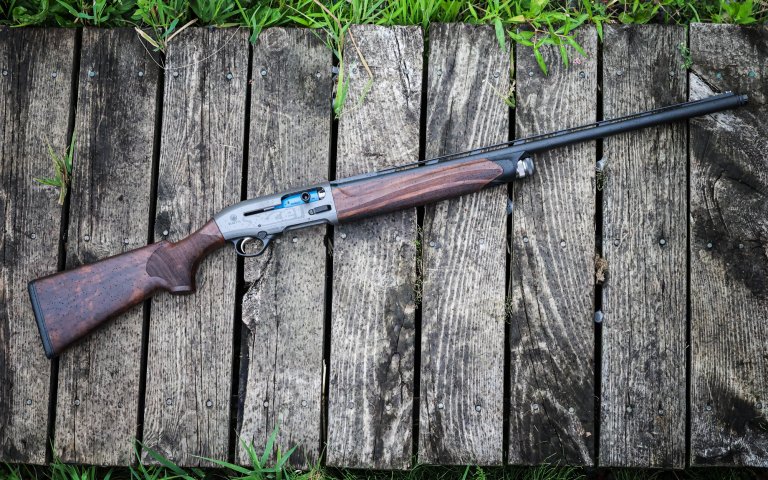
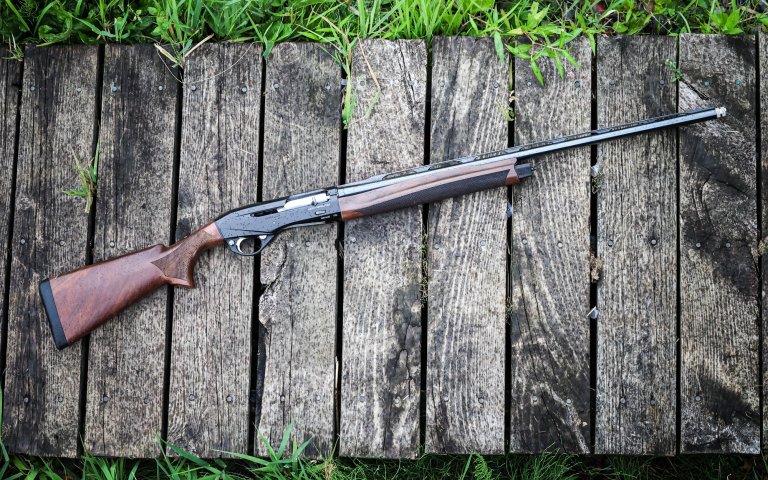
An inertia-driven shotgun like the Benelli Montefeltro offers a slim forearm profile that feels "lively" in the hands, allowing for a faster swing on a flushing quail. Gas guns can feel front-heavy by comparison, though some shooters prefer that extra weight for a smoother follow-through on clay targets.
One final note on customization: inertia guns can be sensitive to weight changes. Adding heavy accessories like side-saddles, lights, or heavy optics to an inertia gun can actually change its recoil mechanics, potentially leading to cycling issues. Gas guns are generally indifferent to how much extra weight you bolt onto the receiver, making them a more stable platform for tactical or turkey setups.
FAQ
What is the main difference between gas and inertia shotguns?
The primary difference lies in how they cycle: gas shotguns use diverted exhaust gases to push a piston, whereas inertia shotguns use the kinetic energy of the gun's recoil to compress a spring and cycle the action.
Which shotgun recoil is softer, gas or inertia?
Gas-operated shotguns have softer felt recoil. They spread the energy over a longer duration, resulting in a shove sensation, whereas inertia guns deliver a faster, sharper punch.
How often do you need to clean a gas vs inertia shotgun?
A gas shotgun generally needs a deep cleaning every 500 to 1,000 rounds to manage carbon fouling. An inertia shotgun can often fire over 2,000 rounds before needing significant maintenance because its action remains much cleaner.
Are inertia shotguns more reliable than gas-operated ones?
Inertia shotguns are often considered more reliable in harsh, dirty environments because they have fewer moving parts and don't get dirty as quickly. However, gas shotguns are often more reliable with very light loads or when used by shooters who might not provide a firm enough backing for an inertia system.
Which shotgun system is better for low-recoil target loads?
Gas systems are typically better for cycling light clay loads because they use gas pressure rather than recoil energy. Inertia guns may struggle to cycle very light target loads if there isn't enough recoil energy to compress the internal spring.
Why do hunters prefer inertia shotguns?
Hunters, particularly those in upland and waterfowl scenarios, often prefer inertia shotguns for their lighter weight, slimmer profile, and the fact that they can go several days in the mud or rain without needing a complete teardown and cleaning.