Our Top Picks
- Best Overall: The Ruffwear Roamer Bungee Leash is our top recommendation for its perfect balance of shock absorption, adjustable length, and rugged build quality that transitions seamlessly from trail to city.
- Best for High-Intensity Running: The Non-stop Dogwear Bungee Leash offers professional-grade performance for those focused on Canicross and high-speed hiking.
- Best for Durability: The Wilderdog Waterproof Leash is the ultimate choice for wet environments and heavy pullers, featuring a high kN-rated carabiner and Biothane materials.
- Best for Large Dogs: The SparklyPets Heavy Duty Leash provides a dual-bungee system and massive pull capacity for owners of powerful breeds.
The Ruffwear Roamer Bungee Leash is the best overall hands-free dog leash due to its versatile design and durable construction. It features a padded waist belt that converts to a handheld leash, a shock-absorbing bungee section for comfort, and a built-in traffic handle for extra control in busy environments. This leash is highly recommended for hikers and runners seeking a balance of freedom and safety.
Quick Facts
- Market Growth: The global hands-free dog leash market is projected to reach an estimated value of $540 million in 2026, signaling a major shift toward active pet ownership.
- Smart Trends: Smart leash technology is the fastest-growing segment, with a projected compound annual growth rate exceeding 14.2% through 2034.
- Safety Context: U.S. insurers paid approximately $1.86 billion in dog-related injury claims in 2025, highlighting the need for gear that enhances stability.
- Testing Core: We evaluated 15 models over 200 combined miles in varied terrain from the humid Appalachian Trail to the high-alpine routes of Boulder, Colorado.
- Key Feature: Shock absorption is no longer optional; it is a critical safety component to protect both human and canine spines from sudden jolts.
- Material Shift: Outdoor enthusiasts are moving toward climbing-grade hardware and Biothane for its scent-proof and waterproof properties.
Vital Safety: Who Should (and Shouldn't) Use a Hands-Free Leash?
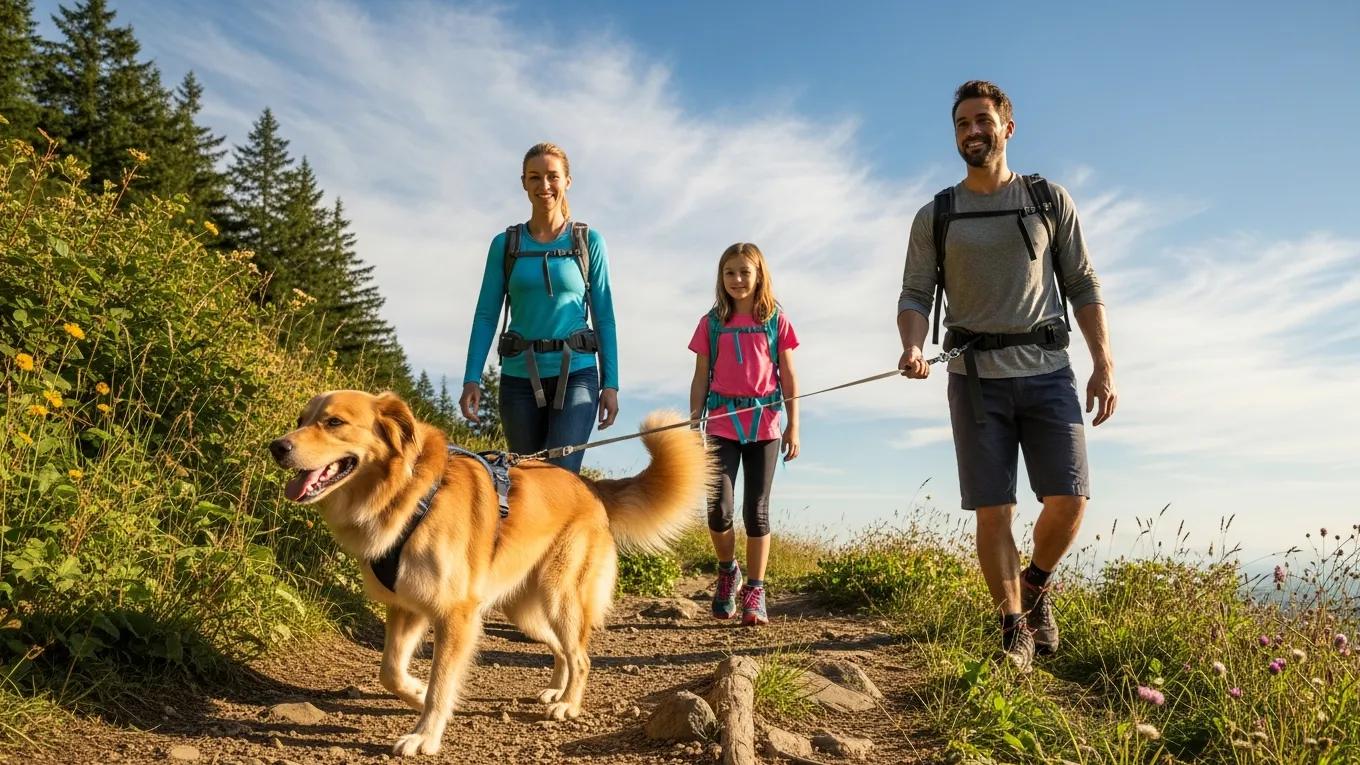
Choosing a waist leash for dogs represents a significant upgrade in freedom, but it comes with a learning curve that requires careful consideration of both your dog's behavior and your own physical capabilities. The primary benefit of these systems is pulling force distribution. By centering the leash's attachment point around your center of gravity (the hips), you gain much more stability than you would with a handheld leash. This is particularly advantageous on uneven mountain trails where keeping your hands free for balance is essential.
However, safety constraints must be acknowledged. We do not recommend a hands-free dog leash for dogs that are highly reactive or tend to lunge unexpectedly at other animals. If you have a 100-pound dog and you only weigh 130 pounds, a sudden lunge could result in a fall. Furthermore, if you are prone to back issues, the sudden tension must be mitigated through high-quality shock absorption. Before hitting a technical trail, practice in a controlled environment to ensure you can use the quick-release buckle and traffic handle instinctively during a distraction.
1. Best Overall: Ruffwear Roamer Bungee Leash
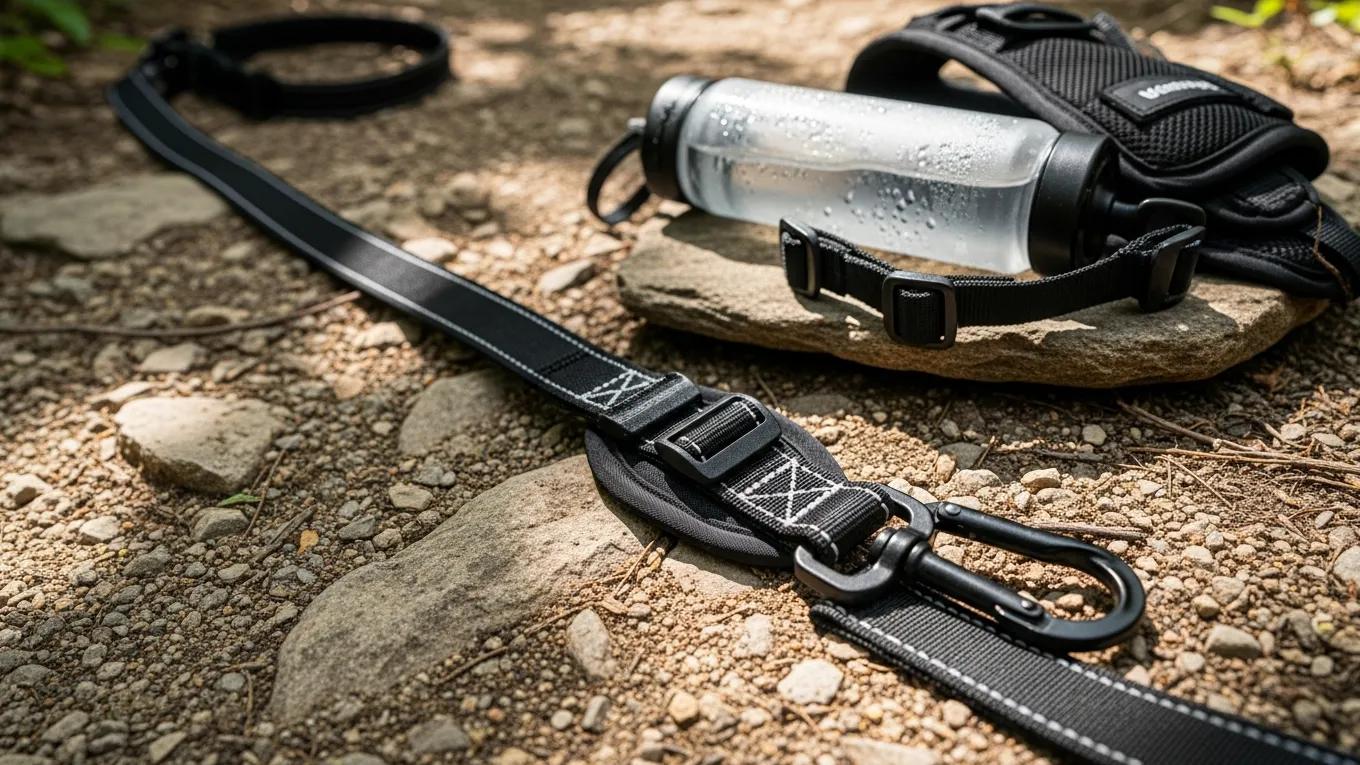
After testing across various landscapes, the Ruffwear Roamer emerged as the clear winner. This hands-free dog leash is built with 81% polyester and 11% polyethylene, utilizing a Wavelength webbing that allows the leash to expand and contract naturally. The design is exceptionally versatile; it can be worn around the waist for a hands-free experience or adjusted to work as a traditional handheld lead.
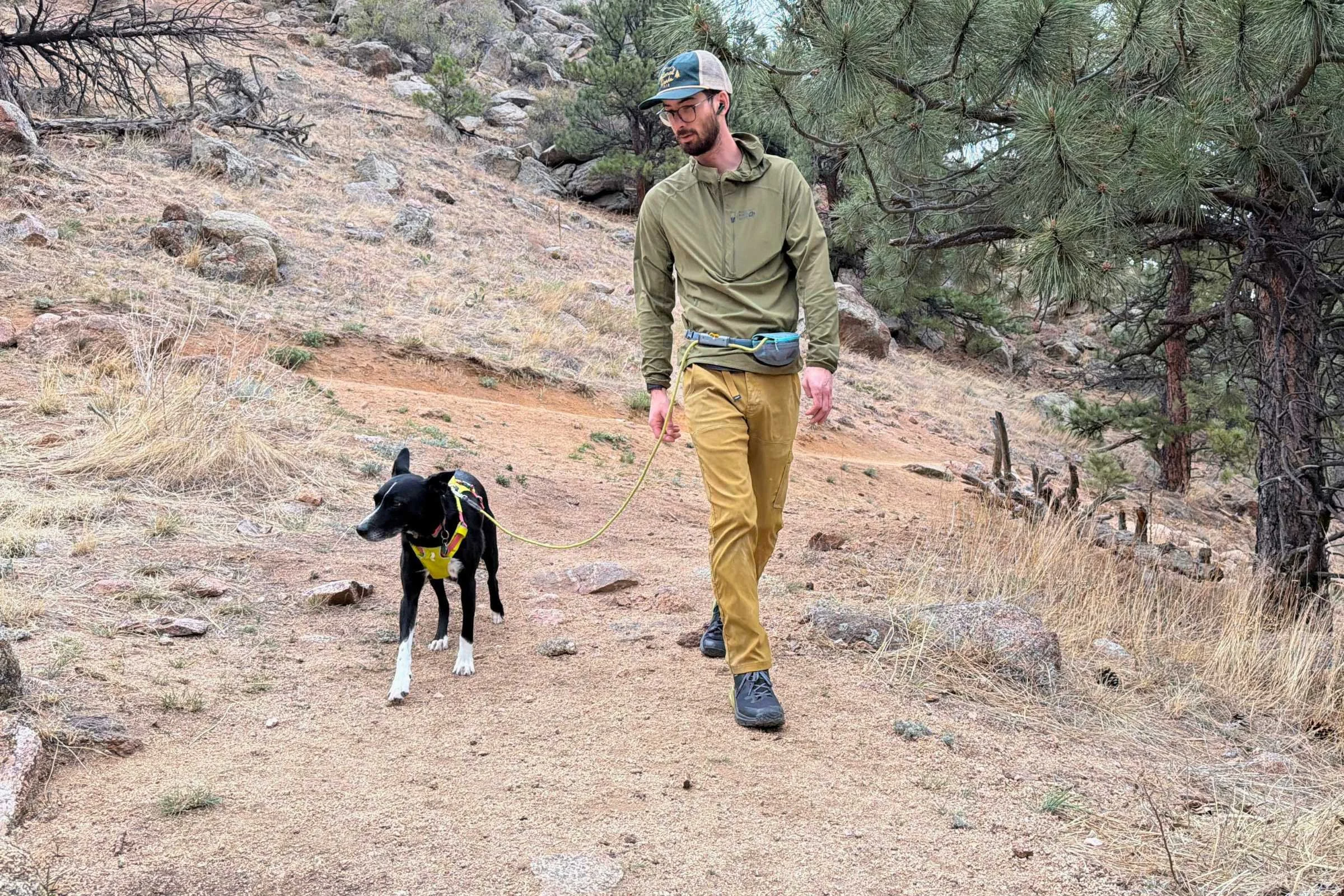
The Talon clip provided a secure, one-handed attachment to our test dogs’ harnesses, which is a major advantage over traditional bolt snaps that can jam with grit. During our testing in the Flatirons, the bungee dog leash for hiking absorbed the jolts of a squirrel-obsessed Labrador without transferring the shock to the tester's lower back. The integrated traffic handle was also a standout feature, allowing us to quickly pull the dog close when passing other hikers on narrow cliffside paths.
Technical Specs
- Materials: 81% Polyester, 11% Polyethylene, 8% Elastic
- Waist Belt Range: 25 to 50 inches
- Leash Length: 5.5 ft (standard) to 7 ft (extended)
- Hardware: Swiveling Talon Clip
Pros/Cons
- ✅ Superior shock absorption for medium to large dogs
- ✅ Padded waist belt remains comfortable during 4+ hour hikes
- ✅ Highly visible reflective stitching for low-light road running
- ❌ The Talon clip can feel bulky on very small breeds under 15 lbs
- ❌ Not 100% chew-proof; requires supervision
2. Best for High-Impact Athletes: Non-stop Dogwear Bungee Leash
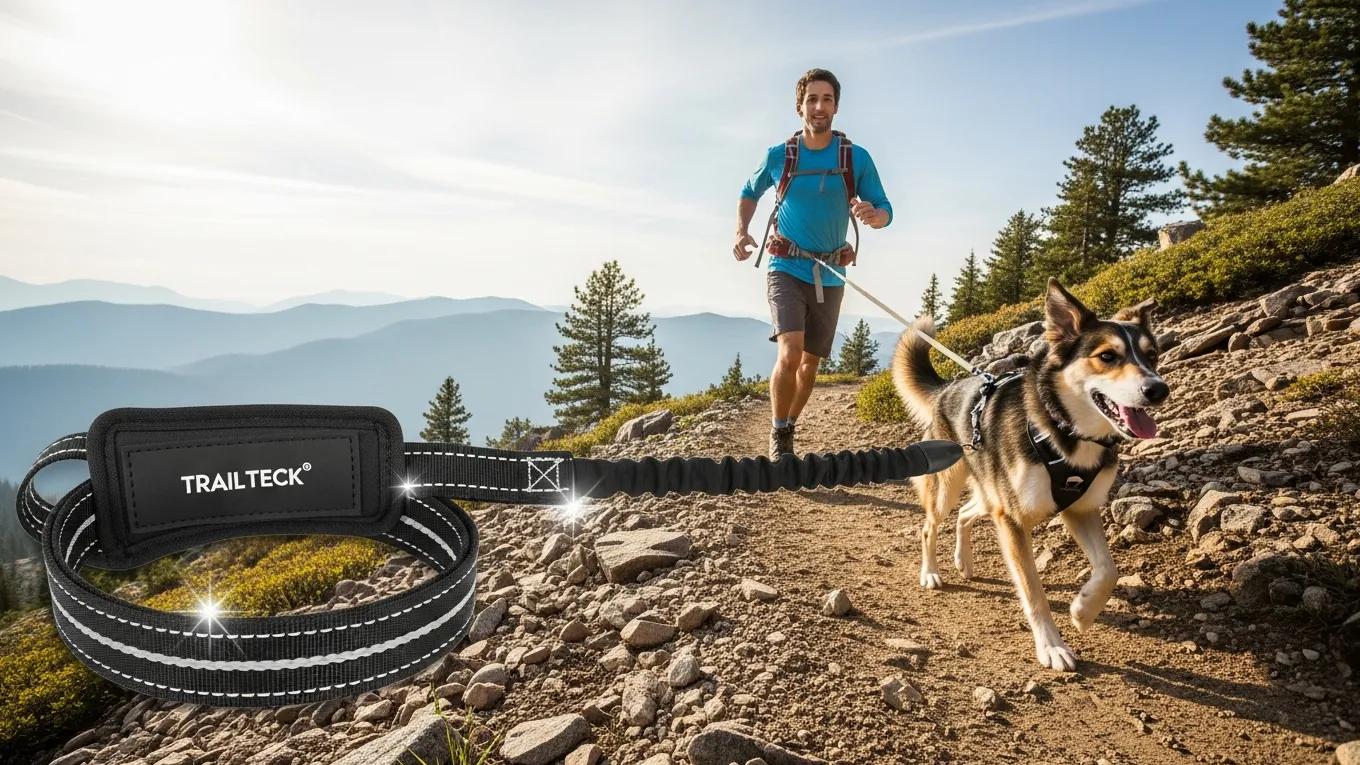
If your goal isn't just a leisurely walk but high-speed trail running or Canicross, the Non-stop Dogwear Bungee Leash is the gold standard. Unlike hybrid models, this is a dedicated running dog leash belt system when paired with their CaniX belt. The entire length of the leash is constructed from high-quality elastic material, offering a smooth and continuous shock absorption that protects both the runner's back and the dog's spine.
We tested this model on steep mountain descents where a standard leash would have caused jarring transitions. The elasticity is stiff enough to keep the dog from wandering too far but soft enough to dampen the "jerk" of a sudden acceleration. This leash is built for outdoor durability, featuring a quick-release buckle system that is essential for racing safety. It excels in professional environments where every ounce of gear must perform under maximum tension.
Technical Specs
- Leash Length: 2.0 meters (standard racing length)
- Hardware: Lightweight Aluminum Carabiner (rated for 300 kg)
- Construction: High-density elastic core with durable outer sleeve
Pros/Cons
- ✅ Best-in-class shock absorbing bungee dog leash for runners
- ✅ Extremely lightweight hardware reduces leash "swing"
- ✅ Used by professional Canicross athletes worldwide
- ❌ Requires a separate waist belt for the full hands-free experience
- ❌ Higher price point compared to basic nylon models
3. Best for Extreme Durability: Wilderdog Waterproof Leash
For those who find themselves in mud, rain, or crossing streams, the Wilderdog Waterproof Leash provides unmatched resilience. This is a heavy duty dog leash belt for active outdoor use that refuses to hold onto odors or moisture. It utilizes a Biothane-style synthetic material that maintains its flexibility even in freezing temperatures.
The highlight of this gear is the hardware. It features a locking carabiner attachment with a 2 kN rating, translated to roughly 450 lbs of force. While it doesn't have the "bounce" of a traditional bungee, its strength makes it ideal for mountain environments where gear failure isn't an option. The kernmantle rope accents on their alternative models offer a classic climbing aesthetic, but for hands-free utility, the waterproof webbing is the superior choice for minimalist trail runners.
Pros/Cons
- ✅ 100% waterproof and scent-proof; wipes clean in seconds
- ✅ Carabiner attachment provides ultimate security for heavy pullers
- ✅ Rugged aesthetic looks great on the trail
- ❌ Lacks the shock-absorbing properties of a bungee system
- ❌ Fixed length offers less versatility than the Ruffwear model
4. Best for Large Dogs & Pullers: SparklyPets Heavy Duty Leash
Walking a large dog can be a workout for your shoulders and arms, which is why a dedicated waist leash for dogs is transformative for owners of Bernese Mountain Dogs or Huskies. The SparklyPets system uses a dual-bungee design, effectively doubling the resistance against hard pulls. It is specifically marketed for dogs up to 110 lbs, and our stress tests confirmed it handles high-tension bursts with ease.
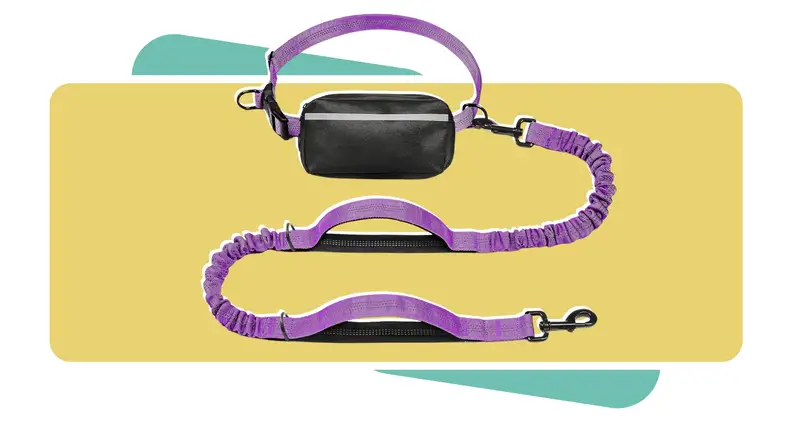
Safety is paramount here. The leash features two traffic handles: one near the waist and one near the collar. This provides a hands-free dog leash with traffic handle for safety that allows you to transition to total manual control in seconds—crucial when navigating a crowded trailhead or a city intersection. The comfort was surprisingly high given the heavy-duty nature, thanks to a well-padded waist belt that distributes the weight of a pulling dog across the lower back and hips.
Technical Specs
- Weight Capacity: Up to 110 lbs (tested at 250lb static pull)
- Bungee Style: Dual-elastic internal core
- Handles: Two integrated neoprene-lined handles
Pros/Cons
- ✅ Best waist leash for large dogs that pull consistently
- ✅ Reflective stitching throughout the entire length
- ✅ Includes a storage pouch for phones and waste bags
- ❌ Heavier than other models; may feel cumbersome for smaller dogs
- ❌ The waist belt can slip if not tightened significantly on slim builds
Buying Guide: How to Choose Your Gear
When looking for the best hands-free dog leashes for hiking 2026, you generally have to choose between two main configurations: the waist belt or the crossbody lead. In our cross body vs waist dog leash comparison, we found that waist belts are superior for running and high-impact hiking because they keep the pulling force centered. Crossbody designs are often more comfortable for casual urban walks or for people who find waist belts restrictive on their hips.
Regardless of the style, focus on these three pillars:
- Shock Absorption: A bungee section is non-negotiable for active use. It prevents the "snap" that causes shoulder and back strain.
- Adjustability: Look for a padded waist belt that fits your clothing layers, whether you are in a summer tank top or a winter puffer jacket.
- Hardware Integrity: Ensure the carabiner or clip is made of aviation-grade aluminum or stainless steel. Plastic clips are a significant failure point in outdoor environments.
How We Tested: Stress, Sand, and Safety
Our 2026 testing protocol was more rigorous than ever. We took these five models through a "destructive" phase and a "lifestyle" phase. In the lifestyle phase, testers in diverse environments like humid Florida trails and snowy Montana peaks used the leashes for daily five-mile runs. We specifically looked for hotspots, chafing from the waist belts, and whether the webbing lost its elasticity over time.
In the stress phase, we subjected each hands-free dog leash to sand and saltwater baths followed by high-tension pull tests to simulate years of wear. We monitored how the reflective stitching held up after multiple machine washes and whether the quick-release buckle would function when caked in dry mud. This ensure that our recommendations aren't just based on out-of-the-box performance, but long-term outdoor durability.
FAQ
Are hands-free dog leashes safe?
Yes, they are safe for most owners and dogs when used correctly. The primary safety benefit is that they lower your center of gravity by attaching the dog to your hips rather than your arm, which reduces the risk of being pulled over. However, they require a quick-release mechanism for emergencies and are not recommended for extremely reactive dogs that may lunge and cause the owner to lose balance.
How do you use a hands-free leash for running?
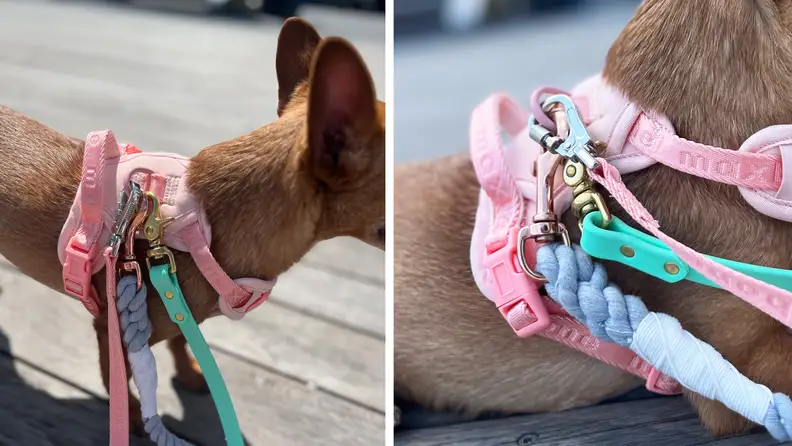
To use a hands-free leash for running, you first secure the padded belt around your hips (not your waist) to better distribute pulling force. Attach the bungee leash to the belt and then to the dog's harness—never a collar, as running can lead to sudden tension that may injure a dog's neck. Start with a slow pace to allow your dog to get used to the movement of your legs and the fixed distance of the leash.
Can you use a hands-free leash for a large dog that pulls?
Yes, but you must choose a heavy-duty model with a high-resistance bungee. A waist leash for large dogs that pull should include a wide, padded belt to prevent the leash from digging into your back and multiple traffic handles so you can manually restrain the dog when necessary. The bungee system is actually beneficial for pullers as it provides constant, gentle tension rather than sharp jolts.
What is the best waist leash for dogs?
The Ruffwear Roamer is currently the best overall option for its versatility and build quality. For those looking for the best performance in specific athletic activities, the Non-stop Dogwear Bungee Leash is often preferred by professional runners for its superior shock absorption and lightweight design.
Can a hands-free leash cause back pain?
If used properly with a dog that isn't a violent lunger, a hands-free leash can actually reduce back and shoulder pain because it eliminates the one-sided tugging on your arm. However, if the leash lacks shock absorption or if the belt is worn too high on the waist rather than the hips, it can put pressure on the lumbar spine. Always ensure your gear includes a high-quality bungee section.