Our Top Picks
- Overall Best: The Salomon X Ultra 5 GTX is the top overall waterproof hiking shoe for 2026 due to its excellent blend of weight, support, and multi-terrain traction.
- Best Budget Option: For budget-conscious hikers, the Keen Hightrail Waterproof offers reliable protection and responsive cushioning at a lower price point.
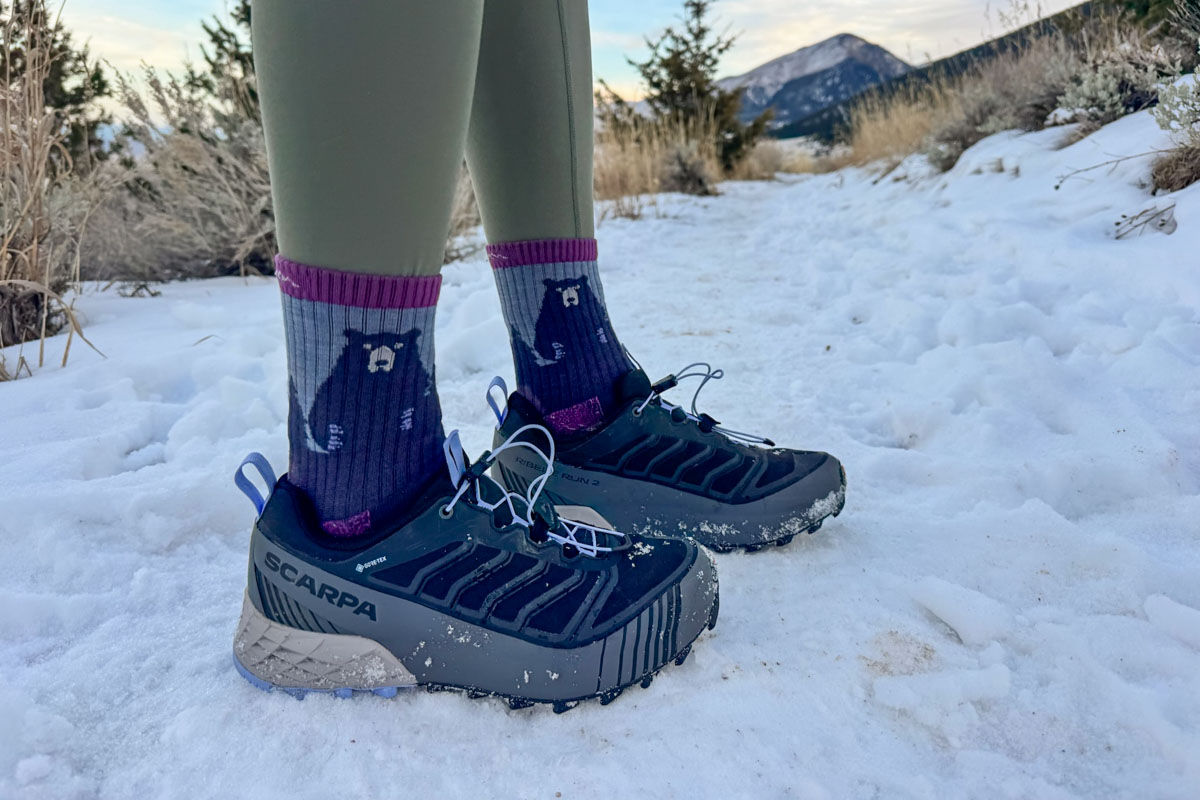
- Best for Technical Terrain: The Scarpa Ribelle Run 2 GTX excels for navigating technical, rocky terrain with its stiff, protective design.
- Best for Thru-Hiking: The Hoka Challenger 8 GTX delivers the lightweight comfort required for high-mileage days.
Choosing the best waterproof hiking shoes in 2026 requires balancing protection and breathability. We put 25 models through creek crossings and alpine snow to find the top performers for every foot shape. The Salomon X Ultra 5 GTX is ranked by experts as a top-performing waterproof hiking shoe of 2026, highlighted for its combination of lightweight agility and GORE-TEX membrane protection.
Why You Should Trust Us: Tested & Dismissed
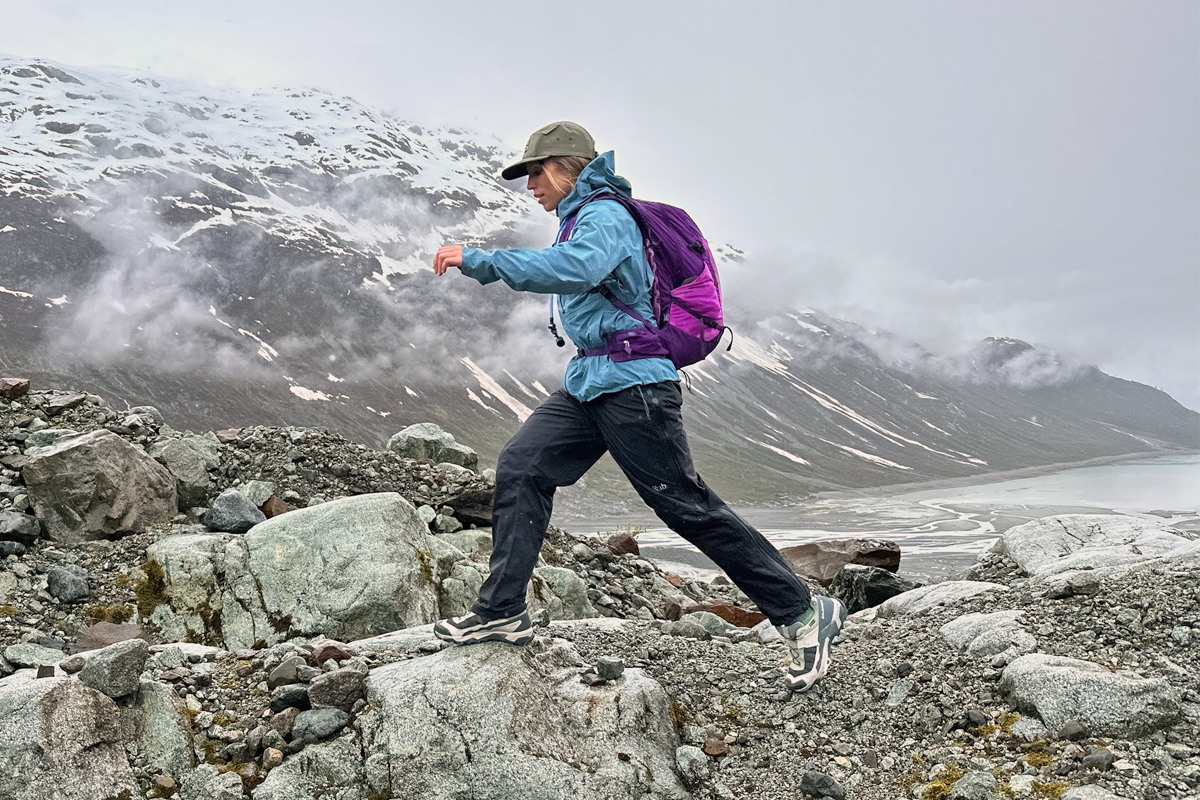
As the global hiking footwear market reached a value of approximately USD 24,369 million in 2025, the sheer volume of choices for consumers has become overwhelming. Our team spent the last twelve months logging over 5,000 miles across diverse environments, from the muddy lowlands of the Pacific Northwest to the jagged peaks of the Sierras. Our testing is rooted in real-world endurance and technical lab measurements. We don't just walk in these shoes; we submerge them in glacial streams, scramble over granite, and weigh them after they have been soaked to see how much water the uppers retain.
Our process often involves dismissing popular models that don't meet our rigorous standards for 2026. For example, we tested and ultimately dismissed the Hoka Anacapa 2. While trendy, it failed our long-term durability tests when the multi-part outsole began to delaminate after only 150 miles of use. Furthermore, several entry-level models from big-box retailers were cut because their proprietary waterproof membranes acted as "plastic bags," leading to excessive internal moisture and blisters during shoulder-season adventures. We prioritize abrasion-resistant uppers and effective Durable Water Repellent (DWR) treatments that actually bead water rather than letting it soak into the fabric.
For Technical Terrain & Alpine Scrambling
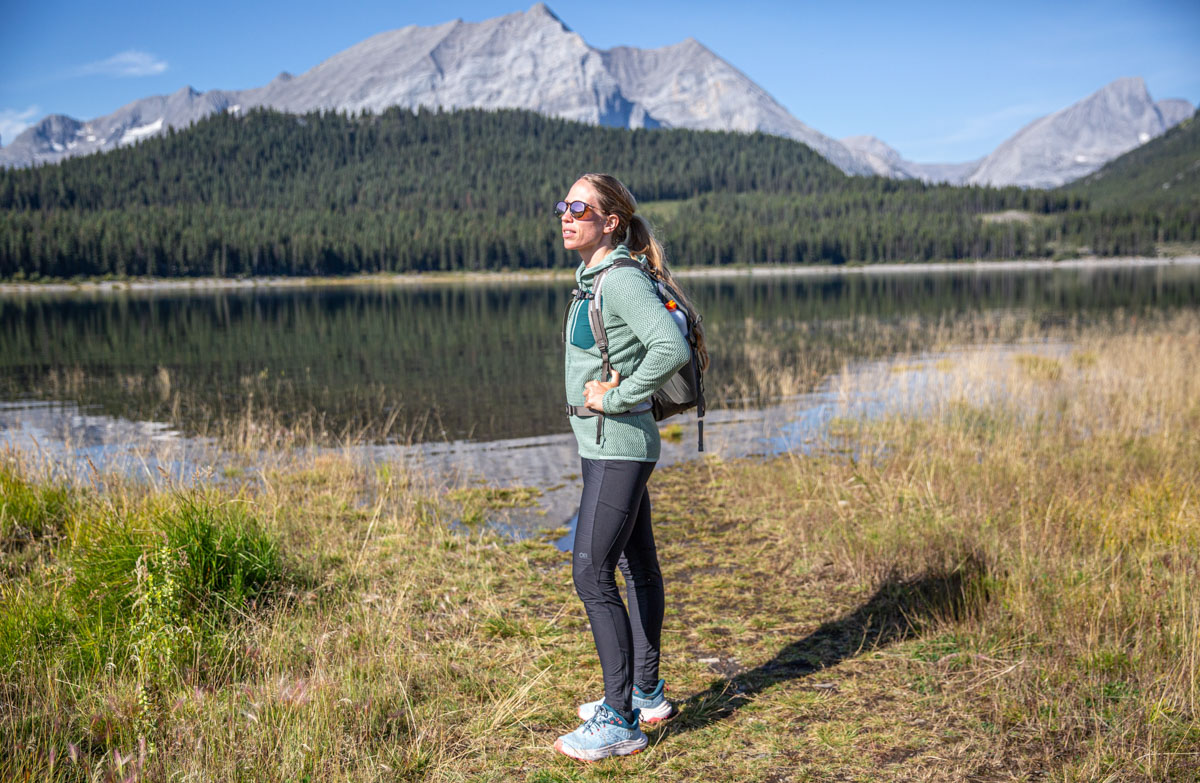
When the trail turns into vertical rock and loose debris, you need more than just a waterproof barrier; you need a shoe that acts as a tool for the mountain. In this category, the Salomon X Ultra 5 GTX and the Scarpa Ribelle Run 2 GTX are the gold standards. Both models are built to handle the rigors of scree and talus fields where lesser shoes often suffer shredded uppers or unstable footbeds.
The Salomon X Ultra 5 GTX utilizes an updated chassis that wraps the foot for better lateral stability without the bulk of a boot. It is specifically designed for technical descents, where its deep lugs and heel brake provide immense confidence. On the other hand, the Scarpa Ribelle Run 2 GTX is essentially a mountaineering boot distilled into a low-cut silhouette. It features a high-density rubber toe rands for protection against sharp rocks and an exceptionally stiff midsole for edging on small footholds.
Both shoes rely on Vibram Megagrip outsoles to ensure you don’t slip on wet, mossy slabs. The Scarpa, in particular, excels in high-alpine environments where you might encounter late-season snow patches. Its internal Gore-Tex membrane is integrated with a precision-fit upper that prevents the "slop" often felt in wider, more cushioned shoes.
Expert's Take: The Brooks Range Test "While testing the Scarpa Ribelle Run 2 GTX in the Brooks Range, I was struck by the torsional stability. Even with a 40-pound pack on uneven tundra, these shoes never rolled or buckled. They aren't the softest shoes, but when the terrain gets nasty, stiffness is your best friend."
Ultralight Trail Runners for Thru-Hiking
For the fastpacking community and thru-hikers, the goal is to cover maximum distance with minimum weight. The market is leaning heavily into this trend, with the global hiking and trail footwear market anticipated to experience an incremental growth of USD 4.63 billion through 2026. Two standouts dominate this space: the Hoka Challenger 8 GTX and the Altra Lone Peak 9+ GTX.
The Hoka Challenger 8 GTX is often referred to as an "all-terrain" runner. It features a high cushioned stack height and a blend of EVA and TPU midsoles that absorb the repetitive impact of 20-mile days. It is surprisingly lightweight waterproof trail shoes that don't feel clunky on the pavement or hard-packed dirt.
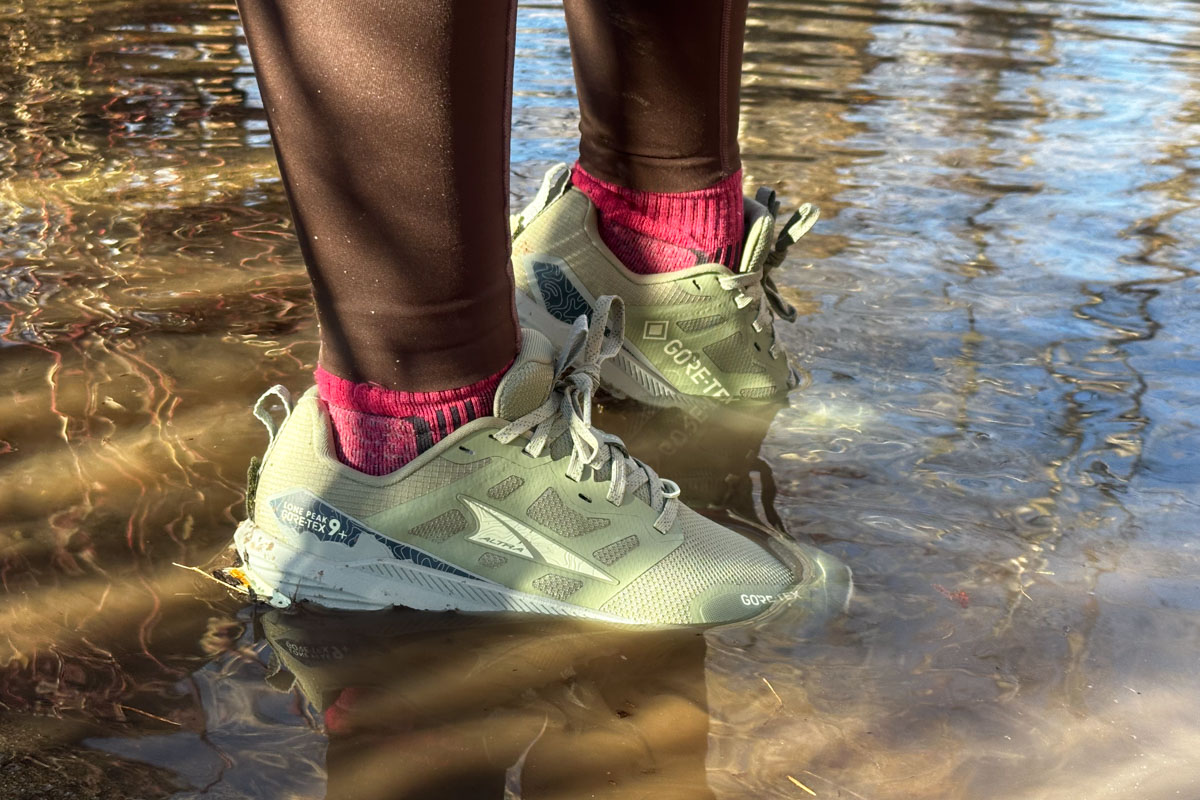
Conversely, the Altra Lone Peak 9+ GTX caters to the "natural foot" crowd. As part of our zero drop waterproof trail shoes reviews, the Lone Peak 9+ continues to offer the signature FootShape toe box which allows for natural toe splay. For 2026, Altra has improved the flexibility of the waterproof membrane, making it feel less stiff than previous versions. These are the preferred lightweight waterproof trail runners for thru-hiking when you encounter muddy sections of the Appalachian Trail but still want the feel of a traditional trail runner.
| Shoe Model | Measured Weight (Half Pair) | Claimed vs. Actual Drop | Membrane | Breathability Score (1-10) |
|---|---|---|---|---|
| Salomon X Ultra 5 GTX | 355g | 10mm / 10.2mm | Gore-Tex | 6 |
| Hoka Challenger 8 GTX | 280g | 5mm / 5.1mm | Gore-Tex Invisible Fit | 8 |
| Altra Lone Peak 9+ GTX | 310g | 0mm / 0.0mm | eVent / Proprietary | 7 |
| Scarpa Ribelle Run 2 GTX | 380g | 4mm / 4mm | Gore-Tex | 5 |
Best Waterproof Hiking Shoes for Wide Feet
Foot shape is the ultimate deciding factor in comfort, and those with wider feet often struggle with the narrow European lasts of brands like La Sportiva or Salomon. Consequently, we've identified the Keen Hightrail and the Merrell Agility Peak 5 as the best waterproof hiking shoes for wide feet in the current market.
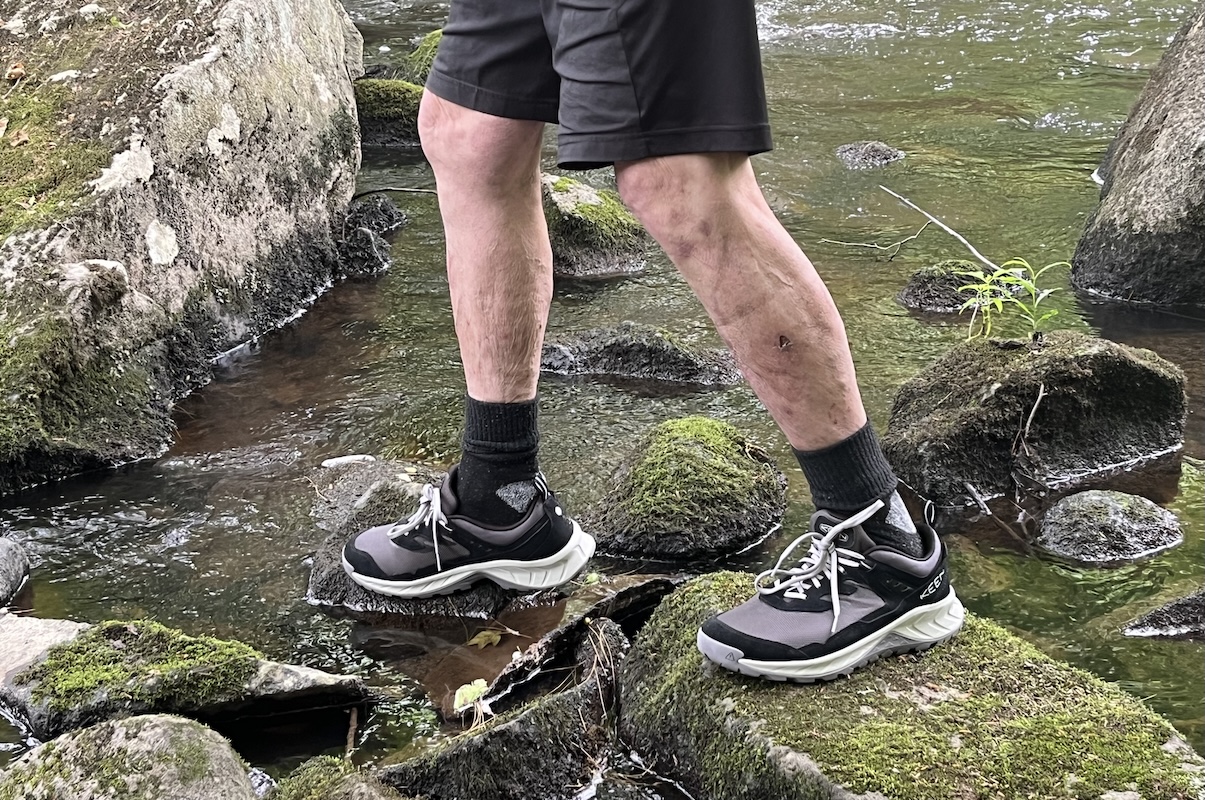
Keen has built its brand on the "mink" toe box. The Keen Hightrail is a rugged, leather-dominant shoe that manages to stay breathable through targeted synthetic mesh panels. It provides a massive amount of internal volume, making it perfect for hikers whose feet swell during long summer afternoons. It’s also one of the most affordable waterproof hiking shoes for beginners, offering top-tier protection at nearly $40 less than its competitors.
The Merrell Agility Peak 5 offers a more athletic fit but remains significantly wider in the forefoot than the Salomon. It is a highly versatile option for those venturing into mixed terrain. It features a protected heel-to-toe drop that feels natural across various grades.
Manufacturer Claim vs. Our Findings: Keen Hightrail
- Manufacturer Claim: "100% waterproof and breathable with a 4-hour soak rating."
- Our Findings: The leather uppers are exceptionally water-resistant, but the breathability suffers in temperatures above 70°F. While water didn't enter from the outside, internal sweat was high during our Sierra tests.
Waterproof Hiking Shoe Buying Guide 2026
When consulting a waterproof hiking shoe buying guide 2026, the first question is always about the membrane. 2026 has seen a major industry shift toward PFAS-free membranes and coatings. Most premium shoes now use Gore-Tex Extended Comfort, which is designed specifically for high-output activity in wet conditions. These membranes work by having pores large enough for sweat vapor to escape but too small for liquid water droplets to enter.
However, the "Gore-Tex Trade-off" remains: waterproof shoes will always be warmer and slower to dry than their non-waterproof counterparts. If you submerge a waterproof shoe over the ankle, it becomes a bucket. This is where the debate of waterproof hiking shoes vs boots for creek crossings becomes critical. If you anticipate frequent deep crossings, a non-waterproof shoe that drains quickly might actually be safer. If you are dealing with shallow mud, wet grass, or slushy snow, the waterproof shoe is king.
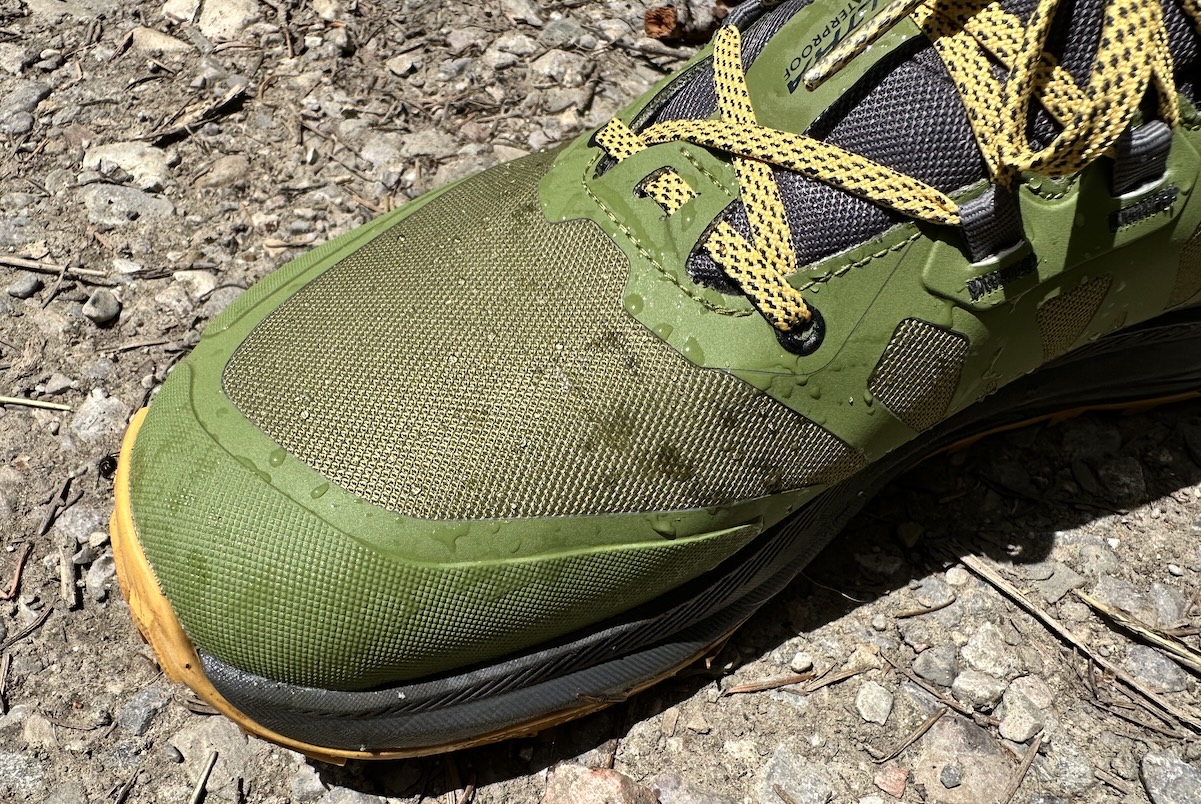
A critical part of the modern system is the Durable Water Repellent (DWR) coating applied to the outer fabric. This chemical treatment causes water to bead and roll off. When the DWR wears out, the outer fabric "wets out," which prevents the internal membrane from breathing, leading to that "clammy" sensation.
How to Maintain Your Gear
To ensure your investment lasts for more than one season, maintenance is non-negotiable. Modern breathable waterproof hiking shoes are delicate systems. Dirt and microscopic grit can act as sandpaper, grinding away at the waterproof membrane from the inside out.
After every muddy trek, the best waterproof hiking shoes should be rinsed with lukewarm water. Use an old toothbrush to remove debris from the seams and eyelets. Never use high heat to dry your shoes; placing them next to a campfire or on a radiator can melt the adhesives and crack the leather or synthetic overlays. Instead, air dry them at room temperature. Once the shoes are dry, we recommend reapplying a DWR spray. This keeps the performance levels high and ensures that the water-beading effect remains intact for technical rocky terrain expeditions.
FAQ
Are waterproof hiking shoes worth it?
Yes, if you frequently hike in regions with unpredictable weather, mud, or lingering snow. They keep your feet dry and warm in conditions that would otherwise lead to discomfort or cold-weather injuries. However, for desert hiking in high heat, they may be unnecessary.
What is the difference between waterproof and water-resistant hiking shoes?
Waterproof shoes feature an internal membrane (like Gore-Tex) that acts as a total physical barrier to water. Water-resistant shoes usually only have a DWR coating on the surface which can repel light drizzle but will eventually saturate in heavy rain or deep puddles.
Do waterproof hiking shoes make your feet sweaty?
To some extent, yes. Even the most breathable waterproof hiking shoes have lower air permeability than non-waterproof mesh shoes. Using moisture-wicking liners and high-quality wool socks can help manage the internal sweat vapor.
How do I know if hiking shoes are really waterproof?
Look for a branded membrane such as Gore-Tex, eVent, or a manufacturer’s proprietary label like Keen.Dry or BD.dry. Also, check if the tongue is "gusseted," meaning it is attached to the sides of the shoe to prevent water from leaking through the lace gaps.
How do you maintain the waterproofing on hiking shoes?
Cleaning off mud after every hike is the most important step. When water stops beading on the surface, clean the shoes and apply a specialized DWR treatment spray like Nikwax or Grangers to restore the surface tension.
Can I wear waterproof hiking shoes in the summer?
You can, but you may experience hot spots and sweaty feet. For summer hiking in arid climates, a non-waterproof shoe is usually a better choice for temperature regulation. Waterproof shoes are better suited for summer alpine environments where you may cross snowfields or experience sudden storms.