Our Top Picks
- Top Overall: Epi-Pet K-9 Care Sunscreen – The gold standard as the only FDA-compliant formula on the market, offering broad-spectrum potency in a convenient spray.
- Best for Sensitive Skin: My Dog Nose It! Sun Protection Balm – A non-greasy, paraben-free formula that uses high-quality ingredients to protect delicate areas without irritation.
- Best for Active Dogs: Lucky Puppy Sunscreen Stick – A highly durable, waterproof mineral dog sunscreen for swimming and hiking that stays put even during heavy play.
Dogs require specialized sunscreen to prevent painful sunburns and long-term risks like squamous cell carcinoma, particularly on exposed areas such as the nose, ears, and belly. Veterinary dermatologists emphasize using pet-specific formulas because human sunscreens often contain zinc oxide or salicylates, which are toxic to dogs if licked or ingested. Mineral sunscreens utilizing titanium dioxide are generally the safest options for pets with sensitive skin or those prone to licking.
Why Canine UV Protection Matters in 2026
As we head into the 2026 outdoor season, pet owners are becoming more aware that our dogs face the same environmental stressors we do. The misconception that fur provides a total UV shield can lead to significant dermal damage. In reality, the UV Index affects our companions just as much as it affects us. Clinical observations show that even on a cloudy day, the risk remains high. According to experts at Forbes, up to 80 percent of ultraviolet (UV) rays can penetrate cloud cover, meaning skin damage can occur even when the sun isn't visibly shining.
For those who enjoy high-altitude adventures, the risk profile changes significantly. Alpine UV exposure increases by approximately 6% to 12% for every 3,000 feet of elevation gain. This makes Physical UV Filters essential for mountain-dwelling dogs or those joining their owners on summer hikes across the Rockies or the Sierras. Protecting the skin barrier health of your pup is not just about comfort; it is about preventing the photo-aging and cellular mutations that lead to aggressive skin cancers.

The Red Flag List: Toxic Ingredients to Avoid
When shopping for the best dog sunscreen, the most critical step is reading the ingredient label with a critical eye. Many products marketed for humans are lethal to dogs due to their grooming habits. The primary concern is Ingestion Safety. Because dogs naturally lick their skin, any substance applied topically must be safe for internal consumption in small amounts.
Toxic Ingredient Alert: Zinc oxide and para-aminobenzoic acid (PABA) are the most common culprits. While zinc oxide is a staple in human mineral sunscreens, it is toxic to dogs and can cause a life-threatening condition called hemolytic anemia if licked off the skin.
Always verify that you are choosing a zinc free dog sunscreen for lickers. Veterinary experts highlight that salicylates, often found in "aspirin-free" human products, can also cause systemic toxicity in pets. Instead, look for a mineral sunscreen for dogs that utilizes titanium dioxide as the active UV blocker. This provides a physical barrier that reflects rays without the chemical absorption risks associated with human-grade products.
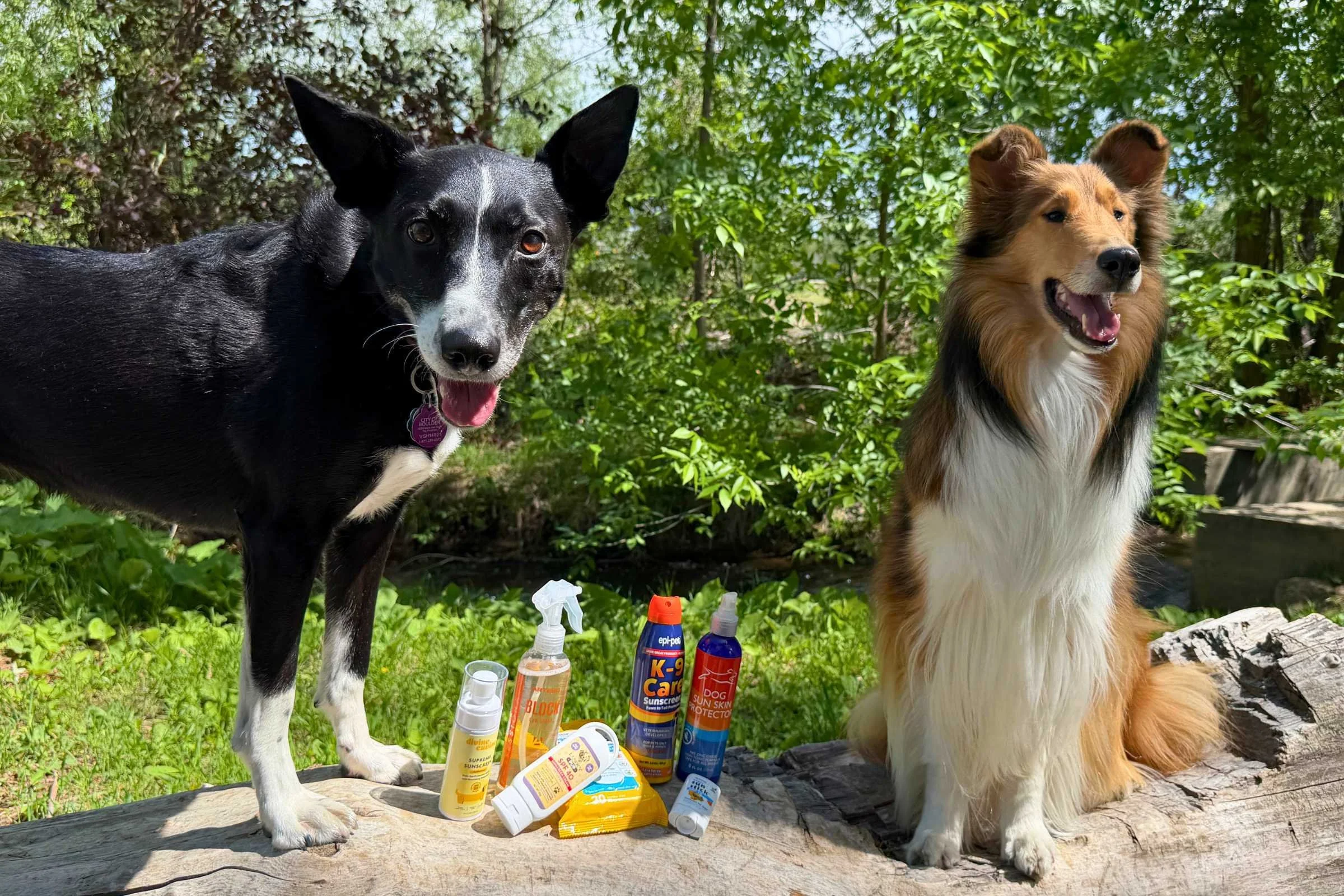
6 Best Dog Sunscreens of 2026: Expert Reviews
To help you navigate the aisles, we have tested and ranked the top performers for 2026. This selection focuses on vet recommended dog sunscreen options that prioritize safety and efficacy.
| Product Name | SPF Equivalent | Waterproof | Primary Active Ingredient | Best For |
|---|---|---|---|---|
| Epi-Pet K-9 Care | 30+ | Yes | Ethylhexyl Methoxycinnamate | Overall Protection |
| My Dog Nose It! | 30 | Water-Resistant | Octyl Methoxycinnamate | Sensitive Noses |
| Lucky Puppy Stick | 40 | Yes | Titanium Dioxide | Active Swimmers |
| Bodhi Dog Spray | 30 | No | Organic Hand-Pressed Oils | Sensitive Skin |
| Warren London Spray | 30 | Yes | Aloe Vera Base | White Fur Breeds |
| Petkin Sunscreen Wipes | 15 | No | Homosalate | Quick Touch-ups |
1. Epi-Pet K-9 Care Sunscreen
Epi-Pet K-9 Care Sunscreen stands alone as the only FDA-compliant sunscreen product specifically formulated for use on dogs. This aerosol spray provides Broad-Spectrum Potency, protecting against both UVA and UVB rays. It is non-greasy and has a pleasant scent, though the aerosol nature means you should spray it into your hands first before applying it to the face to avoid getting it in the eyes.
2. My Dog Nose It! Sun Protection Balm
This is widely considered the best dog sunscreen for nose and ears. It is a thick, velvety balm that creates a durable barrier on the most vulnerable, pink-pigmented spots. It dries quickly to a matte finish, which is excellent for dogs who typically try to rub off lotions immediately after application.
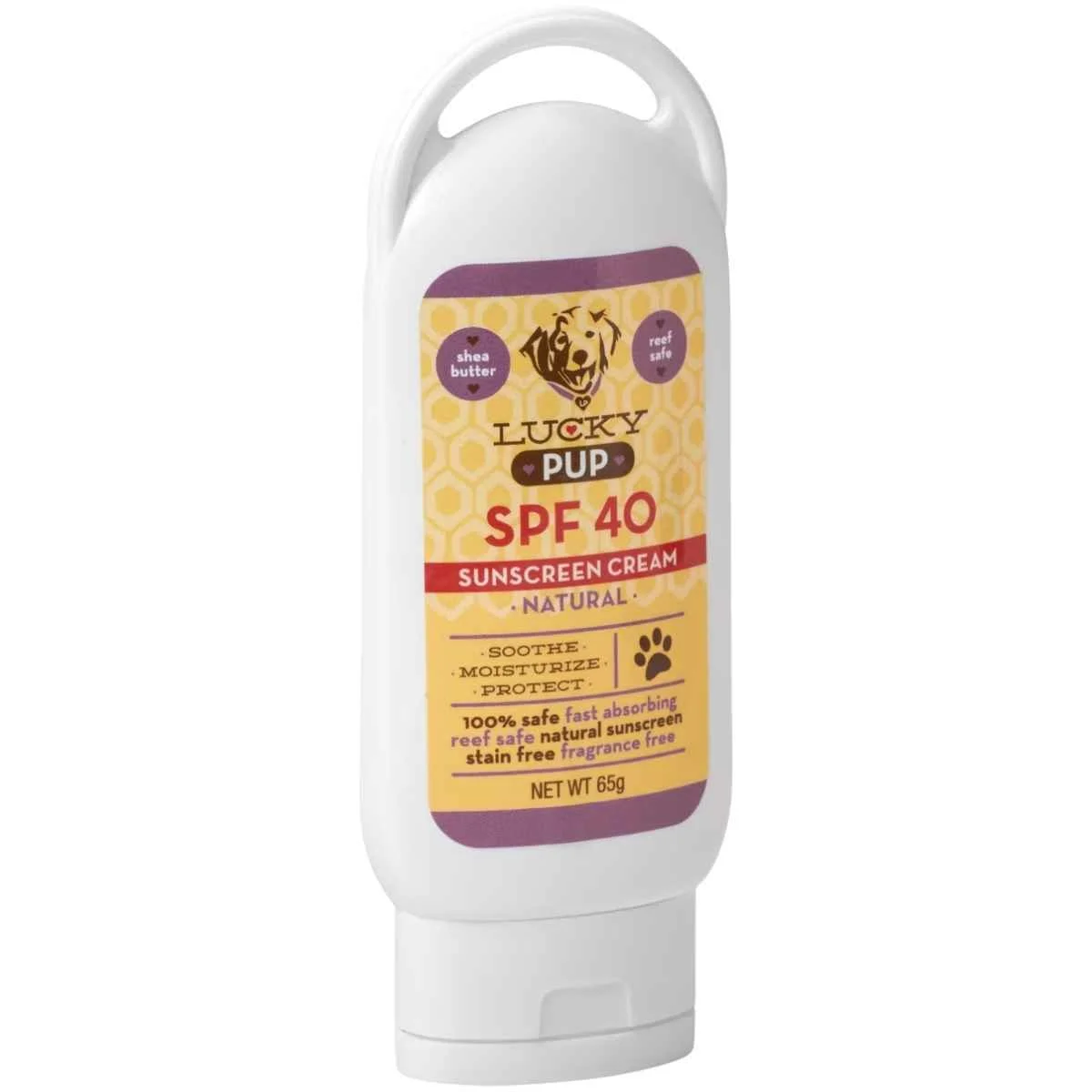
3. Lucky Puppy Sunscreen Stick
For the beach-loving retriever, this waterproof mineral dog sunscreen for swimming is a must-have. The stick format allows for a very thick application that resists washing away in the surf. It is completely fragrance-free and fits easily in a hiking pack.
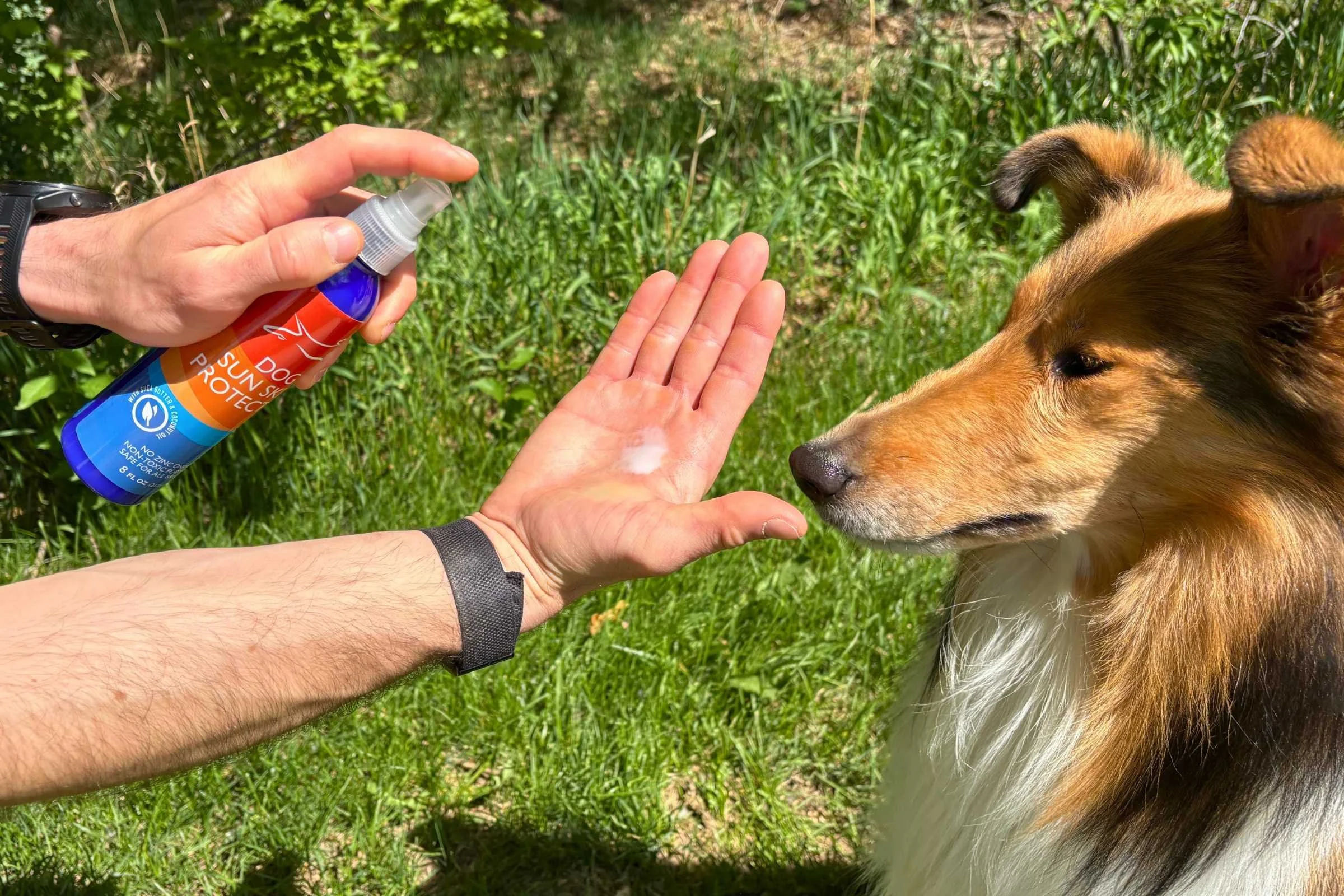
4. Bodhi Dog Sunscreen Spray
Bodhi Dog focuses on Fragrance-Free Formulas that are gentle on the skin. It utilizes a blend of natural oils alongside UV filters. While it is the best non-aerosol dog sunscreen for sensitive pets, it is not waterproof, so you will need to reapply it more frequently if your dog is playing in the sprinklers.
5. Warren London Dog Sunscreen
This is often cited as the best dog sunscreen for white fur dogs because the infused aloe vera helps condition the coat while the UV filters prevent "pink skin" beneath the hair. It is a light mist that doesn't leave the fur feeling "crunchy" or sticky.
6. Petkin Sunscreen Wipes
A dog sunscreen wipes vs spray comparison usually comes down to convenience. While wipes have a lower SPF equivalent, they are unbeatable for quick touch-ups on a walk. They are particularly useful for cleaning and protecting the ear flaps of dogs with upright ears.
Breed Vulnerability: Who Needs It Most?
Not every dog requires a full-body slathering of sunblock, but for certain breeds, it is a medical necessity. Dogs with Pink Skin Pigmentation are at the highest risk for solar dermatitis. This condition can quickly progress to Squamous Cell Carcinoma, an aggressive form of skin cancer that often requires surgical intervention.
High-risk categories include:
- Hairless Breeds: Xoloitzcuintli and Chinese Crested dogs need daily full-body application.
- Thin-Coated Breeds: Whippets, Greyhounds, and Pit Bulls often have very sparse fur on their bellies and chests.
- White-Haired Dogs: White Boxers or Bull Terriers lack the protective melanin found in darker-pigmented skin.
Pet owners should also be aware of Reflected Radiation. UV rays don't just come from above; they bounce off sand, water, and even light-colored concrete. This is why the belly and groin area often suffer from "hidden" sunburns even if the dog has thick fur on its back.
How to Apply Sunscreen to Your Dog Effectively
Applying dog safe sunblock for nose and ears requires a bit of strategy. To ensure the product provides the intended level of protection, follow the "20-Minute Rule." Apply the sunscreen 15 to 20 minutes before heading outside. This allows for proper absorption and prevents the product from being immediately rubbed off on the grass or the car seat.
When using a dog sunscreen for nose and ears, apply a generous layer to the bridge of the nose and the very tips of the ear flaps. If you are using a spray for the belly or legs, be sure to rub it in by hand to ensure it reaches the skin rather than just sitting on top of the fur.
Supervision is vital during the drying phase. To prevent the ingestion of active ingredients, distract your dog with a chew toy or a short indoor training session until the sunscreen is dry to the touch. Reapplication is the most overlooked step; most formulas require a fresh coat every two to four hours, especially if your dog is swimming or heavy panting is causing moisture buildup on the snout.

FAQ
Do dogs actually need sunscreen?
Yes, particularly if they have thin fur, light skin, or spend significant time outdoors. Sun exposure can lead to painful burns, hair loss, and various forms of skin cancer like squamous cell carcinoma. Even dogs with thick coats need protection on exposed areas like the bridge of the nose and the belly, where fur is sparse and skin is often pink.
Can I use human sunscreen on a dog?
No. Human sunscreens frequently contain toxic ingredients such as zinc oxide and salicylates. While these are safe for human skin, they can cause severe illness, including red blood cell damage, if a dog licks and ingests them. Always use a formula specifically labeled as safe for canine use.
Is zinc oxide toxic to dogs?
Yes, zinc oxide is highly toxic to dogs if ingested. Since dogs are prone to licking their skin and fur, applying a product containing zinc oxide creates a high risk of zinc poisoning. Symptoms of toxicity include vomiting, diarrhea, and lethargy, and it can lead to severe complications like hemolytic anemia.
How do I apply sunscreen to my dog's nose?
Apply a small amount of balm or lotion to your fingertip and gently rub it onto the bridge of the nose, avoiding the nostrils. It is best to use a thick balm that stays in place. Use treats or a "long-lasting" lick mat to keep your dog occupied for 10-15 minutes after application so the product has time to dry and absorb before they try to lick it off.
How often should you reapply dog sunscreen?
Most veterinary dermatologists recommend reapplying sunscreen every two to four hours during continuous sun exposure. Reapply more frequently—every 60 to 90 minutes—if your dog is swimming or running through wet grass, as even waterproof formulas can wear off with friction and moisture.