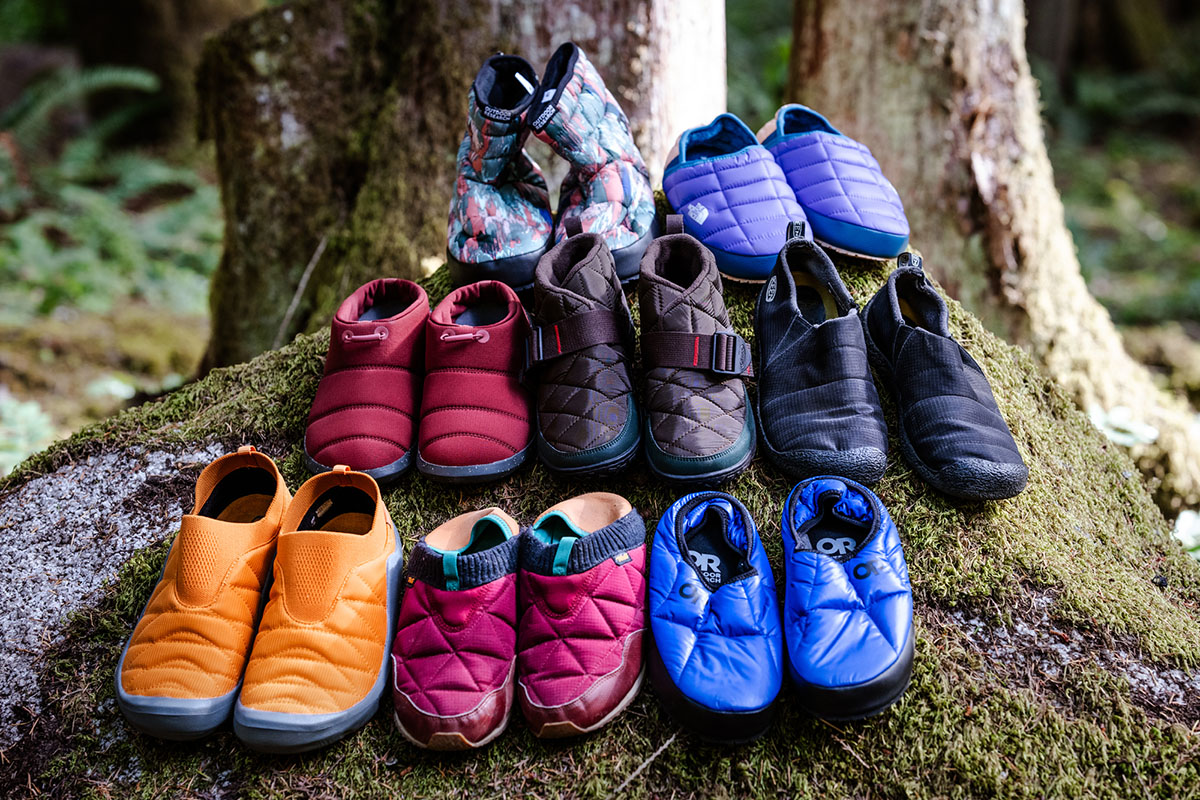
Our Top Picks
- Best Overall: The North Face ThermoBall Traction Mules V provide the perfect balance of synthetic warmth and a durable rubber outsole for all-around camp life.
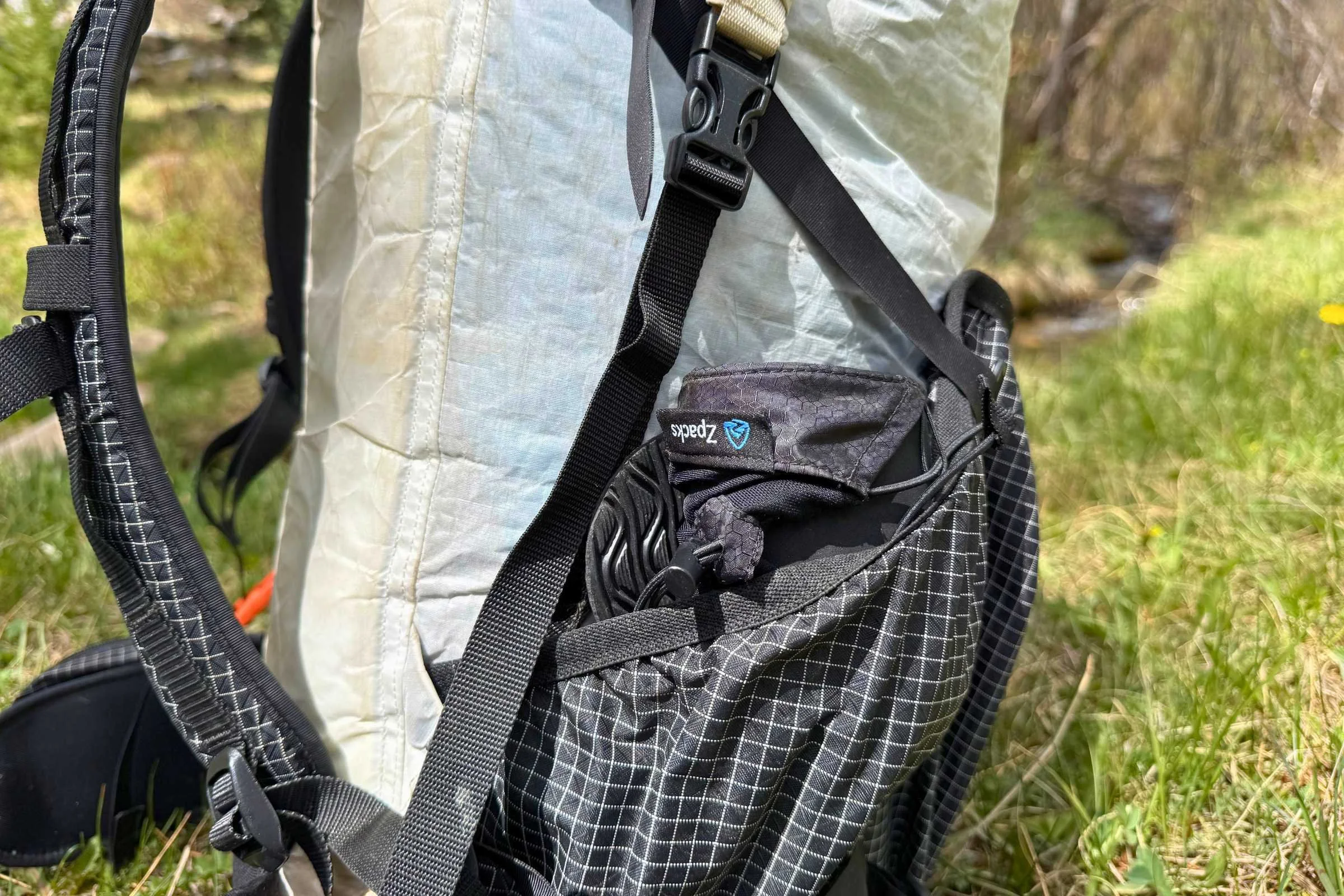
- Best for Backpacking: Zpacks Ultralight slippers offer a nearly weightless transition for tired feet, while Xero Shoes Pagosa provide a minimalist, packable alternative.
- Best for Recovery: Oofos Ooahh Slide utilizes proprietary foam technology to maximize impact absorption and foot relief after high-mileage days.
- Best for Cold Weather: Feathered Friends Down Booties remain the gold standard with 800-fill power down for extreme alpine insulation.
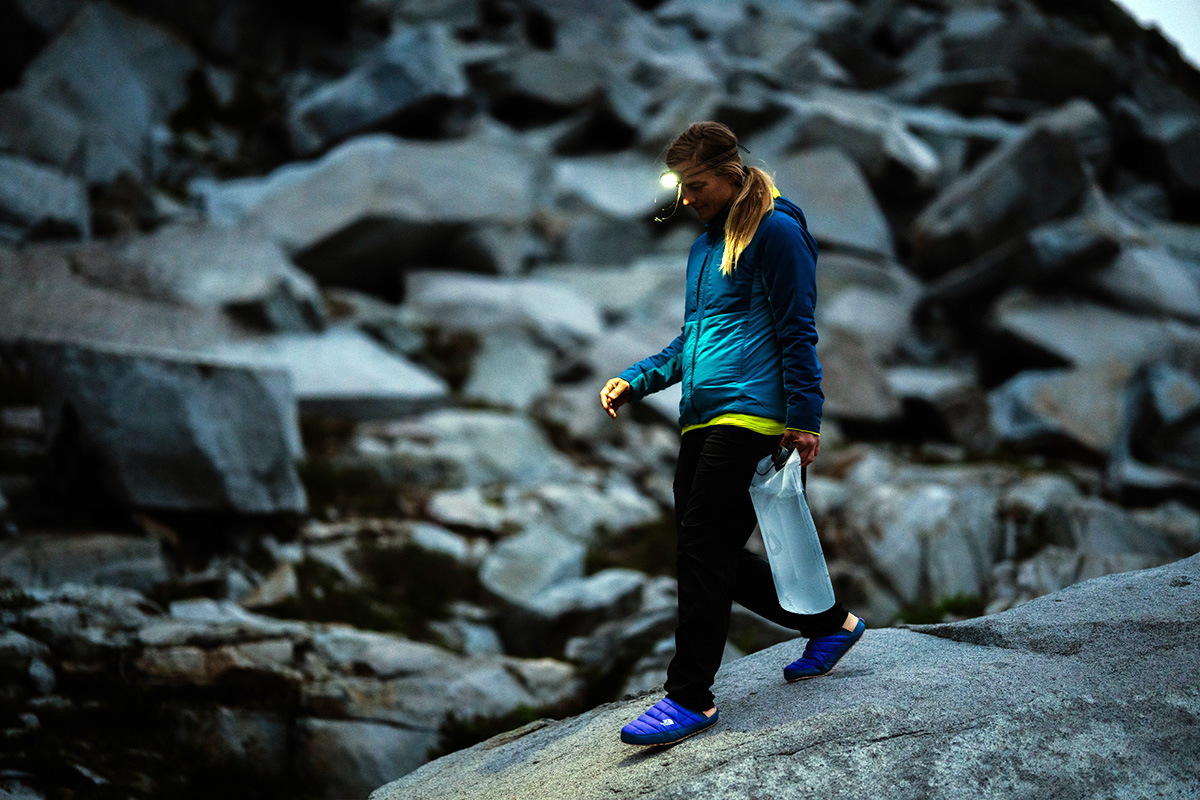
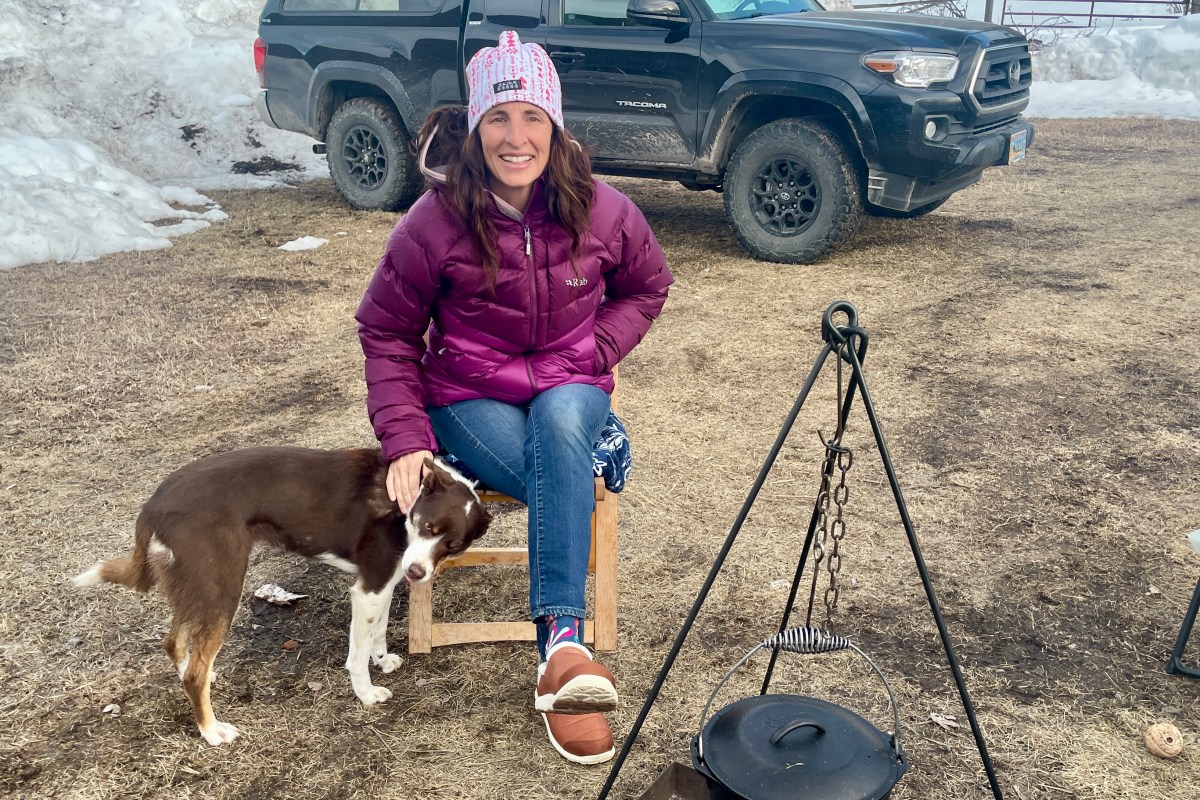
The North Face ThermoBall Traction Mules V are the top choice for overall performance, offering a blend of plush warmth and reliable traction. These slipper-style shoes feature synthetic insulation that mimics down, a soft fleece lining, and a collapsible heel for convenience. They excel in versatility, performing well for car camping, van life, and lounging around basecamp or at home.
The Evolution of Post-Trail Comfort
There is a specific, almost spiritual moment at the end of a twenty-mile day when you unlace your sweat-soaked boots and let your feet breathe. In the past, hikers either suffered through the evening in heavy leather boots or carried heavy rubber clogs that dangled awkwardly from their packs. That era is over. The global recovery footwear market is projected to reach approximately $18.24 billion in 2026 as demand for specialized post-activity relief grows among outdoor enthusiasts and athletes alike.
Modern best camp shoes are no longer an afterthought. They are engineered pieces of equipment. Advanced recovery footwear designs are now capable of being engineered to reduce ankle exertion by up to 20% and provide 37% more impact absorption than traditional foam materials found in standard sneakers. This shift in technology means your camp footwear is working to repair your body while you are boiling water for your dehydrated meal. Currently, North America holds the largest share of the global recovery footwear market, accounting for approximately 40% of total industry revenue.
Field Testing Methodology
To bring you this list of the best camp shoes of 2026, our team spent 55 nights in the backcountry, spanning environments from the wind-scoured plateaus of Southern Patagonia to the jagged granite of the Teton Range. We evaluated every pair of footwear on four primary metrics: weight-to-comfort ratio, traction on wet surfaces, packability, and durability.
For thru-hikers, a camp shoe that takes up too much pack volume is a liability. For alpine basecamp use, a shoe that cannot handle a midnight bathroom run in the snow is a failure. We wore these shoes through creek crossings, on hut trips, and around van life setups to see which models truly earned their place in a modern gear haul.
Comparison Table: 2026 Camp Footwear Specifications
| Model | Weight (Pair) | Primary Use | Traction Rating | Comfort (1-10) |
|---|---|---|---|---|
| TNF ThermoBall Mules | 14.2 oz | Best Overall / Van Life | 8/10 | 9 |
| Zpacks Ultralight | 2.3 oz | Ultralight Backpacking | 3/10 | 6 |
| Xero Shoes Pagosa | 4.8 oz | Lightweight Backpacking | 5/10 | 7 |
| Oofos Ooahh Slide | 12.0 oz | Active Recovery | 4/10 | 10 |
| Feathered Friends | 9.0 oz | Cold Weather / Alpine | 2/10 | 9 |
| Bedrock Mountain Clog | 22.0 oz | Rugged Durability | 10/10 | 8 |
Best Backpacking Camp Shoes: Lightweight & Packable
When every gram counts, the decision to carry a second pair of shoes is often a point of contention among minimalist hikers. However, the psychological and physical benefits of removing trail shoes are undeniable. For those seeking lightweight packable camp shoes for backpacking, the Zpacks Ultralight (2.3 oz) and Xero Shoes Pagosa Fireside Slippers are the peak of efficiency.
The Zpacks Ultralight is essentially a reinforced sock with a thin, water-resistant sole. It offers almost no protection against sharp rocks but provides a heavenly reprieve from wet trail shoes inside a tent or mountain hut. On the other hand, the Xero Shoes Pagosa Fireside Slippers (4.8 oz) utilize a minimalist footwear philosophy with a thin, flexible sole that allows for natural foot splay and alignment. These are excellent ultralight camp slippers with grippy soles for hut trips where you might need to navigate a wooden floor or a gravel path to the privy.
For those who prefer air over insulation, the Luna Sandals Leadville Pacer provides superior breathability and quick-drying capabilities. These are indispensable backpacking camp shoes for trips involving frequent creek crossings, as they provide enough protection to keep your feet safe while allowing them to dry instantly in the sun.
Best Insulated Camp Booties for Cold Weather
When the temperature drops below freezing, the priority shifts from breathability to heat retention. High-quality insulated camp booties are essential for cold-weather environments like alpine basecamps or late-season hunts.
The Feathered Friends Down Booties are our top pick for high-altitude pursuits. Filled with 800-fill power down, they feature a modular design with a removable weather-resistant shell. This allows you to wear the insulated inner liner inside your sleeping bag for extra warmth while keeping the outer shell dry for trips outside. If you are worried about moisture, the Rab Cirrus Hut Slippers utilize synthetic insulation and a moisture-wicking fleece lining that continues to perform even if it gets damp from snow or condensation.
These models are the ultimate après-ski footwear, providing a soft, DWR-coated nylon exterior that sheds light snow while you lounge by the fire or prepare gear for the next day's ascent. Using insulated camp booties for cold weather backpacking ensures that your extremities recover from the numbing cold of the trail, preventing the restrictive circulation issues common with keeping wet socks on overnight.
Best Recovery Sandals for Professional Hikers
The concept of recovery sandals for hikers has exploded in popularity, driven by the need to manage foot fatigue and chronic issues like plantar fasciitis. Unlike standard flip-flops, recovery footwear is built with specialized EVA foam cushioning that absorbs shock rather than just acting as a barrier.
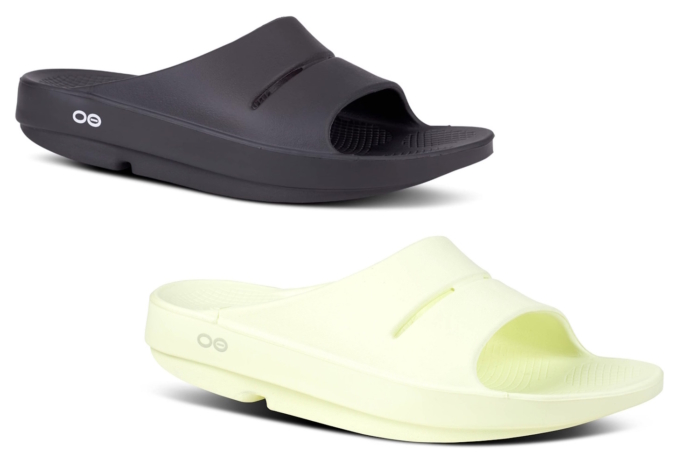
The Oofos Ooahh Slide is arguably the most recognizable name in this space. These are recovery slides for hikers after long distance efforts, offering unparalleled arch support that helps the foot transition back to its natural shape after being compressed in a hiking boot for ten hours. During our testing, these offered the best camp sandals with arch support for foot relief, significantly reducing the "morning hobble" often felt after high-intensity mileage.
Hoka has also entered this space with the Ora Recovery Slide, which features their signature rocking sole geometry. This design encourages a natural gait and further reduces the strain on the wearer's joints. Whether you are a professional guide or a weekend warrior, these sandals provide the necessary support to ensure your feet are ready for another push the following morning.
Heavy-Duty & Durable: Best for Van Life & Basecamp
For those who live out of their vehicles or spend weeks at a single basecamp, packability is less of a concern than durability. You need most durable camp shoes for rugged outdoor environments that can handle mud, sharp rocks, and occasional town visits.
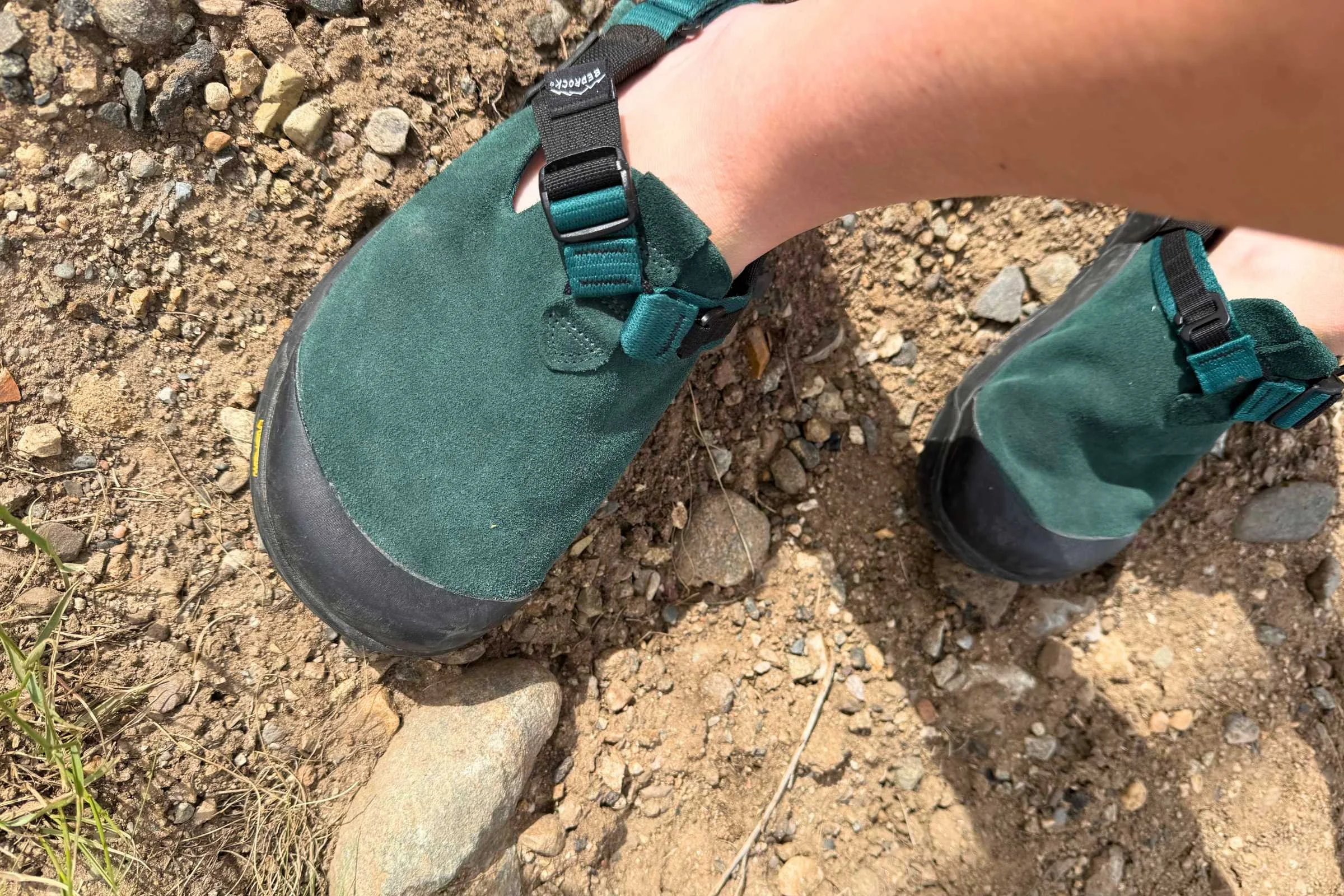
The Bedrock Mountain Clog is a standout performer in this category. Featuring a Vibram Megagrip outsole, this shoe offers the traction of a high-end trail runner with the ease of a slip-on. It is an essential piece of van life gear, durable enough to chop wood in and stylish enough to wear into a mountain town brewery.
Similarly, the Chaco Z/Cloud sandals continue to be a favorite. While they are heavier than minimalist options, their longevity is legendary. They offer a secure fit with a webbing system that doesn't fail, making them the best camp shoes for navigating wet granite during river trips or established campgrounds where you might be walking miles to reach a trailhead or a camp store.
Tested & Dismissed: Why We Skipped Popular Models
In our quest to find the best camp shoes, we tested several models that didn't make the final cut. While classic foam clogs like Crocs are incredibly common, we ultimately found them too bulky for serious backpacking camp shoes. Their lack of packability makes them a chore to carry, and their traction on wet, steep terrain around an alpine basecamp left a lot to be desired.
We also dismissed several generic "dollar store" flip-flops. While they are the lightest option available, they offer zero impact absorption and are prone to strap failures at the worst possible moments. A camp shoe that breaks three miles into a backcountry trip is just dead weight. We also found that many low-cost insulated slippers lacked any form of weather resistance, quickly becoming waterlogged sponges when exposed to morning dew or light rain. Our list focuses on gear that enhances the experience, not gear that complicates it.
How to Choose the Perfect Camp Shoes
Finding your ideal pair involves balancing three primary constraints: weight, protection, and warmth.
- Weight vs. Utility: If you are a thru-hiker on the Pacific Crest Trail, every ounce is a tax. Stick to Zpacks or Xero. If you are car camping, the comfort of the TNF Mules or Bedrock Clogs is worth the extra weight.
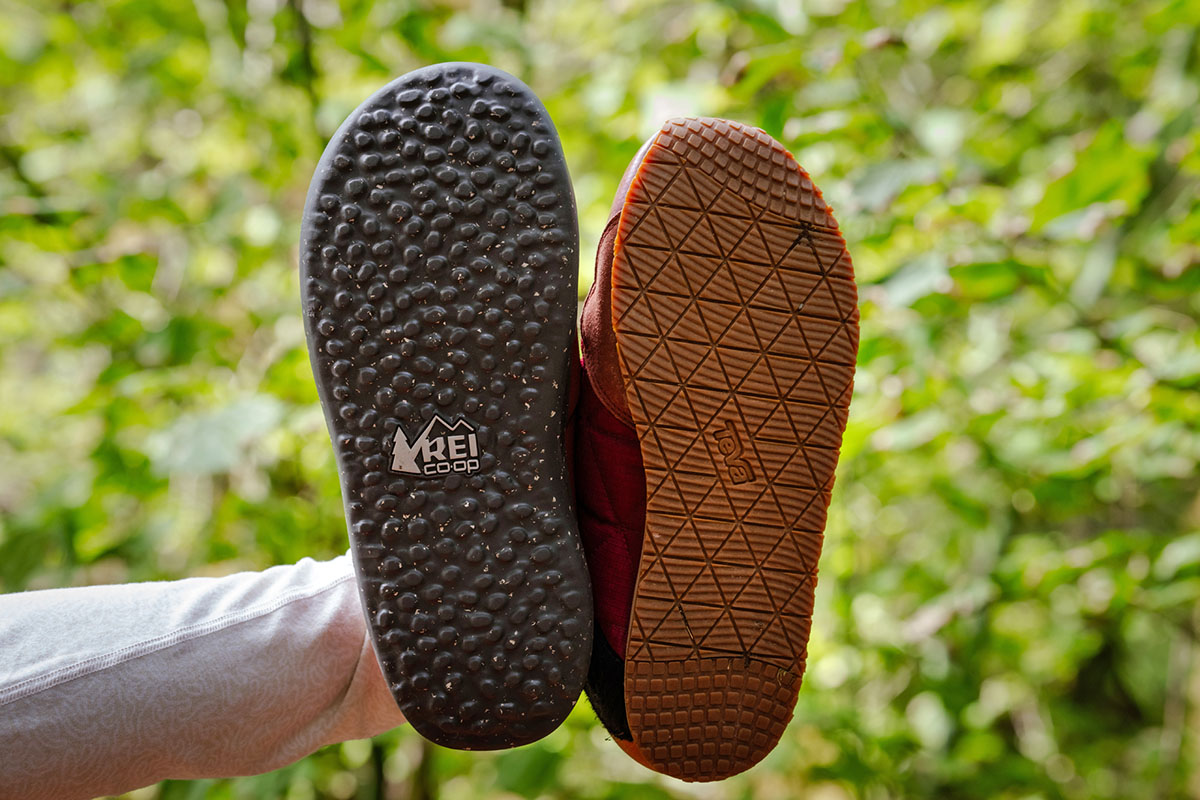
- Environment Needs: For desert hiking, sandals are king. For alpine routes, you need insulation and PFAS-free materials that can handle the cold. Consider the outsole lug depth if you plan on navigating wet granite or mud around camp.
- Sizing and Fit: This is crucial. For insulated models like the TNF ThermoBall, we recommend sizing up if you plan on wearing thick wool socks. For recovery slides, ensure the arch support hits your foot in the correct location to maximize the benefits of the specialized foam.
FAQ
What are the benefits of using camp shoes?
Camp shoes allow your feet to breathe and recover by providing a change in pressure points and increased airflow compared to your primary hiking boots. They also help keep your sleeping area clean by providing a dedicated pair of footwear for outside the tent, while recovery-specific models use specialized foam to reduce inflammation and joint strain.
Are camp shoes necessary for backpacking?
While not strictly necessary, most backpackers find them highly beneficial for foot health and camp comfort. They provide a vital relief for feet after long trail days, and having a lightweight pair of shoes makes chores like collecting water or visiting a nearby viewpoint much more enjoyable than putting back on stiff, wet boots.
What features should I look for in high-quality camp shoes?
Look for a balance of low weight, packability, and sufficient protection for your specific terrain. Key features include a collapsible heel for easy entry, a slip-resistant outsole for safety on wet rocks, and materials that are either quick-drying or highly insulated depending on the season.
Are sandals or closed-toe shoes better for camping?
Sandals offer superior breathability and are better for river crossings or hot weather. Closed-toe shoes, especially those with synthetic or down insulation, are better for protecting against stubbed toes, keeping out dirt and debris, and maintaining warmth in cold or high-altitude environments.
What are the best camp shoes for cold weather conditions?
The best choices for cold weather are insulated camp booties like those from Feathered Friends, Outdoor Research, or Rab. Look for models with a high fill power down or advanced synthetic insulation, a DWR-coated shell to shed moisture, and a fleece lining for immediate skin-to-fabric comfort.