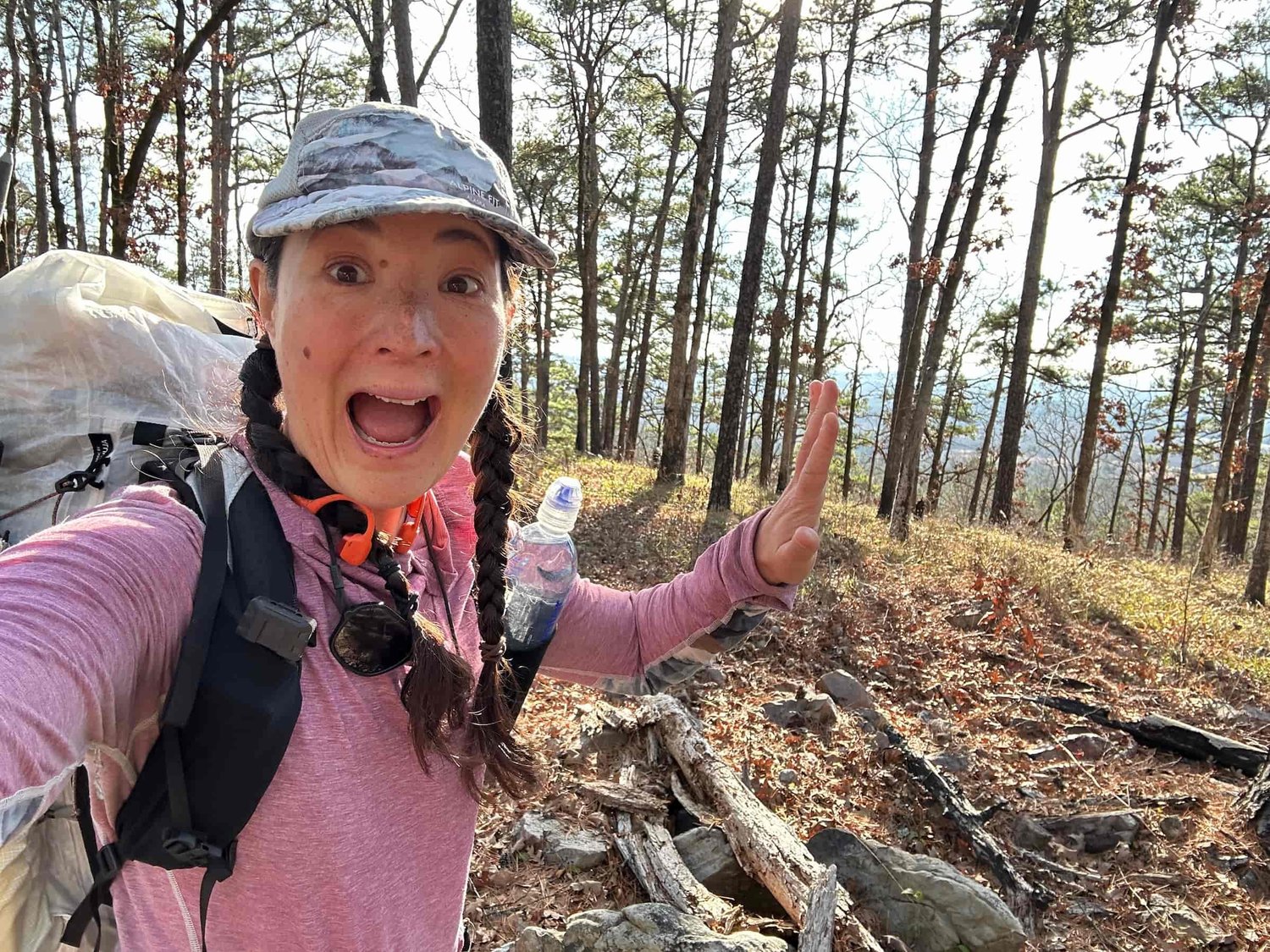
Quick Facts
- Distance: 223 miles from Talimena State Park to Pinnacle Mountain
- Total Elevation: Approximately 34,000 feet of total gain
- Winter Temperatures: Volatile range from 15°F to 70°F
- Key Resupply: Bluebell Cafe (Mile 122) and Queen Wilhelmina State Park
- Terrain Type: Rugged, notoriously rocky, and often leaf-covered
- Infrastructure: 21 established shelters strategically placed along the route
- Primary Gear Focus: R-value efficiency and variable moisture management
For a winter thru-hike of the 223-mile Ouachita Trail, prioritize a high R-value sleeping pad and a 1000-fill down jacket to handle temperatures that often drop into the teens. Managing your Ouachita Trail gear requires a balance between preparing for sub-freezing nights on the Arkansas-Oklahoma border and breathable layers for humid, 60-degree afternoons.
The Winter Ouachita Challenge: Why Your Gear Matters
Transitioning from Oklahoma to Arkansas, winter thru-hiking the Ouachita Trail offers solitude and beauty but requires specific Ouachita Trail gear to survive 60-degree temperature swings. Unlike the well-trodden Appalachian Trail, the Ouachita (pronounced Wash-i-tah) provides a remote experience where the gear you carry is your only safety net against the unpredictable weather of the South.
The Ouachita National Recreation Trail spans 223 miles across the rugged landscape of the Arkansas-Oklahoma border, with elevations ranging from approximately 300 feet at its eastern end to a peak of 2,610 feet on Rich Mountain. This elevation gain, while modest compared to the Rockies, is deceptive. The constant "Pinhoti-style" ups and downs through the Ouachita National Forest create a physical demand that requires lightweight, high-performance equipment.
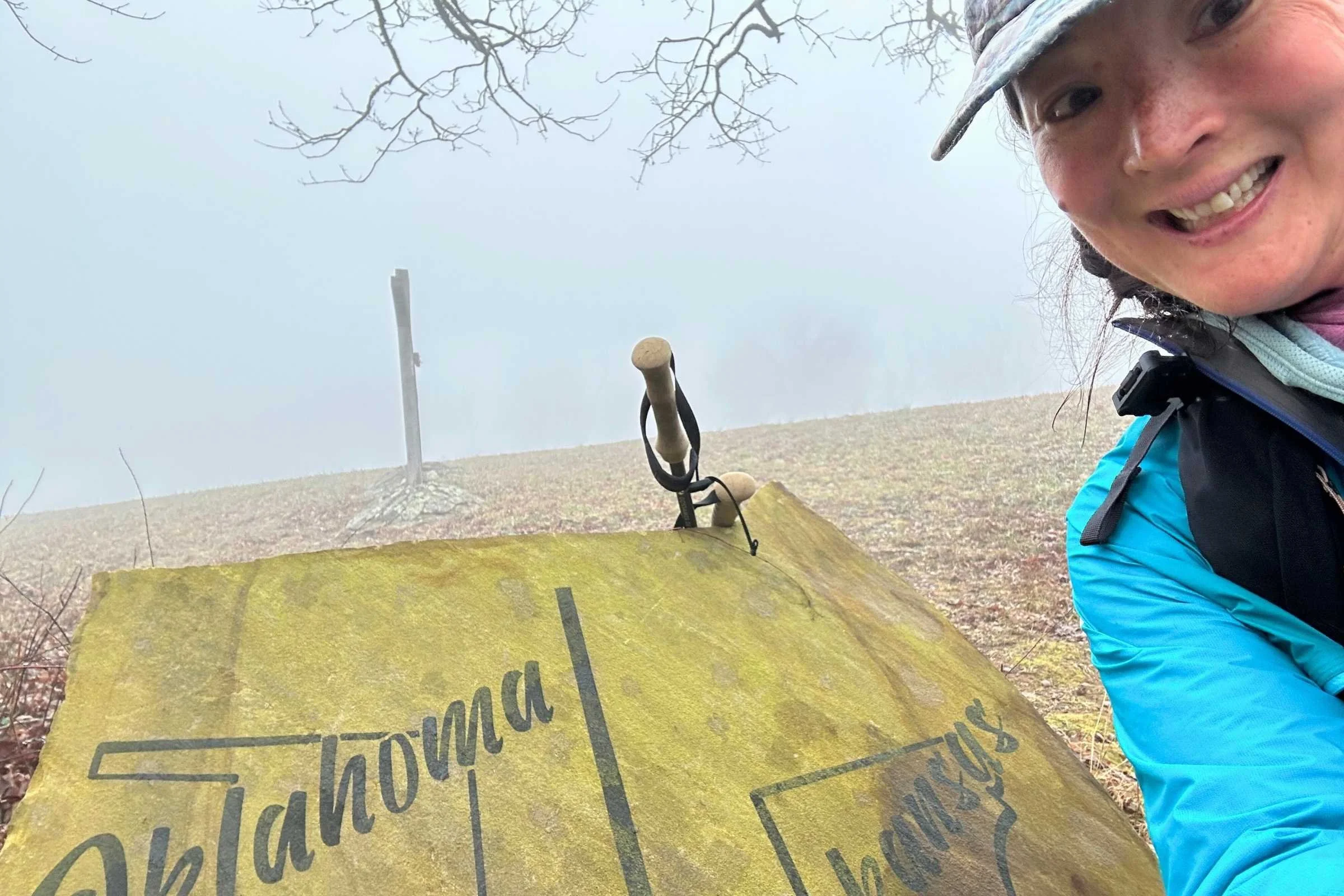
During the winter months of December and January, hikers encounter an average high temperature of 50°F and an average low of 29°F, though nighttime temperatures frequently drop into the teens. This wide diurnal range is the greatest challenge for winter thru-hiking. One moment you are sweating up a 1,000-foot climb in the sun, and the next, you are shivering as a cold front sweeps through the valley.
Furthermore, the trail infrastructure is a highlight for many. There are 21 established shelters along its route, including 12 newer-style shelters on the western end that come equipped with covered porches and gravel flooring. While these provide excellent protection from rain, they are essentially wind tunnels in the winter, making your sleep system the most critical component of your backpacking the Ouachita Trail strategy.
1. High-Efficiency Sleep System: Pad & Quilt
When the sun sets at 5:00 PM in the Ouachita National Forest, the temperature can plummet 20 degrees in an hour. Your sleep system is not just for comfort; it is your recovery station. For winter thru-hiking essentials, I recommend moving away from the "summer-weight" mindset.
- High R-Value Sleeping Pad: Ground chill is the primary cause of heat loss when sleeping in shelters or on frozen Arkansas soil. You should target an R-value of 4.5 to 5.0 at a minimum. Using an inflatable pad with an R-value efficiency rating designed for four-season use ensures that the cold stays in the ground and your body heat stays in your quilt. Many hikers find that bringing a best high R-value sleeping pads for winter choice, like the Therm-a-Rest NeoAir XTherm, provides that extra buffer needed when 15°F nights occur.
- 1000-fill Down Quilt or Bag: To keep your pack weight down while ensuring maximum warmth, look for insulation utilizing 1000-fill goose down. A quilt or sleeping bag rated to at least 20°F is the "sweet spot" for this trail. The high loft of 1000-fill down provides an incredible warmth-to-weight ratio, allowing you to compress your kit easily during the day while enjoying plush warmth at night.
Pro-Tip: If you are using a hammock, an underquilt is non-negotiable here. The wind-chill factor in the Ouachita Mountains can make a 30-degree night feel like 10-degrees for anyone suspended in the air.
2. Dynamic Layering for Arkansas Weather Swings
Backpacking the Ouachita Trail in winter requires a "chess match" approach to clothing. You are constantly adding and removing layers to prevent sweating, which can lead to hypothermia once you stop moving.
A lightweight down jackets for Arkansas winter hiking choice should be your "static" layer—the piece you put on the second you drop your pack at camp. Look for a jacket with a hood to protect your neck and head from the biting winds that roll off the ridges. In contrast, for active movement, a breathable sun hoodie or a mesh fleece (like Alpha Direct) is perfect. These garments allow wind to pass through when you’re working hard, preventing the buildup of moisture, but trap a surprising amount of heat once you throw a wind shell or rain jacket over them.
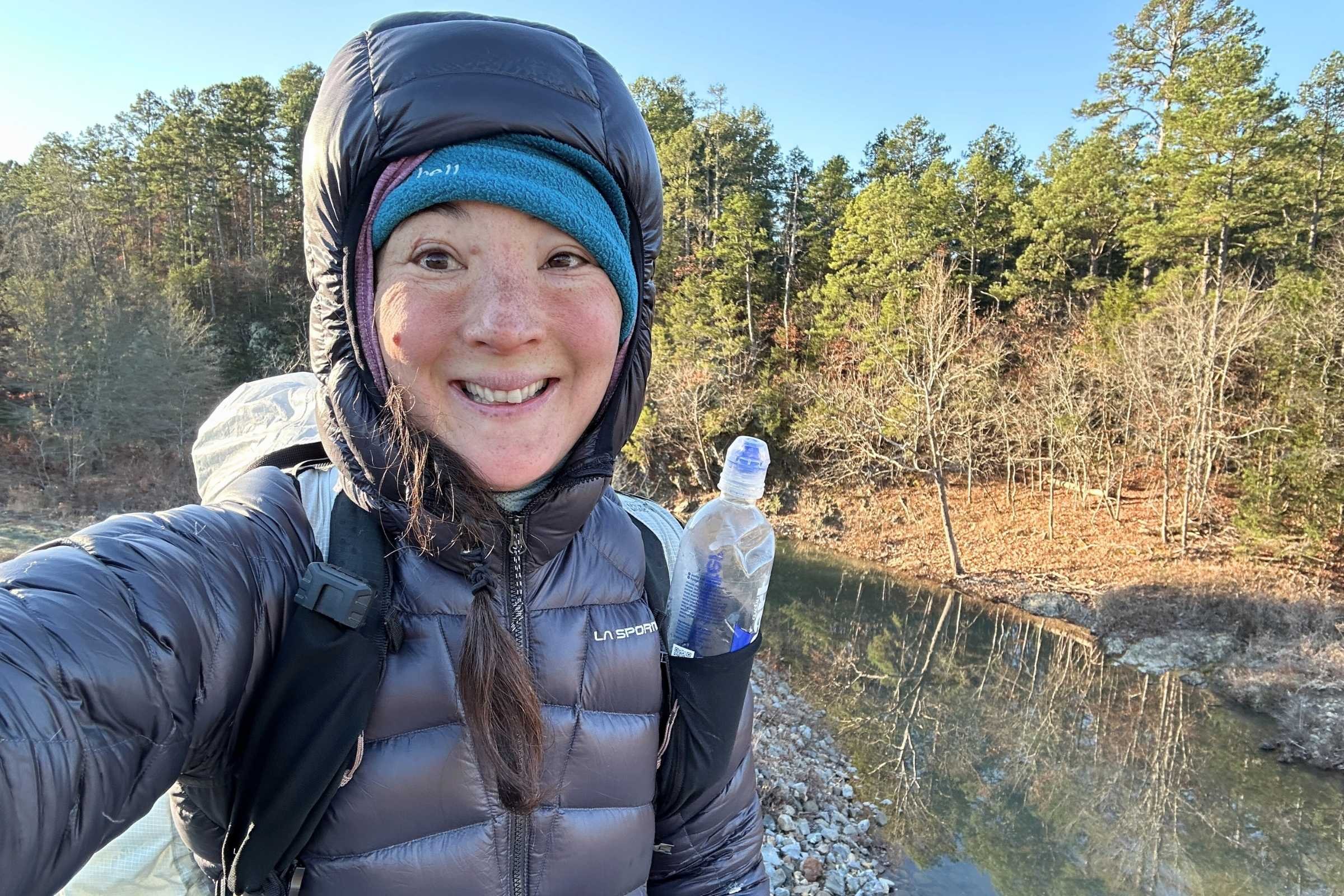
Sub-freezing mornings on the trail often require keeping your heavy insulation on well past sunrise. However, by noon, it isn't uncommon to be hiking in a single layer if the sun is out. This volatility is why versatile midlayers are among the most important winter thru-hiking essentials.
3. Footwear: Handling the 'Rock Factor'
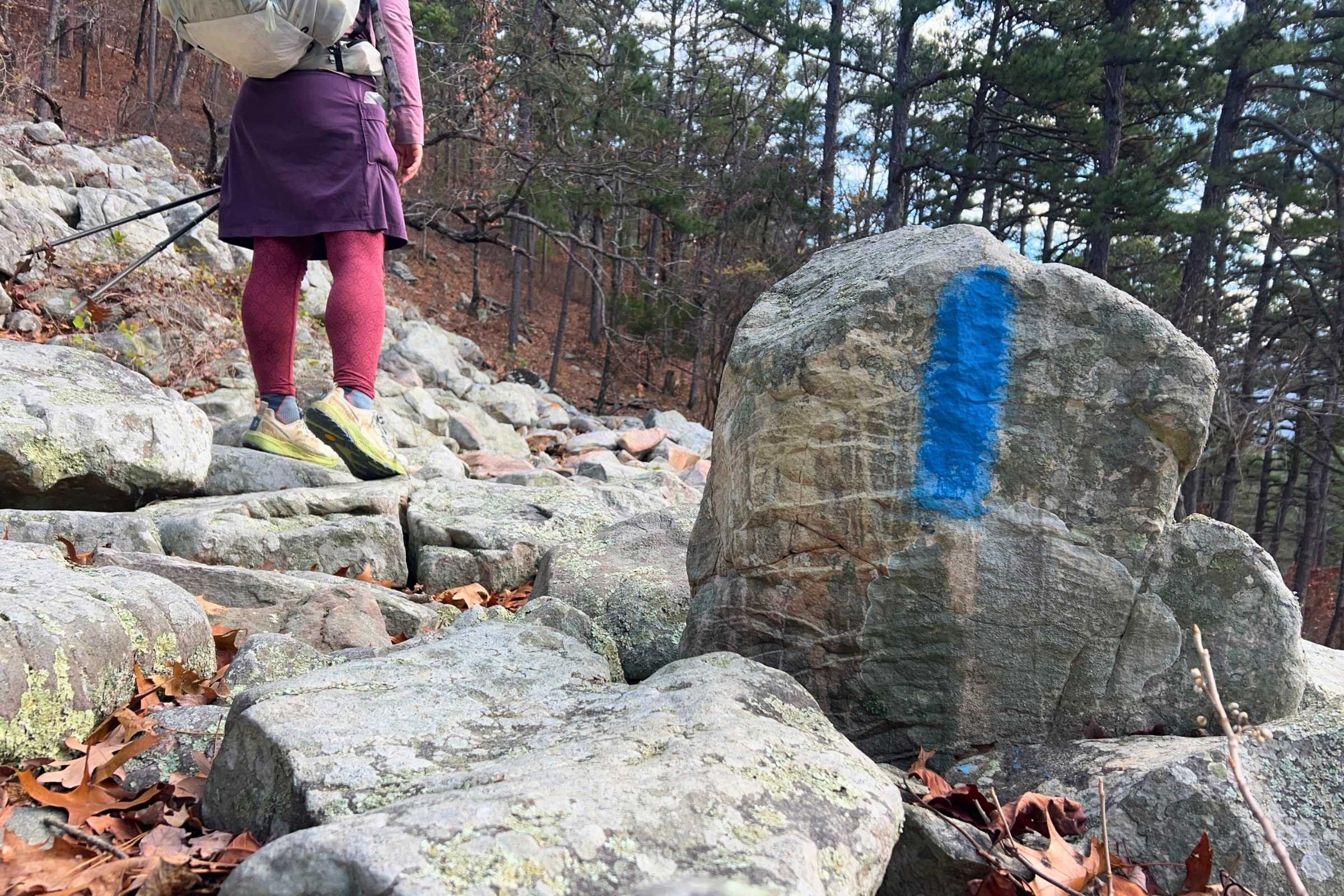
The western section of the Ouachita Trail—starting at Talimena State Park and running through Queen Wilhelmina State Park—is notorious for its "excessive rockiness." The trail is often a river of loose, golf-ball to football-sized stones hidden under a thick layer of oak and pine leaves.
| Feature | Recommended Specification | Why it Matters |
|---|---|---|
| Outsole | Vibram Megagrip | Superior traction on wet, mossy, or icy rocks. |
| Cushioning | High-Stack Height | Protects the soles of your feet from "bruising" on rocky sections. |
| Toe Box | Wide Foot Shape | Allows for natural foot swelling over 223 miles. |
| Drop | Zero or Low Drop | Improves stability on uneven, technical terrain. |
I recommend high-cushion trail runners for this environment. The Altra Timp or Olympus are popular choices because they provide the necessary protection against the jagged terrain of the Ouachita National Forest. Having best trail running shoes for rocky Ouachita Trail means you can maintain a higher mileage pace without the foot fatigue typical of thinner-soled minimalist shoes. Ensure your footwear has aggressive traction, as the combination of steep grades and slippery leaves can be treacherous.
4. Biological Hazards and Filter Care
One of the most surprising facts about Ouachita Trail winter hiking is that biological threats don't go on vacation. Arkansas is home to a unique climate where ticks can remain active as long as the ground isn't frozen solid.
Tick Prevention in Winter
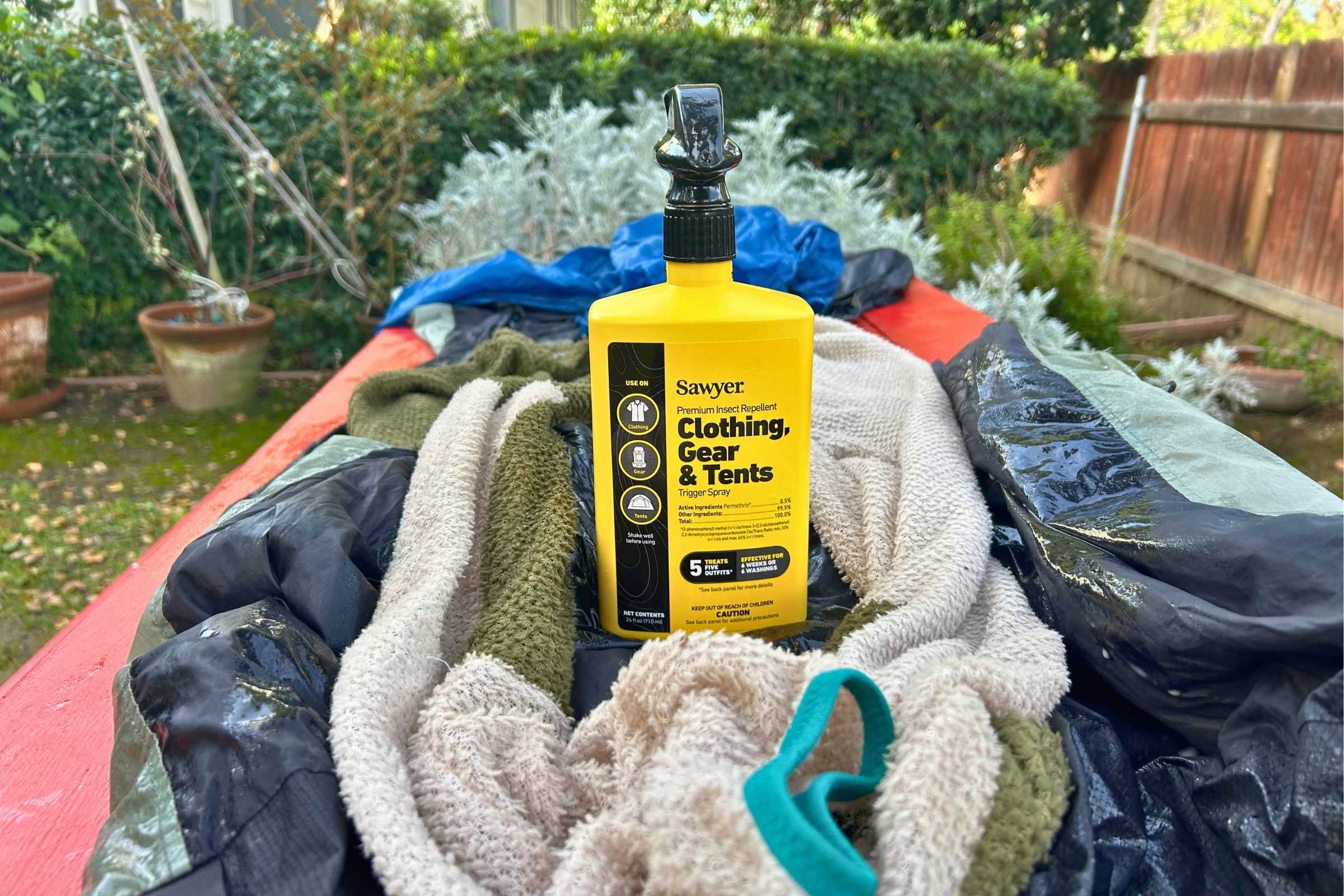
Many thru-hikers make the mistake of leaving their tick prevention for winter hiking in Arkansas at home. I highly recommend using permethrin-treated apparel. Permethrin is a textile treatment that repels and kills ticks on contact. Treating your socks, pants, and even your gaiters before you leave Talimena State Park is a low-weight way to ensure you don't bring any unwanted hitchhikers into your expensive 1000-fill goose down quilt at night.
Freezing Filter Hazards
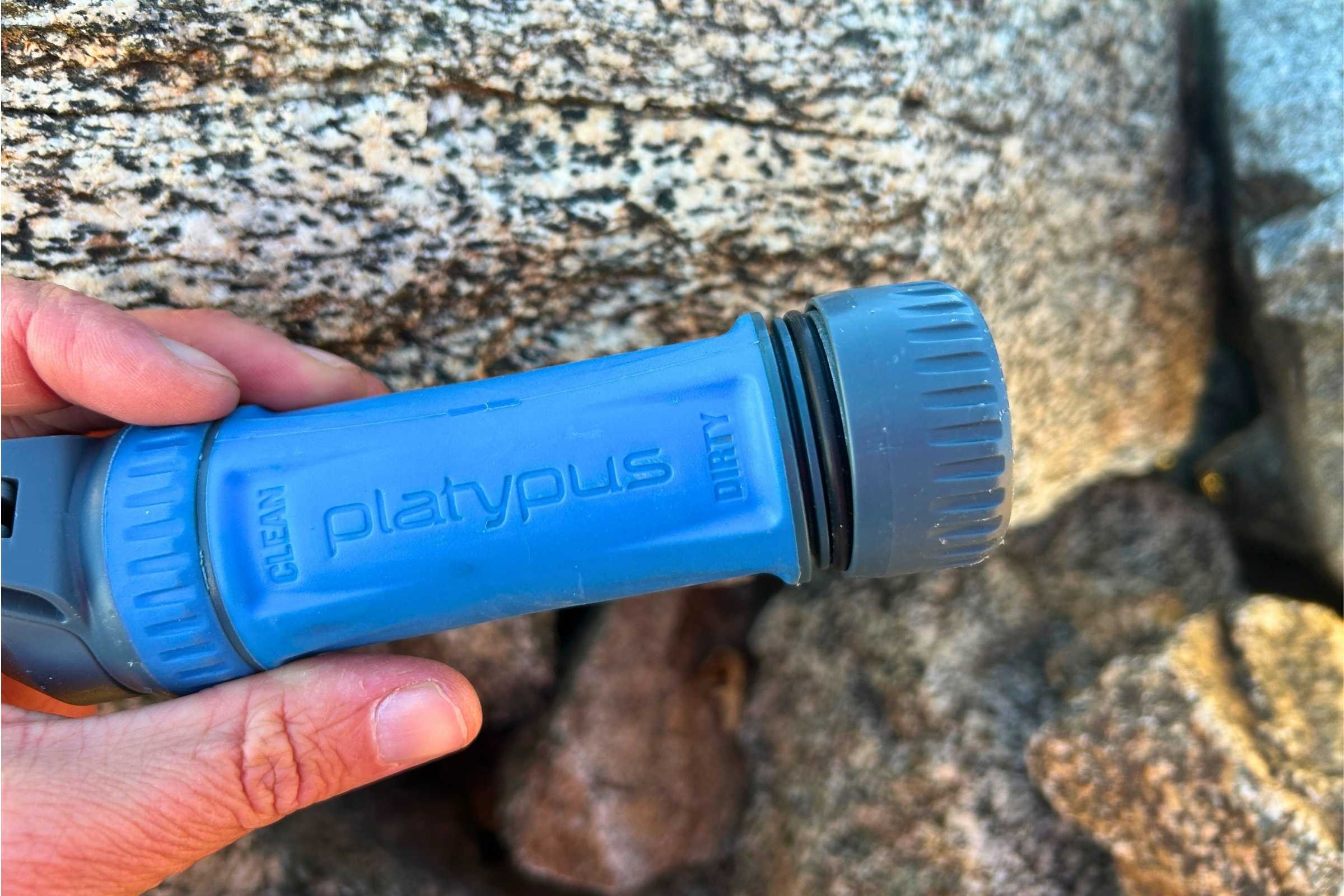
Water management is the second "stealth" challenge of the winter. Traditional hollow-fiber filters (like the Sawyer Squeeze) can be permanently damaged if the water inside them freezes and expands, causing microscopic cracks in the membrane. To prevent this, you must engage in preventing water filters from freezing when backpacking by sleeping with your filter in your sleeping bag.
I prefer a filter like the Platypus QuickDraw because its integrated caps make it much more hygienic and less likely to leak on you while you sleep. Furthermore, you must be prepared for water cache management. In the drier winter months, natural springs can slow down, and long stretches—sometimes up to 29 miles—may exist without consistent water. Utilizing the water caches maintained by the Ouachita Trail Blazers (an incredible volunteer group) is a vital part of your logistical planning.
5. Electronics and Camp Comfort
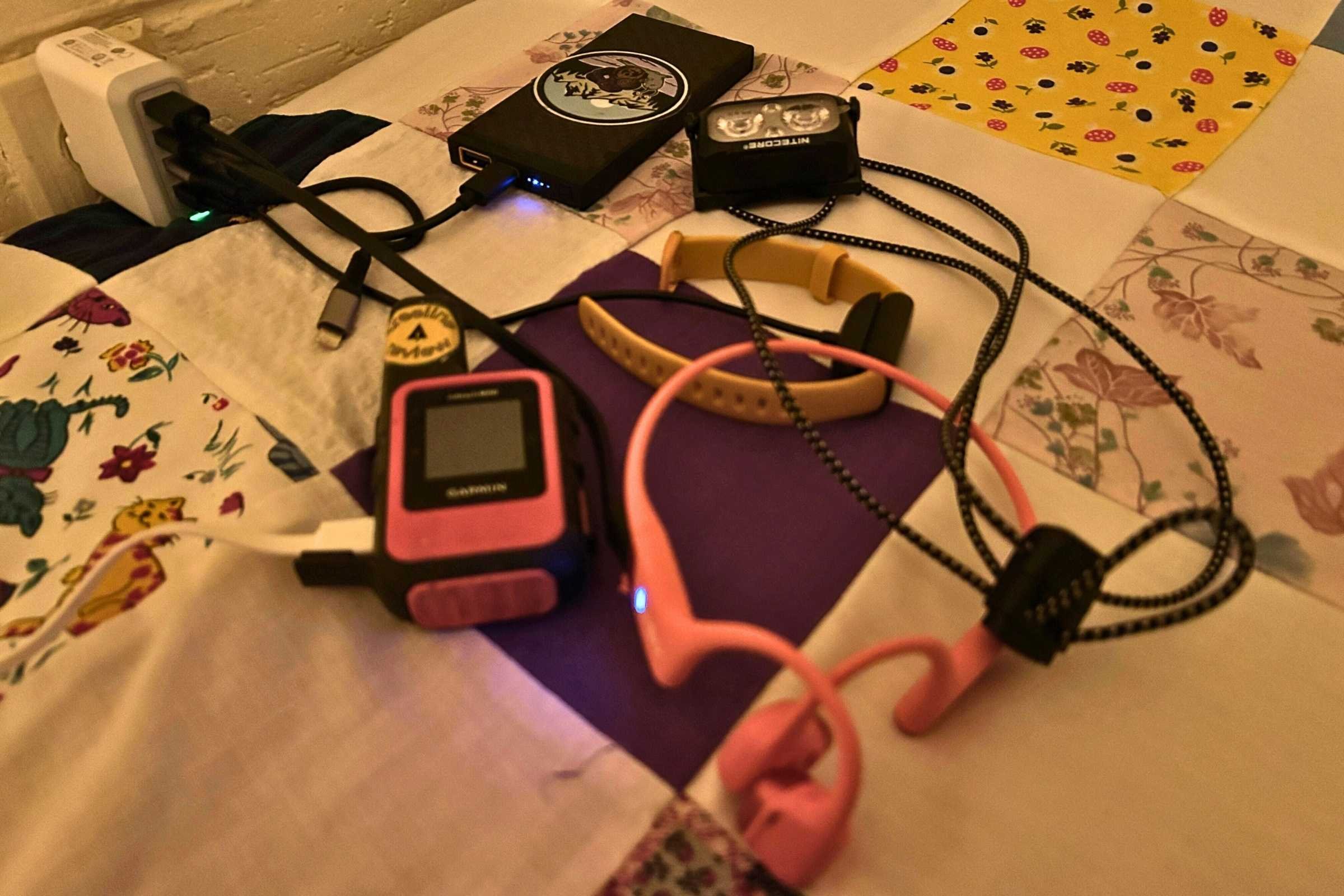
The short daylight hours of an Arkansas winter mean you will likely spend 12 to 14 hours at or in your shelter. This makes camp comfort and battery management a high priority for your Ouachita Trail gear list.
A fast-charging power bank is essential. Cold temperatures drain lithium-ion batteries significantly faster than warm weather. Keep your phone and power bank close to your body (in an internal pocket) during the day and in your quilt at night to maintain their charge. You’ll need every bit of juice for navigation apps like FarOut, especially in the western sections where the trail can be obscured by fallen leaves.
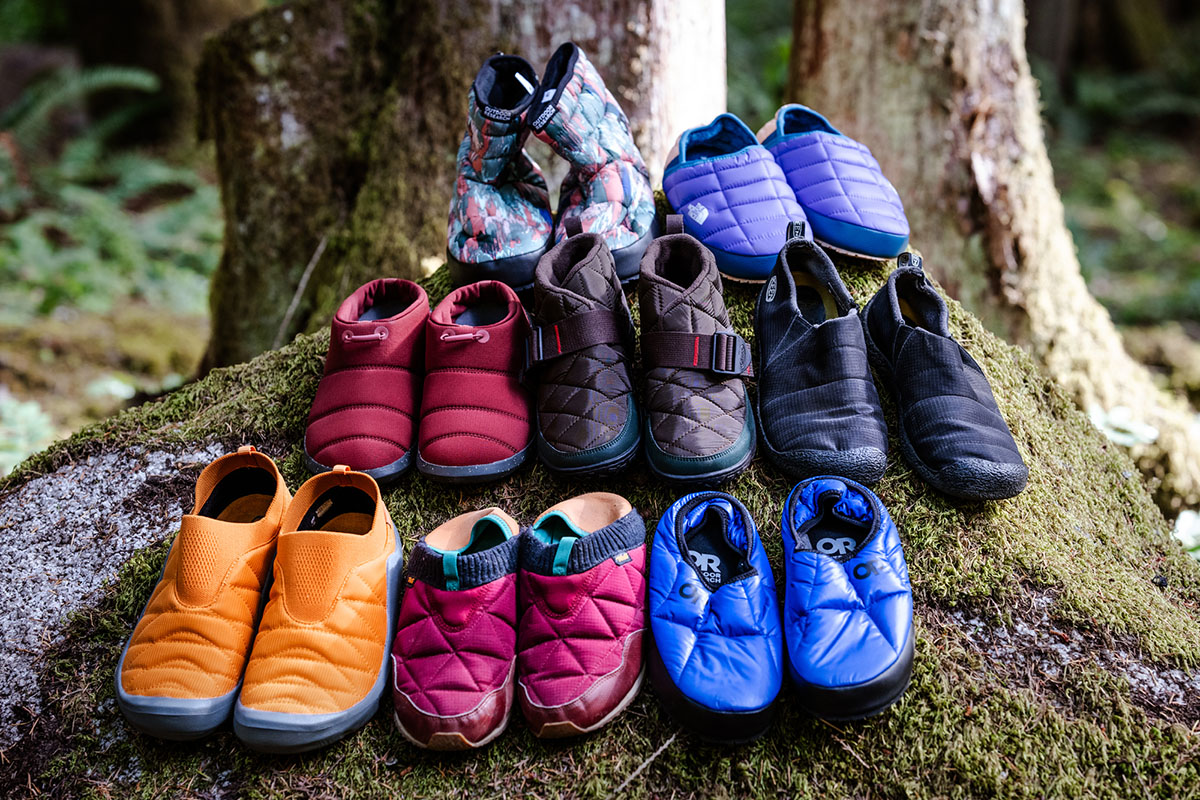
Lastly, don't underestimate the morale boost of down booties. When you finish a 20-mile day on the rocky slopes near Pinnacle Mountain, pulling off cold, wet trail runners and slipping into warm insulation is a game-changer. They provide localized warmth that a sleeping bag alone sometimes can't achieve, especially if you have poor circulation in your extremities.
FAQ
What gear is essential for hiking the Ouachita Trail?
The most essential gear includes a high R-value sleeping pad (minimum 4.5), a 20-degree or lower rated sleep system, and a lightweight down jacket. Because of the rugged terrain, high-cushion trail runners with Vibram Megagrip are also necessary. Don't forget a freeze-proof water filtration strategy and permethrin-treated clothing for tick prevention.
What type of footwear is best for the terrain on the Ouachita Trail?
The Ouachita Trail is exceptionally rocky, particularly in the western half between Talimena and Mount Ida. High-cushion trail runners with a wide toe box, such as the Altra Timp or Hoka Speedgoat, are preferred by most modern thru-hikers. These shoes provide better stability on technical terrain and protect the soles of your feet from stone bruising over the 223-mile journey.
How much water capacity do I need for the Ouachita Trail?
In the winter, you should be able to carry at least 3 to 4 liters of water. While there are many natural sources, the western section has long, dry ridges where natural water is scarce. Hikers often rely on established water caches at road crossings. Always check current trail reports for cache status before starting dry sections.
Do I need a tent or a hammock for camping on the Ouachita Trail?
Both are viable options. The 21 established shelters provide a great alternative for tent campers, but they can be drafty in winter. Hammock camping is very popular due to the abundance of trees, but it requires a high-quality underquilt to combat the convective cooling (wind-chill) that occurs during sub-freezing nights.
What is the recommended sleeping bag temperature rating for the Ouachita Trail?
For a winter thru-hike, a bag or quilt rated to 20°F is standard. While average lows hover around 29°F, temperatures frequently drop into the teens. A 20°F bag, paired with a high R-value pad and thermal base layers, provides the necessary safety margin for the coldest nights in the Ouachita National Forest.