Quick Facts
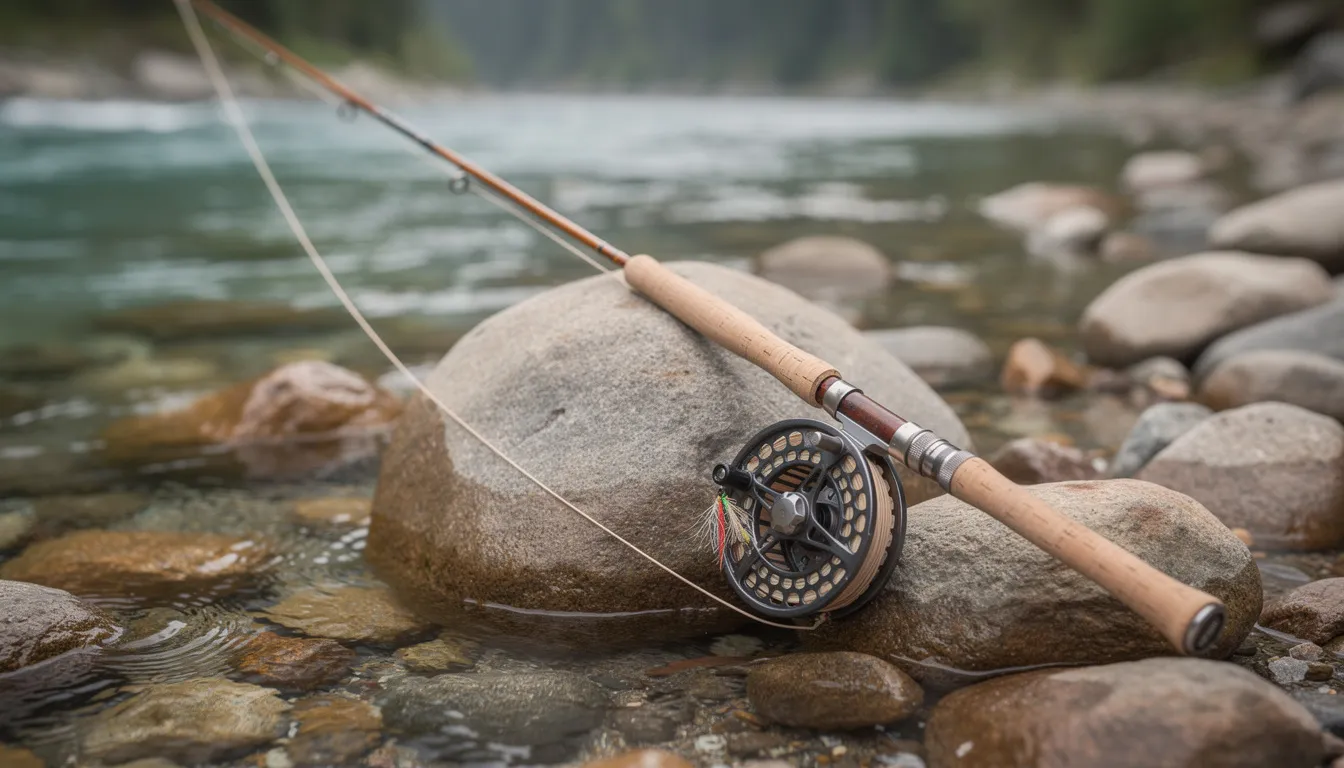
- The Bare Minimum: You need a fly rod, a matching reel, and a floating fly line with the appropriate backing line, leader, and tippet.
- 2026 Selection Standard: The 9-foot, 5-weight rod remains the industry gold standard for its ability to handle everything from small trout to light bass.
- Cost Expectations: Entry-level fly fishing starter kit options begin around $100, while customizable performance setups range from $450 to $800.
- Must-Have Tools: Never hit the water without nippers for line management and hemostat forceps for safe hook removals.
- Wading Myths: Waders are not mandatory; wet wading is a popular 2026 trend for warm weather and shore-based fishing.
- Growth Insights: Fly fishing is booming, with over 8 million anglers participating in the United States in 2024.
To start fly fishing today, the bare minimum beginner fly fishing gear includes a fly rod, a matching reel, and a floating fly line connected with backing, a tapered leader, and a tippet. Add basic tools like nippers and a small selection of flies to be water-ready.
Fly fishing has evolved from an intimidating, niche pursuit into one of the most accessible ways to connect with the outdoors. According to recent data, a record 57.9 million Americans participated in recreational fishing in 2024, representing nearly 19 percent of the U.S. population. This surge in interest is reflected on the riverbanks, where modern technology has made it easier than ever to assemble a fly fishing gear list for beginners without feeling like you need a PhD in entomology or physics.
The Core Setup: Choosing Your First Rod and Reel
The foundation of your beginner fly fishing gear is the rod and reel combo. In the 2026 market, the conversation begins and ends with the 9-foot, 5-weight graphite rod. This specific length and weight offer the perfect balance for most freshwater environments, providing enough backbone to cast in light wind yet enough delicacy to protect light tippet when a fish strikes.
When selecting a rod, you must consider the rod action. Most novices benefit from a medium-fast action. A medium-fast rod is forgiving; it allows you to feel the rod load during the backcast, which is essential for developing proper timing. Fast-action rods, while powerful, can be unforgiving for those still mastering their casting stroke. For 2026, we highly recommend looking at the Douglas LRS or the Orvis Clearwater series. Both offer exceptional performance-to-price ratios and are frequently cited as the best fly fishing rods for beginners 2026 owing to their build quality and tactile feedback.
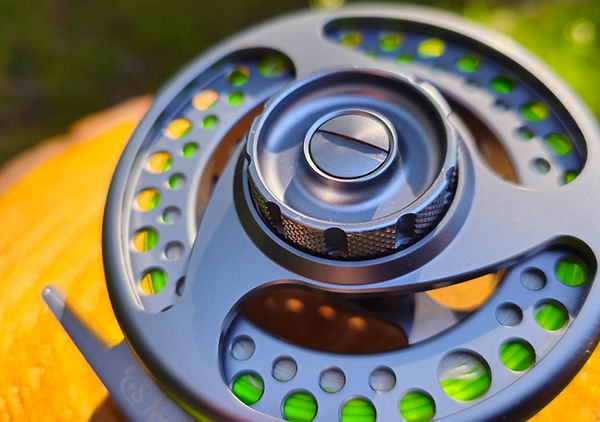
A common dilemma is the fly fishing starter kit vs individual equipment debate. A pre-packaged kit is the most cost-effective entry point, as the rod, reel, and line are pre-spooled and balanced by the manufacturer. However, purchasing individual components allows you to invest in a specific drag system or a unique blank. Modern reels in 2026 now feature sealed disc drags even at entry-level price points, ensuring that grit and sand don't ruin your day on the water.
| Brand | Model | Warranty | Best For |
|---|---|---|---|
| Orvis | Clearwater | 25-Year | All-around versatility |
| Douglas | LRS | Limited Lifetime | Performance & power |
| Echo | Lift | Lifetime | Budget-conscious beginners |
| Redington | Path | Lifetime | Casting forgiveness |
The Connection: Line, Leader, and Tippet Guide
Understanding the beginner fly fishing line and leader setup guide is where most newcomers feel overwhelmed. Unlike traditional spin fishing where the weight of the lure pulls the line, in fly fishing, the line itself is the weight that carries the fly. Most starters should look for a WF5F line. This shorthand stands for Weight-Forward, 5-weight, Floating.
The system works in a linear chain logic:
- Backing line: Usually 20lb Dacron, this fills the reel spool and provides extra length if a large fish runs far.
- Floating fly line: The main engine of your cast, typically 80 to 90 feet long.
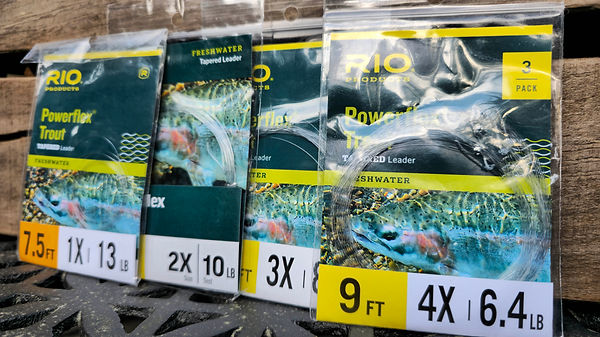
- Tapered leader: A clear piece of monofilament that transitions from a thick butt section to a thin tip, helping the fly roll over and land softly.
- Tippet: The final, ultra-thin segment you tie to the leader. Use this to replace the end of your leader as it gets shorter from changing flies.
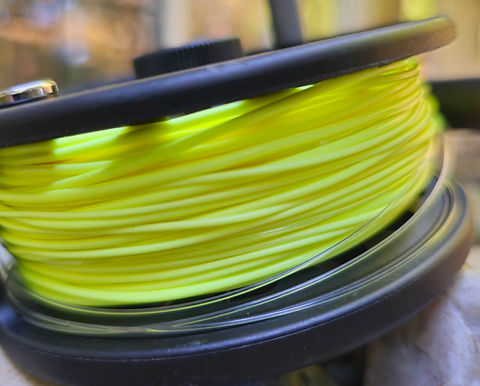
In technical scenarios like clear or shallow water, advanced clear-tip fly lines are becoming popular for beginners to avoid spooking trout. However, for your first outing, a high-visibility line is often better so you can see where your drift is going. Always keep two or three tippet spools in sizes 4X and 5X in your pocket to handle various fly sizes.
The Go-Bag: Must-Have Accessories and Tools
Once you have the rod, reel, and line, you need the essential fly fishing equipment that makes the actual act of fishing possible. These are the small bits of hardware that often get left out of a basic fly fishing starter kit.
First and foremost are polarized lenses. These are not just for style; they serve as a critical safety barrier against stray flies and, more importantly, they cut through the water's surface glare so you can see the river bottom and the fish. Without them, you are fishing blind.
Next, consider your tools for catch and release. Ethical angling is a cornerstone of the sport in 2026. You will need hemostat forceps to reach into the fish's mouth and safely back out the hook without causing unnecessary stress. Paired with barbless hooks, this ensures the fish has the best chance of survival. For line management, a pair of nippers is far more efficient than using your teeth or a pocket knife for trimming tippet tails.
Editor's Tip: If you are just starting and want the bare minimum fly fishing gear for first time trips, focus on a simple lanyard. Hang your nippers and forceps around your neck for instant access. It’s cheaper and cooler than a heavy vest in the summer.
Shore vs. Water: Boots, Waders, and Apparel
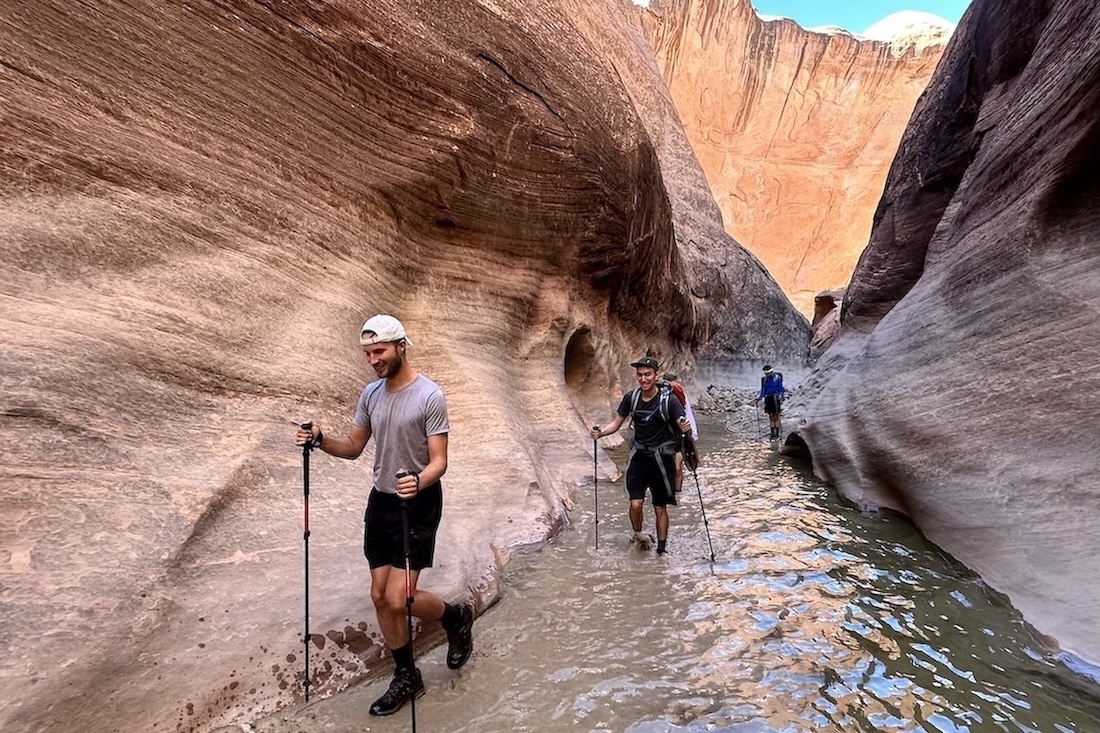
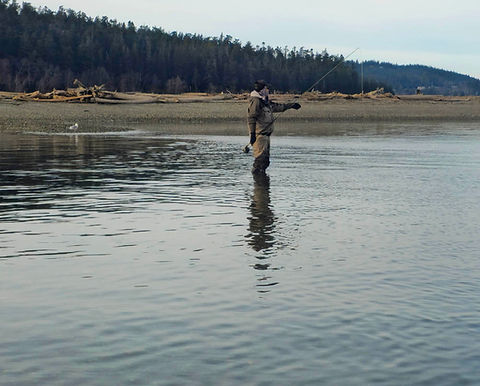
One of the most frequent questions we receive is how to choose beginner fly fishing waders and boots. The truth is, you might not need them yet. Many modern anglers are embracing the 2026 trend of the athletic fishing system—essentially quick-dry shorts or sun protection leggings paired with sturdy water shoes. This is known as wet wading. If you are fishing in warm summer months or from a boat or dry shore, waders can be a cumbersome and expensive unnecessary addition.
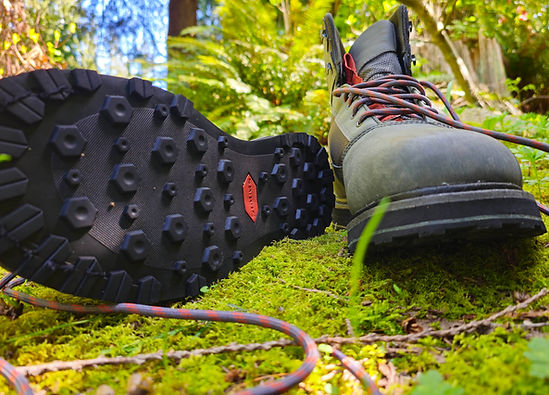
However, waders become vital when the water temperature drops or when you need to navigate thick shoreline brush to reach better casting lanes. If you decide to buy, look for breathable GORE-TEX or similar proprietary fabrics. Pair them with wading boots that offer either felt soles (for grip on slippery rocks, where legal) or modern vibram rubber with metal studs.
Proper traction is a safety requirement, not a luxury. A fall in a cold river can be dangerous. When learning how to choose beginner fly fishing waders and boots, prioritize fit; tight boots lead to cold feet because they restrict blood flow, while loose boots can cause you to trip in the current.
The Essential Fly Box: 5 Patterns to Start Today
Walking into a fly shop for the first time can lead to serious analysis paralysis. There are thousands of dry fly patterns and nymphs to choose from. To simplify your first fly fishing gear list for beginners, we recommend sticking to five versatile "confidence flies" that work in almost any water.
- Parachute Adams: The best all-purpose dry fly that mimics a wide variety of mayflies.
- Elk Hair Caddis: A high-floating fly that is easy for a beginner to see on the surface.
- Woolly Bugger: A versatile streamer that looks like a crawfish, leech, or baitfish. If nothing is rising, strip this through the water.
- Gold Ribbed Hare’s Ear: A classic nymph that represents most underwater insect life.
- Zebra Midge: A tiny, simple nymph that is effective year-round, especially in tailwaters.
When you begin nymphing, remember that you will likely need small split shot weights to get your flies down to the fish's depth. Using barbless hooks for these patterns makes the learning curve of hook sets much easier on the fish you manage to trick.
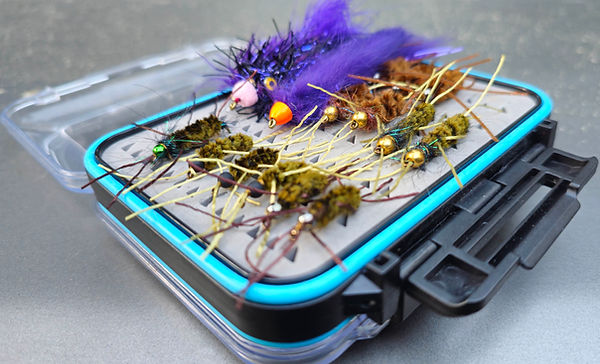
Focusing on these five patterns allows you to learn the behavior of the fish rather than worrying if you have the "exact" bug. As you spend more time on the water, you will naturally start to recognize the local hatches, but these five will always have a place in your box.
FAQ
What equipment do you need for fly fishing for the first time?
To get started, you need a fly rod, a reel, a floating fly line, backing, a leader, and tippet. Beyond the rod setup, you need a small selection of flies, a pair of nippers to cut line, and forceps to remove hooks. Polarized sunglasses are also considered mandatory for eye safety and seeing through water glare.
How much does a beginner fly fishing setup cost?
A basic but functional fly fishing starter kit usually costs between $100 and $200. This typically includes a rod, reel, and pre-spooled line. If you choose to buy individual components of higher quality—such as a Douglas LRS rod and a mid-tier reel—you should expect to spend between $400 and $600 for a complete, performance-oriented setup.
What is the best fly rod weight for a beginner?
The 5-weight rod is widely considered the best choice for beginners. It is remarkably versatile, capable of handling small trout in mountain streams as well as larger trout or even smallmouth bass in lakes. It provides enough weight to help you learn the mechanics of the cast without being too heavy for a full day of fishing.
Is it better to buy a fly fishing combo or separate pieces?
For most beginners, a fly fishing combo is the better choice because the manufacturer has already ensured the rod, reel, and line weight are perfectly balanced. This eliminates the guesswork. However, if you are certain you want to stay with the sport, buying separate higher-end pieces allows for a more specialized setup and often comes with better long-term warranties.
Do I need waders to start fly fishing?
No, waders are not a strict requirement. In many summer scenarios, wet wading with quick-dry shorts and water shoes is perfectly acceptable and often more comfortable. You only truly need waders if you plan to fish in very cold water or if you need to stand deep in the river to reach specific casting lanes that are blocked by heavy brush on the shore.