Quick Facts
- Weight Threshold: 180 lbs is the standard cutoff for 22-inch recreational shoes; deep snow requires sizing up.
- Depth Guide: Powder requires 4-5x surface area compared to boots to prevent postholing.
- Standard Sizing: 30-inch models support up to 220 lbs; 36-inch models support 250+ lbs.
- Top Feature: Heel lifters (televators) save calf muscles on steep deep-snow ascents.
- Pro Tip: Add 10-30 lbs for gear to your base weight before choosing a size.
To choose the best snowshoes for deep snow, prioritize surface area to ensure maximum flotation and prevent sinking. Backcountry models are generally superior for deep powder compared to recreational versions because they feature larger frames and more aggressive traction systems designed for breaking trail. For added versatility, look for snowshoes compatible with flotation tails, which can be attached to increase surface area specifically for exceptionally soft conditions.
There is nothing quite like the silence of a forest blanketed in fresh, waist-deep powder. For many beginners, this visual is the ultimate dream of winter exploration. However, without the right gear, that dream can quickly turn into a grueling struggle known as postholing—where every step sinks you deep into the snow, draining your energy in minutes. We have all been there, and we know that the difference between a frustrating slog and a graceful glide through the woods comes down to flotation.
The Weight Load Rule: Calculating Your Total Load
When we talk about snowshoe sizing for flotation and weight capacity, the most common mistake beginners make is choosing a size based on their height. In the world of winter trekking, your height is secondary; your total load rating is what actually determines whether you stay on top of the snow or sink into the abyss.
Your total load consists of your body weight plus the weight of everything you are carrying. This includes your winter layers, a heavy backpack, water, snacks, and any safety gear. In deep powder, a higher weight distribution requires a larger deck to maintain flotation. If your total weight approaches the top end of a manufacturer's recommended range, sizing up will help you stay on top of the snow, whereas a smaller size is better suited for maneuverability on groomed or packed trails. For those of us navigating deep snow, we recommend adding at least 15 to 20 pounds to your baseline body weight before consulting a size chart.
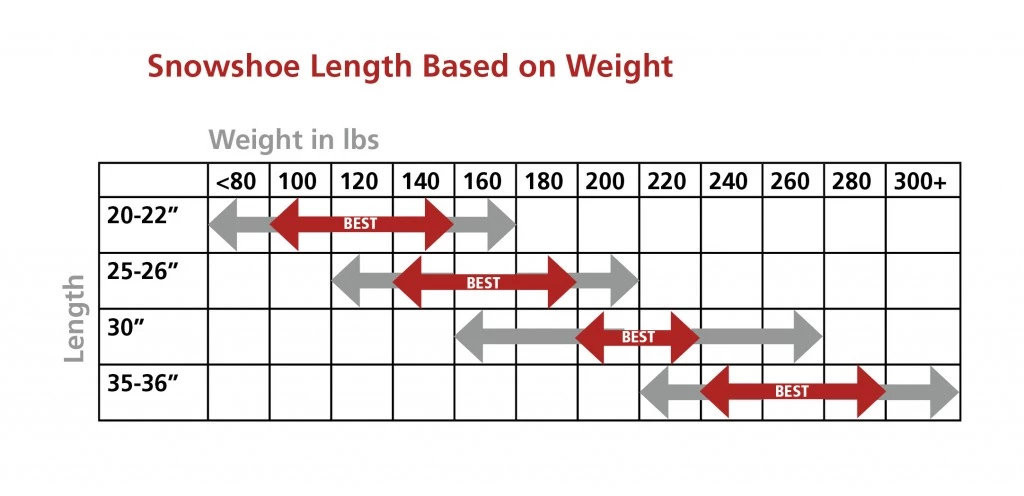
Snowshoe sizing is determined by your total load, which consists of your body weight plus the weight of all equipment, including backpacks, water, and winter layers. By accounting for this total, you ensure that the snowshoes for deep snow you select have enough surface area to displace your weight effectively across the softest drifts.
Sizing for Flotation: Length vs. Powder Depth
The physical length of your snowshoe is your primary weapon against sinking. While a shorter shoe is easier to walk in because it feels more like a natural gait, it offers less surface area. On a groomed resort trail, a 25-inch shoe might be perfect. But once we step off the beaten path, we need more.
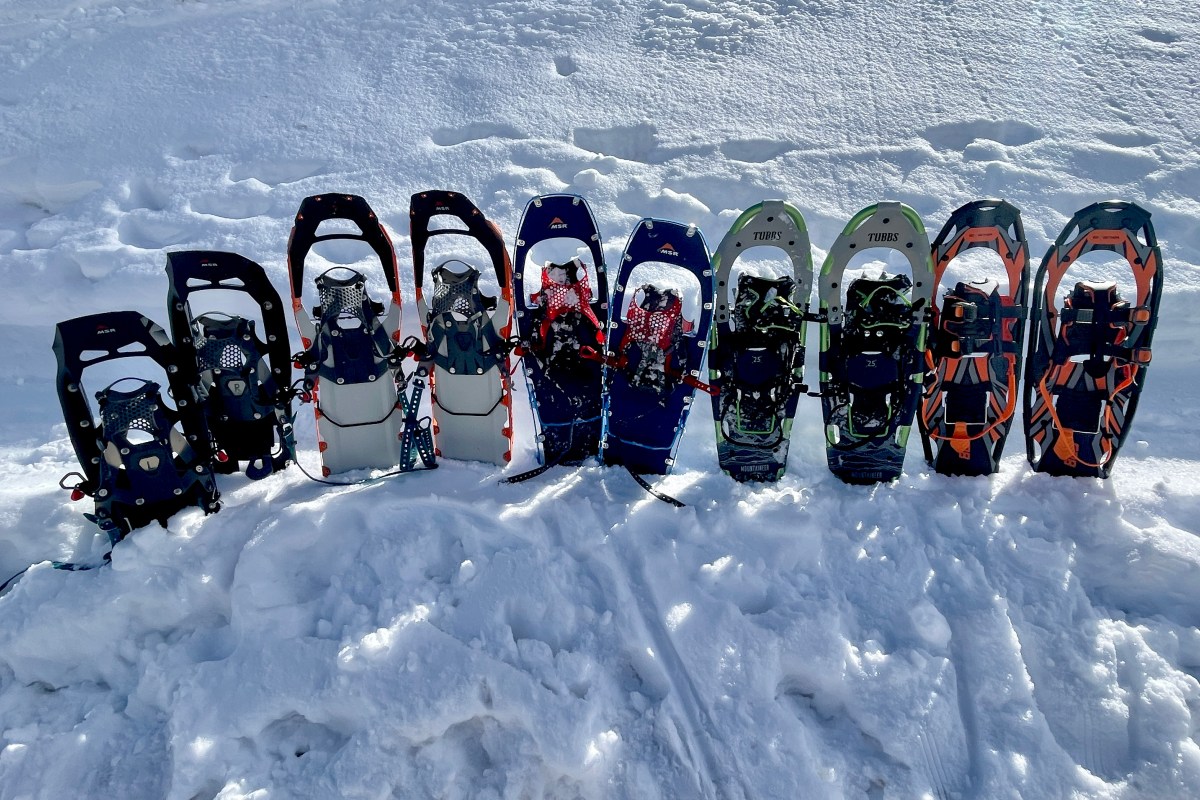
For beginners navigating deep snow, manufacturers recommend selecting snowshoe sizes based on total weight capacity. According to technical specifications from REI, 30-inch models typically supporting up to 220 pounds and 36-inch models supporting over 250 pounds are essential to ensure proper flotation. If you weigh 180 pounds but are carrying 30 pounds of gear in soft powder, a 30-inch shoe is your safest bet to prevent sinking.
| Snowshoe Length | Recommended Terrain | Total Capacity (Approx.) |
|---|---|---|
| 22–25 Inches | Packed trails, groomed paths | Up to 180 lbs |
| 30 Inches | Fresh powder, light off-trail | 180 – 220 lbs |
| 36 Inches | Deep backcountry powder, breaking trail | 220 – 250+ lbs |
If you are worried that a 36-inch shoe will be too cumbersome for all-day use, there is a modular solution. Certain brands offer flotation tails that can be added to the back of the frame. These flotation tails can provide an additional 5 to 6 inches of length, effectively increasing the surface area for better performance in deeper backcountry powder without requiring you to buy a second pair of much larger shoes. Understanding how flotation tails improve snowshoe performance allows us to adapt our gear to changing weather patterns.
Navigation Control: Backcountry vs. Recreational Gear
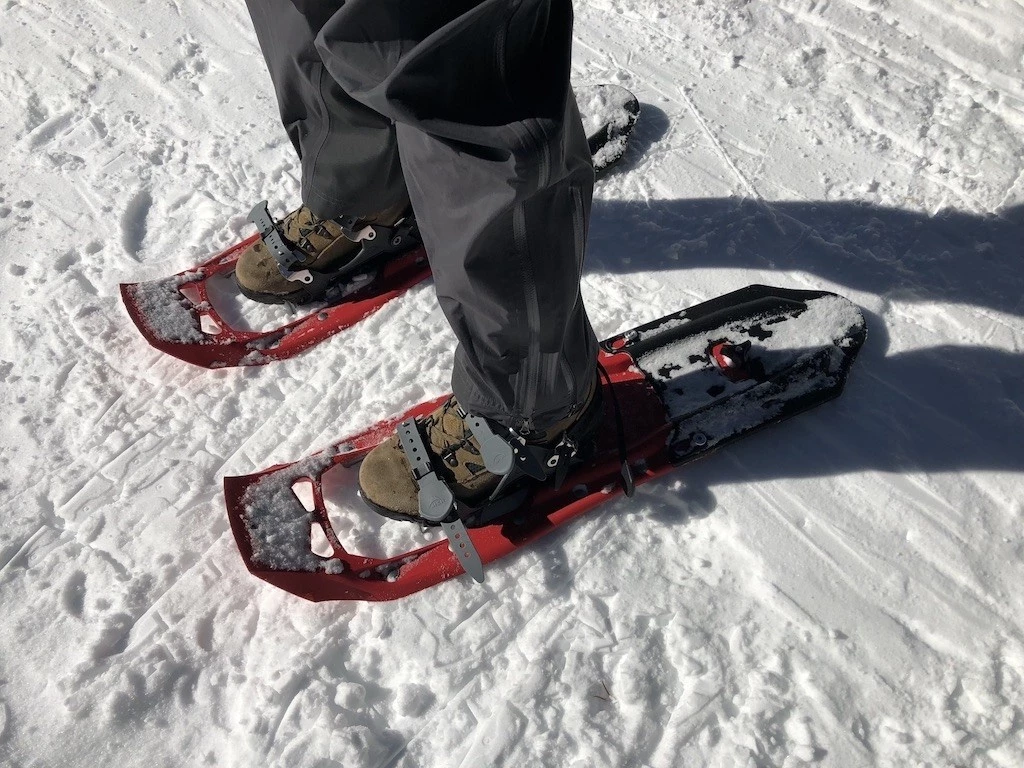
As you start shopping, you will notice a clear distinction in categories. When considering backcountry vs recreational snowshoes, the choice depends heavily on how much trail breaking you plan to do. Recreational models are designed for "low-impact" snowshoeing—meaning they work best on relatively level ground and pre-packed trails. They often feature simpler binding systems and less aggressive traction.
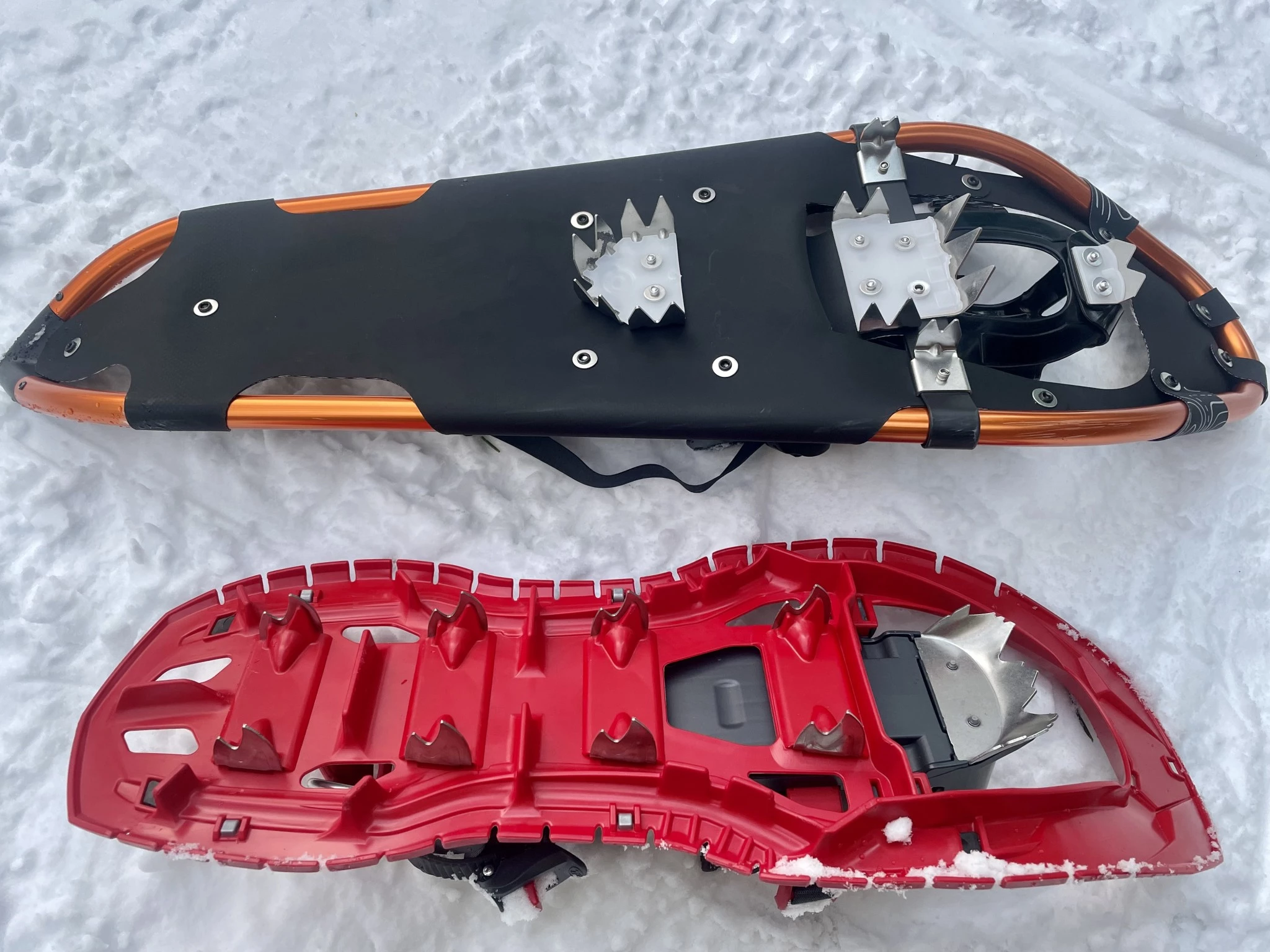
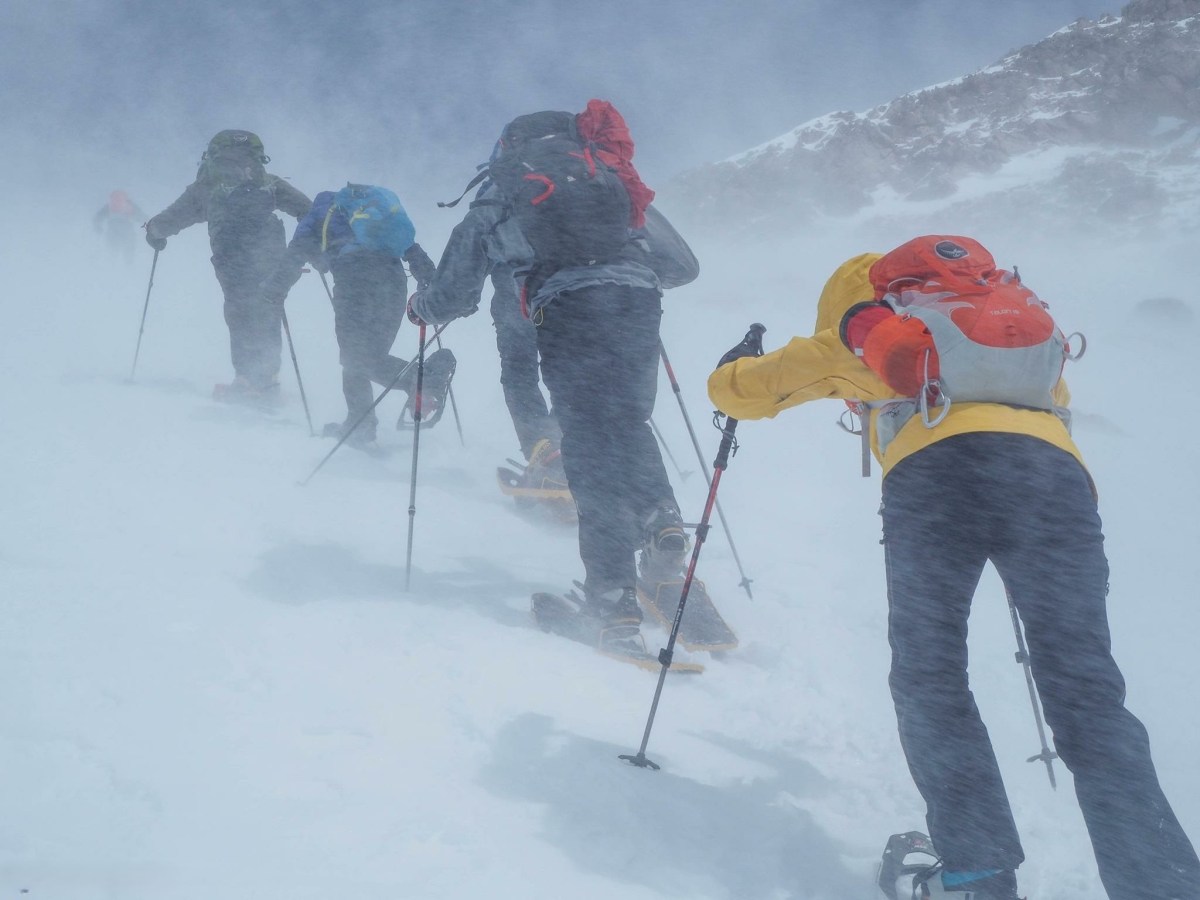
Backcountry models, however, are built for technical terrain. These snowshoes feature more robust frames, usually made of high-grade aluminum or impact-resistant plastic, and incorporate sophisticated traction cleats. Because deep snow is rarely perfectly flat, these shoes use a pivot mechanism that allows the tail of the snowshoe to drop, shedding snow and keeping the nose of the shoe from diving into the powder. Choosing recreational vs backcountry snowshoes for beginners often comes down to ambition: if you want to explore the untouched woods, the backcountry model is the superior investment.
We should also mention the fitness benefits of this choice. Research from Snowsports Industries of America shows that snowshoeing can burn more than 45 percent more calories than walking or running at the same speed. Dealing with off-trail maneuverability in backcountry gear will certainly maximize that workout.
Essential Mechanical Features: Bindings and Heel Lifters
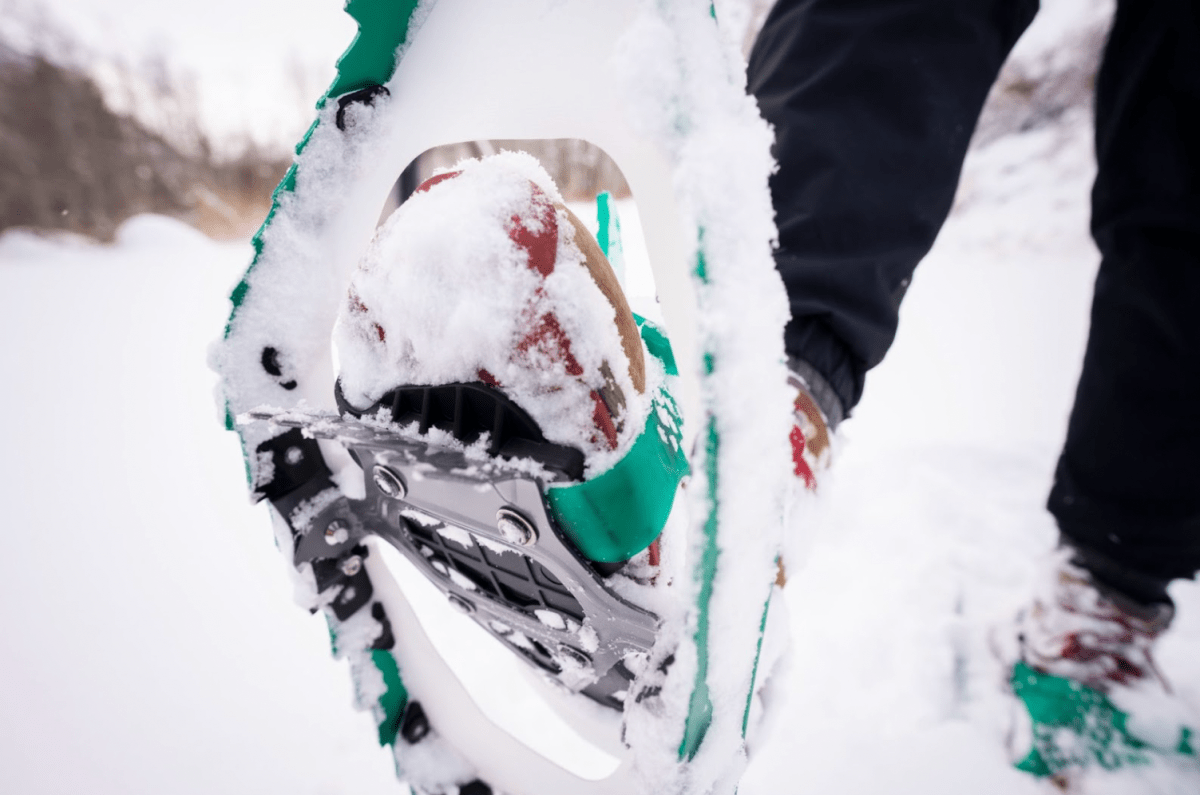
The way your foot connects to the shoe is just as important as the shoe itself. In deep powder, you want a binding that is secure but can be easily adjusted with gloved hands. Look for "wraparound" styles or many-point strap systems that keep your foot centered over the crampon. If your foot slides side-to-side, you lose stability and risk injury.
One feature we consider non-negotiable for deep snow is the heel lifter, also known as a televator. This is a small wire bar located under your heel that you can flip up when you start to climb. In deep powder, climbing a slope is exhausting because your calves take the brunt of the work. By engaging the heel lifter, your foot stays in a more neutral, level position even while the snowshoe is on an incline. The advantages of heel lifters in deep snow are felt immediately—they significantly reduce muscle fatigue and help you maintain traction by keeping your weight directly over the rear crampons.
Footwear and Balance: Boots, Gaiters, and Poles
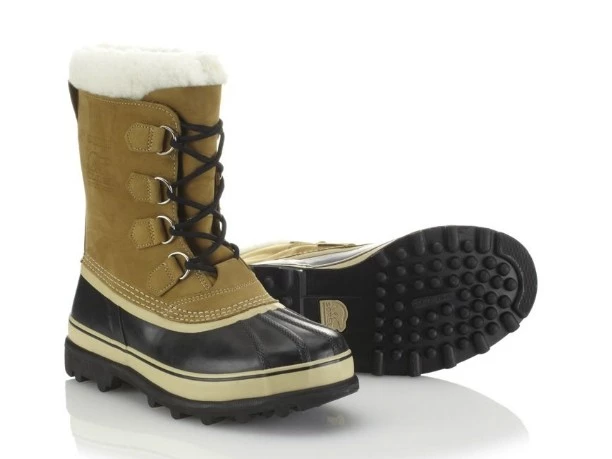
Your snowshoes are only as effective as the boots inside them. When looking for the best winter boots to wear with snowshoes, prioritize waterproof and insulated models. Since you will be submerged in powder, even a small leak can lead to frozen toes. High-volume, "pac-style" boots or dedicated winter hiking boots are ideal because they provide the necessary ankle support and fit comfortably into most bindings.
Beyond the boots, we highly recommend a few accessories to round out your setup. Snow gaiters are essential for deep powder; they bridge the gap between your boots and pants, preventing snow from getting inside. Additionally, the benefits of using trekking poles for snowshoeing cannot be overstated. When you are navigating uneven technical terrain, poles provide four points of contact with the ground, vastly improving your balance and helping with weight distribution. Just make sure your poles are equipped with large snow baskets, otherwise, they will simply sink into the powder and become useless.
FAQ
What size snowshoes are best for deep powder?
For deep powder, beginners should typically look at 30-inch or 36-inch models. A 30-inch shoe handles up to 220 pounds of total load, while 36-inch shoes are designed for those over 250 pounds or for breaking trail in exceptionally soft, light snow where extra surface area is needed.
Do longer snowshoes help in deep snow?
Yes, longer snowshoes provide a larger surface area, which is the key to flotation. By spreading your weight across a larger deck, the snowshoe prevents you from sinking as deeply into fresh powder compared to shorter, recreational models designed for packed trails.
How do I prevent sinking in deep snow with snowshoes?
To prevent sinking, you must ensure your total load—your weight plus all gear—does not exceed the snowshoe's capacity for the specific snow conditions. Sizing up or adding flotation tails can significantly improve your ability to stay on top of the snow.
Are 30 inch snowshoes enough for deep snow?
For many adults, 30-inch snowshoes are the "sweet spot" for deep powder, as they offer a significant increase in flotation over standard 25-inch models without becoming too difficult to maneuver. However, if your total load exceeds 220 pounds, you may need a 36-inch model for better performance.
Are flotation tails necessary for deep snow?
While not strictly necessary if you already own very large snowshoes, flotation tails are a highly recommended modular accessory. They allow you to use a shorter, more agile shoe on packed trails while having the option to add 5 or 6 inches of length specifically for deep backcountry powder days.
What features are important for off-trail snowshoeing?
Important features for venturing off-trail include aggressive side-rail traction cleats for ice and slopes, a robust pivot mechanism to clear snow from the deck, and heel lifters to reduce calf fatigue during steep ascents in deep powder.
Selecting the right snowshoes for deep snow is all about respecting the physics of the environment. By calculating your total load and prioritizing surface area, you can step off the groomed trails with confidence. Remember to pair your shoes with waterproof winter boots and trekking poles to ensure your first backcountry experience is as comfortable as it is breathtaking. The woods are calling—now you have the gear to answer.