Quick Facts
- Target Budget: $2,500 for a complete high-performance build
- Entry-Level Frameset: $1,300 target for high-quality 3AL-2.5V titanium alloy
- Material Lifespan: Theoretical lifespan exceeding 30 years with a 0.0002mm annual corrosion rate
- Weight Standard: Typically 9kg to 10kg for a budget-conscious configuration
- Component Standards: Prioritize Universal Derailleur Hanger (UDH) and threaded bottom brackets for longevity
- Market Comparison: Complete titanium gravel bike builds from direct-to-consumer brands can start at approximately $2,499, saving thousands over boutique brands
Building a budget titanium gravel bike is the ultimate 'forever bike' hack. By focusing on affordable titanium gravel frames and non-proprietary bicycle parts, you can achieve a custom build that rivals boutique $10,000 models for a fraction of the price.
Why Titanium? The Science of the Forever Bike
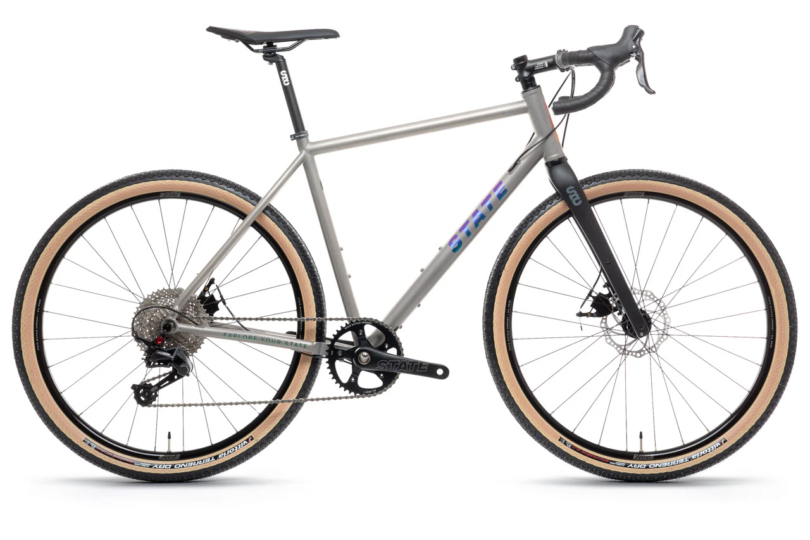
For decades, titanium has been the "dream material" for cyclists, and for good reason. When analyzing the pros and cons of budget titanium vs aluminum gravel bikes, the debate often centers on ride quality versus upfront cost. While an aluminum frame is cheaper to manufacture, it transmits significantly more high-frequency trail buzz to the rider's hands and seat. Titanium offers a unique combination of strength and vibration damping, providing a ride that is arguably 800% smoother than many carbon counterparts on rough gravel.
The real value of a budget titanium gravel bike lies in its total cost of ownership. Titanium features a theoretical lifespan exceeding 30 years because of a natural oxide layer that protects the metal. Unlike aluminum, which has a defined fatigue life and will eventually crack, or carbon fiber, which can be catastrophically damaged by a single rock strike, titanium is incredibly resilient. This durability makes it a more sustainable investment for those looking for one bike to handle everything from weekend bikepacking to daily commuting.
| Feature | Titanium | Aluminum | Carbon Fiber |
|---|---|---|---|
| Durability | 30+ Years (Extreme) | 5-10 Years (Fatigue limits) | Variable (Impact sensitive) |
| Corrosion Rate | 0.0002mm/year | High (subject to salt/sweat) | None (polymeric) |
| Ride Quality | Supple Vibration Damping | Stiff/Harsh | Tunable but Brittle |
| Maintenance | Low (No paint needed) | Moderate | High (Inspection needed) |
Step 1: Sourcing Affordable Titanium Gravel Frames
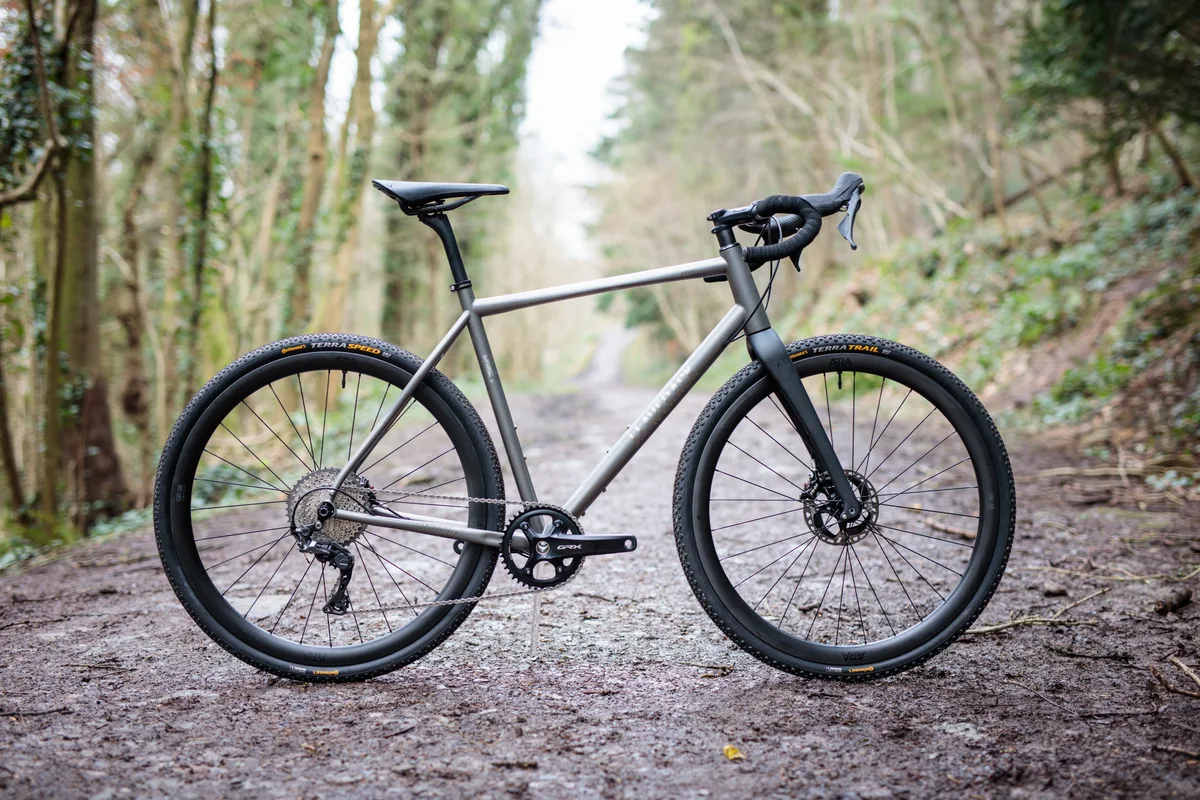
The most critical step in this process is how to source affordable titanium gravel frames without compromising on safety or geometry. Historically, titanium meant paying a $3,000 premium for a name brand. Today, direct-to-consumer brands have disrupted the market, offering 3AL-2.5V titanium alloy framesets starting around $1,300. This specific alloy is the industry standard for high-end cycling because it balances weight, strength, and ease of welding.
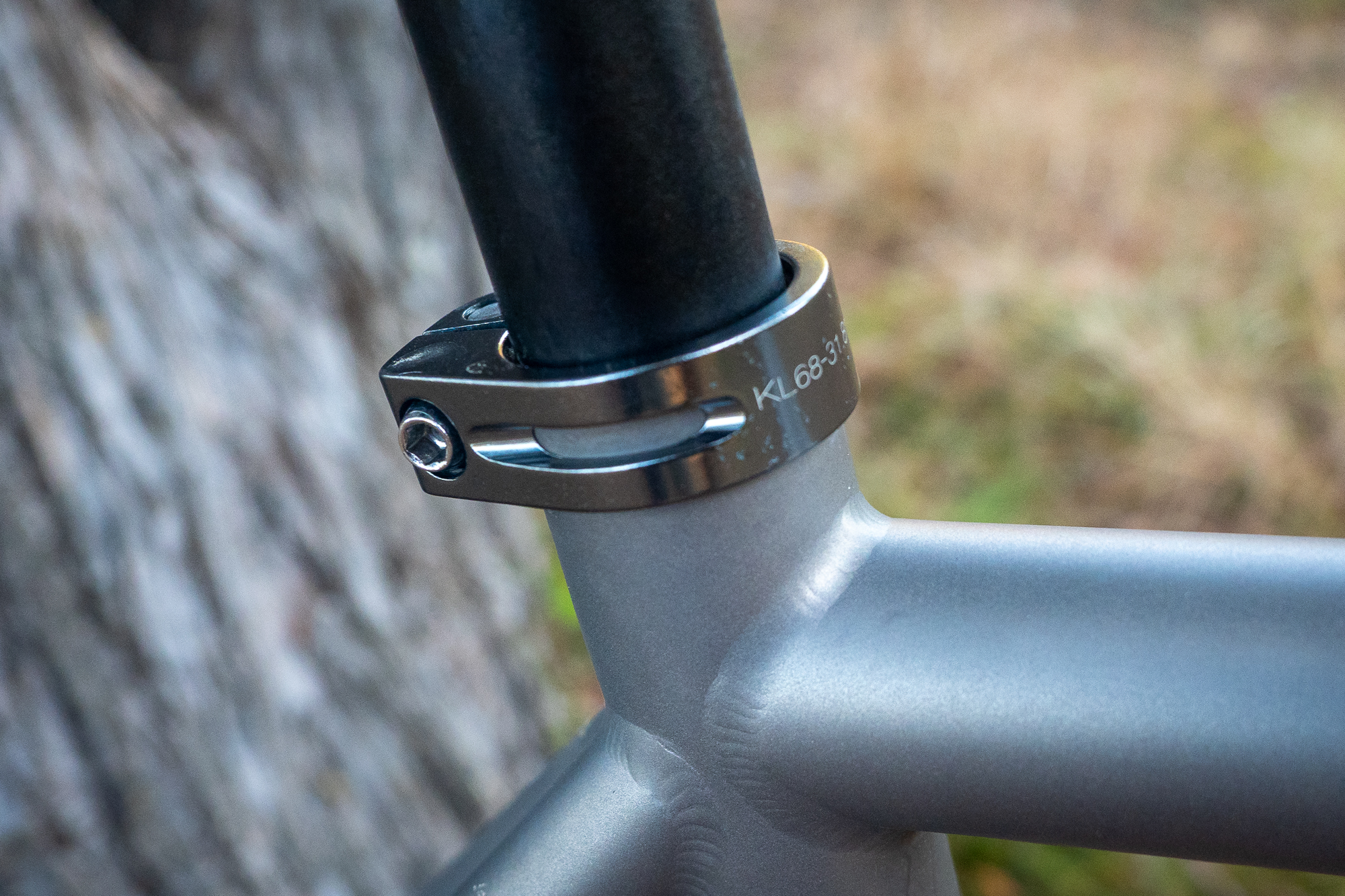
When evaluating a frameset, look for utilitarian designs. Avoid proprietary cable routing systems that require specific headsets or integrated cockpits. These "integrated" features add significant labor costs and make future maintenance a nightmare. Instead, focus on a component sourcing strategy that utilizes a standard round seat tube and a non-proprietary steerer tube. This allows you to use affordable, widely available seatposts and stems rather than expensive, brand-specific carbon parts.
Editor's Tip: If you are looking for the best value, check for frames with a brushed finish. Painted titanium often hides weld quality and adds unnecessary cost. A raw, brushed frame can be refreshed with a simple Scotch-Brite pad in minutes, keeping your bike looking brand new for decades.
Step 2: Selecting Durable and Compatible Components
Once you have your frame, the next task is finding durable gravel bike components that won't break the bank. A common mistake is overspending on high-end electronic shifting when modern mechanical shift groupsets are more than capable. For a budget titanium build, the best value gravel groupsets for budget titanium builds are often found in the Shimano GRX 400 or 600 series, or the SRAM Apex XPLR line. These groupsets offer the same gear range as their more expensive counterparts while prioritizing reliability over shaving a few grams.
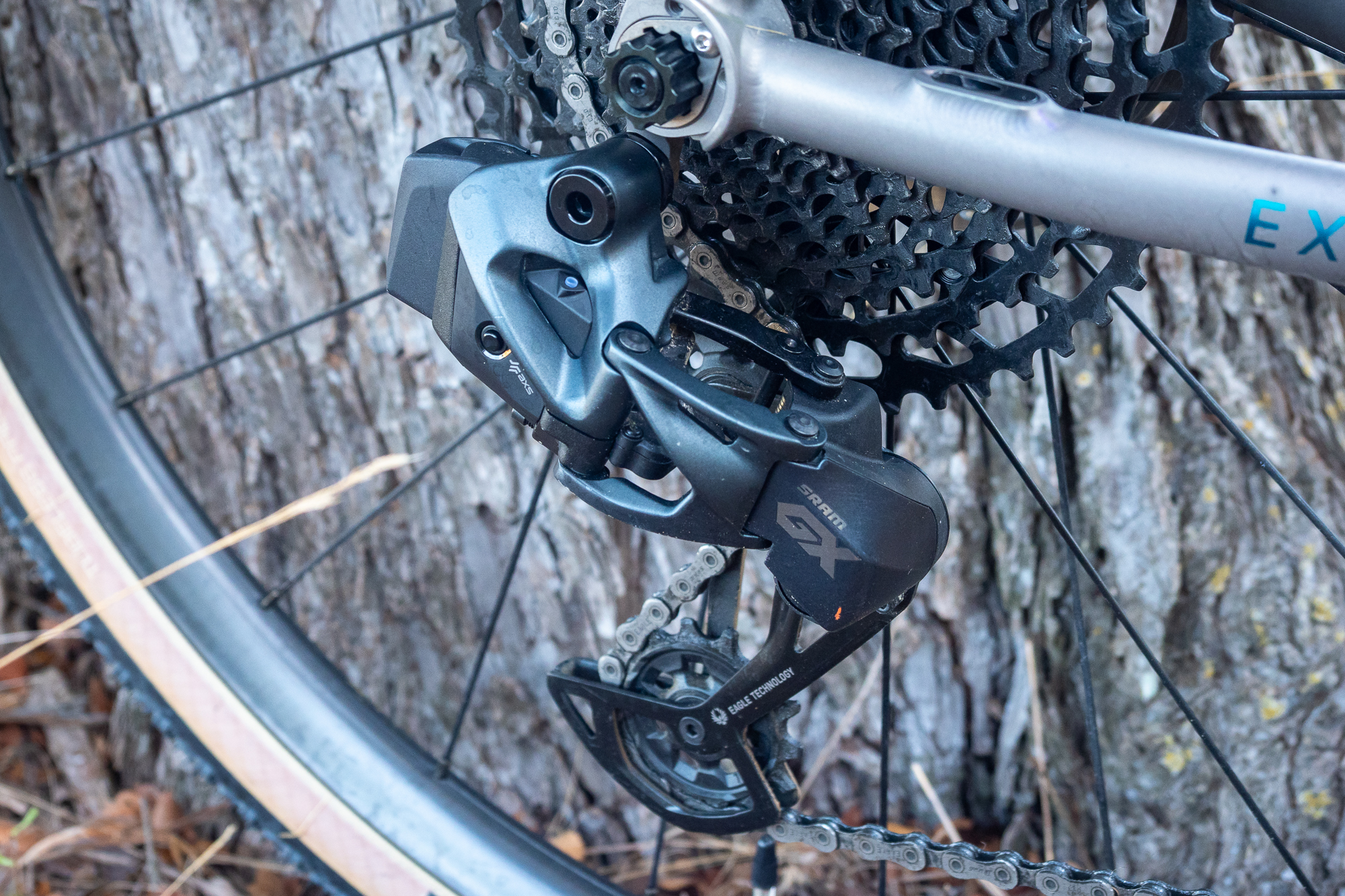
Compatibility is the key to future-proofing. Currently, finding compatible UDH parts for titanium gravel bikes is a major priority for savvy builders. The Universal Derailleur Hanger (UDH) standard ensures that if you bend your hanger in the middle of a trip, you can find a replacement at almost any bike shop in the world. Additionally, opting for a 1x drivetrain efficiency setup simplifies the bike, reducing weight and eliminating the need for a front derailleur, which is a common failure point in muddy gravel conditions.
Checklist for Budget Component Standards
- Drivetrain: 1x11 or 1x12 mechanical setup for simplicity and lower cost.
- Bottom Bracket: Threaded BSA or T47 standards for easy DIY maintenance.
- Axles: Standard thru-axle compatibility (12x142mm rear, 12x100mm front).
- Brakes: Hydraulic disc brakes are preferred, but mechanical-to-hydraulic calipers like the Juin Tech F1 can save money on shifters.
Step 3: Step-by-Step Guide to Assembling a Custom Gravel Bike
Assembling your bike provides a level of intimacy with the machine that helps with long-term maintenance. In this step by step guide to assembling a custom gravel bike, we focus on efficiency and avoiding common pitfalls.
- Frame Preparation: Clean the threaded areas of the frame. Because you are working with titanium, always use an anti-seize compound on all threaded interfaces (especially the bottom bracket and pedals) to prevent galvanic corrosion, which could "weld" parts together over time.
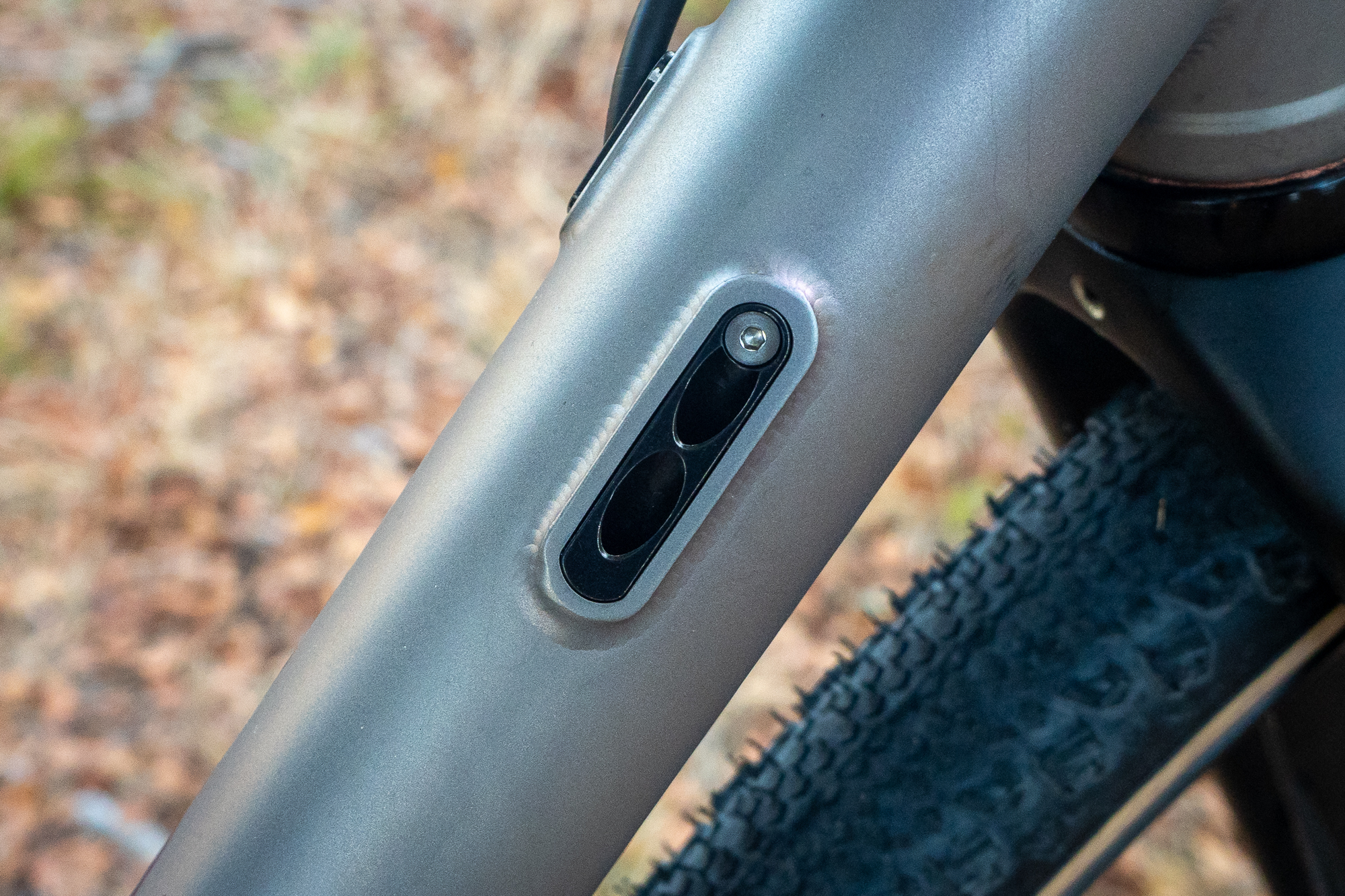
- Cable Routing: Many affordable frames feature internal cable routing. While this looks clean, it can be tricky to set up. Use a magnetic routing kit to pull your housings through the frame. Keeping the routing simple ensures you aren't fighting the cables every time you turn the handlebars.
- The Wheelset: This is where you should spend any remaining budget. While alloy wheels under 1,700g are excellent for budget builds, this is the first component you might want to upgrade later. Ensure your wheels are tubeless-ready to take advantage of lower tire pressures.
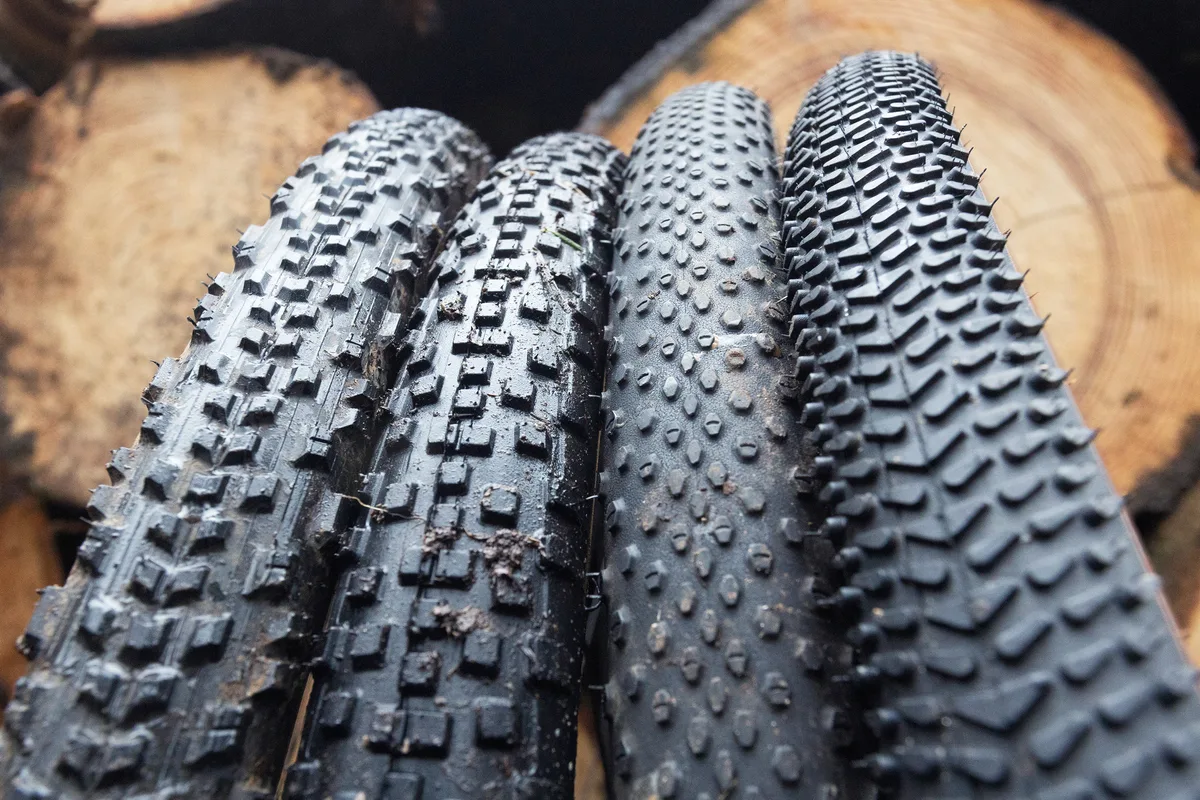
- Tire Selection: Do not skimp here. High-quality tires with a width of 40mm to 45mm are the secret to the titanium ride experience. They complement the frame's vibration damping to create a plush, confident ride on loose surfaces.
When considering a titanium gravel bike frameset vs complete build comparison, building it yourself usually results in a better specification for the same price. Most complete builds at the $2,500 price point use cheaper "house brand" wheels and heavy steel-railed saddles. By choosing your own non-proprietary bicycle parts, you can ensure every dollar goes toward quality where it matters—the tires, the saddle, and a reliable bottom bracket.
FAQ
Is a titanium gravel bike worth the money?
Yes, especially if you consider the total cost of ownership. While the initial investment is higher than aluminum, the fact that the frame will likely never need replacing due to fatigue or corrosion makes it a better long-term value for serious riders.
What is the cheapest titanium gravel bike available?
The most affordable options are typically found via direct-to-consumer brands. You can frequently find complete builds for around $2,499 or source a frameset for $1,200 to $1,300 from reputable global manufacturers that sell directly to the public.
Can you get a titanium gravel bike under $2000?
It is difficult for a brand-new complete build, but very possible if you source a budget frameset and use a mix of quality used components or high-value mechanical parts like the SRAM Apex series.
Are budget titanium frames any good?
As long as the frame is made of 3AL-2.5V titanium alloy and uses standardized componentry, budget frames offer excellent performance. Most "budget" titanium is identical in material quality to boutique frames, with the main differences being in the complexity of the tube shaping and the prestige of the brand name.
Is titanium or steel better for a gravel bike?
Titanium is generally considered superior because it is roughly 50% lighter than steel at equal strength and completely immune to rust. While high-end steel has a great ride quality, titanium provides better vibration damping without the weight penalty.
How long do titanium bike frames last?
A well-made titanium frame has a theoretical lifespan of over 30 years. Because the material does not suffer from a fatigue limit in the same way aluminum does and is highly resistant to environmental corrosion, it is often the last gravel bike or all-road bike an enthusiast will ever need to buy.
The journey to owning a titanium gravel bike doesn't have to cost as much as a used car. By focusing on smart sourcing, standardized parts, and the inherent longevity of the material, you can create a high-performance machine that is both a financial win and a technical masterpiece. Start with a quality frameset, choose reliable mechanical parts, and enjoy the legendary ride quality that only titanium can provide.