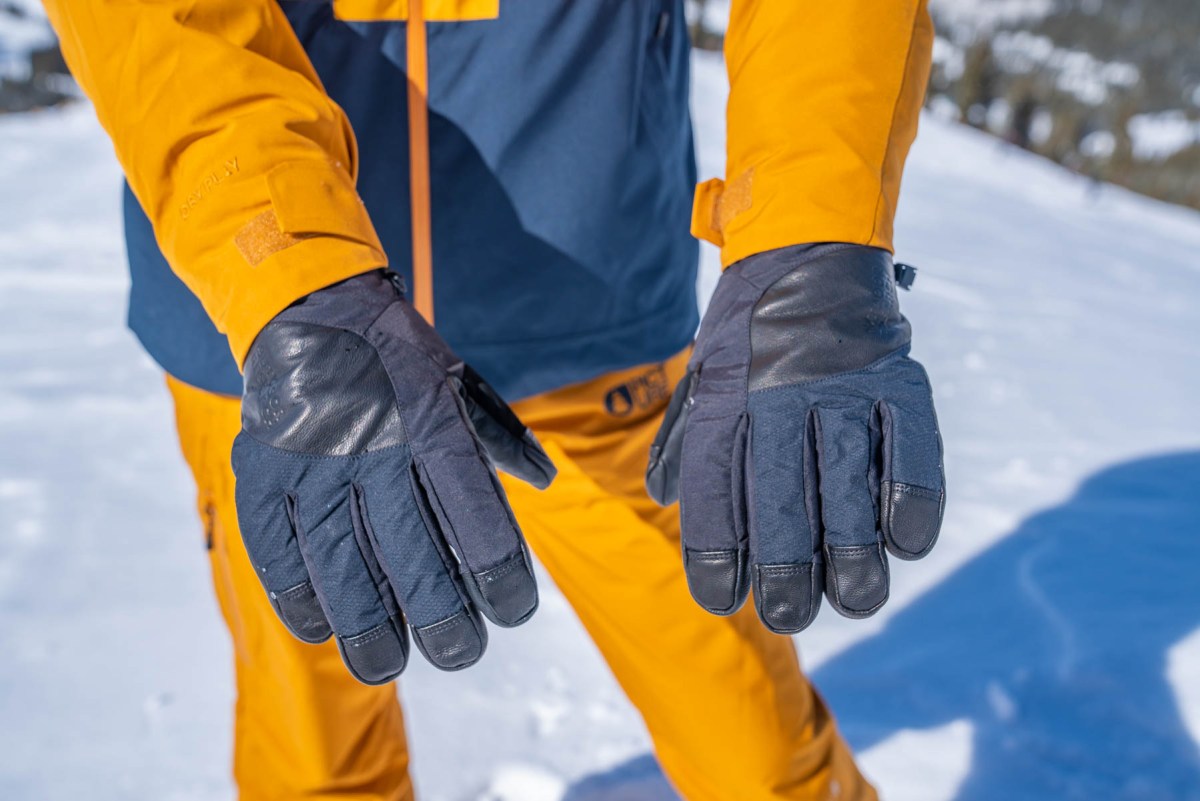
Our Top Picks
- Hestra Fall Line: Ranked as the best ski gloves overall for the 2025-2026 season because they offer a perfect blend of dexterity, warmth, and cowhide leather reliability.
- Rab Khroma Freeride GTX: The top choice for technical and professional resort use, recognized for its exceptional durability and articulated construction.
- Black Diamond Mercury Mitts: Our winner for extreme cold, providing superior heat retention and moisture protection for sub-zero environments down to -29 degrees.
- Kinco Pigskin Leather Gloves: The definitive budget pick for resort beginners and seasonal workers who need a rugged, affordable option that lasts more than one season.
The Hestra Fall Line is ranked as the best overall ski glove for the 2025-2026 season due to its exceptional balance of warmth, dexterity, and cowhide leather durability. For those facing extreme sub-zero temperatures or deep powder, the Black Diamond Mercury Mitts and the Outdoor Research Alti II Mittens provide superior heat retention. For budget-conscious skiers, the Kinco Pigskin Leather Gloves paired with a silk liner offer a rugged and affordable alternative to high-end technical models.
| Model | Warmth | Dexterity | Price | Best For |
|---|---|---|---|---|
| Hestra Fall Line | High | High | Mid-High | All-around resort |
| Rab Khroma Freeride | High | Medium-High | High | Pro & Technical |
| BD Mercury Mitts | Maximum | Low | Medium | Sub-zero cold |
| Arc'teryx Fission SV | Medium-High | Maximum | High | Backcountry & Gore-Tex |
| Kinco Pigskin | Medium | Low | Low | Budget & Work |
The winter sports industry is undergoing a significant transformation. Recent data suggests that the global ski gloves market is estimated to reach a valuation of approximately $2.24 billion by 2026, demonstrating a steady compound annual growth rate of 5.8%. As we look toward the 2025-2026 winter season, manufacturers are leaning into high-tensile materials and bio-mapped insulation to provide skiers with better protection than ever before. Whether you are navigating wind-scoured ridges in the backcountry or enjoying groomed runs at a resort, choosing the best ski gloves is an investment in both safety and enjoyment.
Best Overall & Professional Use
For the 2025-2026 season, the industry standard for high-performance handwear has been set by two standout models: the Hestra Fall Line and the Rab Khroma Freeride. Our testing reveals that while many brands attempt to bridge the gap between luxury and utility, these two models actually deliver on the promise of long-term reliability.
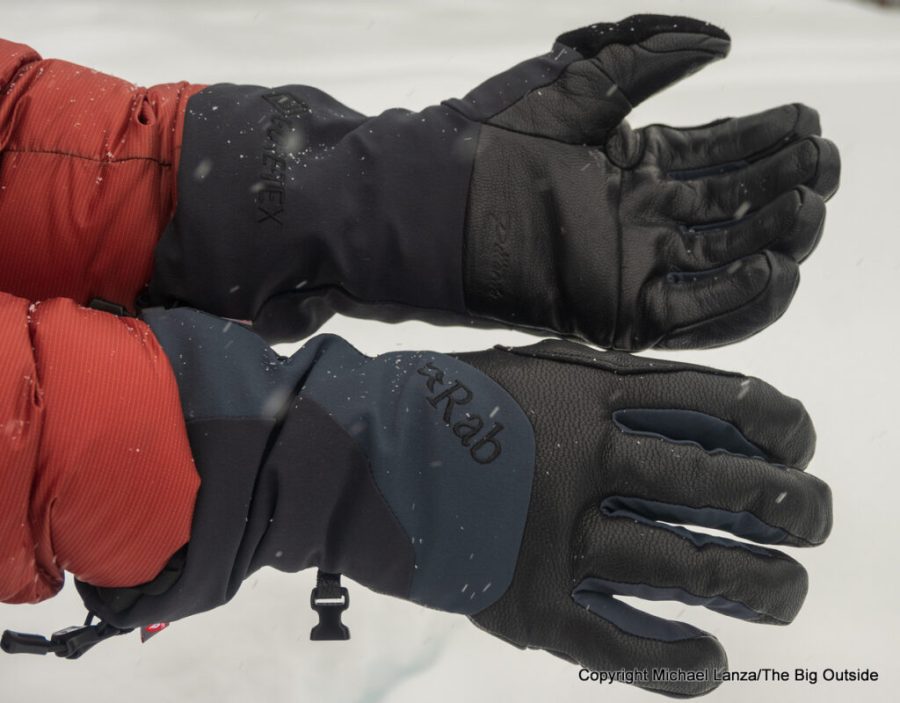
In rigorous industry product testing for the current cycle, the Rab Khroma Freeride Gore-Tex Gloves were recognized as the best overall ski and snowboard gloves. What sets the Khroma apart is its uncompromising approach to the needs of professional mountain guides and frequent resort skiers. It utilizes a multi-layered GORE-TEX Plus Warm technology that remains breathable while ensuring full waterproof protection. The palm features goatskin reinforcement, which we found invaluable when handling ropes or sharp ski edges.
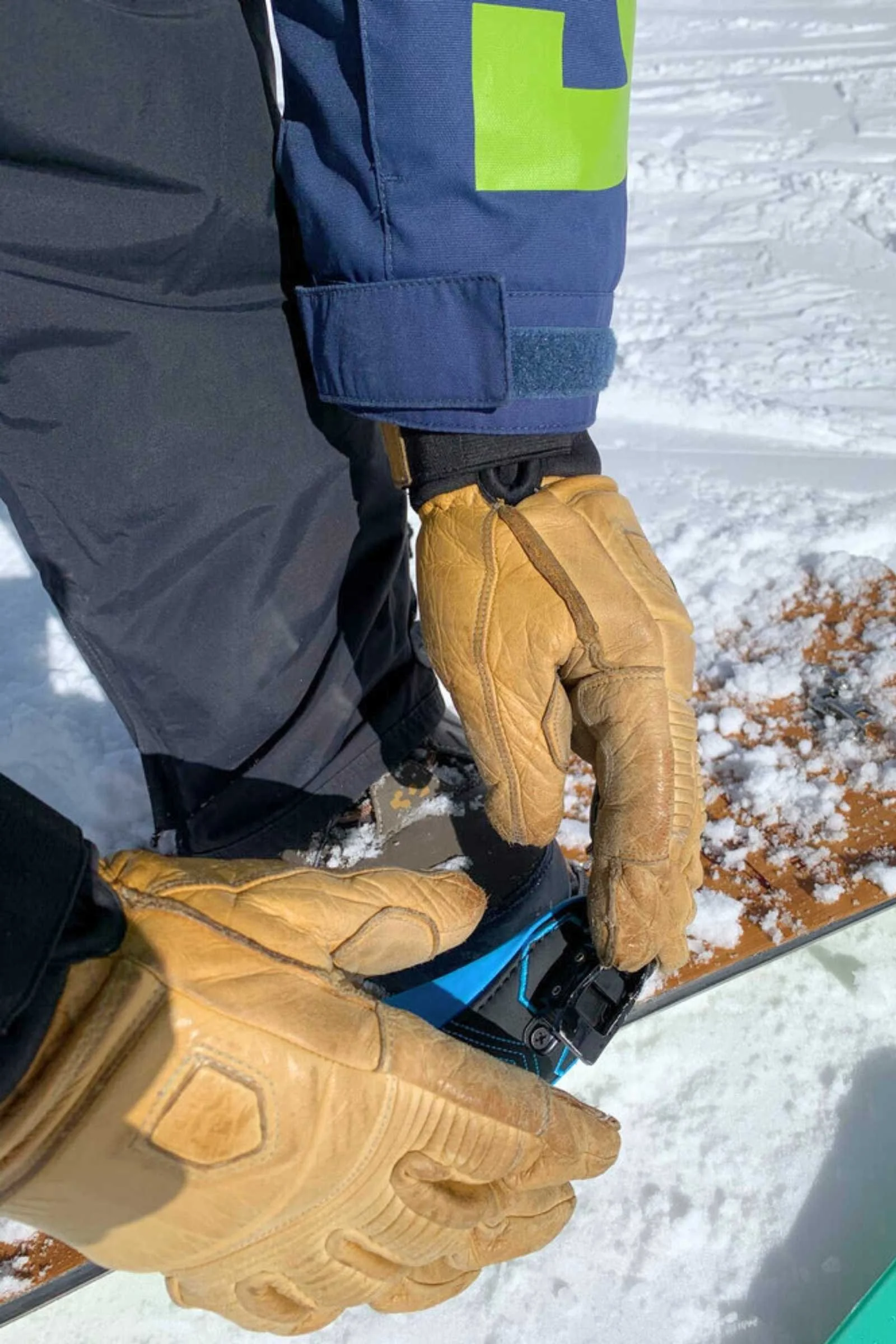
The Hestra Fall Line remains the most durable leather ski gloves for professional resort use for those who prefer the feel of an under-cuff glove. Its cowhide exterior is supple enough to allow for precise tactile sensitivity, making it easier to adjust boot buckles or unzip vents without exposing your skin to the elements.
Why professionals choose these models:
- Articulated construction: Pre-curved finger designs reduce hand fatigue during long days of downhill skiing.
- Internal lining: Moisture-wicking lining helps move sweat away from the skin, preventing the "damp chill" that often sets in during the afternoon.
- Removable components: Some technical models allow for the removal of liners to facilitate faster drying times.
Maximum Warmth: Best Mittens for Sub-Zero Protection
When the mercury drops well below freezing, even the best five-finger gloves can struggle to keep your circulation flowing. This is where thermal efficiency becomes the priority. Mittens are inherently warmer because your fingers share a single heat chamber, reducing the total surface area exposed to the cold.
For those searching for the warmest ski mittens for extreme cold weather 2026, the Black Diamond Mercury Mitts continue to lead the pack. These mittens are rated for temperatures as low as -29 degrees Celsius. They feature a high-loft synthetic insulation and a removable liner that allows you to customize the warmth based on the daily forecast. We find that the gauntlet design of these mittens is essential for keeping powder out of your sleeves during heavy snow cycles.

There is also an important conversation to be had regarding the benefits of 3-finger lobster ski gloves versus mittens. Lobster gloves offer a "halfway house" solution, grouping your three outer fingers for warmth while leaving your pointer finger free for better dexterity. If you find mittens too restrictive for handling your phone or gear but find standard gloves too cold, the lobster style is your best bet for the 2025-2026 season.
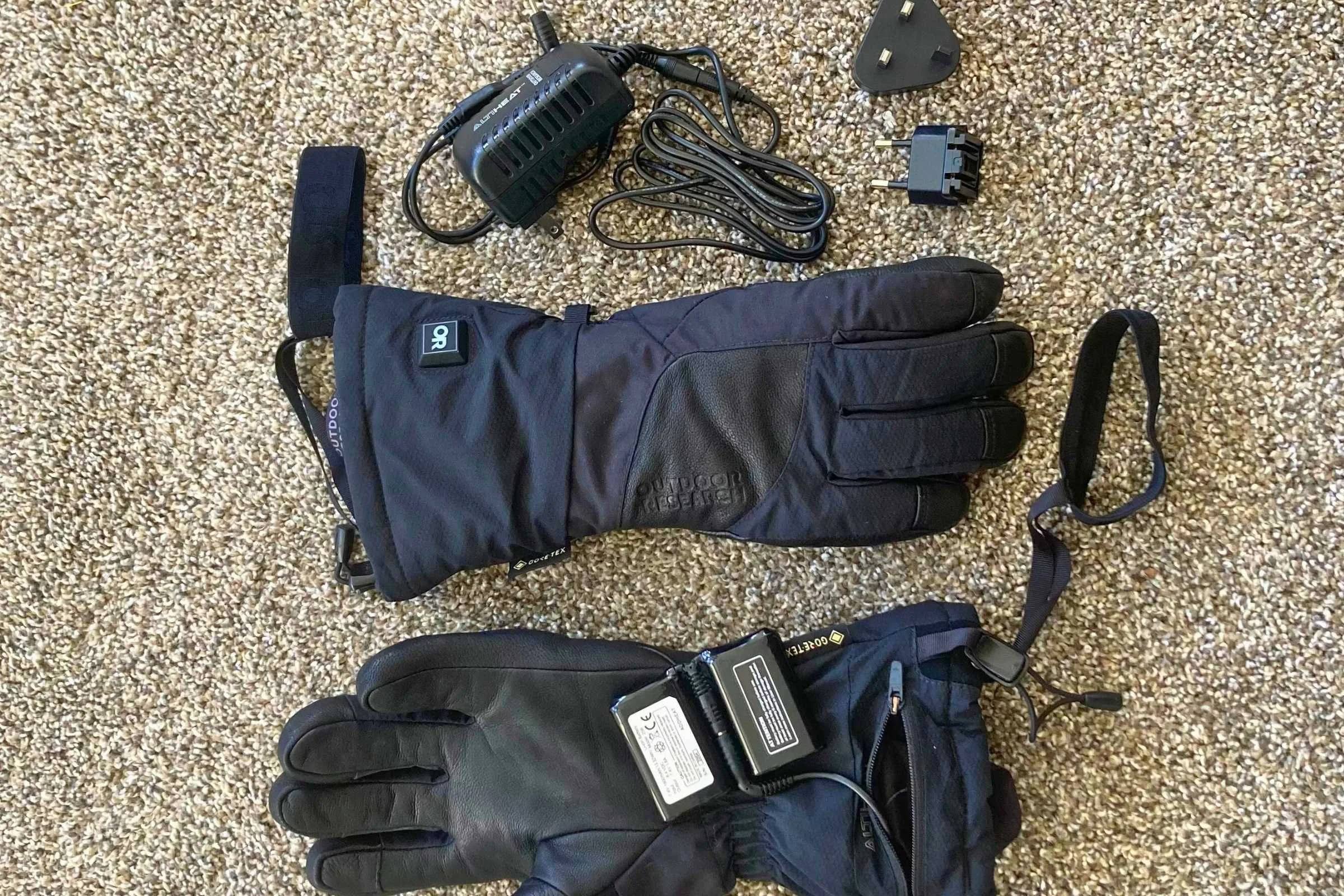
For skiers struggling with severe circulation issues or Raynaud's syndrome, the best battery powered heated gloves for raynauds syndrome are a revolutionary solution. Models like the Outdoor Research Prevail use integrated heating elements that wrap around the fingertips.
Expert Tip for Mitten Users: When selecting your warmest ski mittens for extreme cold, ensure there is enough space inside to wiggle your fingers. If the fit is too tight, it compresses the insulation and restricts blood flow, which paradoxically makes your hands colder.
High-Performance Backcountry & Touring
Backcountry touring requires a different set of features than resort skiing. When you are uphill skinning, your body generates a significant amount of heat. You need gear that prioritizes breathability and moisture management over raw poundage of insulation.
For the 2025-2026 season, technical updates are leaning toward modularity and precision. For instance, the Black Diamond Sencho glove reduced its insulation to 113 grams of PrimaLoft Gold on the back of the hand and 85 grams on the palm. This adjustment allows for better grip and tactile sensitivity while still providing a windproof barrier for the descent.
The Arc'teryx Fission SV is often cited as the best waterproof gore-tex ski gloves for wet snow. It is designed to handle "maritime" snowpacks—heavy, wet snow that can soak through lesser membranes in minutes. However, for those engaged in high-output activity, breathable backcountry touring ski gloves for uphill skinning are often lightweight softshells. Many experienced tourers carry two pairs: a light, moisture-wicking pair for the ascent and a heavy, insulated pair for the ride down.
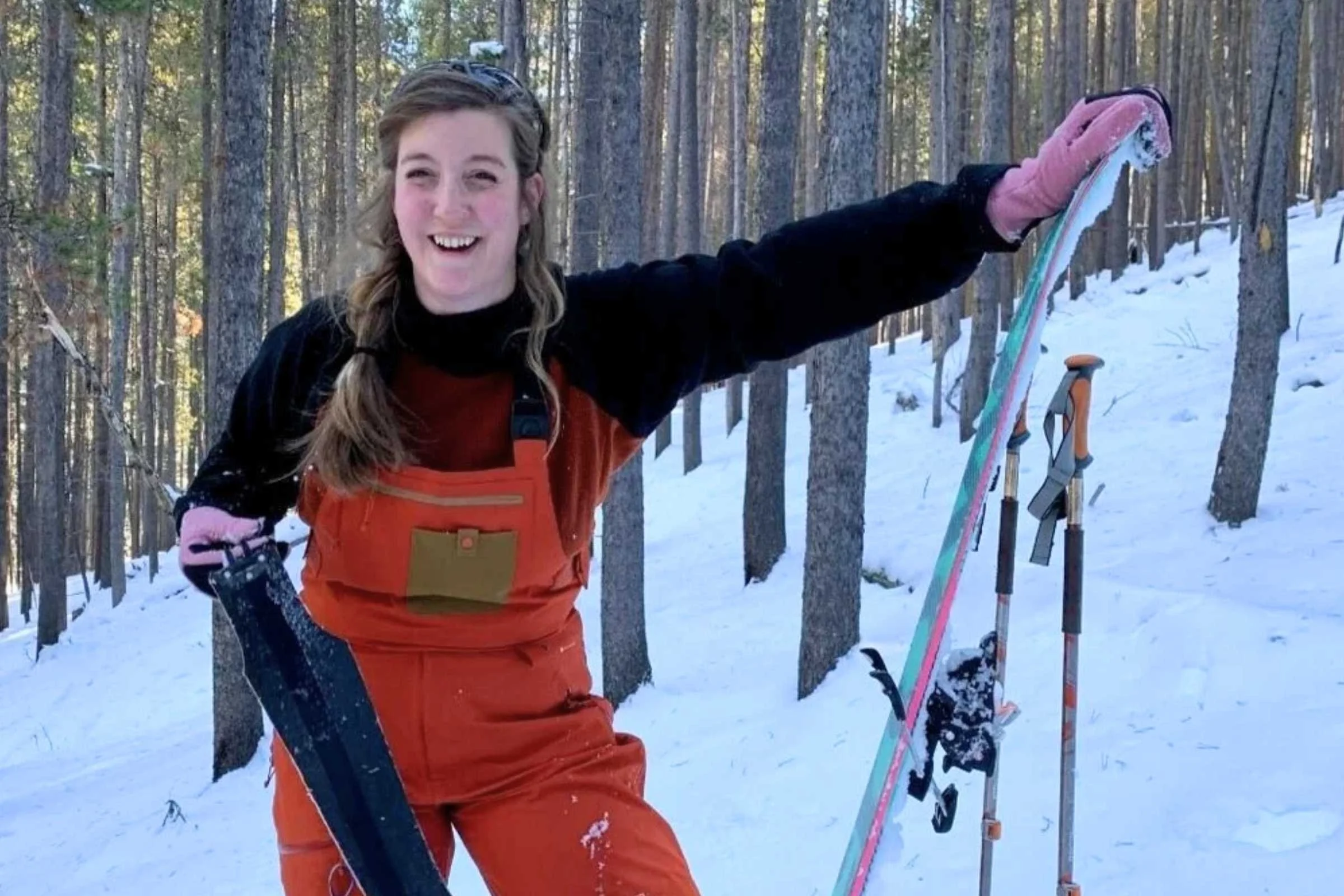
Key features for the backcountry:
- Carabiner loops: Allow you to hang your gloves tips-up on your harness so they don't fill with snow.
- Goggle wipe: A soft suede or synthetic patch on the thumb for clearing lenses.
- Stretch panels: Ensure the glove moves with your hand during complex transitions.
Best Budget & Beginner Options
You don't need to spend $200 to keep your hands dry and warm. For resort beginners, the priority should be finding top budget friendly ski gloves for resort beginners that offer a mix of comfort and durability.
The Kinco Pigskin Leather Gloves are a cult favorite for a reason. Often found for under $40, these are arguably the most resilient gloves on the mountain when treated with a waterproofing wax like Nikwax. While they lack the refined fit of a Hestra, they provide excellent abrasion resistance for people who are still learning to handle their equipment or those who work on the mountain daily.

When shopping in the entry-level category, one of the most common questions is how to choose between over-cuff and under-cuff ski gloves. Over-cuff designs feature a large gauntlet that cinches over your jacket sleeve, providing the best seal against deep snow. Under-cuff designs are sleeker and fit inside your jacket sleeve, offering a more streamlined look and better wrist mobility. For beginners, we generally recommend the over-cuff style for its superior ability to keep snow from entering the jacket.
Critical Safety & Maintenance Notes
Maintaining your gear is just as important as the initial purchase. To ensure the longevity of goatskin reinforcement or cowhide leather, you must clean and dry your gloves properly. Never place leather gloves directly on a high-heat radiator; this causes the leather to dry out and crack. Instead, air dry them at room temperature.
Safety Warning: Electronic Interference While battery-powered heated gloves are incredible for comfort, be aware that the electronics and batteries in these gloves can interfere with avalanche beacons. If you are skiing in avalanche-prone terrain, keep your heated gloves at least 20cm away from your beacon during "transmit" mode and 50cm away during "search" mode to ensure your safety device functions correctly.
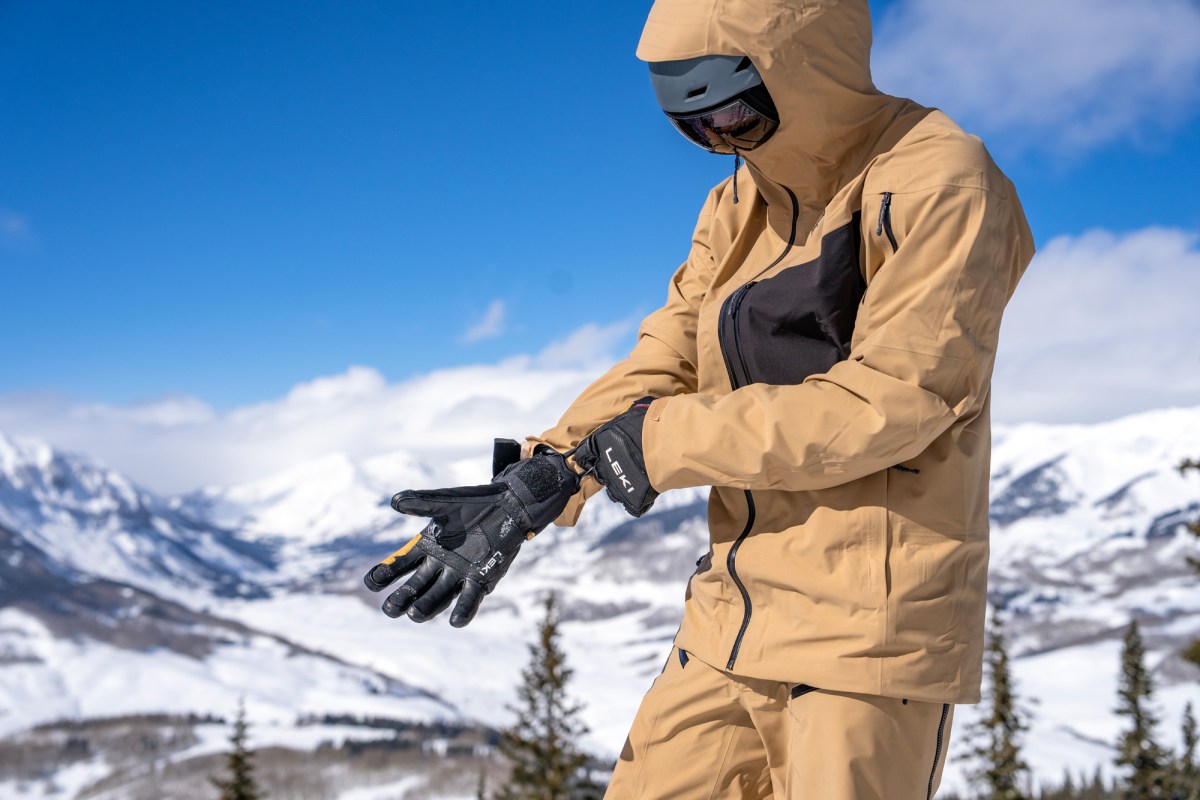
Regularly applying a leather conditioner will maintain the windproof barrier and keep the material supple. For synthetic models, following the manufacturer's washing instructions is key to preventing the breakdown of the waterproof membrane.
FAQ
Are mittens warmer than ski gloves?
Yes, mittens are generally warmer than gloves because they keep your fingers together in one pocket of air. This design creates a more efficient shared heat chamber and reduces the amount of surface area exposed to the cold air. While you lose some dexterity for handling zippers or gear, the thermal efficiency makes them the preferred choice for extreme cold.
What features should I look for in high-quality ski gloves?
You should look for a waterproof and breathable membrane like Gore-Tex, durable palm materials such as goatskin or cowhide, and a moisture-wicking lining. Additional high-value features include articulated construction for a natural grip, gauntlet cuffs to keep snow out, and a soft thumb patch for wiping goggles.
How should ski gloves fit for maximum warmth?
Ski gloves should fit with a little bit of extra space at the tips of your fingers—about a quarter to a half-inch. If your gloves are too tight, they compress the insulation and restrict blood flow to your fingers, which will actually make your hands feel colder. You should be able to make a fist comfortably without feeling the material pinch or tighten excessively over the knuckles.
Are leather or synthetic ski gloves better?
Leather gloves are traditionally more durable and offer better dexterity as the material breaks in and molds to your hand. They are excellent for heavy resort use. Synthetic gloves are often lighter, more breathable, and can be easier to care for since they do not require regular waxing. Many modern high-end gloves use a hybrid approach with a synthetic shell and leather palm.
Are battery heated ski gloves worth it?
Heated gloves are worth the investment for skiers with poor circulation, Raynaud's syndrome, or those who frequently ski in sub-zero environments. While they are more expensive and require battery management, the active heat source can be the difference between staying on the mountain all day or going home early due to numb fingers.
How do you keep your hands from getting cold while skiing?
The best way to keep hands warm is to ensure your core temperature stays high, as your body will pull blood from your extremities if your core is cold. Additionally, stay dry by using breathable gloves, avoid over-tightening your boot buckles or wrist straps which can restrict circulation, and use hand warmers or heated gloves if you are prone to cold hands.