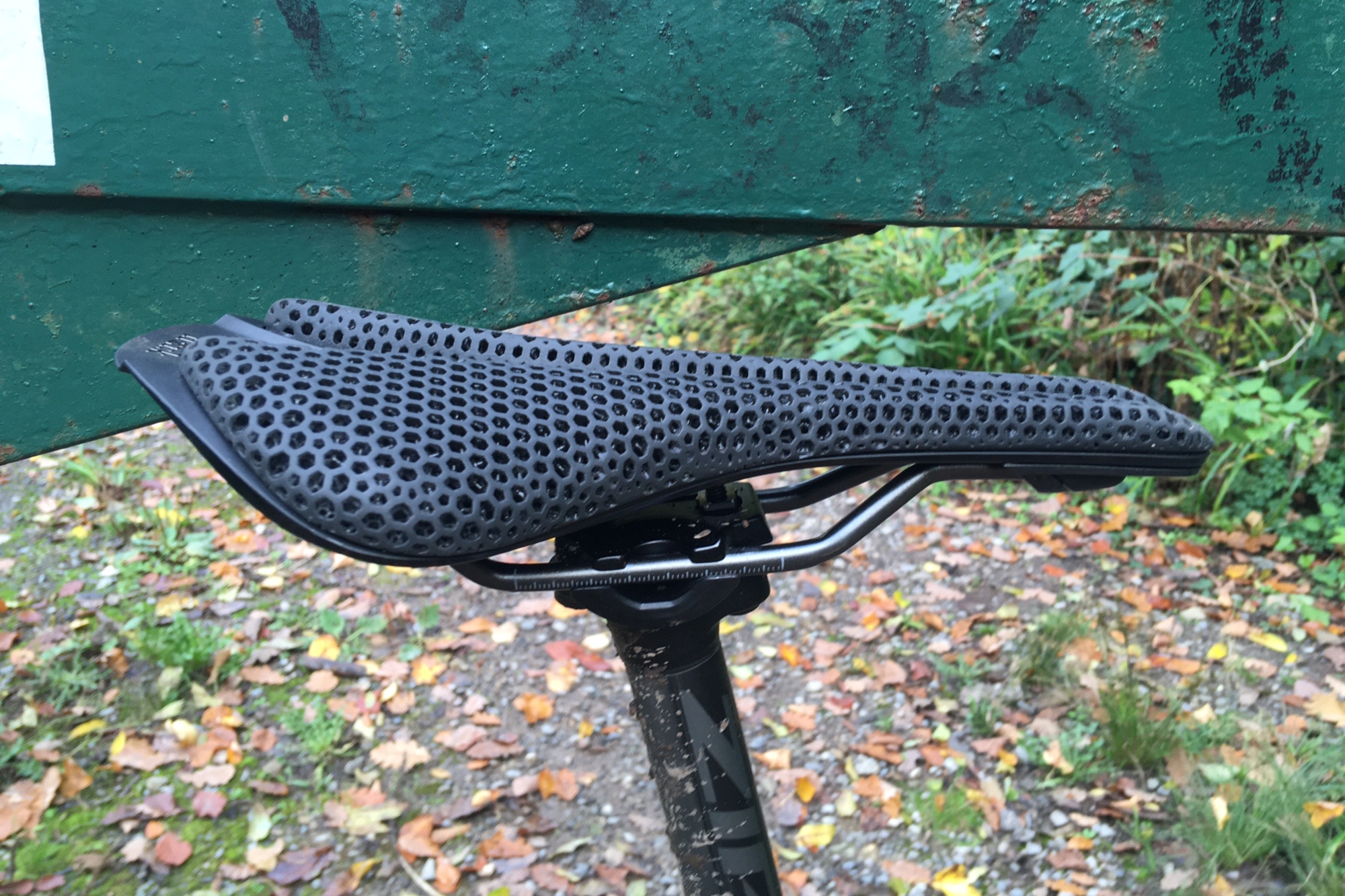
Our Top Picks
Finding the perfect perch is often the last piece of the performance puzzle. For most riders, the WTB Volt Chromoly stands as the best mountain bike saddles choice for overall value and rugged durability. If your primary concern is anatomical health and soft-tissue relief, the Specialized MIMIC and SQ Lab 611 Ergowave offer the best pressure relief. For those counting grams in the XC circuit, the Tioga Spyder Outland provides a lightweight profile that defies its minimalist appearance.
The best mountain bike saddles prioritize a balance between comfort, durability, and weight. In 2025, the market has evolved from simple foam to advanced 3D-printed lattices and pressure-relief channels. Our testing covers over 100 miles of rugged terrain to help you choose the right seat. Whether you are searching for a comfortable mountain bike seat or a specialized platform for e-MTB climbing, these expert-vetted selections are designed to keep you in the power position for hours.
| Saddle Model | Weight | Rail Material | Best Use Case |
|---|---|---|---|
| WTB Volt Chromoly | 239g (Medium) | Chromoly | Trail & Enduro |
| Specialized MIMIC | 218g | Hollow Ti | Pressure Relief & Comfort |
| SQ Lab 611 Ergowave | 234g | S-Tube | Long Rides & Medical Support |
| Tioga Spyder Outland | 185g | Dual Arc Chrome | Lightweight XC Racing |
| Fizik Terra Aidon X5 | 249g | S-Alloy | E-MTB & Technical Climbing |
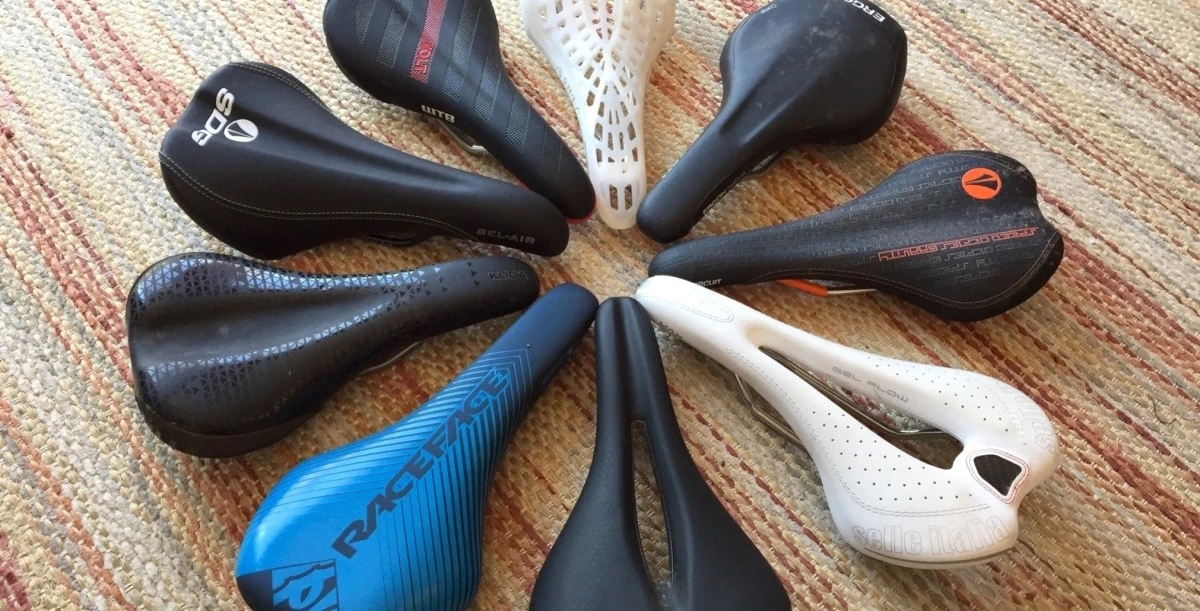
Rigorous Testing: How We Evaluated Performance
To cut through the marketing noise, we implemented a testing protocol that goes beyond the local trailhead. Every model in this guide was subjected to a weighted scoring rubric, which allocates 30% to comfort, 25% to durability, 25% to anatomical support, and 20% to weight. We focused heavily on trail vibration damping to see how different materials, from standard foam to a nylon glass shell, handled the high-frequency chatter found on granite-strewn descents.
Beyond the riding, we performed a brutal 30-foot weighted concrete drag test to simulate a high-speed crash. This allowed us to observe how the edges of the saddles held up against real-world abrasion. We also measured how much each shell flexed under pedaling loads to ensure that efficiency was not sacrificed for cushioning. The current market is booming, as the global bicycle saddles market size was valued at approximately USD 5.7 billion in 2025, and our goal is to show you which of those billions of dollars are actually going into quality engineering.

Best Overall & Heavy Duty: WTB Volt Chromoly
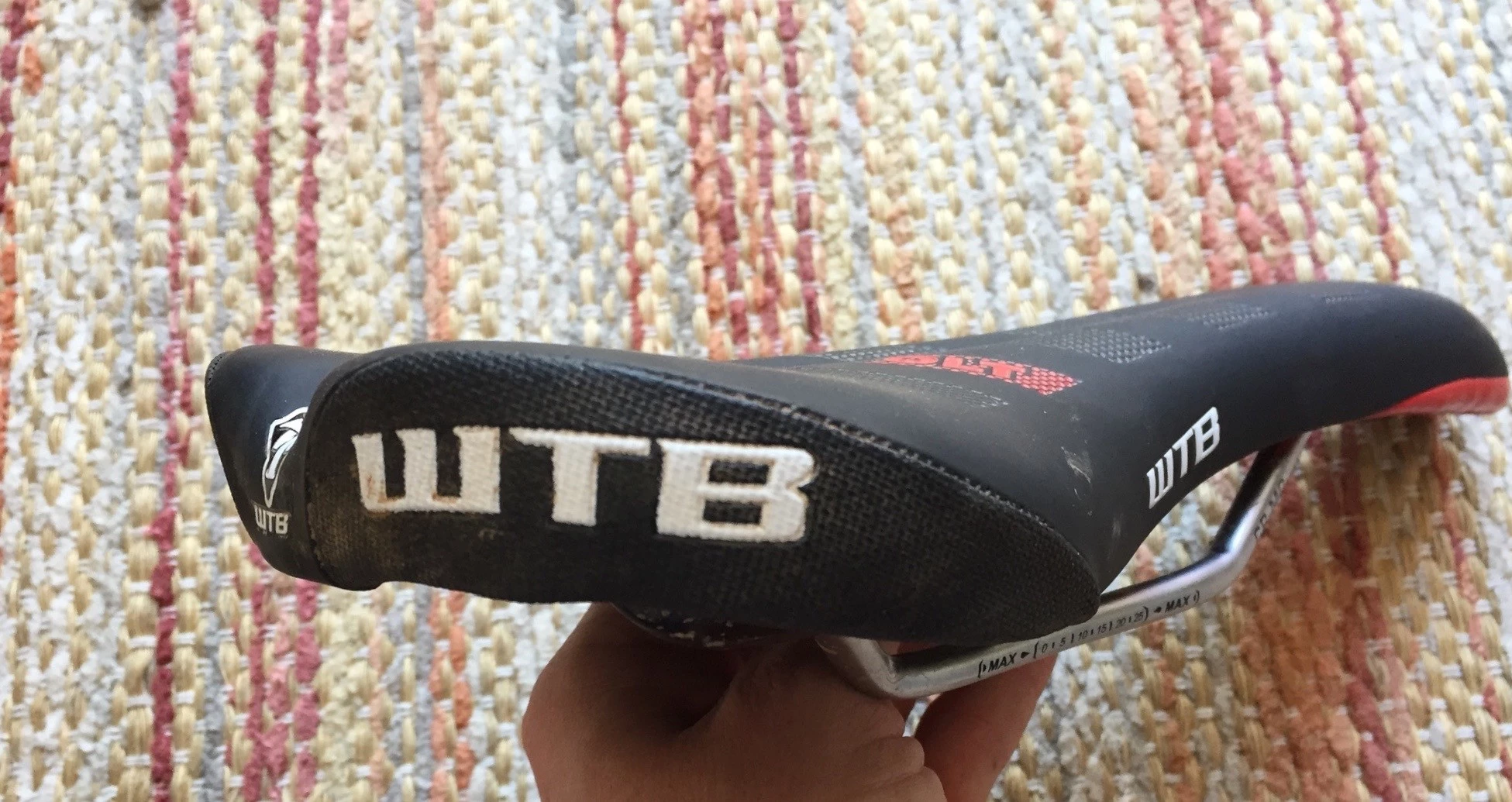
The WTB Volt is the workhorse of the mountain biking world. It features a subtle whale-tail shape that allows riders to tilt their pelvis forward for much-needed power on steep climbs. The middle of the saddle features the Love Channel, which provides a degree of perineal relief without compromising the structural integrity of the seat. For many who ride aggressively, the titanium vs chromoly mtb saddle rails comparison often ends here; while titanium is lighter, chromoly rails offer a level of impact resistance that is hard to beat for enduro racing.
In our testing, we found the medium-width Volt (142mm) to be the sweet spot for a variety of body types. The padding is firm enough to support the ischial tuberosity properly during a full day of riding but soft enough to take the sting out of unplanned square-edge hits. Its longevity is enhanced by abrasion-resistant wings, which protect the sides of the saddle if you lay the bike down on rough terrain.
- Reasons to Buy: Extremely durable against crashes, available in multiple widths (135mm to 150mm), and offers a great price-to-performance ratio.
- Reasons to Avoid: The 239g weight is slightly heavy for weight-weenies, and the microfiber cover can be slippery when wet.
Best for Comfort & Medical Support: SQ Lab 611 Ergowave & Specialized MIMIC
When riders talk about finding a comfortable mountain bike seat, they are usually trying to solve the problem of numbness and hot spots. The SQ Lab 611 Ergowave addresses this with a stepped design that moves weight off the soft tissues and onto the bones of the butt. This saddle is unique because it uses a BASF Infinergy foam, similar to what you find in high-end running shoes, providing a rebound effect that acts as a secondary suspension system. It is one of the most comfortable mountain bike saddles for long rides because it encourages a healthier seating posture.
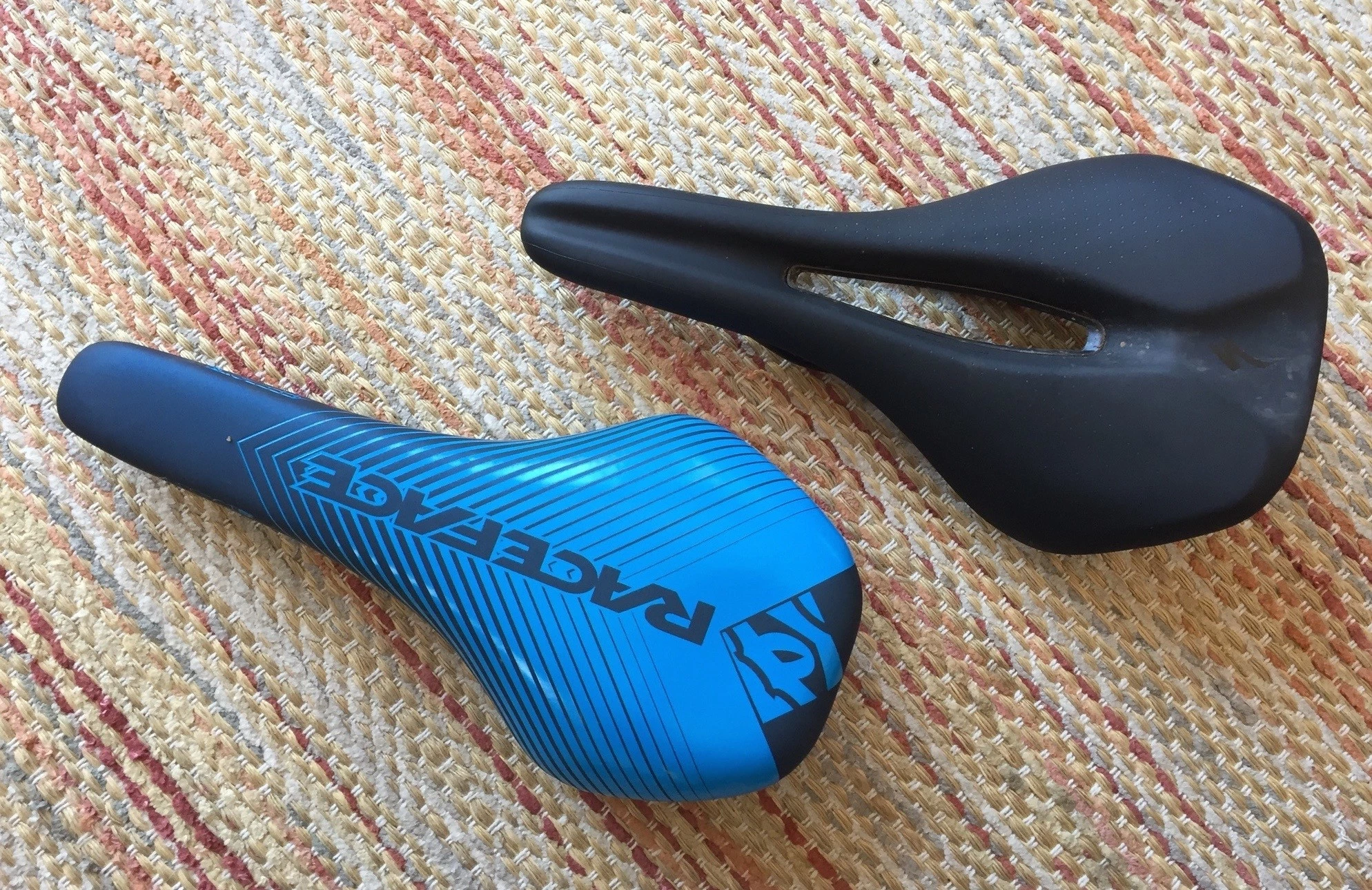
Similarly, the Specialized MIMIC technology was originally designed for women but has become a favorite for any rider dealing with swelling or pressure. By using varied polyurethane foam density across the surface, the MIMIC mimics soft tissue to balance pressure. Both these saddles feature an anatomical groove design or a full cutout to maximize perineal pressure relief. Best mtb saddles with pressure relief channels are not just a luxury; they are essential for maintaining blood flow during long, seated fire-road grinds.
- Reasons to Buy: Unmatched pressure relief for soft tissues, variety of sizes for precise fit, and high-quality construction.
- Reasons to Avoid: The stepped shape of the SQ Lab takes a few rides to get used to, and high-end models can be expensive.
Best Lightweight for XC Racing: Cadex Amp & Tioga Spyder
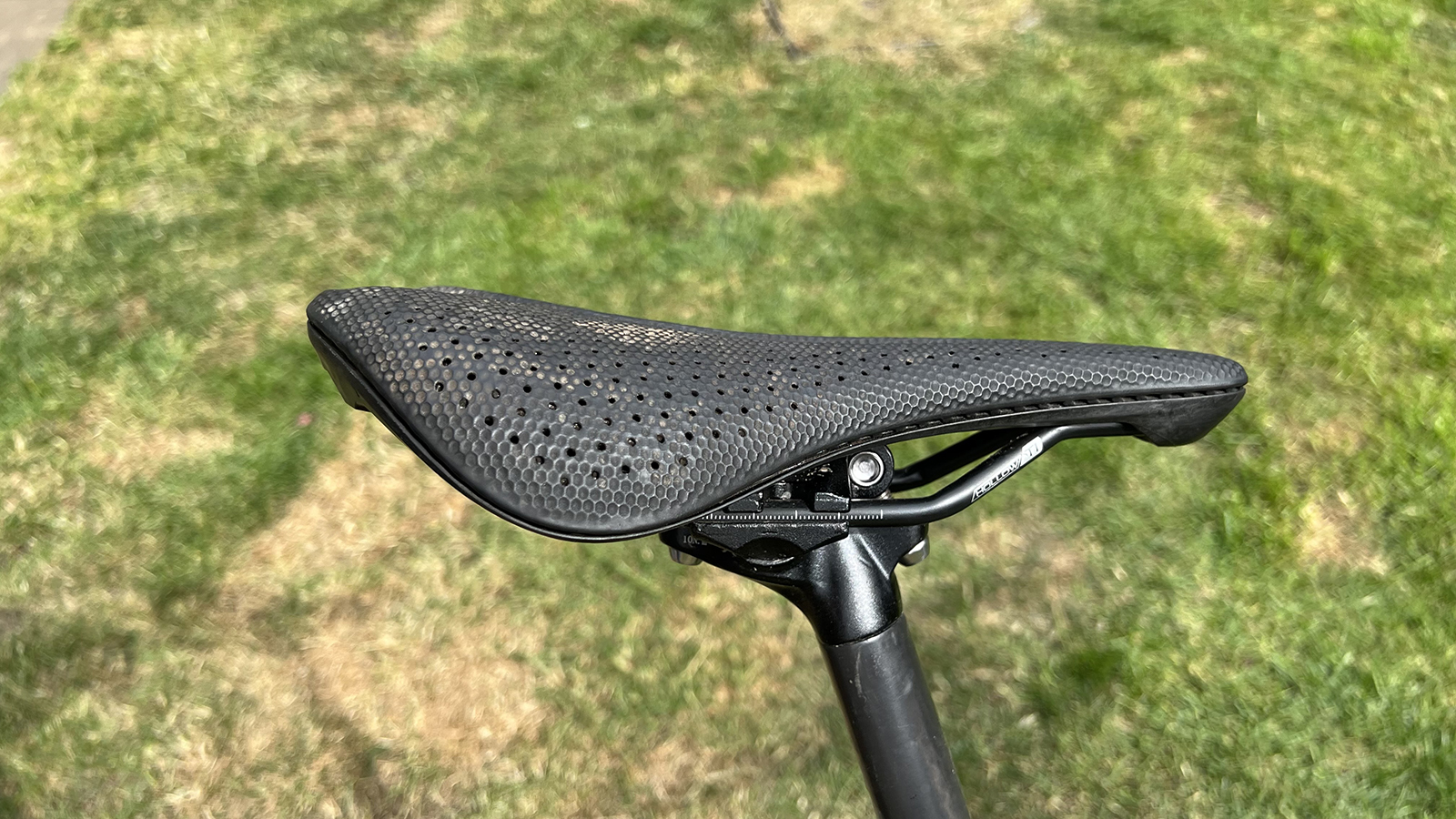
For cross-country racers, every gram counts, especially when you are fighting for the holeshot. The Cadex Amp and Tioga Spyder represent the cutting edge of lightweight mtb saddles technology. The Cadex Amp utilizes carbon fiber rails that are merged directly into the shell to create a stiff, ultra-responsive feel. This design maximizes pedal efficiency by ensuring that no energy is lost to saddle flex when you are putting the power down.
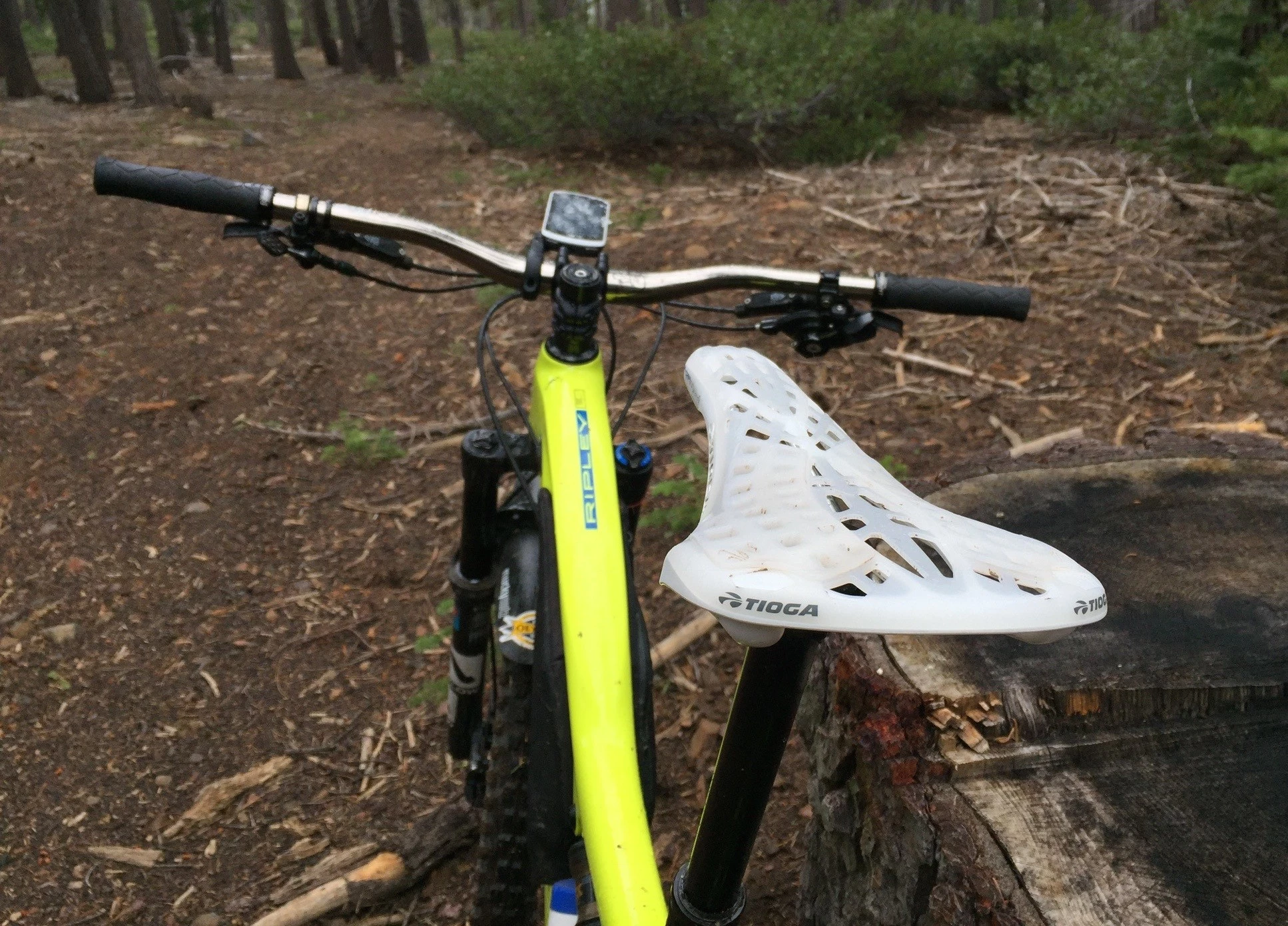
The Tioga Spyder Outland, on the other hand, looks like a piece of modern art. Its 3D-printed lattice or web-like structure allows the shell to flex naturally with the rider's movement while remaining incredibly light. It is widely considered one of the best lightweight mtb saddles for cross country racing because it provides surprising comfort through its flexibility rather than through thick, heavy padding. With high-end bikes priced over $1,500 making up 45% of total mountain bike sales, more riders are looking for these premium, weight-saving components.
- Reasons to Buy: Exceptional weight savings (as low as 130g-180g), high stiffness for racing, and a futuristic aesthetic.
- Reasons to Avoid: Carbon rails are sensitive to torque settings, and the open-web design of the Tioga can be difficult to clean after a muddy ride.
Best for e-MTB & Technical Climbing: Fizik Terra Aidon X5
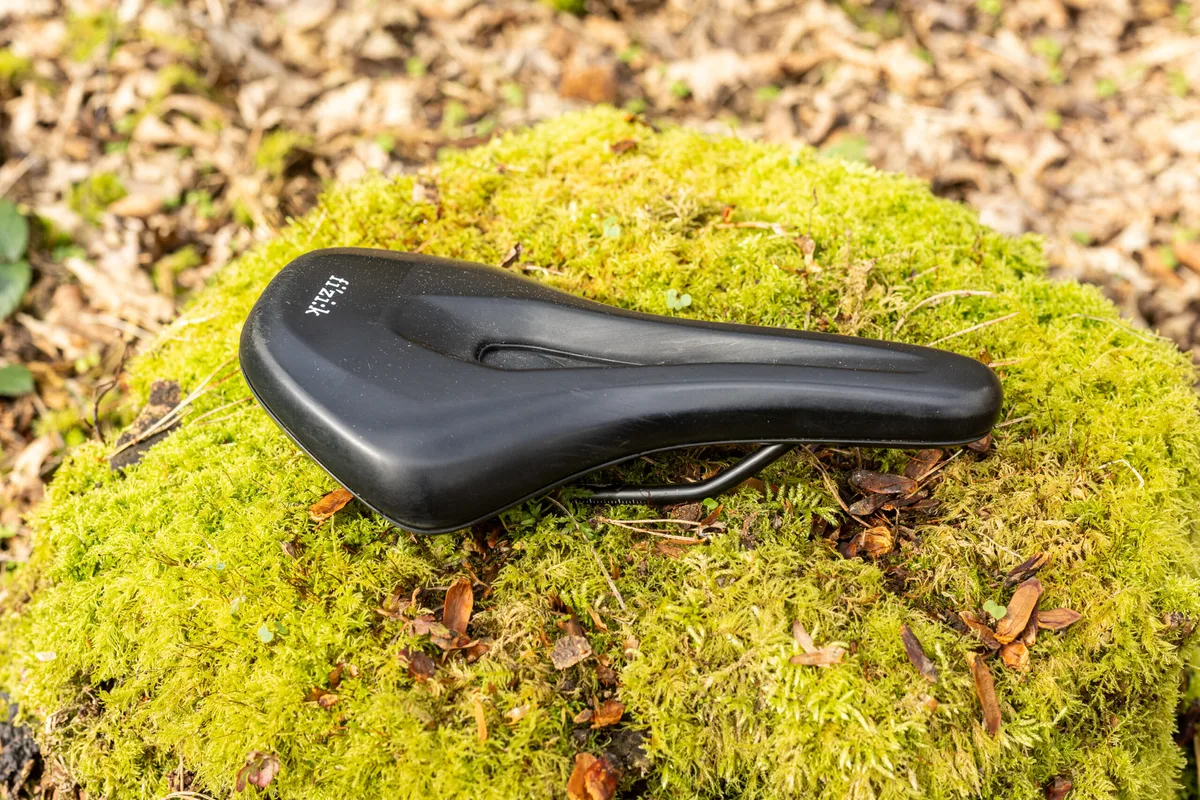
E-bikes have changed how we climb, allowing us to stay seated on grades that would be impossible on a traditional bike. This creates a need for mountain bike saddles for e-mtb climbing comfort that focus on pelvic positioning. The Fizik Terra Aidon X5 features a waved profile with a slight kick at the tail, which helps the rider maintain a stable position and prevents them from sliding backward during steep, high-torque climbs.
This saddle also features an e-bike specific "Mobius" rail loop for increased structural stability. Given that the Asia Pacific region held the largest global share of the bicycle saddles industry at 75.2% in 2025 due to e-bike demand, it is no surprise that manufacturers are refining these specialized shapes. The Aidon uses a closed-cell foam that is easier to wipe down, which is a blessing after a day of splashing through technical terrain.
- Reasons to Buy: Keeps you centered on steep climbs, incredibly stable rail design, and specifically tuned for the weight of e-bikes.
- Reasons to Avoid: The short-nose design might feel restrictive for riders who like to move around a lot on the saddle.
Buyer’s Guide: Finding Your Perfect Fit
The most expensive saddle in the world will feel like a brick if it is the wrong size for your anatomy. The most critical metric is the mtb saddle sit bone width. Your sit bones, or ischial tuberosity, are the points that should bear your weight. If the saddle is too narrow, your sit bones will hang over the edges, putting all the pressure on your soft tissues and leading to numbness.
To learn how to measure sit bone width for mtb saddle at home, you only need a piece of corrugated cardboard. Place the cardboard on a hard chair, sit on it with your feet slightly elevated to mimic a riding position, and rock slightly. When you stand up, you will see two indentations. Measure the distance between the center of those two pits in millimeters. Usually, you should add about 20mm to that measurement to find your ideal saddle width.
Finally, consider the materials. In the titanium vs chromoly mtb saddle rails comparison, titanium is better for those who want a smoother, more dampened ride on a hardtail. Chromoly is better for those who tend to crash often or ride heavy enduro bikes. If you are racing, carbon remains the gold standard for stiffness.
Maintenance: Caring for Your Saddle
A high-performance saddle is an investment, and proper care will extend its life significantly. After a muddy ride, avoid using a high-pressure hose directly on the saddle, as this can force water into the foam or under the shell, leading to premature breakdown. For 3D-printed lattice structures, a soft brush and low-pressure water are essential to remove grit that can act like sandpaper against your riding shorts.
If your saddle has a microfiber synthetic surface, it can become quite slick over time as the texture wears down. Using a mild soap and ensuring it dries completely out of direct sunlight will help maintain the grip. Periodically check your rail bolts with a torque wrench, especially if you have carbon rails, as they can creak or even crack if they are improperly tensioned.
FAQ
How do I choose the right mountain bike saddle?
Start by measuring your sit bone width and identifying your primary riding style. XC racers should look for lightweight, stiff options, while trail and enduro riders should prioritize durability and a shape that allows for easy movement.
What is the most comfortable mountain bike saddle for long rides?
Models like the SQ Lab 611 Ergowave or the Specialized Power with Mirror are often cited as tops for comfort. They use medical-grade ergonomic shaping and advanced materials like 3D-printed lattices to distribute pressure evenly over long hours.
Why does my mountain bike saddle hurt?
Pain usually stems from a saddle that is either too narrow, causing soft-tissue pressure, or too soft, which allows you to sink in and puts pressure where it doesn't belong. It can also be a matter of improper saddle angle or height.
How do I know if a mountain bike saddle fits me?
A well-fitting saddle should disappear beneath you. You should feel your weight supported by your sit bones, and you should not experience any numbness, tingling, or sharp pains in your inner thighs or perineum even after an hour of riding.
Should I choose a hard or soft mountain bike saddle?
Counterintuitively, a firmer saddle is usually better for long-distance riding. Soft, squishy saddles feel great for the first ten minutes, but they eventually compress and put pressure on soft tissues. A firm saddle provides consistent support for your skeletal structure.
Is a carbon mountain bike saddle worth the extra cost?
If you are racing or trying to build the lightest bike possible, carbon rails and shells offer significant weight savings and increased stiffness. However, for the average trail rider, chromoly or titanium rails offer better durability and "trail feel" at a lower price point.