Our Top Picks
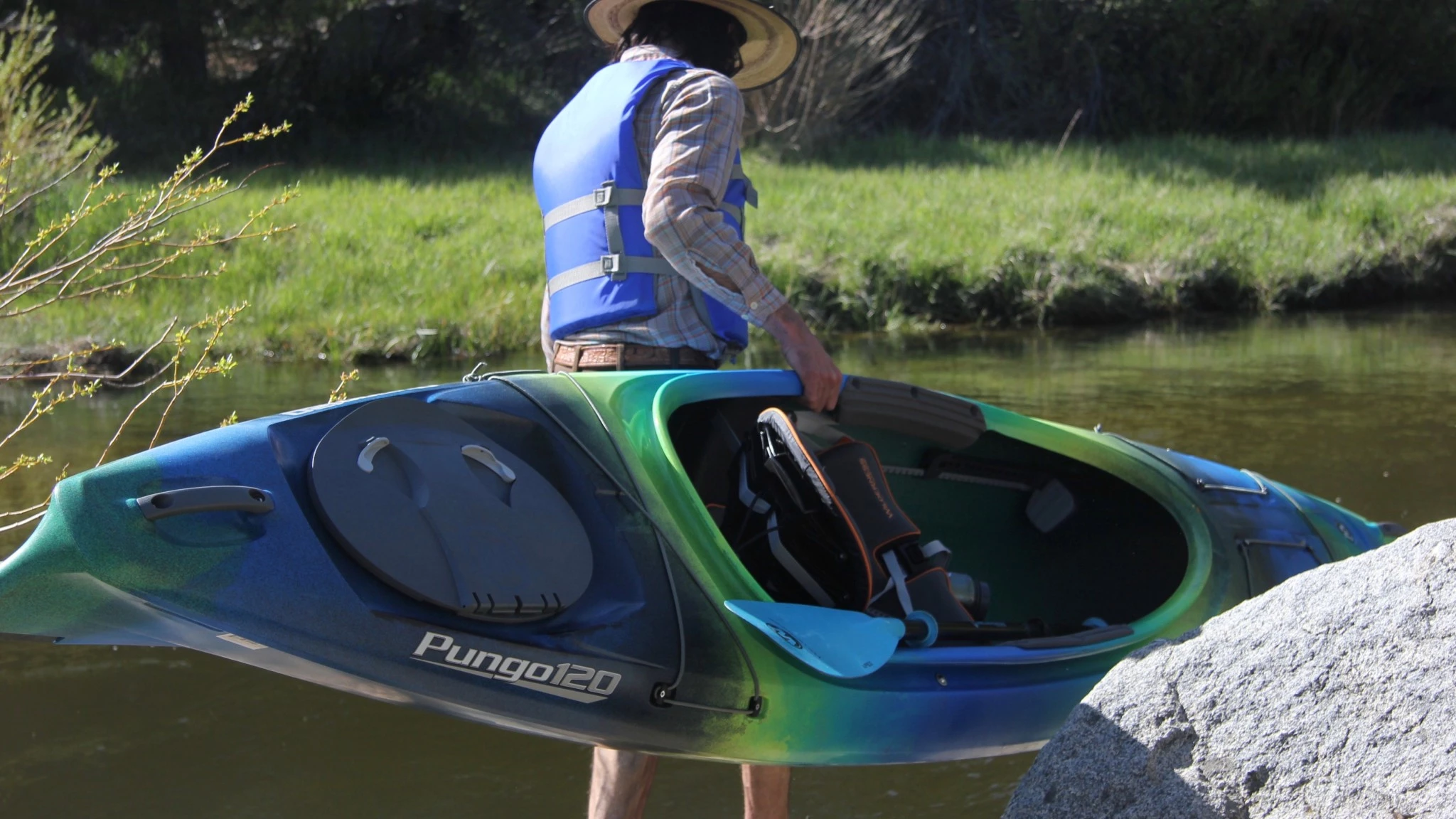
- Best Overall: Wilderness Systems Pungo 120. It offers the best balance of speed and stability with a premium cockpit designed for all-day comfort.
- Best Lightweight Choice: Eddyline Skylark. A thermoformed gem that weighs only 41 pounds while providing performance near that of a long touring boat.
- Best Beginner Value: Quest Passage 100. Exceptional primary stability for calm lakes at an accessible price point for new paddlers.
- Best for Tracking: Dagger Stratos 12.5 S. Featuring a drop-down skeg, this model excels in maintaining a straight line during windy conditions.
- Best Sit-on-top: Wilderness Systems Tarpon 105. A rock-solid platform for those who prefer an open, self-bailing design.
The Wilderness Systems Pungo 120 is the best overall kayak for 2026, offering an exceptional balance of maneuverability, tracking, and stability with a comfortable cockpit. For those prioritizing lightweight transport and high performance, the Eddyline Skylark is a top choice due to its thermoformed ABS construction. Paddlers seeking specialized tracking performance for long distances should consider the Dagger Stratos 12.5 S, which features a drop-down skeg for improved efficiency.
| Kayak Model | Weight | Price Tier | Best For |
|---|---|---|---|
| Wilderness Systems Pungo 120 | 49 lbs | Premium | All-around Recreational |
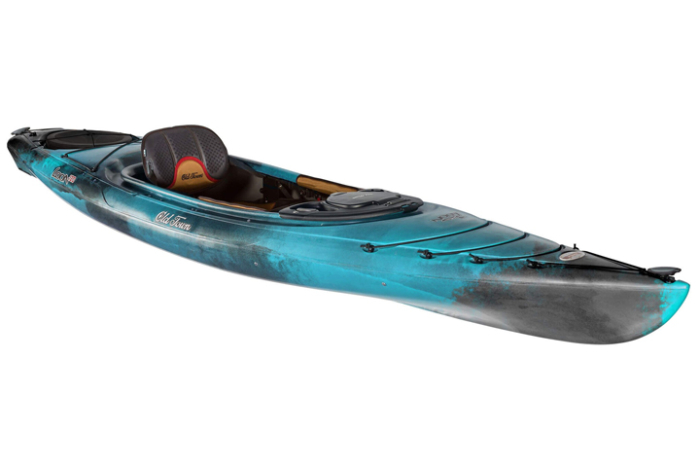
| Old Town Loon 120 | 54 lbs | Premium | Comfort & Smooth Glide |
| Eddyline Skylark | 41 lbs | High-End | Solo Loading & Efficiency |
| Quest Passage 100 | 40 lbs | Budget | Beginners on Calm Lakes |
| Dagger Stratos 12.5 S | 52 lbs | High-End | Long Distance & Coastal |
| Pelican Argo 100X EXO | 36 lbs | Budget | Casual Weekend Paddling |
| Wilderness Systems Tarpon 105 | 55 lbs | Mid-Range | Stable Sit-on-Top Design |
Understanding Kayak Dynamics: Stability to Speed
Choosing the right boat in 2026 requires looking beyond the shiny finish. The physics of how a boat sits in the water determines your confidence on the move. When we talk about stability, we distinguish between primary stability (the boat's steadiness when you are sitting still) and secondary stability (the boat's ability to remain stable when tilted on its edge). Beginners often prefer high primary stability, while those moving into touring kayak performance comparison look for secondary stability to handle waves and leaning turns.
The hull shape plays the starring role here. A flat-bottom hull offers great primary stability but can feel sluggish. Conversely, a multi-chine hull design uses several angled "edges" to provide a blend of stability and speed. Furthermore, the rocker, or the upward curve from bow to stern, dictates maneuverability. A high rocker allows for quick turns in rivers, whereas a low rocker helps the boat track straight across long stretches of open water.
Best Overall & Recreational: The Benchmark Models
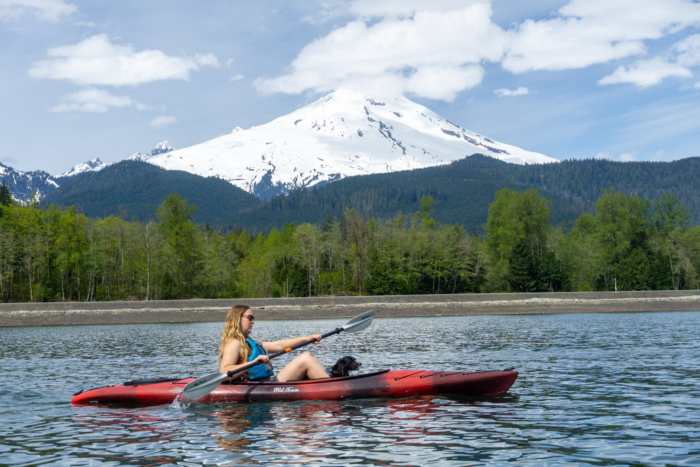
For most recreational paddlers, the 12-foot class represents the sweet spot. The Wilderness Systems Pungo 120 continues its reign as a community favorite. It manages to feel incredibly stable even for a total novice, yet its V-keel hull provides a glide that rivals much narrower boats. We found the Phase 3 AirPro seating system keeps the lower back supported, which is vital when considering best kayaks for long distance paddling comfort.
Equally impressive is the Old Town Loon 120. Often cited by industry experts at paddlingmag.com as a leader in refined tracking and comfort, it features a removable workdeck with USB storage. Its roto-molded polyethylene construction ensures it can handle bumps against docks and rocky shores without a flinch.
Wilderness Systems Pungo 120 Specs
- Material: Roto-molded polyethylene
- Weight: 49 lbs
- Capacity: 325 lbs
- Features: Deck bungee rigging, adjustable foot braces.
Skip If:
- You need a boat under 40 pounds for solo car-topping.
- You plan on paddling in heavy ocean surf where a narrower sea kayak is safer.
Best Sit-on-Tops & Beginners: Ease of Entry
If you are just starting and want a boat that is easy to hop on and off, sit-on-top models are the way to go. Beginners often feel more secure in these because they don't have an enclosed cockpit. The Quest Passage 100 and the Pelican Argo 100X EXO are among the most stable kayaks for beginners, particularly on flat water. These models leverage thermoformed ABS plastic to keep the hull stiff yet light, though they generally have lower weight capacity limits compared to larger touring models.
For a more premium experience, the Wilderness Systems Tarpon 105 is our pick for top rated sit-on-top kayaks 2026. It is exceptionally stable and includes the same high-end seating found in touring models. If you are looking for best affordable sit-on-top kayaks for calm lakes, the Pelican Argo series remains the price leader while maintaining enough buoyancy for most adults.
Skip If:
- You intend to paddle in cold water where you need the protection of an enclosed cockpit.
- You want the fastest possible boat; sit-on-tops are generally wider and slower.
Best Performance Touring: Distance & Tracking
When the goal is to cover five or ten miles in an afternoon, you need efficiency. Touring kayak performance and tracking comparison experts point toward the Dagger Stratos 12.5 S and the Delta 12.10. These boats are designed to slice through the water rather than push over it. The Stratos is particularly versatile; it has a tracking skeg that can be dropped down to keep you straight during crosswinds or tucked away when you need to weave through river bends.
For those looking for an entry-level touring kayaks with storage for camping, the Delta 12.10 is a standout. It features watertight bulkheads in the front and back, ensuring the boat stays afloat even if the cockpit takes on water. This is a critical safety feature for any durable hardshell kayaks for rocky river paddling where conditions might change suddenly.
Delta 12.10 Performance Metrics
- Weight: 43 lbs (Very light for its class)
- Construction: Thermoformed ABS plastic
- Tracking: High efficiency with a multi-chine hull design
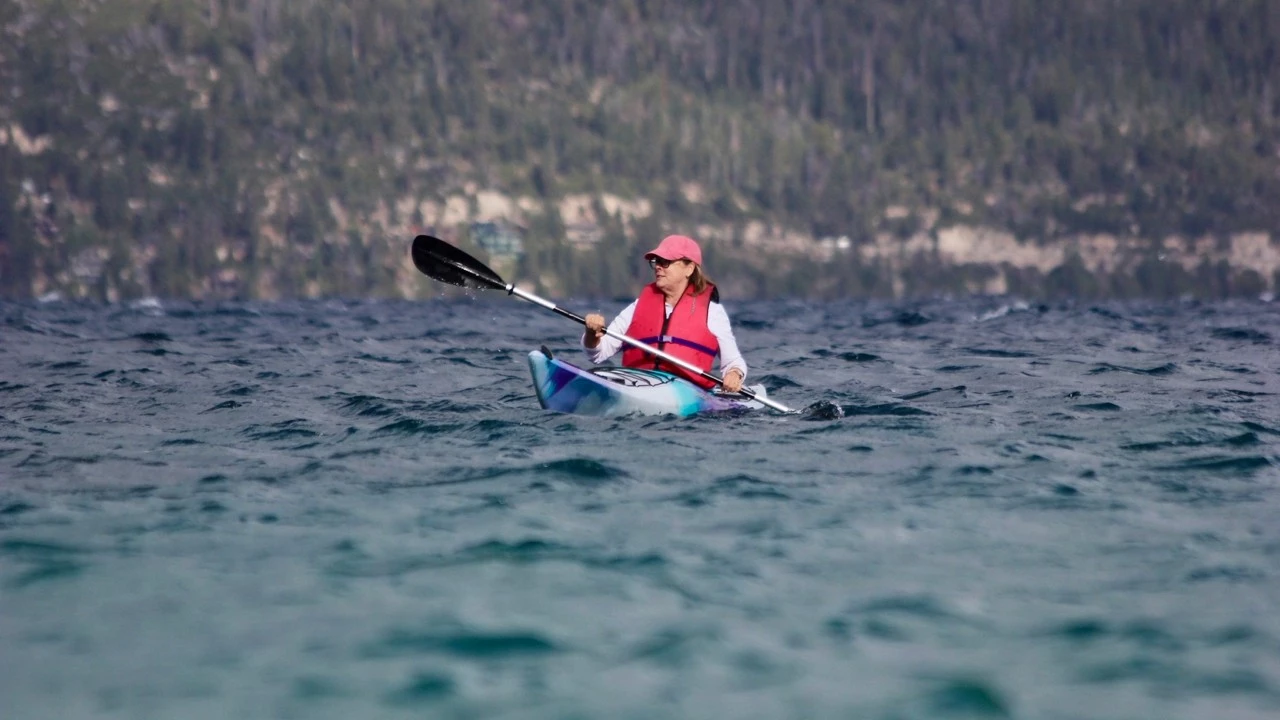
Solo Loading & Transport: Logistics for One
The biggest barrier to getting on the water is often the struggle of getting the boat onto the car. Our testing consistently shows that best lightweight kayaks for solo loading hover around the 40-pound mark. The Eddyline Skylark is the gold standard here. By using a specialized Carbonlite material, Eddyline creates a boat that looks like fiberglass but has the impact resistance of plastic.
At 41 pounds, the Skylark offers true solo transportability. You don't need a second person or a complicated mechanical lift to get it onto a roof rack. While the Sun Dolphin Aruba 10 is an even lighter budget alternative, it lacks the thermoformed ABS plastic rigidity that makes the Skylark so efficient in the water.
Buyer’s Guide: Materials & Safety in 2026
The market is evolving rapidly. The global canoe and kayak market is estimated to be valued at $798.06 million in 2026, and much of that growth is driven by better materials. Choosing between roto-molded polyethylene and thermoformed plastic is your first big decision. Polyethylene is incredibly durable—perfect for dragging over rocks—but it is heavy and can warp over time if stored improperly. Thermoformed plastic is lighter, shinier, and holds its shape better, but costs more.
Always check the weight capacity limits before buying. Remember that the "capacity" includes you, your gear, and your water. For a stable experience, your total load should usually be about 30% below the maximum capacity. Finally, regardless of the model you choose from the best kayaks 2026 list, a high-quality PFD (Personal Flotation Device) is non-negotiable for safety.

FAQ
What are the top rated kayaks for 2026?
The Wilderness Systems Pungo 120 remains the top-rated all-around model for recreational use. For touring, the Delta 12.10 and Dagger Stratos are leading choices. If you are focused on fishing and standing stability, the Vibe Shearwater 125 is a top-tier performer according to recent industry evaluations.
What features should I look for in a new kayak?
Prioritize seat comfort and hull shape. Look for adjustable foot braces and a seat with lumbar support for longer trips. If you plan to paddle on open water, a tracking skeg or rudder is a valuable feature. For those with limited storage or transport help, the overall weight of the boat should be a primary consideration.
Which is better: a sit-in or sit-on-top kayak?
It depends on your environment. Sit-in kayaks offer protection from the elements, better warmth in cold water, and usually more efficiency. Sit-on-top kayaks are generally more stable, easier to get back onto if you capsize, and are ideal for warm weather, fishing, and nervous beginners.
What is the best type of kayak for beginners in 2026?
Recreational sit-in kayaks around 10 to 12 feet in length are the most stable kayaks for beginners. They provide a secure "in the boat" feel while offering enough width to prevent tipping. Popular beginner models like the Quest Passage 100 or Pelican Argo are specifically designed for high primary stability on calm waters.
How do I choose the right size kayak for my weight?
Check the manufacturer's weight capacity and aim to stay under 70% of that limit for the best performance. If you are a larger paddler or carry heavy gear, look for boats with higher volume and wider beams. A boat that is too small for its load will sit low in the water, making it harder to paddle and much less stable.