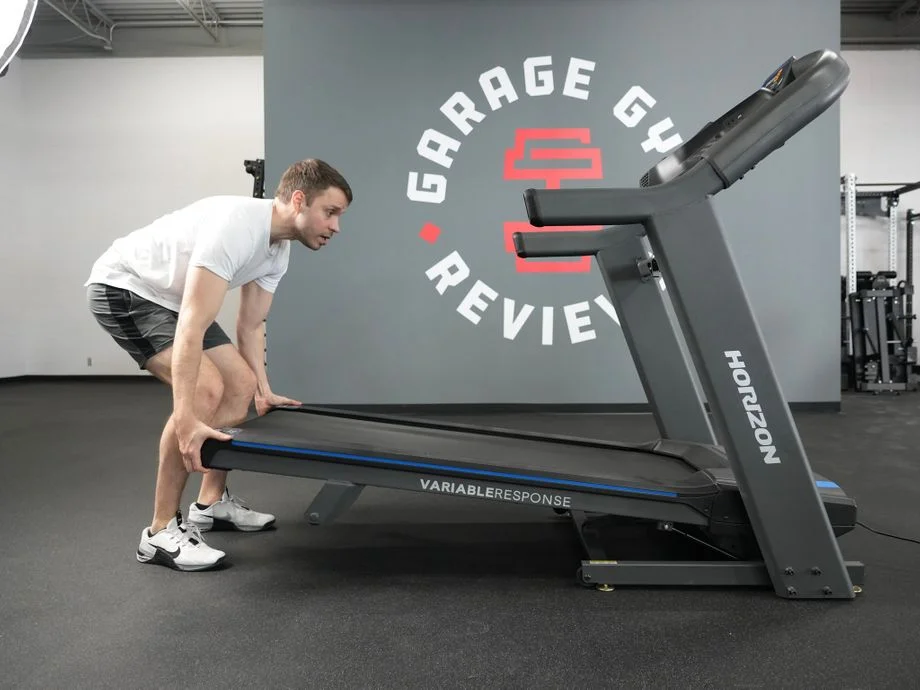
Quick Facts
- Best Overall Performance: Prioritize models with 3.5+ CHP and 60" decks for marathon prep and interval sprints.
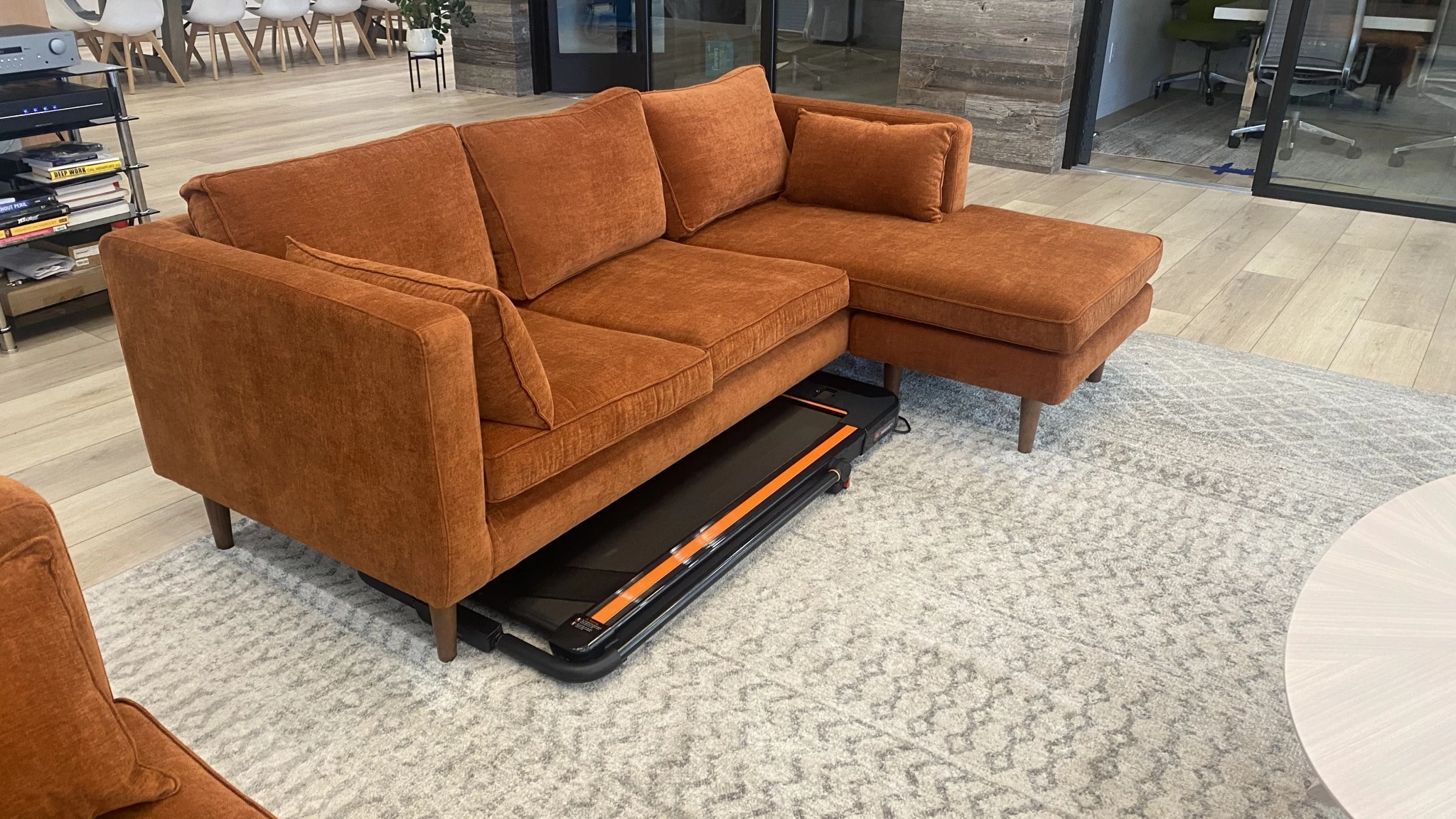
- Best for Apartments: Look for flat-fold designs that measure under 10 inches thick to store under beds or behind sofas.
- Budget Strategy: Seek out machines with Bluetooth FTMS connectivity to use third-party apps and avoid mandatory monthly subscriptions.
- Safety Rule: For a secure home setup, maintain 8ft rear and 2ft side clearance around the machine.
- Durability Benchmark: Reliable brands in 2026 should offer lifetime frame and motor warranties with at least 5 years on parts.
- Motor Standard: When selecting the best home treadmill, prioritize motor performance, aiming for at least 3.0 Continuous Horsepower (CHP) for running to ensure longevity. Evaluate the running surface dimensions, ideally 55 to 60 inches in length, to accommodate a full natural stride.
Choosing the best home treadmills in 2026 requires looking beyond the sticker price to motor durability and long-term app costs. For serious runners, a motor with at least 3.0 CHP is essential, while apartment dwellers should prioritize ultra-compact folding mechanisms. Additionally, consider the machine's maximum weight capacity and whether you require advanced features like high incline ranges, decline settings, or specialized shock absorption technology to reduce joint impact.
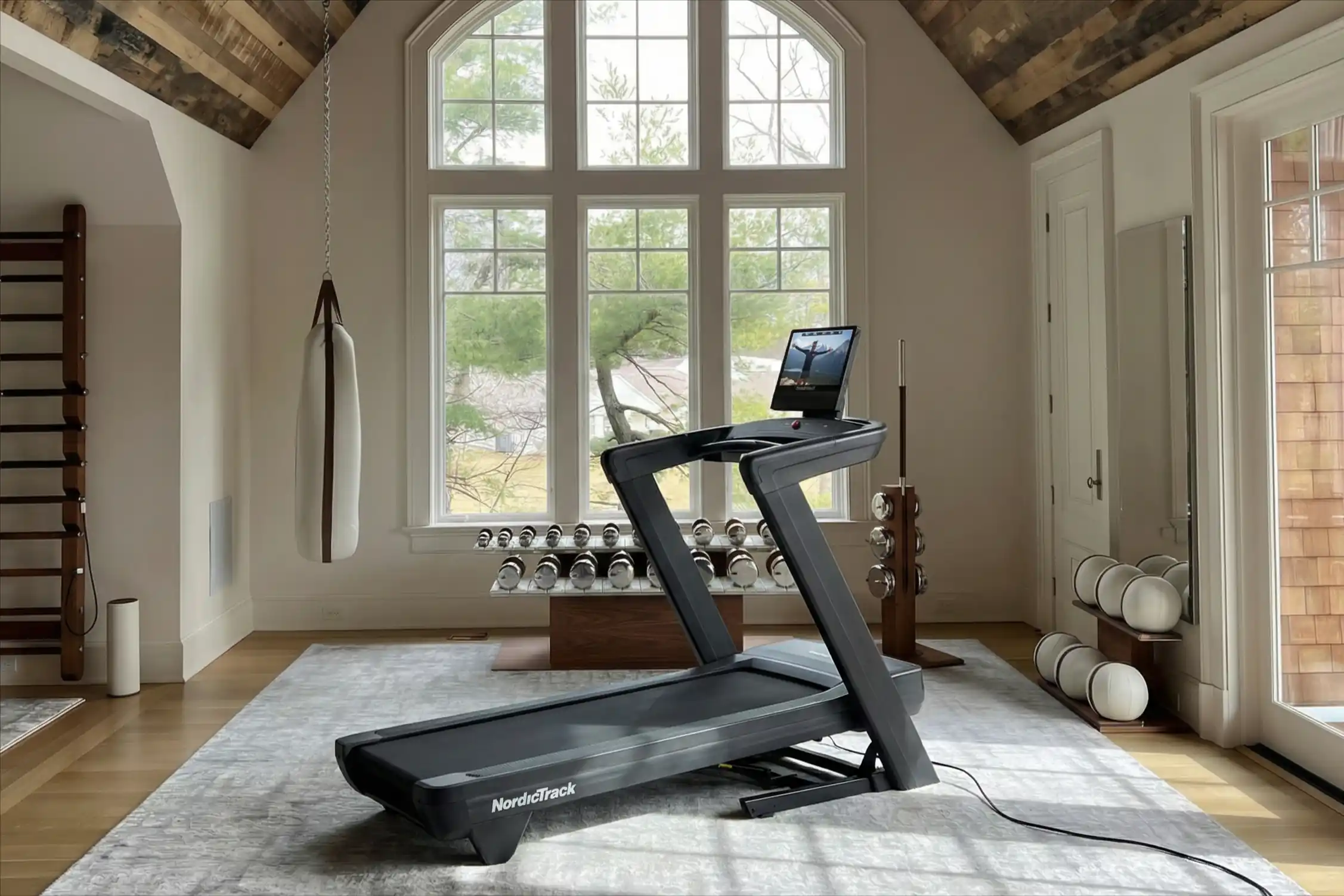
The Financial Reality: Calculating 5-Year Treadmill Cost of Ownership
When you browse a home treadmill buying guide, the MSRP is often the first thing you see. However, in 2026, the initial purchase is just the entry fee. The global treadmill market is projected to reach a valuation of approximately $6.38 billion in 2026, a growth fueled largely by the rise of connected fitness. This shift has introduced recurring costs that most buyers overlook.
Many premium models are now essentially hardware shells for subscription services like iFIT or Peloton. These platforms typically cost between $39 and $44 monthly. When calculating 5-year treadmill cost of ownership, those monthly fees add up to nearly $2,640 over five years—often doubling the original price of the machine.
To find the best home treadmills without monthly app subscriptions, look for units with Bluetooth FTMS connectivity. This protocol allows the treadmill to talk to lower-cost or free third-party apps like Zwift or Kinomap using your own tablet. Brands like Horizon and Spirit Fitness are leaders here, offering high-quality non-subscription consoles that focus on performance over proprietary content. For those who want the high-end experience without the upfront sting, many retailers now offer Equipment Financing Plans that include the subscription cost in a single monthly payment, making gym-quality performance more accessible.
| Cost Component | High-Subscription Model (e.g., Peloton) | Subscription-Free Model (e.g., Horizon) |
|---|---|---|
| Initial Purchase | $2,495 | $1,999 |
| Monthly Fee | $44/mo | $0 (Free/Third-Party) |
| 5-Year Sub Total | $2,640 | $0 |
| Total 5-Year TCO | $5,135 | $1,999 |
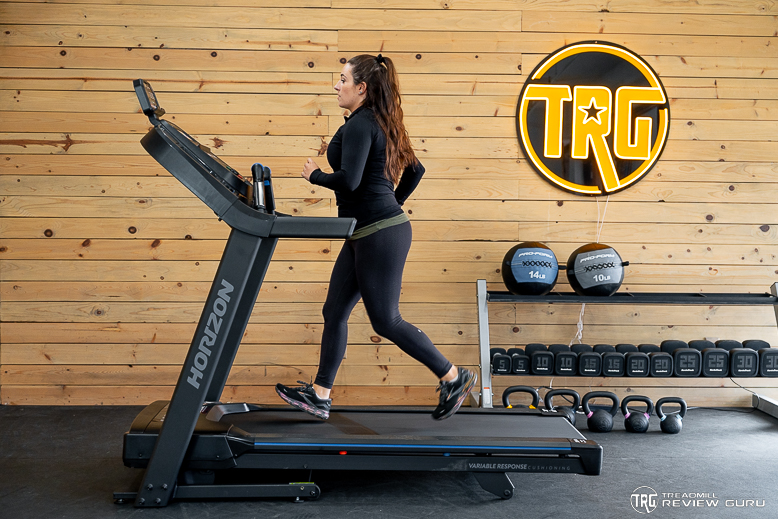
Motor Durability: Understanding the CHP Standard
The heart of your machine is the motor, and understanding the specs is critical for longevity. You will see two terms: Peak HP and Continuous Horsepower (CHP). Peak HP represents the motor's maximum burst, while CHP measures the power it can maintain indefinitely. For anyone planning on running, 3.0 Continuous Horsepower (CHP) is the non-negotiable baseline.
Expert gear advice for 2026 recommends that runners prioritize treadmills with at least 3.0 Continuous Horsepower (CHP) and a running surface of 20 inches wide by 60 inches long to ensure durability and comfort during high-speed use. A larger motor doesn't just provide more speed; it runs more coolly and quietly at lower intensities. This makes a more powerful motor the secret to finding the quietest home treadmills for apartment living.
This treadmill motor size guide for distance runners suggests that if you weigh over 200 pounds or plan on running more than 20 miles per week, you should aim for 3.5 to 4.0 CHP. Smaller motors (2.0 to 2.5 CHP) are perfectly adequate for walkers, but they will burn out quickly if subjected to daily high-speed intervals.

Space Engineering: Folding Treadmills for Small Spaces
In 2026, living in a metropolitan area shouldn't preclude you from owning a high-quality machine. We have seen a massive innovation in folding treadmills for small spaces. There are two primary schools of design here: the traditional Soft-Drop Folding Mechanism and the newer flat-fold technology.
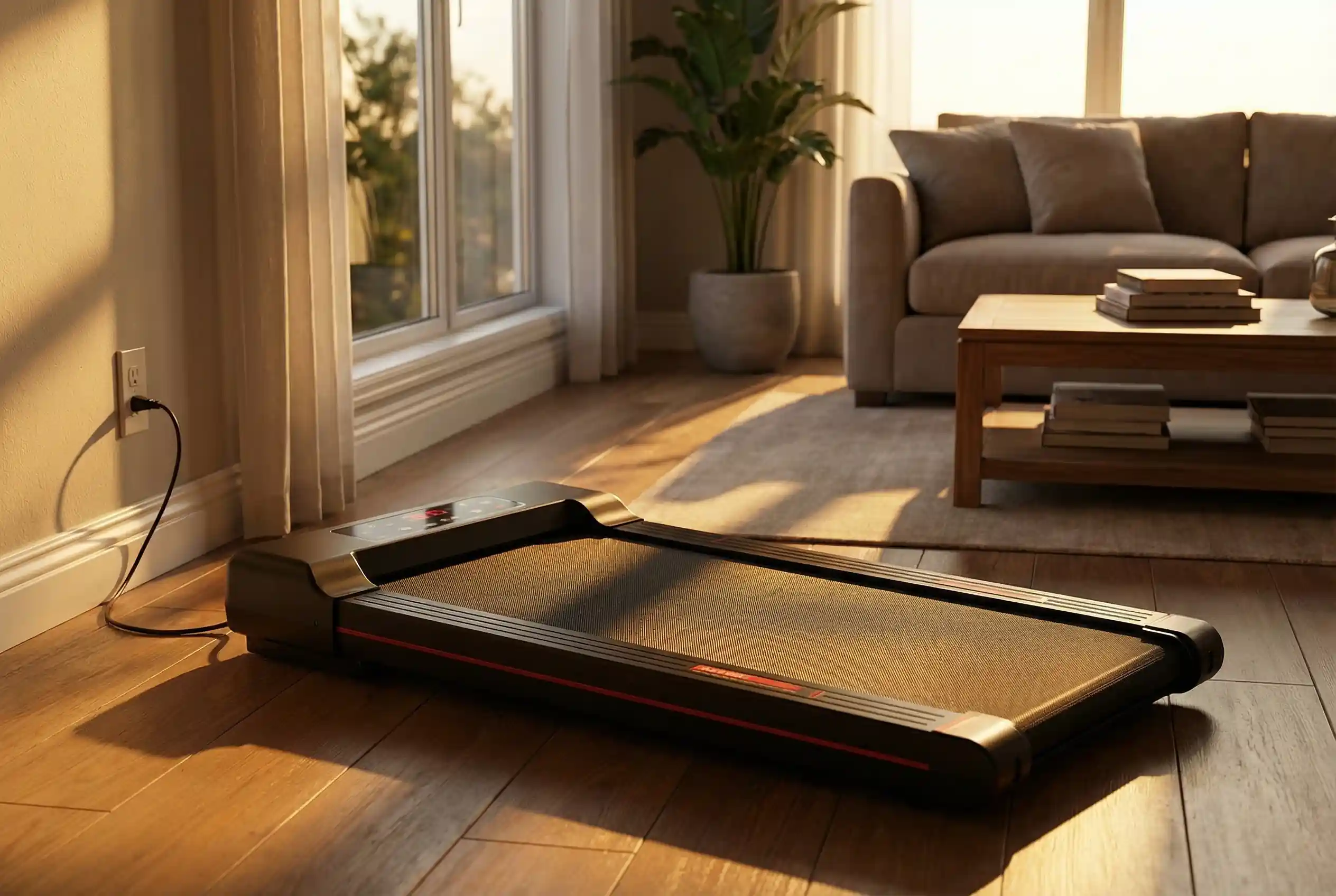
The Soft-Drop Folding Mechanism uses hydraulic shocks to help you lift the deck vertically. While this reduces the footprint by about half, the machine still occupies a significant block of space. For true urban dwellers, the best flat-fold treadmills for small apartments are the winners. These models, such as the Echelon Stride series, feature collapsible support arms and consoles that allow the entire unit to shrink to a depth of roughly 10 inches. This allows them to be stored under beds or vertically against walls.
Stability was once a concern for these compact models, but improved frame geometry has narrowed the gap. However, if your primary goal is low-speed activity during calls, under desk walking pads offer the most compact footprint. Just be aware that these units generally lack the motor power and Running Belt Surface Area required for high-speed running workouts.
Biomechanics and Safety: Protecting Your Joints and Home
The mechanical interaction between your foot and the deck determines how long you can stay injury-free. A high-quality Deck Cushioning System is essential for Joint Impact Reduction. Research shows that a well-engineered deck can reduce impact by up to 30% compared to running on asphalt.
When evaluating Shock Absorption Technology, look for "variable cushioning." This system provides a softer landing zone at the front where your foot strikes and a firmer "push-off" zone at the rear of the belt. For heavy duty treadmills for high weight capacity users, the deck construction needs to be thicker (usually 1 inch or more) and paired with a high Maximum Weight Capacity rating—ideally 350 to 400 pounds—to ensure the frame doesn't flex excessively during use.
Safety extends beyond the belt. Home treadmill safety features for seniors and families include physical safety keys and automatic stop sensors. Crucially, you must consider the physical layout of your room. To prevent accidents if a user falls, you need 8 feet of clear space behind the machine and 2 feet on either side. For those who aren't handy with tools, look for the easiest home treadmills to assemble for beginners, which often arrive 90% pre-assembled in the box.

Selection by Persona: Best Home Treadmills for Every Goal
In 2026, roughly 60% of new treadmill models are expected to feature integrated smart technologies, including Wi-Fi connectivity and AI-enabled training programs. To help you choose, I’ve categorized the top options by user type:
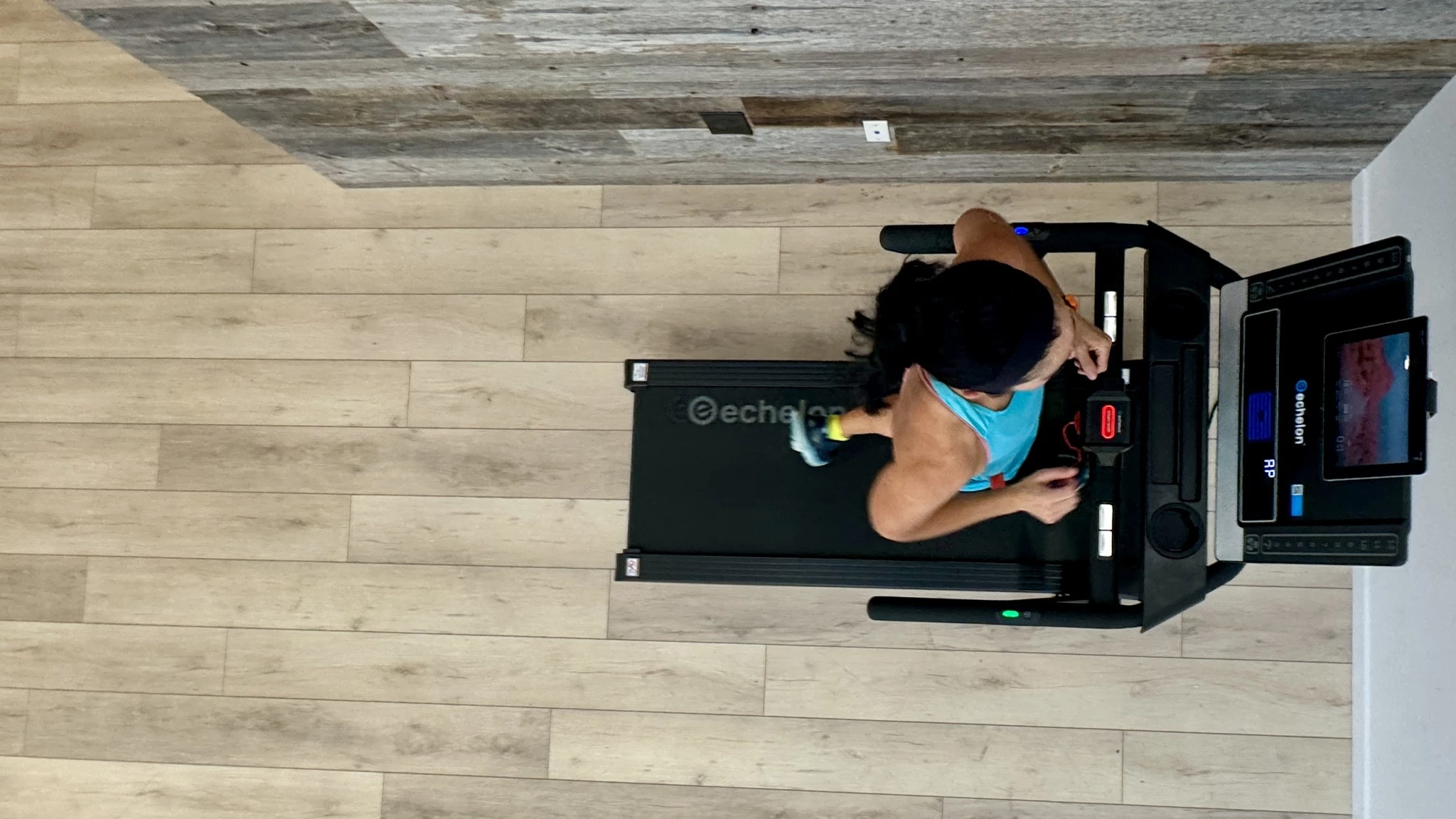
- The Modern Runner: You need a machine that can handle high-speed intervals (12+ mph) and steep inclines. Look for 3.5 CHP motors and a 22" x 60" Running Belt Surface Area. These users benefit most from Interactive Training Personalization and Virtual Scenery Workouts that automatically adjust incline to match the on-screen terrain.
- The Apartment Professional: Space and noise are your priorities. The best home treadmills for you are flat-folding models or high-end walking pads. Prioritize quiet motor technology and Bluetooth FTMS Connectivity so you can track your steps on your smartwatch or phone while working at a standing desk.
- The Family User: Durability and safety are king. Look for a machine with a high Maximum Weight Capacity to accommodate multiple users, an easy-to-use console for various fitness levels, and a Soft-Drop Folding Mechanism that prevents the deck from slamming down when children or pets are nearby.
FAQ
What features should I look for when buying a home treadmill?
Focus on the motor's Continuous Horsepower (aim for 3.0 CHP for running), the deck size (at least 20" x 60"), and the technology integration. Ensure the machine offers the connectivity you need, like Bluetooth FTMS, if you want to avoid expensive monthly subscriptions.
How much does a high-quality home treadmill cost?
In 2026, a high-quality, durable home treadmill typically ranges from $1,200 to $2,500. While you can find budget models for under $800, they often lack the motor power and cushioning required for long-term running. Remember to factor in the potential $40/month subscription fees when considering the total price.
Are folding treadmills stable enough for regular running?
Yes, modern engineering has made high-end folding treadmills remarkably stable. However, there is a difference between "soft-drop" designs, which are very sturdy but larger, and "flat-fold" designs. For intense marathon training, a non-folding or heavy-duty soft-drop model is generally more stable than an ultra-compact flat-fold unit.
Which treadmill motor size is best for running?
For regular running, a motor with at least 3.0 CHP is the industry standard. If you are a heavy user or a long-distance runner, upgrading to a 3.5 or 4.0 CHP motor will provide a smoother experience and extend the life of the machine by preventing the motor from overworking.
How long do home treadmills usually last with regular use?
With proper maintenance, such as regular belt lubrication and vacuuming the motor housing, a high-quality home treadmill should last 7 to 12 years. Models with lifetime warranties on the frame and motor are the best indicators of a machine built to stand the test of time.