Quick Facts
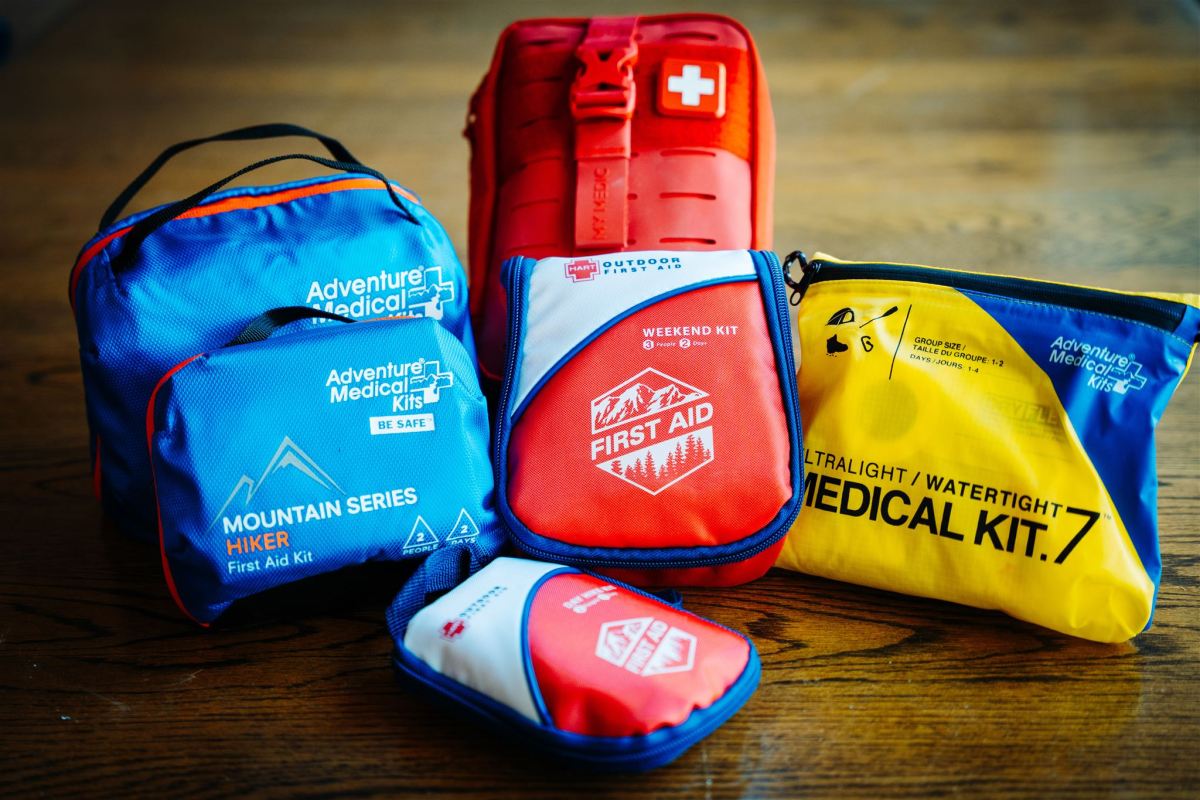
- Top Pick (Overall): MyMedic MyFAK for its balance of professional tools and internal organization.
- Best for Hiking: AMK Mountain Series, prioritized for its lightweight "find-it-fast" system and blister care.
- Weight Range: Modern kits range from 3.5 oz for minimalist day hikes to 31 oz for full professional-grade trauma kits.
- Critical Metrics: Evaluate kits based on unique item count and tool reliability rather than the total number of pieces.
- Compliance Standards: For workplace or commercial vehicle use, ensure the kit meets ANSI/OSHA Class A or Class B requirements.
- Value Hint: Many high-end medical kits are fully HSA/FSA eligible, making them a smart investment for year-end spending.
The best first aid kit is determined by its intended environment: home kits should prioritize quantity and variety (like adhesive bandages and meds), car kits require durable cases and trauma tools, and hiking kits must prioritize weight and water resistance. Always look for hospital-grade trauma shears and labeled internal organization to ensure you are ready for any emergency preparedness scenario.
| Feature | Home Kit | Car Kit | Hiking Kit |
|---|---|---|---|
| Primary Goal | Daily accidents & minor illness | Roadside trauma & accessibility | Blister care & weight management |
| Case Material | Plastic bin or soft fabric | 1680D ballistic nylon or Hard Shell | Waterproof roll-top or Sil-nylon |
| Tool Quality | Standard consumer grade | Professional grade trauma tools | Lightweight/Miniature tools |
| Key Supplies | OTC meds, various bandages | CPR mask, tourniquet, shears | Moleskin, irrigation syringe |
| Weight | 1 - 3 lbs | 2 - 4 lbs | 3.5 oz - 15 oz |
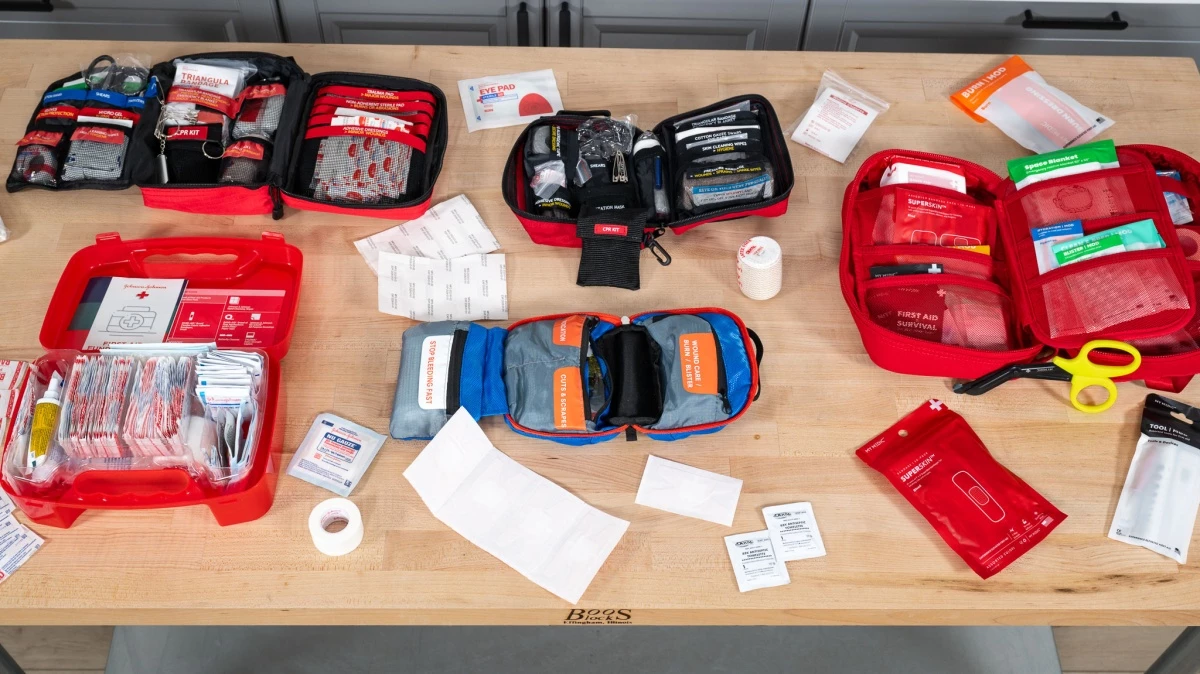
The Quality vs. Quantity Myth: How to Score a Kit
In the world of medical preparedness, more is not always better. You have likely seen "300-piece" kits at big-box retailers for twenty dollars. Before you buy, look closer at the contents. Often, 250 of those pieces are small plastic bandages or safety pins. While bandages are useful, they do not help you during a significant injury requiring hemorrhage control or wound management.
When searching for the best first aid kit, look for a high unique item count. A high-quality kit includes hospital-grade tools that won't fail when you need them most. For example, professional grade trauma first aid kit components usually feature stainless steel forceps and trauma shears rather than the flimsy plastic tweezers found in budget versions.
Standard first-aid kits designed for the treatment of minor injuries account for nearly 63 percent of the global market share due to their widespread use in homes and schools. However, as an informed consumer, you should look for advanced items like Israeli bandages, which have become a modern standard for controlling heavy bleeding in high-stress situations. These items, along with sterile gauze pads and nitrile gloves, provide the utility required to move beyond simple scrapes.
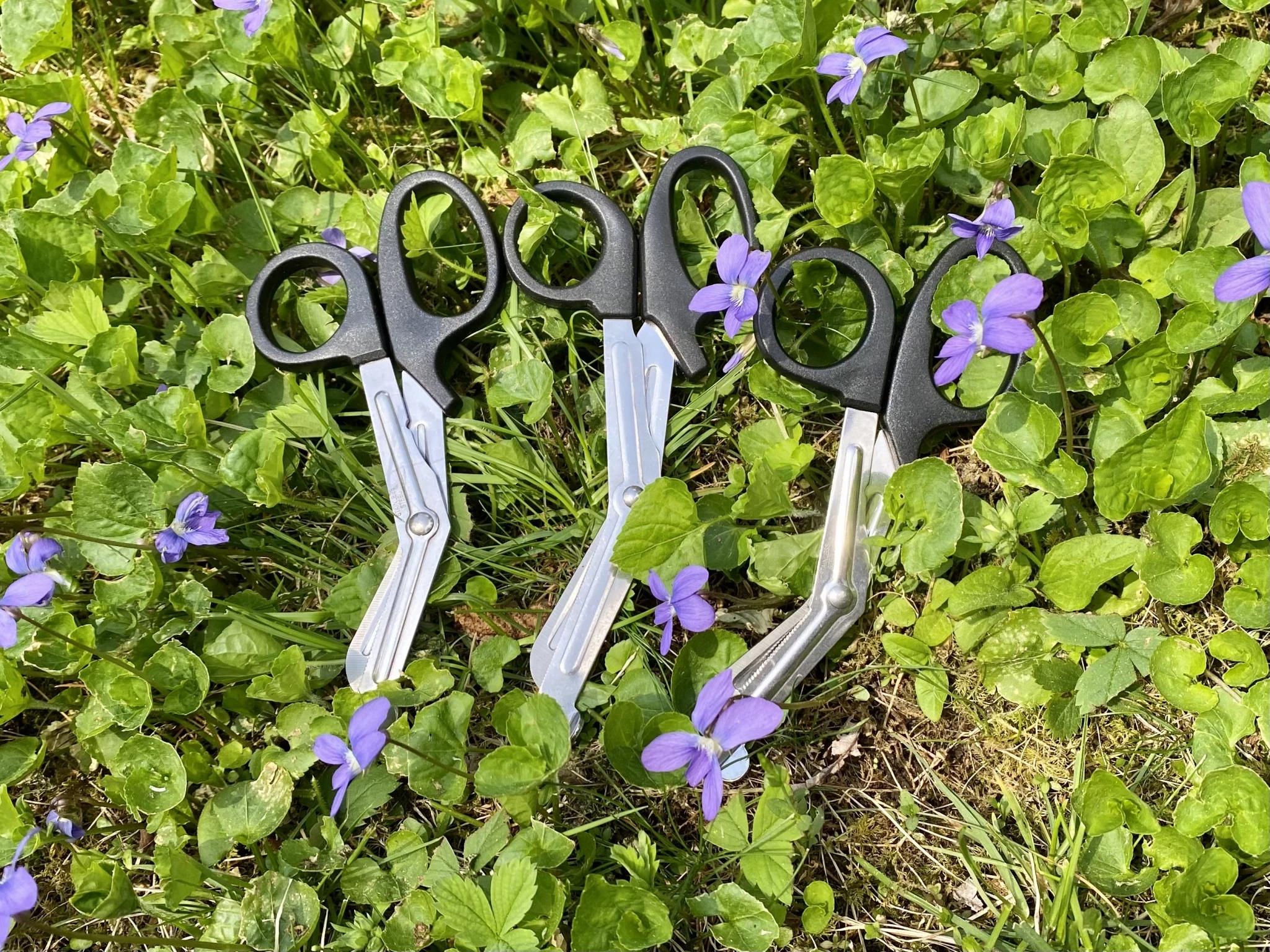
Pro-Tip: If your kit includes a tourniquet, ensure it is a CoTCCC-recommended brand like North American Rescue (CAT) or SAM Medical. Counterfeit tourniquets frequently snap during application.
First Aid Supplies for Home Use: Managing Daily Accidents
The home is where you are most likely to use your medical supplies, yet preparedness levels remain surprisingly low. Approximately 44 percent of adults in the United States or nearly half the population do not have a first-aid kit in their homes. This gap in home safety means that when kitchen burns or falls occur, many people are left scrambling for makeshift solutions.
While 51 percent of households report having some form of supplies on hand, only 5 percent of individuals believe their emergency preparedness kits are complete with all recommended supplies. Effective first aid supplies for home use should focus on variety. You need adhesive bandages of every shape—from knuckle and fingertip to extra-large—paired with antiseptic wipes and antibiotic ointments.
For families, the best budget first aid kit for families is one that offers a "modular" approach. This allows you to keep a main hub in the kitchen while having smaller grab-and-go packs for the playground or backyard.
Home Supply Checklist:
- Assorted adhesive bandages (plastic and fabric)
- Antiseptic wipes and hydrogen peroxide
- Hydrocortisone and burn gel
- Digital thermometer
- Over-the-counter medications (Acetaminophen, Ibuprofen, Diphenhydramine)
- Sterile gauze pads and medical adhesive tape

Car Emergency First Aid Kit: Roadside Ready
A vehicle creates a specific set of challenges for medical gear. Extreme heat in the summer and freezing cold in the winter can degrade medications and adhesive tapes. Furthermore, roadside accidents require tools that can handle blunt force trauma or major lacerations.
A car emergency first aid kit must be housed in a durable casing, such as 1680D ballistic nylon or a high-impact plastic shell. Look for designs that include headrest attachments or Velcro backing to ensure the kit stays in a fixed, known location. There is nothing more frustrating—or dangerous—than digging through a cluttered trunk while someone is bleeding.
Your vehicle kit must include nitrile gloves to protect you from bloodborne pathogens and a dedicated cpr mask with a one-way valve. Unlike a home kit, the focus here should be on visibility and internal organization so that every item is labeled for its specific use.

Hiking First Aid Kit Essentials: Balancing Weight and Safety
When you're miles away from the nearest trailhead, the weight of your gear matters. However, safety should never be sacrificed for a few ounces. The best first aid kit for the trail is one that focuses on common wilderness injuries: blisters, sprains, and environmental issues.
For a short outing, a lightweight first aid kit for day hikes should weigh less than 5 ounces and fit in a jacket pocket. Key hiking first aid kit essentials include moleskin or hydrocolloid dressings for blister prevention and treatment. Modern hikers are increasingly moving toward Leukotape because it adheres better to sweaty skin than traditional medical tape.
If your adventure involves water—such as kayaking or crossing rivers—you must invest in a waterproof first aid kit for outdoor activities. These typically come in roll-top dry bags or O-ring sealed cases. This ensures that even after a capsized boat, your sterile dressings remain dry and ready for wound management.
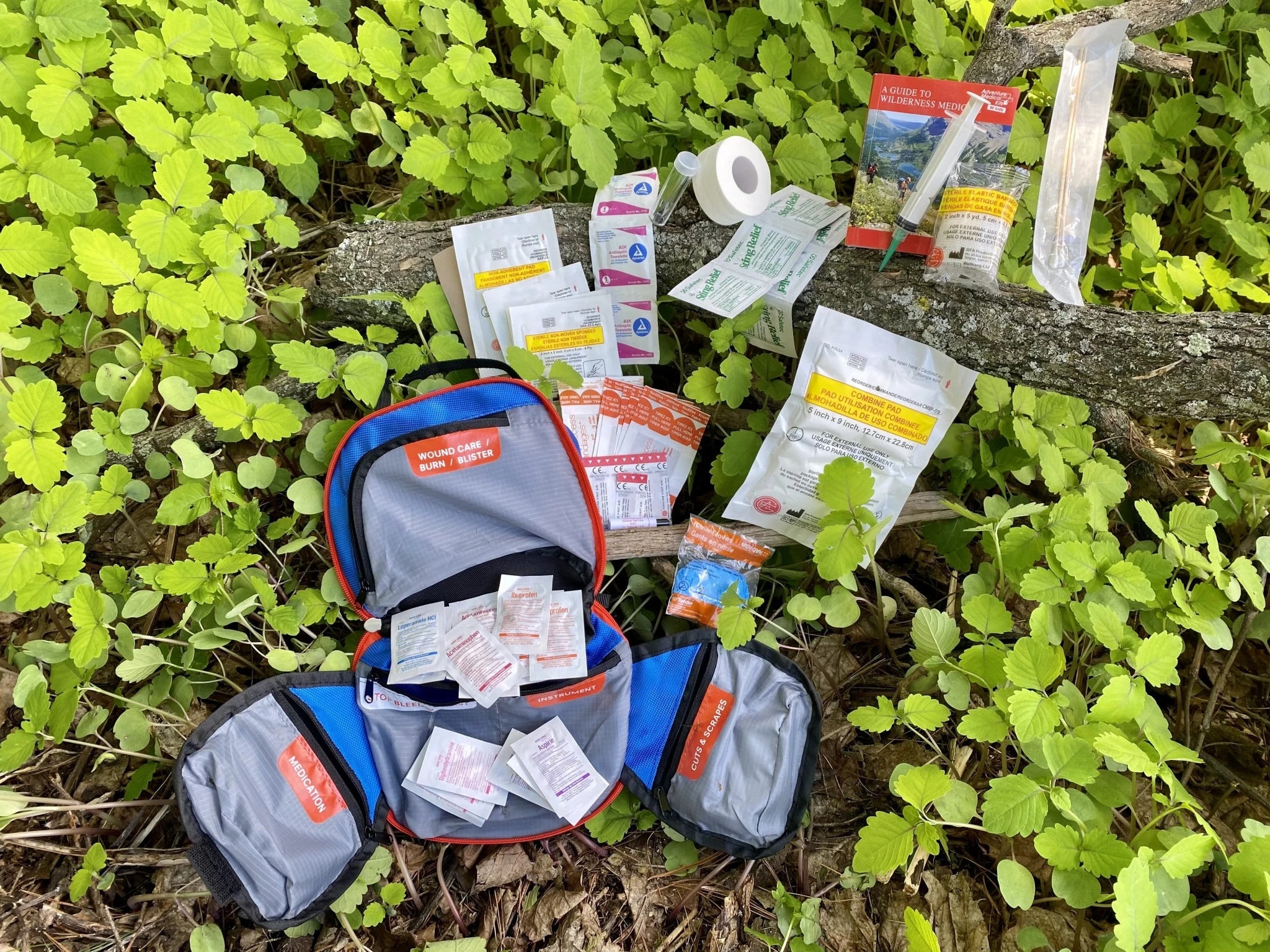
Wilderness Supply Checklist:
- Moleskin and pre-cut blister shapes
- Irrigation syringe (for cleaning dirt from wounds)
- Electrolyte replacement tabs
- Trauma shears (lightweight version)
- Emergency space blanket
- Signal mirror and whistle
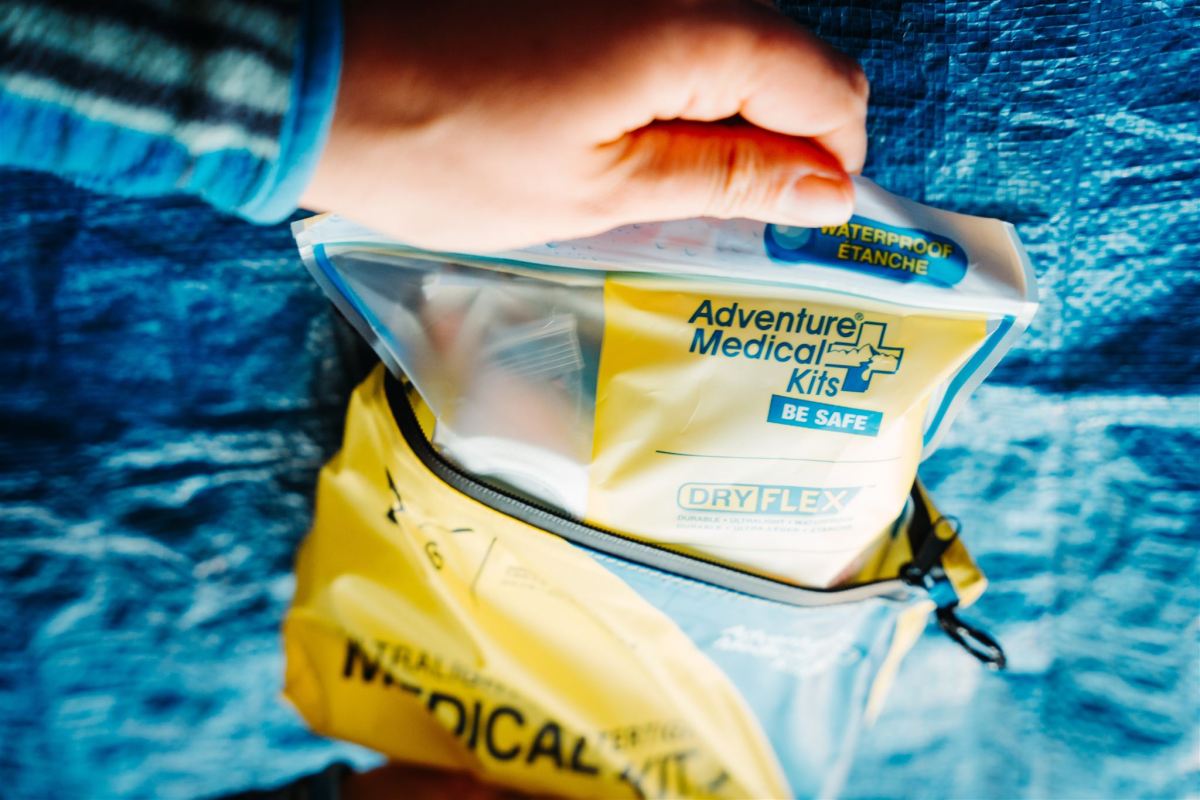
Maintenance: Expiration Dates and Restocking
A first aid kit is not a "set it and forget it" tool. Over time, the sterility of bandages can be compromised, and medications such as aspirin or antihistamines lose their potency. You should establish a biannual schedule—perhaps during the daylight savings time change—to audit your supplies and check for expiration dates.
If you are planning a travel first aid kit for international trips, your maintenance should include a custom consultation with a travel clinic. You may need to supplement your standard kit with prescription medications like Z-packs for infection or specialized anti-diarrheal meds that aren't available over-the-counter.
Additionally, consider the group size. A kit meant for a solo trekker will be woefully inadequate for a large-group camping trip. High-quality kits often have internal labeling and extra room, allowing you to personalize the kit based on your specific health needs or the environment you are entering.
FAQ
What should be in a basic home first aid kit?
A standard home kit should prioritize high-frequency injury tools. This includes a variety of adhesive bandages, antiseptic wipes, antibiotic ointment, hydrocortisone cream, and wound management supplies like sterile gauze pads and medical tape. It is also vital to include basic medications such as Ibuprofen and Diphenhydramine, along with a digital thermometer and a set of stainless steel tweezers.
What is the best type of first aid kit for hiking?
The best kit for hiking is one that balances portability with wilderness-specific supplies. It should be lightweight and potentially housed in a waterproof case. Essential items include blister treatments like moleskin, an irrigation syringe to clean trail debris from cuts, a space blanket for warmth, and electrolyte replacements. Look for kits with a "find-it-fast" internal layout to help you manage stress while on the trail.
Do first aid kits have an expiration date?
While the bandages themselves don't technically expire, their sterile packaging can degrade over time, making them unsafe for open wounds. However, the ointments, wipes, and medications inside definitely have expiration dates that affect their potency and safety. Most manufacturers suggest a full audit of your kit every 12 to 24 months to ensure all items are current and the seals are intact.
What is the difference between ANSI and OSHA first aid kits?
OSHA is a regulatory body that requires employers to provide "adequate" first aid supplies, but they don't list exactly what must be in a kit. Instead, they point to ANSI (American National Standards Institute) which provides the specific list of contents. ANSI Class A kits are designed for common workplace injuries, while ANSI Class B kits are designed for high-risk environments like construction sites where the risk of major trauma is higher.
Is it cheaper to build or buy a first aid kit?
For a specialized or large-scale kit, it is often more cost-effective to buy a pre-made kit from a reputable brand like MyMedic or AMK. These companies purchase medical-grade supplies in bulk, passing that savings to you. However, building your own kit allows for 100% customization, which can be beneficial if you already own many of the core components and only need to add specific trauma tools or specialized medications.