Quick Facts
- Value Protection: An unprotected boat can lose up to 30% of its total value in just five years due to sun and moisture.
- Material Gold Standard: Seek fabrics between 600D and 1200D marine grade polyester for the best balance of weight and durability.
- Critical Risk: Maintaining internal humidity below 60% is vital, as Relative humidity levels of 60% or higher lead to rapid mold growth.
- Key Feature: Integrated air vents are non-negotiable for air circulation to prevent internal condensation.
- Budget Tip: Owners should plan on spending about 10% of a boat's purchase price annually for comprehensive maintenance and gear.
- Drainage Strategy: Use boat cover support poles for anti-pooling to ensure water runs off rather than stretching the fabric.
Protecting your vessel from the elements is more than a chore; it is a financial necessity. Without the best boat covers, an unprotected boat can lose up to 30% of its value in just five years due to solar degradation and humidity. To prevent this, owners must invest in marine grade boat covers that offer both UV resistance and breathability. By selecting heavy duty boat covers for outdoor storage and following proper maintenance, you ensure long-term gelcoat preservation.
The Dual Threat: Why UV Rays and Mildew Destroy Boat Value
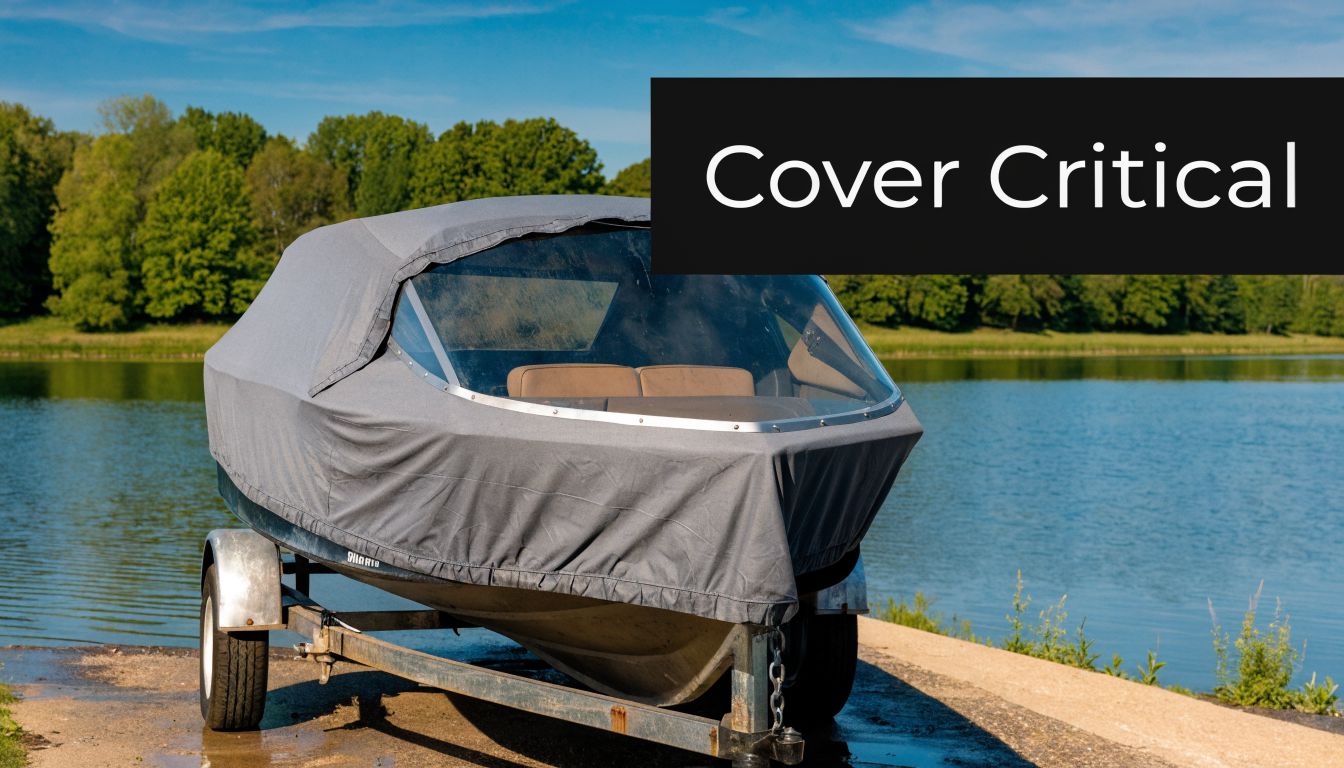
For most owners, the boat represents a significant investment in both time and money. However, the environment is constantly working against that investment. The primary culprits are ultraviolet radiation and trapped moisture. When a boat sits uncovered, UV rays act like a slow-burning fire, breaking down the chemical bonds in your vinyl upholstery and the protective gelcoat on the hull. This results in surface oxidation, leaving the once-vibrant colors looking chalky and dull.
The secondary threat is mold and mildew, often caused by the greenhouse effect. When a non-breathable cover is applied to a damp boat or used in high-humidity areas, moisture becomes trapped inside the cabin and compartments. Without proper air circulation, the temperature rises, and condensation begins to form on every surface. This creates the perfect breeding ground for mold, which can rot wood stringers and leave permanent stains on your seats. Using breathable boat covers to prevent mildew is the only way to break this cycle. You aren't just protecting the exterior; you are preserving the structural integrity and the resale price of your vessel.
Decoding Material Specs: From 600D to 1200D
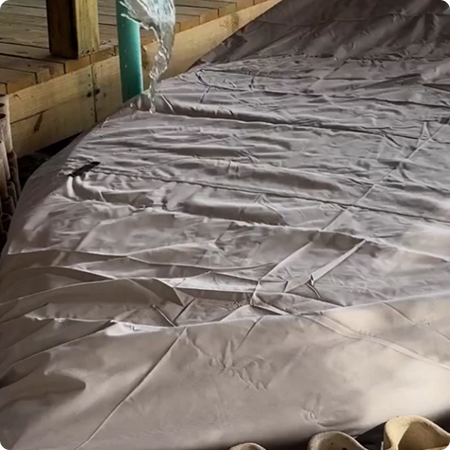
When shopping for the best boat covers, the most confusing part is usually the technical jargon regarding the fabric. You will frequently see terms like Denier (represented by the letter D) and Polyurethane coating. Denier refers to the material density and the weight of the individual threads used in the weave. A higher number generally indicates a thicker, more durable fabric that is less likely to tear or succumb to solar degradation.
For most freshwater and coastal environments, marine grade 600d polyester boat covers offer the perfect middle ground. They are heavy enough to block nearly all UV rays but light enough to handle and store easily. If you live in an area with extreme weather or high-altitude sun, moving up to 1200D may be necessary for heavy duty boat covers for outdoor storage.
Fabric Performance Comparison
| Material Specification | Durability Rating | Best Use Case | Breathability |
|---|---|---|---|
| 300D Polyester | Low | Light indoor dust protection | High |
| 600D Marine-Grade | Medium-High | All-season outdoor storage | Medium |
| 900D Heavy Duty | High | Areas with heavy snow/wind | Medium-Low |
| 1200D Elite Series | Extreme | Long-term high-UV exposure | Low (Requires Vents) |
Beyond the weight of the fabric, looking for a Polyurethane coating on the underside is essential. This coating provides the primary water resistance, ensuring that rain beads off the surface rather than soaking through. However, because these coatings can limit the natural breathability of the polyester, the presence of integrated air vents becomes even more critical to manage internal condensation.
Mastering the Fit: Measuring and Trailering
A cover that doesn't fit correctly is almost as bad as no cover at all. If the fabric is too loose, it will flap in the wind, creating a sandpaper effect against your hull's finish. This is known as the friction-moisture paradox, where wind-driven movement scuffs the gelcoat while simultaneously letting in rain through the gaps. To avoid this, you need to know how to measure a boat for a universal cover with precision.
Measurement Checklist
- Centerline length: Measure in a straight line from the tip of the bow to the farthest point of the stern. Do not follow the curves of the gunwales; use a straight path down the center.
- Beam measurement: Find the maximum beam width at the hull's widest point. This is usually near the middle of the boat.
- Account for accessories: If you have a permanent trolling motor, a high windshield, or a center console, measure over these items rather than around them to ensure the cover has enough slack to go over the top.
- Motor style: Determine if you need a cover that includes an integrated motor well or if you will use a separate outboard motor cover.
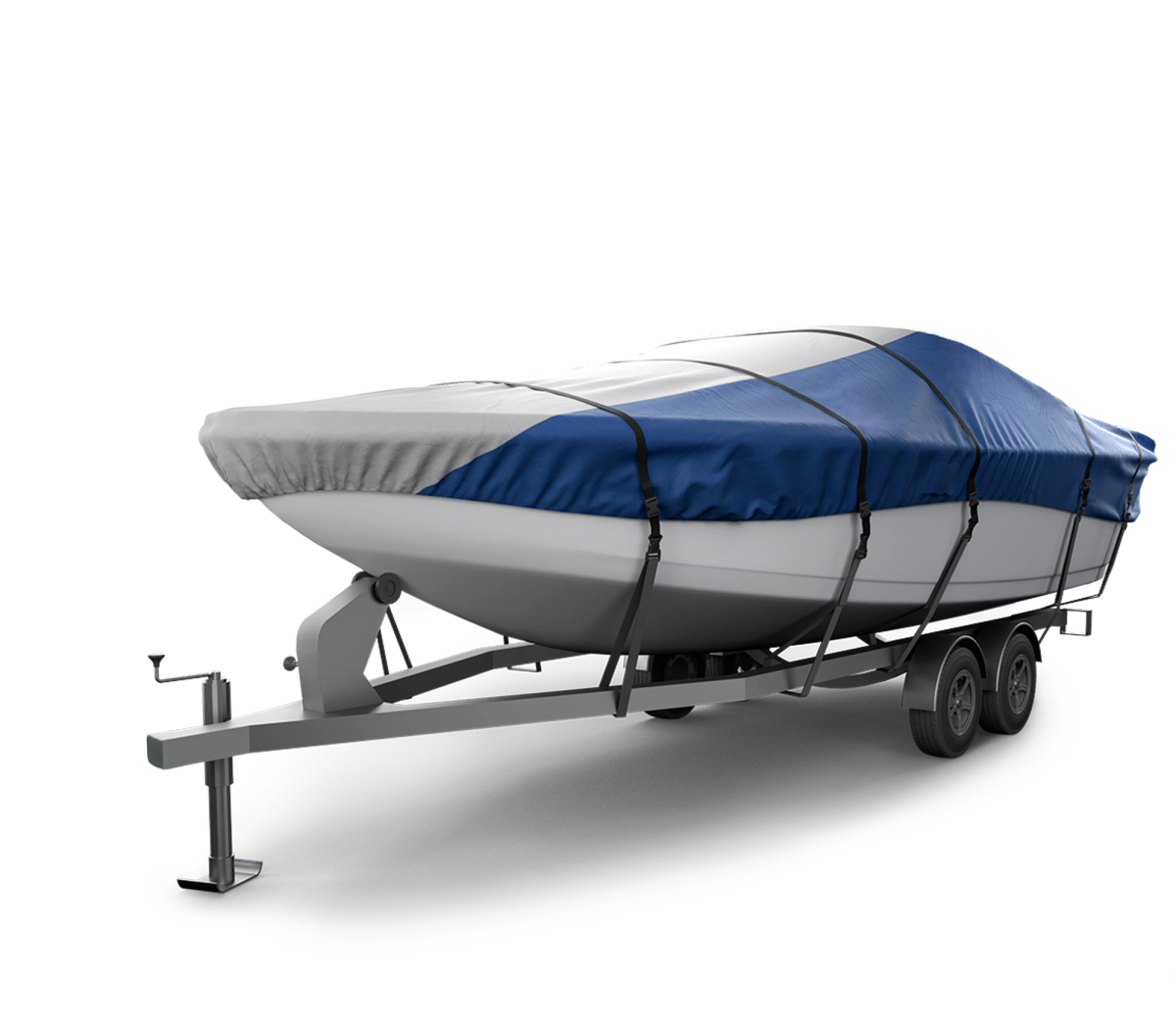
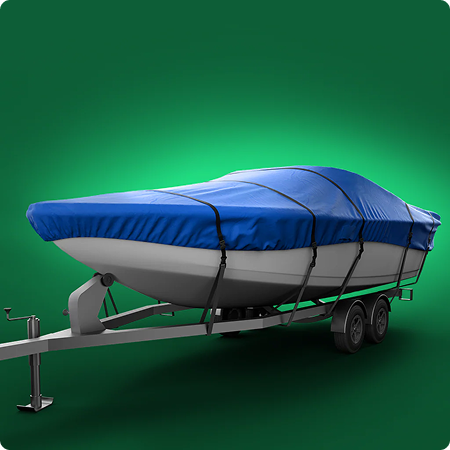
For those who move their boat frequently, trailerable boat covers for highway travel are a specific sub-category. These covers are reinforced at high-wear points and feature an elasticated hem combined with adjustable quick-release hardware. When trailering, these straps must be tightened to remove every wrinkle. A snug fit ensures the cover protects the upholstery from wind-driven debris and prevents the material from fatiguing during high-speed transit.
The Anti-Pooling Strategy: Support Poles and Drainage
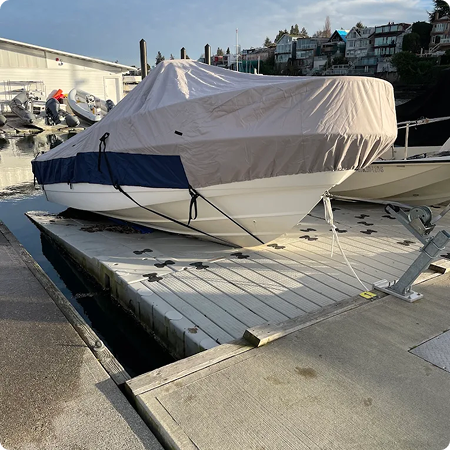
One of the most common ways a high-quality cover fails is through water accumulation. If the fabric sags anywhere, rain will pool in that low spot. The weight of just a few gallons of water is enough to stretch the polyester, weaken the Polyurethane coating, and eventually seep through onto your carpets. To prevent this, you must create a high center point so that water naturally drains off the sides.
This is where boat cover support poles for anti-pooling become your most important accessory. These adjustable poles sit on the deck and prop the cover up, creating a tent-like shape.
Tips for a Dry Interior
- Strategic Placement: Place one pole in the bow area and another in the cockpit or near the stern to maintain a consistent slope.
- High Tension: Use adjustable straps to pull the cover taut against the support poles. If the fabric doesn't feel like a drum head, it isn't tight enough.
- Pad the Pressure Points: If a support pole or a windshield corner seems sharp, add a small piece of foam or a dedicated reinforcement patch to prevent the fabric from wearing through.
- Ventilation Check: Ensure that your support system hasn't blocked the integrated air vents. Air must still be able to move from the bow to the stern to keep humidity down.
Maintenance: The 'Inside-Out' Cleaning Routine
Even the best boat covers require a bit of TLC to stay effective over the years. Over time, salt, bird droppings, and industrial fallout can degrade the UV resistant boat covers you've invested in. Following a consistent maintenance schedule is part of the standard recommendation to budget about 10% of your vessel's value for yearly upkeep.
Maintenance and Storage Checklist
- Clean the Fabric: Use a soft brush and a mild, biodegradable soap to wash the outer surface. Avoid harsh detergents that can strip the water-repellent coatings.
- The Inside-Out Step: This is a pro-tip often missed by owners. Occasionally clean the underside of the cover. Dust and grit trapped on the inside can act like sandpaper against your seats and gelcoat.
- Complete Drying: Never fold or store a cover while it is even slightly damp. This is the fastest way to ruin a cover with mold.
- Solar Inspection: Check for thinning areas or fading. If the material starts to feel brittle, the UV blockers are reaching the end of their lifespan.
- Off-season storage: When the boat is in use, store your cover in a dedicated bag in a dry, ventilated area.
FAQ
What material is best for a boat cover?
The gold standard for marine use is solution-dyed polyester, specifically in the 600D to 1200D range. Solution-dyed fabrics have the color pigment added during the fiber creation process, which provides superior resistance to fading and solar degradation compared to surface-dyed fabrics. Additionally, look for a polyurethane coating for water repellency and integrated air vents to ensure the material remains breathable.
How do I measure my boat for a new cover?
To get the right fit, you need the centerline length and the beam width. Measure the centerline by running a tape measure from the very tip of the bow to the back of the stern in a straight line. For the beam width, measure the distance across the widest part of the boat. Remember to measure over any high features like windshields or rails if you are buying a universal-fit cover.
Can you use a boat cover while trailering?
You can only use a cover while trailering if it is specifically labeled as a trailerable boat cover. These models are designed with extra-thick reinforcement at pressure points and include heavy-duty adjustable straps and an elasticated hem. It is vital to ensure the cover is tightened down completely; any flapping at highway speeds can cause material fatigue or damage the boat's gelcoat through friction.
Do boat covers cause mold and mildew?
Standard waterproof covers can cause mildew if they lack proper ventilation, as they trap heat and moisture inside. This creates a greenhouse effect where humidity levels rise quickly. To prevent this, choose marine grade boat covers with built-in air vents and ensure the boat is completely dry before you cover it for long-term storage.
How do I keep water from pooling on my boat cover?
The most effective solution is to install a support system using boat cover support poles for anti-pooling. These poles create a high point in the center of the cover, forcing rain and snow to run off the sides instead of collecting in sags. Maintaining high tension with your tie-down straps is also necessary to prevent the fabric from dipping under the weight of water.