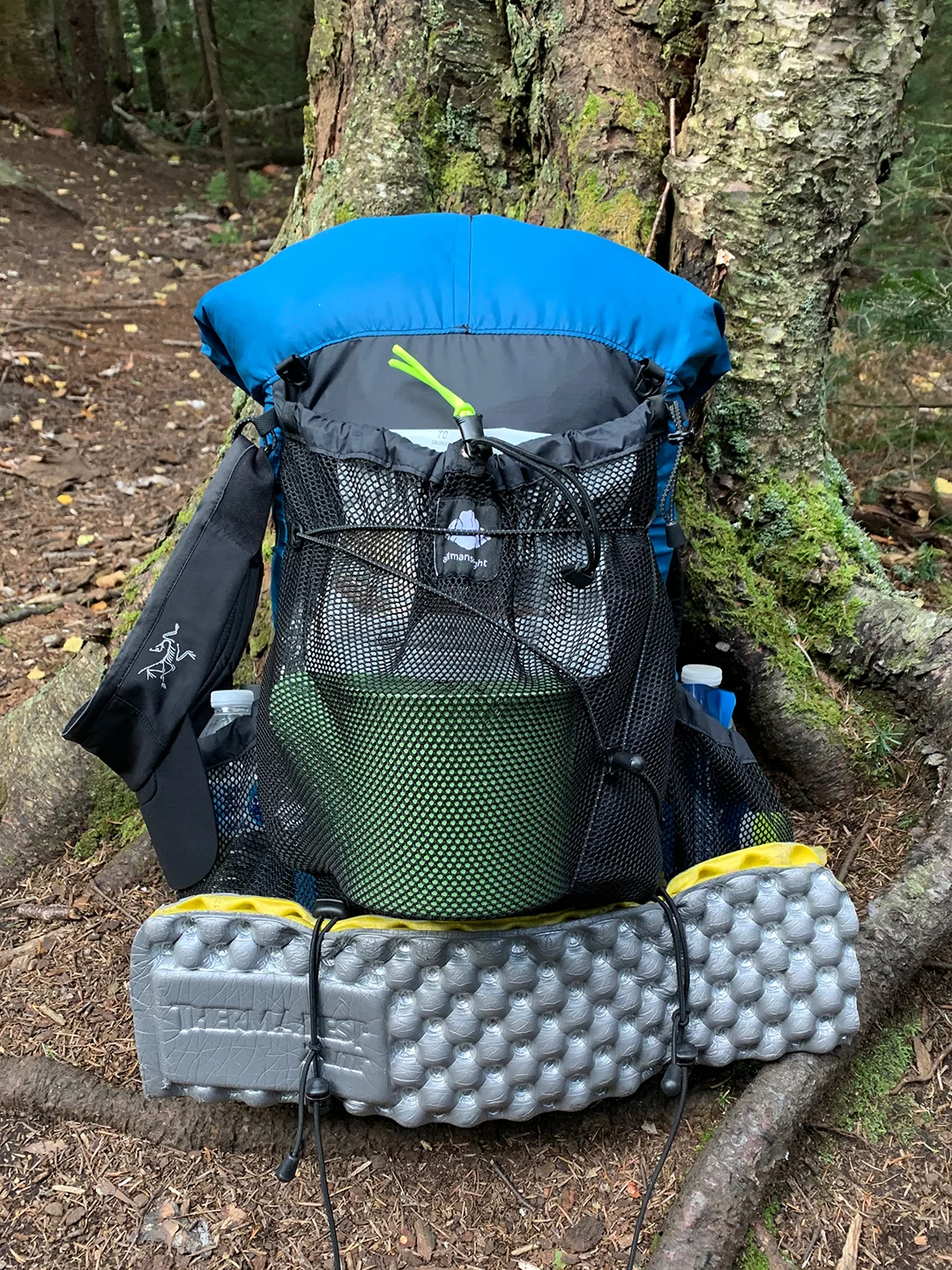
Our Top Picks
- Performance King: Osprey Aether 65 / Ariel 65 – Unbeatable for heavy-load comfort and durability.
- Ultralight Leader: Granite Gear Blaze 60 – Best ratio of weight savings to weight-carrying capacity.
- Luxury Fit: Gregory Baltoro 75 / Deva 70 – Exceptional ergonomic support for extended multi-day expeditions.
- Budget Best: Kelty Coyote 65 – High-value internal frame design ideal for beginners and casual weekenders.
To choose the right backpacking pack capacity, consider your trip duration and gear volume. Overnight trips typically require a capacity of 35 liters or less, while weekend treks of two to three days are best suited for 35 to 50 liters. For multi-day excursions or winter trips involving bulky gear, a pack ranging from 50 to 75 liters is recommended to ensure all essentials fit comfortably. The best backpacking backpacks for 2024 balance durability with weight distribution and proper internal gear management.
Choosing the Right Gear for the Modern Trail
Whether you are planning a thru-hike of the Pacific Crest Trail or a quick weekend getaway in the local National Forest, your backpack is the single most important piece of gear you will own. It is the vessel that holds your survival system, and if it does not fit correctly, it can turn an inspiring journey into a painful slog. When evaluating the best internal frame backpacks, prioritize a suspension system that transfers weight to your hips rather than your shoulders. Key features to look for include adjustable torso lengths, padded hip belts, and load lifter straps for stability. Ventilation is also critical; look for mesh back panels or injection-molded foam that encourages airflow between your back and the pack during strenuous hikes.
Beyond just the frame, we focus on the synergy between base weight and pack volume. In recent years, we have seen a massive shift toward lighter materials without sacrificing the ability to carry a 40-pound load when necessary. This guide distills our findings from testing dozens of models across varied terrain, from the humid Appalachian ridges to the high, dry deserts of the Southwest.
How We Test: 100,000 Miles of Experience
Our team of editors and field testers has logged over 100,000 cumulative miles over the past decade to bring you these recommendations. We utilize a combination of laboratory testing—using pressure sensors to measure how weight is distributed across the lumbar support—and real-world field reports. For our 2024 updates, we focused heavily on the latest developments in material science and ergonomic designs that accommodate a wider range of body types.
The market context is equally telling. Current data shows that Osprey holds an estimated 25.0% market share in the global hiking backpack industry. This dominance is reflected on the trails as well; in a 2024 survey of Appalachian Trail thru-hikers, exactly 50% of respondents reported using a backpack with a capacity between 55 and 64 liters. This "sweet spot" in volume suggests that while ultralight gear is popular, most hikers still value the versatility of a mid-sized hauler.
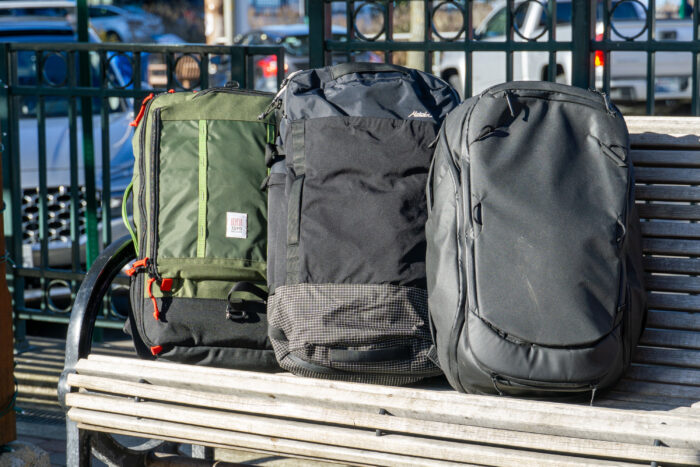
Best Overall: Heavy Load Comfort (Osprey vs. Gregory)
When the trail gets steep and your bear canister is full, the battle of osprey vs gregory backpacking packs for comfort often comes to the forefront. These two giants have perfected the art of the load-hauling suspension system.
Osprey Aether and Ariel Series
The Osprey Aether (men’s) and Ariel (women’s) are the gold standards for those who refuse to compromise on support. The Custom Fit-on-the-Fly hip belt and ergonomic shoulder harness allow for a micro-adjusted fit that wraps around your body. These are the best internal frame backpacks for heavy loads because the frame is rigid enough to keep the pack from sagging, even when pushed toward the 60-pound limit. The 420D high-tenacity nylon used in high-wear areas ensures these packs survive years of scraping against granite.
Gregory Baltoro and Deva Series
Gregory’s flagship packs, the Baltoro and Deva, offer what we consider the most sophisticated lumbar support in the industry. The Response A3 suspension allows the hip belt and shoulder straps to rotate independently, which mimics your body’s natural gait. This is particularly effective for women hikers; the Deva is widely cited as having the best backpacking backpacks for petite women fit because the S-shaped shoulder straps prevent rubbing and accommodate narrower frames.
While both brands offer lifetime warranties and excellent load distribution, Gregory often feels slightly more cushioned, while Osprey provides a more "locked-in" and stable feel on technical terrain.
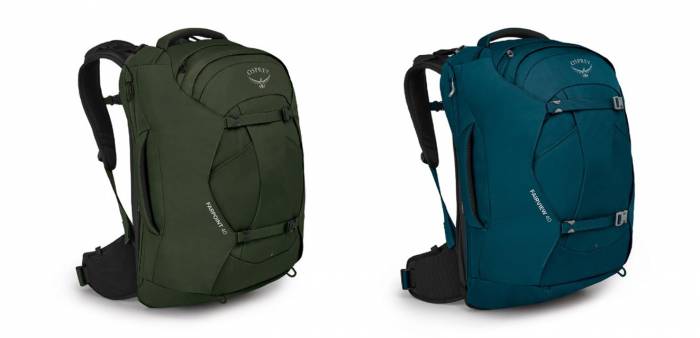
Best Ultralight and Budget Picks
The global market for ultralight backpacking gear reached a valuation of approximately USD 1.96 billion in 2024, proving that weight savings is no longer a niche pursuit. However, moving toward lightweight backpacking pack reviews requires an honest assessment of your gear.
Granite Gear Blaze 60
The Granite Gear Blaze 60 is a marvel of engineering. Weighing in at just over three pounds, it features a rigid polycarbonate frame sheet that can comfortably carry up to 50 pounds. Most ultralight packs collapse under that much weight, but the Blaze uses a compression straps system that cinches the load tight against your center of gravity. It is the perfect middle ground for hikers who want to reduce their trail weight without switching to a frameless setup.
Kelty Coyote 65
If you are just starting your outdoor journey, you don't need to spend $400 on a carbon-fiber frame. The best budget backpacking backpacks for beginners prioritize reliability and ease of use. The Kelty Coyote 65 offers a functional internal frame design at a fraction of the cost of premium brands. While it lacks some of the breathable mesh back panels of more expensive models, it features a robust sternum strap and adjustable torso length that makes it versatile enough for different users to share. It is a workhorse made of durable ripstop nylon that can withstand the learning curve of a first-time hiker.
The Expert Sizing Guide: Torso and Strap Geometry
Buying the most expensive pack in the world won't help if it doesn't fit your skeleton. Knowing how to measure torso length for backpack sizing is the first step in any purchasing journey.
- Locate the C7 Vertebra: Tilt your head forward and feel for the bony bump at the base of your neck.
- Locate the Iliac Crest: Place your hands on top of your hip bones (the iliac crest).
- Measure the Distance: Have a friend measure along the curve of your spine from the C7 to the imaginary line between your thumbs at the iliac crest.
Most manufacturers provide a size chart that maps this measurement (usually 15 to 22 inches) to a Small, Medium, or Large frame. Remember the 20% body weight safety rule: your fully loaded pack should ideally not exceed 20% of your total body weight. This is where your suspension system and load lifter straps become vital; they allow you to pull the top of the pack closer to your body, preventing the weight from pulling you backward.
We also pay close attention to the strap geometry. Modern packs use either J-straps or S-straps. S-straps are generally preferred for those with curvier torsos or larger chests, as they contour around the body, while J-straps provide a more traditional, direct fit for broader shoulders.
Capacity Breakdown: Liters to Days
Choosing backpacking pack capacity for multi-day trips is often the most confusing part for beginners. Use the table below as a general reference for 2024 gear volumes.
| Trip Duration | Recommended Capacity | Gear Type |
|---|---|---|
| Overnight (1-2 days) | 30 – 45 Liters | Minimalist gear, small stove, lightweight tent. |
| Weekend (2-3 days) | 45 – 55 Liters | Standard camping gear, extra layer of clothes, food for 6 meals. |
| Multi-Day (3-5 days) | 55 – 70 Liters | Full gear kit, bear canister (if required), multiple days of food. |
| Extended (5+ days) | 70 – 85+ Liters | Heavy loads, winter gear, or remote expeditions with no resupply. |
Note that your choice depends heavily on your gear’s bulk. A modern down sleeping bag might take up 5 liters of space, whereas a budget synthetic bag could take up 15 liters. Always check if the pack features a hydration reservoir sleeve or a removable lid to customize the volume based on the specific trip.
FAQ
What size backpack do I need for a 3 day backpacking trip?
For a typical 3 day backpacking trip, most hikers find that a pack with a capacity of 45 to 55 liters is the ideal size. This provides enough room for a standard tent, sleeping system, three days of food, and essential clothing. If you use ultralight gear, you might even drop down to 40 liters, but beginner-level gear usually requires the larger end of that range.
How do I choose the right size backpack for my torso?
To choose the right size, you must measure your torso length rather than your height. A tall person can have a short torso, and vice versa. Measurement starts at the C7 vertebra at the base of the neck and ends at the iliac crest (the top of the hip bones). Once you have this inch measurement, compare it to the specific manufacturer’s size chart to select a Small, Medium, or Large frame.
What is the ideal weight for a backpacking pack?
The ideal weight of the empty backpack itself is usually between 2 and 5 pounds. Most of the best backpacking backpacks in the "comfort" category weigh around 4 to 5 pounds because they include heavy-duty suspension systems. Ultralight packs weigh closer to 2 pounds but require you to have a lower base weight in your gear to remain comfortable. As a rule of thumb, your total loaded pack should not exceed 20% of your body weight.
Is a 50L backpack big enough for multi-day trips?
A 50L backpack is generally sufficient for multi-day trips of 3 to 4 days if you have modern, compact gear. If you are carrying a bulky synthetic sleeping bag, a 2-person tent by yourself, or a large plastic bear canister, you may find a 50L pack a bit tight. In those cases, moving up to a 60L or 65L model provides much more flexibility without much additional pack weight.
How do I know if a backpacking pack fits correctly?
A pack fits correctly when 80% of the weight is resting on your hips and the shoulder straps are comfortably contoured against your shoulders without gaps or excessive pressure. The hip belt should wrap around the tops of your hip bones, not your waist. Additionally, the load lifter straps should be at a 45-degree angle from the pack to the shoulder straps, indicating that the frame is the correct height for your torso.