Quick Facts
- Toe Box Clearance: Maintain exactly 1/2 inch of space between your longest toe and the front of the shoe (the half-inch rule).
- Heel-to-Toe Drop: Look for a lower drop, typically <6mm, to facilitate a more natural and stable heel strike.
- Replacement Cycle: Plan to switch out your footwear every 300 to 500 miles to maintain proper cushioning and support.
- Shopping Time: Always try on new shoes in the late afternoon or evening when your feet have naturally reached their maximum swelling.
- The Index Finger Test: Ensure you can snugly slide one finger behind your heel when your toes are pushed to the front.
Choosing men's walking shoes for beginners requires focusing on a natural gait cycle—supporting a protective heel strike and a flexible toe-off. Look for a stable heel counter, wide toe box, and appropriate torsional rigidity to ensure stability on pavement surfaces.
Walking vs. Running: Understanding the Gait Cycle
When starting a fitness journey, it is a common mistake to assume that any athletic sneaker will do. However, the biomechanical demands of a stroll are vastly different from those of a sprint. The primary difference between walking and running shoes lies in how they handle impact and movement. While runners experience a vertical, high-impact bounce, walkers move through a continuous, rolling motion known as the gait cycle. This process begins with a distinct heel strike, rolls through the arch, and concludes with a powerful toe-off.
Because of this rolling motion, men's walking shoes are engineered with a more flexible forefoot to allow the foot to bend naturally. Unlike running shoes, which often feature high stack heights to absorb intense vertical shock, walking shoes prioritize lateral stability and a wider base. This design helps prevent common injuries like shin splints or tendonitis that can occur when the foot is forced into a stiff, running-optimized platform. This specialization is a major factor why the global walking shoes market was valued at approximately USD 22.5 billion in 2024 and is projected to reach USD 36.1 billion by 2033, driven by a compound annual growth rate of 4.7%.
Beyond the impact points, the silhouette of the shoe matters. Many modern 2026 models feature a rocker profile. This curved sole design mimics the natural shape of the foot, helping to transition weight from the heel to the toes more efficiently. This reduces the workload on your calves and ankles, making longer distances feel considerably easier for the novice walker.

Solving for Comfort: Cushioning and Impact Absorption
If you plan on spending hours on your feet, the quality of your cushioning and impact absorption becomes your most important asset. In the world of men's walking shoes with maximum cushioning for all day standing, we are seeing a shift toward advanced foam technologies. Many manufacturers are moving beyond standard EVA (ethylene-vinyl acetate) to supercritical foams or nitrogen-infused midsoles. These materials offer higher energy return, meaning the shoe doesn't just feel soft; it actually feels "bouncy," helping to fight foot fatigue during long treks.
When evaluating a shoe, pay close attention to the stack height and midsole compression.
- Stack Height: This refers to the amount of material between your foot and the ground. Higher stack heights (often exceeding 40mm in newer comfort models) offer a maximalist feel that is excellent for walking on hard, unforgiving surfaces like concrete.
- Midsole Compression: A high-density midsole will resist flattening over time, ensuring that the arch support remains consistent even after months of daily use.
It is important to differentiate between the soft "step-in feel" of a lifestyle sneaker and the active performance of a dedicated walking shoe. A shoe that feels too squishy can actually lead to instability, causing your foot to work harder to maintain balance. Look for a balance where the foam provides a protective barrier against the pavement but remains firm enough to support your weight through every phase of the gait cycle.
Structural Integrity: Arch Support and Stability Features
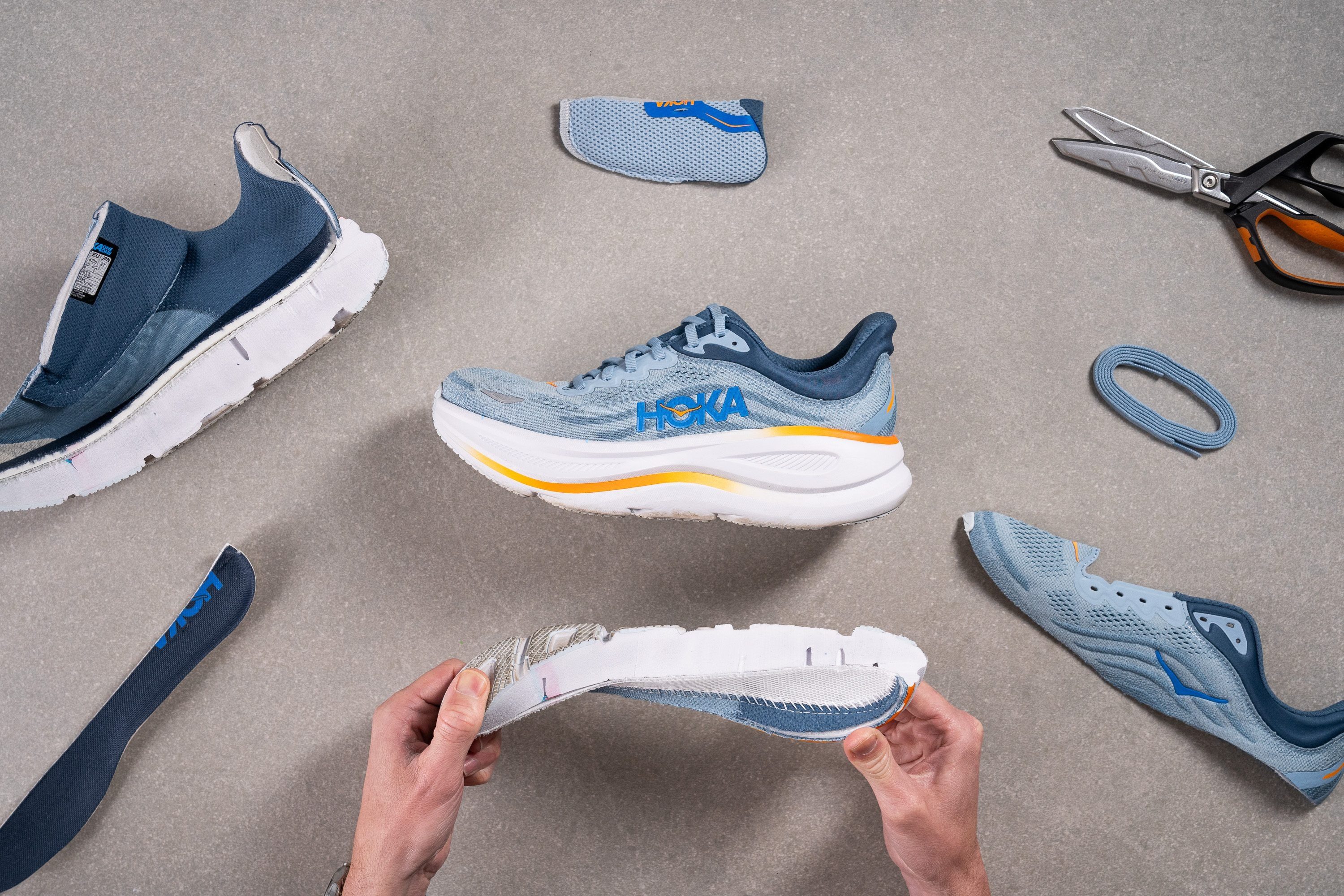
For many beginners, the way a shoe handles the "roll" of the foot is the difference between a great walk and a painful recovery. Arch support and stability features are designed to keep the foot in a neutral position. If your feet tend to roll inward—a common trait known as overpronation—you will need a stability shoe. These are often built with GuideRails or H-Frames, which are localized reinforcements in the midsole that act like bumpers on a bowling lane, gently guiding your foot back into alignment.
When searching for the best men's walking shoes for flat feet and arch support, look for keywords like "medial post" or "structured cushioning." These indicates that the shoe has a firmer section of foam on the inner side of the arch to prevent collapse. Conversely, those with high arches should look for shoes that offer neutral cushioning and high flexibility to help the foot absorb shock better.
| Feature | Best For | Role |
|---|---|---|
| Firm Medial Post | Overpronation / Flat Feet | Prevents inward rolling of the ankle. |
| Neutral Midsole | High Arches / Supination | Provides maximum shock absorption. |
| GuideRails | General Stability | Keeps the foot centered without being rigid. |
| Orthotic Compatibility | Custom Needs | Removable insoles for podiatrist recommended inserts. |
Many high-quality men's walking shoes now offer orthotic compatibility. This means the factory insole can be easily swapped for a custom or over-the-counter insert. If you have been podiatrist recommended to use specific inserts for plantar fasciitis or other conditions, ensure the shoe has enough internal volume to accommodate the extra depth without squishing your toes.
Surface Matters: Sole Design and Durability
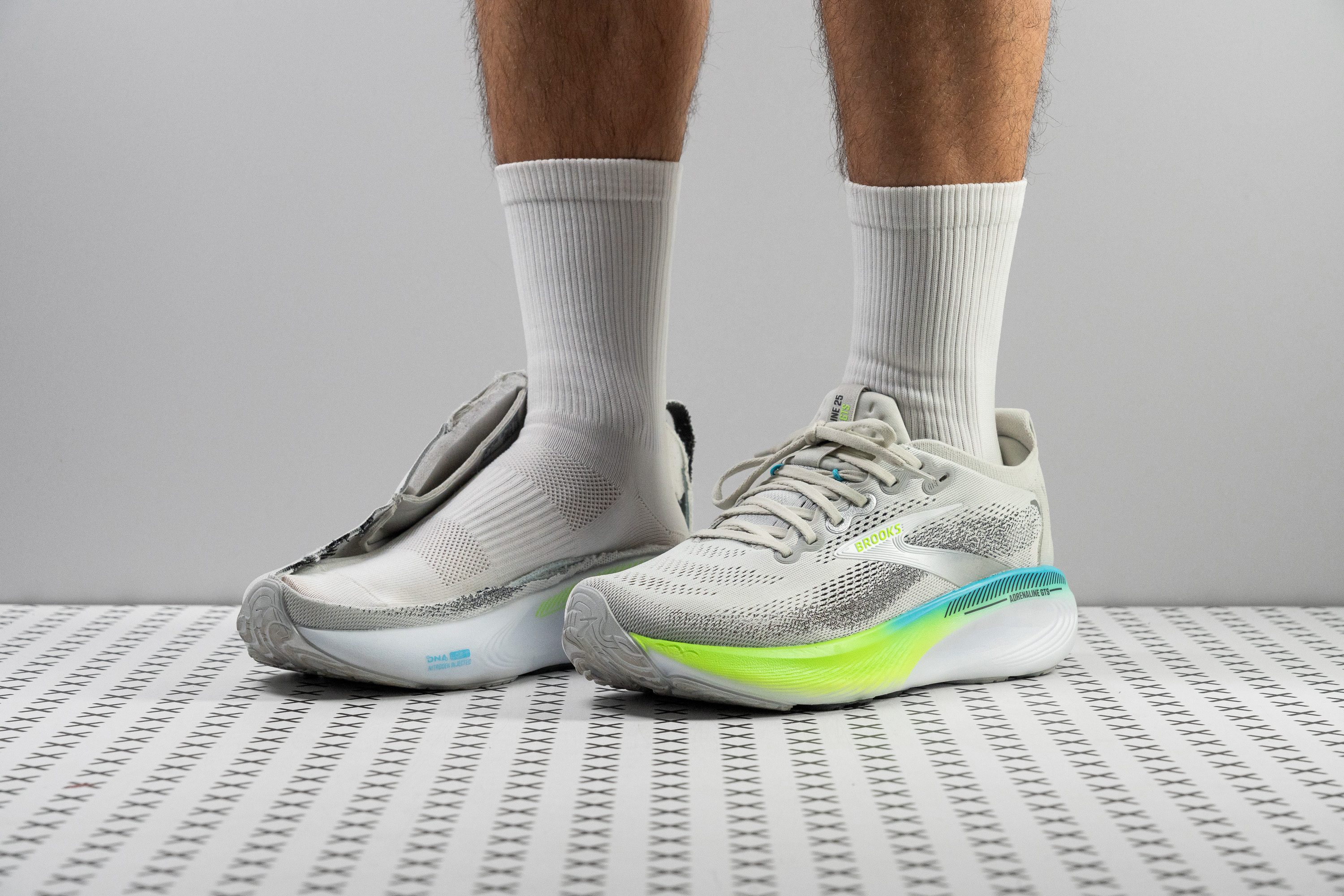
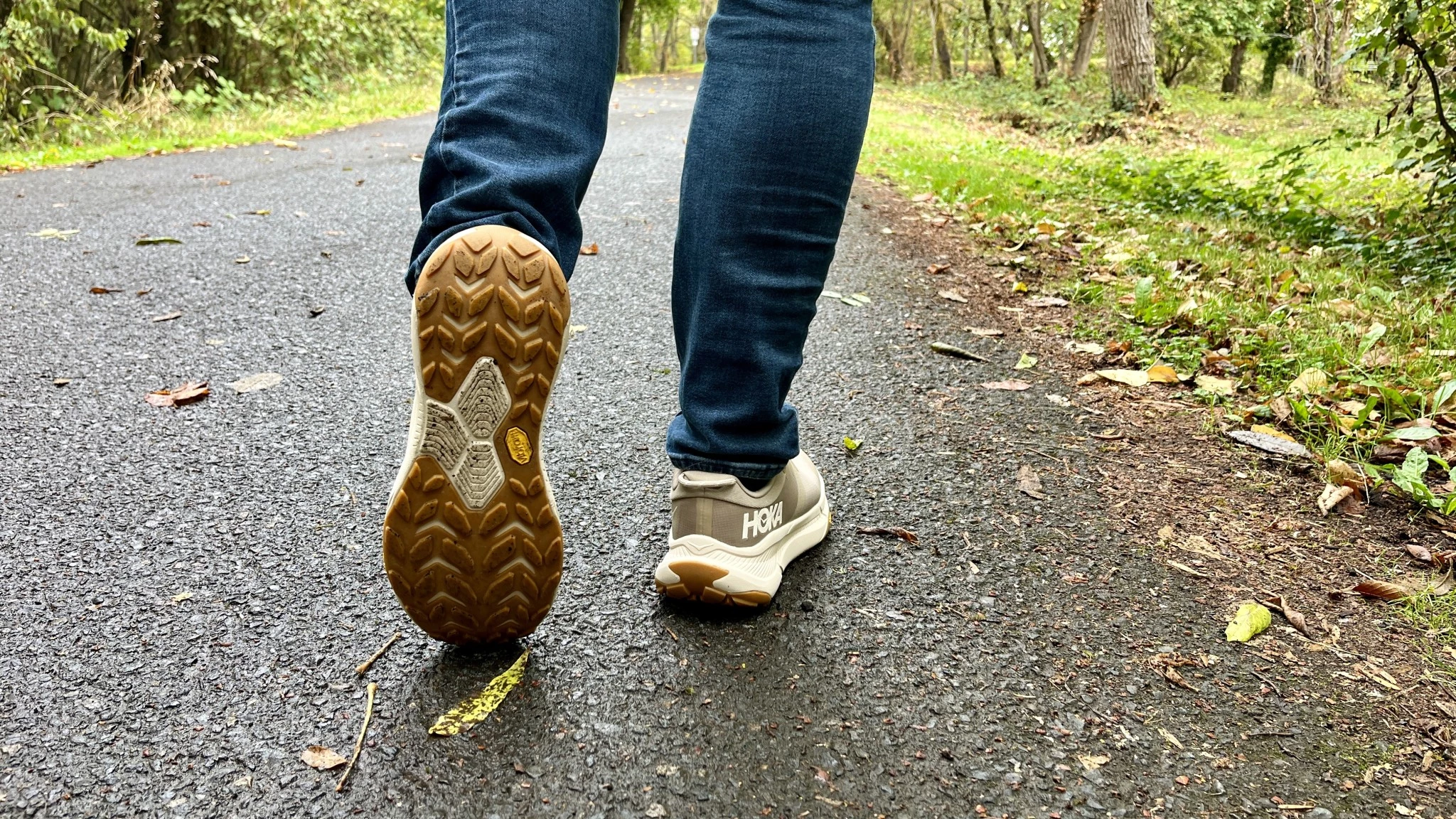
Your walking environment dictates what kind of outsole you need. For most urban fitness walkers, finding durable men's walking shoes for concrete and hard surfaces is the priority. Concrete is roughly ten times harder than dirt or asphalt, which places a massive burden on the rubber of the shoe. A high-traction rubber outsole, sometimes sourced from specialists like Vibram, ensures that you don't slip on wet pavement or smooth tile.
Sole design for different walking surfaces also involves the lug pattern.
- Pavement and Concrete: Flat, wide rubber lugs provide the most contact area with the ground, increasing grip and longevity.
- Gravel and Light Trails: Deeper, multidirectional lugs are necessary to bite into loose soil or mud.
Another critical factor in sole design is torsional rigidity. You can test this by trying to twist the shoe like a wet towel. A good walking shoe should resist twisting in the middle (the shank) but bend easily at the balls of the feet. This ensures that your foot remains stable on uneven sidewalks while still allowing the natural toe-off required for a healthy gait.
Furthermore, consider the upper materials. While leather provides excellent durability and some water resistance, mesh ventilation is often the better choice for beginners walking in warmer climates. Mesh allows heat to escape and reduces the likelihood of blisters. If you suffer from foot swelling or conditions like bunions, look for wide fit men's walking shoes. These typically offer a larger volume in the midfoot and toe box to prevent pressure points that can become painful after a mile or two of activity.
Measurement & Maintenance: The Professional Fitting Guide
Perhaps the most startling statistic in footwear research is that a significant number of men wear the wrong size. One study found that 69% of certain male demographics were wearing incorrectly fitted footwear, often leading to foot fatigue, calluses, and even long-term joint damage. To avoid this, you must look beyond the number on the box and focus on the fit of the specific model.
Pro-Tip: The Index Finger Test When you have the shoe on and unlaced, slide your foot forward until your toes touch the front. You should be able to fit your index finger snugly between your heel and the back of the shoe. If it’s too tight, the shoe is too small; if you can fit two fingers, it’s too large.
Once you have found the right fit, maintaining the shoe is vital for your health. Podiatrists and industry standards generally recommend replacing walking shoes every 300 to 500 miles to ensure the midsole foam continues to provide effective shock absorption and support. Even if the outsole looks fine, the internal foam "dies" over time, losing its ability to protect your joints from the hard impact of the road.
Checklist for Replacing Your Shoes:
- The foam midsole feels brittle or has visible compression wrinkles.
- You start feeling new aches in your knees, hips, or lower back.
- The tread is worn smooth in specific areas, indicating a breakdown in the gait cycle support.
- The heel counter has become soft and no longer holds your foot securely.

FAQ
What is the difference between walking shoes and running shoes?
Walking shoes are designed for a rolling motion with more flexibility in the forefoot and greater cushioning in the heel to manage the specific impact of a walking gait cycle. Running shoes usually have more cushioning in the forefoot or midfoot and are built to handle the higher vertical impact forces of running.
How should men's walking shoes fit?
They should feel snug but not tight. You should have approximately half an inch of space between your toes and the end of the shoe, with a heel counter that prevents your foot from slipping out. Use the index finger test to ensure proper length and shop in the afternoon to account for natural foot swelling.
How often should men replace their walking shoes?
Most experts recommend replacing your walking shoes every 300 to 500 miles. At this point, the structural integrity of the midsole begins to fail, and the cushioning no longer provides the necessary shock absorption to prevent joint strain and foot fatigue.
Which walking shoes are best for flat feet?
The best options for flat feet are stability or motion-control shoes. Look for models with firm arch support and stability features like medial posts or specialized guide systems that prevent the foot from overpronating or rolling too far inward.