Quick Facts
- Fatality Shift: In 2025, Arkansas recorded its first two fatal black bear attacks in over 130 years, ending a safety streak that had lasted since 1892.
- Population Growth: The number of bears in Arkansas has surged from approximately 50 in 1951 to more than 5,000 today.
- 100-Yard Rule: The golden standard for campsite organization is placing your sleeping, cooking, and storage areas 100 yards Apart in a triangle formation.
- Scent Control: All scented items, including lip balm and fuel, must be locked in bear-resistant canisters or lockers.
- Defensive Tool: EPA-approved bear spray should be carried in an accessible holster, never buried inside your backpack.
- Engagement Strategy: If a black bear attacks, do not play dead; you must fight back aggressively with any available tools.
To ensure bear country safety in Arkansas, campers must practice strict scent management using bear-resistant canisters and implement a three-zone campsite layout by keeping sleeping and cooking areas 100 yards apart. If a black bear approaches, identify yourself as a human by speaking in a calm voice, stay your ground, and never run, as this triggers a predatory chase response.
The New Reality of Arkansas Bear Country
For over a century, the Ozark-St. Francis National Forest was seen as a place where wildlife encounters were rare and fatalities essentially unheard of. However, in 2025, the state recorded its first two fatal black bear attacks in over 130 years, marking a somber milestone for a region that had not seen such a tragedy since 1892. This shift serves as a vital wake-up call for everyone entering the backcountry. Understanding bear country safety is no longer a theoretical exercise—it is an essential skill for every hiker and camper.
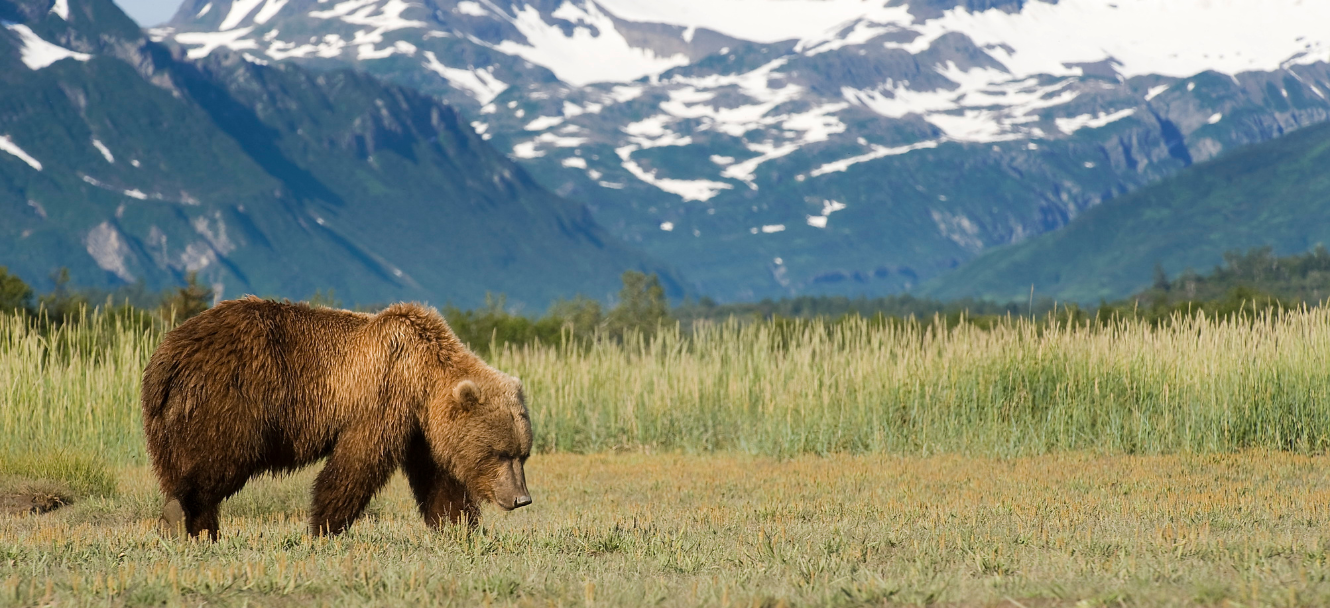
The return of the black bear is actually one of the region's greatest conservation successes. Between 1958 and 1968, wildlife officials undertook the reintroduction of 254 bears, a project now recognized as the most successful reintroduction of a large carnivore in history. While the population was at an estimated low of roughly 50 animals in 1951, it has since flourished, with more than 5,000 bears now calling the Natural State home.
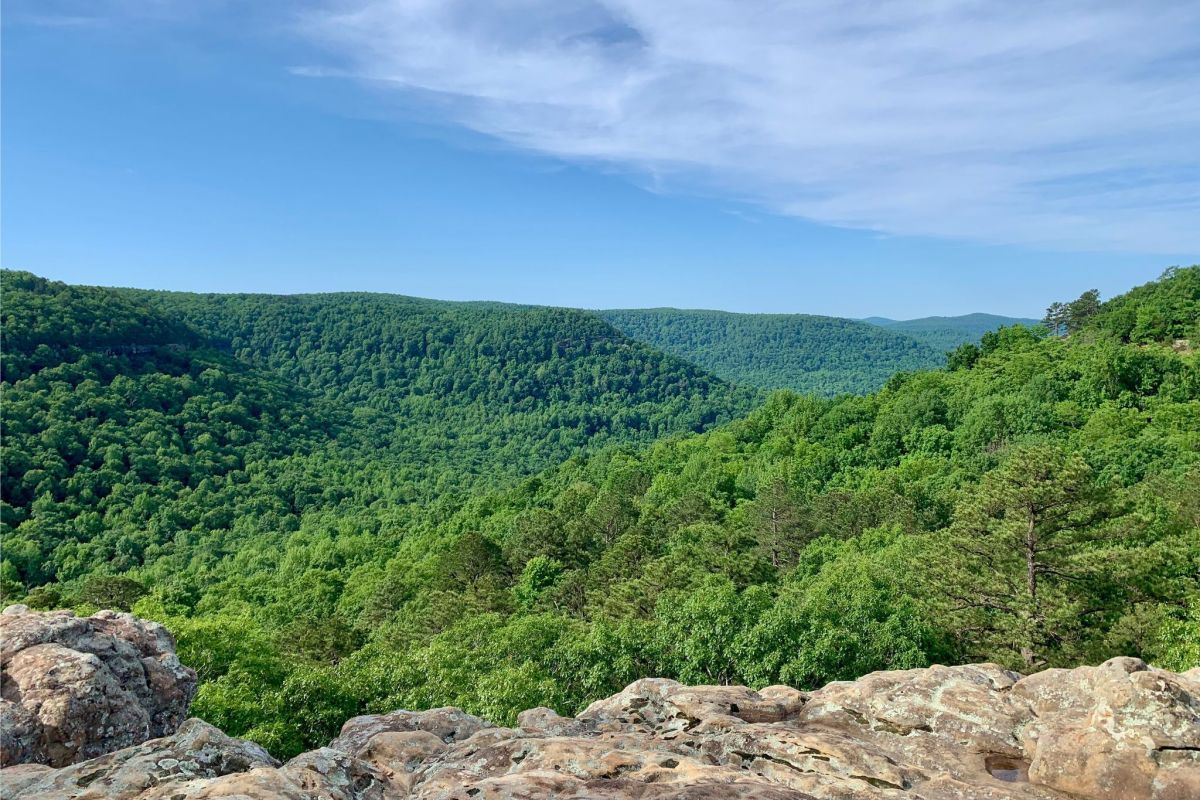
As habitat and human recreation areas overlap, habituated bears—those that have lost their natural fear of humans due to food rewards—have become a more frequent concern. Whether you are exploring the trails near Sam’s Throne or deep in the Buffalo National River region, adopting bear aware practices is the only way to ensure these majestic animals remain wild and humans remain safe.
Scent Sovereignty: Securing Your Gear
A black bear’s sense of smell is legendary, estimated to be seven times stronger than that of a bloodhound. When you are in the woods, your gear is a beacon of aromas. Effective scent management is about more than just hiding your leftover dinner; it is about eliminating every possible attractant that could draw Ursus americanus into your space.
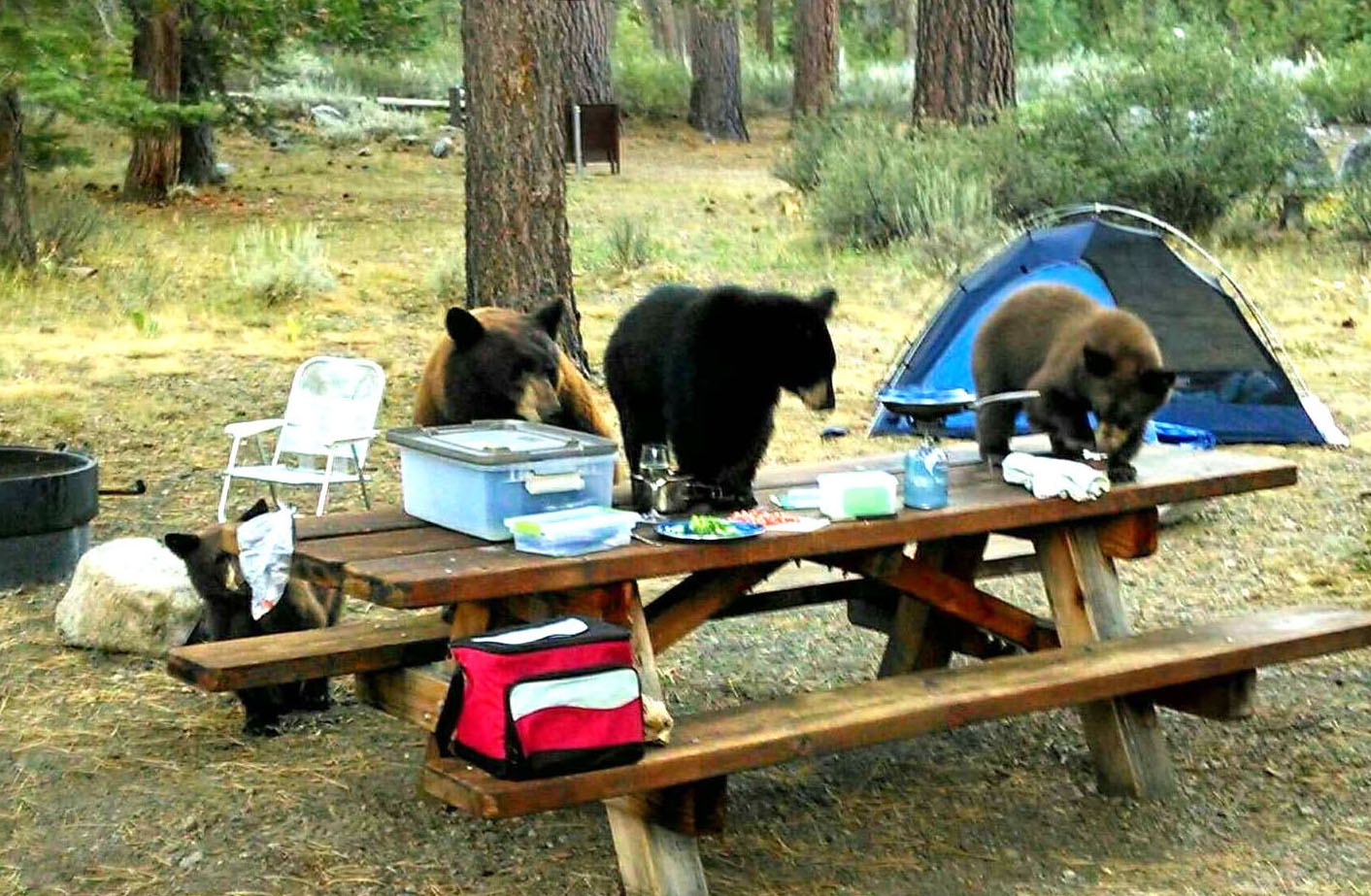
Many campers are surprised by what qualifies as a wildlife attractant. It is not just the steak on the grill; it is the residue on your hands and the items in your pockets. To protect your camp, you must use bear-resistant canisters for anything with a scent. If your campsite provides permanent metal bear-resistant lockers, use them. If not, you must be prepared to store items properly.
Hidden Attractants Checklist:
- Toothpaste, toothbrushes, and mouthwash
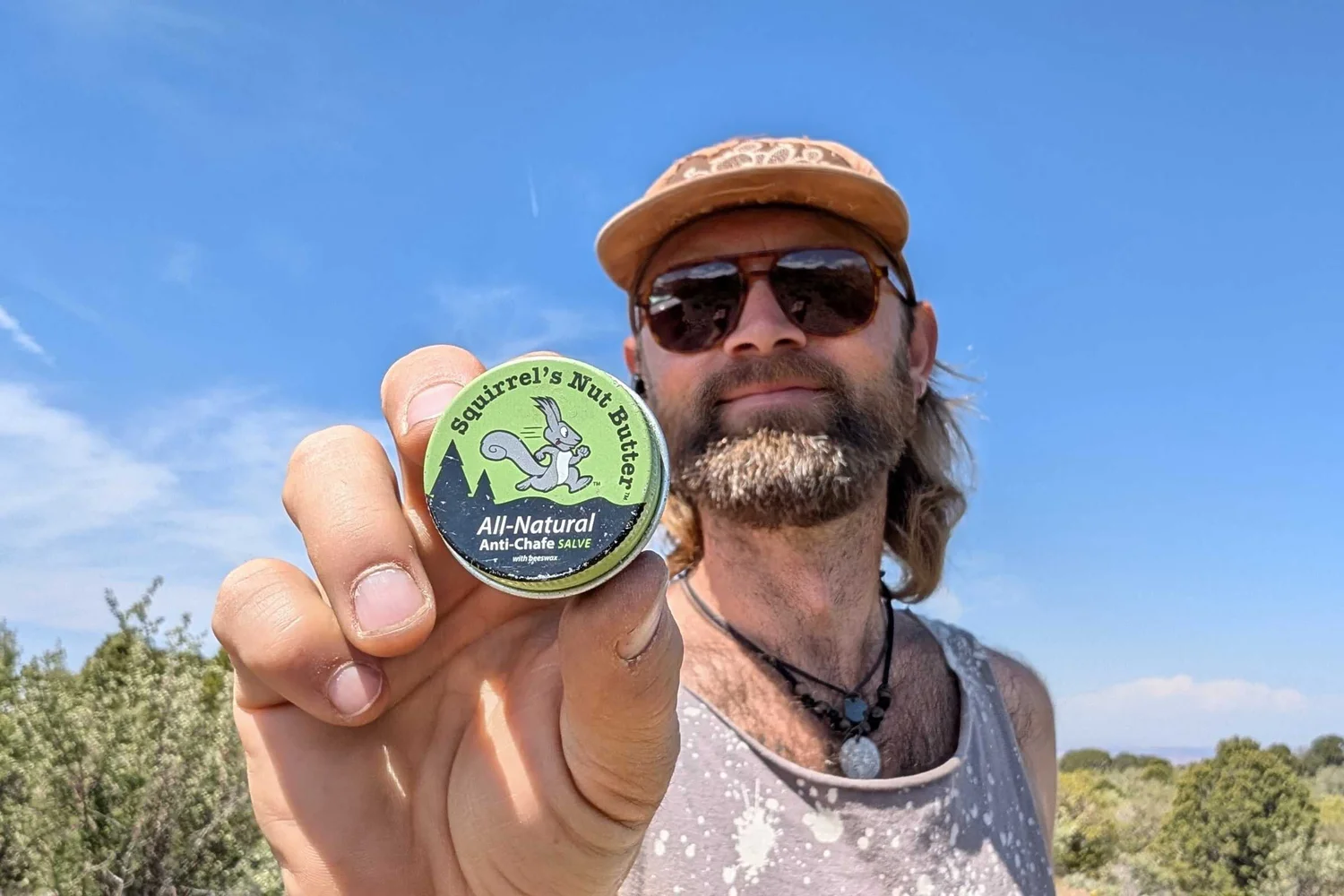
- Deodorant, lotions, and lip balm
- Sunscreen and insect repellent
- Fuel canisters and empty food wrappers
- Pet food and treats
- Clothes worn while cooking (which should be stored away from your tent)
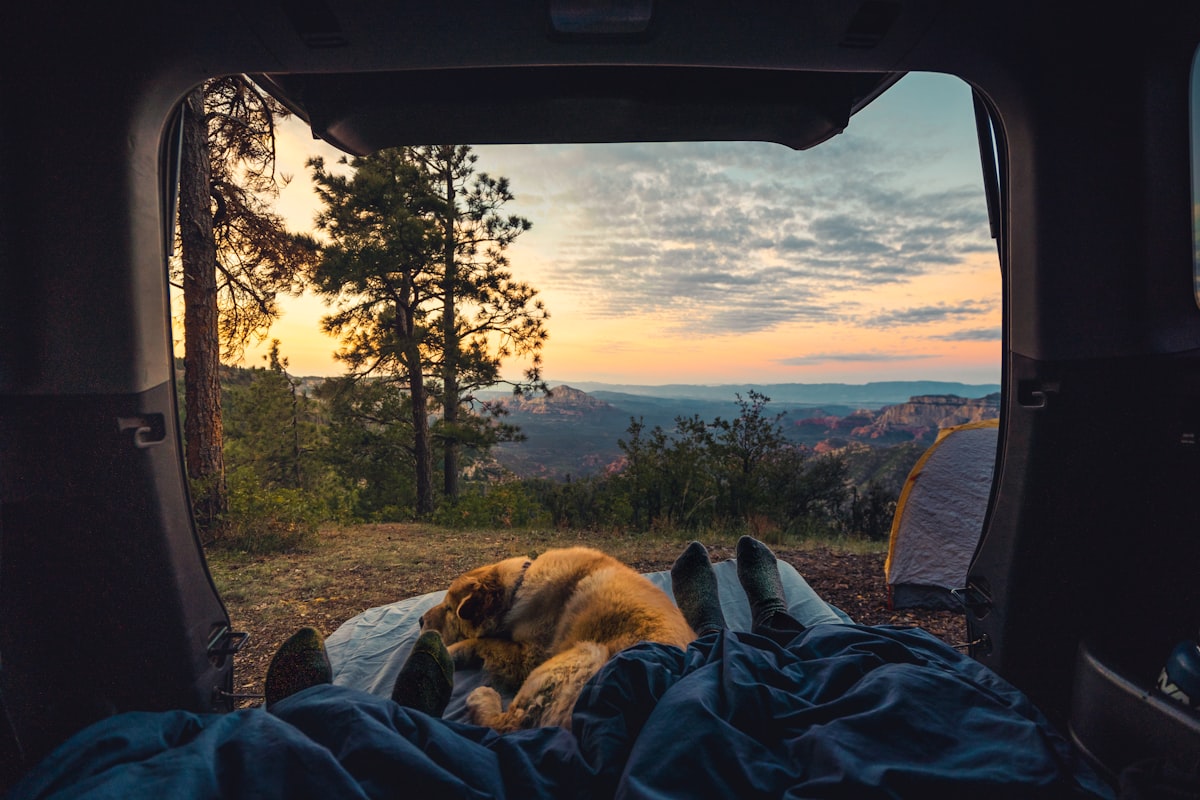
While the traditional method of hanging a food bag remains popular, it is technically difficult to execute perfectly. The 10-5-100 Rule suggests that if you hang food, it must be at least 10 feet off the ground and 5 feet away from the trunk of the tree. However, many modern experts recommend bear-resistant canisters as the most foolproof method for securing campsites from bears, as they are harder for bears to manipulate than a simple hanging bag.
The Three-Zone Safety Map: The Triangle Arrangement
One of the most effective ways to lower your risk is by physically organizing your campsite to manage how a bear interacts with the area. Before you even unpack your bag, look for signs of activity like overturned logs, fresh scat, or claw marks on trees. If you see these, find another spot.
Once a safe spot is chosen, you should implement the Triangle Arrangement. This spatial model creates a 100-yard buffer between different activities to ensure that even if a bear is attracted to your food, it won't be directed toward your sleeping area.
- Sleeping Zone: Place your tent upwind from the cooking area. Never keep any food, trash, or scented items inside your tent.
- Cooking/Eating Zone: Located 100 yards away from the sleeping area. This is the only place where food should be handled or consumed.
- Storage Zone: Located 100 yards from both the sleeping and cooking areas. This is where your bear-resistant canisters or lockers should be placed.
By setting up a three-zone bear safe camp site, you significantly reduce the chance of a midnight encounter. This spatial discipline is critical to how to secure campsites from bears in Arkansas, where dense brush in the Ozarks can otherwise provide easy cover for wildlife to approach unnoticed.
Close Encounters: Behavioral Protocols
Even with the best scent management, you may still cross paths with a bear while hiking or at camp. In these moments, your reaction is the single most important factor in the outcome. The primary rule of black bear safety tips is simple: do not run. Running triggers a chase instinct in predators, and a bear will always be faster than you.
If you see a bear that hasn't seen you, back away quietly. However, if the bear is aware of you, you must identify yourself as human. Stand your ground, wave your arms slowly, and speak in a firm, loud, yet calm voice. You want to appear large and non-threatening. Ensure the bear has a clear exit path; a cornered bear is a dangerous bear.
Important Tip: Always check for recent aggressive behavior warnings from local authorities like the Newton County Sheriff or the Arkansas Game and Fish Commission (AGFC) before heading out. The status of local bear activity can change weekly.
If the encounter escalates, you must understand the difference in bear behavior.
| Scenario | Characteristics | Defensive Action |
|---|---|---|
| Bluff Charge | The bear lunges, stomps, or huffs but stops short of contact. | Stand your ground. Do not run. Use bear spray if the bear gets within 30 feet. |
| Predatory Attack | The bear stalks you quietly, follows you for a long distance, or attacks while you are in your tent. | Do not play dead. Fight back aggressively with anything you have—rocks, sticks, or your bare hands. |
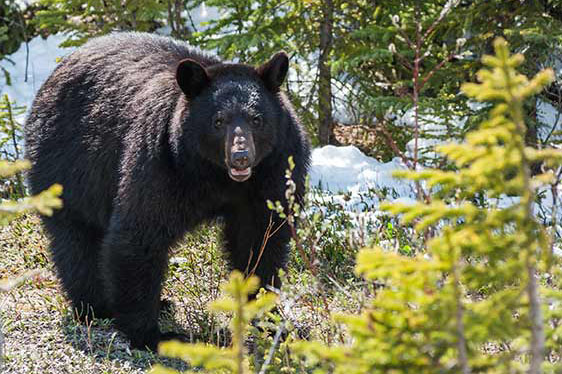
If a black bear initiates an attack, every second counts. Deploy your bear spray by aiming slightly downward and in front of the bear’s face to create a cloud of deterrent. Only as a last resort should you engage in physical combat, focusing your blows on the bear’s face and muzzle.

Emergency Contacts & Reporting
Maintaining the safety of Arkansas's wilderness is a collective effort. If you encounter a bear that seems too comfortable around humans or see evidence of someone leaving a messy campsite, report it immediately. For nuisance bear reports, contact the AGFC at 833-345-0315. In the event of a wildlife-related injury or immediate threat, contact the Newton County Sheriff or the AGFC emergency line at 833-356-0824.
FAQ
What should you do if you encounter a bear while hiking?
If you see a bear while on the trail, stop and remain calm. Do not run. If the bear hasn't noticed you, back away slowly and quietly. If it has seen you, stand your ground and speak in a loud, firm voice to identify yourself as a human and not a prey animal. Give the bear plenty of space to escape, and keep your bear spray ready in your hand.
How do you keep bears away from your campsite?
The best way to keep bears away is through meticulous campsite hygiene. Use bear-resistant canisters for all food and scented toiletries, and never cook or store food near where you sleep. Make sure to pack out all trash and food scraps, as even small crumbs can attract a bear’s attention.
Is it better to run or play dead during a bear attack?
With black bears, you should never run or play dead. Running can trigger a predatory chase. If a black bear attacks, you must fight back as hard as you can, using any available objects or your hands to strike the bear's sensitive areas like the nose and eyes. Playing dead is a tactic reserved for grizzly bears, which are not found in Arkansas.
What smells are most likely to attract bears?
Bears are attracted to any scent they associate with food or curiosity. This includes human food, garbage, pet food, and cooking oils. However, they are also drawn to non-food items like toothpaste, scented soaps, deodorant, sunscreen, and even the fuel from your camping stove.
What are the signs that a bear is nearby?
Look for fresh droppings (scat), tracks that resemble a human footprint with claw marks, and claw marks on tree trunks. You might also see overturned logs where a bear was searching for insects or "day beds," which are shallow depressions in the ground where a bear has rested.