Quick Facts
- Survival Stat: Alaska's drowning rate is 7.3 per 100,000, which is nearly six times the national average.
- Risk Factor: Between 2016 and 2021, nearly 90% of Alaskans who died in non-occupational drowning incidents were not wearing a life jacket.
- Safety Priority: Rivers and creeks accounted for 114 out of 342 reported drowning deaths in the state.
- Gear Lifespan: Expect high-quality canoe seats to last roughly 1,000 miles, while boots may only survive 22 months of heavy tundra use.
- Planning Window: River permit lotteries for high-demand areas usually open December 1st for the following season.
- Logistics: Remote access often requires a Super Cub aircraft with a strict weight limit for gear and passengers.
Successful Alaska river survival requires a proactive guide mindset to identify hazards like river strainers and braided channels before they become lethal. Preparation must include a comprehensive unguided river expedition risk assessment advice, specialized gear like folding canoes for bush plane transport, and mastered self-rescue drills to manage heavy currents and isolated headwaters.
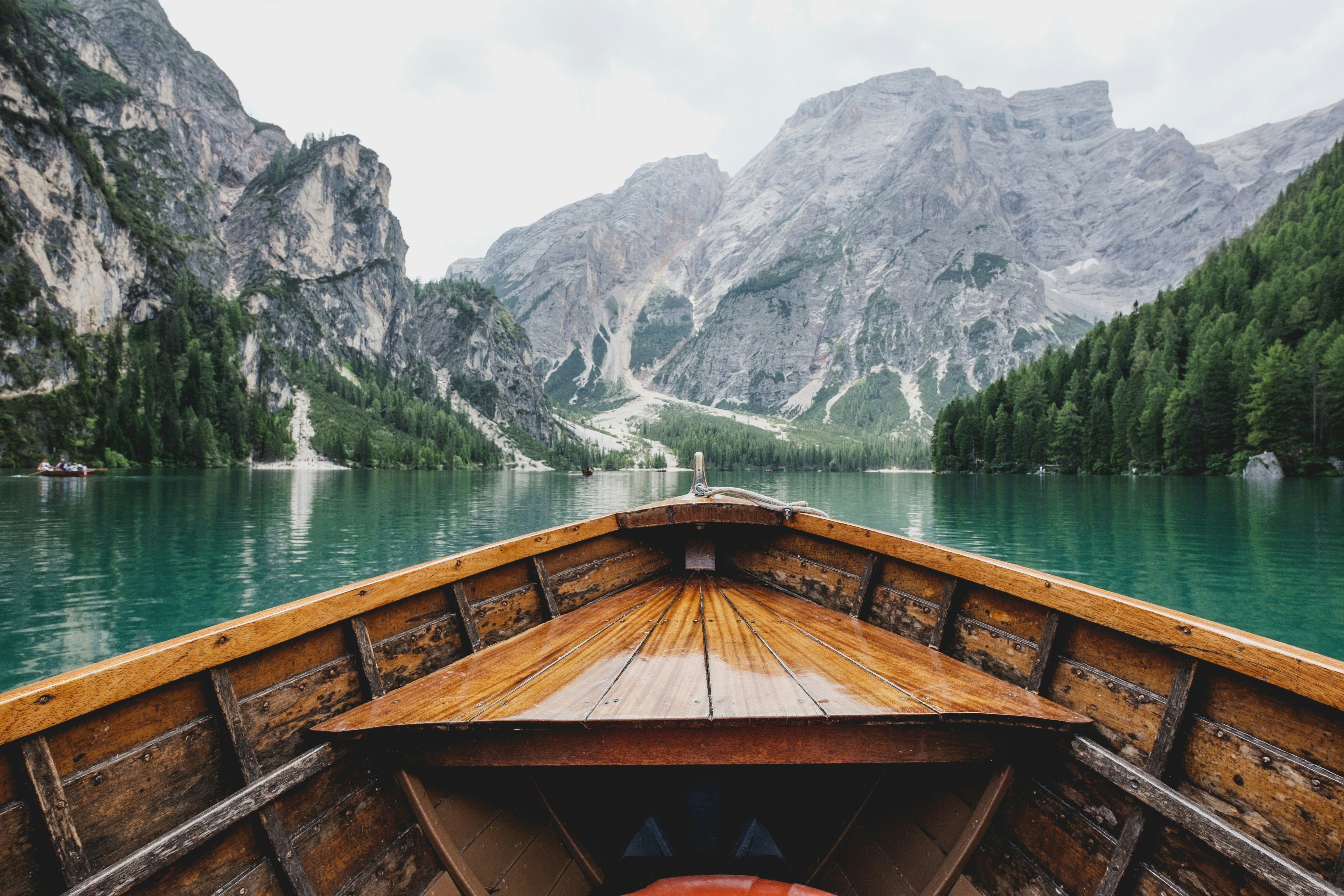
The Price of Admission: The Psychological Shift
Alaska is a land of dualities—breathtaking beauty and lethal reality. Achieving successful Alaska river survival requires more than just paddling skills; it demands a total psychological shift. Travelers often arrive with a postcard version of the North in their minds, only to be confronted by the Alaska Factor. This is the collection of environmental variables—glacial gravy water, silt that jams zippers, and bird-sized insects—that can turn a minor gear failure into a life-threatening crisis.
The transition from a tourist mindset to a guide mindset happens the moment you realize that no one is coming to save you. In the Lower 48, a 40-60 lb pack might feel heavy; in the Alaskan bush, it is your entire life-support system. When you are navigating through willow-choked banks, you must master Alaskan river portaging techniques for thick brush just to bypass a single impassable rapid. This isn't about the thrill of the descent; it’s about the calculated management of remote river trip preparation to ensure your team makes it to the takeout.

Logistical Survival: Bush Planes and Permit Lotteries
The brutal truth of the Alaskan interior is that most of the best wilderness waterways are inaccessible by road. Your expedition begins not at the water’s edge, but in the hangar of a bush pilot. Coordinating bush plane logistics for remote expeditions is a masterclass in compromise. Most remote headwaters are reached via Super Cub aircraft, which are legendary for their short takeoff and landing capabilities but offer very limited cargo space.
If you miss the December-January permit lottery window for popular rivers, you need a fail-safe plan. Many unguided groups overlook the logistical complexity of coordinating pick-up times in a region where weather can ground flights for days. Successful remote river trip preparation means having several extra days of rations and a satellite communicator to stay in touch with your pilot when the ceiling drops and the planes can't fly.
Essential Gear: The Expedition Canoe Gear List
Your expedition canoe gear list is the barrier between you and the statistics. Because of the aforementioned bush plane constraints, folding canoe selection for remote Alaskan rivers is a critical decision. Brands like PakBoats offer the structural integrity of a traditional canoe with the ability to break down into bags that fit inside a small aircraft.
Beyond the boat, you need gear that functions as personal life support. A 3/2mm wetsuit or a drysuit is often necessary to combat cold water immersion shock in glacial rivers. You also need to track the wear and tear of your equipment; while a canoe seat might last 1,000 miles, the abrasive silt of many Alaskan rivers acts like sandpaper on moving parts.
Canoe Type Comparison
| Feature | Hardshell Canoe | Folding Canoe (PakBoats) |
|---|---|---|
| Portability | Requires roof rack or large plane | Fits in bush plane cargo holds |
| Durability | High impact resistance | High, but skins can tear on sharp rocks |
| Weight | 65–80 lbs | 45–55 lbs |
| Setup Time | Instant | 30–60 minutes |
| Primary Use | Road-access rivers | Remote fly-in expeditions |

Technical Hazards: Navigation and River Strainers
Navigating a fast-moving Alaskan river requires constant vigilance. River strainers—essentially fallen trees that allow water to pass through but trap boats and bodies—are the most common killers. These river sweepers are often found on blind bends where the current is strongest. Because the water is often opaque with glacial silt, you won't see the hydraulic force of a submerged obstacle until you are right on top of it.
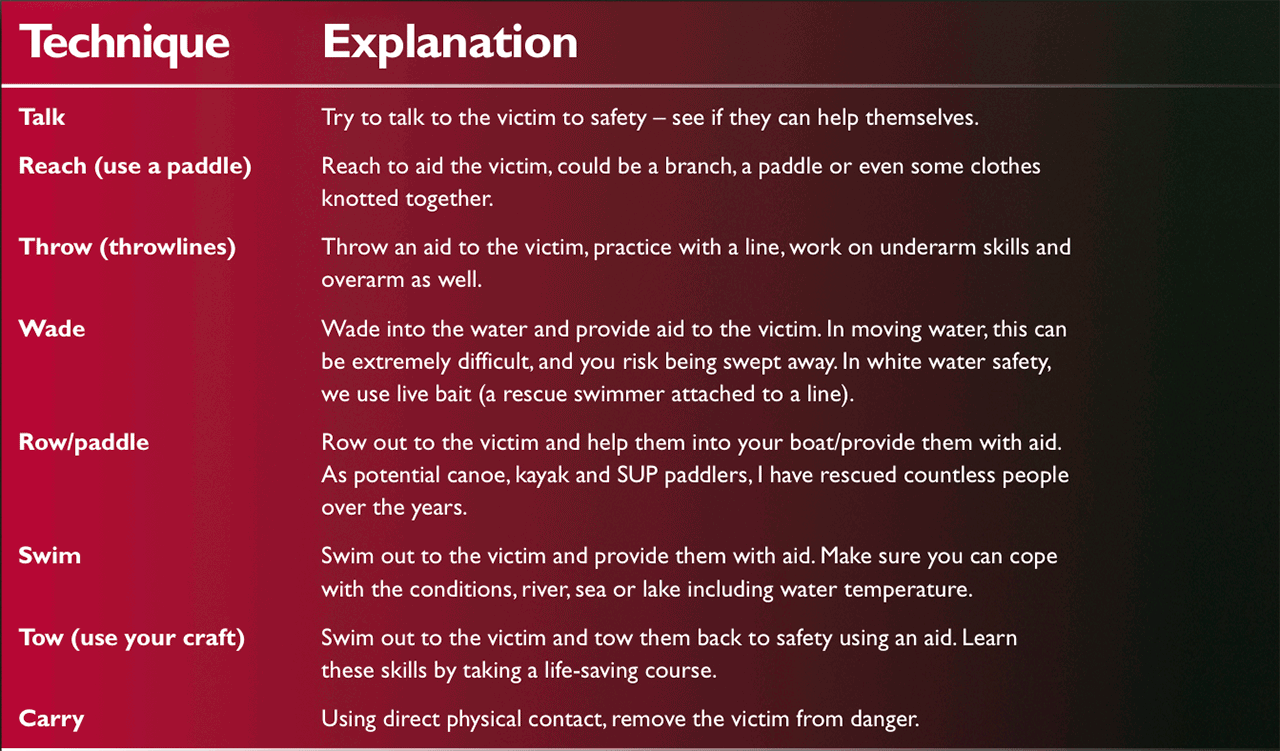
To survive an encounter with river strainers, you must never lean upstream. Doing so allows the current to catch the gunwale, swamping the boat instantly. If you cannot maneuver around an obstacle, the safest tactic is often to scout from the bank or portage. Safe navigation tactics for blind river bends involve pulling over early and often. Self-rescue drills should be practiced until they are second nature, especially regarding cold water immersion survival for river paddlers, as the shock of entering 40-degree water can cause immediate loss of muscular control.
Camp Safety: Grizzlies and Environment
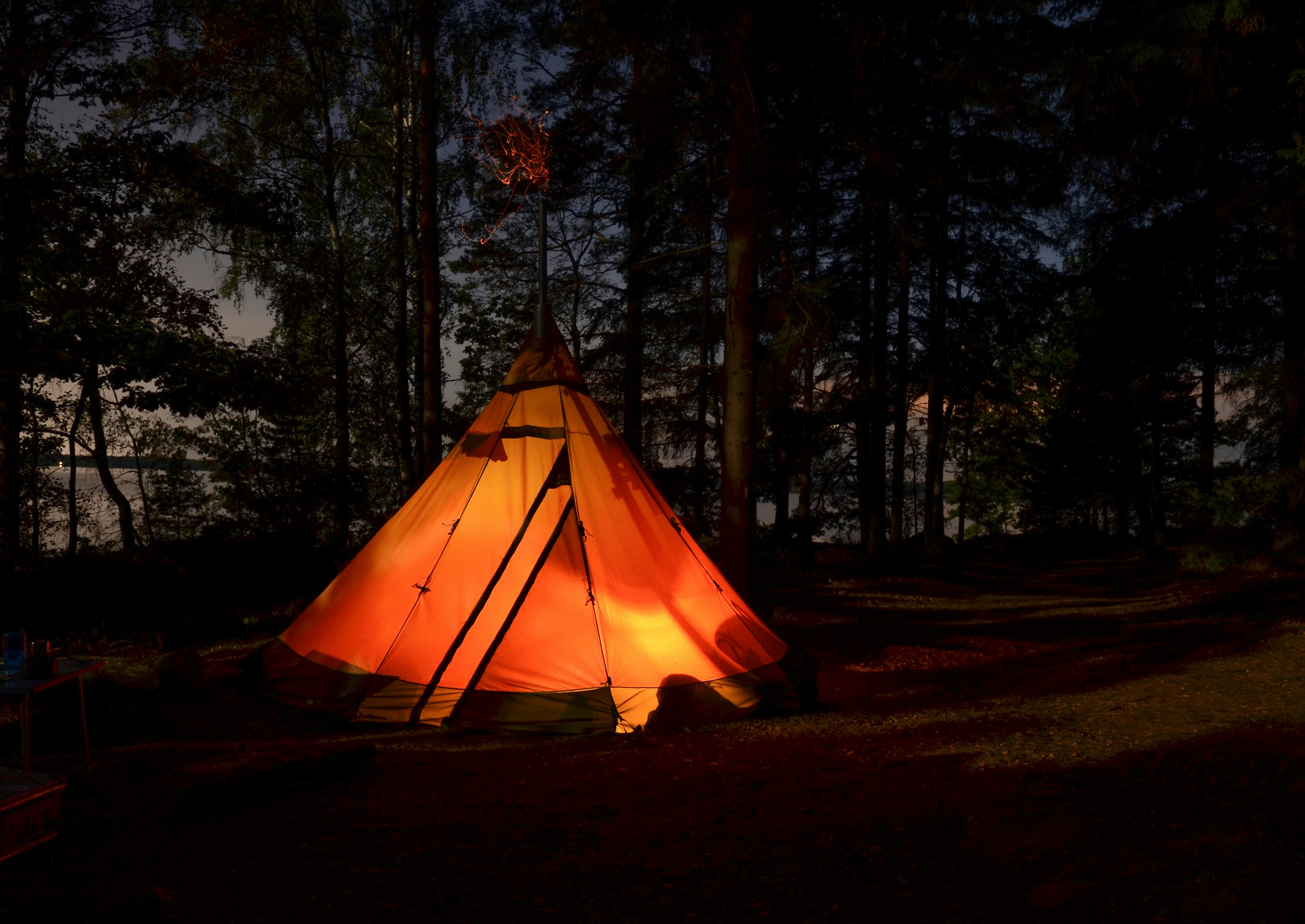
Survival doesn't end when you pull the boat onto a gravel bar. Establishing bear safety protocols for Alaskan river camps is a non-negotiable part of the routine. In areas like the Aniak or Kipchuk rivers, the brush is so thick that you may not see a grizzly until it is within thirty feet. The most effective strategy is to camp on wide-open sandbars with clear sightlines in all directions.

Beyond wildlife, you must manage constant environmental exposure. Hypothermia prevention is a 24-hour task. This means changing into dry clothes the moment you hit camp and ensuring your kitchen is set up far from your sleeping quarters to avoid attracting predators. In the heat of a crisis, the focus must shift from 'adventure' to survival. The ego that wants to run a risky rapid must be silenced by the logic that recognizes the difficulty of emergency extraction from these wilderness waterways.
FAQ
What are the most common dangers on Alaska rivers?
The most prevalent dangers include river strainers (dead trees), frigid water temperatures leading to hypothermia, and the extreme remoteness that makes rescue nearly impossible. Additionally, braided channels and heavy silt can make navigation deceptive, hiding obstacles just below the surface.
What safety equipment is required for Alaska river travel?
Every paddler must have a high-quality Personal Flotation Device (PFD) worn at all times. Essential gear also includes a satellite communicator, a comprehensive first aid kit, bear deterrents, and a repair kit for your boat. For cold water, a drysuit or wetsuit is highly recommended.
What essential skills are needed for a self-guided Alaska float trip?
You must be proficient in reading water currents, executing self-rescue drills, and performing basic wilderness first aid. Knowing how to pack a boat for stability and mastering Alaskan river portaging techniques for thick brush are also vital for bypassing hazards safely.
How do you stay warm after getting wet in the Alaska wilderness?
Immediate action is required to prevent hypothermia. Remove all wet clothing and replace it with dry synthetic or wool layers. Utilize a high-energy food source and warm liquids to generate internal heat, and if possible, use a space blanket or sleeping bag to trap body warmth.
What should you do if your boat flips in a remote Alaska river?
Your first priority is to stay with the boat if it is safe, but move to the upstream side to avoid being pinned against obstacles. Use your Personal Flotation Device to stay buoyant and swim aggressively for the shore at an angle. Avoid standing up in moving water to prevent foot entrapment.
How do you avoid bear encounters while camping on Alaska rivers?
Select campsites on open gravel bars with high visibility. Store all food, trash, and scented items in bear-resistant containers at least 100 yards downwind from your tent. Cook away from your sleeping area and keep a clean camp to avoid attracting curious wildlife.
The Alaskan wilderness is indifferent to your presence. To successfully navigate its rivers is to accept a pact: you provide the respect and preparation, and the land provides the experience of a lifetime. Treat every bend in the river with the caution it deserves, and never underestimate the power of the glacial current. For those heading out, consider official maritime safety training or hydrological research via NOAA to further sharpen your skills before the ice breaks.