Our Top Picks
- Best Overall Merino: Smartwool Classic Thermal Merino — A versatile, high-quality investment that offers unmatched thermoregulation and natural odor resistance for multi-day wear.
- Best for High-Intensity Activity: Patagonia Capilene Thermal Weight — The absolute winner for moisture-wicking speed and breathability during heavy exertion.
- Best for Extreme Cold: Arc'teryx Rho Heavyweight — A fleece-lined powerhouse designed for maximum thermal insulation in sub-zero temperatures.
- Best Value: REI Co-op Midweight Base Layer Bottoms — Reliable performance and a comfortable high-rise fit at a price that won't break the bank.
Choosing the best women's long underwear involves balancing warmth with breathability. After testing 50+ pairs in extreme conditions, we've identified the top moisture wicking thermal leggings for 2025.
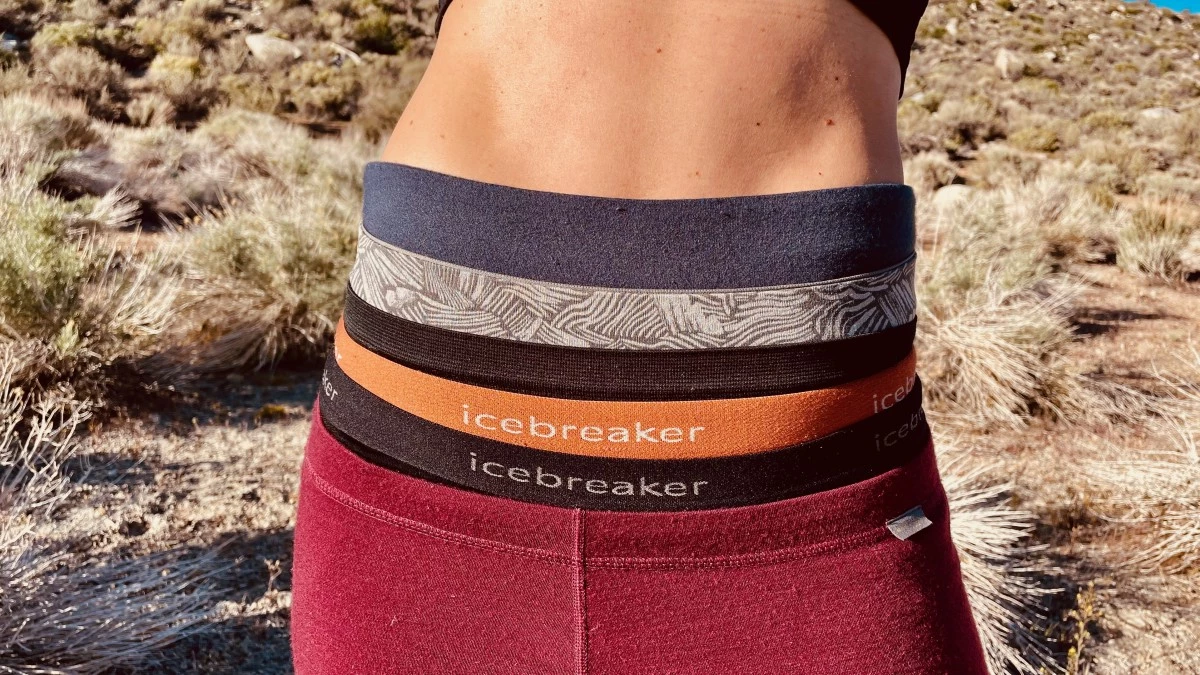
How We Test: Our Field & Lab Methodology
To find the best women's long underwear, our team spent the last winter season in various environments ranging from the damp chills of the Pacific Northwest to the bone-dry, sub-zero winds of Alaska. We don't just wear these leggings around the house; we take them on high-alpine ski tours, multi-day backpacking trips, and long morning runs. Our goal is to see how each fabric reacts to sweat, movement, and repeated wash cycles.
In our lab, we get scientific. We measure the actual fabric weight (g/m²) to verify manufacturer claims and use precision scales for the total weight of the garment. One of our most critical tests involves drying speed. We soak each layer in water and time how long it takes to return to its original dry weight in a controlled environment. We also evaluate the construction, looking for flatlock seams that won't chafe and a gusseted crotch that allows for a full range of motion. Each pair is assigned a metric scorecard from 1 to 10 for warmth and breathability to help you compare them easily.

The Science of Layering: Merino Wool vs. Synthetic Base Layers
Understanding the core differences between merino wool vs synthetic base layers is essential for staying comfortable outdoors. Merino wool is a natural fiber capable of absorbing up to 30% of its own weight in moisture without feeling wet to the touch. This process, known as heat of sorption, actually releases a small amount of heat, keeping you warmer when damp. More importantly, merino excels at odor resistance, making it the clear choice for trips where you can't wash your gear every day.
Synthetic materials, typically polyester and spandex blends, are hydrophobic. Instead of absorbing moisture, they push it away from your skin toward the outer surface where it can evaporate. Technical synthetics like Polartec Power Grid are designed with a grid pattern that traps warm air in the fleecy gaps while allowing excess heat to escape through the channels. While synthetics are more durable and dry faster than wool, they tend to hold onto odors over time. Choosing the best merino wool vs synthetic base layers for women often comes down to your priorities: natural comfort and smell control versus lightning-fast drying and athletic durability.
The global thermal underwear market is growing rapidly, and currently, the women's category projected to be the fastest-growing end-user segment through 2034 with a compound annual growth rate of 6.5%. This growth is driven by better technical designs tailored specifically for the female anatomy, including more comfortable high-rise fit options and articulated knees.
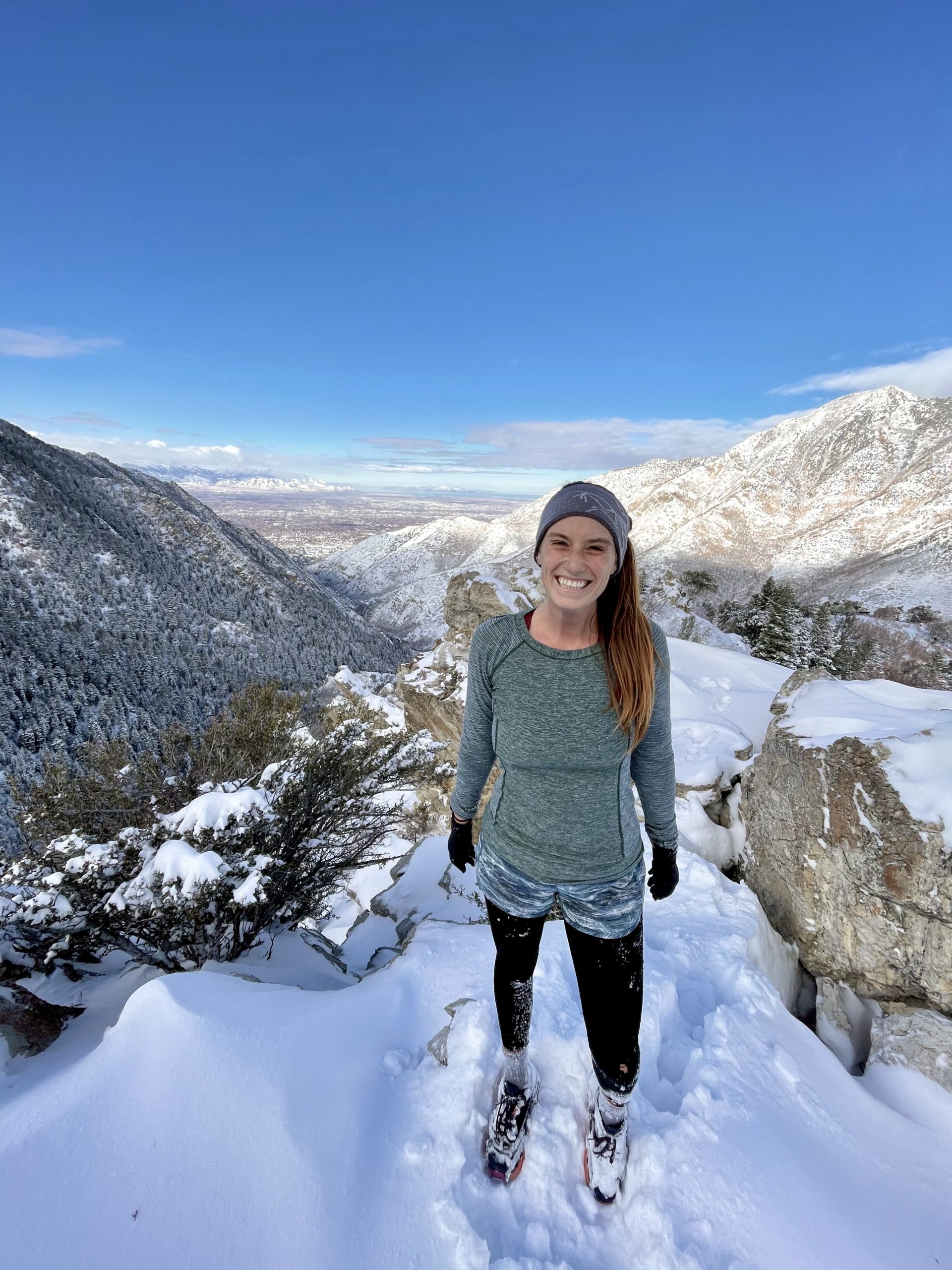
1. Smartwool Classic Thermal Merino: Best Overall
For those who want a single pair of leggings that can do it all, the Smartwool Classic Thermal is the gold standard. Made from 100% merino wool with a fabric weight (g/m²) of 250, it sits squarely in the midweight category. This weight provides excellent thermal insulation without feeling bulky. During our testing in the Chugach Mountains, we found the 18.9-micron fibers exceptionally soft against the skin, avoiding the itchiness often associated with lower-quality wool. The flatlock seams and refined high-rise fit ensure that it stays comfortable under a pack belt or ski pants.
- Materials: 100% Merino Wool
- Weight: 7.0 oz
- GSM: 250 g/m²
- Price: $115
Metric Scorecard
- Warmth: 9/10
- Breathability: 7/10
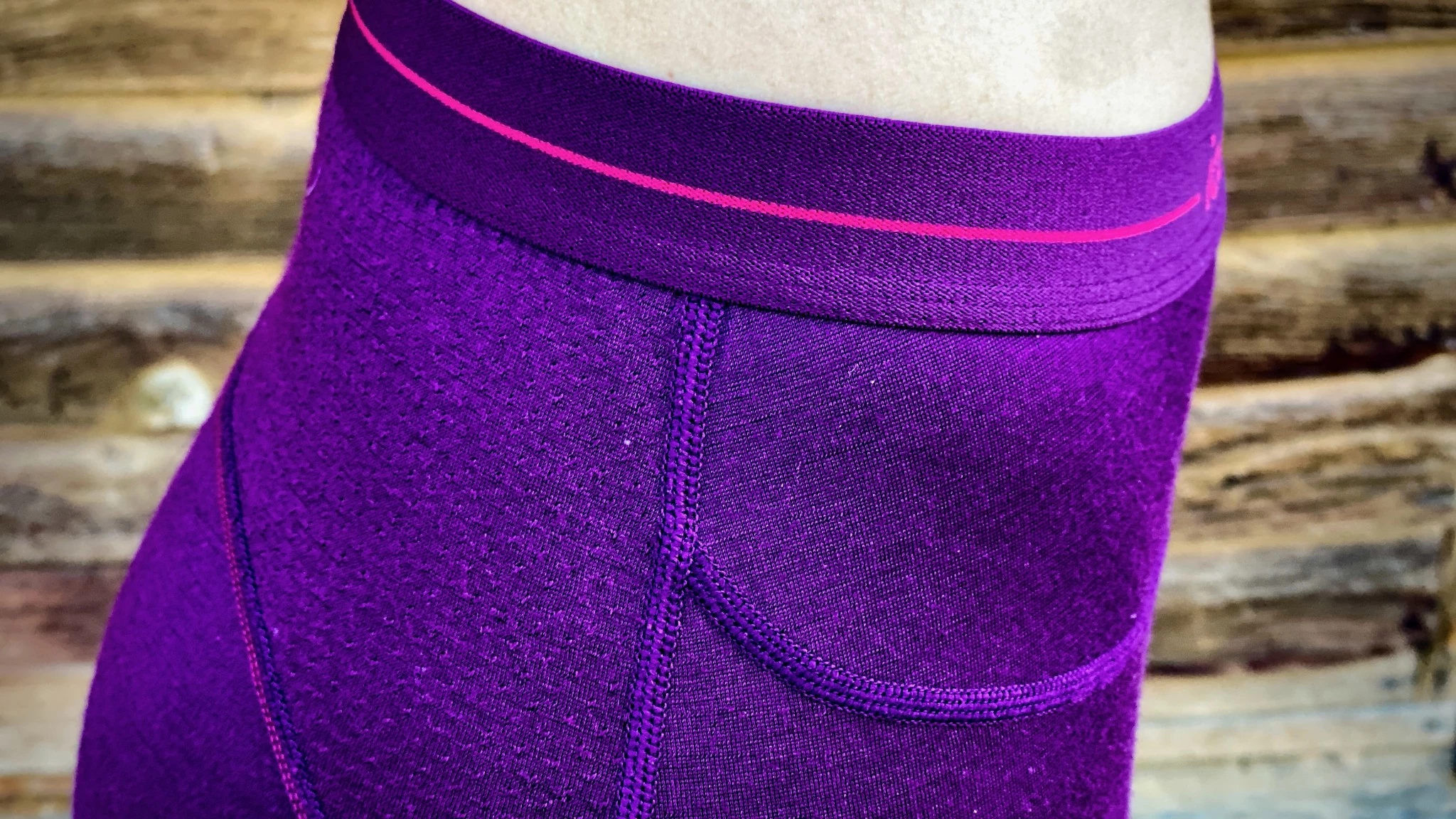
2. Patagonia Capilene Thermal Weight: Best for High-Output
If your winter hobby involves heavy sweating, such as cross-country skiing or winter trail running, the Patagonia Capilene Thermal Weight is our top pick. Using Polartec Power Grid technology, this layer is incredibly efficient at moving moisture. In our lab tests, it dried nearly twice as fast as the heavy wool alternatives. This is arguably the best thermal base layers for skiing when you are constantly alternating between sweating on the uphill and cooling down on the lift. The spandex content provides great stretch, and the internal grid feels soft like a microfleece.
- Materials: 92% Recycled Polyester, 8% Spandex (Polartec Power Grid)
- Weight: 4.9 oz
- GSM: 129 g/m²
- Price: $99
Metric Scorecard
- Warmth: 7/10
- Breathability: 10/10

3. Arc'teryx Rho Heavyweight: Best for Extreme Cold
When the temperature drops well below zero, you need something more substantial than a standard midweight layer. The Arc'teryx Rho Heavyweight is the warmest moisture wicking thermal leggings for extreme cold that we have tested. It uses a thick polyester and elastane blend with a brushed interior that traps an immense amount of body heat. While it is thick, the wicking performance remains high, preventing that clammy feeling when you step back inside into a heated environment. It's an investment, but for those living in arctic climates or summiting peaks, it is indispensable.
- Materials: 84% Polyester, 16% Elastane (Polartec Power Stretch Pro)
- Weight: 7.8 oz
- GSM: 240 g/m²
- Price: $130
Metric Scorecard
- Warmth: 10/10
- Breathability: 6/10
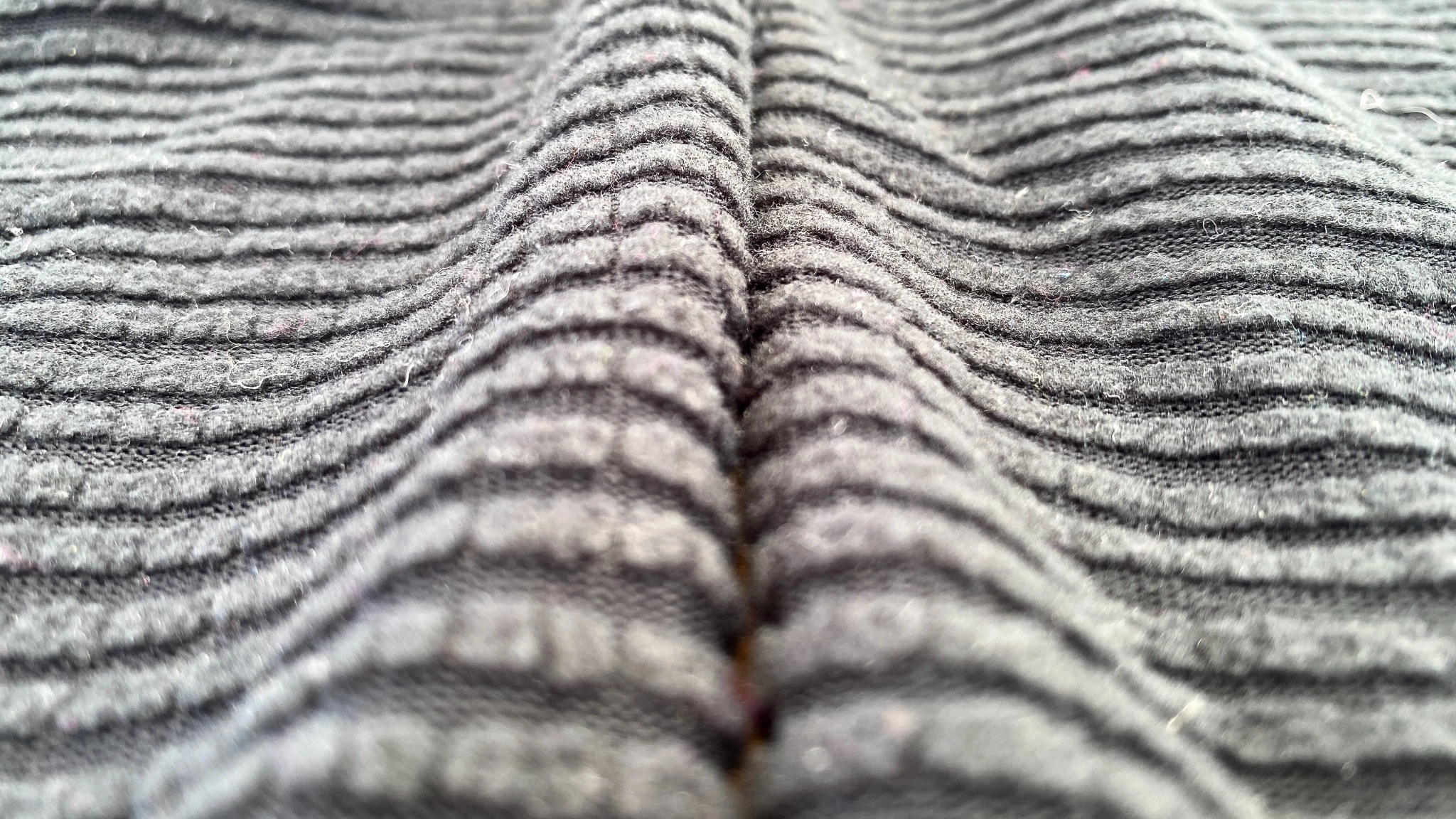
4. Icebreaker 200 ZoneKnit: Best for Breathable Wool
Icebreaker takes merino to the next level with their 200 ZoneKnit. This product stands out by using body-mapping technology. They place lightweight mesh merino panels in areas where you sweat the most—like the back of the knees and the lower back—while keeping the denser 200 g/m² wool over the large muscle groups of the thighs. This makes it one of the most breathable base layers for high output winter sports that still enjoys the natural benefits of wool. It's the perfect odor resistant merino wool long underwear for multi day trips where you're pushing your physical limits.
- Materials: 100% Merino Wool
- Weight: 6.2 oz
- GSM: 200 g/m²
- Price: $120
Metric Scorecard
- Warmth: 7/10
- Breathability: 9/10
5. REI Co-op Midweight Base Layer Bottoms: Best Value
You don't always need to spend over a hundred dollars for quality. The REI Co-op Midweight is proof that affordable long underwear for women on a budget can still perform at a high level. Made from a recycled polyester blend, it features a comfortable wide waistband and a gusseted crotch. While it doesn't have the fancy grid patterns of Patagonia or the soft finish of Arc'teryx, it provides consistent warmth and great durability. Our testers found it holds its shape well even after dozens of washes.
- Materials: 92% Recycled Polyester, 8% Spandex
- Weight: 6.5 oz
- GSM: 185 g/m²
- Price: $55
Metric Scorecard
- Warmth: 7/10
- Breathability: 7/10
6. Black Diamond Solution 150 Merino: Best for Alpine Mobility
Designed with adventure in mind, the Black Diamond Solution 150 uses a unique blend of merino wool and NuYarn technology. NuYarn spins the wool around a nylon core, making the fabric significantly stronger, stretchier, and faster-drying than traditional wool. This is our go-to for technical climbing or any activity requiring a huge range of motion. The thin profile makes it the best thin long underwear to wear under tight jeans or technical climbing trousers without any restriction.
- Materials: 78% Merino Wool, 22% Nylon
- Weight: 5.1 oz
- GSM: 150 g/m²
- Price: $100
Metric Scorecard
- Warmth: 6/10
- Breathability: 9/10
7. Helly Hansen LIFA Stripe Crew: The Moisture Champion
The LIFA technology from Helly Hansen is distinct because it uses polypropylene rather than polyester. Polypropylene is inherently hydrophobic, meaning it doesn't absorb water at all. If your primary goal is to stay bone-dry during a heavy storm or a day of intense spring skiing, this is the best thermal base layers for women's skiing and snowboarding. It's extremely lightweight and the fit is very close to the skin, which maximizes the wicking efficiency.
- Materials: 100% Polypropylene
- Weight: 4.8 oz
- GSM: 125 g/m²
- Price: $50
Metric Scorecard
- Warmth: 5/10
- Breathability: 10/10
8. Uniqlo Heattech Ultra Warm: Best for Daily Casual Warmth
For many people, the best women's long underwear isn't for a mountain trek, but for commuting in the city. Uniqlo’s Heattech Ultra Warm is incredibly popular for a reason. It uses a mix of acrylic, rayon, and polyester that chemically reacts with moisture from your body to generate heat. It is lined with a soft fleece that feels luxurious but isn't as breathable as the technical layers above. It’s perfect for low-output activities like walking the dog or sitting in a cold office.
- Materials: 41% Acrylic, 32% Polyester, 20% Rayon, 7% Spandex
- Weight: 7.2 oz
- GSM: 220 g/m²
- Price: $30
Metric Scorecard
- Warmth: 8/10
- Breathability: 4/10
Technical Comparison Table
| Product | Fabric Type | Best Use | GSM | Warmth/10 | Price |
|---|---|---|---|---|---|
| Smartwool Classic | Merino Wool | All-Around | 250 | 9 | $115 |
| Patagonia Capilene | Synthetic Grid | High-Output | 129 | 7 | $99 |
| Arc'teryx Rho | Heavy Synthetic | Extreme Cold | 240 | 10 | $130 |
| Icebreaker 250 | Merino Wool | Extreme Cold | 250 | 9 | $110 |
| REI Co-op Midweight | Synthetic | Budget | 185 | 7 | $55 |
| Black Diamond 150 | Merino/Nylon | Mobility | 150 | 6 | $100 |
| Helly Hansen LIFA | Polypropylene | Wet Conditions | 125 | 5 | $50 |
| Uniqlo Heattech | Synthetic Blend | Casual | 220 | 8 | $30 |
Choosing the Right Fit: Thin Layers vs. Heavyweight Thermals
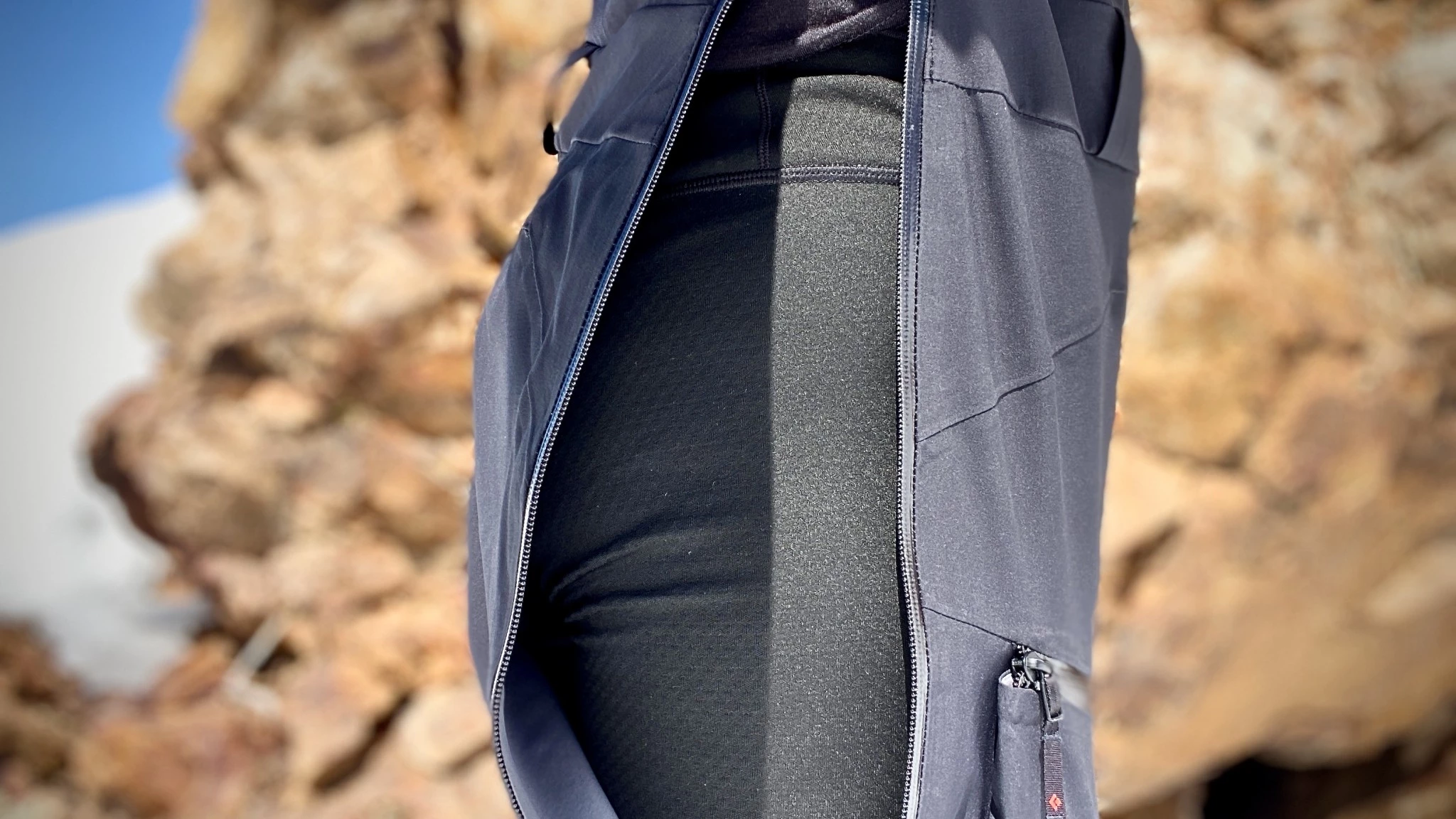
Finding the right fit is as important as choosing the right material. For effective thermoregulation, your long underwear should fit like a second skin. If the fabric is too loose, cold air can circulate against your skin, and the fabric won't be able to wick sweat away properly. Conversely, it shouldn't be so tight that it restricts circulation, which is vital for keeping your extremities warm. Features like flatlock seams and a gusseted crotch are markers of a high-quality fit that will remain comfortable all day.
A common question we hear is: can you wear long underwear under skinny jeans? The answer is yes, provided you choose a lightweight or "silkweight" layer. Products with a fabric weight (g/m²) of 150 or less, like the Black Diamond Solution or silk-blend thermals, are specifically designed to be invisible under tight outer clothing. These thin layers provide a surprising amount of warmth relative to their thickness by trapping a thin layer of air next to the skin without adding bulk to your silhouette.
Maintenance & Sustainability: Making Your Investment Last
High-performance base layers are an investment, and how you care for them determines their lifespan. Interestingly, 61% of millennial and Gen Z apparel shoppers report that sustainability credentials influence their purchasing decisions for cold-weather layers. This has pushed brands to use recycled plastics in their synthetics and adopt ZQ-certified wool that ensures animal welfare and land stewardship.
To keep your layers performing their best, avoid the dryer when possible. Heat can damage the elastane that gives leggings their stretch and can cause merino wool to shrink. For synthetics, use a detergent specifically designed for athletic wear to break down the oils that cause "permastink." For merino, wash sparingly; the natural odor resistance means you can often go several wears between washes. Simply hanging them up to air out is usually sufficient for multi-day trips.
FAQ
What is the best material for women's long underwear?
The best material depends on your activity level. Merino wool is widely considered the best for its warmth-to-weight ratio and natural ability to stay fresh for days. However, for high-intensity sports where you sweat profusely, synthetic polyester blends are often superior because they dry faster and are generally more durable over time.
Which thermals are warmest for extreme cold?
For extreme cold, you should look for heavyweight layers with a GSM (grams per square meter) of 250 or higher. Fabrics with a brushed or fleece-lined interior, such as Polartec Power Stretch or high-density merino wool, provide the best thermal insulation by trapping more body heat in the fabric's loft.
Is merino wool or synthetic better for base layers?
Merino wool is better for low-to-medium output activities, cold environments, and multi-day travel due to its thermoregulation and odor control. Synthetics are better for high-output sports like skiing or running because they dry more quickly and provide better wicking performance when the body is producing a lot of moisture.
Should long underwear be tight or loose?
Long underwear should be tight enough to maintain constant contact with your skin, which is necessary for the fabric to wick away sweat and trap heat. However, it should not be so tight that it feels restrictive or pinches. A "next-to-skin" fit is ideal for maximum efficiency.
Can you wear long underwear under skinny jeans?
Yes, you can wear long underwear under skinny jeans if you choose a lightweight or ultra-thin layer. Silk, thin synthetic blends, or lightweight merino wool with a fabric weight of around 150 g/m² are designed to provide warmth without adding noticeable bulk, allowing them to fit comfortably under tight clothing.
Final Verdict: Which Base Layer Should You Pack?
After thousands of miles and months of testing, the right choice for the best women's long underwear depends on your specific lifestyle. For the adventurous traveler who values natural fibers and needs a layer that won't smell after three days of hiking, the Smartwool Classic Thermal Merino is our winner. It strikes the perfect balance for most winter conditions.
If you are a mountain athlete who prioritizes performance and moisture management during a heavy sweat, the Patagonia Capilene Thermal Weight is the ultimate tool. And for those looking to stay warm on a budget while navigating a cold city winter, the REI Co-op Midweight or Uniqlo Heattech offer fantastic value. Regardless of which you choose, investing in a high-quality base layer is the single best way to ensure you enjoy the outdoors all year long.