Our Top Picks
- Best Overall: Patagonia Triolet — Masterfully versatile with new eco-friendly Gore-Tex ePE and robust gear features.
- Best for Extreme Durability: Arc’teryx Beta AR — The industry benchmark for rugged alpine use, featuring reinforced high-wear zones.
- Best Minimalist Shell: Patagonia M10 Storm — Ultralight protection for fast-and-light mountain missions where every gram counts.
- Best for Snow Sports: Stio Environ — A feature-rich design with a powder skirt perfect for transitioning from resort to backcountry.
- Best for Fly Fishing: Orvis Clearwater Wading Jacket — Optimized with a short hem and neoprene cuffs for deep wading.
- Best for Hiking: Mountain Hardwear Trailverse — Lightweight and packable, balancing full weather protection with trail-ready mobility.
The best hardshell jackets are technical 3-layer waterproof jackets designed for extreme weather, featuring membranes like Gore-Tex ePE and high denier ratings for durability. Our testers found that these shells serve as the ultimate outer layer for those facing high-wind and heavy-moisture environments where standard rain gear simply fails.
Technical Benchmarks: Waterproof and Breathability Ratings Explained
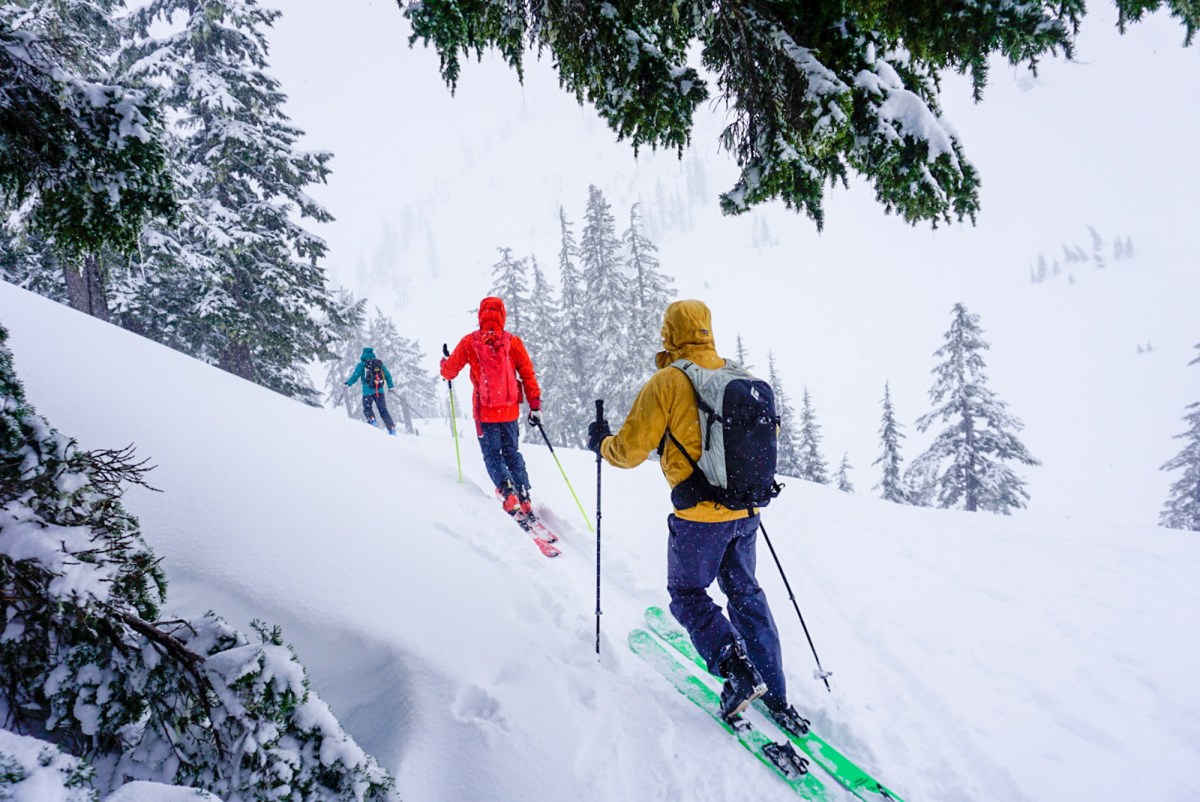
When we evaluate hardshell performance, we look at numbers that define exactly how much pressure a fabric can handle before leaking. This is measured by the hydrostatic head, where waterproof ratings for professional gear usually fall between 15,000mm and 30,000mm. While a basic rain jacket might suffice for a dog walk, 3-layer waterproof jackets are required when you are leaning into a gale-face or carrying a heavy pack that could force water through lesser fabrics.
The second half of the equation is moisture vapor transmission. This refers to the ability of the jacket to let your sweat escape while keeping the rain out. High-performance shells typically offer breathability ratings above 15,000g/m²/24h. We often tell our readers that even the most breathable membrane has its limits during high-output movement. This is why hardshell jacket features like pit zips are essential; they provide mechanical venting that allows heat to escape instantly.
Historically, the highest-performing jackets used 2.5-layer constructions to save weight, but the trend has shifted entirely toward the superior durability of 3-layer systems. In a 3-layer waterproof jackets for hiking or skiing setup, the waterproof membrane is sandwiched between a tough outer face fabric and a functional interior liner. This interior layer protects the membrane from body oils and abrasion, ensuring the garment lasts for years rather than seasons.
Best Overall Hardshell: Patagonia Triolet
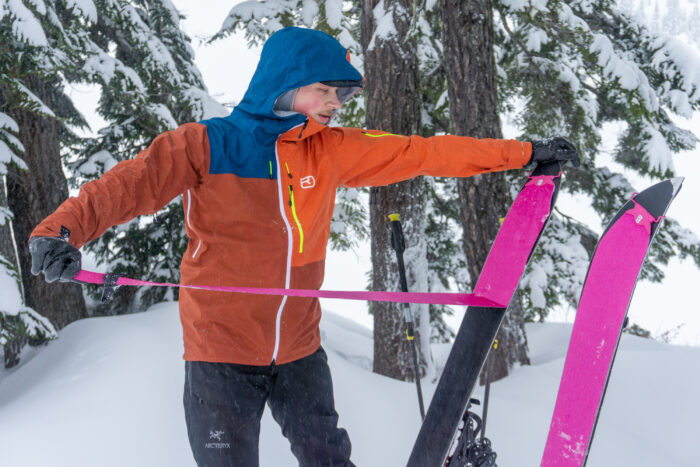
The Patagonia Triolet has long been a staple in the alpine world, but the 2025 update makes it more relevant than ever. This jacket represents a major step forward in sustainable gear, utilizing the new PFC-free Gore-Tex ePE membrane. Our testers found that this shift does not compromise storm protection. It remains a heavy-duty shield that can handle everything from wet Pacific Northwest snow to abrasive granite chimney climbs.
| Feature | Specification |
|---|---|
| Category | Alpine / All-around |
| Weight | 18 oz |
| Fabric | 75D Recycled Polyester |
| Membrane | 3-layer Gore-Tex ePE |
One of the standout hardshell jacket features on the Triolet is its helmet-compatible hood. It cinches down easily over a climbing or skiing helmet without restricting your peripheral vision. Because it uses a 75-denier face fabric, it offers excellent abrasion resistance, making it one of the best PFC-free hardshell jackets for 2026. For those looking for a versatile piece that can transition from a winter hiking trip to a weekend at the ski resort, the Triolet provides the most value for the investment.
Best for Extreme Alpine: Arc’teryx Beta AR
For those who spend their winters in the backcountry or high-alpine environments, the Arc’teryx Beta AR is almost synonymous with professional-level protection. AR stands for All Round, but make no mistake: this is a rugged piece of equipment. The jacket is strategically built with 80-denier and 100-denier 3-layer GORE-TEX Pro and weighs approximately 1 pound and 0.2 ounces for the men’s model.
| Feature | Specification |
|---|---|
| Category | Extreme Alpine |
| Weight | 16.2 oz |
| Fabric | 80D and 100D GORE-TEX Pro |
| Features | DropHood, Pit Zips, Recco Reflector |
The use of Gore-Tex Pro ensures the highest levels of durability and moisture vapor transmission available on the market today. What sets the Beta AR apart from lighter shells is the denier rating in high-wear areas. The shoulders and forearms are reinforced to handle the friction of heavy mountaineering packs or accidental contact with sharp equipment. It also features a Recco reflector, which is a vital safety addition for those looking for the best hardshell jackets for snow sports where avalanche safety is a priority.
Best Minimalist Shell: Patagonia M10 Storm
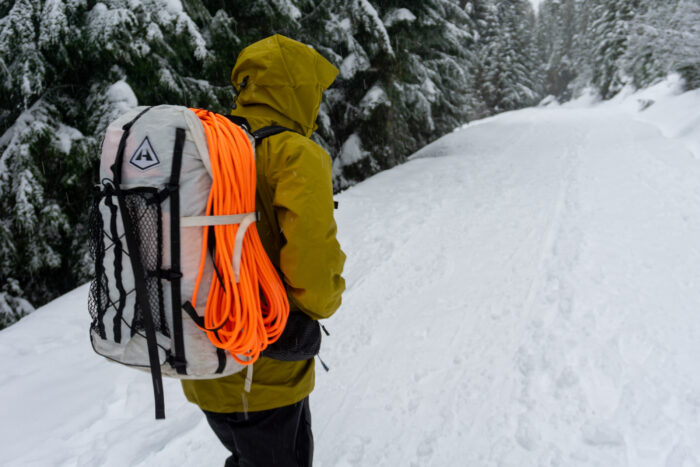
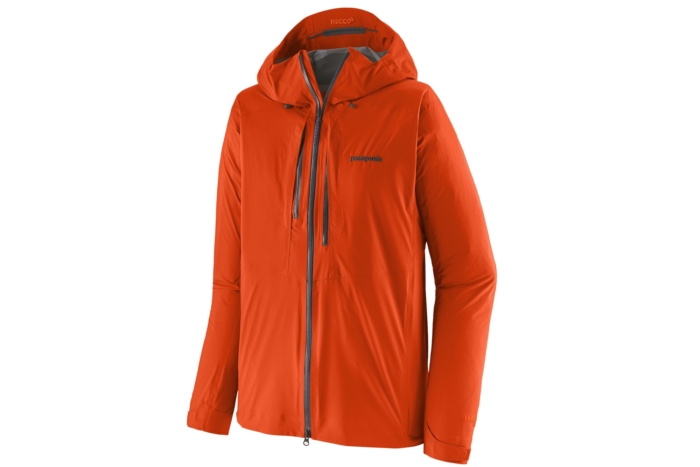
Not every mountain day requires a heavy, armored shell. If your objective involves technical climbing or fast-paced trail running in cold weather, weight becomes your primary enemy. The Patagonia M10 Storm is recognized as a leader in this category. This shell weighs only 10.9 ounces and is designed to stow away into its own chest pocket, making it easy to clip to a harness or throw in a small running vest.
| Feature | Specification |
|---|---|
| Category | Minimalist / Alpine |
| Weight | 10.9 oz |
| Fabric | 3-layer H2No Performance Standard |
| Packability | Stows in chest pocket |
Despite its low weight, it doesn't sacrifice performance. It utilizes a 3-layer H2No waterproof and breathable design that provides impressive storm protection. This jacket is the perfect centerpiece for a hardshell jacket layering system for winter, providing enough room for a slim mid-layer while maintaining a streamlined profile that won't catch on rock or gear.
Specialized High-Output Gear: Fishing & Hunting Picks
Standard outdoor shells are great for the generalist, but certain activities require a specific geometry. For example, the Orvis Clearwater is widely considered one of the best wading jackets for fly fishing. Its short-cut hem allows you to wade deep into the river without the bottom of your jacket soaking up water. It also features integrated neoprene cuffs that create a tight seal, preventing water from running down your arms when you're reaching for a catch.
On the other hand, the Filson 3-Layer Field Jacket is built for the rugged world of hunting and brush navigation. It prioritizes abrasion resistance above all else. While a hiker might worry about grams, a hunter needs a shell that can survive being dragged through thorns and thickets. Similarly, the Mountain Hardwear Trailverse is a top pick for 3-layer waterproof jackets for hiking, offering a slightly longer cut for better coverage under a backpack's hip belt and a softer face fabric that reduces the 'crinkle' noise often associated with hardshells.
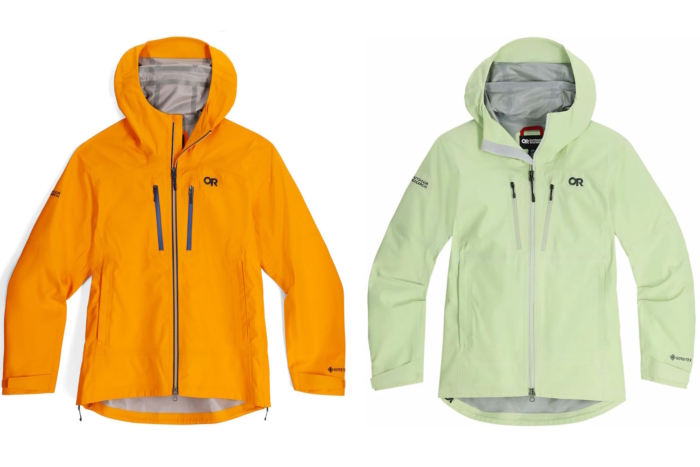
Other brands are also innovating in the mid-range price point. For instance, 20,000 mm waterproof rating and a 10,000 g/m²/24hr breathability rating are now the standard for Outdoor Research’s 2025 waterproof shell collections using their new AscentShell Dry fabric technology. This provides a softer, more stretchy feel than traditional Gore-Tex while maintaining reliable performance.
Maintenance: Restoring DWR and Technical Care
Even the best 3-layer waterproof jackets can eventually start to 'wet out.' This happens when the exterior fabric becomes saturated with water, which blocks the membrane from breathing. This is usually caused by a failure of the durable water repellent finish.
To maintain the performance of your shell, regular cleaning is required. Dirt, body oils, and smoke can clog the pores of the membrane. Use a technical wash designed for waterproof fabrics and skip the standard household detergents or fabric softeners. After washing, a short stint in a medium-heat dryer often reactivates the durable water repellent. If water still doesn't bead up on the surface, it’s time to apply a spray-on treatment. Proper seam sealing and care can extend the life of these technical garments by a decade or more.
Pro Tip: Never use fabric softeners on a technical shell. They contain oils that coat the fibers and destroy the breathability of the waterproof membrane.
FAQ
What is the main purpose of a hardshell jacket?
The primary goal is to provide a windproof and waterproof shield against extreme environmental conditions. Unlike other layers, it acts as a mechanical barrier that keeps you dry during heavy rain or snow while protecting you from the heat-sapping effects of high winds.
Is a hardshell jacket better than a softshell?
Neither is inherently better; they serve different purposes. A hardshell is completely waterproof and windproof, making it essential for storm conditions. A softshell is highly breathable and water-resistant, making it superior for high-output activities in clear or misty weather where mobility and sweat management are more important than total waterproofing.
What is the difference between 2.5-layer and 3-layer hardshell jackets?
A 2.5-layer jacket uses a sprayed-on or printed interior coating to protect the waterproof membrane, making it lighter and more affordable but less durable. A 3-layer jacket bonds a dedicated fabric liner to the interior of the membrane, offering significantly better durability, comfort against the skin, and long-term performance.
Are hardshell jackets suitable for skiing and snowboarding?
Yes, they are the preferred choice for many skiers and snowboarders because they allow for a custom layering system. By using a hardshell as your outer layer, you can adjust your insulation (fleece or down) underneath based on the temperature, rather than being stuck with the fixed insulation of a traditional ski jacket.