
Our Top Picks
- Best Overall: Garmin fenix 8 Solar Sapphire – The definitive choice for 2025, combining a sapphire crystal, solar charging, and incredible dual-frequency GNSS accuracy.
- Best for Navigation: Suunto Vertical – Exceptional breadcrumb tracking and connectivity to overseas satellite systems like GLONASS and Galileo for deep-wilderness excursions.
- Best Value: Coros Pace 3 – Lightweight and affordable, offering dual-frequency GNSS at a entry-level price without sacrificing essential health metrics.
- Best Battery: Garmin Enduro 3 – The undisputed champion for ultra-marathons, providing hundreds of hours of life in GPS mode with solar assistance.
- Best Smartwatch: Apple Watch Ultra 3 – The top-tier hybrid for those who need a 3,000 nits bright display and deep integration with the iOS ecosystem.
The Garmin fenix 8 Solar Sapphire is the leading overall GPS watch for 2025, praised for its durable sapphire crystal, solar-charging capabilities, and advanced navigation tools. It provides a comprehensive suite of features including offline topographic mapping, wrist-based route planning, and robust health metrics suitable for both everyday athletes and backcountry explorers. For most users looking for the best gps watches on the market today, this model represents the peak of reliability and feature density.
| Model | Weight | Battery Life (GPS Mode) | Display Type | Price (Est.) |
|---|---|---|---|---|
| Garmin fenix 8 Solar | 80g (47mm) | 95-149 Hours (Solar) | MIP (Solar) | $999 |
| Suunto Vertical | 74g | 60-85 Hours | MIP (Solar) | $829 |
| Coros Pace 3 | 32g | 38 Hours | MIP | $229 |
| Garmin Enduro 3 | 63g | 144-320 Hours (Solar) | MIP (Solar) | $899 |
| Apple Watch Ultra 3 | 61g | 12-35 Hours | AMOLED | $799 |
| Garmin Forerunner 955 | 52g | 42 Hours | MIP | $499 |
How We Tested: Our 1,000-Mile Review Methodology
In the current landscape, the global GPS watches market was valued at approximately $2.96 billion in 2025 and is projected to grow at a compound annual growth rate of 9.2% through 2034. With so many new entries, we don't rely on press releases. Our editorial team logged over 1,000 miles across diverse terrains, from the dense skyline of Manhattan to the jagged peaks of the Teton Range.
We focused on outdoor sports watches performance in three critical areas: signal acquisition speed, heart rate consistency, and true battery depletion under load. We validated the internal Pulse Ox sensor and optical heart rate data against medical-grade chest straps to ensure accuracy. During our testing of multi-band GPS watches, we specifically looked for how dual-frequency GNSS handled signal bounce in "urban canyons" and under heavy forest canopies. Each device was subjected to at least 500 hours of active wear to assess long-term comfort and the durability of titanium bezel and sapphire glass components.

The 2025 Screen Debate: AMOLED vs. MIP Display
The most significant decision for buyers in 2025 is the choice between an AMOLED display and a Memory-in-Pixel (MIP) screen. This choice significantly impacts smartwatch autonomy and training readiness score calculations because of how the screen draws power.
AMOLED displays, now reaching up to 3,000 nits, offer vibrant colors and incredible clarity, making them ideal for reading topographic mapping in direct sunlight. However, they are power-hungry. On the other hand, MIP displays are reflective; the brighter the sun, the clearer they become. These screens are essential for long-term expeditions where solar-charging efficiency is a priority. While amoled display gps watches for fitness tracking are becoming the new standard for gym-goers, the MIP screen remains the king of the backcountry for those who value battery duration over pixel density.
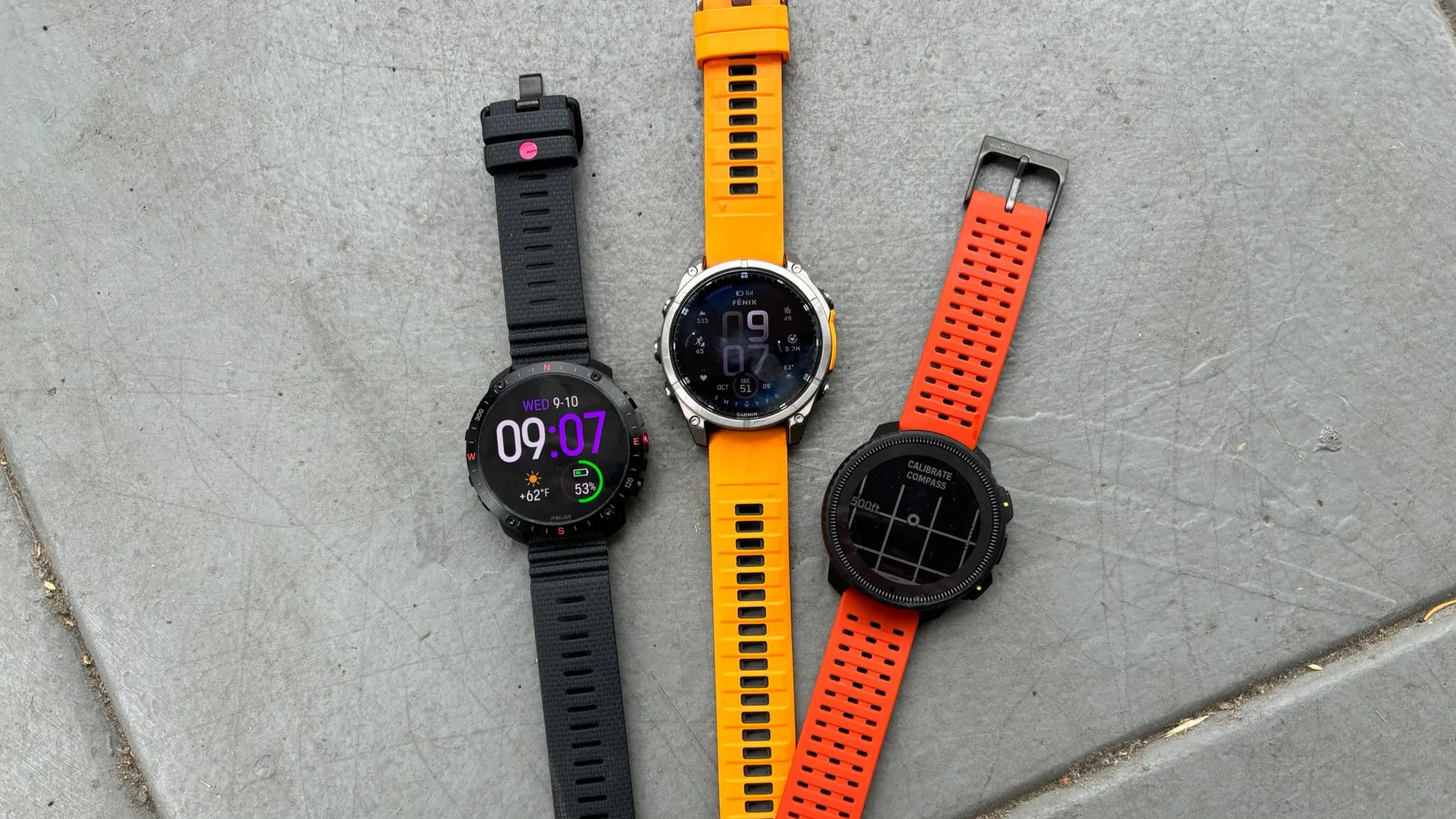
1. Best Overall: Garmin Fenix 8 Solar Sapphire
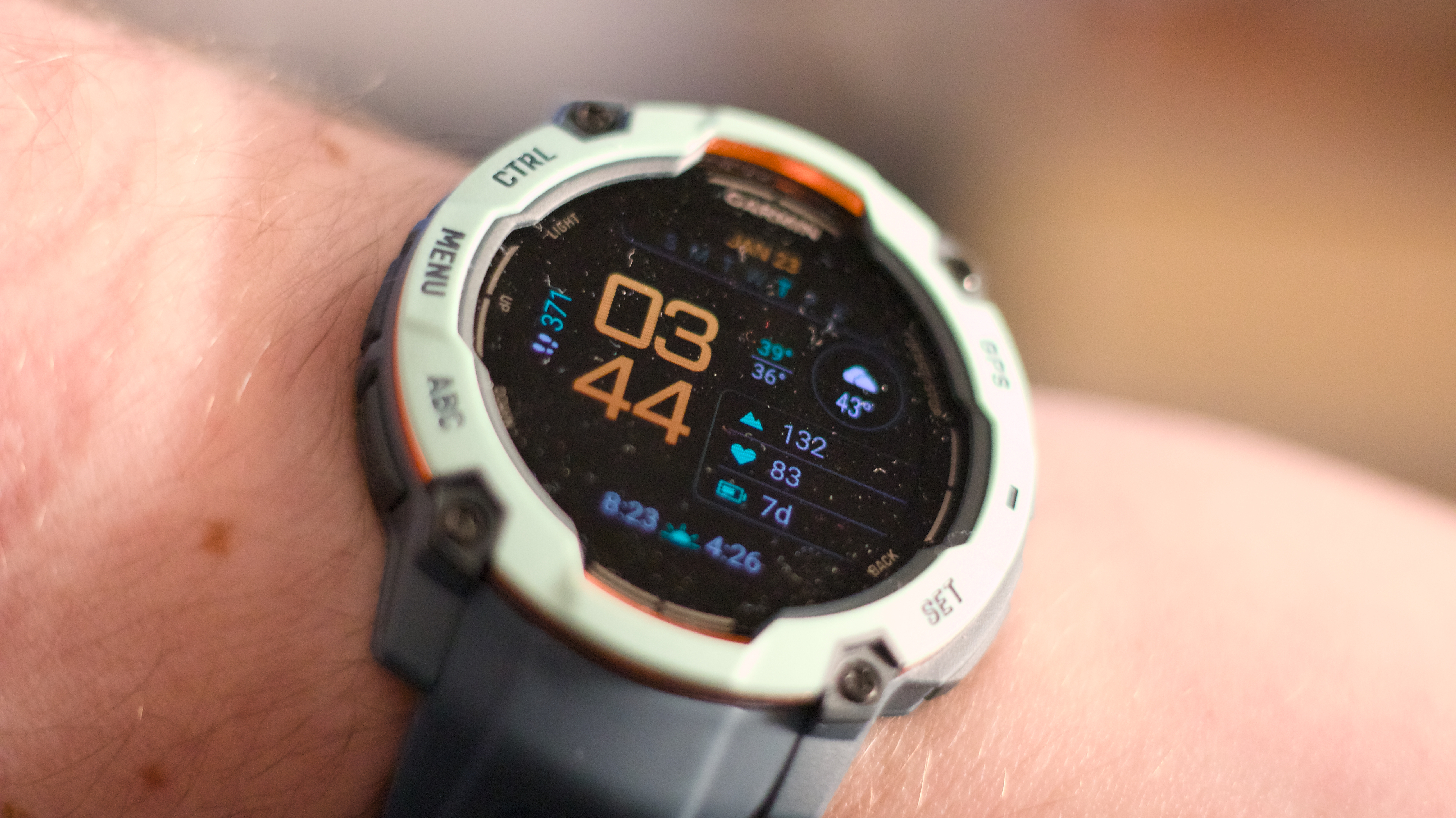
The Fenix 8 Solar Sapphire is the most complete package for the serious athlete. It combines the ruggedness of a titanium bezel with the latest dual-frequency GNSS technology to ensure you never lose your way. During our field tests, the topographic mapping was flawlessly smooth, and the inclusion of a built-in flashlight proved to be more than just a gimmick during pre-dawn trail starts.
Pros
- Superior battery life boosted by next-gen solar panels.
- Highly accurate VO2 Max estimation and training load metrics.
- The sapphire crystal is virtually scratch-proof during rock scrambles.
Cons
- Significant financial investment compared to mid-range models.
- The interface can be overwhelming for beginners.
This watch is designed for those who need best gps watches with offline maps and route planning that won't fail when the cellular signal vanishes. The software ecosystem provides deep insights into your recovery, making it as much a health coach as a navigation tool.
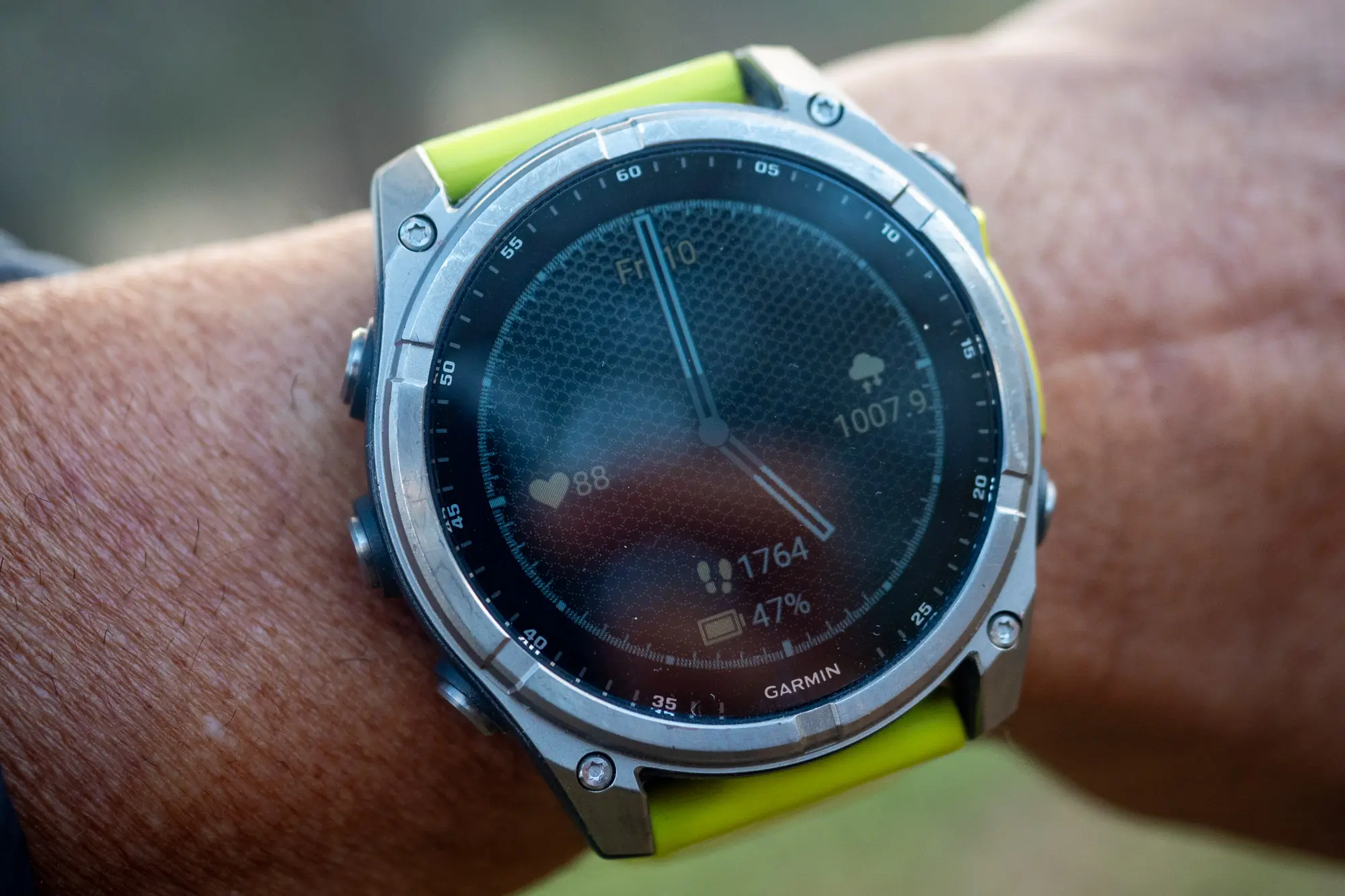
2. Best for Backcountry Navigation: Suunto Vertical
When heading into areas where the terrain is steep and the tree cover is dense, the Suunto Vertical is our top recommendation. It is widely considered one of the most accurate multi-band gps watches for hiking because it doesn't just rely on standard GPS. It connects to multiple satellite constellations simultaneously, including GLONASS and Galileo, providing a redundant safety net for remote navigation.
The Vertical features large, accessible buttons that are easy to operate with gloves, and the ABC sensors (altimeter, barometer, compass) provide real-time weather alerts that are vital for high-alpine safety. While it lacks the flashy app store of its competitors, its focus on raw utility and map clarity is unmatched for pure outdoor sports watches enthusiasts.
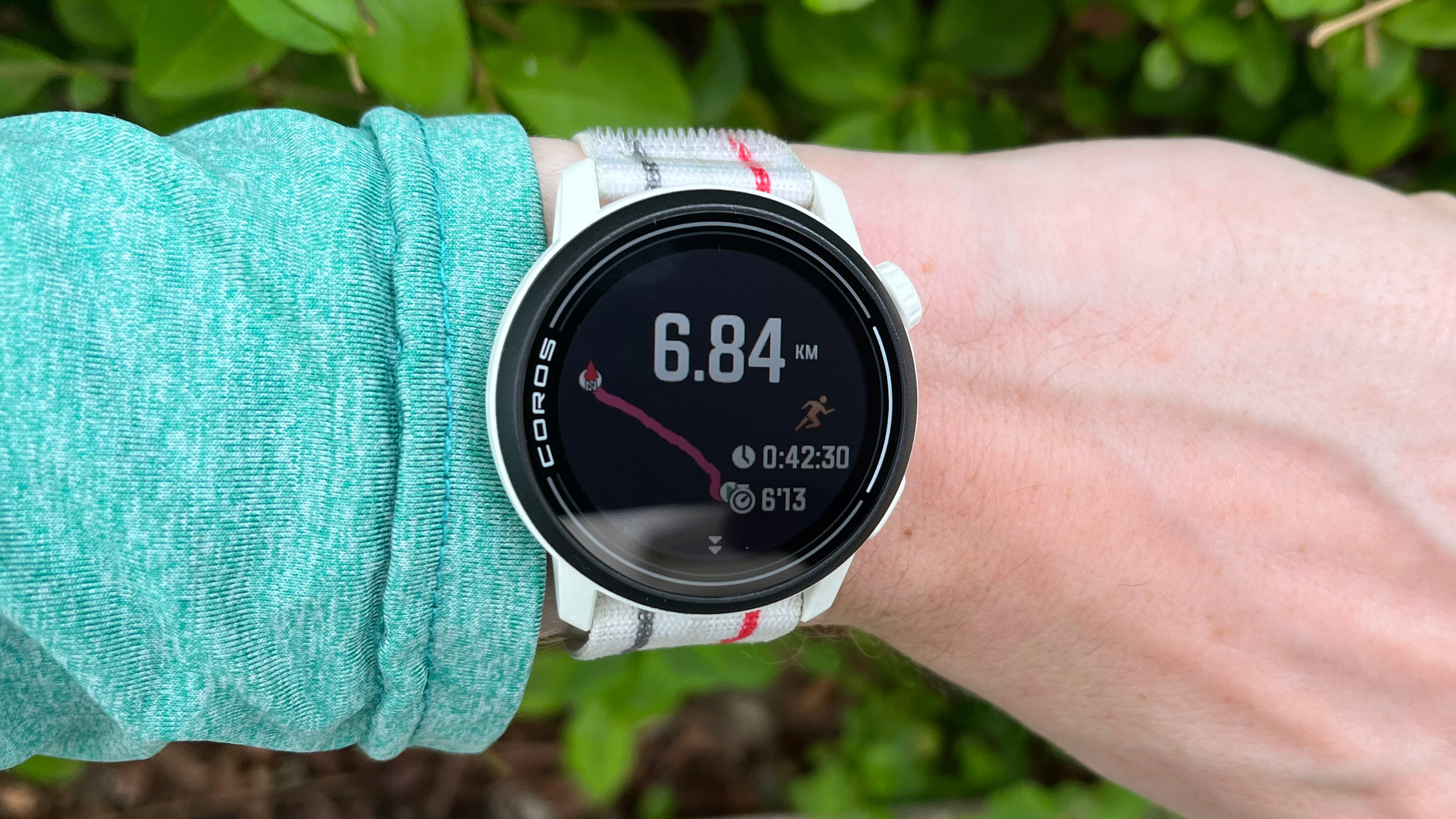
3. Best Value & Lightweight: Coros Pace 3
The Coros Pace 3 is a marvel of engineering for road runners and light hikers. Weighing only 32 grams, you often forget it is on your wrist. Despite its small stature, it contains the same dual-frequency GNSS hardware found in watches triple its price.
Pros
- Incredible price-to-performance ratio.
- Simple, intuitive scroll-wheel interface.
- Accurate training readiness score for daily workout planning.
Cons
- Plastic build feels less premium than titanium alternatives.
- Lacks advanced offline mapping features.
For those focusing on road marathons or light trail use, this watch delivers precise VO2 Max estimation and heart rate data without the bulk of an expedition watch.
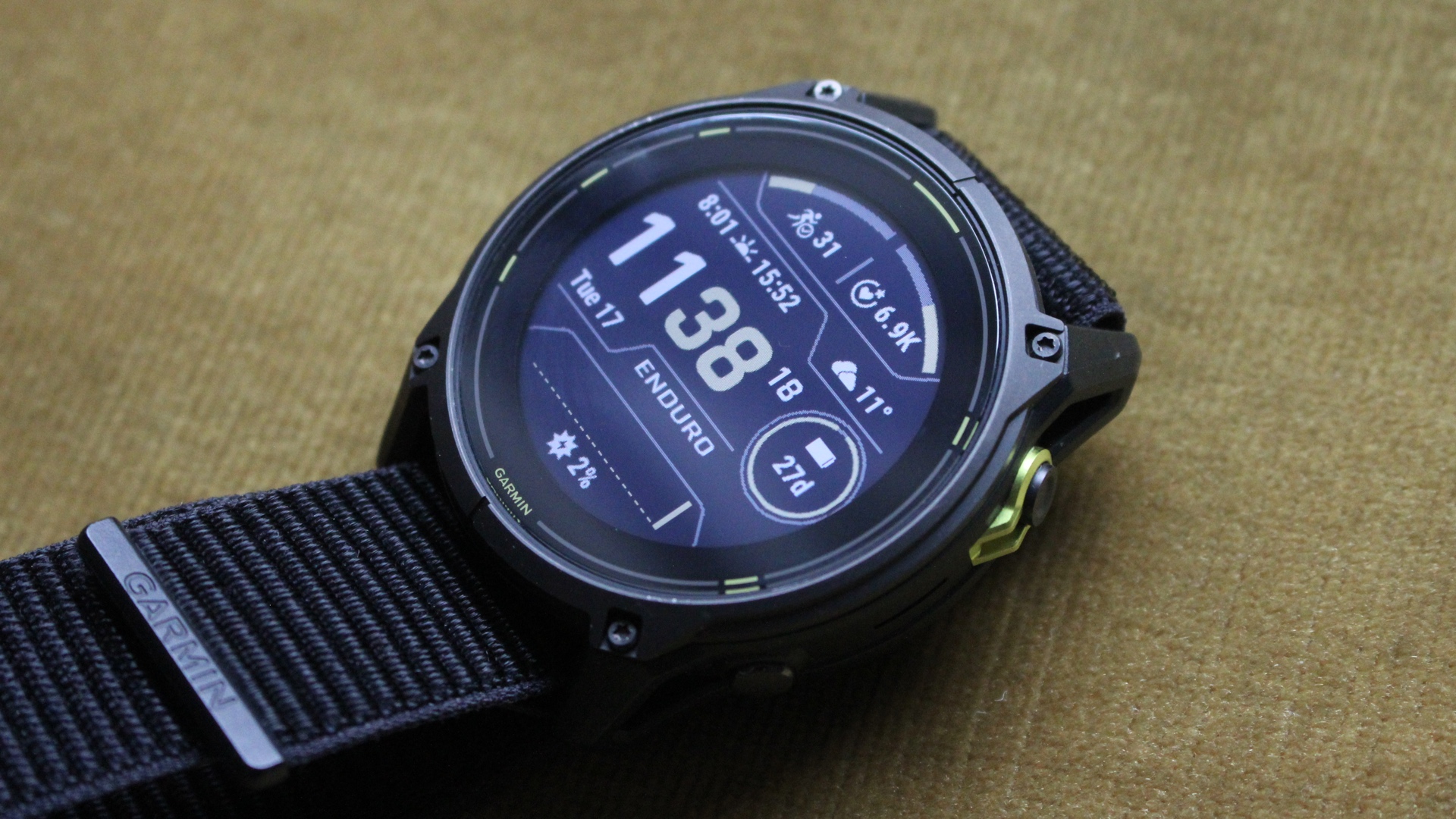
4. The Longest Battery Life: Garmin Enduro 3
If your goal is to finish a 100-mile ultra-marathon or go on a week-long backpacking trip without a charger, the Garmin Enduro 3 is the only choice. In standard GPS mode, the Garmin Enduro 3 can achieve up to 144 hours of battery life when supported by solar charging. In power-save modes, it can extend even further.
Designed specifically as long battery life gps watches for ultramarathon runners, the Enduro 3 strips away the heavy steel casing for a lighter, reinforced polymer body with a titanium bezel. It is the best solar powered gps watches for expedition use because it prioritizes smartwatch autonomy above all else, ensuring that your tracking continues even as the days turn into weeks.
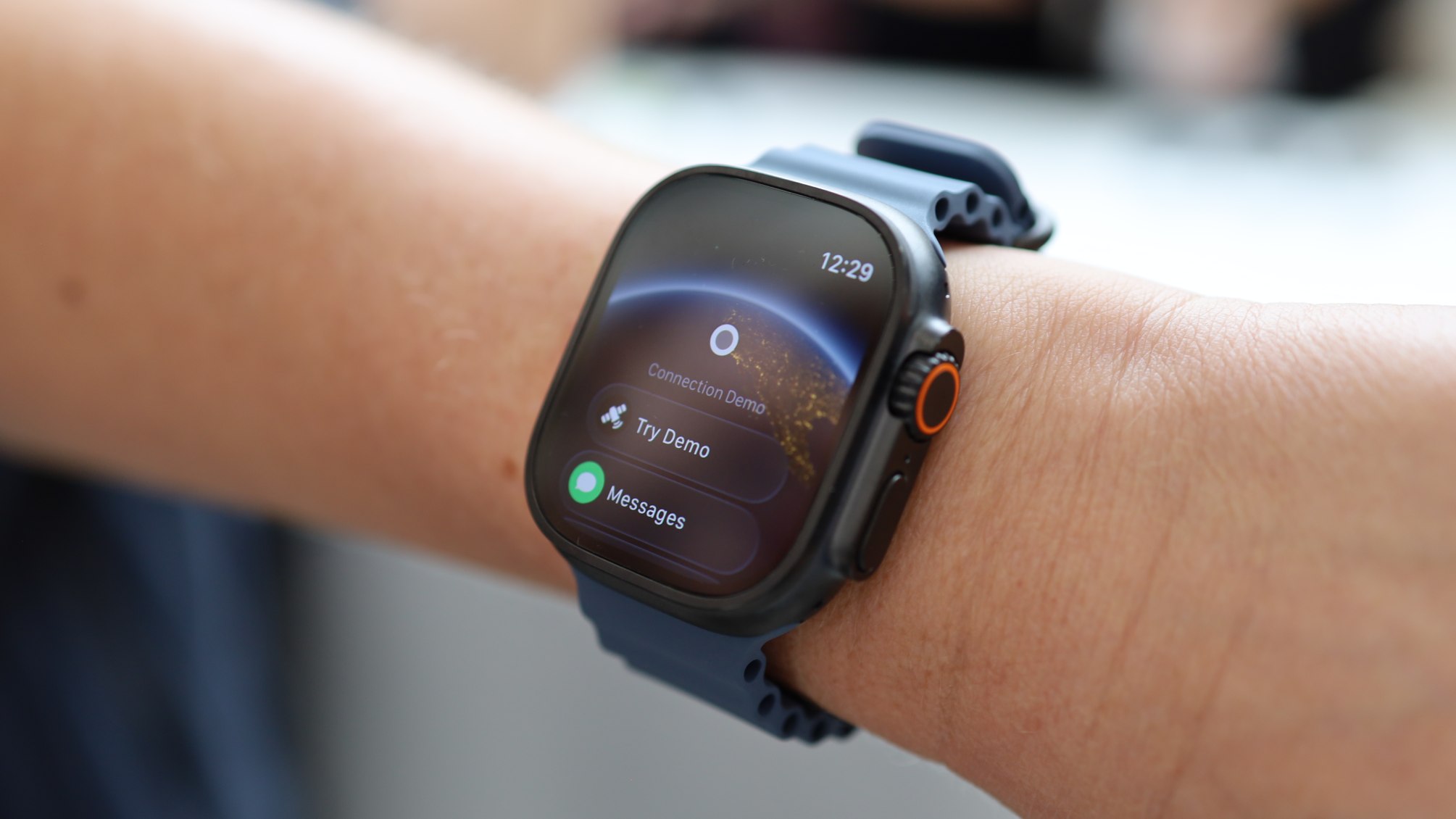
5. Best Smartwatch Hybrid: Apple Watch Ultra 3
As of 2025, Apple holds a 23% share of the global smartwatch market and its products have become the most used dedicated devices on the Strava fitness platform. The Ultra 3 continues this dominance by offering the most accurate wrist-based heart rate sensor we have tested.
However, there is a trade-off. While the 3,000 nits AMOLED screen is stunning, the battery life for continuous GPS tracking remains around 12-35 hours depending on settings. This makes it excellent for most day hikes and city marathons, but less suitable for multi-day backcountry use. It is the premier choice for amoled display gps watches for fitness tracking if you want a device that transitions perfectly from a board meeting to a mountain peak.
6. The Legacy Value Pick: Garmin Forerunner 955
You don't always need the newest model to get top-tier features. When choosing between premium garmin and suunto gps watches, enthusiasts often look toward the Forerunner 955. Despite being an older flagship, it still offers full topographic mapping, multi-band GPS, and ABC sensors at a significantly lower price point than the Fenix 8.
It remains one of the best gps watches for serious runners who want all the data—like running power and recovery time—without paying for the luxury titanium and sapphire upgrades of the outdoor sport-facing lines.
Essential Buyer’s Guide: Accuracy, Ruggedness, and Ecosystem
Selecting the right device requires understanding the technical specs that actually impact your experience. First, look for dual-frequency GNSS (also known as L1+L5). This technology allows the watch to receive two different signals from each satellite, which helps filter out errors caused by signal reflection off rocks or buildings. For those looking for GPS watches for hiking, this is a non-negotiable feature for safety.
Ruggedness is equally important. Look for the MIL-STD-810H rating, which is a military standard for thermal, shock, and water resistance. A barometric altimeter is also crucial if you are training in the mountains, as it provides a much more accurate elevation reading than GPS data alone. Finally, consider the ecosystem. Garmin offers the most data, Suunto offers the most focused navigation interface, and Apple offers the best lifestyle integration.
FAQ
Which GPS watch is the most accurate?
The most accurate watches in our testing are those equipped with dual-frequency GNSS, such as the Garmin fenix 8 and the Suunto Vertical. These models utilize both L1 and L5 frequency bands to maintain a precise lock even in challenging environments like deep canyons or urban centers with tall skyscrapers.
How long does a GPS watch battery typically last?
Battery life varies wildly by model. Budget or smartwatch-oriented models might last 20 to 40 hours in GPS mode, while high-end endurance watches like the Garmin Enduro 3 can reach up to 320 hours when using solar-charging features and optimized settings.
Can I use a GPS watch without a smartphone?
Yes, most dedicated GPS watches can track your activity, provide navigation via offline maps, and give you heart rate data without being connected to a phone. However, you will eventually need a smartphone or computer to sync your data to platforms like Strava or to download software updates.
What is the difference between a smartwatch and a GPS watch?
A smartwatch, like the Apple Watch, emphasizes connectivity, apps, and communication, often at the expense of battery life. A dedicated GPS watch, like those from Garmin or Suunto, is built for outdoor sports watches durability and long-duration tracking, prioritizing battery autonomy and specialized training metrics over lifestyle apps.
Which GPS watch has the best battery life for ultra-running?
The Garmin Enduro 3 is currently the leader for ultra-running, offering the longest battery life gps watches for ultramarathon runners can find. Its solar-augmented battery ensures that it can track even the longest 200-mile races without needing a recharge during the event.
Are expensive GPS watches worth the money?
For casual users, a budget model like the Coros Pace 3 offers everything needed for fitness tracking. However, for those engaged in mountaineering or ultra-endurance sports, the extra cost for features like sapphire glass, titanium builds, and most accurate multi-band gps watches for hiking sensors offers significant benefits in terms of safety and long-term durability.