Our Top Picks
- Editor’s Choice: NEMO Fillo — The ultimate hybrid backcountry sleep system that balances luxury memory foam with a packable air bladder.
- Best for Side Sleepers: Sea to Summit Aeros Premium — High-loft 4.7-inch thickness paired with ergonomic baffles for superior spinal alignment.
- Ultralight Choice: Zpacks Medium-Plus Stuff Sack Pillow — A minimalist 1.6-ounce solution that turns spare clothing into a customized headrest.
Choosing the best backpacking pillows is the final step in a perfect backcountry sleep system. We field-tested 15 models to find the top 6 options for 2025. Side sleepers should prioritize pillows with a loft of at least 4 inches to properly support the neck and prevent shoulder numbness. The best backpacking pillows for 2025 are the NEMO Fillo for comfort and Sea to Summit Aeros for weight.
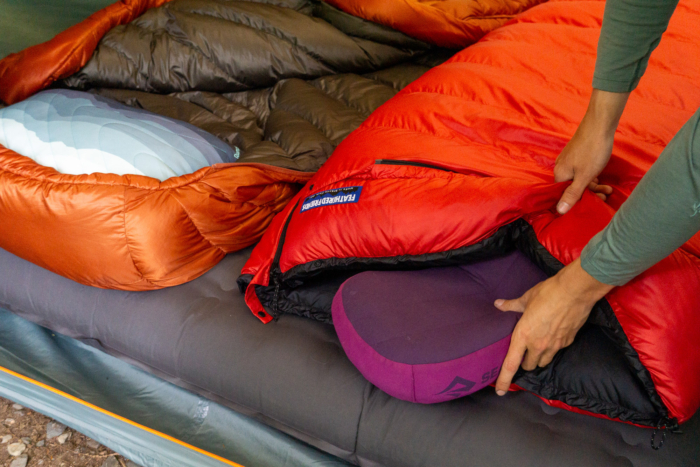
The Field-Tested Review methodology
To separate professional-grade gear from marketing hype, our team took these pillows across diverse terrains, from the high deserts of the AZT to the rugged peaks of the CDT. Every model in this guide underwent a minimum 7-night field testing protocol. We don't just trust the numbers printed on the box; we utilize a Spec vs. Scout weight verification process. This involves weighing every ultralight inflatable camp pillows for thru-hiking on an independent scale to resolve discrepancies between official weight and actual trail weight.
Our evaluation focuses on sleep hygiene and tactile feedback. We assess the crinkle noise of 20D fabrics, the ease of using an inflation valve in total darkness, and the slip-resistant backing against various sleeping pad textures. Below are the results of our 2025 field evaluations.
Best Overall: NEMO Fillo
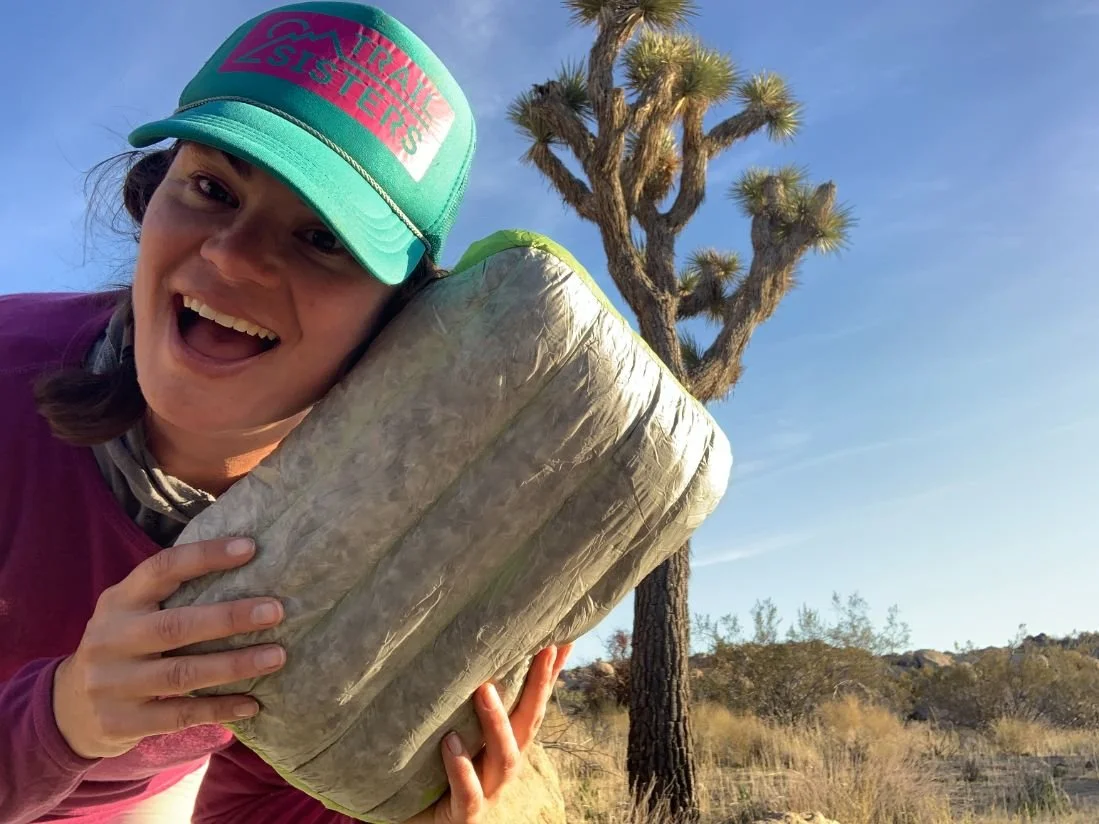
In 2025 field evaluations, the NEMO Fillo was selected as the best overall camping pillow following head-to-head testing of 15 different models. This pillow is a masterclass in hybrid design, successfully merging the support of an air bladder with the plushness of a luxury bed.
What sets the Fillo apart is its internal architecture. Most inflatable pillows feel like sleeping on a balloon, but NEMO incorporates memory foam inserts that sit on top of the air baffles. This creates a soft, non-bouncy interface that dampens the typical rubbery feel of trail gear. During our testing, we measured the loft height at 3.2 inches, providing enough lift for back sleepers while remaining stable enough for those who toss and turn.
The cover is a jersey-blend fabric that feels remarkably like a standard pillowcase. It breathes well, reducing that clammy feeling on warm summer nights. While it isn't the lightest option in our kit, the comfortable camping pillows like this one are worth the few extra ounces if you struggle to achieve deep REM sleep in the backcountry.
Technical Specs:
- Actual Weight: 9.0 oz
- Loft: 3.2 inches
- Packed Size: 6 x 4 inches
- Material: Polyester Jersey, PU Foam
Best for Side Sleepers: Sea to Summit Aeros Premium
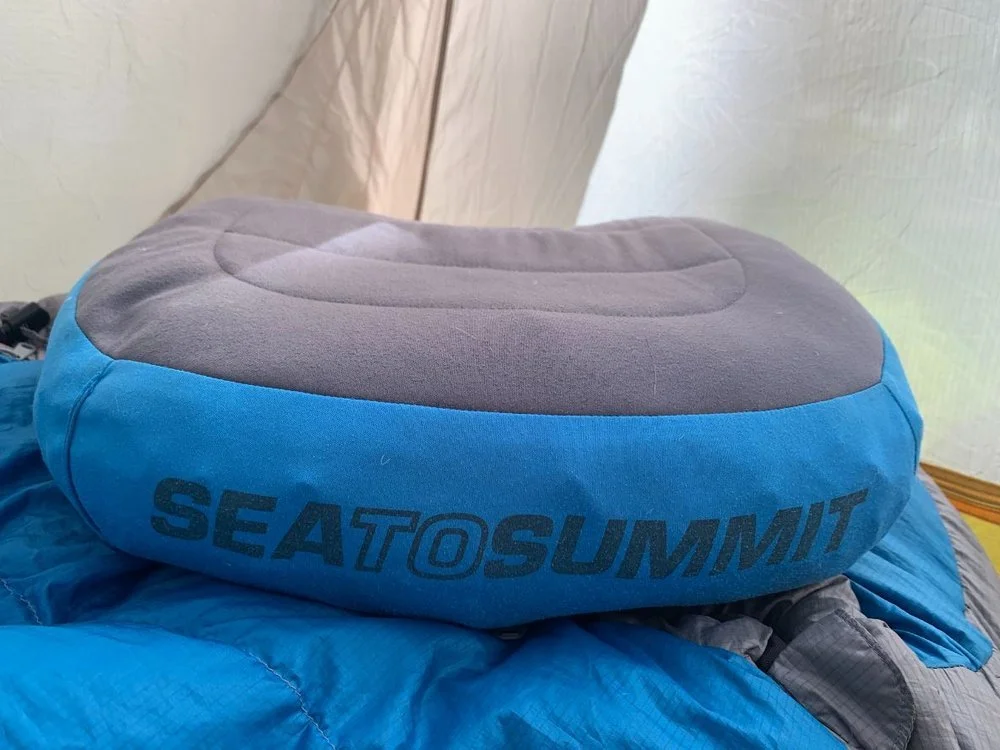
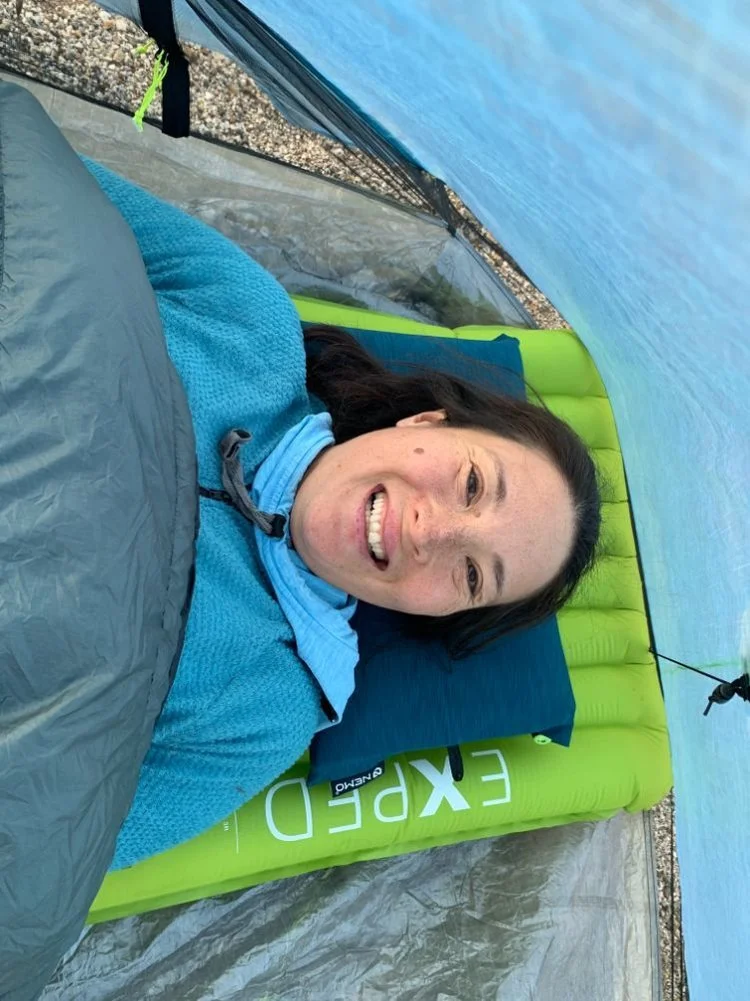
Side sleepers often struggle with shoulder numbness and neck pain when their head isn't elevated high enough to keep the spine neutral. The Sea to Summit Aeros Premium solves this with a significant 4.7-inch loft. This depth provides the necessary clearance to keep your head supported without crushing your shoulder into the ground.
During our nights on the trail, the ergonomic baffles proved their worth. The curved center cradle holds the head in place, while the lower scalloped edge fits neatly against the shoulder contour. Another standout feature is the PillowLock system. If you use a Sea to Summit sleeping pad, the adhesive patches keep the pillow from sliding away in the middle of the night—a common annoyance for restless sleepers.
We found this to be the best backpacking pillow for side sleepers with neck pain because it combines high-pressure air support with a brushed 50D polyester knit cover that mimics the tactile feel of home linens.
Technical Specs:
- Actual Weight: 2.8 oz
- Loft: 4.7 inches
- Packed Size: 2.8 x 3.3 inches
- Weight Rating: Ultralight-mid
The Ultralight King: Zpacks Medium-Plus Stuff Sack Pillow
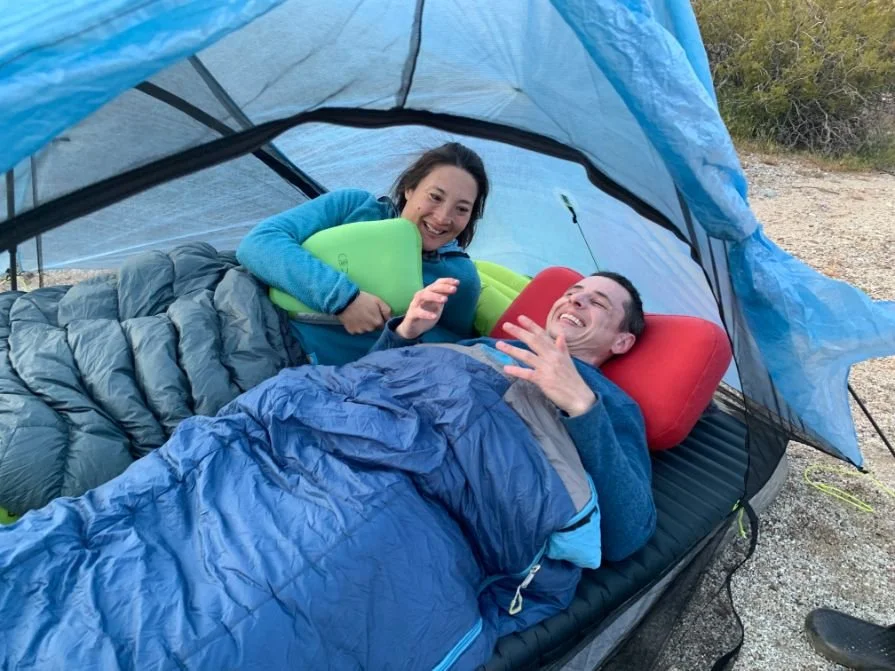
For the ultralight purist, every gram counts. The Zpacks Medium-Plus stuff sack pillow is identified as one of the lightest gear solutions for 2025, weighing approximately 1.6 ounces.
This isn't a traditional pillow with an air bladder. Instead, it is a dual-purpose piece of equipment. During the day, it serves as a waterproof stuff sack for your sleeping bag or extra clothes. At night, you turn it inside out to reveal a soft microfleece lining. You then stuff it with your spare down jacket or base layers to create a headrest.
The cushioning density is entirely dependent on what you put inside it, making it highly customizable. Because it has a flat profile, it is among the best camp pillows that fit inside mummy bag hoods. It won't pop out when you rollover, a constant struggle with rounded inflatable models. The Dyneema Composite Fabric (DCF) ensures that your clothes stay dry even if condensation builds up inside your tent.
Technical Specs:
- Actual Weight: 1.6 oz
- Material: DCF and Microfleece
- Capacity: 6.5 Liters
- Function: Dual-purpose storage and sleep system
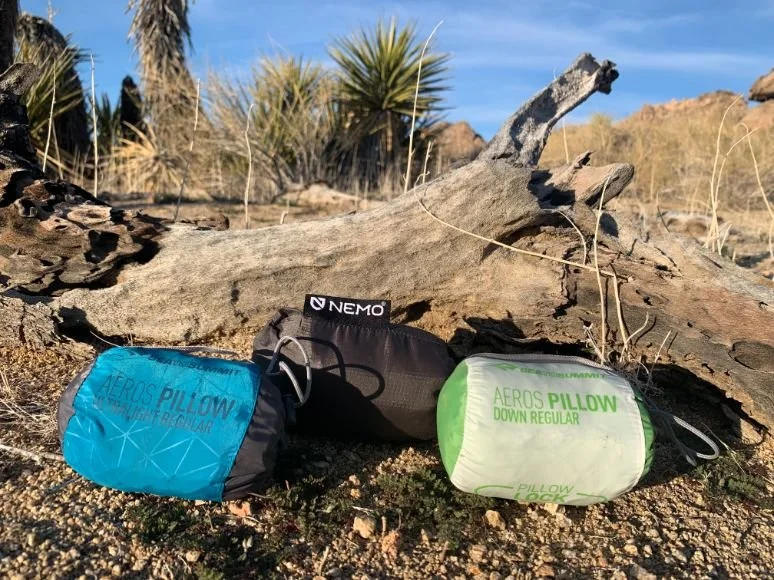
Best for Winter: Therm-a-Rest Air Head Down
Cold-weather backpacking requires extra attention to insulation. When the ground temperature drops, a standard air pillow can leach heat from your head. The Therm-a-Rest Air Head Down addresses this by adding a layer of 650-fill down inside the removable cover.
This down topper provides a layer of warmth and a soft, quilted feel that feels much better against the skin than cold plastic. In freezing temperatures, the technical gear fabrics remained supple, and the inflation valve did not stick or freeze. We specifically selected this as the best insulated backpacking pillows for cold weather because of how the curved shape fits into a hood to trap heat.
The trade-off for this luxury is weight and bulk. It is heavier than a standard air pillow, but for winter expeditions where gear failure isn't an option, the extra warmth and reliability are worth the trail weight.
Technical Specs:
- Actual Weight: 5.0 oz
- Insulation: 650-Fill Duck Down
- Cover: Polyester
- Loft: 4 inches
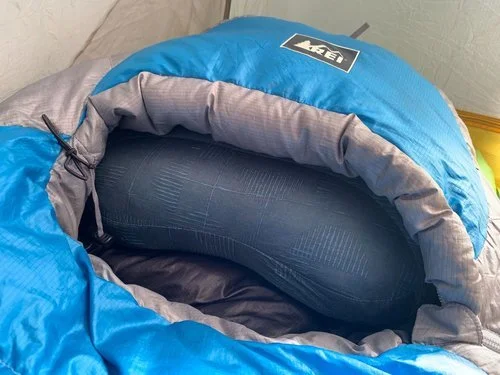
Thru-Hiker Favorite: Sea to Summit Aeros Ultralight
If you are a rotisserie sleeper who moves constantly, or a thru-hiker looking for the most efficient weight-to-comfort ratio, the Sea to Summit Aeros Ultralight is a legendary choice. It is recognized as a top choice for 2025 thru-hiking with a measured weight of approximately 2.1 ounces.
The 20-denier laminated polyester is surprisingly durable despite its thinness. It utilizes a multi-function mini-valve that allows for fine-tuned inflation. This is crucial because a fully inflated pillow can often feel too hard; let out a tiny bit of air, and the Aeros Ultralight conforms much better to your head. While it lacks the foam of the NEMO or the down of the Therm-a-Rest, its sheer packability makes it the go-to for those who value space in their pack above all else.
Maximum Loft for Side Sleepers: ExPed Megapillow
The ExPed Megapillow is the heavyweight of the group, but it earns its place for its massive 4.7-inch loft. For many wide backpacking pillows for rotisserie sleepers, the extra width is a game-changer. It ensures your head stays on the pillow even if you shift from side to side during the night.
The plush microfiber topper is one of the softest we tested, dramatically improving sleep hygiene. It’s a hybrid model, using a heavy-duty air bladder that feels incredibly stable. Side sleepers will find that this pillow provides the structural integrity needed to prevent the "bottoming out" effect where your ear eventually touches the ground.
Pro-Tip: Hybrid Sleep Systems If you find inflatable pillows too bouncy, try inflating them only to 70% capacity. This creates more surface area for your head and makes the pillow behave more like a traditional foam cushion, reducing that "balloon" sensation that keeps many hikers awake.
Comparison Table: Spec vs. Reality
| Model | MSRP Weight | Actual Scale Weight | Manufacturer Height | Tested Height | Best For |
|---|---|---|---|---|---|
| NEMO Fillo | 9.0 oz | 9.0 oz | 3.0 in | 3.2 in | Overall Comfort |
| Sea to Summit Premium | 2.8 oz | 2.9 oz | 4.7 in | 4.7 in | Side Sleepers |
| Zpacks Medium-Plus | 1.6 oz | 1.6 oz | N/A | Variable | Ultralight Thru-Hike |
| Therm-a-Rest Air Head | 4.9 oz | 5.0 oz | 4.0 in | 3.9 in | Winter Camping |
| Sea to Summit Ultralight | 2.1 oz | 2.1 oz | 4.0 in | 4.0 in | Minimalist Pack |
| ExPed Megapillow | 6.0 oz | 6.2 oz | 4.7 in | 4.8 in | Luxury/Wide Frame |
FAQ
Is a backpacking pillow worth the weight?
For most hikers, the answer is a resounding yes. Quality sleep is essential for recovery on the trail, and the 2 to 9 ounces added to your pack can prevent days of neck pain and fatigue. While minimalist hikers may use a rolled-up jacket, a dedicated pillow provides better height and stability.
Which is better: inflatable or foam backpacking pillows?
Inflatable pillows are best for those prioritizing weight and pack space. Foam or comfortable hybrid backpacking pillows with foam tops are better for sleepers who want a home-like feel and hate the "bouncy" sensation of air. Inflatables are more versatile for adjusting firmness, while foam offers better insulation and noise reduction.
How do I choose the right pillow for camping?
Consider your primary sleep position and your pack's weight limit. Side sleepers need high loft (4+ inches), while back sleepers can get away with lower profiles. Also, look at the fabric; if you have sensitive skin, a jersey or fleece cover will be much more comfortable than bare polyester.
Are inflatable pillows good for side sleepers?
Yes, provided they offer enough loft. Inflatable pillows are actually often better for side sleepers than compressible foam pillows because they do not lose their height over the course of the night. A high-loft inflatable like the Sea to Summit Aeros Premium ensures the head stays elevated enough to align the spine.
How do you keep a backpacking pillow from slipping at night?
Many modern pillows come with slip-resistant backing or attachment systems, such as Sea to Summit's PillowLock. If your pillow lacks this, you can apply small dots of silicone seam sealer to the bottom or place the pillow inside the hood of your sleeping bag to keep it contained.