Quick Facts
- Global Lethality: Mosquitoes are the deadliest animals, causing 725,000 to 1,000,000 deaths annually through disease transmission.
- Aggressive Herbivores: The hippopotamus is Africa's deadliest land mammal, responsible for roughly 3,000 fatalities per year.
- North American Hazard: Grizzly bears possess a sense of smell 100 times stronger than a domestic dog and are a primary concern for hiker safety.
- Bite Force Leader: The saltwater crocodile can exert a crushing pressure of 3,700 psi, the highest measured in the animal kingdom.
- Stealth and Power: The African elephant weighs up to 6 tons but can move with total silence through dense brush.
- Regional Disparity: While bears grab headlines, 7,000 and 8,000 people are bitten by venomous snakes in the United States every year.
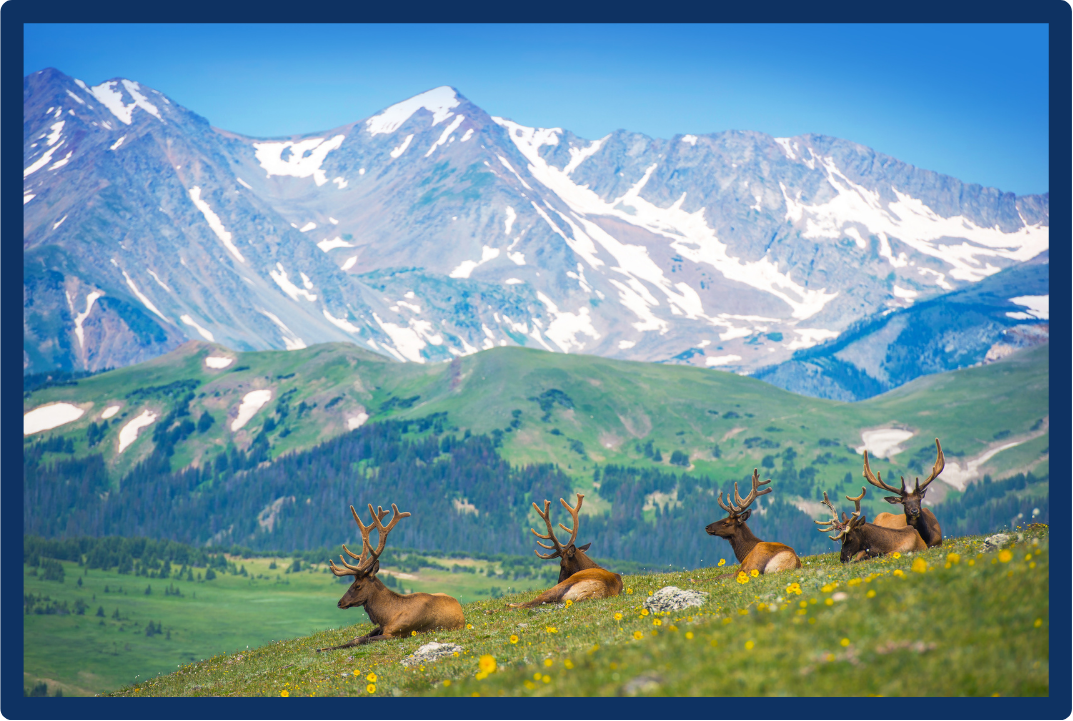
- Encounter Frequency: In Canadian national parks, research shows that elk were responsible for 62 percent of all aggressive wildlife incidents from 2010 to 2023.
Explorers often fear apex predators, but the most dangerous wilderness animals are frequently the most territorial. Understanding lethal wilderness predators is essential for wildlife encounter safety. The most dangerous wilderness animals include the African elephant, Cape buffalo, grizzly bears, African lions, and hippopotamuses, which pose threats through immense physical power and unpredictable defensive behaviors.
1. The Hippopotamus: The Deadliest Guardian of the Water
When you imagine lethal wilderness predators, your mind probably jumps to sharp claws and pointed teeth. However, the hippopotamus proves that being a herbivore does not mean being harmless. In sub-Saharan Africa, these two-ton giants are responsible for more human fatalities than lions or leopards. Their danger stems from intense territorial aggression, particularly regarding their aquatic habitats.
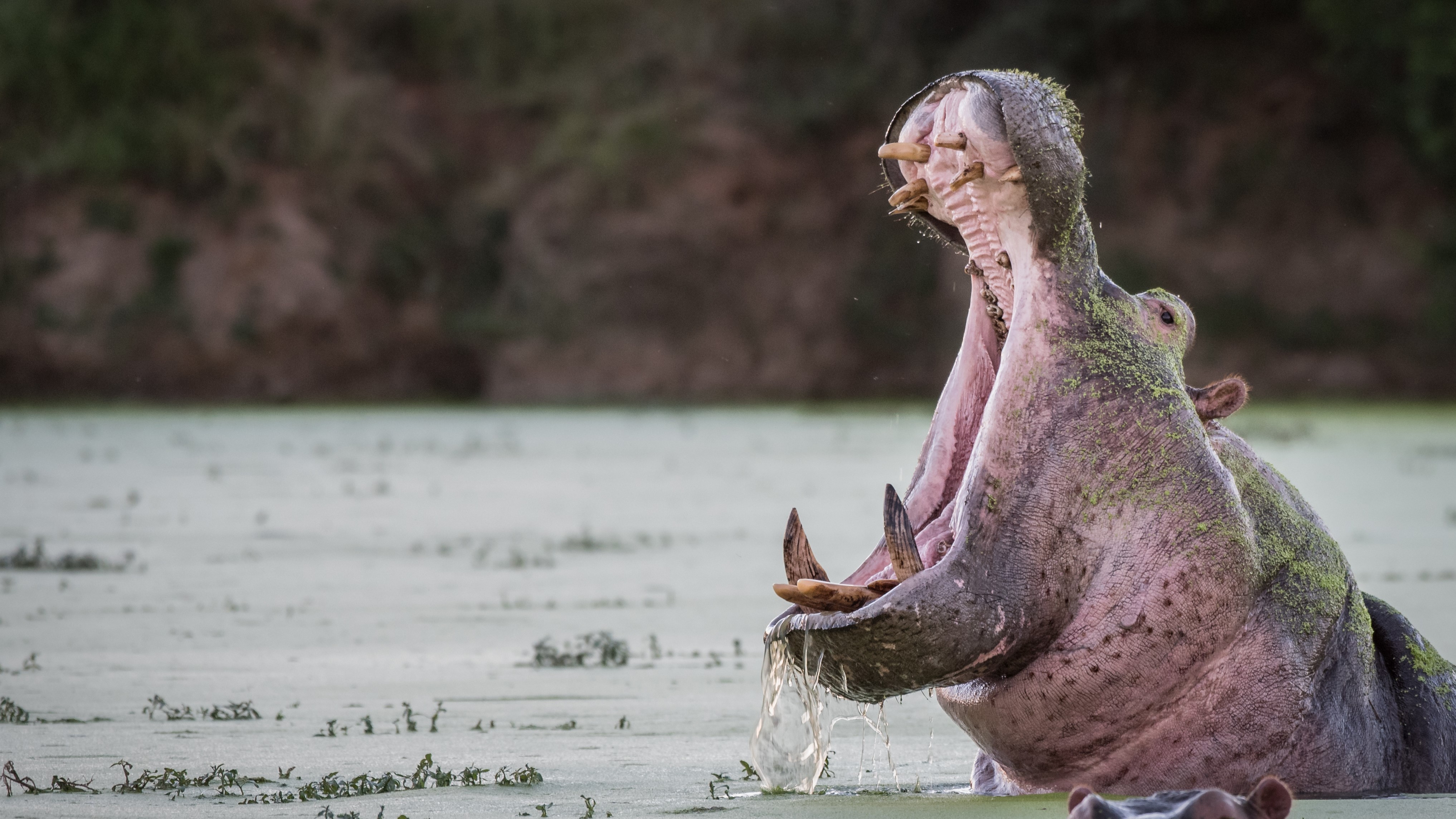
A wild animal behavior guide will tell you that a hippo perceives any object in the water—be it a canoe or a researcher—as a direct threat to its space and calves. Despite their bulky appearance, they are surprisingly agile and can run at speeds of 20 mph on land. In the water, they are known for surfacing beneath boats and flipping them with ease. Once an explorer is in the water, the hippo utilizes its massive tusks, which can reach 20 inches in length, to deliver a fatal bite.
To ensure safety, avoiding hippo attacks while on water is a matter of distance and observation. If you see a hippo yawning, it is not sleepy; it is displaying its jaw capacity as a warning. Hikers should also be cautious near riverbanks at night, as hippos leave the water to graze and can become extremely violent if they are cut off from their watery retreat.
2. The African Elephant: Silent Power and Territorial Reach
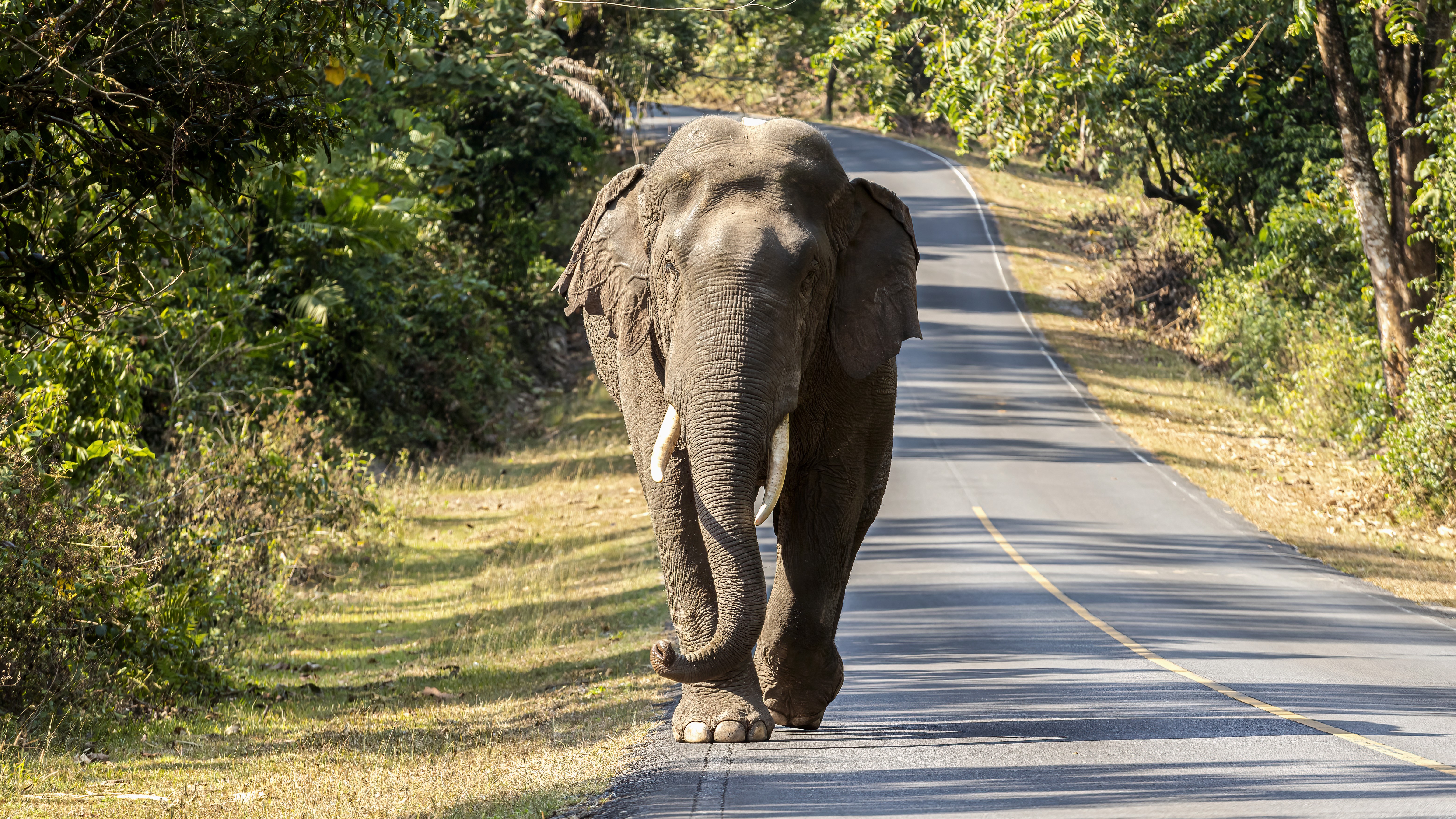
As a member of the African Big Five, the elephant is a symbol of wild majesty, but for an explorer, it represents a literal ton of risk. Most dangerous wilderness animals give some level of audible warning, but a six-ton bull elephant or a protective matriarch can move through thick vegetation with an eerie lack of sound. This stealth makes accidental close-range encounters a significant hazard.
The primary driver of conflict is maternal aggression. If you inadvertently find yourself between a mother and her calf, the situation escalates instantly. Unlike many other animals that may perform a "bluff charge," a truly agitated elephant intends to neutralize the threat. They use their trunks to throw objects, their tusks to gore, and their sheer mass to crush anything in their path.
High situational awareness is your best defense. Identifying signs of aggressive wild animals in this context includes watching for flapping ears, a raised trunk, or the animal kicking up dust. If you are in a vehicle or on foot, always leave at least 100 yards of space and never block an elephant’s established corridor to water or food.
3. The Grizzly Bear: Defending the North American Backcountry
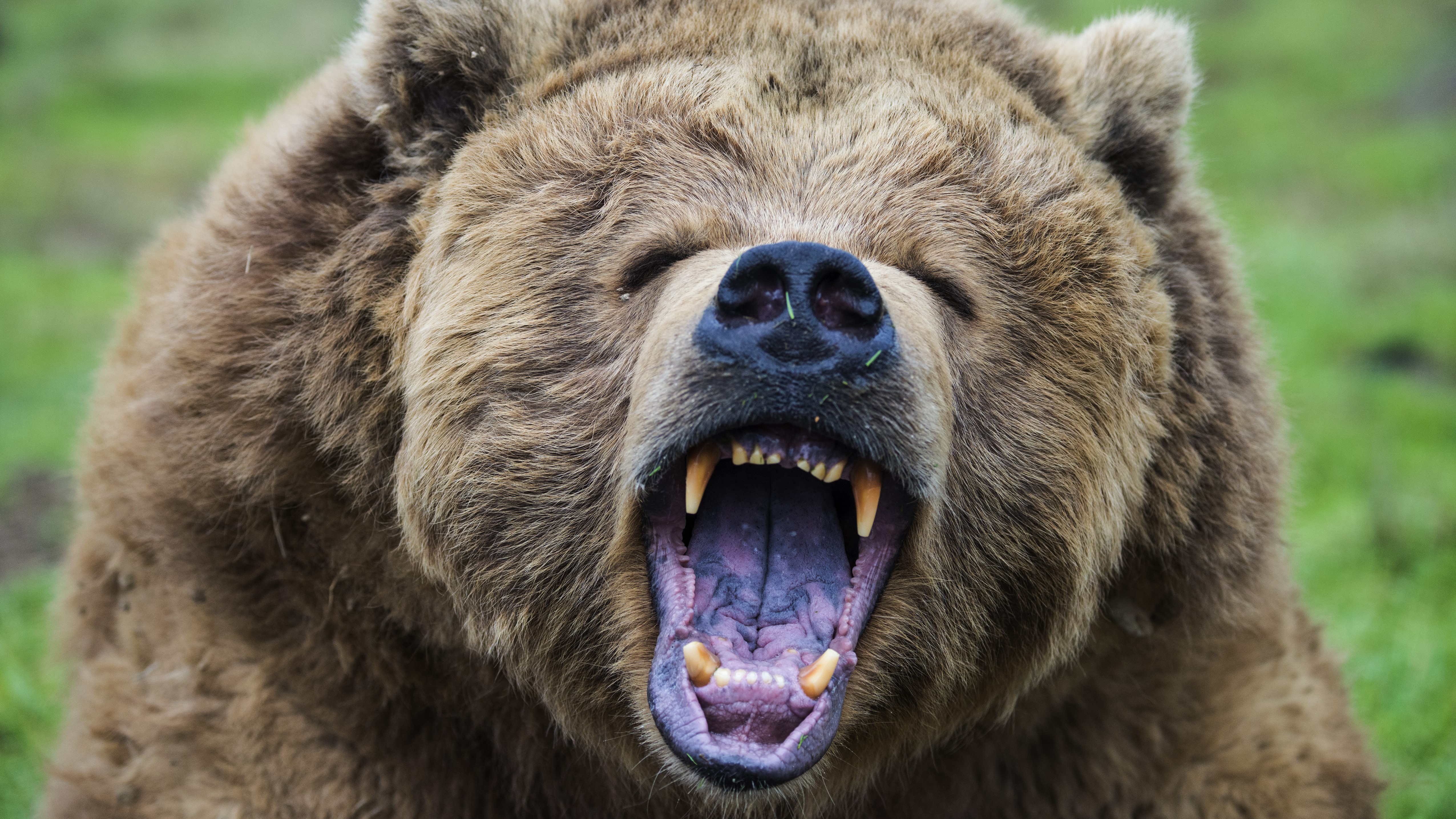
In the mountain ranges of the United States and Canada, the grizzly bear is the ultimate test of wildlife encounter safety. Unlike the smaller black bear, which is more likely to flee or can be fought off, a grizzly is often a defensive fighter. Most fatal encounters occur because a hiker surprises a bear on a trail or near a food source like a carcass.
A key part of bear encounter safety tips for hikers is the "Play Dead" rule. If a grizzly makes contact, you should lie flat on your stomach, clasp your hands behind your neck, and spread your legs to make it harder for the bear to flip you. Keep your pack on; it provides an extra layer of protection for your spine. This tells the bear you are no longer a threat. However, for a black bear, you must do the opposite: stand your ground, look as large as possible, and fight back with everything you have.
Always include bear spray in your wilderness survival kits. This non-lethal deterrent is statistically more effective than a firearm at stopping a charging bear without permanent harm to the animal or the explorer. Remember, while grizzlies are formidable, they only accounted for a fraction of incidents in some regions; for example, elk were responsible for 27 percent more aggressive encounters than grizzlies and black bears combined in certain Canadian parks.
4. Saltwater Crocodiles: The Ultimate Ambush Predator
The saltwater crocodile, or "saltie," is a living relic of the dinosaur age and perhaps the most efficient predator on this list. Found across Southeast Asia and Northern Australia, these reptiles utilize extreme ambush tactics. They can stay submerged for hours, watching their prey from just below the surface with only their eyes and nostrils visible.
The danger here is a combination of patience and physics. A crocodile's bite force is 3,700 psi, enough to crush a skull or a boat hull. Once they grab a target, they perform a "death roll," spinning rapidly to disorient the prey and tear off limbs. Unlike bears or elephants, there are almost no behavioral warning signs before a strike. The best way of how to avoid dangerous wilderness animals of the reptilian variety is strictly staying away from the water's edge in known croc territory. Never camp within 50 yards of a shoreline and never wash dishes or clean fish near the water, as the scent is a dinner bell for these apex predators.
5. The African Lion: The Stealth Hunter of the Savanna
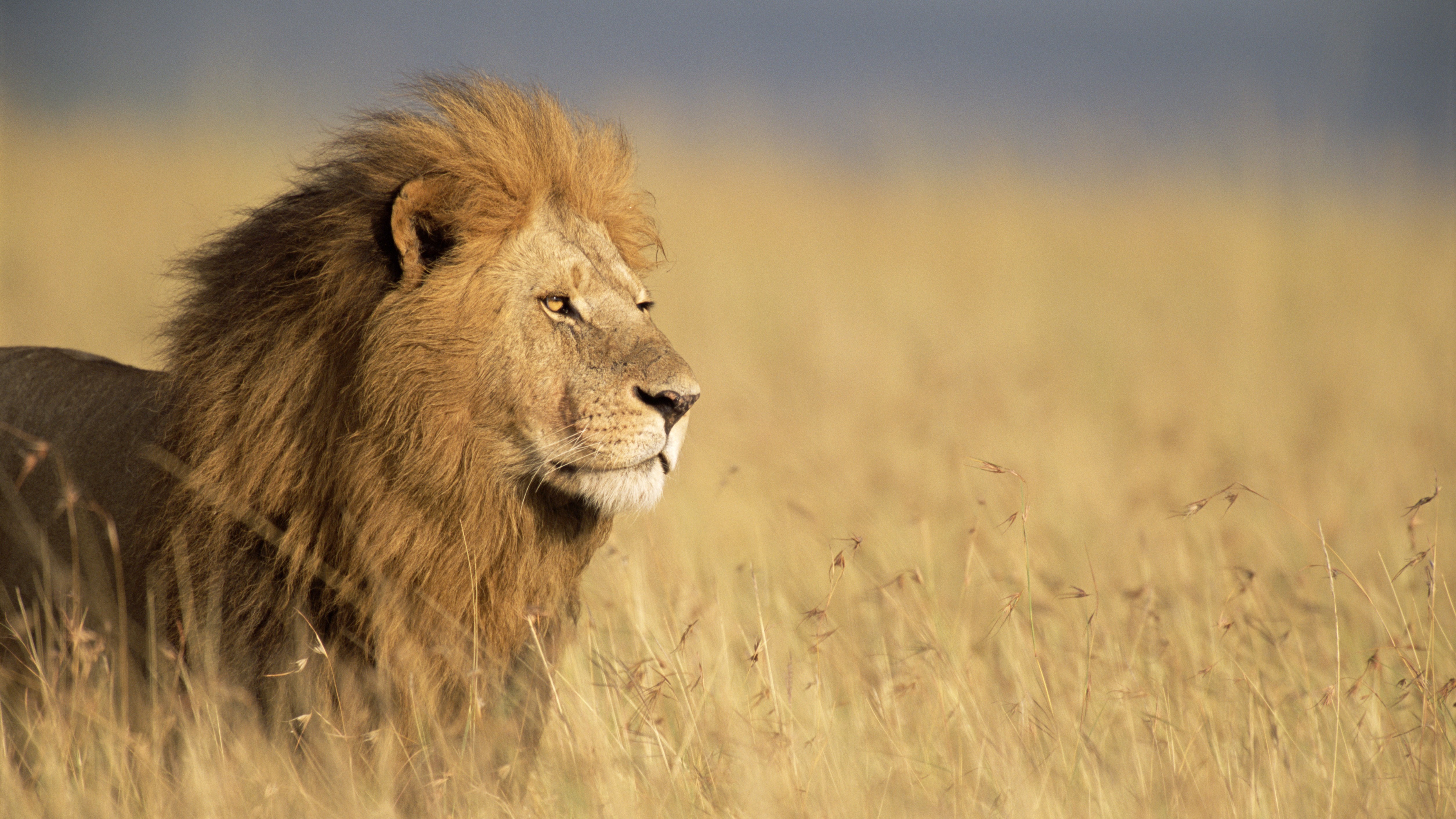
The African lion is the only social big cat, which means if you see one, there are likely others you haven't seen. They are masters of the ambush, capable of a 30-foot leap and reaching a top speed of 50 mph. For an explorer on foot, a lion encounter is a high-stakes psychological game.
The instinctual human reaction is to turn and run, but that is the worst possible choice. Running triggers the cat’s predatory chase instinct. To know how to survive a big cat encounter, you must do the counter-intuitive: stand your ground. Maintain eye contact, speak in a loud and firm voice, and raise your arms or open your jacket to appear larger. Most lions will perform a series of mock charges to test your resolve. If you don't retreat, they often decide the "prey" isn't worth the potential injury and will eventually back away.
Master Guide: Identifying Aggressive Behavior Cues
Before you set out, assessing wildlife risks before a wilderness trip is mandatory. Every species has a "language" that signals their intent. Learning this wild animal behavior guide can save your life.
| Animal | Behavioral Warning Signs | Recommended Immediate Action |
|---|---|---|
| Moose | Lip-smacking, ears pinned back, head tossing | Get behind a large tree or solid object. |
| Grizzly Bear | Woofing, teeth clacking, "bluff" charges | Stand your ground, use bear spray, then back away slowly. |
| Large Cats | Tail twitching, crouching, intense staring | Do not run. Look large, make noise, and maintain eye contact. |
| Elephant | Trunk raised, ears fanning out, trumpeting | Stay quiet, do not move closer, and seek an exit path. |
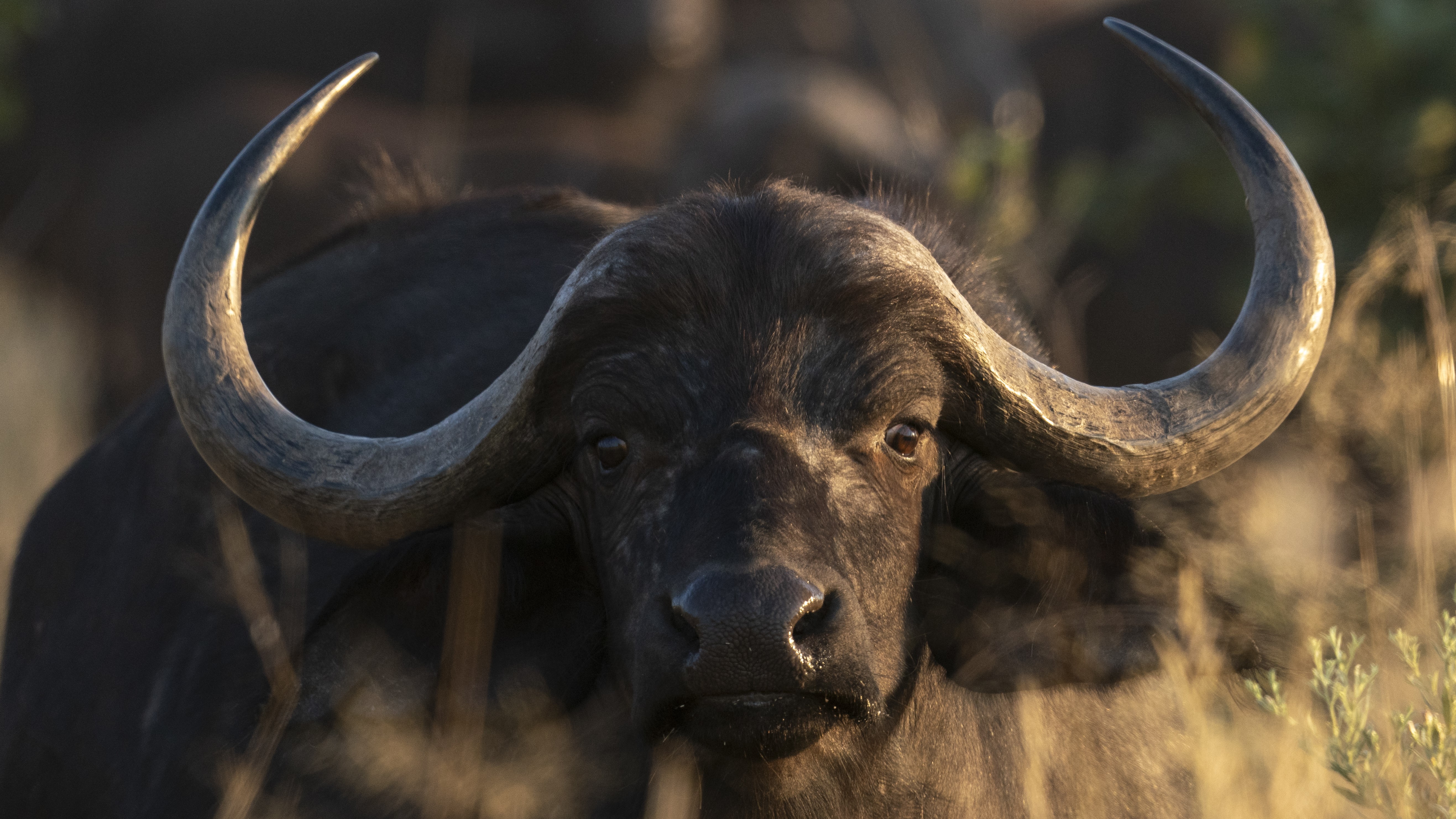
| Cape Buffalo | Lowering the head, staring directly at you | Climb a tree; they are known for circling and waiting. |
Situational awareness remains your most powerful tool. Look for fresh scat, footprints, or the absence of birdsong, which often indicates a predator is nearby. By recognizing defensive behaviors early, you can exit the area before the animal feels forced to protect itself.
FAQ
What is the most dangerous animal to encounter in the wild?
While the most dangerous wilderness animals are often thought to be large predators like bears or lions, the hippopotamus is widely considered the most dangerous large animal to encounter due to its extreme territoriality and unpredictable nature. On a smaller scale, mosquitoes are the deadliest due to the diseases they carry.
Which animals cause the most deaths in the wilderness?
Globally, mosquitoes cause the highest number of annual deaths, followed by venomous snakes and freshwater snails (via parasites). Among the megafauna, the hippopotamus and the African elephant lead in human fatalities due to territorial conflicts and human-wildlife habitat overlap.
How do you survive an attack by a wild animal?
The strategy depends entirely on the species. For grizzly bears, you should play dead by lying on your stomach. For black bears and big cats, you must stand your ground, make noise, and fight back if attacked. For crocodiles and hippos, the only way to survive is to avoid the encounter entirely by staying away from the water's edge.
Are bears or mountain lions more dangerous?
Statistically, bears are involved in more human encounters and injuries in North America than mountain lions. Bears are often attracted to human food and are more defensive of their young. Mountain lions are more elusive and generally avoid humans, though any encounter with a big cat requires immediate defensive posturing.
How can you prevent wild animal encounters while hiking?
The best way to prevent encounters is to make noise so you don't surprise animals, especially near running water or in thick brush. Maintain high situational awareness by looking for tracking signs like tracks or scat, store your food in bear-resistant containers, and never hike alone in known predator territories.