Quick Facts
- Peak Biology: Late fall marks the juvenile dispersal period, making young coyotes highly responsive to calls.
- Ideal Sound: Rodent and bird distress calls often outperform common rabbit sounds in November.
- Stand Duration: Aim for 30-45 minutes; late-fall coyotes may take longer to commit to a stand.
- Key Technique: Match calling sounds to local prey identified by examining scat for feathers, fur, or bone.
- Volume Management: Start sets at a low volume to prevent spooking nearby predators before they can respond.
- Setup Strategy: Use the sun at your back and the wind in your face to stay hidden and scent-masked.
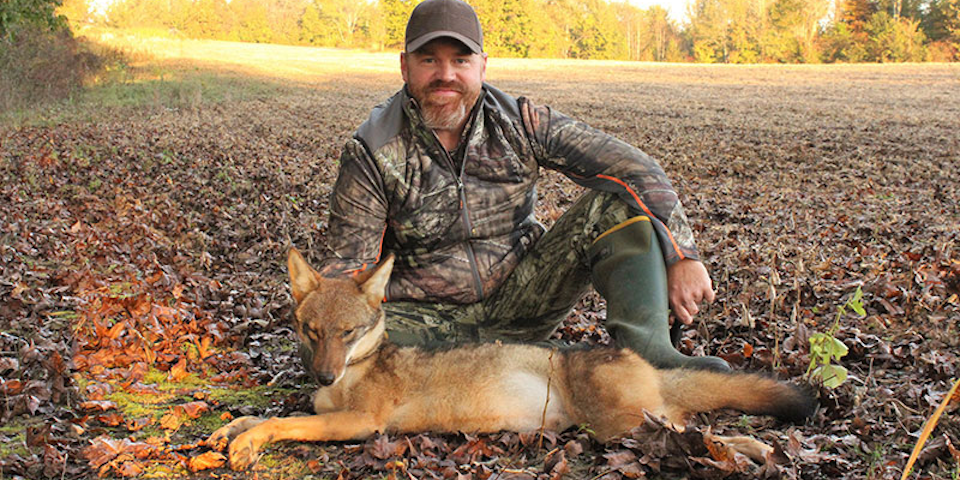
November is a golden window for coyote hunting for beginners. As juvenile dispersal peaks, young and naive coyotes are seeking new territory, making them highly susceptible to realistic coyote calling tips. To call more coyotes in November, identify their current diet through scat analysis and match your distress sounds to local prey like rodents or birds. Focus on the late-fall dispersal period when naive juveniles are most vulnerable, and ensure you remain on your calling stand for at least 30 to 45 minutes to catch cautious or distant predators.
1. Master the Setup: Sun, Wind, and Scent
For those just starting out, coyote hunting for beginners often feels like a game of hide-and-seek where the coyote has all the advantages. Success begins long before you hit the play button on your caller. The first step involves fundamental woodsmanship: managing how you appear and smell to a predator that survives on its senses. Most hunters understand wind, but fewer master the art of visibility. In November, with the leaves off the trees and the terrain opening up, how to position a coyote calling stand for better visibility becomes a primary concern for the hunter, not just the hunted.
When choosing a spot, always attempt to keep the sun at your back. This does more than just light up your field of view; it forces an approaching coyote to look directly into the glare, effectively blinding them to your subtle movements or silhouette. At the same time, you must manage your scent cone. A coyote will almost always try to circle downwind of a sound to verify the "prey" with its nose. By positioning yourself so your scent is blowing away from the likely approach path, or by using natural barriers like a steep bank or heavy brush to channel the coyote, you increase your odds of a clean shot.
Stealth also applies to your entry. Many hunters "blow out" their stands before they even sit down. Using backdoor entries—walking through low spots, creek beds, or along the shadows of a ridgeline—ensures you don't skylines yourself. If a coyote sees you hiking in from a half-mile away, no amount of expert calling will bring them in.
Pre-Stand Checklist
- Wind Direction: Confirm the wind is hitting your face or blowing crossways.
- Sun Positioning: Ensure the sun is behind you or obscured to minimize glare on your optics.
- Backdrop: Sit against a tree, rock, or bush larger than your silhouette to break up your outline.
- Scent Management: Spray down gear and avoid walking through the area where you expect the coyote to appear.
- Visibility: Ensure you have a clear line of sight to the downwind side, where the coyote is likely to "hook" in.
2. Sound Selection: Beyond the Rabbit Distress
One of the most common mistakes in the field is over-reliance on a single sound. Industry estimates suggest that more than 80 percent of coyote hunters rely exclusively on rabbit-in-distress sounds, which can cause experienced coyotes to become wary of those specific calls. In November, variety is your best friend. This is the month when the "dietary transition" occurs. After the first hard frost, the insects and fruits that coyotes snacked on during the summer disappear, forcing them to hunt more aggressively for protein.
The best coyote distress sounds are the ones that sound like a free meal the coyote actually expects to find. This requires some pre-hunt scouting. Look for coyote scat on trails. If you see tiny bones and grey fur, rodents are the primary target. If you see feathers, look toward bird distress sounds. In many regions, matching coyote distress sounds to local prey scat is the difference between a dry stand and a successful hunt.
Rodent vocalizations, such as high-pitched squeaks and chirps, are incredibly effective because they represent a low-risk, high-reward meal for a young coyote. Additionally, November is a time of social upheaval. As juveniles disperse, they often use yips and lone howls to communicate with their siblings or check for the presence of other coyotes. Using juvenile coyote yips can trigger a territorial response or a "curiosity" response from local dogs.
Pro-Tip: The Scat Analysis Don't just walk past scat—inspect it. In the fall, a coyote's diet is highly opportunistic. If you find scat loaded with grasshopper shells or wild plum pits, you know they are still in a "foraging" mindset. If the scat is dark and hairy, they have shifted into "predator" mode, and meat-based distress calls will be far more effective.
3. The Low-Volume Strategy for Beginners
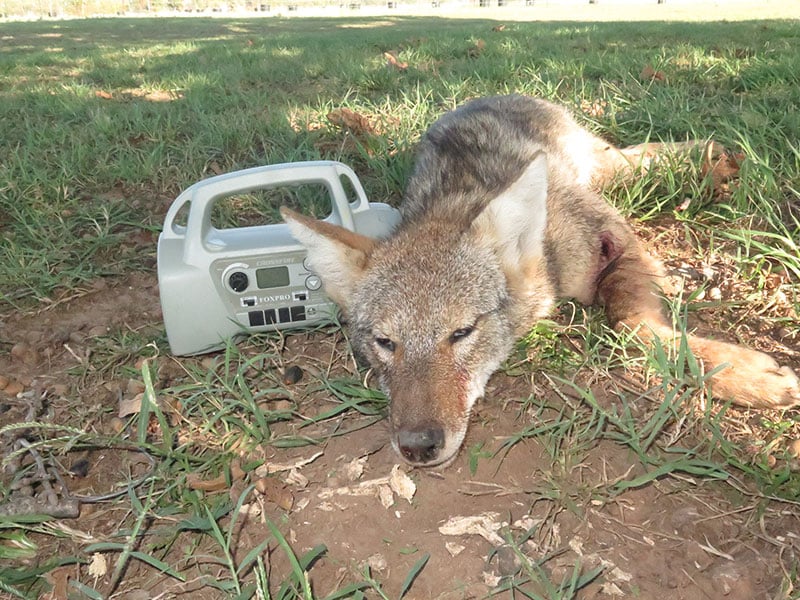
Many beginners treat an electronic game caller like a stadium speaker, cranking it to the maximum setting as soon as they sit down. This is often counterproductive. Coyotes have incredible hearing; some estimates suggest they can hear a standard distress call from over 800 yards away in clear conditions. A low volume coyote calling strategy for beginners is almost always more effective for several reasons.
First, you don't know if there is a coyote bedded 100 yards away in the brush. If you blast a loud sound immediately, you may startle and "blow out" a nearby predator. Start your sequence at a volume that you can just barely hear from your sitting position. This subtle sound mimics a small animal that is actually nearby, which feels realistic and enticing. If you get no response after five to ten minutes, gradually increase the volume to reach more distant travelers.
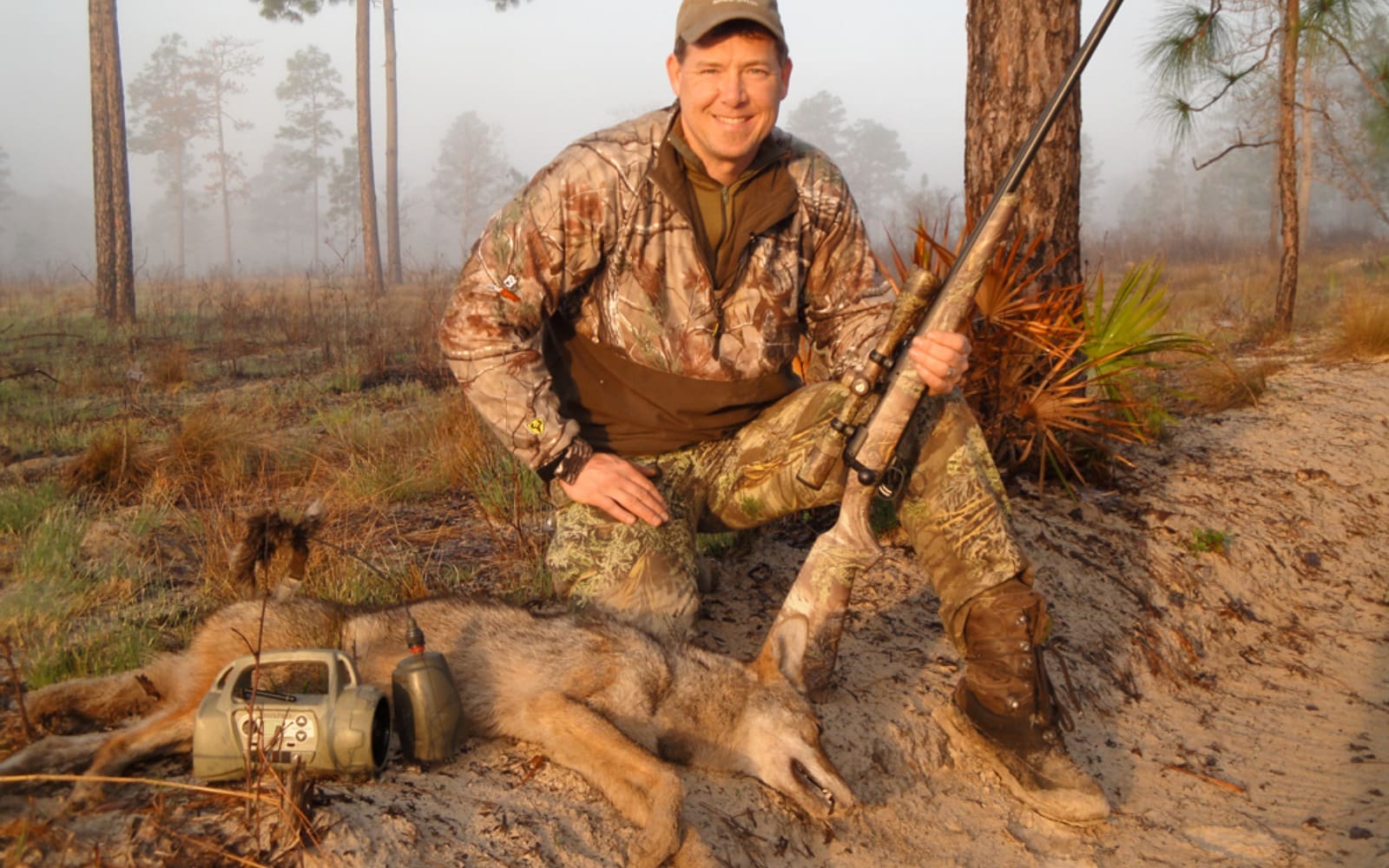
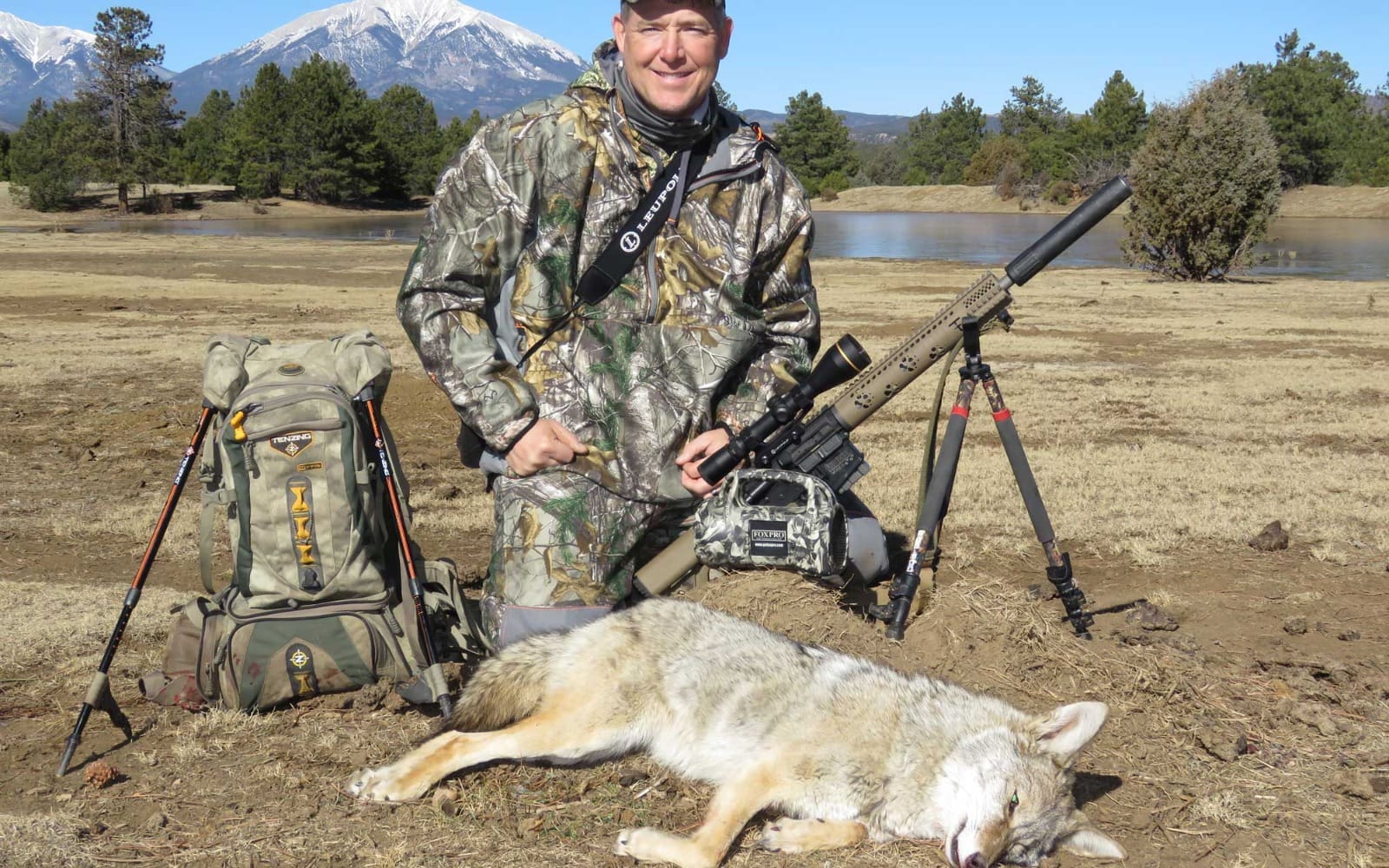
This approach is especially important for maintaining the prime fur value of your targets. If you can call a coyote in close with low volume, you are more likely to get a stationary, broadside shot, which leads to a cleaner harvest and less damage to the pelt. As you increase volume, do so in steps, always pausing to scan the horizon with peripheral scanning techniques to catch any movement.
4. The Patience Factor: Stand Duration
In the world of coyote calling tips, patience is arguably the hardest skill to master. In the early fall, a response might happen within the first five minutes. However, as we move into November, many predators become slightly more cautious. Wildlife biologists report that coyote sightings and auditory activity peak in October and November as juveniles born in the spring begin to disperse from their parents' territory. During this fall dispersal period, young coyotes are documented to travel distances of up to 300 miles while seeking out new territories and mates.
Because these coyotes are often in unfamiliar territory, they may take longer to navigate the terrain or approach a sound. While many experts suggest a "17-minute rule," November calling often requires a longer commitment. Knowing how long to stay on a coyote calling stand can prevent you from standing up right as a coyote is about to crest the hill. In the late fall, coyotes are often less aggressive because food (like rodents and rabbits) is still relatively easy to find compared to the harsh winter months. They might take their time, stopping to investigate scents or scanning for danger as they approach.
| Region | Recommended Stand Duration | Why the Variation? |
|---|---|---|
| Western Plains | 45 - 60 Minutes | Wide open spaces require sound to travel further; coyotes may be coming from miles away. |
| Eastern Woodlots | 20 - 30 Minutes | Higher density and limited visibility; if they are close, they usually show up fast. |
| Brush/Thick Cover | 30 - 45 Minutes | Coyotes move slower through thickets and will often wait on the edge to scent-check. |
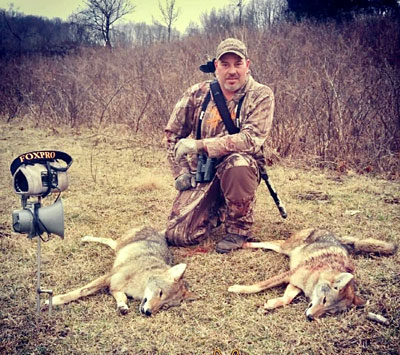
A successful coyote calling stand duration in November typically falls in the 30 to 45-minute range. Even if you don't see anything, stay still for an extra five minutes after you stop the caller. Often, a cautious "hanger-on" will wait for the noise to stop before moving in to investigate the silence. If you do take a shot, don't immediately get up. Keep the caller running—frequently, the sound of a "pup in distress" after a shot can bring in a second coyote that was nearby.
FAQ
What is the best time of day to call coyotes?
The first and last hours of daylight—dawn and dusk—are universally recognized as the best times. Coyotes are crepuscular, meaning they are most active during these transition periods. However, in November, the dispersal of juveniles means you can often find success throughout the mid-morning hours as these young dogs travel through new territories.
How long should you stay at each coyote calling stand?
In November, you should plan to stay at each stand for 30 to 45 minutes. While some coyotes respond within 10 to 12 minutes, the abundance of food in late fall can make them less aggressive, and those traveling from a distance may take longer to reach your position.
What sounds are most effective for calling coyotes?
While rabbit distress is a classic, rodent vocalizations, bird distress, and juvenile coyote yips are highly effective in the fall. These sounds are often less "pressured" than rabbit calls. Always try to match your sounds to the local prey evidence you find during scouting.
What wind direction is best for coyote calling?
A steady wind of 5 to 15 mph is ideal. You want a constant direction so you can predict the coyote's scent-check path. Position yourself with the wind blowing into your face or at a cross-angle, ensuring your scent does not blow directly into the area where you expect the coyote to appear.
Is it better to use rabbit distress or coyote vocalizations?
In November, a mix is best. Start with a prey distress sound (like a rodent) to appeal to their hunger. If there is no response, transition to social vocalizations like lone howls or group yips to appeal to their territorial instincts during the dispersal period.
November offers some of the most exciting predator hunting of the year. By understanding the biological drivers like juvenile dispersal and matching your tactics to the local environment, you can turn a quiet morning in the woods into a high-action encounter. Remember to stay patient, manage your volume, and let the coyote's own curiosity work in your favor. Get out there before the heavy winter pressure sets in—this high-response window won't stay open forever.