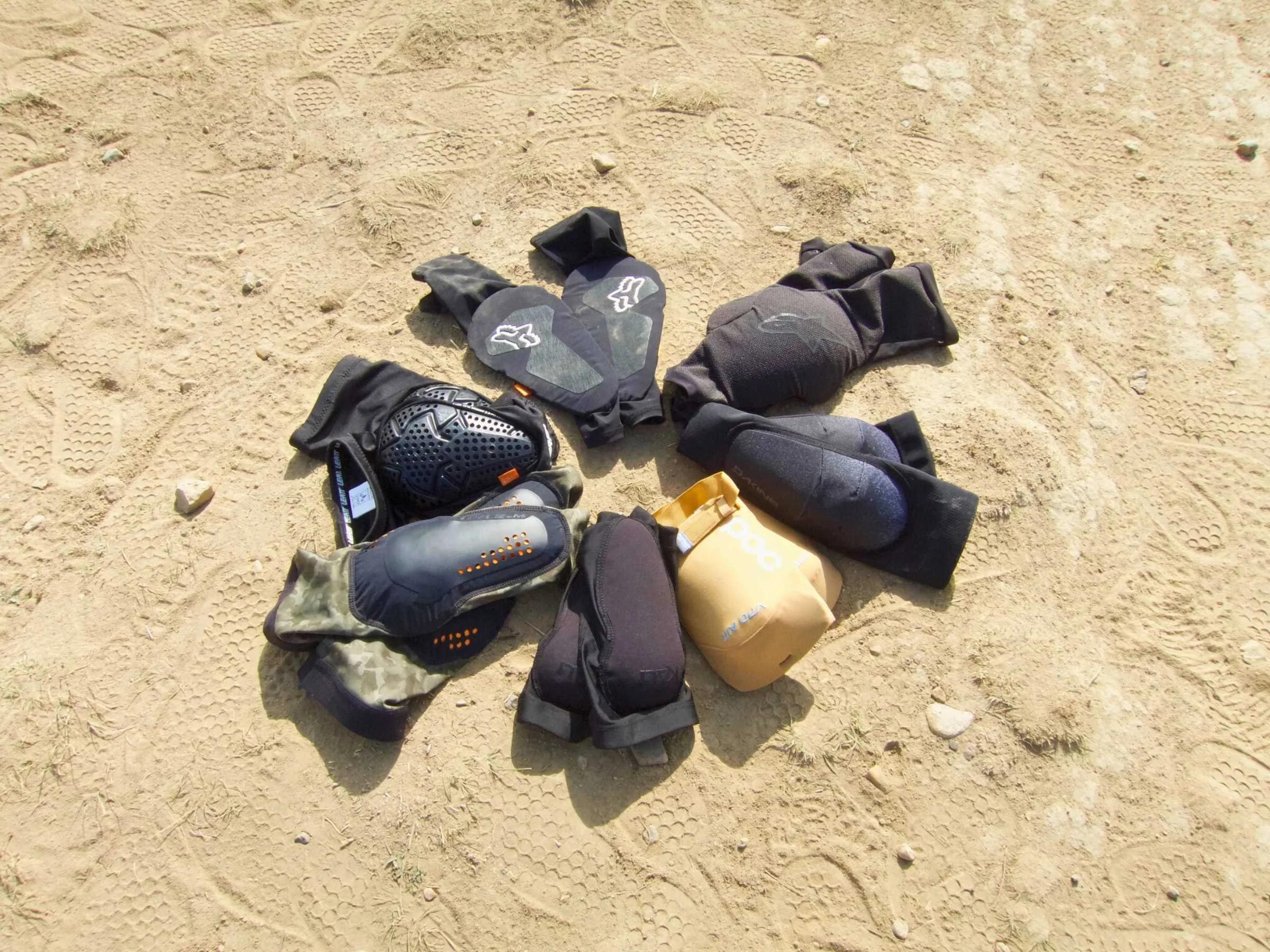
Our Top Picks
- Best Overall: Fox Enduro D3O – A perfect blend of all-day comfort and high-tech D3O impact technology.
- Best for Gravity & Downhill: Dakine Slayer – Maximum coverage and abrasion resistance for aggressive trail riding.
- Best Lightweight/XC: Kali Protectives Mission – Minimalist design with exceptional breathability for hot climates.
- Best Value: Troy Lee Designs Speed Sleeve – Reliable protection and sleek fit at a wallet-friendly price point.
The best mountain bike elbow pads depend on your specific riding style and protection needs. The Fox Enduro D3O is the top overall choice for 2025, offering a balance of lightweight comfort and reliable Level 1 protection. For aggressive downhill riding, the Dakine Slayer provides maximum impact absorption, while the Kali Protectives Mission is ideal for cross-country riders seeking a minimalist, highly breathable sleeve.
| Pad Model | Best Use Case | Protection Level | Key Feature |
|---|---|---|---|
| Fox Enduro D3O | All-Mountain / Enduro | CE Level 1 | D3O Impact Add-on |
| Dakine Slayer | Downhill / Park | CE Level 1 | Durable Ripstop Fabric |
| Kali Mission | XC / Light Trail | CE Level 1 | 3D Molded Protection |
| TLD Speed Sleeve | Multi-discipline | CE Level 1 | Seamless Construction |
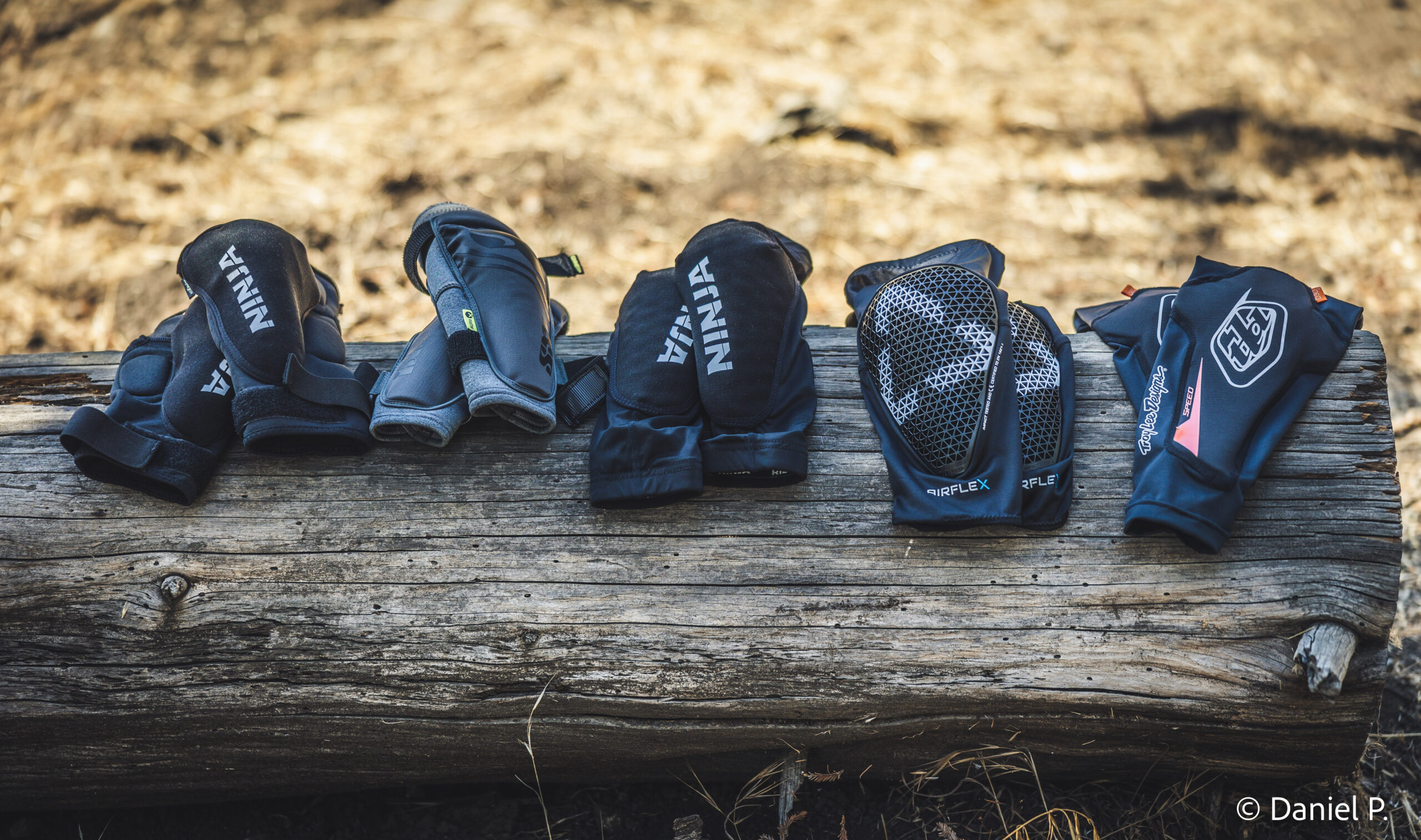
Whether you are dropping into a technical rock garden or pedaling through a flowy forest loop, the evolution of protection gear has moved toward a "fit and forget" mentality. In modern mountain biking, the global mountain bike protective gear market is valued at approximately $2.84 billion in 2025 and is projected to expand to $4.67 billion by 2034. This growth is driven by innovative materials that remain soft while you move but harden instantly when you hit the ground.
1. Best Overall: Fox Enduro D3O Elbow Pads
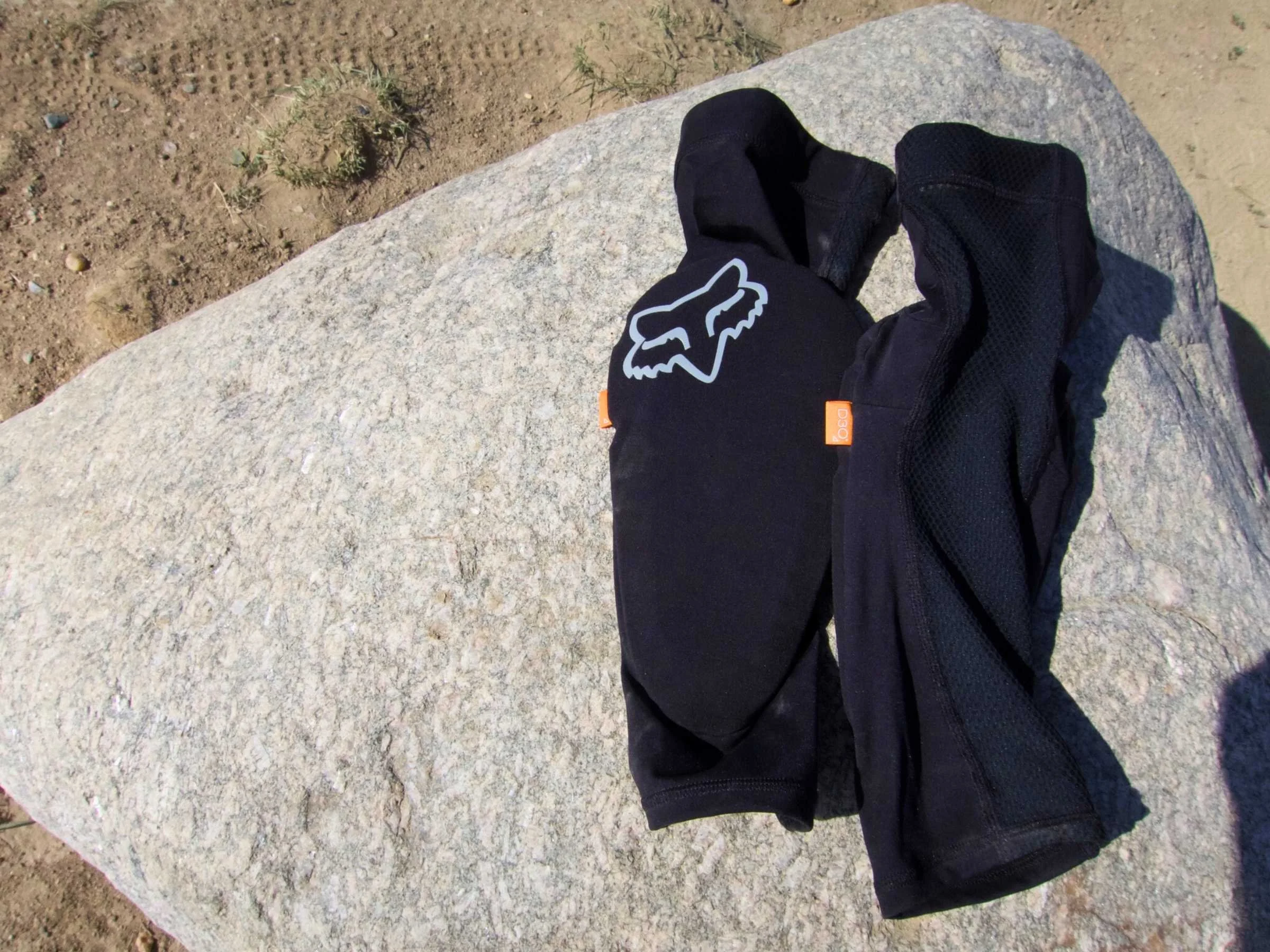
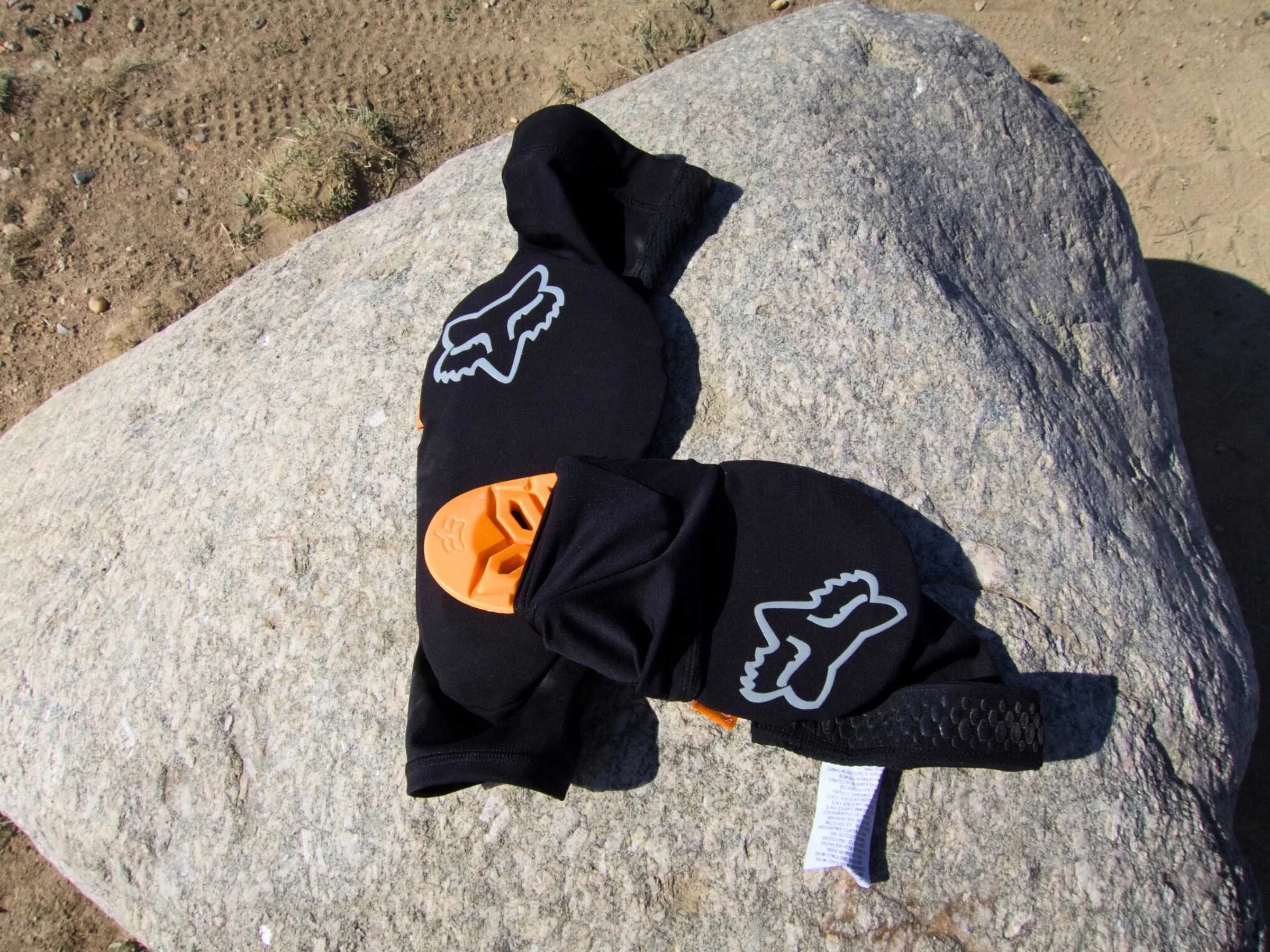
If you are looking for a singular pair of pads to handle everything from local lunch laps to high-alpine epics, the Fox Enduro D3O stands at the top of the podium. These pads utilize D3O mountain bike elbow pads technology, which is a non-Newtonian fluid material that is flexible during normal movement but locks out on impact.
In professional gear evaluations for 2025, the Fox Enduro D3O Elbow Pads were ranked as the best overall choice for their combination of lightweight D3O impact technology and extended sleeve protection. The moisture-wicking mesh back panel ensures that even on steep climbs, you won't feel like you are wearing a weighted wet suit.
The design is inherently low-profile, and we found they are the mountain bike elbow pads that stay in place even when sweat becomes a factor. The silicone grippers at the top and bottom of the sleeve prevent the dreaded "pad gap" that often occurs with lower-quality gear.
Pros:
- Certified EN 1621-1 certified cycling pads for peace of mind.
- The compression sleeve supports blood flow and reduces arm pump.
- Excellent moisture-wicking mesh keeps skin dry.
Cons:
- Tighter fit compared to some strap-based models.
- Requires full removal of shoes if you decide to take them off mid-ride (though most keep them on).
2. Best for Gravity & Downhill: Dakine Slayer
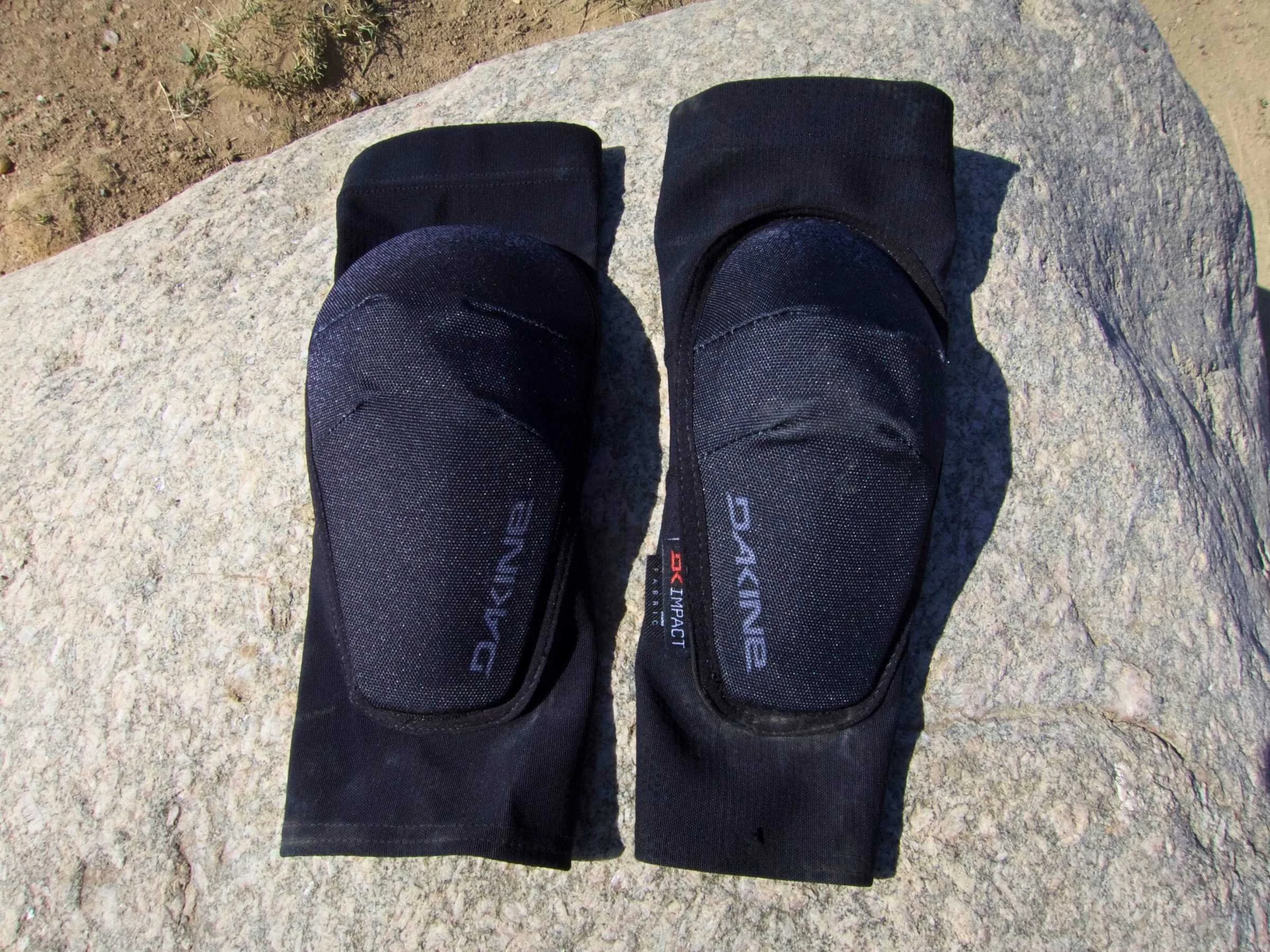
For the riders who prioritize gravity over climbing, the Dakine Slayer series is built to take a beating. When debating mtb elbow pads for enduro vs downhill, the Slayer leans toward the latter, offering increased abrasion resistance through its heavy-duty Cordura panels.
These mtb elbow guards for enduro and downhill scenarios feature a pre-curved, articulated design that mimics the natural riding position. This prevents the fabric from bunching up in the crook of your elbow, which is a common source of chafing on cheaper pads. While many lightweight options focus solely on the point of the elbow, the Slayer extends protection slightly further down the forearm, a critical area during sliding crashes on loose dirt.
The impact absorption comes from a thick layer of DK Impact foam. While it feels more robust and slightly bulkier than a thin sleeve, the protection it offers during high-energy impacts is palpable.
Pros:
- Superior abrasion resistance for rocky terrain.
- Articulated design prevents bunching and hot spots.
- Robust joint protection for high-speed spills.
Cons:
- Warm on long climbs due to thicker materials.
- Slightly more restrictive than minimalist XC sleeves.
3. Best Lightweight/XC: Kali Protectives Mission
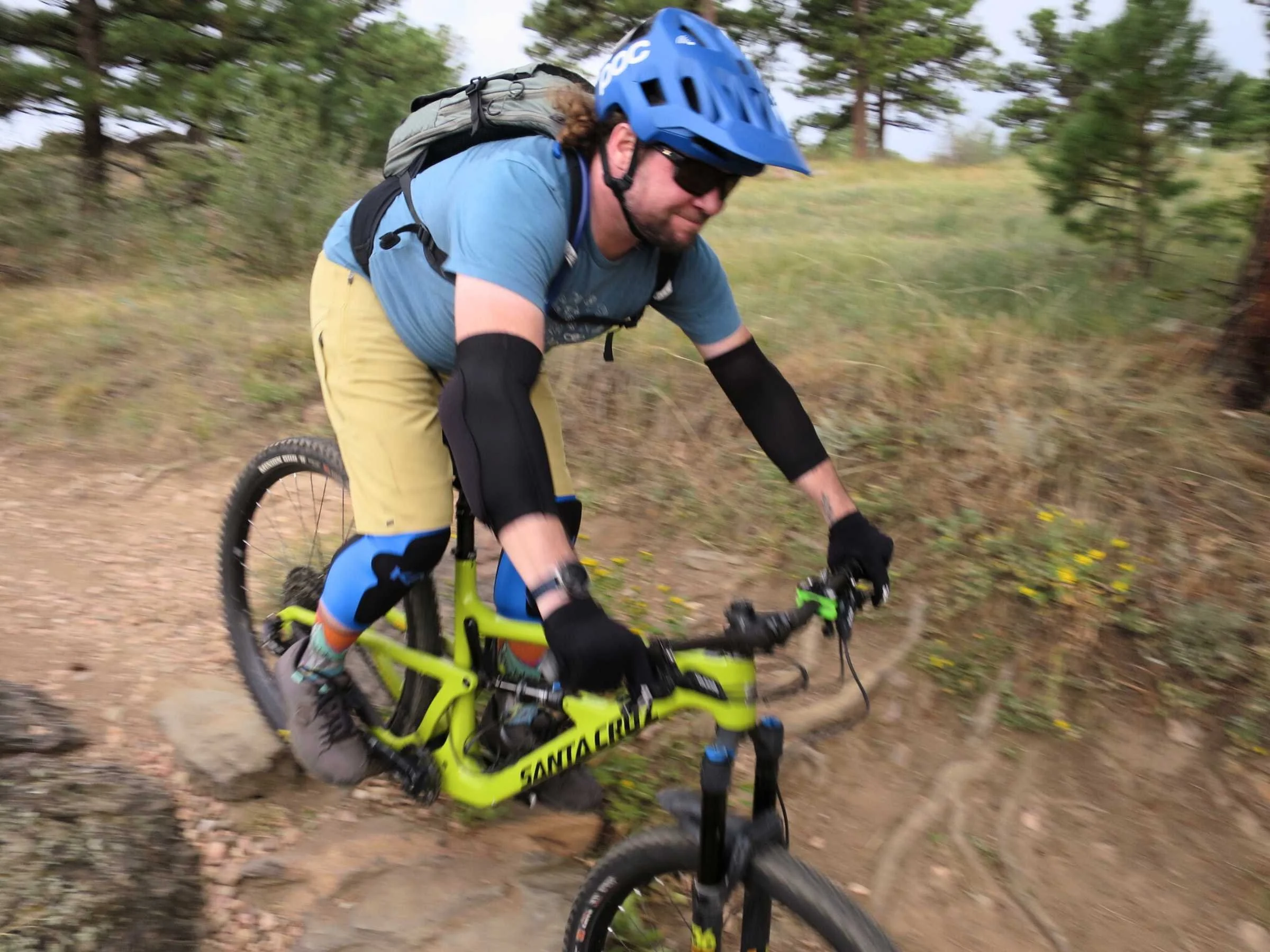
Not every ride requires heavy-duty armor. For cross-country enthusiasts or those riding in desert heat, the Kali Protectives Mission is the gold standard for lightweight mtb elbow pads for cross country. Using a high-grade viscoelastic foam, these pads offer a surprising amount of protection in a package that weighs less than most smartphones.
Breathability is the standout feature here. We tested these as the most breathable mtb elbow pads for hot weather during summer sessions at White Ranch, and the airflow through the perforated pads was immediately noticeable. Unlike a traditional D3O vs polyurethane mountain bike elbow pads debate, Kali uses a proprietary 3D molded foam that remains incredibly thin without failing safety tests.
The Mission pad is so low-profile that it can be worn under a compression base layer without being seen. If your mantra is "light is right," this is your piece of gear.
Pros:
- Minimalist design that feels like a second skin.
- Exceptional range of motion for technical climbing.
- Dries incredibly fast after a sweaty session.
Cons:
- Less forearm coverage than the Dakine Slayer.
- Not intended for high-speed bike park jump lines.
4. Best Value: Troy Lee Designs Speed Sleeve
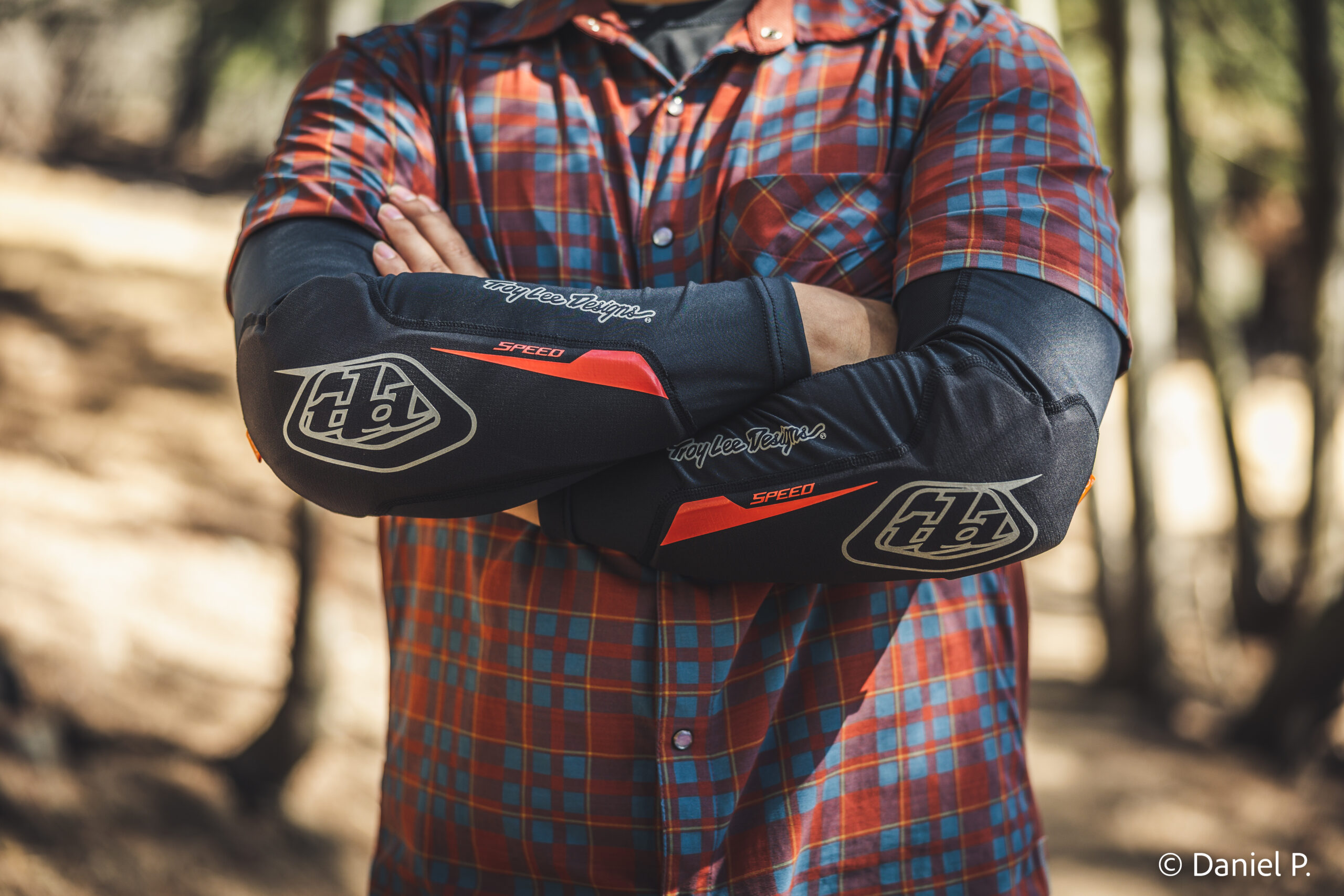
Troy Lee Designs is synonymous with racing, but the Speed Sleeve brings that pedigree to a more accessible price point. These are EN 1621-1 certified cycling pads that focus on the essentials: a good fit, reliable silicone grippers, and basic impact protection.
The speed sleeve is a great entry point for riders who are just starting to explore technical trails and want to avoid the scraped elbows that come with the learning curve. They bypass the complex Velcro straps of older designs in favor of a simple pull-on compression sleeve. This reduces the number of parts that can fail and ensures a more consistent fit over time.
While they may lack the high-end non-Newtonian fluid of the Fox model, the polyurethane insert offers a consistent level of safety standards compliance that riders can trust.
Pros:
- Outstanding value for the level of protection provided.
- The silicone grippers are some of the best in the industry.
- Very easy to wash and maintain.
Cons:
- Polyurethane material is slightly stiffer than D3O.
- The sleeve can stretch out over several seasons of heavy use.
Expert Buyer's Guide: How to Choose
Selecting the best mtb elbow pads isn't just about picking the coolest brand; it's about understanding the physics of a crash. Performance mountain bike elbow pads are typically certified under the EN1621-1 Level 1 standard to ensure a verified level of impact protection for riders.
Understanding Safety Standards
When you see a CE Level 1 vs Level 2 mtb elbow guards rating, you are looking at how much force the pad allows to reach your body.
- Level 1: The maximum peak force transmitted through the pad must be below 35 kilonewtons (kN). This is standard for trail and enduro riding.
- Level 2: This is more robust, requiring the transmitted force to be below 20 kN. These are usually thicker and reserved for downhill racing.
Material Science: D3O vs Polyurethane
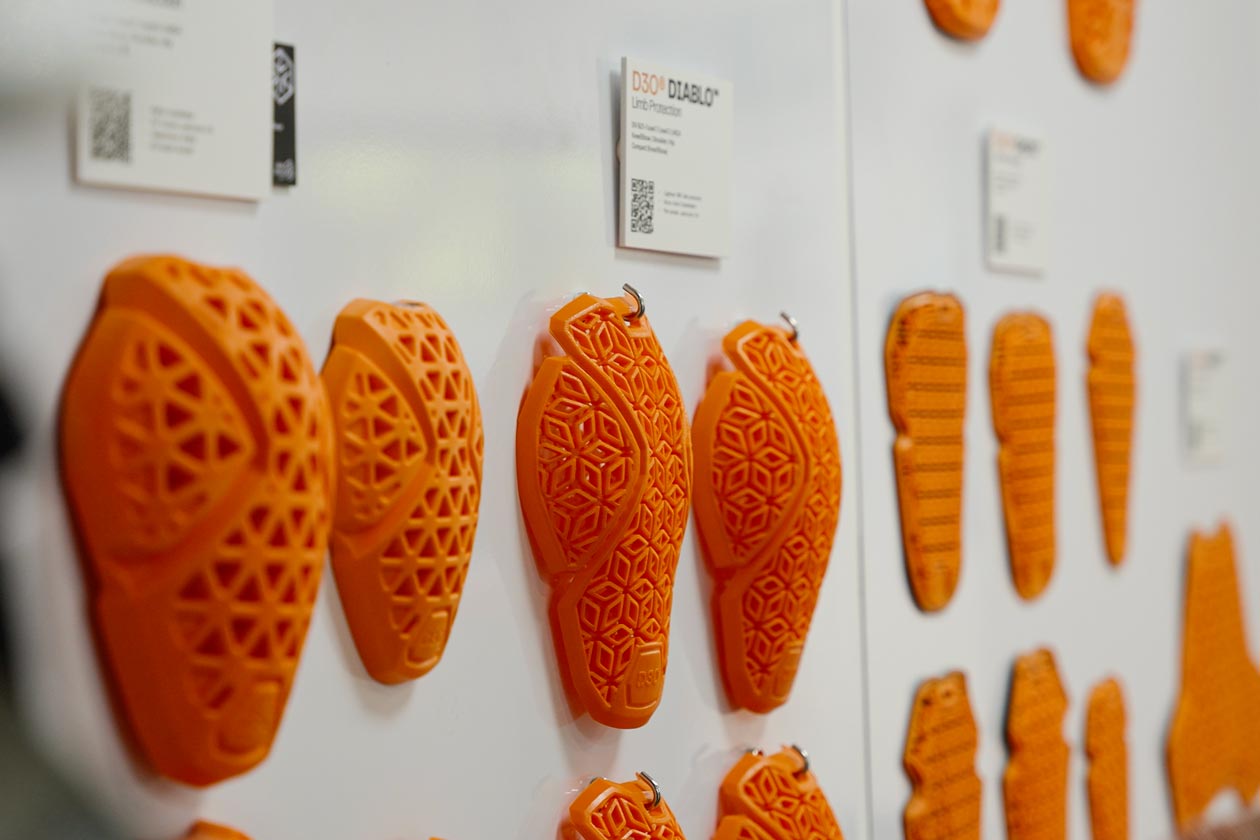
Most modern pads use either viscoelastic foam or non-Newtonian materials like D3O. D3O is prized because it remains soft and pliable during your ride, allowing for a full range of motion. However, upon impact, the molecules lock together to dissipate energy. Polyurethane pads are more affordable and provide constant, predictable protection but can sometimes feel stiffer during the pedaling motion.
Sizing and Fit
Knowing how to size mountain bike elbow pads is the difference between a comfortable ride and a frustrating one. Never guess your size based on t-shirt measurements.
- Bicep Circumference: Measure about 3 inches above the elbow joint. This is the most important measurement because it’s where the top gripper sits.
- Forearm Circumference: Measure the widest part of your forearm.
- Check the Chart: Every brand fits differently. A Medium in Fox might be a Large in Dakine.
Expert Tip: If you are between sizes, go for the smaller size if you prefer a secure, race-like fit, or the larger size if you are prone to arm pump or prefer a more relaxed feel.
Maintenance: Keeping Your Gear Fresh
To extend the life of your pads and prevent the build-up of bacteria (and the inevitable "pad funk"), you need to know how to wash mountain bike elbow pads correctly.
Most modern sleeves should be hand-washed or placed in a laundry bag on a delicate cycle with mild detergent. The high heat of a dryer is the enemy of elastic fibers and specialized impact foams. Always air dry your gear. If your pads have removable D3O inserts, take them out before washing the sleeve to ensure both components dry thoroughly and the foam doesn't degrade.
FAQ
Are mountain bike elbow pads worth it?
Yes. While many riders prioritize knee pads, elbows are often the first point of contact in a low-side slide or a "wash out" in a corner. Modern pads are so comfortable that the minor trade-off in heat is well worth the protection against skin abrasions and joint fractures.
How tight should MTB elbow pads be?
They should be "snug but not restrictive." You want enough compression to keep them from sliding down during an impact, but they shouldn't be so tight that they cut off circulation or cause your forearms to cramp (arm pump).
Should I get hard shell or soft shell elbow pads?
For 90% of trail and enduro riders, soft shell pads made of D3O or viscoelastic foam are the better choice because they are more comfortable and move with your body. Hard shell pads are generally reserved for extreme downhill or bike park riding where sliding over sharp rocks is the primary concern.
How do I measure for mountain bike elbow pads?
Use a flexible measuring tape to find the circumference of your bicep (usually 2-4 inches above the elbow) and the widest part of your forearm. Compare these numbers to the specific size chart of the brand you are purchasing, as sizing is not universal across manufacturers.
Do mountain bike elbow pads slip down while riding?
High-quality pads featuring silicone grippers and a proper compression fit rarely slip. However, if your pads are too large or the elastic has worn out, they will migrate toward your wrists. Ensuring you have a clean "bicep-to-gripper" contact point (free of excess lotion or loose jersey fabric) helps keep them in place.