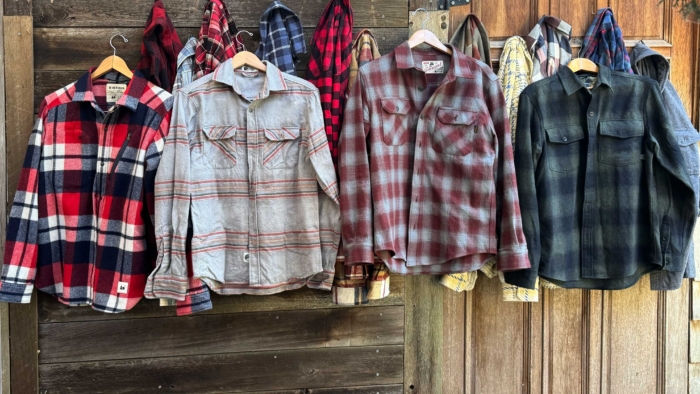
Our Top Picks
- Overall Best: MuskOx Grand Series Flannel – The perfect marriage of 278 GSM durability and a soft double-brushed finish.
- Best Rugged: Freenote Cloth Benson – A heavyweight beast at 373 GSM designed for those who need high-tensile strength and triple-stitched seams.
- Best Budget: REI Co-op Campwell – High-value construction for under $70, proving that quality doesn't always come with a triple-digit price tag.
- Best Luxury: Iron Heart Ultra Heavy Flannel – The gold standard of heritage menswear, custom-milled in Japan with incredible thermal insulation.
When selecting the best men's flannels, you should prioritize high-quality construction features like flat-felled seams and fabric weights above 250 GSM for maximum durability. As the global market grows toward a value of approximately $18.4 billion in 2025, discerning buyers are increasingly looking for durable flannel shirts for men that offer both thermal protection and long-term resistance to abrasion.
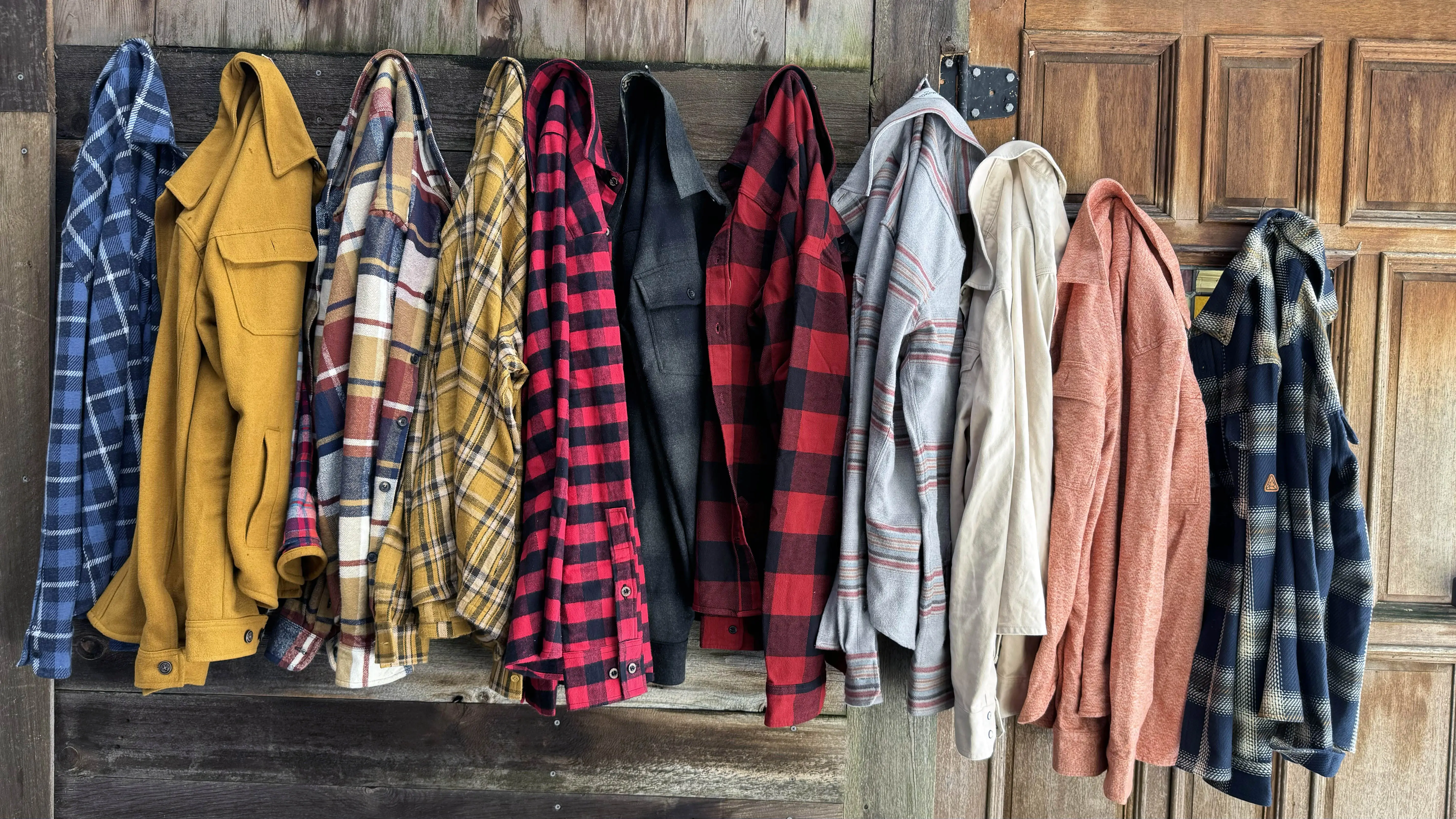
Quick Glance: Top 2026 Flannel Comparison
| Brand | GSM / Weight | Primary Material | Best For |
|---|---|---|---|
| MuskOx | 278 (Heavyweight) | BCI Cotton | Everyday Versatility |
| Freenote Cloth | 373 (Heavyweight) | Cotton | Rugged Chores |
| REI Co-op | 195 (Midweight) | Cotton/Polyester | Budget Layering |
| Iron Heart | 400+ (Heavyweight) | Aspero Cotton | Extreme Cold |
| Patagonia | 220 (Midweight) | Organic Cotton | Casual Comfort |
The Flannel Decoded: Understanding Fabric Weights and Warmth
If you have ever bought a flannel that felt more like a thin dress shirt than a cozy layer, you likely missed the fabric weight on the tag. In 2026, the industry has standardized the way we talk about thickness using GSM, or grams per square meter. This metric tells you exactly how much material is packed into the shirt.
The market for these garments is currently seeing a compound annual growth rate of 5.8% through 2033, and much of that growth is driven by consumers demanding more technical specificity. Lightweight flannels usually sit between 150-190 GSM. These are fantastic for a spring morning but won't do much against a November wind. Midweight options, ranging from 200-250 GSM, provide versatile fall comfort and are great for layering under a vest.
However, for those seeking true thermal insulation, heavyweight flannels over 250 GSM are the standard. These shirts use a tighter weave and often feature a double-brushed finish. Brushing is a process where mechanical wire brushes lift the fibers to create a "nap." This fuzzy texture isn't just for soft hand-feel; it actually creates thousands of tiny air pockets that trap body heat close to your skin.
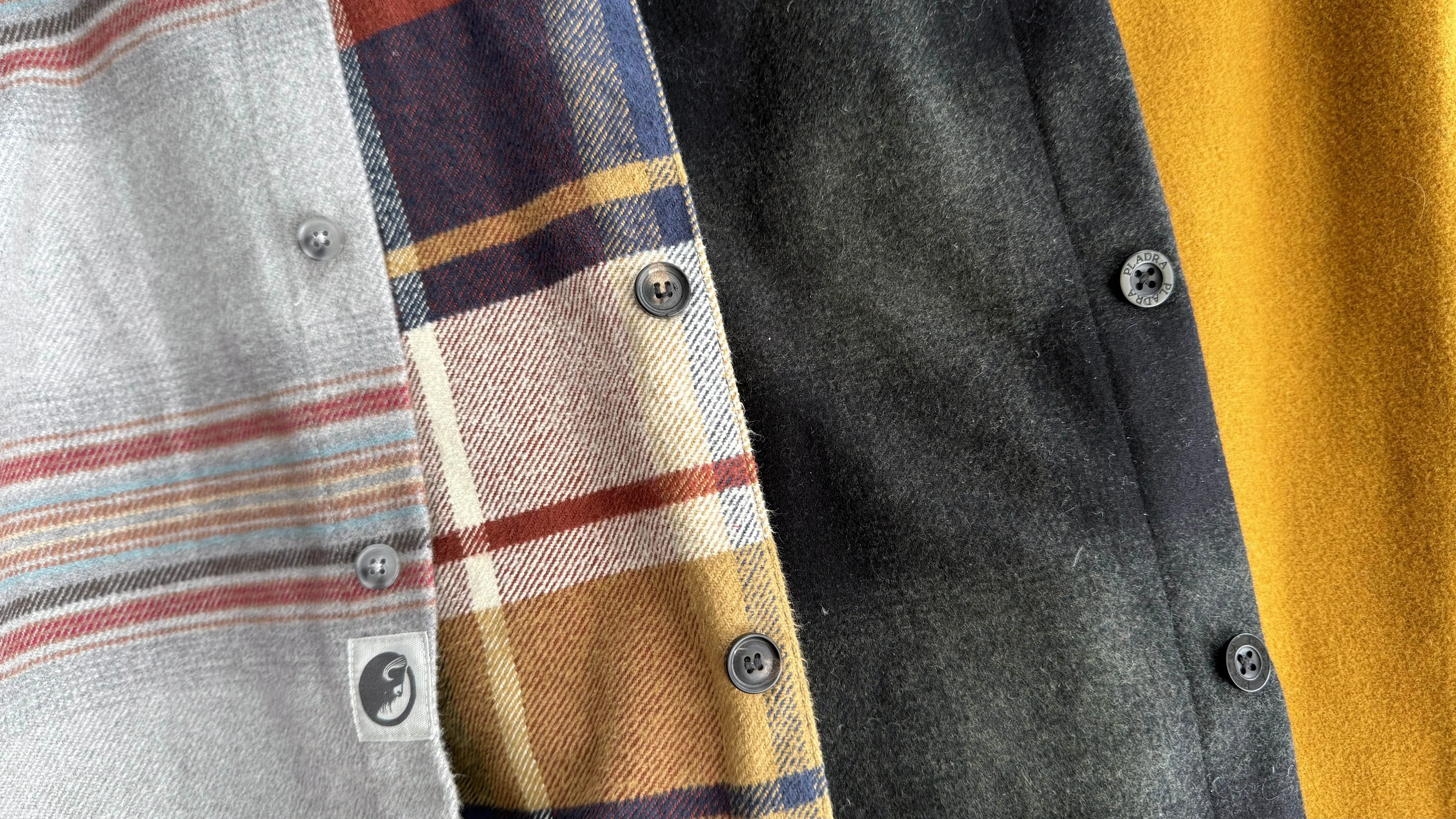
While cotton flannel is the most widely consumed material with a 58.3% market share, your choice of fiber matters. Best organic cotton flannel shirts for men provide a breathable, sustainable option that feels great against the skin. But if you are heading into damp conditions, consider heavyweight wool flannels or wool-blends. Wool is nature's performance fabric, retaining warmth even when it gets wet, making it an essential component for cold-weather layering.
Best for Rugged Outdoor Work: Heavyweight Champions
For those whose daily routine involves more than sitting behind a desk, durability is the only metric that matters. When I test durable flannel shirts for outdoor work, I look at the "hidden" engineering. A standard shirt uses simple overstitched seams that can pop under pressure. A work-ready flannel uses flat-felled construction, where the fabric edges are folded into each other and stitched down flat.
The MuskOx Grand Series is a standout in this category. At 278 GSM, it hits the sweet spot of being thick enough to block the wind but flexible enough for movement. They utilize BCI cotton, which ensures a more stable fiber that resists the usual pilling and thinning.
Spec Box: MuskOx Grand Series
- Fabric Weight: 278 GSM
- Material: 100% BCI Cotton
- Durability Features: Triple-stitched seams, reinforced elbow patches, hidden button-down collar.
- Fit: Relaxed but tailored for movement.
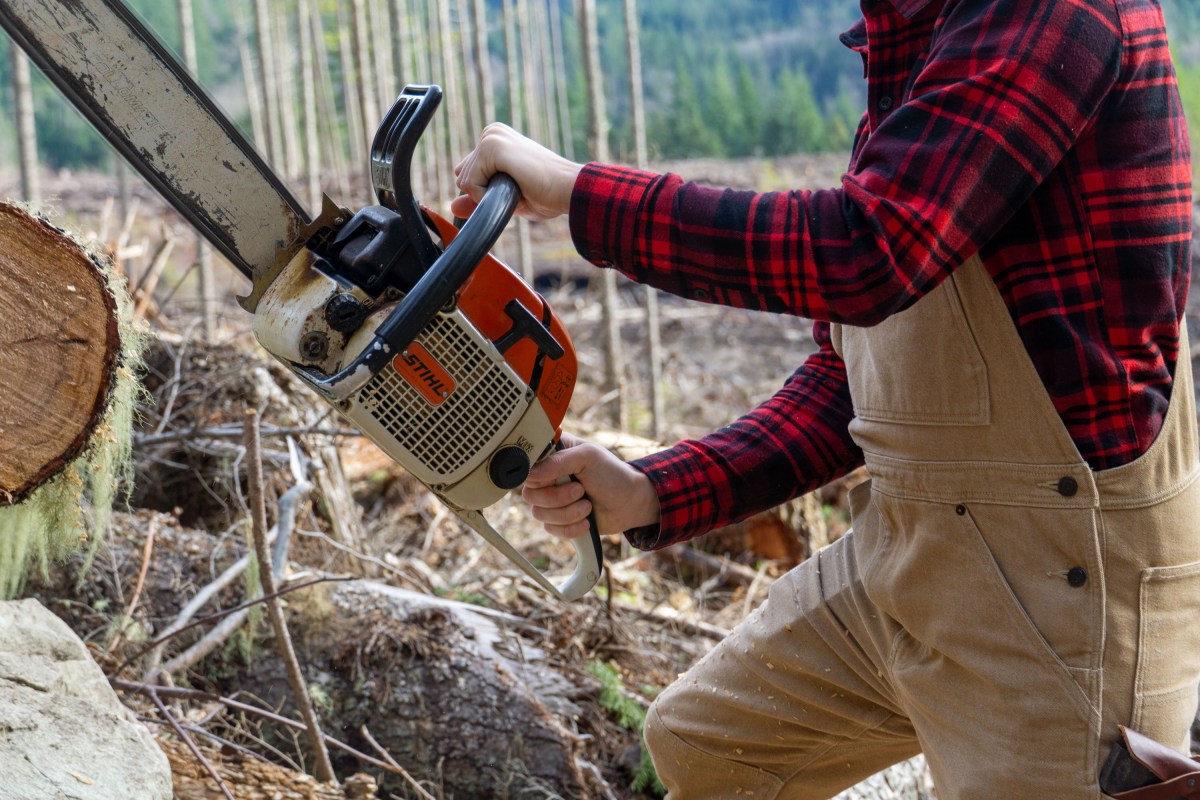
When the temperature drops into the negatives, you need heavyweight wool blend flannels for extreme cold. These often incorporate synthetic fibers like polyester to increase the "snag resistance" of the wool. If you are hauling wood or fixing a fence, you want a shirt with triple-stitched stress points, particularly at the shoulders and side seams. This construction prevents the fabric from tearing when you reach or pull, ensuring your investment lasts for years rather than one season.
Best Budget Men's Flannels with Quality Construction
You don't always need to drop $200 to get a great shirt. Data shows that mid-range shirts priced between $50 and $99 currently hold a 48.1% market share, while economy options under $50 make up roughly 22.4% of total sales. The key is finding that overlap where price meets performance.
The best budget men's flannels with quality construction usually come from outdoor retail giants like REI or L.L. Bean. Take the REI Co-op Campwell, for example. It manages to deliver a soft hand-feel through a double-brushed finish without sacrificing too much density.
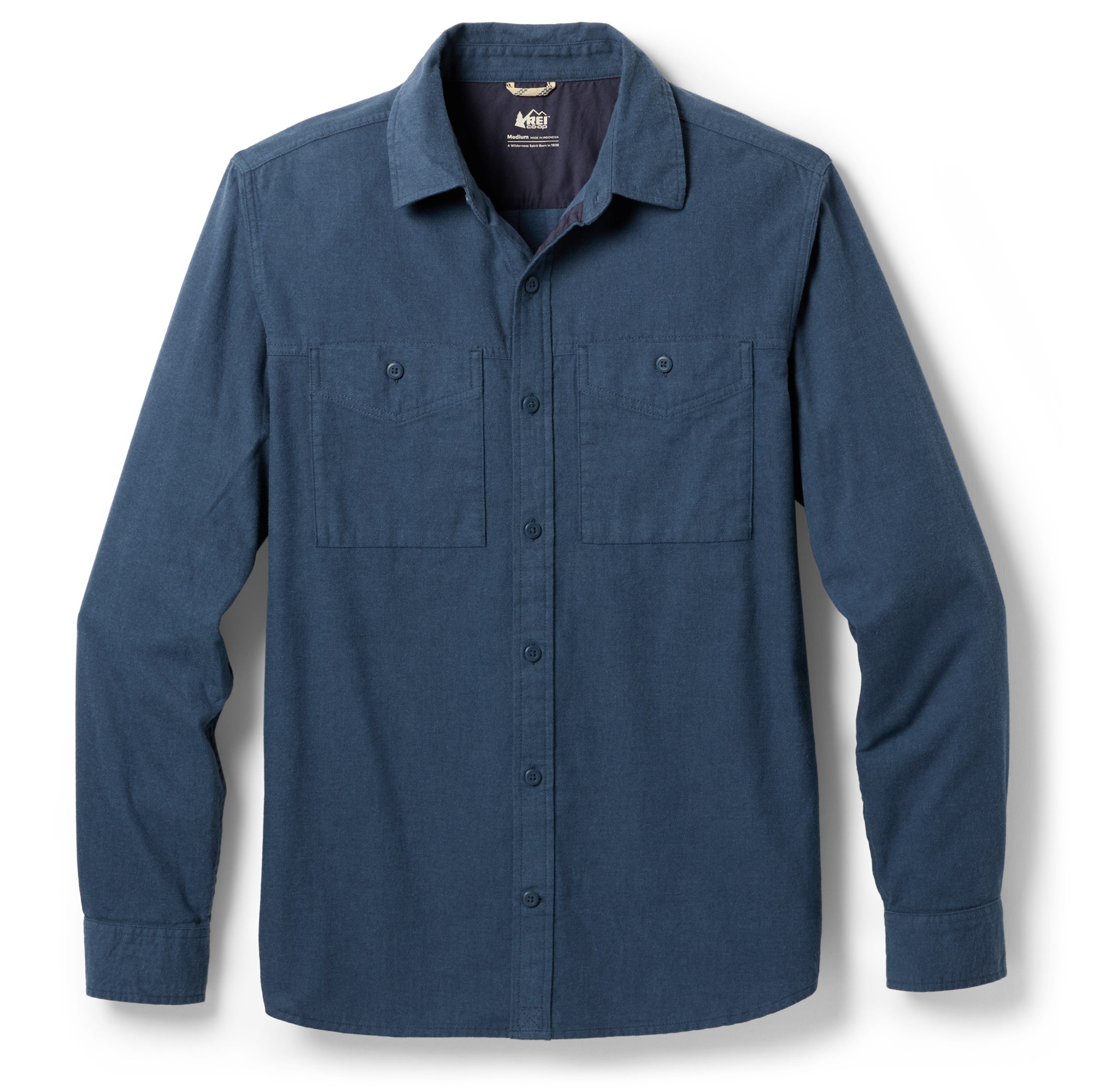
Spec Box: REI Co-op Campwell
- Fabric Weight: 195 GSM (Midweight)
- Material: Cotton / Polyester blend
- Key Benefit: Moisture-wicking properties and quick-drying capabilities.
- Price Point: Often found for $60 - $70.
When shopping in this tier, check the buttonholes. Cheap flannels often have loose threads around the buttons that will snag and unravel. Brands that invest in higher stitch counts around the openings are usually a safe bet for longevity.
The Heritage Pick: Premium Insulation and Craftsmanship
If the budget allows, entering the world of heritage flannels is like moving from a standard sedan to a custom-built truck. Brands like Iron Heart and Freenote Cloth don't just buy fabric from a warehouse; they custom-mill their own textiles on vintage shuttle looms.
The Iron Heart Ultra Heavy Flannel (UHF) is essentially a jacket in shirt form. It uses Aspero cotton—a wild cotton from Peru that is incredibly thick but naturally soft. Because the fabric is so dense, it offers levels of thermal insulation that rival most lightweight down jackets. These shirts are famous for their weight, often exceeding 400 GSM after the brushing process.
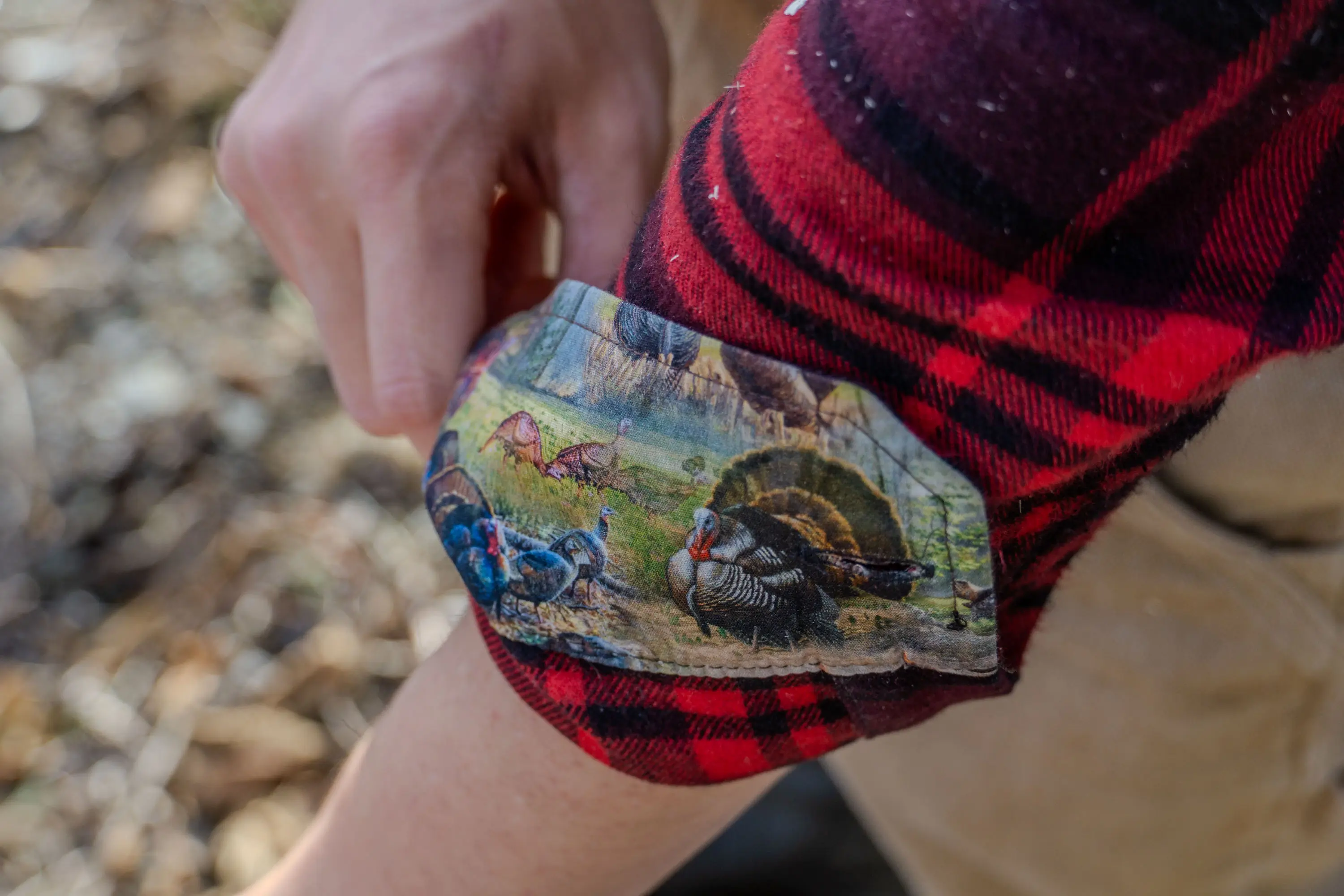
The craftsmanship here is evident in the alignment. In a high-end heritage piece, the plaid pattern will match perfectly across the pockets and the front placket. It’s an expensive, time-consuming process that results in a garment that looks as good as it performs. While these shirts are an investment, they are often built to be passed down to the next generation.
Maintenance: How to Prevent Shrinkage and Ensure Longevity
The death of many great flannels is the laundry room. Because many of the best men's flannels are made of 100% cotton, they are prone to significant shrinkage if treated poorly. Learning how to prevent shrinkage in cotton flannel shirts is the best way to protect your purchase.
Editor's Tip: Never put your 100% cotton flannels in a high-heat dryer. The heat causes the fibers to contract, and once they shrink, they rarely return to their original shape.
- Wash Cold: Use cold water on a gentle cycle. This preserves the color and prevents the fibers from tightening too much.
- Avoid Softeners: Liquid fabric softeners can actually "flatten" the nap of the flannel, reducing its ability to trap heat over time.
- Air Dry: Hang your shirts or lay them flat to dry. If you must use a dryer, use the "air fluff" or the lowest heat setting possible.
- Brush the Nap: After a few dozen washes, if the shirt starts to feel flat, you can gently use a soft garment brush to lift the fibers and restore that signature soft hand-feel.
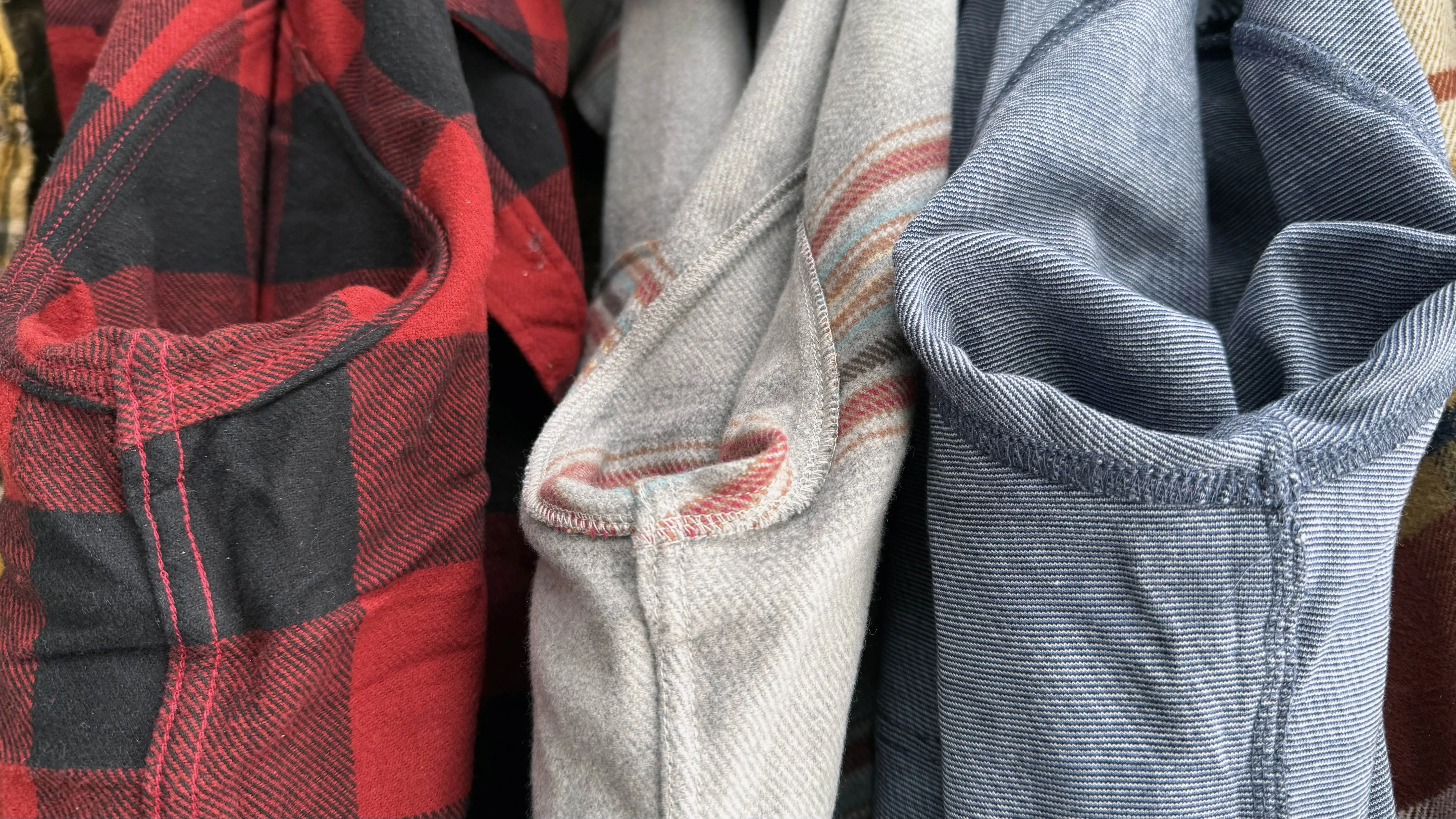
The difference in durability often comes down to the seams. Flat-felled construction is much more resistant to the agitation of a washing machine than standard seams. By choosing high-quality construction from the start, you ensure the shirt maintains its structure for years.
FAQ
How can you tell if a flannel shirt is high quality?
A high-quality flannel will feel substantial, not flimsy. Look for a high GSM fabric weight (200+) and technical details like triple-stitched seams and pattern matching. Check the inside of the shirt: if the seams are neatly folded and stitched down (flat-felled), it is built for durability.
What is the difference between a plaid shirt and a flannel shirt?
Plaid is the pattern (the crisscrossing horizontal and vertical bands), while flannel is the fabric itself. You can have a plaid shirt made of poplin or linen that isn't a flannel, and you can have a solid-colored flannel shirt. A true flannel must be a soft, woven fabric, typically brushed to create a fuzzy texture.
What is the best weight for a winter flannel shirt?
For true winter conditions, you should look for heavyweight flannels that are at least 250 GSM or higher. These provide the necessary thermal insulation to keep you warm in sub-freezing temperatures, especially when paired with a base layer.
How do you wash a flannel shirt so it does not shrink?
The gold standard is to wash your flannel in cold water and hang it to dry. If you must use a machine, choose the delicate cycle. Avoid using a hot dryer at all costs, as high heat is the primary cause of cotton fiber contraction and shrinkage.
Are expensive flannel shirts worth the price?
Yes, if you value longevity and warmth. Premium flannels use custom-milled fabrics and superior construction like flat-felled seams that won't unravel. While a $50 shirt might last a season or two, a $200 heritage flannel is designed to last a decade, ultimately offering a better "cost-per-wear" value.