Our Top Picks
- Best Overall for Support: Chaco Z/Cloud 2 – Exceptional arch support and a secure, customizable strap system for long-distance backpacking.
- Best for Minimalist Ground Feel: Bedrock Cairn Evo – High-traction Vibram outsole paired with a zero-drop platform for natural movement.
- Best for Water Protection: Keen Newport H2 – The legendary closed-toe bumper makes it the safest choice for rafting and rocky riverbeds.
- Best for Post-Trail Recovery: HOKA Ora Recovery Slide 3 – Maximalist cushioning and meta-rocker geometry to soothe fatigued muscles.
Choosing the best outdoor sandals depends heavily on your terrain and foot shape, but for 2026, the market has shifted toward high-performance hybrids that rival traditional hiking boots in traction. Whether you require the orthotic footbeds of a Chaco or the lightweight travel sandals with vibram outsoles found in Bedrock’s lineup, the current generation of gear offers unprecedented durability for every type of wilderness enthusiast.
| Model | Weight (per pair, size 9) | Lug Depth | Best For |
|---|---|---|---|
| Chaco Z/Cloud 2 | 29.8 oz | 3.5mm | Backpacking/Arch Support |
| Bedrock Cairn Evo | 15.6 oz | 4.5mm | Minimalist Trail Running/Hiking |
| Keen Newport H2 | 28.4 oz | 3.0mm | Water Sports/Amphibious Use |
| HOKA Ora Slide 3 | 15.6 oz | 2.0mm | Recovery/Camp Life |
| Xero H-Trail | 10.8 oz | 3.0mm | Ultra-Lightweight Travel |
| Teva Hurricane XLT2 | 20.4 oz | 3.0mm | All-Day Comfort/Light Trails |

The Evolution of Summer Gear: 2026 Market Trends
The landscape of mountain footwear has changed significantly over the last decade. As we move deeper into the 2026 season, the global outdoor footwear market is projected to reach a value of 54.9 billion USD in 2026, driven by a surge in outdoor participation and incredible advancements in durable tread technology. We are no longer seeing sandals as mere beachwear; they have become primary tools for thru-hiking gear.
This transformation is fueled by specialists and casual hikers alike. The global hiking sandals market is expected to expand at a compound annual growth rate of 6.1% from 2026 to 2034, which reflects a massive industry-wide shift toward performance-oriented footwear that combines lightweight comfort with trail-ready traction. Furthermore, consumer habits are shifting; according to recent surveys, 58% of active-lifestyle consumers between the ages of 18 and 45 now wear sandals year-round, up from 39% a decade prior. This data underscores the need for versatility—sandals must now handle snowmelt, volcanic rock, and city streets with equal aplomb.
Best for Rugged Hiking and Backpacking
When we talk about the best sandals for rugged hiking, we are looking for lateral stability, an aggressive outsole, and a strap system that becomes an extension of the foot. We tested dozens of pairs on the granite trails of the Sierra Nevada to find the models that could handle a 30-pound pack without causing hot spots.
Chaco Z/Cloud 2
The Chaco Z/Cloud 2 remains the titan of the industry. Its hallmark is the LUVSEAT PU midsole, which provides orthotic footbeds that are certified by podiatrists. Unlike soft foam that compresses over time, this polyurethane remains firm, offering the shock absorption needed for high-mileage days. The Z/Cloud 2 features an additional 5mm of top-sheet cushioning compared to the Classic model, making it more forgiving on long descents.
- Weight: 29.8 oz
- Lug Depth: 3.5mm (ChacoGrip)
- MSRP: $100
Pros
- Superior arch support for heavy backpacking
- Highly durable tread that lasts for years
- The toe loop provides incredible stability on uneven terrain
Cons
- Heavier than most competitors
- Long break-in period for the straps
Bedrock Cairn Evo
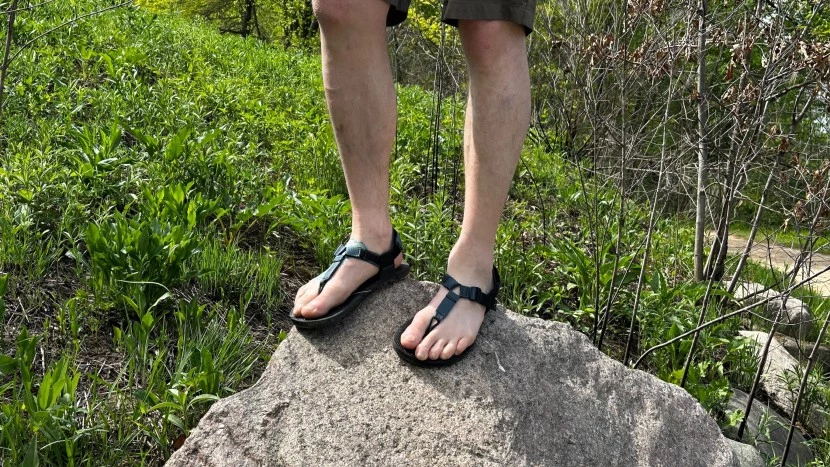
If the Chaco is a tank, the Bedrock Cairn Evo is a mountain bike. It is widely considered one of the best outdoor sandals for rugged hiking for those who prefer the minimalist philosophy. Featuring the Vibram XS Trek EVO outsoles, these sandals offer exceptional granite traction and flexibility. The unique three-point strap system is intuitive and keeps the foot locked in place during vertical scrambles.
Pros
- Excellent ground feel for technical trails
- Vibram outsole provides top-tier grip on wet rock
- Highly adjustable for different foot volumes
Cons
- Minimalist design offers less protection against stubbing toes
- Zero-drop platform may be tiring for those used to heel lifts
Top Picks for Water Sports and Amphibious Trails
Amphibious footwear needs to do two things well: drain water quickly and protect the foot from underwater obstacles. For enthusiasts involved in whitewater rafting or kayaking, the search for the best closed toe sandals for water sports protection usually begins and ends with brands that prioritize toe bumpers.
Keen Newport H2
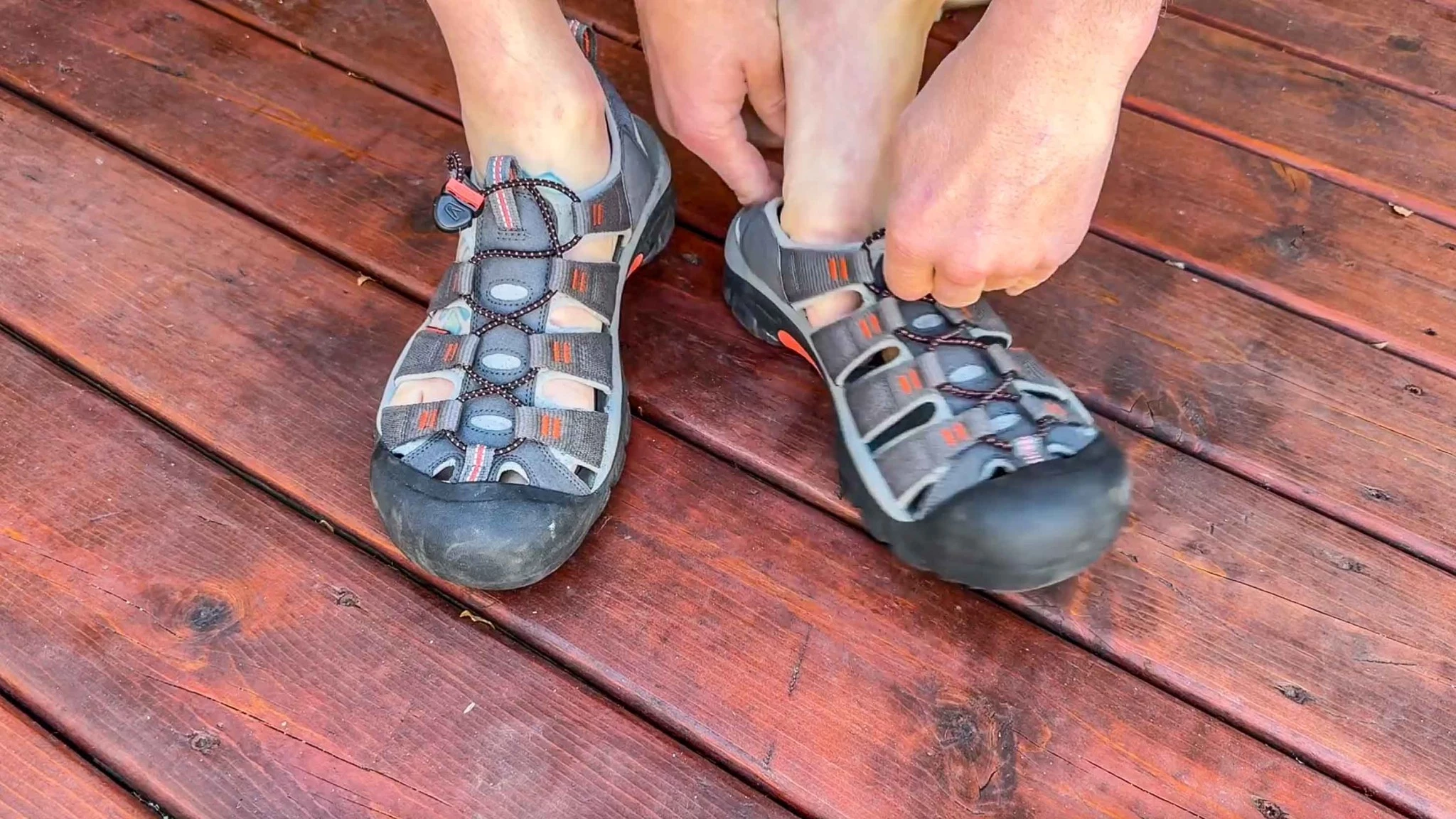
The Keen Newport H2 is the gold standard for river environments. Its signature closed-toe rubber bumper protects against impacts during river rafting or kayaking, while the moisture-wicking materials and secure bungee lacing ensure comfort even when fully submerged. In our testing, the multi-directional lug pattern with razor siping provided the best grip on slippery, moss-covered rocks in riverbeds.
Pros
- Unrivaled protection for toes and the side of the foot
- Quick-dry materials prevent heavy waterlogging
- Bungee cord system is easy to adjust with cold or wet hands
Cons
- Can trap small pebbles and silt inside the footbed
- Bulkier profile makes them less suitable for lightweight packing
Astral PFD (Physiological Footwear Design)
The Astral PFD is a sleeper hit for 2026. Built by a brand synonymous with life jackets, this sandal uses a high-friction G.ss Rubber outsole that literally "sticks" to wet surfaces. The low-profile design and anatomical shaping make it feel more like a performance shoe than a sandal.
Pros
- Exceptional "sticky" rubber for river guide-level performance
- Level footbed promotes a natural stance
- Vegan and constructed with recycled materials
Cons
- Less cushioning for long forest approach hikes
- Strap system can be finicky to set initially
Best Minimalist Hiking Sandals for Ground Feel
Minimalism isn't just a trend; for many, it's a way to reclaim a natural gait and strengthen the feet. The best outdoor sandals in this category prioritize a zero-drop platform and a thin, flexible sole that allows the foot to contour over the trail.
Xero H-Trail
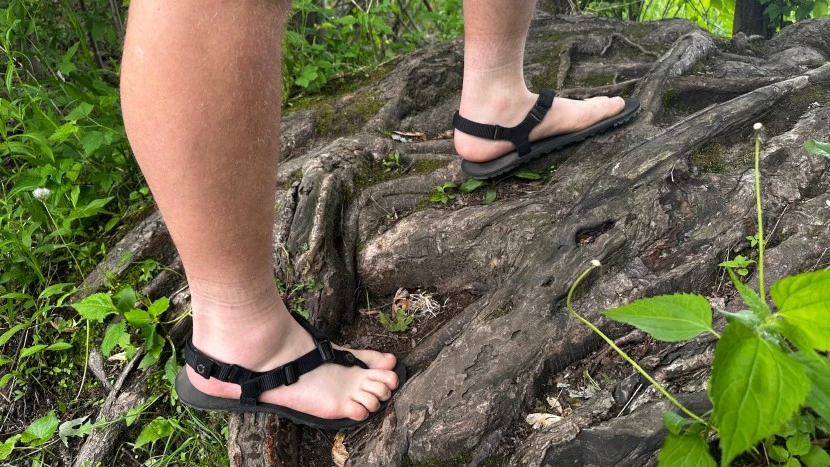
The Xero H-Trail is remarkably lightweight, making it an ideal choice for durable minimalist hiking sandals for ground feel. It uses a FeelTrue rubber sole with dual-chevron lugs that provide surprising traction without the weight of a traditional hiker. It is thin enough to roll up and stick in a pocket but durable enough for all-day trailheads.
Pros
- Extremely lightweight and packable for travel
- Zero-drop design encourages natural biomechanics
- 5,000-mile sole warranty provides long-term value
Cons
- Very little protection against sharp rocks
- Strap tension must be precise to avoid "flopping"
Luna Sandals Mono Winged Edition
Born from the "Born to Run" movement, Luna Sandals continues to innovate with the Mono Winged Edition. The "wings" provide a more traditional sandal feel with the security needed for mountain running. The Vibram Morflex sole is exceptionally light and molds to your foot over time.
Pros
- Versatile enough for both trail running and casual wear
- The "wings" eliminate the need for a heel strap buckle
- Molds to the user's foot shape after a few weeks
Cons
- The between-the-toe post can be uncomfortable for some
- Morflex rubber wears down faster than denser Vibram compounds
Best Recovery Slides for Runners and After-Trail Comfort
After logging 20 miles on a technical trail, the first thing most hikers want to do is peel off their boots. Recovery slides are engineered to reduce stress on the joints and promote blood flow. These are the most comfortable trail recovery slides for runners available this year.
HOKA Ora Recovery Slide 3
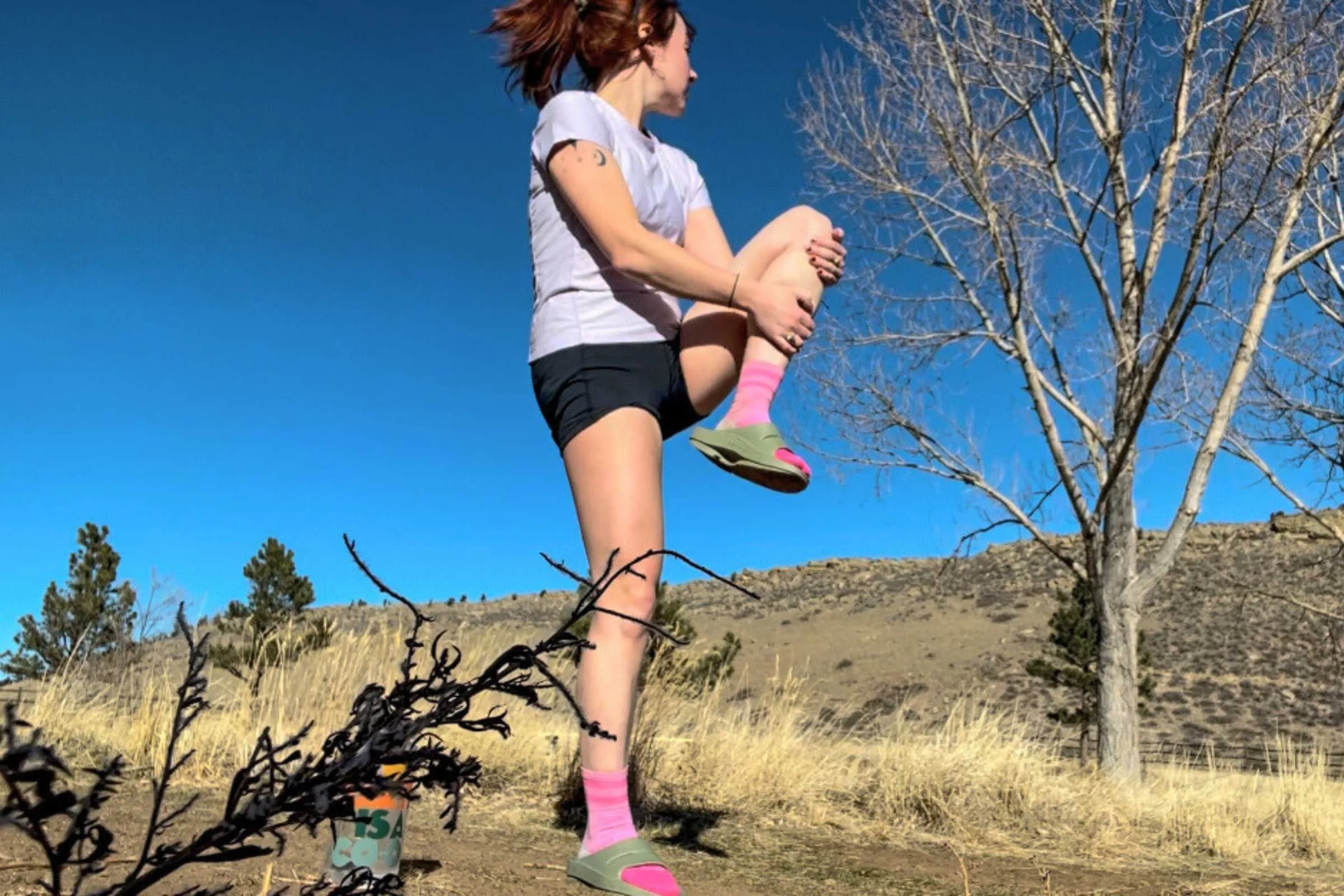
The HOKA Ora Recovery Slide 3 is the leading selection for post-activity relief. It features an anatomical footbed and a plush meta-rocker sole designed to reduce foot fatigue and joint stress. The dual-density construction provides a soft top layer for immediate comfort and a more resilient bottom layer for durability.
Pros
- Unmatched shock absorption for sore feet
- Rocker geometry helps maintain a natural stride even when tired
- Vented channels for maximum breathability
Cons
- Not intended for actual hiking or technical terrain
- Large footprint takes up significant space in a pack
Oofos Sport Slide
Utilizing OOfoam technology, which absorbs 37% more impact than traditional footwear materials, Oofos is a favorite for those dealing with plantar fasciitis. The cradle-like fit and anatomical shaping offer immediate relief to tired arches.
Pros
- Proprietary foam provides a "walking on clouds" sensation
- Machine washable and moisture resistant
- Provides affordable outdoor sandals with good arch support for camp use
Cons
- Foam can feel a bit "squishy" or unstable on sloped ground
- Sizing can be inconsistent; many users recommend sizing down
Buying Guide: How to Choose the Right Pair
Selecting the right pair of sandals isn't just about the brand; it’s about matching the footwear to your specific physiological needs and the environment you plan to explore.
Traction and Lug Depth
If you are sticking to forest paths, a 2.0mm to 3.0mm lug depth is sufficient. However, for those tackling wet granite or scree, look for at least 4.0mm to 4.5mm lugs. The material matters too—Vibram remains the industry leader for a reason, offering consistent grip across temperature fluctuations.
Footbed Molding and Arch Support
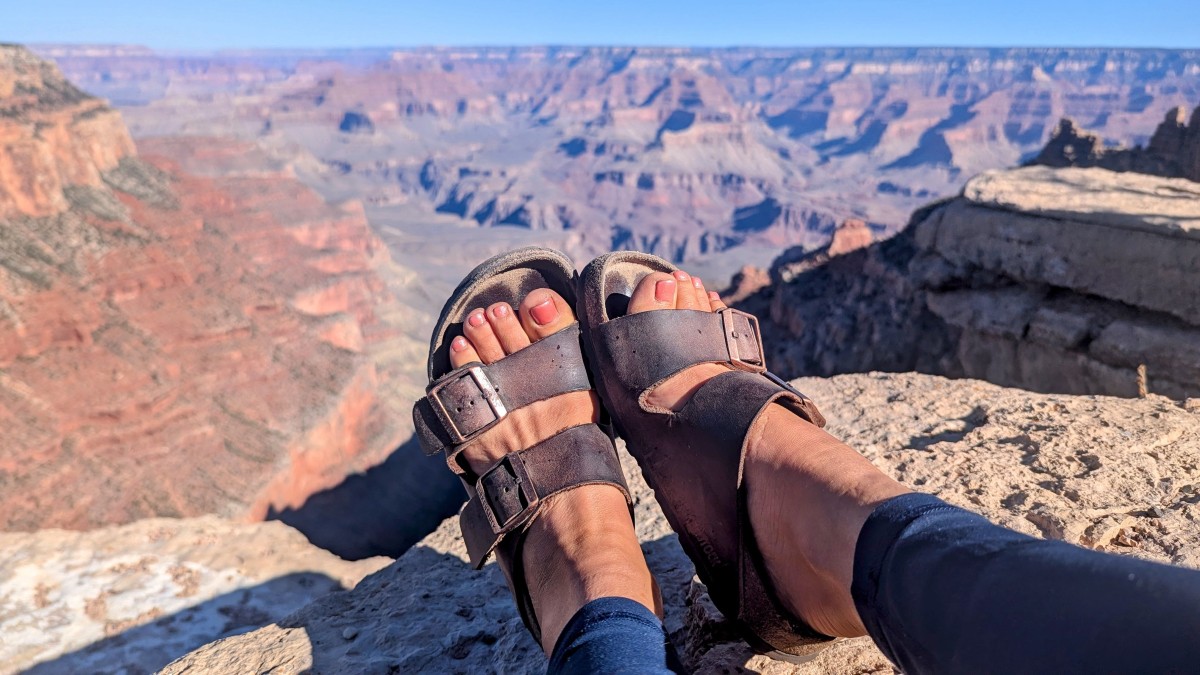
Some sandals, like the Birkenstock Arizona, utilize a moldable cork footbed that provides excellent orthotic support and a customized fit as it adapts to the foot shape over time. This is ideal for dry, casual settings but lacks the quick-dry performance needed for mountain streams. For wet environments, search for PU (polyurethane) footbeds which offer permanent arch support that won't compress or hold water.
Resoleability and Longevity
In an era of sustainability, look for brands that offer repair programs. Programs like ReChaco or Bedrock’s ReSoul service allow you to replace the outsole while keeping the broken-in straps and footbed. This not only saves you money in the long run but also reduces the environmental impact of your gear.
FAQ
What features should I look for in outdoor sandals?
Key features include a secure strap system that prevents foot slippage, a high-traction outsole like Vibram or ChacoGrip, and a toe bumper if you plan on navigating rocky water. Additionally, consider the weight and whether you prefer an anatomical footbed for support or a zero-drop platform for a more natural feel.
Are sandals better than hiking boots for summer treks?
It depends on the terrain and your pack weight. Sandals offer superior breathability and are much lighter, which can reduce overall fatigue. However, they provide less ankle stability and protection against trail debris. For well-maintained trails and light packs, sandals are often a superior choice in hot weather.
Can outdoor sandals be used for water activities?
Yes, many are specifically designed for amphibious use. Look for models with hydrophobic or quick-dry materials and a non-marking, siped outsole to ensure grip on wet surfaces. Closed-toe designs are highly recommended for whitewater rafting to prevent toe injuries.
How should a hiking sandal fit?
A hiking sandal should have a snug fit where the foot does not slide around the footbed, but it shouldn't be so tight that it restricts circulation or causes chafing. Your toes should not hang over the front edge, and your heel should sit securely in the heel cup. Always account for foot swelling, which naturally occurs during long hikes.
Do outdoor sandals provide enough arch support?
Many modern designs provide exceptional arch support. Brands like Chaco and Birkenstock are famous for their podiatrist-approved footbeds. However, minimalist brands like Xero or Bedrock offer much less support by design, focusing instead on allowing the foot to move naturally. Choose based on your personal comfort history and arch height.