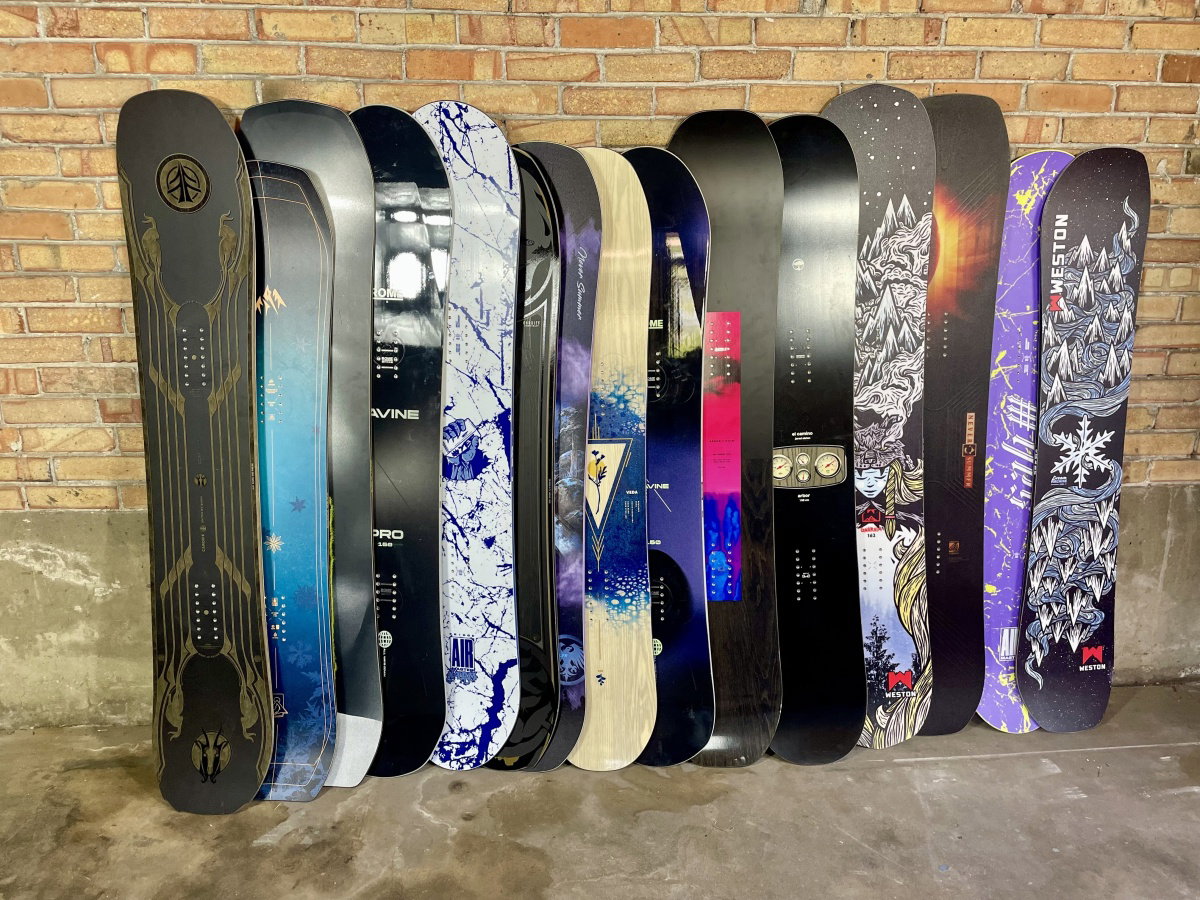
Our Top Picks
- Best Overall (Men's): Cardiff Goat Pro Carbon – Exceptional stability and carbon-infused response for high-speed charging.
- Best for Powder (Women's): Rome Women's Ravine Pro – Superior float and a directional shape tailored for deep snow.
- Best All-Around Versatility: Arbor El Camino – A balanced hybrid profile that masters everything from groomers to sidecountry.
- Best for Technical Carving: Jones Howler – Unmatched edge hold and precision for those who live on their rails.
The best snowboards for 2026 include the Cardiff Goat Pro Carbon for men's all-mountain performance and the Rome Women's Ravine Pro for superior float in powder. For carving enthusiasts, the Jones Howler and Cardiff Lynx provide exceptional edge hold on firm snow. Riders seeking versatility across the whole mountain may find the Arbor El Camino to be an ideal all-around performer due to its balanced hybrid profile and responsive wood core.
Expert Testing Methodology: How We Reviewed the 2026 Fleet
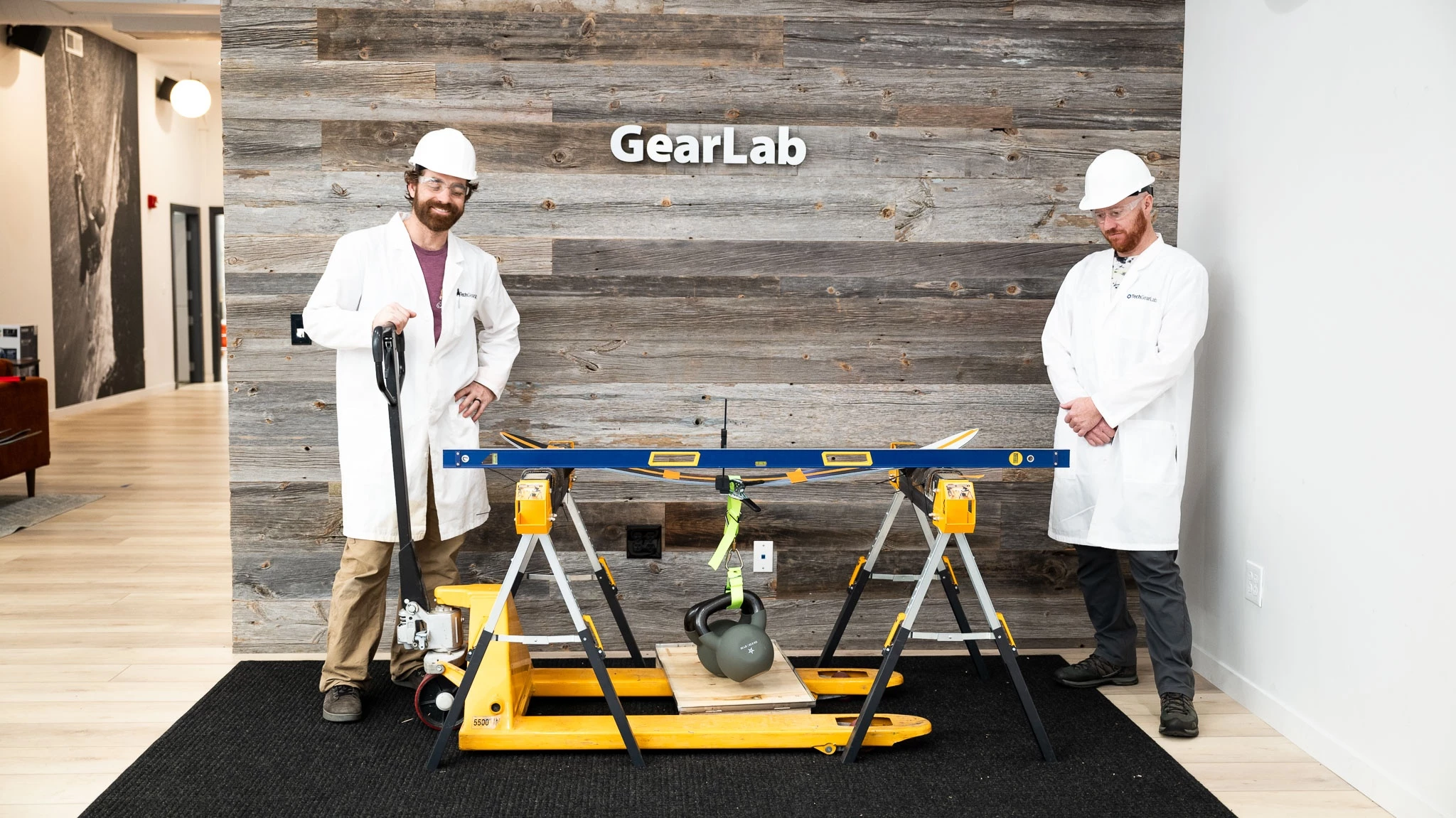
Selecting the top rated all mountain snowboards requires more than just reading a spec sheet. This year, our testing team pushed over 80 different boards to their absolute limits. We spent the early season at Kirkwood, navigating technical chutes and variable spring-like conditions, before heading to the Italian Dolomites to test edge hold on bulletproof morning corduroy and stability during high speed descents.
Our team consists of former competitive riders, backcountry guides, and gear nerds who understand that a board’s performance is a mix of quantitative data and qualitative feel. We use a weighted scoring system that evaluates boards on four critical pillars: pop and energy (jumps), torsional stiffness (carving), maneuverability (switch), and buoyancy (powder). We also prioritized vibration dampening to see how well these decks handled the dreaded late-afternoon chatter on tracked-out runs.
Finding the most stable snowboards for high speed resort riding is increasingly important as the global skiing and snowboarding industry is estimated to reach a valuation of approximately $28.8 billion in 2026. With more people on the hill—US participation is projected to hit 7.8 million active riders this season—having a board that provides confidence in crowded or variable conditions is paramount.
Anatomy of a 2026 Snowboard: Materials and Tech
The engineering behind the best snowboards has reached a fever pitch. In 2026, we are seeing a mass adoption of sustainable yet high-performance materials. The paulownia wood core has become the industry standard for its incredible strength-to-weight ratio, often reinforced with bamboo or poplar. To add that necessary snap without the bulk, manufacturers are strategically placing carbon stringers from the inserts to the tips, increasing energy return when you load up into a turn.
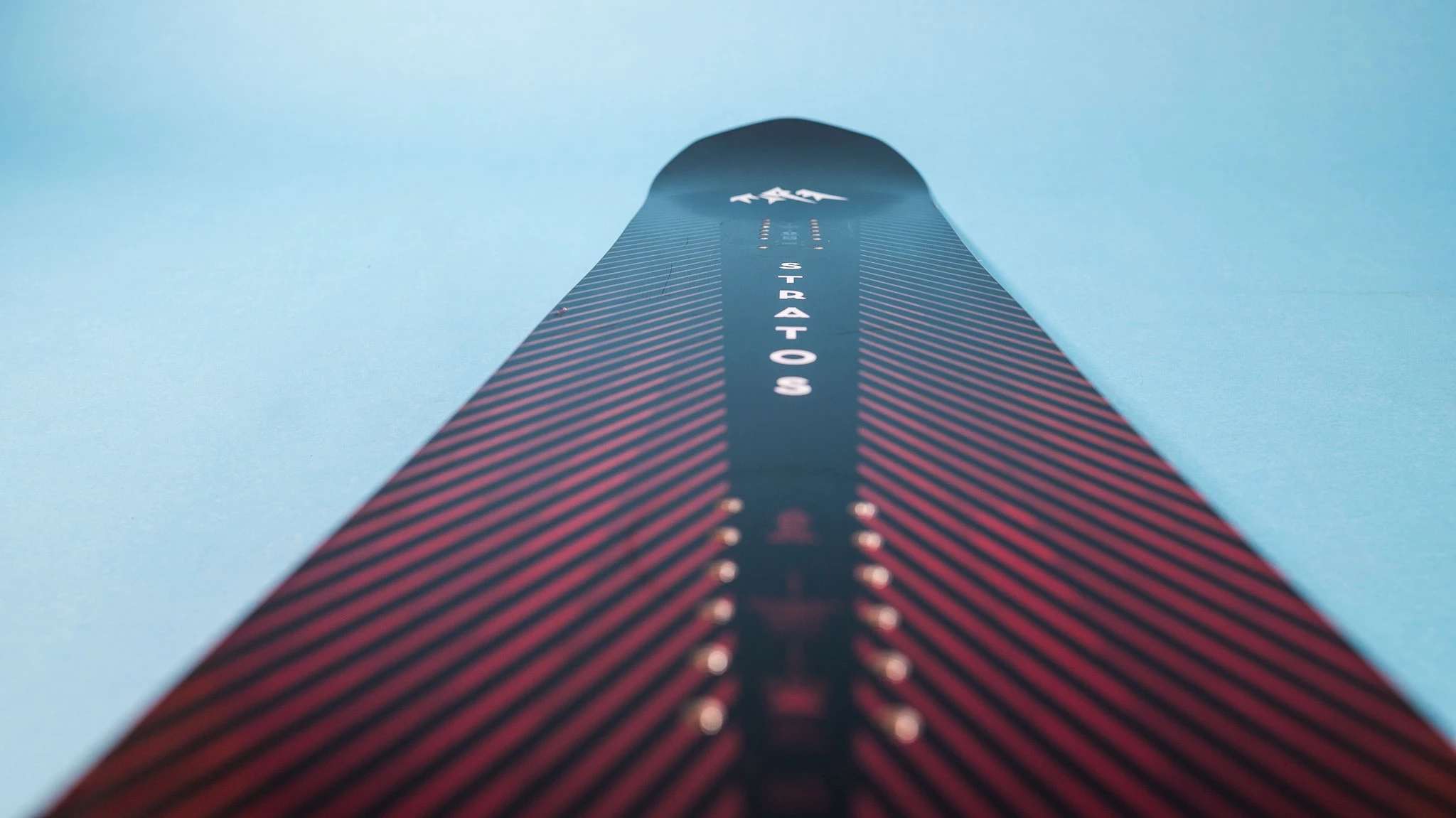
A core part of our snowboard flex and profile guide involves understanding the base and sidecut. A sintered base is now expected on high-end models, offering superior wax absorption and speed compared to cheaper extruded versions. We also look closely at the sidecut radius; a shorter radius allows for quick, nimble turns in trees, while a longer radius provides the stability needed for wide-open bowls.
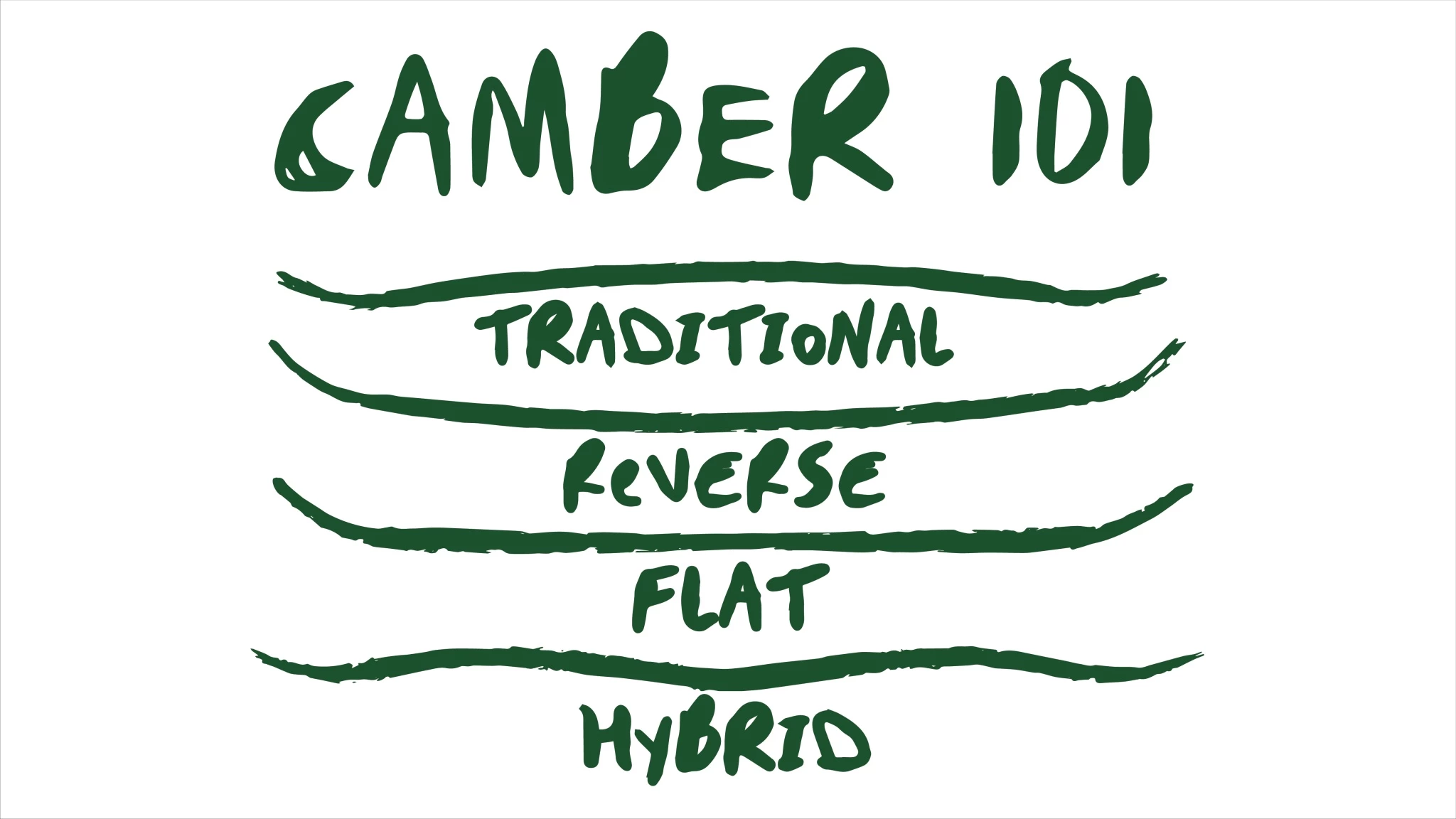
Understanding the snowboard camber vs rocker vs hybrid guide is essential for any buyer. Traditional camber remains the king of pop and effective edge, but the 2026 market is dominated by hybrids. These designs typically feature camber underfoot for grip and rocker at the tips for forgiveness and float.
Smart Rating Table: 2026 Top Performers
| Board Name | Category | Hardpack Grip | Powder Float | Flex Rating |
|---|---|---|---|---|
| Cardiff Goat Pro Carbon | All-Mountain | 10/10 | 8/10 | 8/10 |
| Rome Ravine Pro | Powder/Freeride | 7/10 | 10/10 | 6/10 |
| Arbor El Camino | All-Mountain | 8/10 | 8/10 | 6/10 |
| Jones Howler | Carving | 10/10 | 6/10 | 9/10 |
| Capita D.O.A. | Freestyle | 7/10 | 5/10 | 5/10 |
The 10 Best Snowboards of 2026: The Full List
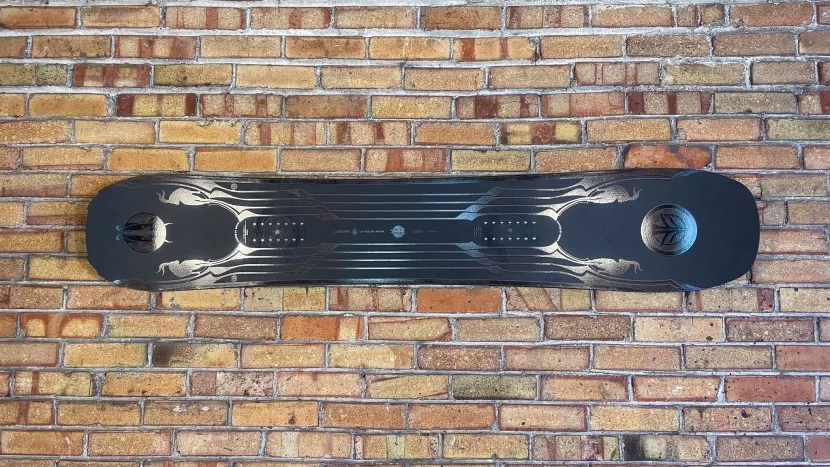
Cardiff Goat Pro Carbon
The Cardiff Goat Pro Carbon is built for the rider who treats the entire mountain like a playground but demands the precision of a scalpel. It is remarkably damp, meaning it absorbs the micro-vibrations that usually lead to leg fatigue.
- Who it’s for: Hard-charging freeriders and those who want the best all mountain snowboards for men 2026.
- At a Glance:
- Flex: 8/10 (Stiff)
- Shape: Directional
- Profile: Camber with early-rise rocker
- Price: $950
- Pros: Incredible edge hold; very lightweight.
- Cons: Requires high speed to truly wake up; premium price point.
Rome Women's Ravine Pro
Specially designed as the top rated womens snowboards for powder days, the Ravine Pro uses a 3D-shaped nose that acts like the hull of a boat. It pushes snow aside to keep you on top of the deep stuff with minimal back-leg effort.
- Who it’s for: Adventure-seeking women who prioritize off-piste exploration and deep days.
- At a Glance:
- Flex: 6/10 (Medium-Stiff)
- Shape: Tapered Directional
- Profile: Hybrid (Camber with rockered nose)
- Price: $620
- Pros: Effortless float; nimble in tight trees.
- Cons: Not the strongest performer for technical switch riding.

Arbor El Camino
The Arbor El Camino is the definition of versatility. It utilizes a system camber profile that provides a clean, locked-in feel on groomers while maintaining enough playfulness for the park.
- Who it’s for: The one-board-quiver seeker who wants to do it all.
- At a Glance:
- Flex: 6/10 (Medium)
- Shape: Directional Twin
- Profile: Parabolic Camber
- Price: $580
- Pros: Great value; sustainable wood construction.
- Cons: Can feel slightly catchy for absolute beginners.
Jones Howler
If you are looking for the best snowboards for carving and edge hold, the Jones Howler is a masterclass in engineering. Its aggressive sidecut and stiff tail allow you to lay down deep trenches on the firmest snow.
- Who it’s for: Carving specialists and high-speed resort riders.
- At a Glance:
- Flex: 9/10 (Stiff)
- Shape: Directional
- Profile: Traditional Camber
- Price: $700
- Pros: Unsurpassed stability; incredible energy return.
- Cons: Punishing if you make a mistake; not for slow speeds.
Capita Defenders of Awesome (D.O.A)
Long recognized as one of the best freestyle snowboards for park and jumps, the 2026 D.O.A. continues to dominate with its lightweight construction and predictable pop.
- Who it’s for: Park rats and freestyle enthusiasts.
- At a Glance:
- Flex: 5/10 (Medium)
- Shape: True Twin
- Profile: Resort V1 (Camber/Flat/Rocker)
- Price: $550
- Pros: Perfectly balanced for rails and jumps; very durable.
- Cons: Chatters at extremely high speeds on ice.
Cardiff Lynx
The Lynx is Cardiff's answer to those who want the performance of the Goat but in a slightly more manageable package. It excels on firm snow while providing enough lift for those unexpected powder pockets.
- Who it’s for: Experienced riders who want a slightly more forgiving freeride board.
- At a Glance:
- Flex: 7/10 (Medium-Stiff)
- Shape: Directional
- Profile: Camber
- Price: $800
- Pros: Smooth turn initiation; premium base material.
- Cons: Sits in a high price bracket.
Lib Tech T.Rice Orca
A modern classic, the Orca remains a top-tier choice for its volume-shifted design, allowing you to ride a shorter board with the same surface area, making it incredibly maneuverable in steep terrain.
- Who it’s for: Backcountry enthusiasts and treed riders.
- At a Glance:
- Flex: 7/10 (Medium-Stiff)
- Shape: Directional
- Profile: C2x (Rocker between feet, Camber at tips)
- Price: $670
- Pros: Exceptional float; great edge hold on ice thanks to serrated edges.
- Cons: The rocker-heavy profile isn't for everyone.
Never Summer Proto Synthesis
As a directional twin with a mid-flex, this board is built for the rider who wants a high-end feel in every condition, from ice to slush.
- Who it’s for: All-mountain riders who switch between park and peaks throughout the day.
- At a Glance:
- Flex: 6/10 (Medium)
- Shape: Twin
- Profile: Shockwave Rocker Camber
- Price: $640
- Pros: Bulletproof construction; very dampen ride.
- Cons: Some riders prefer a more traditional camber feel.
Burton Custom
The Custom has been in the lineup for decades for a reason. The 2026 version stays true to its roots as a reliable, high-performance all-mountain deck that won't let you down.
- Who it’s for: Everyone from intermediates to pros.
- At a Glance:
- Flex: 7/10 (Medium-Stiff)
- Shape: Directional
- Profile: PurePop Camber
- Price: $660
- Pros: Iconic feel; very predictable.
- Cons: Use of the Channel system requires specific bindings.
Jones Solution
For those moving away from the lifts, the Solution remains one of the most high performance splitboards for backcountry touring available. It transitions seamlessly from the skin track to the descent.
- Who it’s for: Serious backcountry splitboarders.
- At a Glance:
- Flex: 8/10 (Stiff)
- Shape: Directional
- Profile: Directional Rocker
- Price: $950
- Pros: Lightweight for the ascent; provides massive confidence on the way down.
- Cons: Expensive once you add skins and split bindings.
Buying Guide: Choosing the Right Snowboard Size and Flex
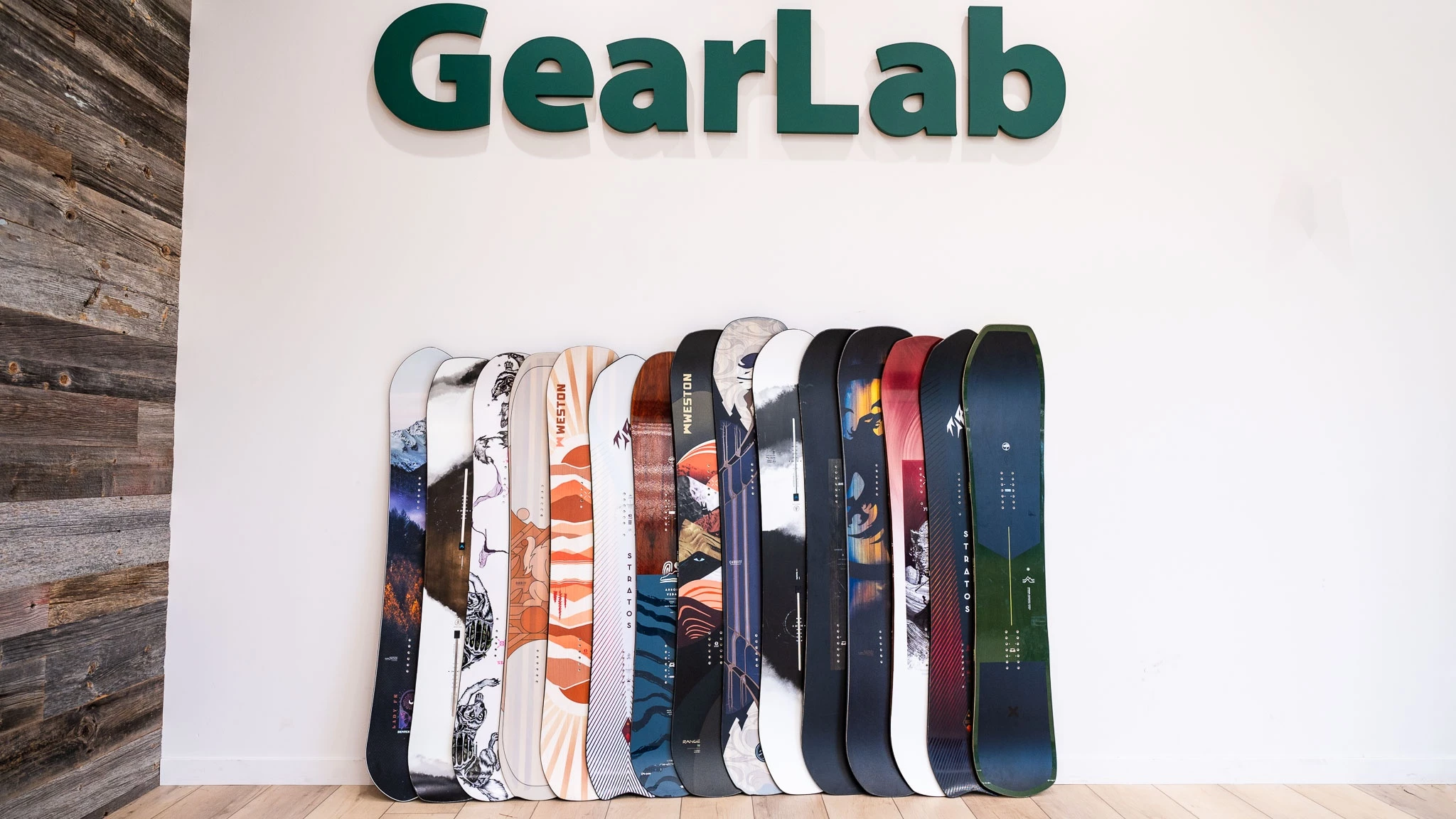
Finding the perfect board is a balance of physics and personal style. When choosing the right snowboard size, the old "to the chin" rule of thumb is a starting point, but your weight is actually the most important factor. Boards are engineered to flex under a specific weight range. If you are too light for a board, you won't be able to engage the edge; too heavy, and it will feel sluggish and unstable.
Snowboard Sizing Chart (General Guidelines)
| Rider Weight (lbs) | Recommended Length (cm) | Focus |
|---|---|---|
| 110 - 150 | 144 - 152 | Maneuverability |
| 150 - 180 | 153 - 159 | All-Mountain Balance |
| 180 - 210 | 160 - 165 | Stability at Speed |
| 210+ | 165+ / Wide | Surface Area & Support |
When learning how to choose snowboard length and width, don't overlook your boot size. If you wear a US Men's 10.5 or larger, a wide version of the board is often necessary to prevent toe and heel drag during deep carves.
Our snowboard flex rating guide for ability levels suggests that beginners should look for a softer flex (1-4) because it is easier to manipulate at low speeds. Intermediate to advanced riders usually prefer a medium to stiff flex (5-10) for the stability and edge hold required for steep terrain. Torsional stiffness—how much the board twists—is also vital for quick edge-to-edge transitions in tight spots.

Final selection based on riding style and terrain should be your guiding light. If you spend 90% of your time on groomers, prioritize camber. If you live for the storm days, look for a rockered nose and a stance setback to keep that tail buried and the nose high. With the global snowboarding equipment market projected to be valued at $4.35 billion in 2026, there has never been more variety or better technology available to the consumer.
FAQ
How do I choose the right snowboard for my skill level?
Consider your ability to control your edges and your preferred speed. Beginners benefit from softer, rockered boards that are more forgiving and less likely to catch an edge. Intermediate riders should look for medium-flex hybrids that allow for progression, while advanced riders typically require stiffer, cambered boards for precision and stability on technical terrain.
What are the best snowboards for beginners?
The best boards for beginners usually feature an extruded base for low maintenance and a soft flex for easy turning. Models like the Arbor Formula or the Burton Ripcord are excellent choices as they often feature a flat-to-rocker profile that provides stability without being overly aggressive.
How do I know what size snowboard I need?
Your weight is the primary metric, followed by your height and boot size. Check the manufacturer's size chart to ensure your weight falls within the recommended range for a specific length. If your boots are size US 11 or larger, ensure you are looking at wide models to avoid your toes or heels hitting the snow during a turn.
What is the difference between all-mountain and freestyle snowboards?
All-mountain boards are designed to handle everything on the mountain, from ice and groomers to powder and trees, often featuring a directional shape. Freestyle snowboards are typically true twins (symmetrical), designed for the terrain park, jumps, and rails, prioritizing a balanced feel for riding both forward and switch.
When is the best time of year to buy a snowboard?
The best deals are usually found during the end-of-season sales in March and April, or during the late summer "tent sales" in August. However, if you are looking for the latest 2026 technology or specific limited-edition graphics, buying in early autumn ensures the best selection of sizes before the peak season rush.
Are more expensive snowboards worth the investment?
Higher-priced snowboards usually feature advanced materials like carbon fiber, high-grade wood cores, and faster sintered bases. These materials provide better vibration dampening, more pop, and a longer lifespan. For a frequent rider, the investment in a high-quality deck often translates to less leg fatigue and a more responsive ride over several seasons.