Our Top Picks
- Best Ski Socks Overall: Smartwool Ski Targeted Cushion – The perfect balance of protection and boot feel.
- Most Durable: Darn Tough Mountaineering – Unmatched longevity backed by a lifetime warranty.
- Best Value: REI Co-op Powderbound – Reliable performance at an entry-level price point.
- Best Performance Thin: Dissent GFX Compression Hybrid – The professional choice for low-volume boots and precision.
- Best for Cold Feet: Smartwool Ski Full Cushion – Maximized loft and merino wool for extreme temperatures.
Our testing identifies the Smartwool Ski Targeted Cushion as the best ski socks overall for most skiers, while the Darn Tough Mountaineering socks offer the best durable merino wool ski socks with a lifetime warranty. For performance fits, thin ski socks like the Dissent GFX are unmatched because they prioritize circulation over bulk.
| Product | Price (USD) | Primary Material | Warranty | Cushion Level |
|---|---|---|---|---|
| Smartwool Targeted Cushion | $27 | 57% Merino Wool | 2-Year | Targeted |
| Darn Tough Mountaineering | $31 | 72% Merino Wool | Lifetime | Heavy |
| REI Co-op Powderbound | $16 | 51% Merino Wool | 1-Year | Medium |
| Dissent GFX Compression | $55 | Synthetic Blend | 1-Year | Nano/Cushion |
| Farm to Feet Wilson 2.0 | $28 | 61% Merino Wool | Lifetime | Targeted |

The Thickness Myth: Why Performance Matters
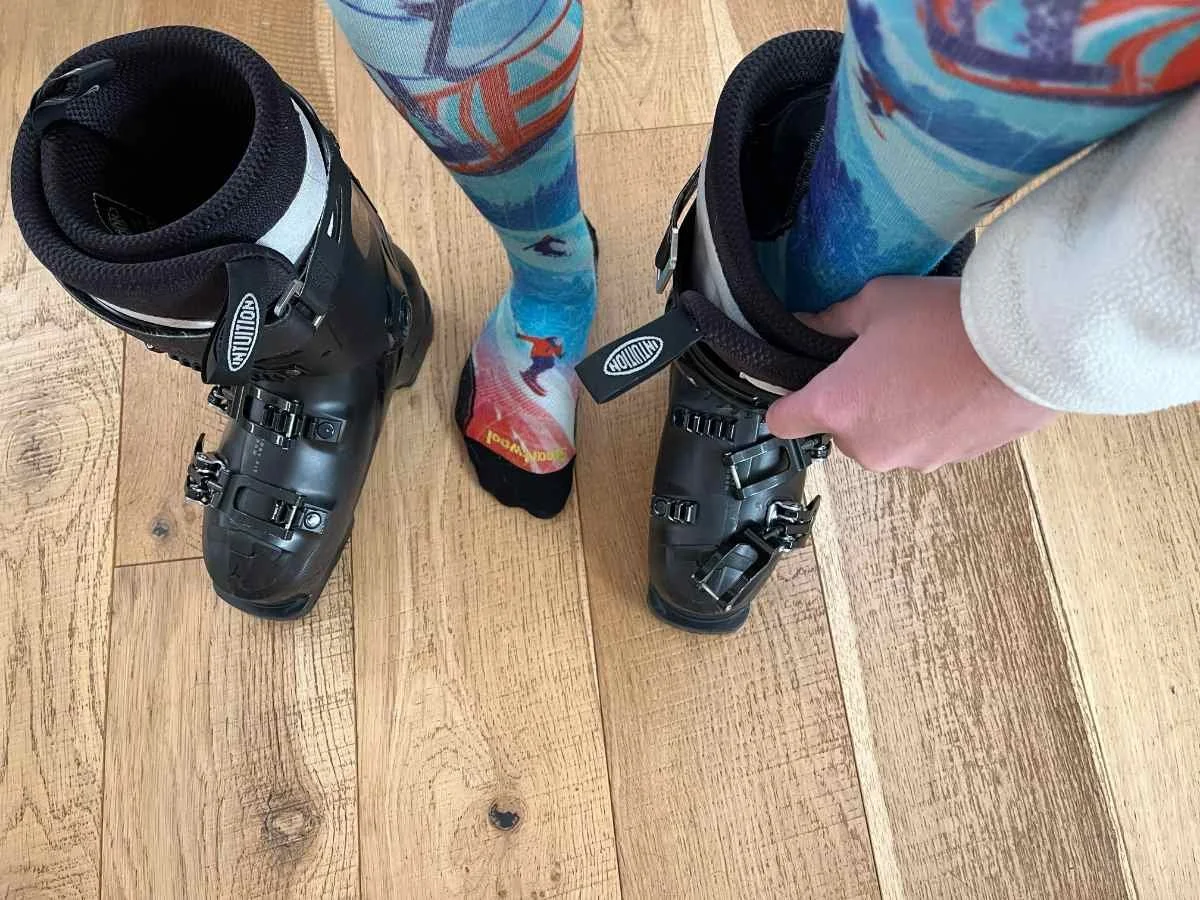
Many beginners believe that the thicker the sock, the warmer the foot. In the world of modern alpine footwear, this is a dangerous fallacy. Ski boots are designed to be a precision interface between your leg and your ski. When you jam a thick, bulky sock into a snug boot, you often compress the small blood vessels in your feet. This restricted circulation is the number one cause of cold toes, not a lack of insulation.
Professional bootfitters generally recommend thin ski socks or those with very specific, targeted padding. A thinner profile allows for better thermoregulation by letting air circulate and moisture-wicking away from the skin more efficiently. If you are struggling with cold feet, the answer is often to go thinner, not thicker, to ensure your blood can actually reach your extremities. Better moisture management means your sweat won't sit against your skin and turn into a cold, damp layer that saps your body heat.
Best Overall & Mid-Cushion Picks
1. Smartwool Ski Targeted Cushion
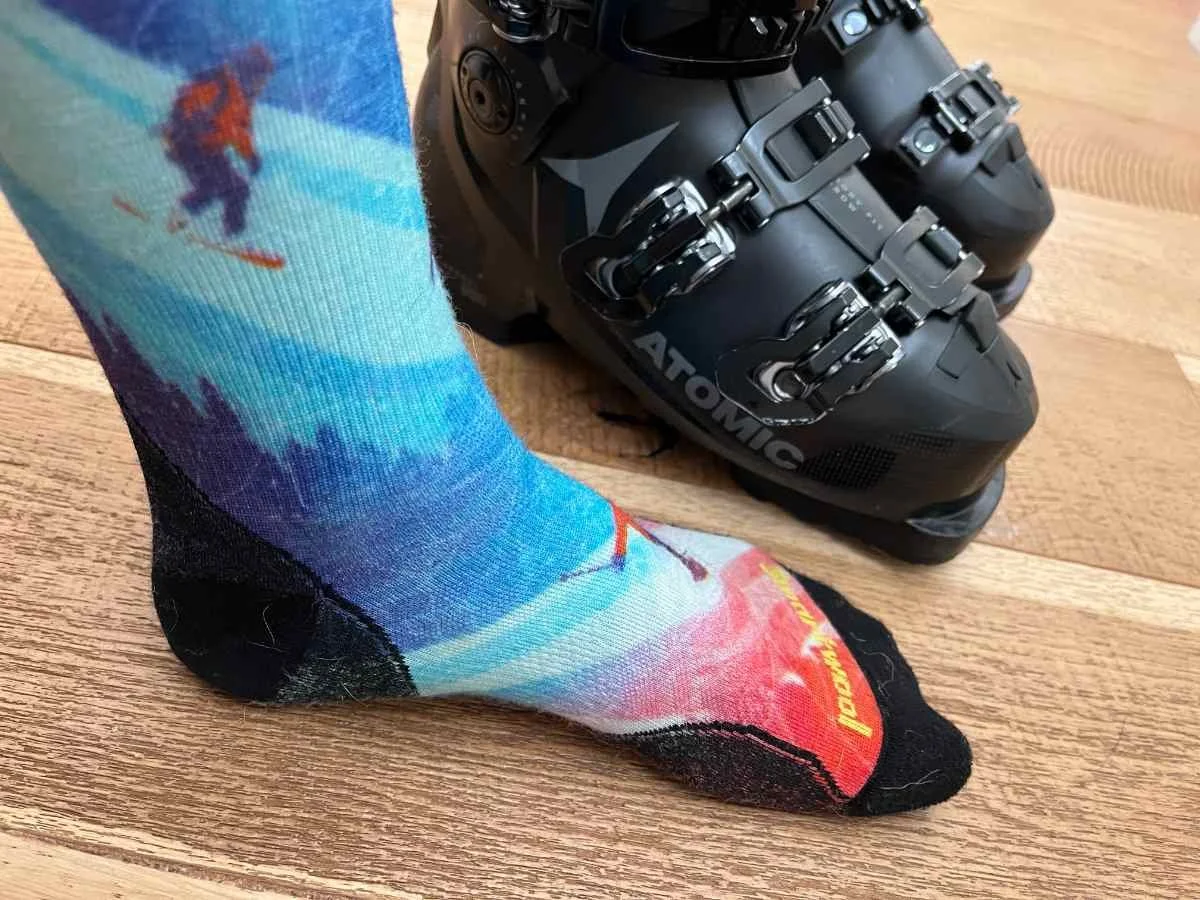
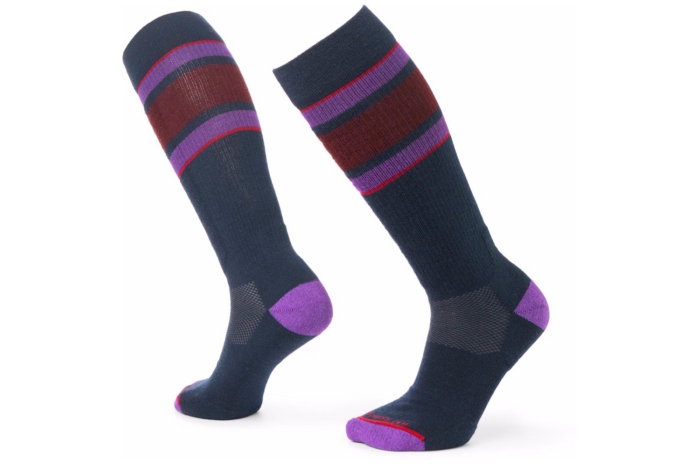
This model is the industry benchmark for a reason. It uses a blend of 57% merino wool along with nylon and elastane to create a snug, over-the-calf fit that refuses to bunch up inside your boot. The targeted cushioning is placed exactly where you need it—on the shin to prevent "boot bang" and under the ball and heel—without adding bulk to the rest of the foot.
Pros
- Exceptional thermoregulation thanks to high-quality merino blend.
- Virtually seamless toe construction prevents friction.
- Indestructawool technology significantly improves durability in high-wear areas.
Cons
- Elasticity can fade after several seasons of heavy washing.
- Wait for sales if buying for a family of four.
2. Farm to Feet Wilson 2.0
The Wilson 2.0 is a sleeper hit among backcountry enthusiasts and resort skiers alike. It features a unique 100% US-grown merino wool supply chain. With 61% merino wool, it offers some of the best merino wool ski socks for cold feet without feeling spongy. The compression through the arch support is noticeable and helps keep the sock locked in place during high-output movements.
Best Durable & Heavyweight Options
3. Darn Tough Mountaineering Over-the-Calf
If your primary concern is value over time, you cannot beat most durable ski socks with lifetime warranty programs. Darn Tough is famous for its "no strings attached" replacement policy. Their mountaineering model is heavy, but it is built for the coldest days and the most demanding terrain. The high density of stitches (1441 stitches per square inch) provides incredible pilling resistance and a fit that stays tight after weeks of use.
Pros
- Industry-leading lifetime warranty.
- High merino content (72%) provides superior warmth.
- Unbeatable Achilles reinforcement.
Cons
- Can be too warm for spring skiing or high-intensity touring.
- Thickness may require a shell adjustment for performance boots.
4. Wigwam Snow Midweight
A classic choice for the traditionalist. Wigwam uses a mix of wool and stretch nylon to provide a plush feel. While it lacks some of the hyper-technical mapping of newer brands, its comfort in resort skiing scenarios is top-tier. It is a robust option for those who prefer the feel of a more substantial sock.

Best Performance Thin & Compression Socks
5. Dissent GFX Compression Hybrid
For those who demand a second-skin fit, Dissent is the gold standard. Their GFX line uses compression ski socks for improved circulation to keep muscles fresh and feet warm. Because these are exceptionally thin ski socks, they are the choice for athletes in low-volume boots or those who spend their days backcountry touring. The moisture-wicking properties of their synthetic-heavy blend are unmatched, ensuring your feet stay dry even during a 3,000-foot climb in the sun.
6. Smartwool Ski Zero Cushion
If you have a custom-molded performance shell, even atargeted cushion sock might feel too tight. The Zero Cushion model provides the bare minimum barrier between your foot and the boot. It is built for precision. These are the best thin ski socks for performance boots where every millimeter of space counts for control and edge feel.

Specialized Fits: Budget & Anatomical Needs
7. REI Co-op Powderbound
Skiing is expensive, but your socks don't have to be. The Powderbound offers the best affordable ski socks for beginners who want the benefits of merino but aren't ready to spend $30 a pair. They offer decent arch support and a padded shin, making them perfectly acceptable for casual resort days in alpine conditions.
8. Lenz Heat Sock 6.1 (Heated Options)
For those with Raynaud’s or chronic cold feet, sometimes wool isn't enough. The global heated ski socks market reached an estimated valuation of USD 456.7 million in 2024, reflecting increased demand for advanced cold-weather performance gear. The Lenz 6.1 integrates heating elements around the toe area, powered by a Bluetooth-controlled battery pack. It is an investment, but for some, it means the difference between a full day on the mountain and being stuck in the lodge by noon.
9. Stance Ski Socks (Best for Large Calves)
Stance has gained a following not just for their wild graphics, but for their superior stretch. They are frequently cited as the best ski socks for large calves because their "Feel360" fabric offers excellent vertical and lateral expansion without losing its shape or becoming a tourniquet on the leg.
Tested & Dismissed: Why Some Brands Didn’t Make the Cut
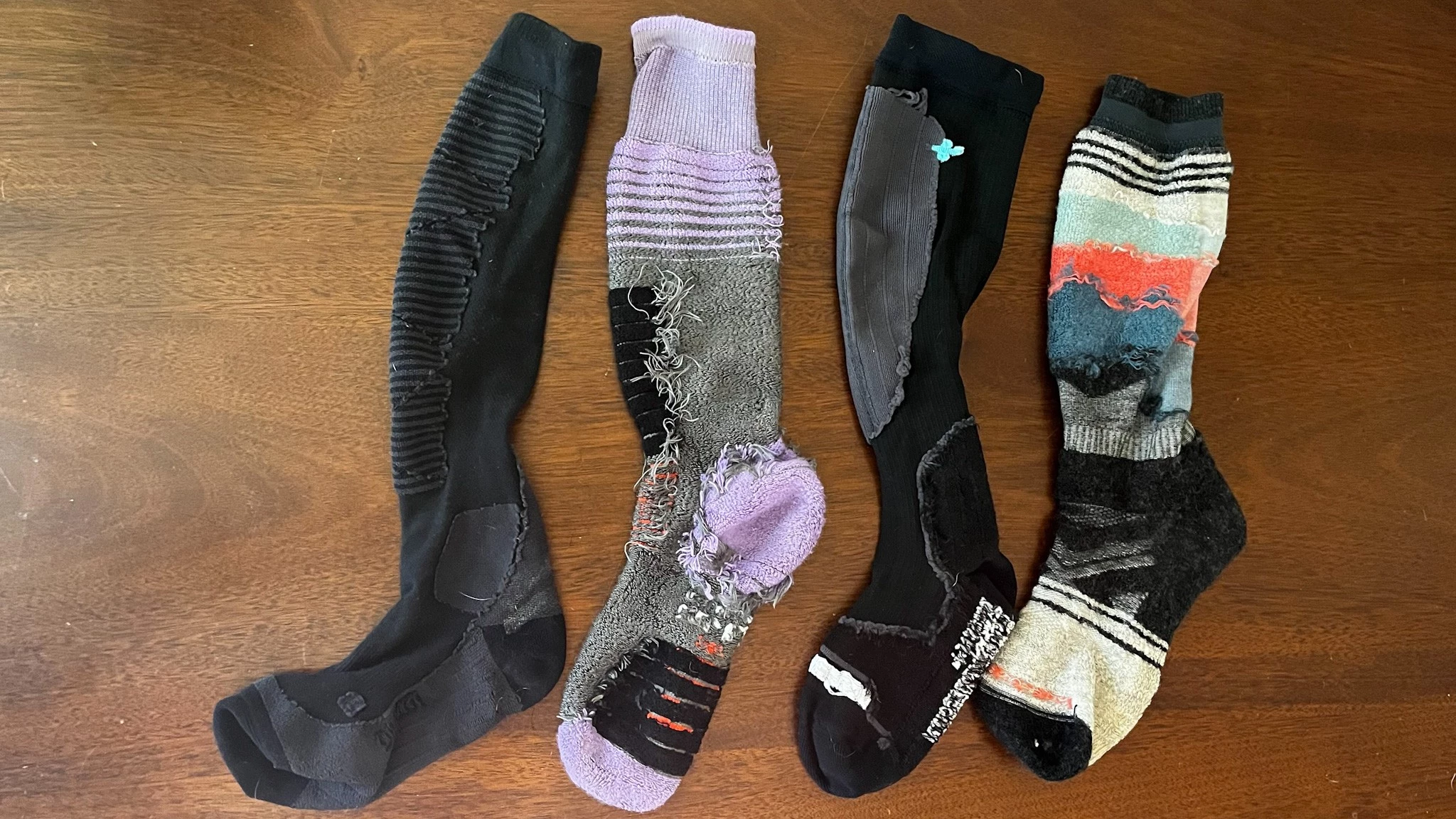
In our testing, we evaluated several popular brands that ultimately did not make this list. For instance, some Icebreaker models, while comfortable, showed significant pilling resistance issues after only five wash cycles. We also excluded several bulk-pack "thermal" socks found at big-box retailers; these often utilize a high percentage of low-quality cotton or polyester that absorbs moisture rather than wicking it, leading to a high risk of blister prevention failure and frozen toes.
Internal construction is the true divider between a pro-grade sock and a bargain-bin imitation. High-end brands use 200-needle count machines to create a smooth, tight knit. When we turned some mid-range socks inside out, we found loose threads and sloppy transitions at the heel cup—prime areas for friction and pressure points.
FAQ
What is the best material for ski socks?
Merino wool is the gold standard for ski socks because of its natural ability to regulate temperature and resist odors. Most high-performance socks use a blend consisting of 50-70% merino wool, reinforced with nylon for durability and elastane (Lycra) for a precise fit. Synthetic fibers like PrimaLoft or specially treated polyester are also excellent for moisture-wicking in high-output scenarios.
Should ski socks be thick or thin?
For most modern boots, thin or medium-weight socks are superior. A sock that is too thick can actually make your feet colder by restricting blood flow and trapping excess sweat. If your boots fit correctly, a thin or targeted cushion sock will provide the best balance of warmth and control. Only choose thick socks if you have significant extra room in your boots or are using them for low-activity cold-weather tasks.
Are compression socks good for skiing?
Yes, compression ski socks are excellent for both performance and recovery. They help promote blood flow back to the heart, which can reduce muscle oscillation and late-day fatigue. Many skiers find that the increased circulation from graduatled compression actually keeps their toes warmer than a traditional non-compression sock.
How should ski socks fit in boots?
Ski socks should fit like a second skin—tight enough to have zero wrinkles or folds, but not so tight that they pinch your toes. If a sock bunches up, it will create pressure points and blisters. Always ensure your socks are pulled up fully over the calf to prevent them from slipping down into the heel of the boot during the day.
Are heated ski socks worth the investment?
If you have poor circulation or ski in extreme sub-zero temperatures frequently, heated socks are often worth the high price tag. With the market for these products growing to over 450 million dollars this year, the technology has become much more reliable and slimline. However, for the average resort skier, a high-quality pair of merino wool ski socks is usually sufficient.
The most important piece of gear in your kit isn't always the most expensive, but it is often the one closest to your skin. Before you head out for your next trip, take a moment to evaluate your current sock drawer. If you see holes, pilling, or a lack of elasticity, it is time for an upgrade. Your feet—and your skiing—will thank you.