Our Top Picks
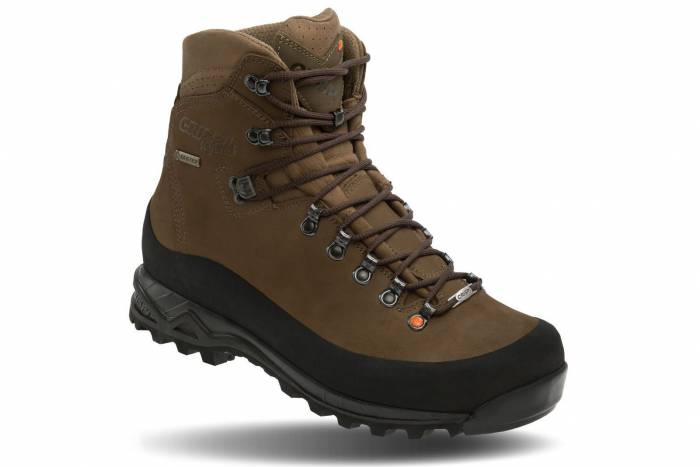
- Best Overall Performance: Crispi Nevada GTX – An unrivaled blend of durability, lateral support, and comfort for diverse terrains.
- Best Value / Budget-Friendly: Danner Recurve – Traditional aesthetics met with modern performance at a price point accessible for beginners.
- Best for Western Big Game: Schnee’s Kestrel – Serious mountain terrain support designed for the steepest backcountry packouts.
- Best for Extreme Cold: Korkers Neo Arctic – Outstanding warmth with a -60 degree Fahrenheit rating for sedentary treestand hunting.
- Best for Upland Hunting: Irish Setter Wingshooter – Iconic design offering high mileage comfort and excellent arch support.
Finding the best hunting boots is the difference between a successful packout and a hunt-ending injury. We field-tested 25+ models to find the top 10 for 2025. The best hunting boots for overall performance in 2025 are the Crispi Nevada GTX, noted for their durability and balance across various terrains. For hunters prioritizing value, the Danner Recurve is a top budget-friendly choice, while the Schnee’s Kestrel is highly recommended for western big game hunts requiring significant support.
The quest for the perfect boot is more than a shopping trip; it is an investment in your mobility and safety. As the global hunting boots market is projected to reach a valuation of approximately USD 2.345 billion in 2025, the technological advancements in materials like synthetic overlays and advanced membranes have never been more prominent. However, despite these innovations, full-grain leather remains the leading material segment, accounting for approximately 50% of the total market share. Whether you are part of the estimated 14.4 million active hunters in the United States or a seasoned backcountry guide, your choice of footwear determines how far you can push your limits.
Technical Comparison Table
| Model | Weight (per pair) | Flex Rating (1-5) | Insulation (Grams) | Primary Material |
|---|---|---|---|---|
| Crispi Nevada GTX | 3.8 lbs | 3 | Non-insulated / 200g | Full-grain leather |
| Danner Recurve | 2.8 lbs | 2 | Non-insulated | Suede / Nylon |
| Schnee’s Kestrel | 4.1 lbs | 4 | 200g | Suede / Cordura |
| Korkers Neo Arctic | 4.5 lbs | 2 | 8mm Neoprene / Fleece | Rubber / Neoprene |
| LaCrosse Alphaburly Pro | 4.8 lbs | 1 | 800g - 1600g available | Rubber / Neoprene |
| Irish Setter Wingshooter | 3.2 lbs | 2 | Non-insulated | Full-grain leather |
| Crispi Lapponia III | 2.5 lbs | 2 | Non-insulated | Nubuck / Cordura |
| Kenetrek Mountain Extreme | 4.4 lbs | 4 | 400g | Full-grain leather |
| Zamberlan Hunter Pro GTX | 4.6 lbs | 4 | 11mm Thinsulate | Full-grain leather |
| Rocky BearClaw 3D | 4.2 lbs | 3 | 200g - 1000g | Leather / Nylon |
The Mountain Kings: Best for Big Game & Technical Terrain
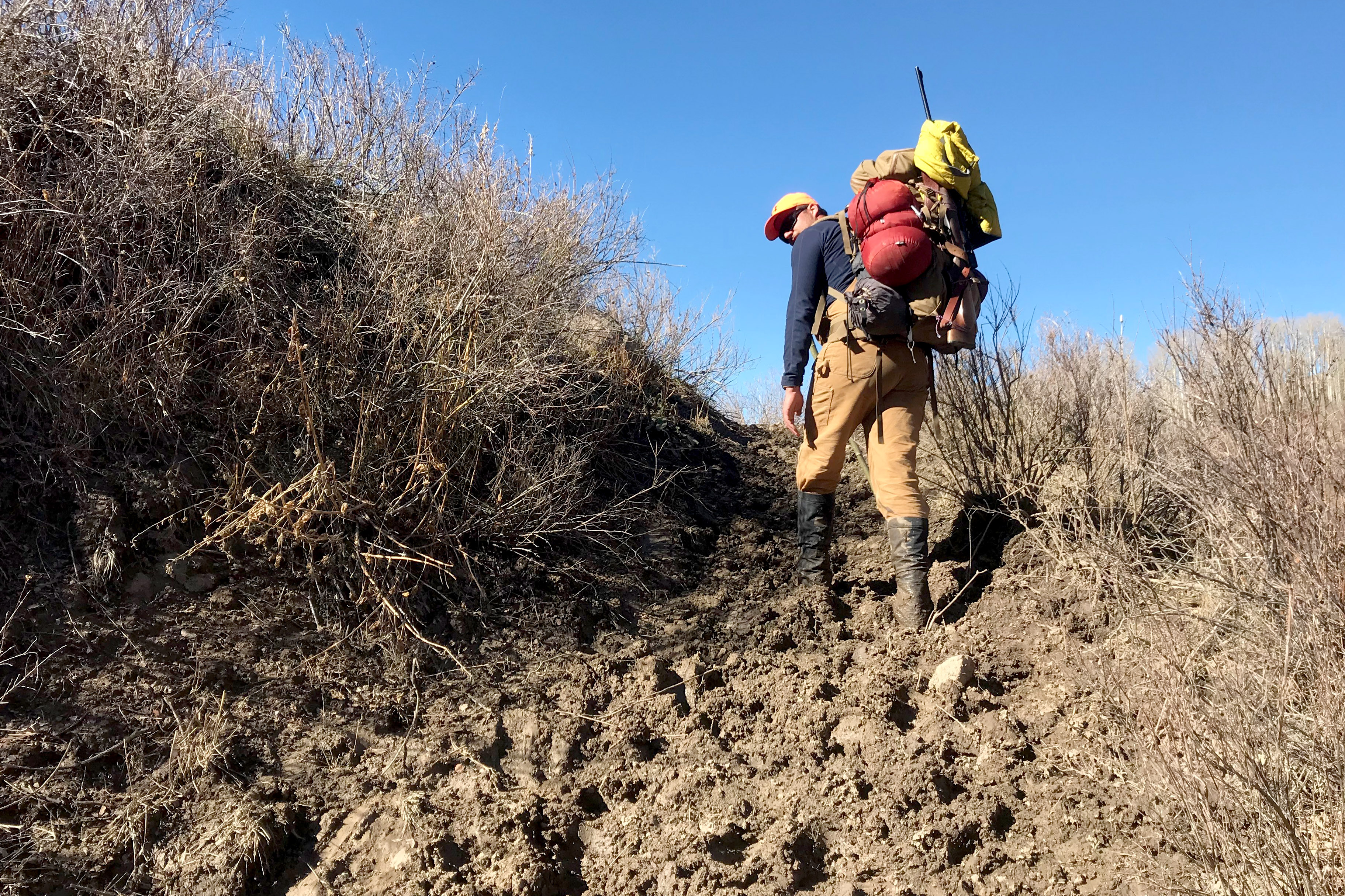
When you are chasing elk through blowdowns or glassing for mule deer on shale-covered ridges, you need more than a standard hiker. Mountaineering-inspired boots provide the lateral support necessary to prevent ankle rolled-overs during off-trail hiking. With North America leading the global hunting boots market with a 39% share, specialized mountain designs have become the gold standard for western hunters.
Crispi Nevada GTX
The Nevada is widely considered the benchmark for it versatility. It strikes a perfect balance in the flex rating system with a 3 out of 5, meaning it is stiff enough for steep side-hilling but flexible enough for long miles on flat logging roads.
- Best For: All-around mountain hunting and mid-season excursions.
- Weight: 1.9 lbs per boot.
- Flex: 3 (Medium-Stiff).
- Insulation: Non-insulated or 200g options.
- Pros: Excellent heel slip prevention; minimal break-in period for a leather boot; ABSS (Ankle Bone Support System).
- Cons: Expensive; Gore-Tex membrane can run warm in early September.
Schnee’s Kestrel
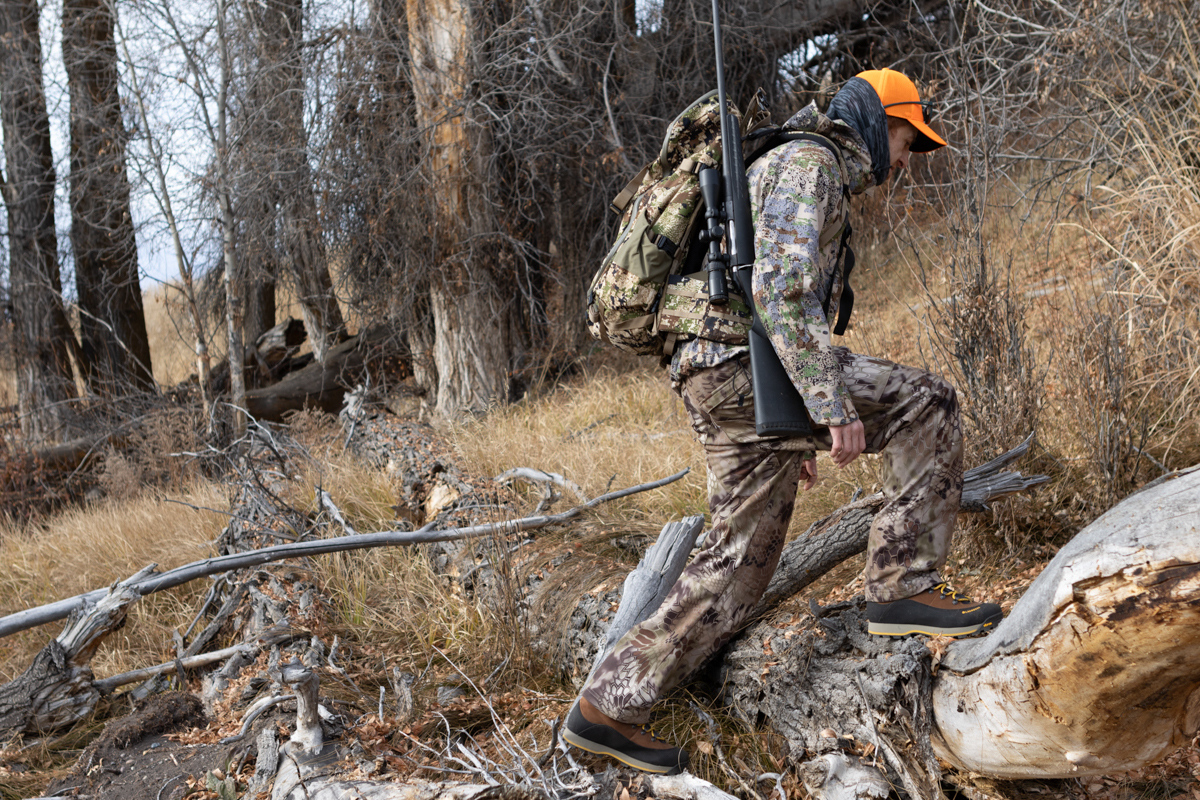
For hunters who demand technical alpine boots without the weight of a traditional heavy-duty leather boot, the Kestrel is a revelation. Built with a stiffer 4 out of 5 flex, it is specifically designed for high-angle climbing.
- Best For: Vertical terrain and high-country sheep or goat hunts.
- Weight: 2.05 lbs per boot.
- Flex: 4 (Stiff).
- Insulation: 200g.
- Pros: Exceptional lateral support; high-traction Vibram outsole; great gaiter compatibility.
- Cons: Steep price; flex feels too rigid for casual low-land walking.
Crispi Lapponia III
If your style is more "move fast and light," the Lapponia III is arguably the best lightweight mountain hunting boots for elk stalking. It feels more like a heavy-duty trail runner than a boot, yet it retains enough support for moderate backcountry packouts.
- Best For: High-mobility stalking and early-season warmth.
- Weight: 1.25 lbs per boot.
- Flex: 2 (Flexible).
- Insulation: Non-insulated.
- Pros: Incredibly light; superior ground feel for silent stalking; breathable.
- Cons: Lacks the protection of a high rubber rand; not suitable for heavy 100lb+ packouts.
Treestand & Late Season: Warmest Insulated Picks
Sedentary hunting in freezing temperatures is a different game entirely. When your feet aren't moving, you aren't generating heat, making gram weight insulation the most critical metric. For these hunts, you need cold weather insulated hunting boots that prioritize thermal retention and toe box clearance over mountain-climbing stiffness.
Korkers Neo Arctic
The Neo Arctic is a beast in the snow. It features an 8mm neoprene and fleece liner that provides a barrier against the most punishing winds.
- Best For: Extreme late-season treestand sits and ice fishing.
- Weight: 2.25 lbs per boot.
- Flex: 2 (Flexible).
- Insulation: 8mm Neoprene / Fleece (rated to -60°F).
- Pros: Interchangeable outsoles for ice traction; immense warmth; wide toe box.
- Cons: Very bulky; not suitable for climbing steep mountains.
Kenetrek Mountain Extreme 400
This boot is the choice for late-season backpack hunters who can't compromise on support. With 400g of Thinsulate insulation, it offers warmth during the glassing sessions while maintaining the ruggedness of a technical mountain boot.
- Best For: High-altitude late-season mule deer or elk.
- Weight: 2.2 lbs per boot.
- Flex: 4 (Stiff).
- Insulation: 400g Thinsulate insulation.
- Pros: Bombproof construction; high-quality rubber rand; lifetime durability.
- Cons: Long break-in period required; heavy.
The Waterproof Specialist: Best Rubber & Marsh Boots
In the saturated environments of the Southeast or the muddy marshes of the Midwest, leather eventually fails. For these scenarios, waterproof rubber hunting boots are the only answer. These boots are also the preference for whitetail hunters who obsess over scent control, as rubber does not hold odors like leather or cordura.
LaCrosse Alphaburly Pro
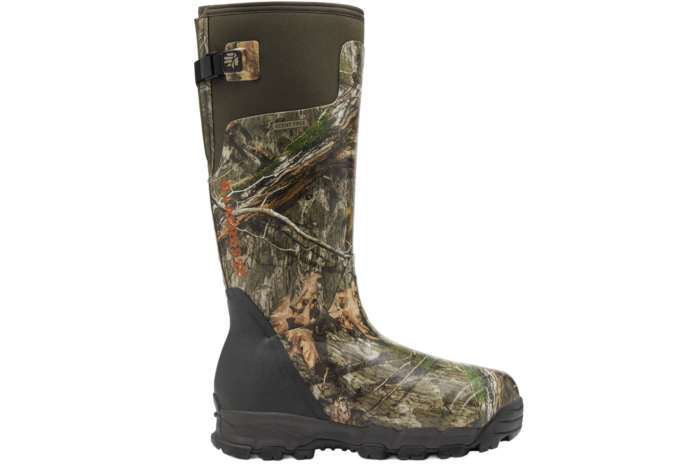
The Alphaburly Pro is a legend for a reason. It combines a natural rubber shell with a neoprene gusset that allows for easy on-and-off while providing enough insulation to handle a variety of temperatures. This is the gold standard for waterproof rubber hunting boots for wet marsh conditions.
- Best For: Whitetail blinds, wet spring turkey hunts, and scent-conscious hunting.
- Weight: 2.4 lbs per boot.
- Flex: 1 (Very Flexible).
- Insulation: Available in non-insulated, 800g, and 1600g.
- Pros: Completely waterproof; scent-neutral; adjustable calf gusset.
- Cons: Lack of arch support for long-distance hiking; can feel "floppy" on side-hills.
Danner Recurve (Non-Insulated)
While technically a hybrid, the Recurve is a fantastic choice for those who need a waterproof barrier in a more traditional hiking silhouette. It uses a Danner Dry liner that performs admirably in wet brush.
- Best For: Early season scouting and damp forest floors.
- Weight: 1.4 lbs per boot.
- Flex: 2 (Flexible).
- Insulation: Non-insulated.
- Pros: Best budget hunting boots for beginners; very comfortable out of the box; stylish.
- Cons: Not durable enough for heavy rock work; leather requires maintenance.
Versatile Classics: Best Leather Upland Boots
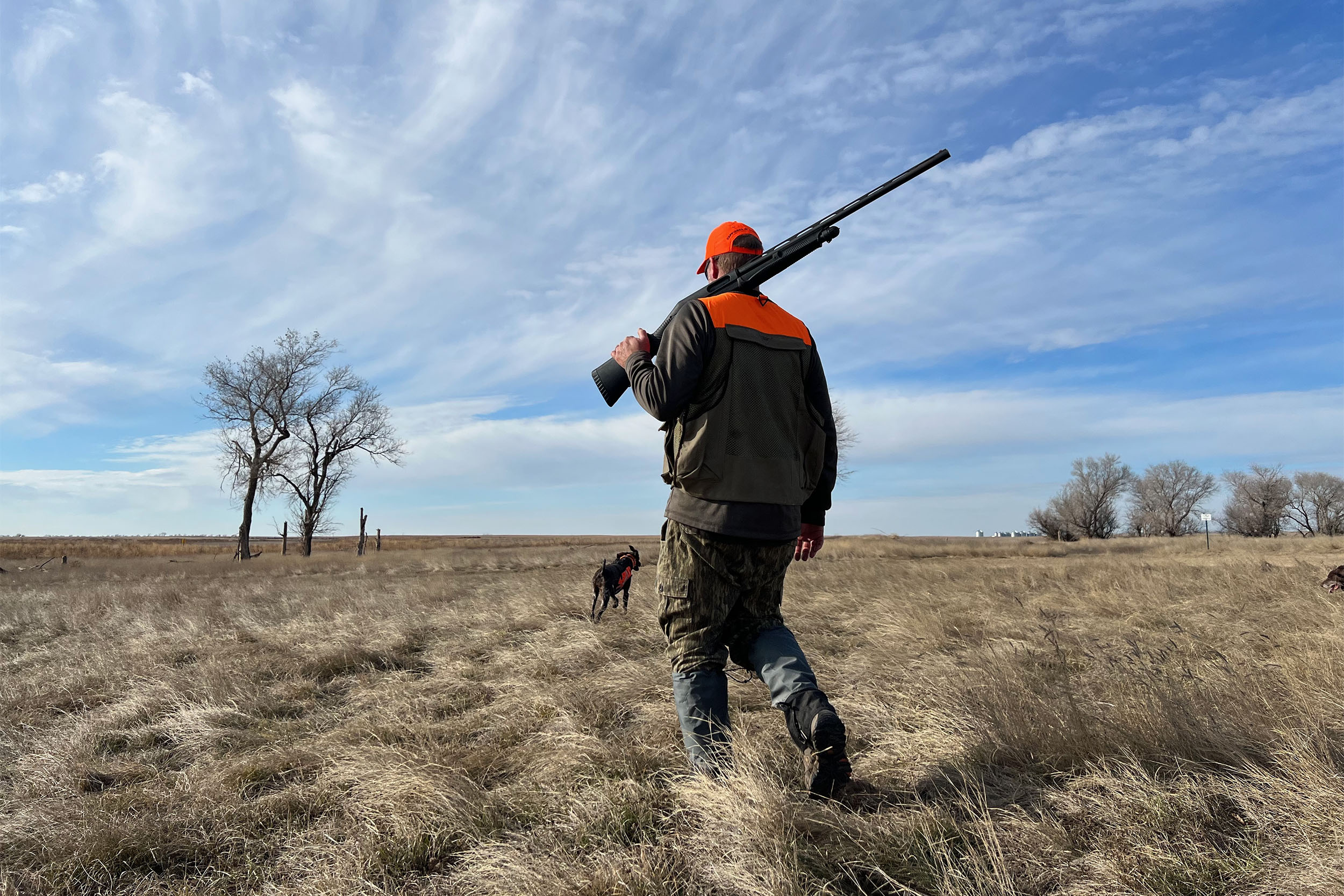
Upland bird hunting often involves walking double-digit miles through cornfields, grasslands, and CRP. In these environments, you don't need the stiffness of a mountain boot, but you do need shock-absorbing midsoles and high-quality leather to protect against abrasive grasses.
Irish Setter Wingshooter
The Wingshooter is a classic for a reason. Its white "prairie" sole is designed to shed mud while providing a soft, cushioned platform for high-mileage days in the fields. This is consistently ranked as the best leather upland hunting boots for high mileage.
- Best For: Pheasant and quail hunting and general agricultural work.
- Weight: 1.6 lbs per boot.
- Flex: 2 (Flexible).
- Insulation: Non-insulated.
- Pros: Classic styling; excellent out-of-the-box comfort; ultra-soft full-grain leather.
- Cons: The white sole wears down quickly on pavement; not waterproof enough for deep standing water.
Buyer’s Guide: How to Choose Your Hunting Footwear
Selecting the right boot requires an honest assessment of where you hunt and how you move. A boot that excels in the Montana mountains will be a liability in a Louisiana swamp.
Understanding the Flex Scale
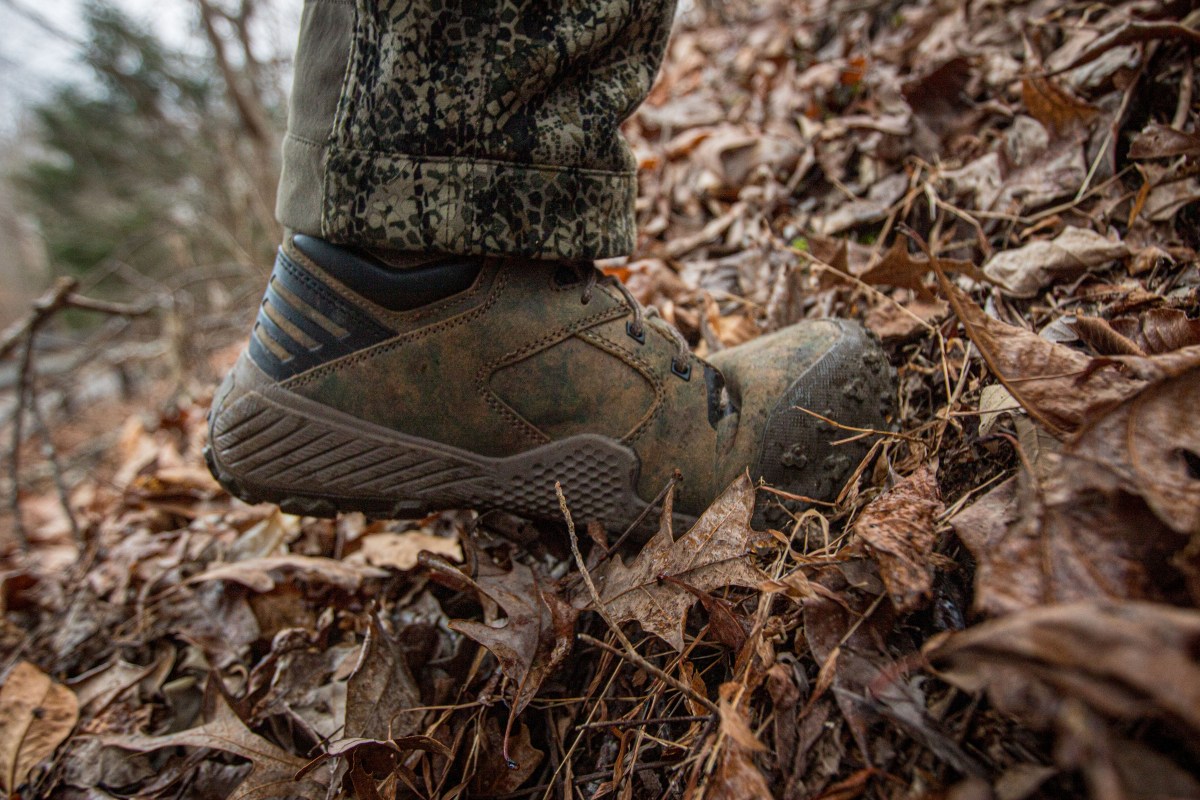
Most high-end boot manufacturers use a 1 to 5 flex scale.
- Level 1-2: Best for flat terrain, upland fields, and stalking. They allow your foot to move naturally.
- Level 3: The "do-it-all" category. Good for moderate hills and carrying 50lb loads.
- Level 4-5: Designed for the "sheep hunter." These boots are stiff, acting like a platform to allow you to stand on tiny ledges without your foot fatiguing.
Insulation: How Much is Enough?
Insulation is measured in grams.
- Non-insulated to 200g: Best for active hunting above 30°F.
- 400g to 800g: Mid-season hunting where you might sit for a few hours but stay active.
- 1000g+: Strictly for cold, late-season hunts or sedentary treestand use.
Preparing for the Field
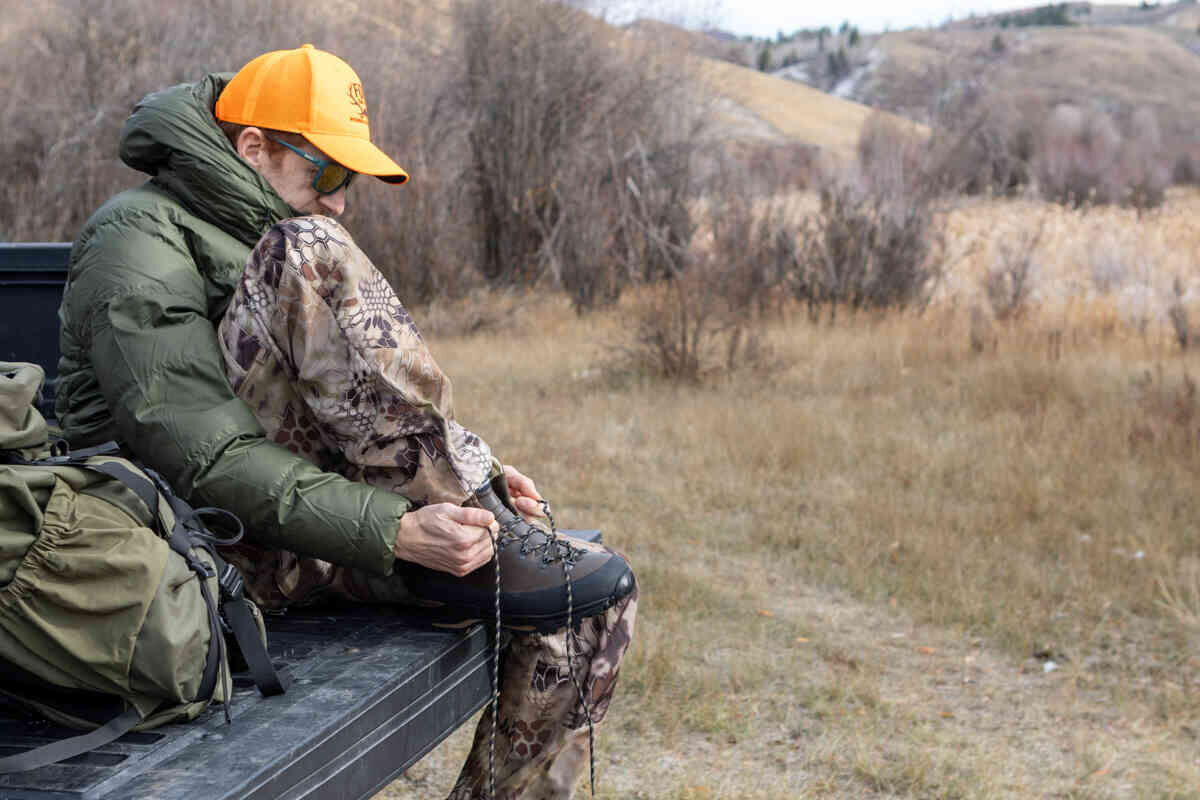
One common mistake is taking brand-new boots straight into the mountains. You must know how to break in hunting boots for backcountry trips to avoid blisters. Start by wearing them around the house, then move to short walks on pavement before hitting the trail with a weighted pack. This allows the leather to mold to your foot and highlights any hot spots before they become a problem.
For those with specialized needs, finding top rated hunting boots for wide feet and high arches is essential. European brands like Crispi and Meindl often offer dedicated wide versions that provide more volume in the toe box without compromising the snug fit of the heel.
FAQ
What are the best hunting boots for cold weather?
The best hunting boots for cold weather are those with at least 800g of Thinsulate or a thick neoprene wall, such as the Korkers Neo Arctic or the LaCrosse Alphaburly Pro. These models prioritize heat retention over walking flexibility.
How many grams of insulation do I need for hunting boots?
The amount of insulation depends on your activity level. For active mountain hunting, look for 0-200g. For mid-season whitetail hunting from a stand, 400g-800g is usually sufficient. For extreme late-season sits in sub-freezing temperatures, look for 1000g to 1600g.
Are rubber hunting boots better than leather?
Rubber boots are superior for waterproof performance and scent control in marshes or wet woods. However, leather boots are significantly better for mountain terrain support, durability, and breathability during high-exertion hikes.
How do I choose hunting boots for mountain terrain?
For mountain terrain, prioritize a high flex rating (3 or 4), a high-quality Vibram outsole for traction on rocks, and a full-wrap rubber rand to protect the leather from sharp shale. Brands like Crispi and Schnee’s specialize in this mountain terrain support.
Do you need to break in hunting boots before a trip?
Yes, absolutely. Even modern boots advertised as having "no break-in period" need at least 20-30 miles of walking to soften the leather and ensure the Gore-Tex membrane has settled. Breaking them in with a pack is the best way to ensure they are ready for the backcountry.