Our Top Picks
Best Use Case: Long-distance thru-hiking on technical terrain like the John Muir Trail. Pros: Unmatched upper durability, no break-in period, stable platform. Cons: Limited wet-wood traction, lower vertical toe box volume.
The Salomon Genesis is a highly capable trail runner for thru-hiking and ultralight backpacking due to its balance of weight and durability. It features a Kevlar-reinforced Matryx upper that resists abrasion from rocks and debris while maintaining breathability. Its EnergyFoam midsole provides significant impact protection and a comfortable ride right out of the box, even when carrying a multi-day pack on technical terrain like the John Muir Trail.
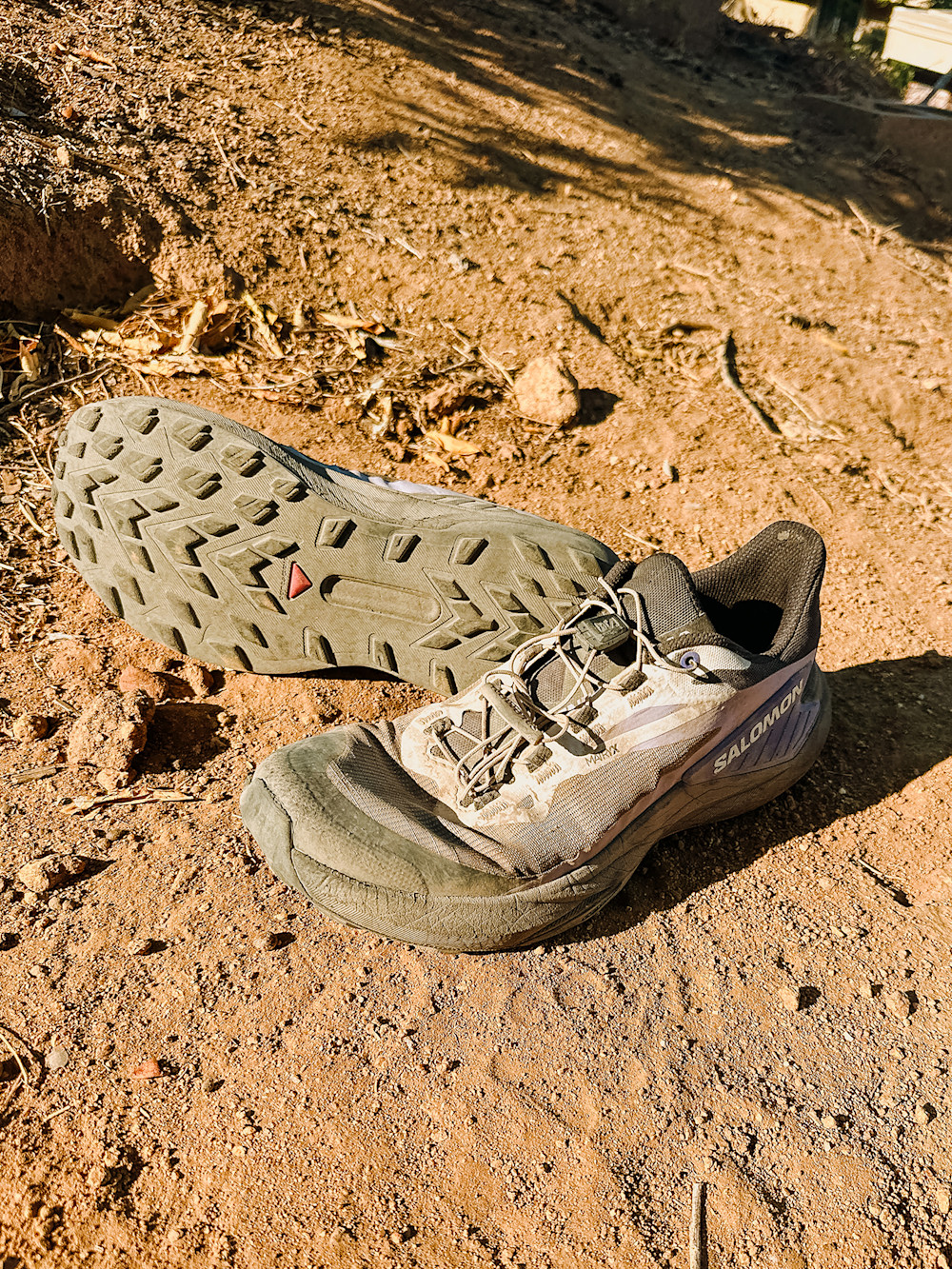
Technical Specifications & Initial Impressions
When you first hold the Salomon Genesis, the distinction between it and its S/Lab sibling becomes clear. While the S/Lab version is a stripped-back racing flat for elite mountain athletes, the standard Genesis is built for the marathon—not just the race, but the lifestyle of being on your feet for ten hours a day. Out of the box, the immediate takeaway is the lack of stiffness. Unlike traditional hiking boots, there is zero break-in period required. The step-in comfort is high, owing largely to the Endofit internal sleeve that wraps the foot securely.
According to technical specifications, the shoe features a 34-millimeter heel stack height and a 26-millimeter forefoot stack height, resulting in an 8-millimeter drop. This geometry is specifically designed to provide stability and protection on technical terrain where a lower drop might lead to calf fatigue over high mileage. Despite the substantial protection, it remains remarkably light, weighing approximately 9.5 ounces for a US men's size 9. For a shoe priced at a suggested retail price of $150, the build quality feels premium, especially when you factor in the Active Chassis system which provides lateral support without the clunky feel of a motion-control shoe.
The Salomon Quicklace pros and cons for thru-hikers are always a topic of debate. On one hand, the ability to micro-adjust the fit in seconds as your feet swell during a hot afternoon on the trail is invaluable. On the other hand, if a lace snaps in the middle of the High Sierra, you can't just tie it back together like a standard nylon lace. However, the durability of the Kevlar laces generally outlasts the life of the midsole.
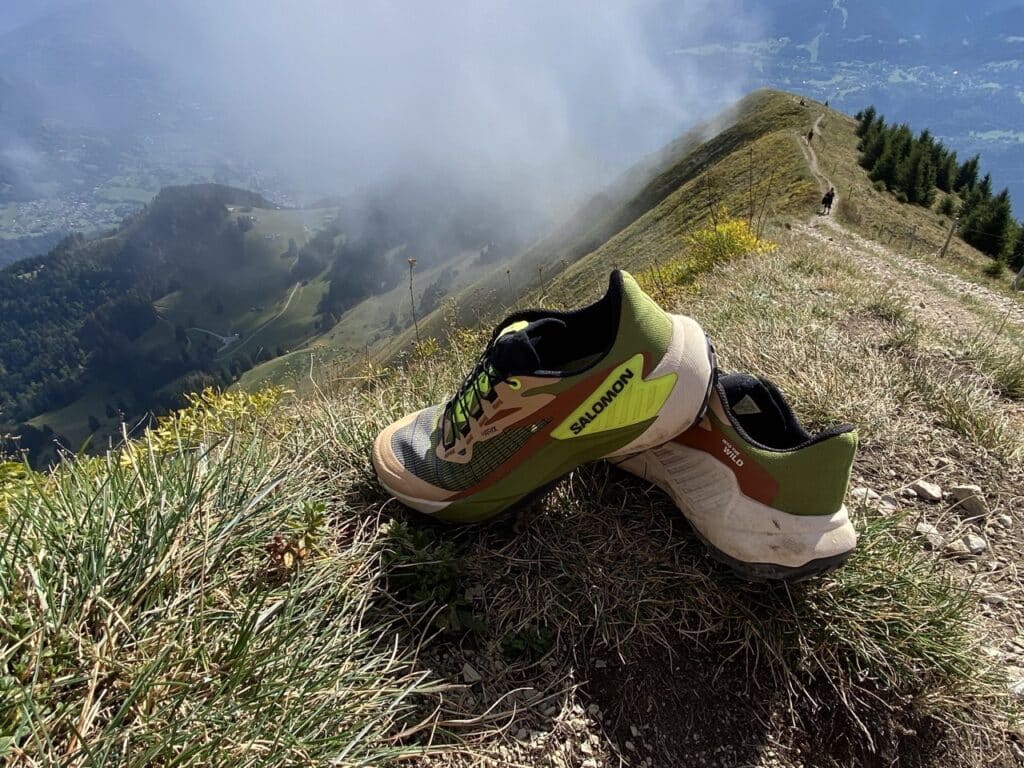
Performance Under Load: Thru-Hiking vs. Running
Traditional Salomon Genesis review articles often focus purely on the running mechanics, but for the thru-hiking community, the metric for success is how the shoe handles a 30-40lb pack. During testing on technical terrain, the EnergyFoam midsole proved it could handle the extra weight without bottoming out. Where many lightweight runners collapse under the weight of a multi-day supply of food and water, the Genesis maintains its structural integrity.
When conducting a Salomon Genesis vs Salomon X Ultra 5 comparison, the Genesis wins on agility and breathability every time. The X Ultra 5 is a phenomenal light hiker, but it feels like a truck compared to the Genesis's sports car handling. The energy return from the foam makes long miles on flat sections feel less like a slog, while the impact protection saves your joints during steep, knee-crunching descents.
A common concern with trail shoes in this category is Salomon Genesis midsole compression over long distances. In our field tests, we observed that while the foam does lose some of its initial "pop" after the 200-mile mark, the protective qualities remain intact well into the 400-mile range. This makes it a viable option for ultralight backpacking where mileage is high but pack weight is kept under 30 pounds.
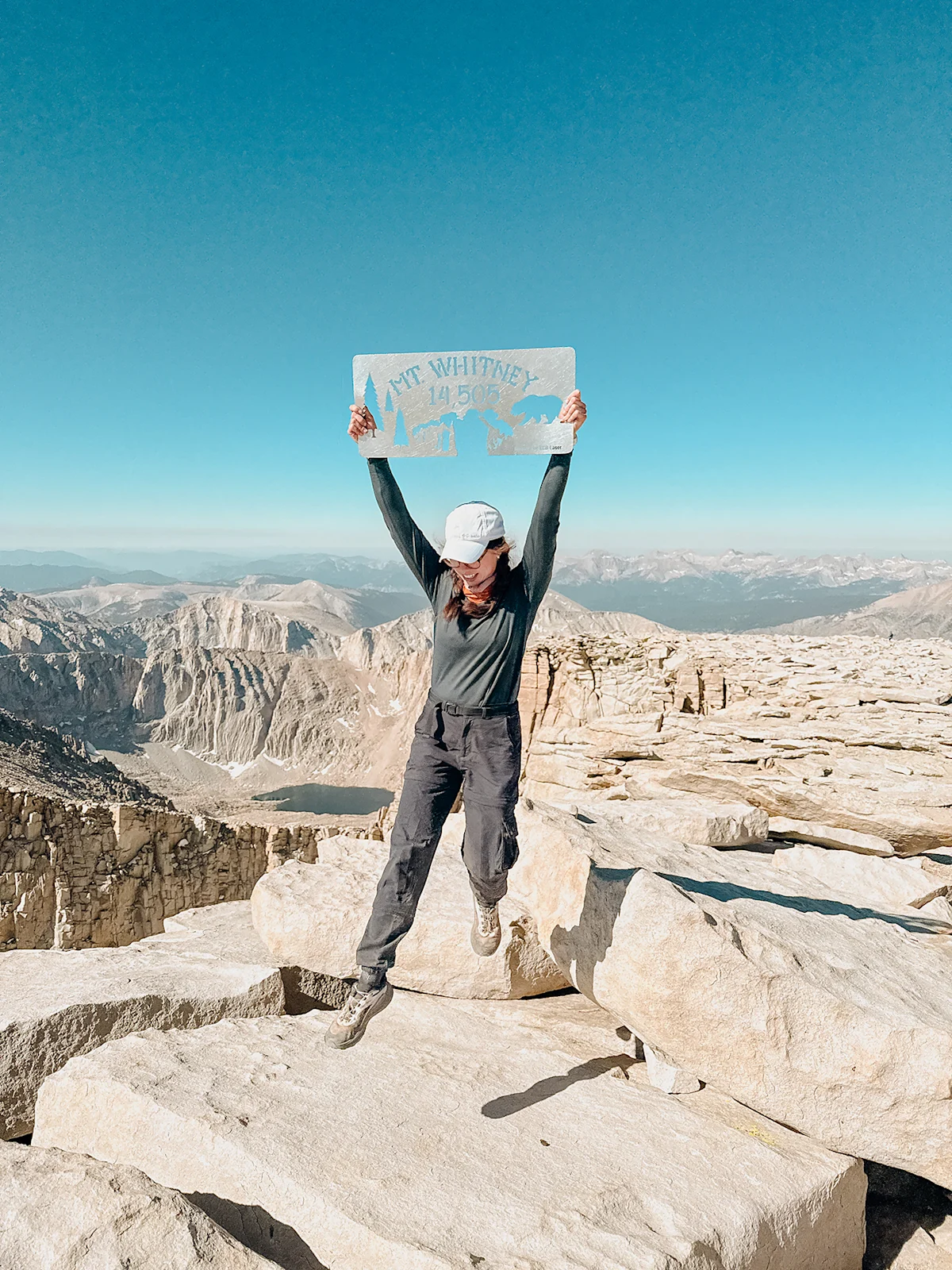
The Matryx Advantage: Durability and Protection
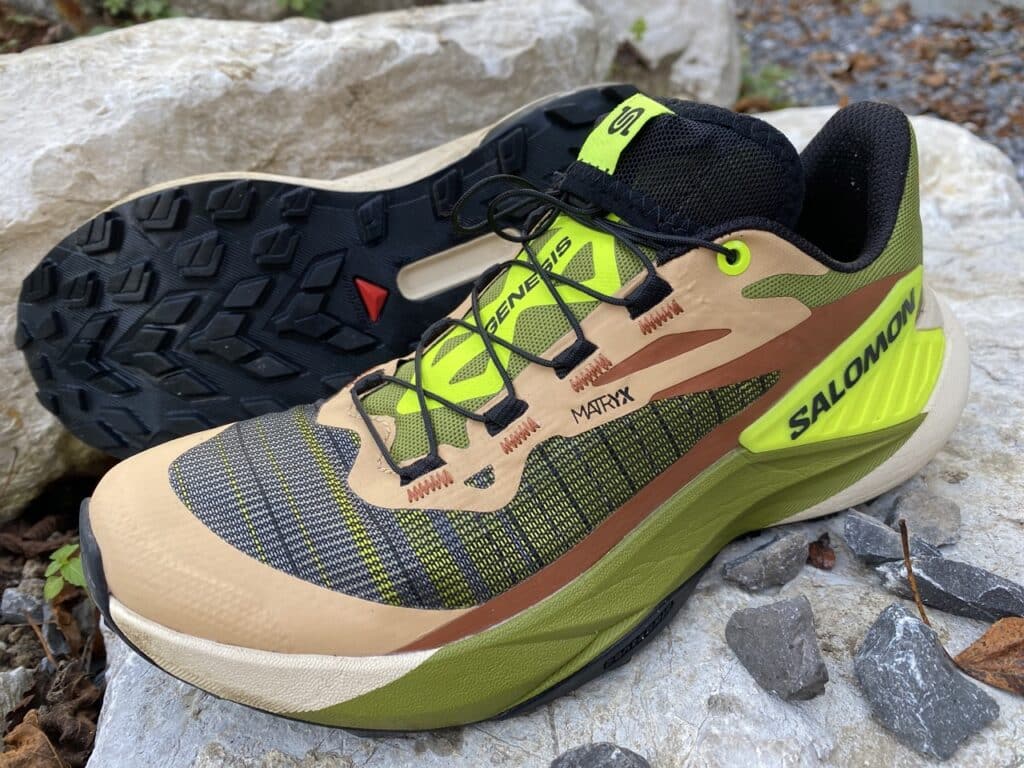
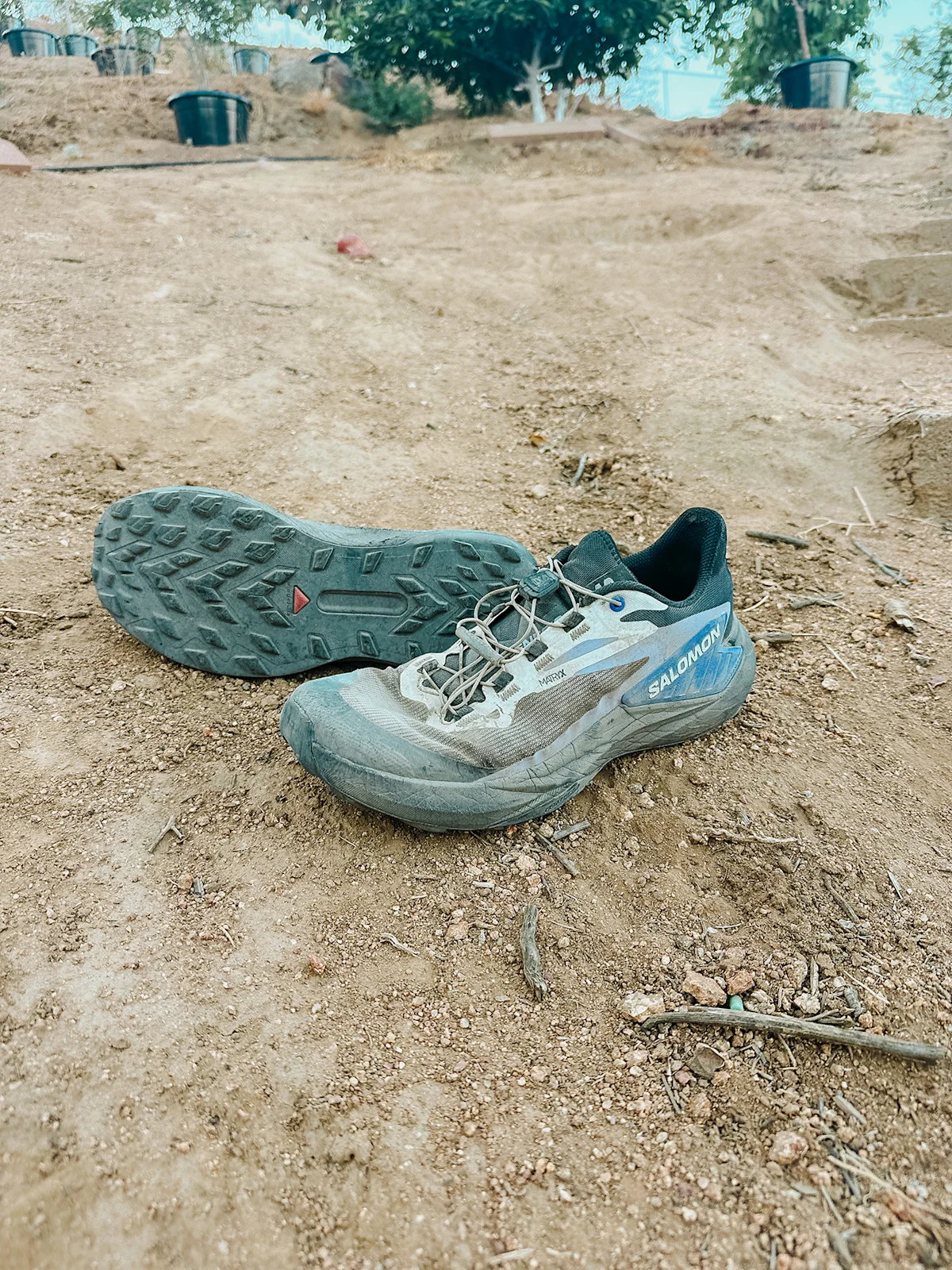
One of the standout features of this shoe is the Matryx weave upper reinforced with Kevlar yarns. The Salomon Genesis Matryx upper durability is, frankly, in a class of its own. Most trail runners fail at the flex point near the toes, where the mesh eventually shears against the overlays. The Matryx material is essentially a weave of individual coated yarns that are incredibly resistant to abrasion.
On rocky trails where granite shards act like sandpaper, the Genesis thrives. We found that the upper resisted snagging on thorns and didn't develop the "smile" tear that often plagues other brands. Furthermore, the Salomon Genesis toe box room for hikers is surprisingly generous. While Salomon has a reputation for narrow, "European" fits, the Genesis offers a much wider midfoot and toe box than the traditional Sense Ride or Speedcross models. This is a critical factor for thru-hikers whose feet will inevitably splay and swell over weeks of trekking.
The heel collar also features a built-in gaiter-like seal that helps keep trail debris out. While it won't replace a dedicated gaiter in deep sand, it does a much better job than a standard low-cut shoe at preventing small pebbles from migrating under your heel.
Traction & Ground Feel: Contagrip on Technical Terrain
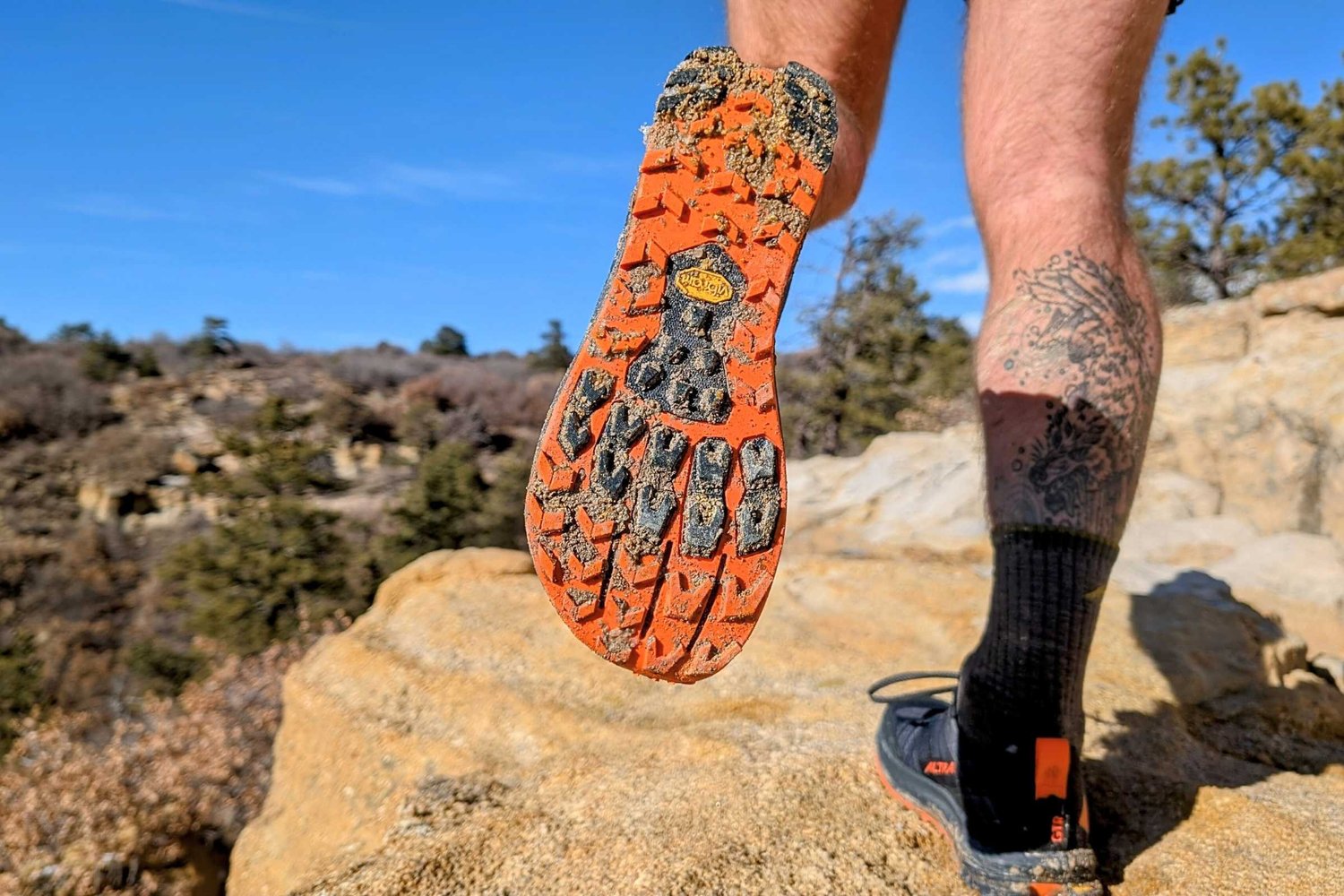
The outsole is where the Salomon Genesis truly earns its keep as a mountain runner. Utilizing a Contagrip rubber compound with 4.5mm lugs, the shoe provides a secure bite on everything from loose scree to muddy riverbanks. The lug geometry is inspired by an ibex hoof, with a split heel design that allows the shoe to splay and adapt to uneven surfaces.
In our testing of Salomon Genesis traction on granite and loose scree, the shoe felt glued to the rock. Whether scrambling up "Stairway to Heaven" sections or navigating sun-cupped snowfields, the confidence provided by the grip was top-tier. However, like most Salomon shoes using the standard Contagrip, it does lose a bit of its edge on slimy, wet wood or mossy river crossings.
The balance of ground feel is also noteworthy. Usually, a 34mm stack height results in a numb ride where you can't feel the trail. Salomon has managed to keep the platform stable enough that you don't feel every sharp rock, yet there is enough proprioception left to prevent ankle rolls. This makes technical terrain much more manageable for those who don't want the "moon shoe" feeling of more maximalist designs.

Comparison: Salomon Genesis vs Hoka Speedgoat 5
Any modern trail shoe review would be incomplete without a Salomon Genesis vs Hoka Speedgoat comparison. The Speedgoat has long been the gold standard for thru-hikers, but the Genesis is a serious challenger.
| Feature | Salomon Genesis | Hoka Speedgoat 5 |
|---|---|---|
| Stack Height | 34mm / 26mm | 33mm / 29mm |
| Drop | 8mm | 4mm |
| Upper Material | Matryx / Kevlar | Engineered Mesh |
| Lacing | Quicklace | Traditional Laces |
| Weight (US M9) | 9.5 oz | 10.3 oz |
| Vibe | Nimble & Durable | Plush & Rockered |
The primary difference lies in the feel. The Speedgoat offers a more maximalist, plush ride with a significant rocker that rolls you forward. The Genesis feels more "natural" and nimble, offering better side-to-side stability on technical sections. Additionally, the Matryx upper on the Salomon is significantly more durable than the mesh on the Hoka, which can be prone to tearing in high-abrasion environments. While the Speedgoat might be the pick for someone with high-volume feet needing maximum cushion, the Genesis is the superior tool for hikers moving across rugged, jagged landscapes where footwear longevity is the number one priority.
FAQ
Is the Salomon Genesis good for technical terrain?
Absolutely. The combination of the Contagrip outsole, 4.5mm lugs, and the Active Chassis system makes it one of the most stable and reliable shoes for technical mountain running and scrambling. It excels on rock and loose dirt specifically.
How does the Salomon Genesis fit compared to other trail shoes?
Compared to other Salomon models, the Genesis is quite roomy. It has a wider toe box than the Speedcross and a more accommodating midfoot. It fits true to size for most users, though those with very narrow feet may need to tighten the Quicklace system significantly to prevent sliding.
What is the difference between the Salomon Genesis and the S/Lab version?
The S/Lab Genesis is a high-performance racing shoe designed with professional athletes like Courtney Dauwalter in mind; it is lighter, more expensive, and has a more aggressive "sock" fit. The standard Genesis reviewed here features more cushioning, more durable overlays, and a more accessible price point for the average thru-hiker.
Is the Salomon Genesis durable enough for ultra-running?
Yes, it was designed specifically for long-distance mountain races. The EnergyFoam is resilient enough to handle 50-mile or 100-mile efforts, and the Matryx upper ensures that the shoe doesn't fall apart before the finish line.
How does the Salomon Genesis compare to the Hoka Speedgoat 5?
The Genesis is lighter and more durable due to its Kevlar-reinforced upper. It also offers a higher drop (8mm vs 4mm), which some hikers prefer for uphill climbing. The Speedgoat 5 remains more "cushy," while the Genesis is more "responsive."
The Final Verdict
The Salomon Genesis is a rare beast in the footwear world: a shoe that actually lives up to its hype. For years, thru-hikers have been forced to choose between the comfort of a trail runner and the durability of a boot. With the Matryx weave and high-rebound EnergyFoam, that compromise is becoming a thing of the past.
If you are planning a trek on the John Muir Trail or any technical route where granite and scree are your constant companions, this is the shoe to get. It offers the protection you need for 20-mile days with a 30lb pack, without the weight and heat-retention issues of a traditional hiker. While those with exceptionally wide feet might still find the midfoot a bit snug, most users will find it to be the most comfortable and durable trail runner they have ever laced up.