Our Top Picks
The Notace Yama T1 is arguably the best minimalist trail shoe of 2026 for those seeking a balance of groundfeel and secure lockdown, though it lacks the rock protection for highly technical terrain. It represents a masterclass in minimalist trail running shoes with 15mm stack height, bridging the gap between raw barefoot running style and functional trail protection.
The Notace Yama T1 reaches for the minimalist crown. In this Notace Yama T1 review, we explore if this zero-drop, foot-shaped trail shoe from Cedric Scotto is truly the ultimate choice for groundfeel enthusiasts.
The Designer Pedigree: Who Behind Notace?
To understand the Notace Yama T1 review, one must first look at the man behind the brand: Cedric Scotto. As a designer with a resume that includes heavy hitters like Altra, Xero Shoes, and Vivobarefoot, Scotto has spent over a decade obsessed with how the human foot interacts with the ground. While many barefoot-style shoes suffer from a sloppy fit that causes the foot to slide around on uneven terrain, the Yama T1 was engineered to solve this specific pain point.
Scotto’s philosophy centers on the foot-shaped last, ensuring that the shoe follows the natural contours of the foot rather than forcing it into a tapered, traditional athletic shape. Unlike some of his previous projects that leaned toward either maximalist cushioning or ultra-thin soles, the Yama T1 seeks a middle ground. It promotes a natural gait cycle by maintaining a zero-drop profile while providing just enough protection to make wide toe box minimalist trail shoes viable for more than just a manicured park path.
The result is a shoe that feels intentional. It doesn’t just mimic the foot; it supports the foot's mechanics by providing a secure midfoot and heel lockdown, which has long been the "missing link" in the minimalist world. By combining a wide toe box with a precision-fit upper, Scotto has created a tool that allows for natural movement without the instability often found in low-profile footwear.
Technical Specs: 15mm Stack and eTPU Performance
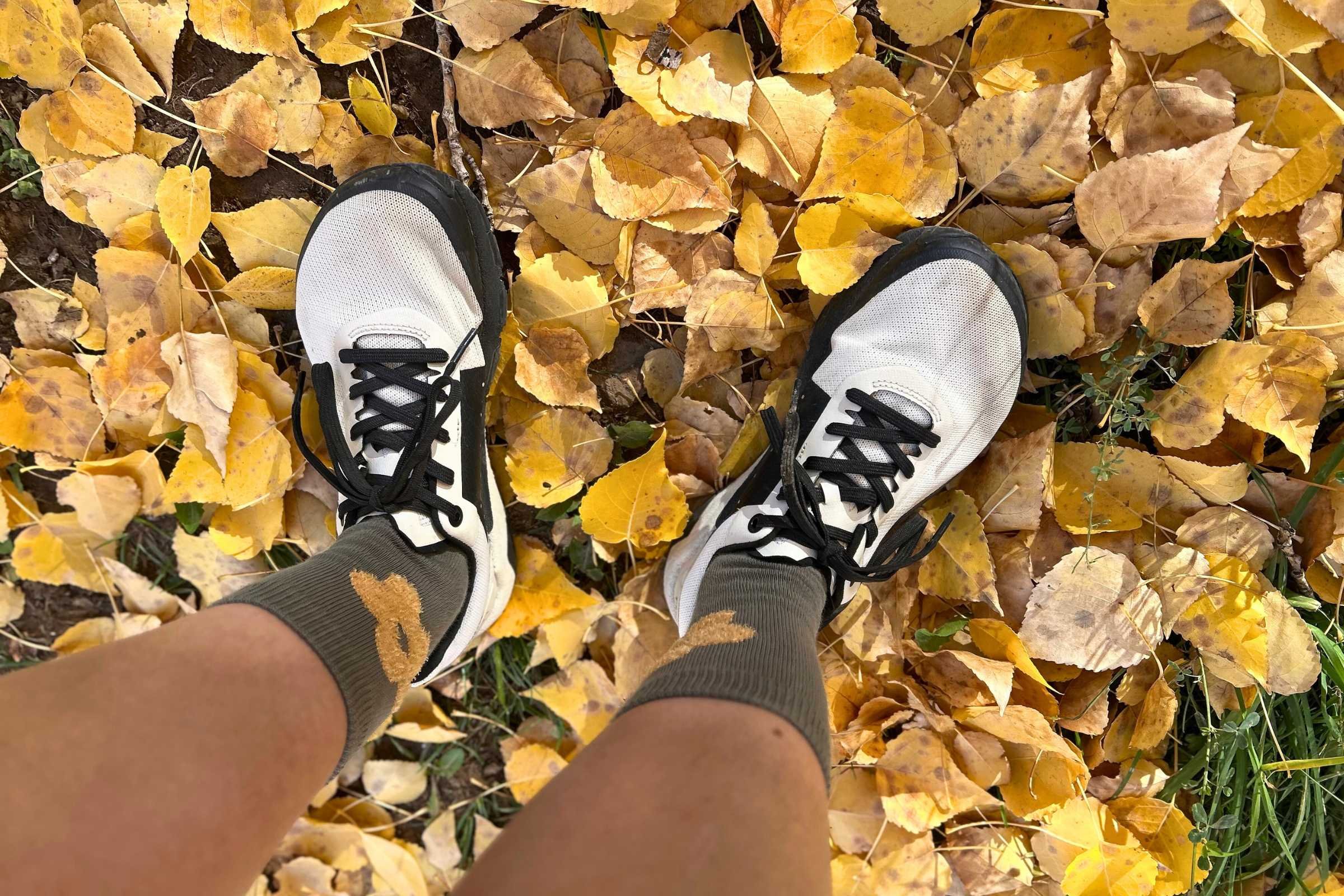
At the heart of the Notace Yama T1 review is its unique geometry. In a market where high-stack "plush" shoes are dominating, the Yama T1 goes the other direction. It features a total stack height of 15 mm, which includes 3 mm multidirectional angled lugs and a 3 mm removable insole. This low-profile platform is designed specifically to maximize ground feel and improve the runner's connection to the earth.
The choice of materials is equally critical. Instead of traditional EVA foam, which can feel "dead" or pack out quickly, the Yama T1 utilizes an engineered eTPU midsole. Expanded Thermoplastic Polyurethane (eTPU) is prized for its flexibility and energy return. In a 15mm context, this doesn't mean "cushioning" in the traditional sense; rather, it means a responsive ride that dampens the harshest vibrations of the trail without masking the feedback your brain needs to navigate technical sections.
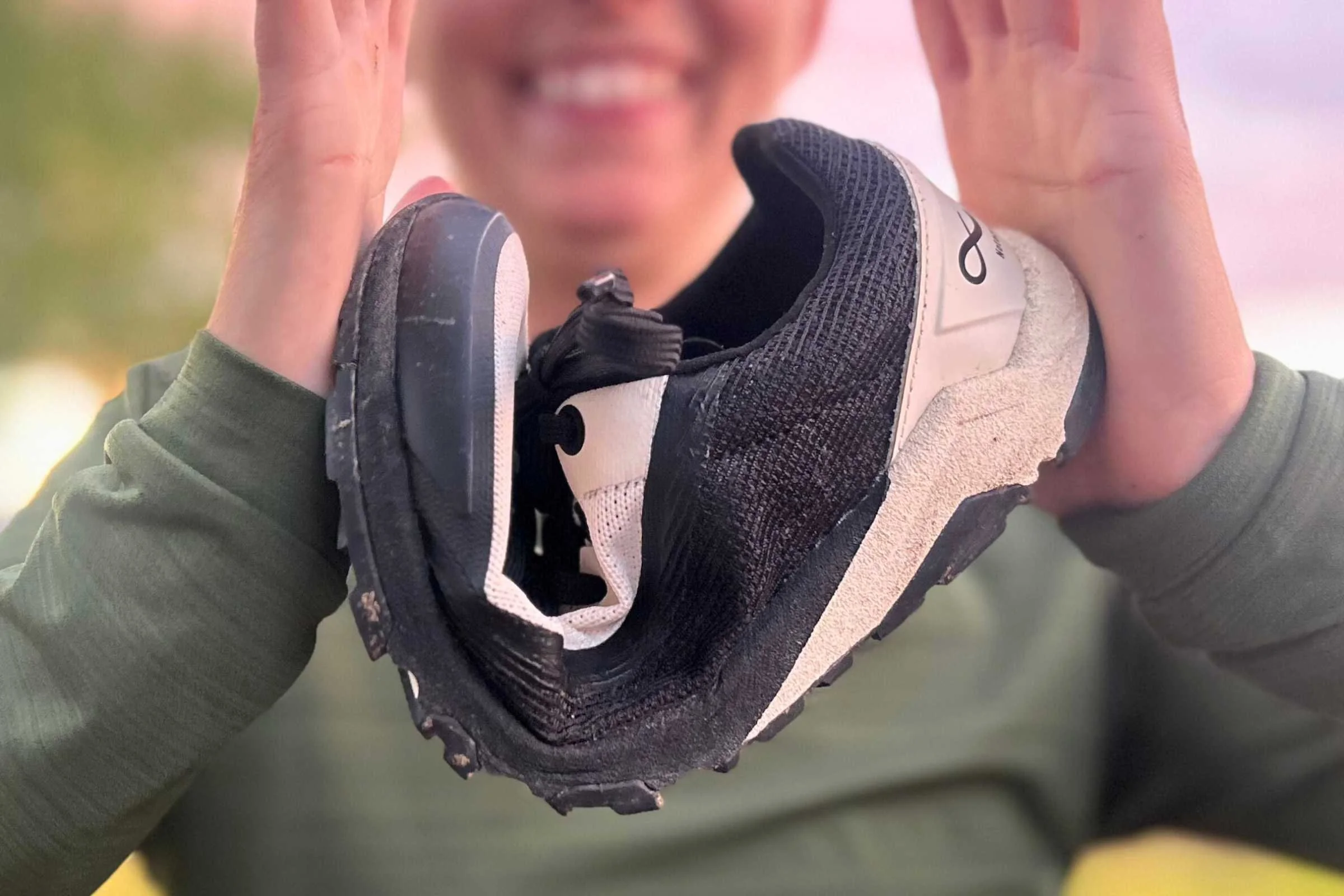
The weight is another standout feature. The Notace Yama T1 has a weight of approximately 7.5 ounces for a US Men's size 9. When you subtract the weight of heavy rock plates and excess foam, you are left with a shoe that feels like an extension of the foot rather than a piece of equipment strapped to it. This lightness is particularly noticeable during uphill climbs where every gram counts.
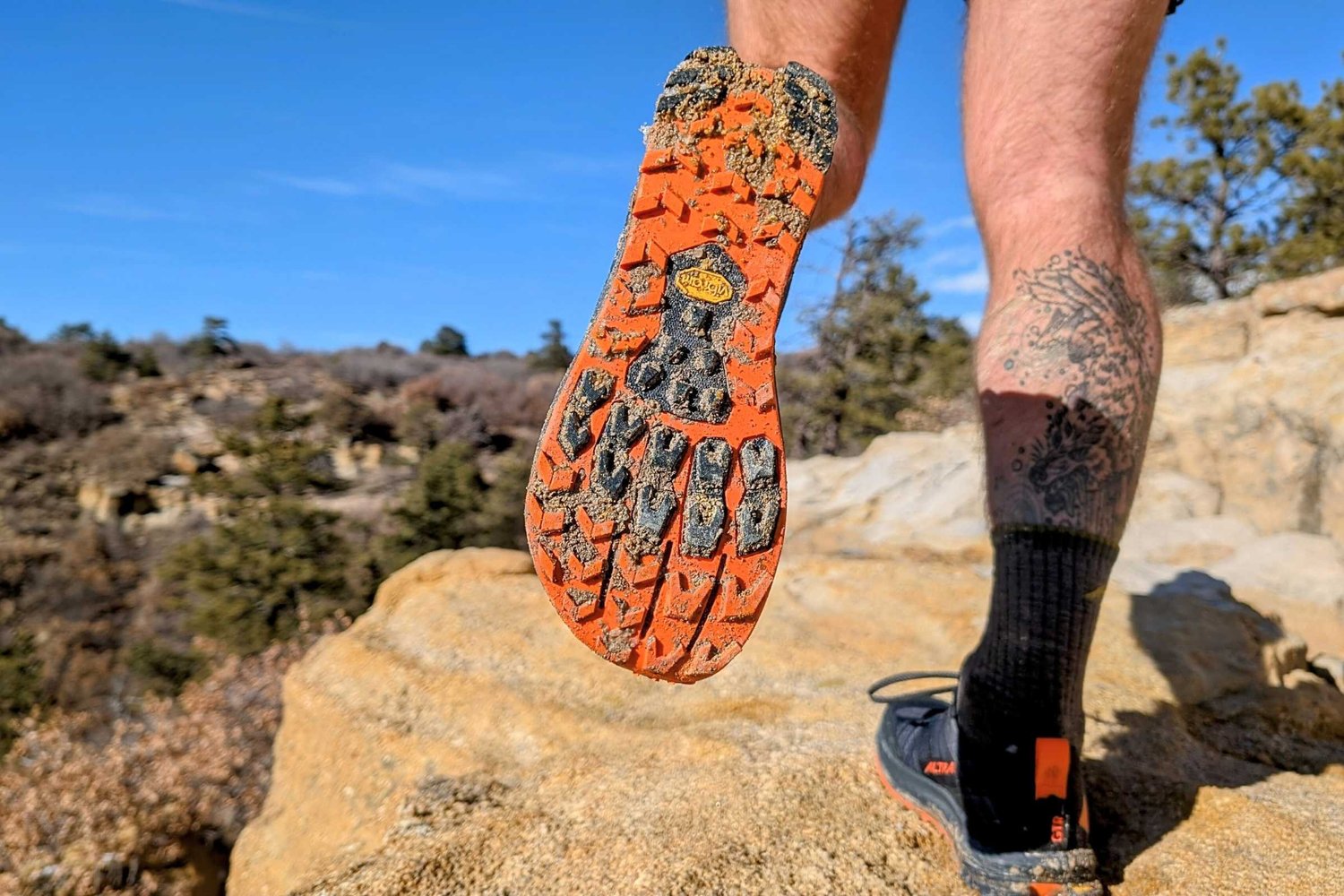
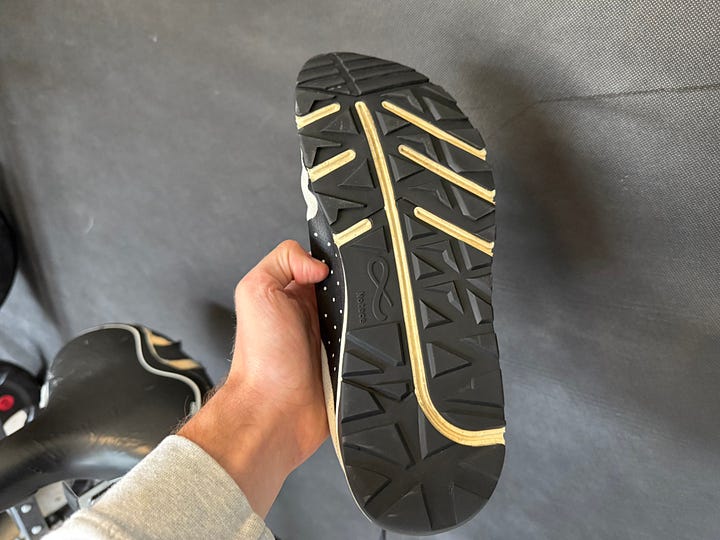
The outsole is built from a specialized rubber compound that balances durability with grip. The lugs are designed with a multidirectional pattern: angled forward in the forefoot for uphill traction and backward in the heel for downhill braking. While 3mm lugs are shorter than what you might find on a dedicated mud shoe, they are purposefully sized to maintain that 15mm stack height goal of maximizing groundfeel on dirt and gravel.
Field Test: Performance on the Trails
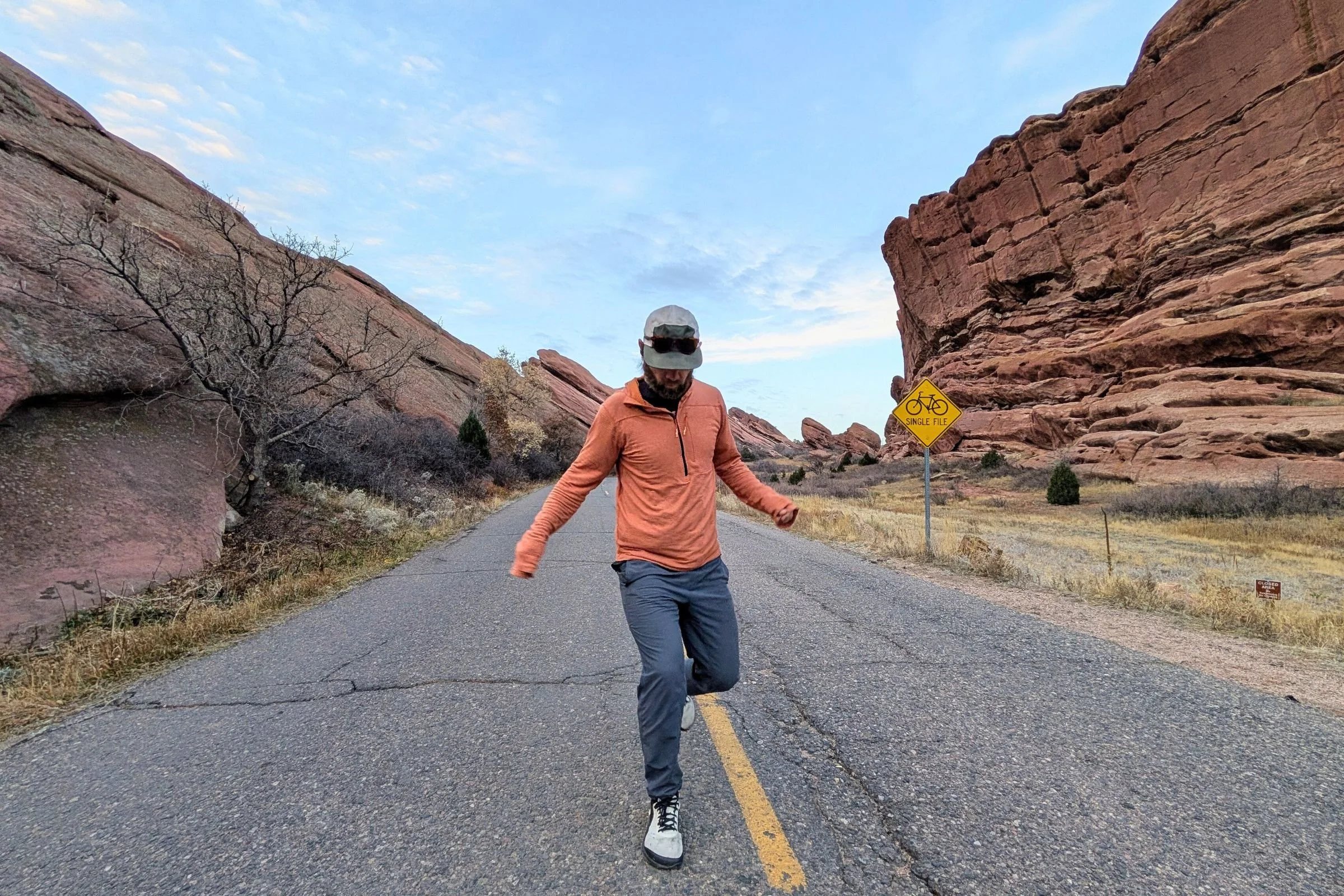
Taking the Notace Yama T1 out onto singletrack trails reveals its true personality. The first thing you notice is the proprioception. Because there is no rock plate, your feet can "read" the terrain in high definition. You feel the slope of the camber, the texture of the dirt, and the edges of embedded stones. For runners who enjoy the mental game of foot placement, the Yama T1 is a joy. However, this level of sensitivity has a ceiling; on trails covered in sharp, jagged administrative rock, the lack of a rock plate omission can lead to some "ouch" moments if you aren't careful.
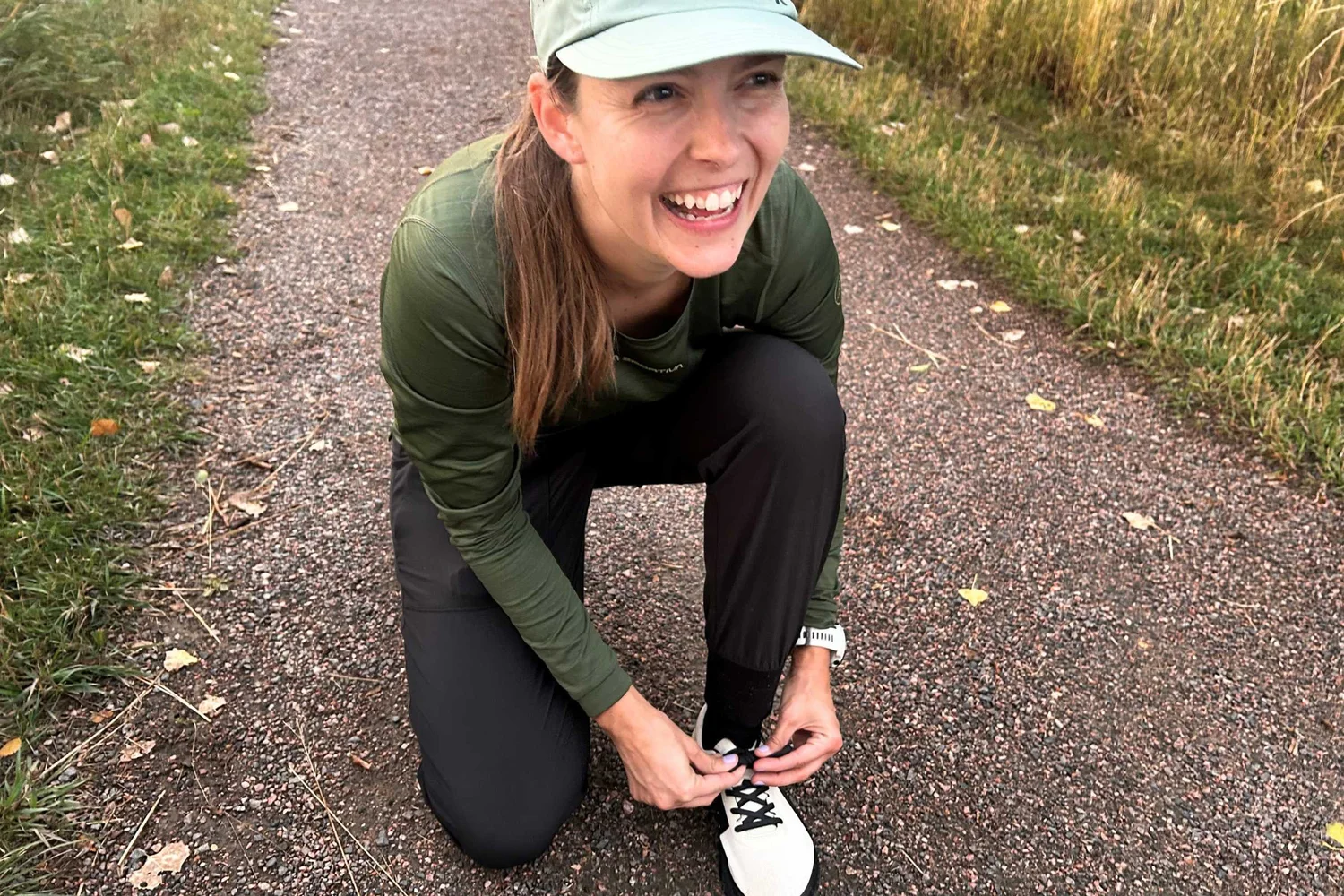
The upper is made from an engineered TPU mesh that provides excellent moisture-wicking drainage. During testing on Creek crossings, the shoes shed water quickly and didn't hold onto excess weight. The lockdown system is particularly impressive, utilizing dual tongue eyelets that pull the upper snugly around the midfoot. This prevents the "toppling" feeling often associated with wide toe box minimalist trail shoes when traversing steep side-hills.
In terms of traction, the 3mm lugs excel on soft dirt and hard-packed gravel. They provide a predictable grab that inspires confidence on fast descents. We found the Notace Yama T1 durability review after long distance testing to be surprisingly positive. Even after roughly 60 miles of varied terrain, the eTPU midsole hasn't lost its spring, and the upper shows very little sign of abrasion from brush or debris.
Head-to-Head: Notace Yama T1 vs Altra Lone Peak
For many runners, the Altra Lone Peak is the benchmark for zero drop trail shoes performance. However, as Altra has evolved, the Lone Peak has become increasingly cushioned and, in the eyes of some purists, less "minimalist." The Notace Yama T1 vs Altra Lone Peak comparison highlights a significant divergence in design intent.
While both shoes champion the foot-shaped last and zero-drop platform, the experience of wearing them is vastly different. The Lone Peak is a "daily driver" for the masses, offering a 25mm stack height that masks most of the trail. The Yama T1 is a precision instrument for the minimalist who wants to feel the trail.
| Feature | Notace Yama T1 | Altra Lone Peak |
|---|---|---|
| Stack Height | 15 mm | 25 mm |
| Weight (US Men's 9) | 7.5 oz | ~11 oz |
| Midsole Material | eTPU | EGO Foam |
| Rock Plate | No | Yes (StoneGuard) |
| Groundfeel | High / Sensitive | Moderate / Protective |
| Lockdown | Precise / Secure | Generous / "Sloppy" |
The Notace Yama T1 vs Altra Lone Peak comparison reveals that while Altra provides more protection, Notace provides significantly more agility and a better weight-to-performance ratio. If you find the Lone Peak feels too "clunky" or "mushy" on technical trails, the Yama T1 is the logical next step in your minimalist journey. It allows for full foot splay without the bulk.
Fit and Sizing: Why You Should Size Up
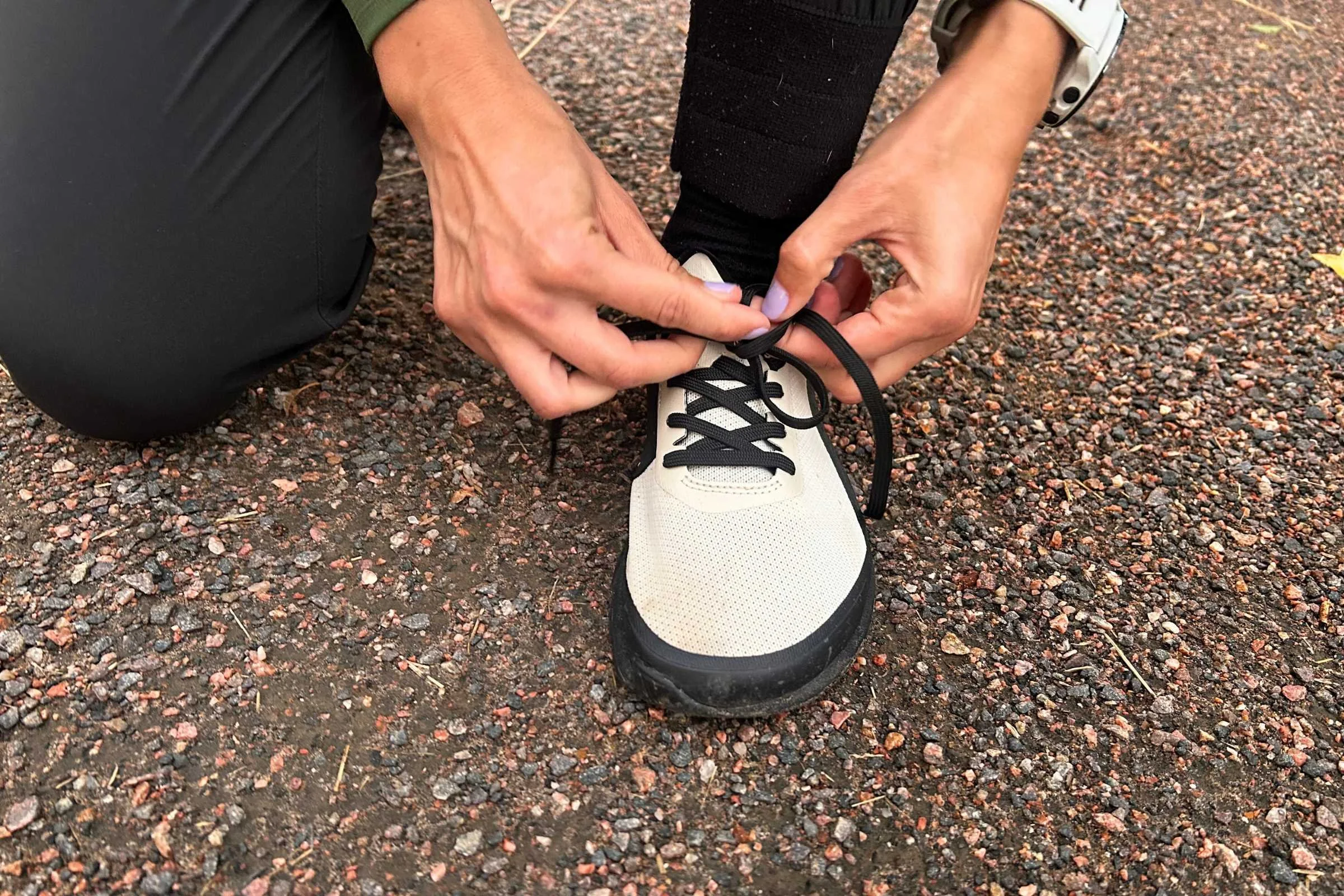
One of the most frequent findings in any Notace Yama T1 review is the unique fit. The shoe is designed with what we call a "hugging" fit—a narrow, secure heel and midfoot that opens up into a spacious forefoot. This design prevents the heel slippage common in barefoot running style shoes.
However, sizing is a bit tricky. Based on our Notace Yama T1 review for narrow heel wide forefoot fit, we strongly recommend that most runners size up by a half size. The engineered TPU upper is durable but doesn't have a massive amount of "give" or stretch, so if you are between sizes, the larger option will better facilitate natural toe splay during long efforts when your feet begin to swell.
The interior features a suede heel lining that feels premium and helps with the lockdown. For travelers, the shoe is remarkably packable; you can essentially fold it in half, making it excellent packable travel gear for those who don't want to sacrifice their trail runs while on the road. Maintenance is also straightforward; the shoes are machine washable on a cold cycle, which is a blessing after a muddy day on the singletrack.

FAQ
Is the Notace Yama T1 worth the money?
For the dedicated minimalist runner, yes. While the price point is competitive with mainstream trail shoes, the use of high-end eTPU and the industry-best lockdown system provide a longevity and performance level that cheaper barefoot shoes can't match. It is a niche tool, but one that is built to last through hundreds of miles of trail use.
What are the pros and cons of the Notace Yama T1?
The primary pros include the incredible groundfeel, the lightweight 7.5 oz construction, and a secure midfoot lockdown that is rare in the minimalist category. The cons are mainly related to the rock plate omission; if you run on sharp, volcanic rock or very technical terrain, your feet may feel "beaten up" by the end of the day. The sizing is also smaller than average, requiring a 1/2 size adjustment for most.
How comfortable is the Notace Yama T1 for long hours?
Comfort is subjective and highly dependent on your transition to minimalist footwear. If you are already accustomed to zero drop trail shoes performance and 15mm or lower stack heights, you will find these comfortable for 20+ mile efforts. However, if you are coming from a traditional cushioned shoe, the 15mm stack will likely lead to foot fatigue during long hours until your intrinsic foot muscles are sufficiently strengthened.
Conclusion: Is it the Ultimate Minimalist Shoe?
After extensive testing, this Notace Yama T1 review concludes that for a specific type of runner, this shoe is a breakthrough. It succeeds where many others have failed by providing a minimalist platform that doesn't feel unstable or "sloppy" when the trail gets fast or steep.
If you are a minimalist purist who values proprioception above all else, the Yama T1 is a top-tier choice. It honors the barefoot running style while providing the necessary traction and midfoot security required for real-world trails. However, if your local terrain consists of endless miles of sharp limestone or you aren't yet ready to give up the protection of a rock plate, you might find the 15mm stack height a bit too intimate with the ground.
Ultimately, Cedric Scotto has delivered a shoe that feels like a return to the roots of the minimalist movement: lightweight, flexible, and deeply connected to the earth. It isn't just another zero drop trail shoes performance option; it's a refined piece of engineering for those who truly love the feel of the trail.